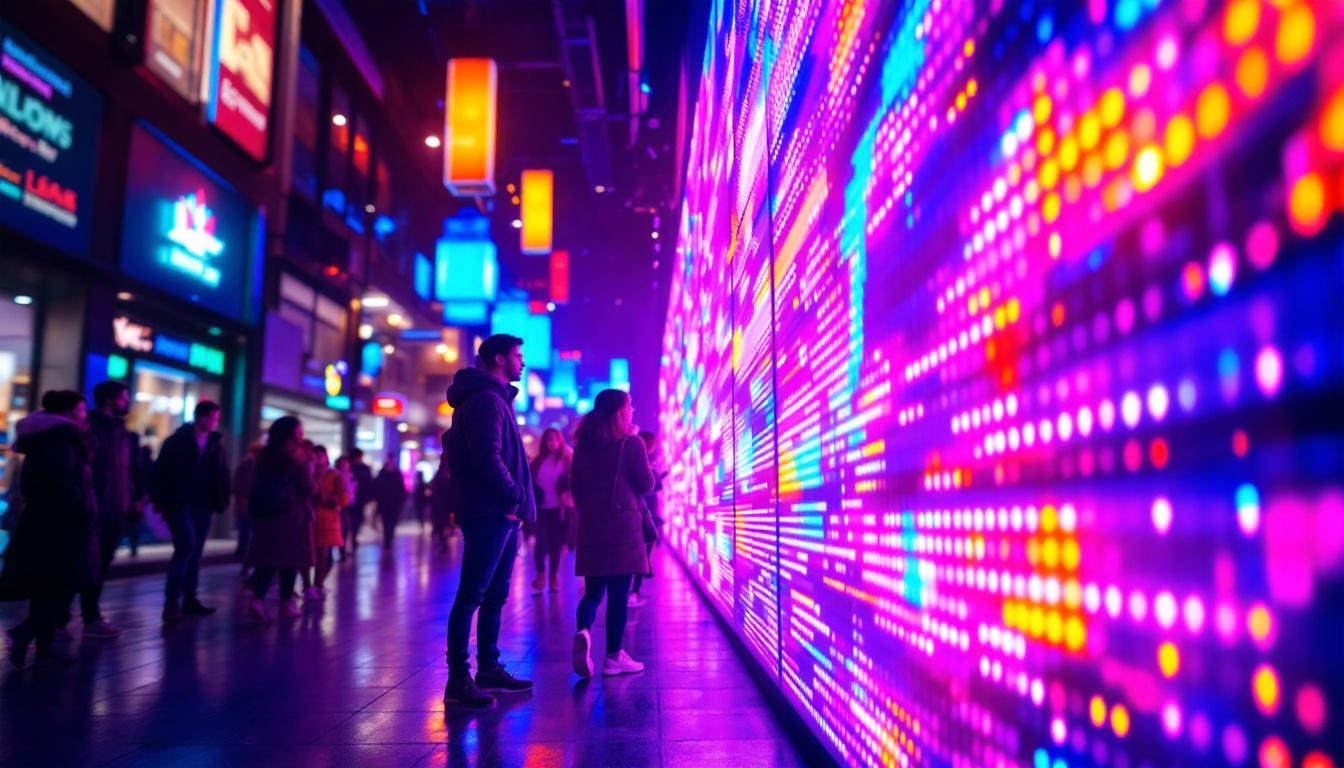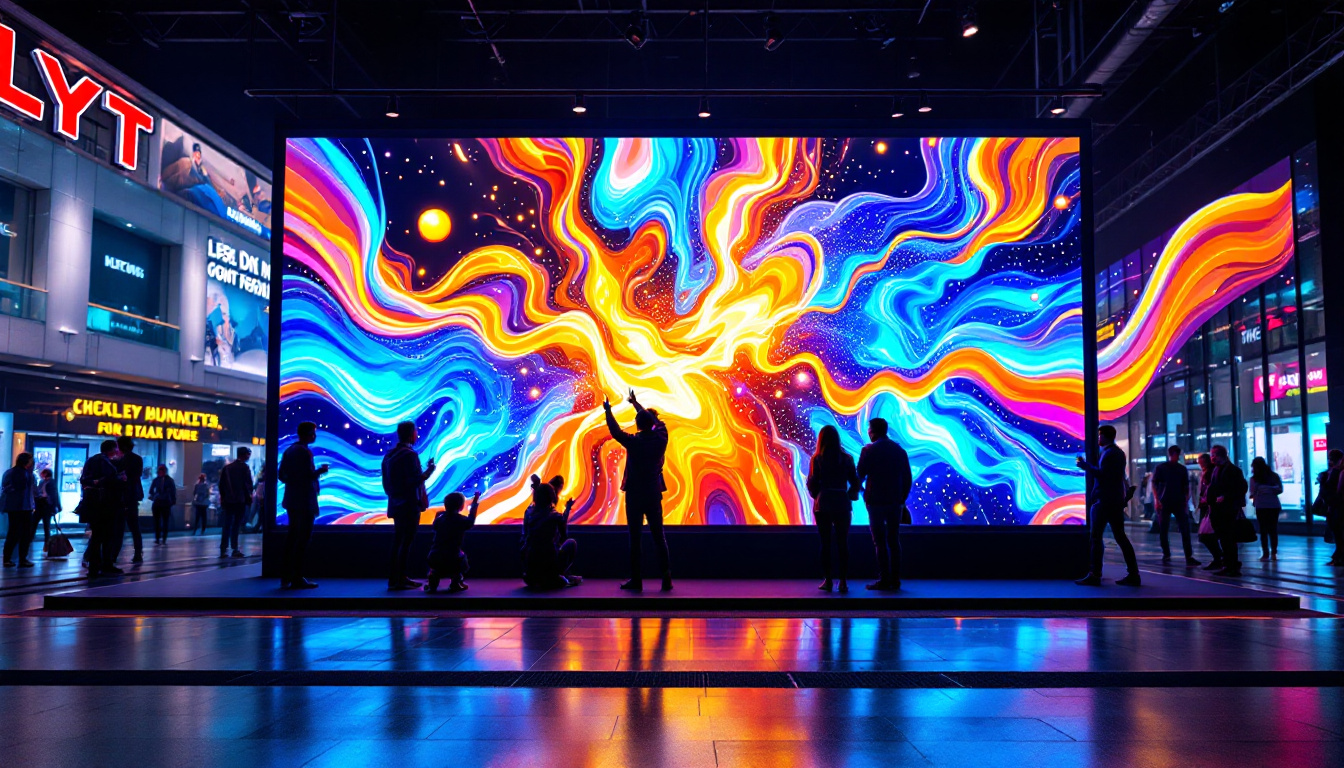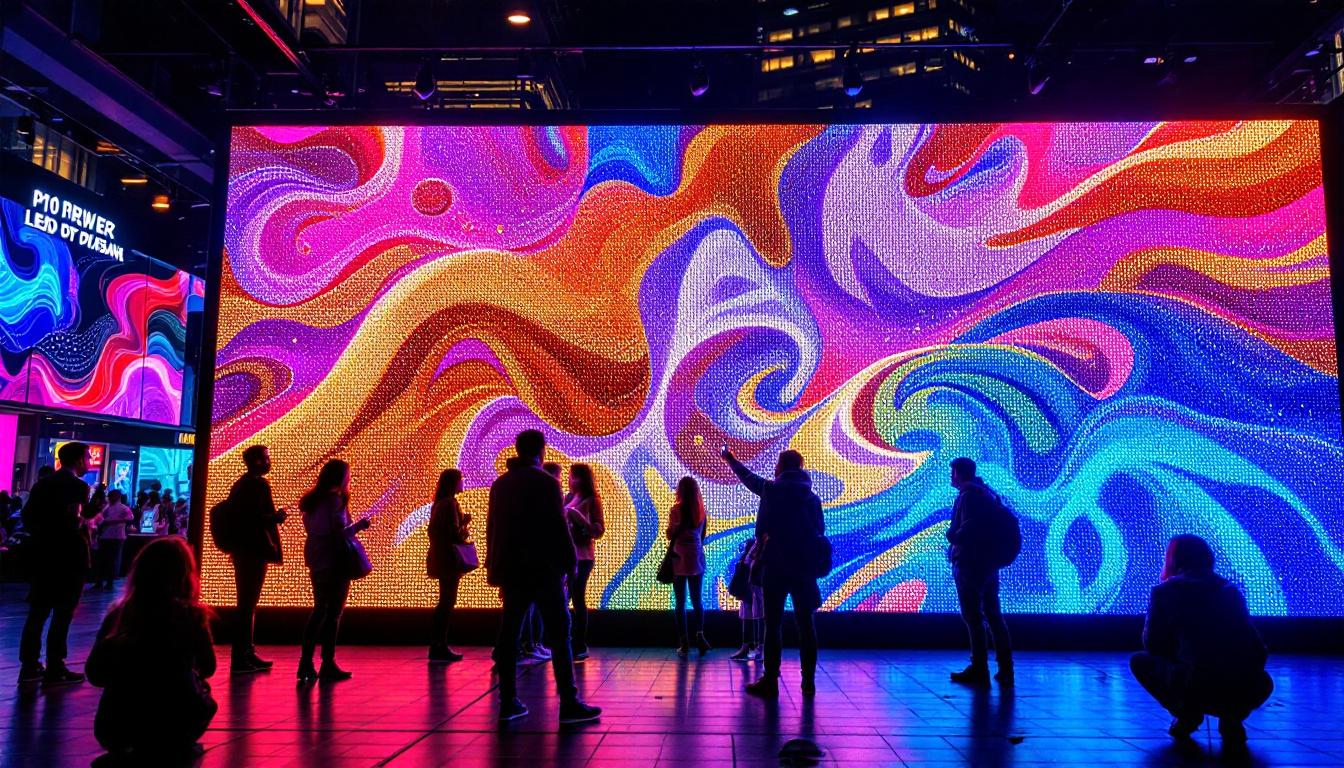
In an era where visual communication dominates marketing, entertainment, and corporate environments, video walls have become essential tools for delivering impactful messages. Among the various types of video walls, LED displays stand out for their brightness, scalability, and versatility. Whether you are a business owner, event organizer, or technology enthusiast, understanding LED video walls can help you make informed decisions when purchasing one.
This article dives deep into the world of LED video walls, explaining what they are, how they work, their advantages, and key considerations before buying. By the end, you will have a comprehensive understanding of LED video walls and be equipped to select the right solution for your needs.
What Is an LED Video Wall?
Definition and Basic Components
An LED video wall is a large-scale display system composed of multiple LED panels seamlessly tiled together to create a single, expansive screen. Unlike traditional LCD or projection-based video walls, LED walls use light-emitting diodes (LEDs) as pixels, which emit their own light, resulting in superior brightness and contrast.
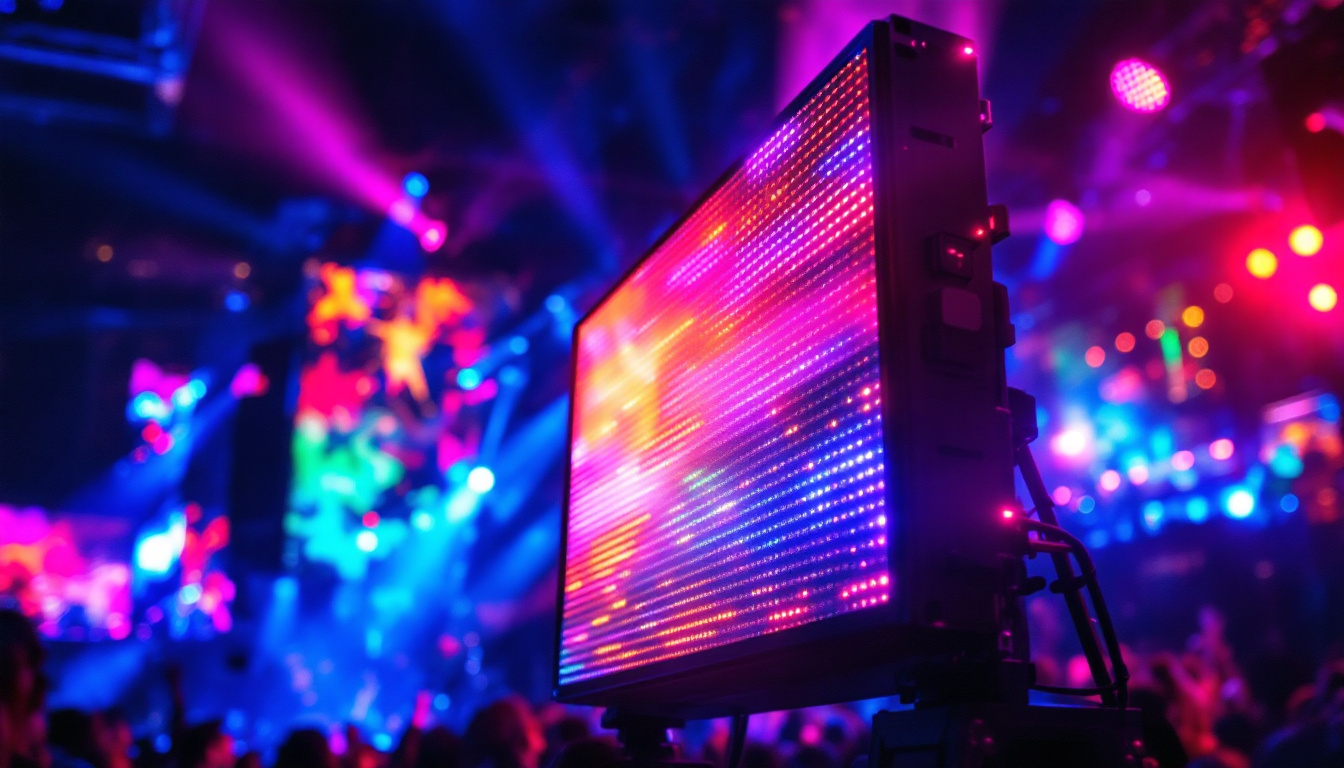
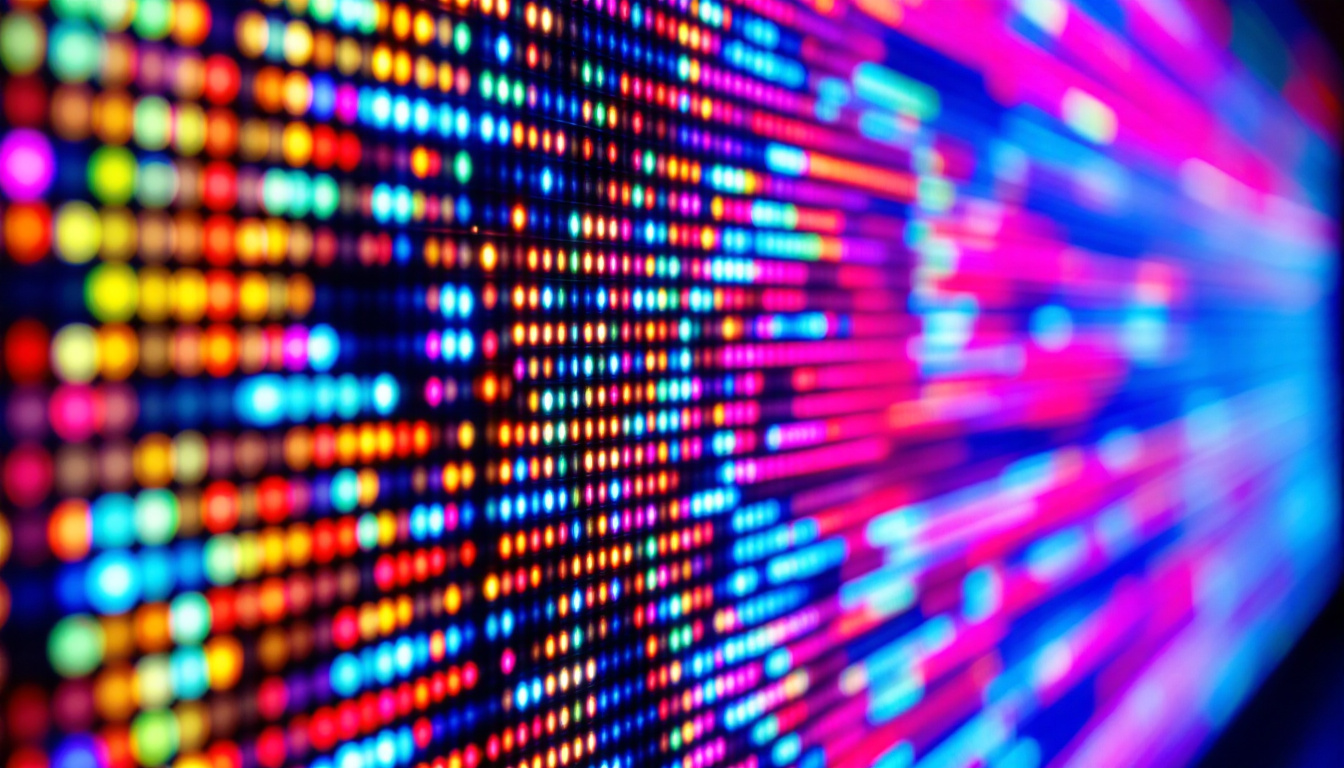
Each LED panel consists of thousands of tiny LEDs arranged in a grid. These LEDs can be red, green, and blue (RGB), which combine to produce a full spectrum of colors. When connected, these panels form a continuous display surface capable of showing high-resolution images and videos. The modular nature of LED panels allows for flexible configurations, enabling designers to create unique shapes and sizes tailored to specific environments or artistic visions. Additionally, advancements in technology have led to the development of ultra-thin bezels, which minimize the visible gaps between panels, further enhancing the immersive experience.
How LED Video Walls Differ from Other Display Technologies
While LCD video walls rely on backlighting and projection systems require external light sources, LED video walls are self-illuminating. This fundamental difference gives LED walls several advantages:
- Brightness: LED walls can achieve brightness levels exceeding 1,000 nits, making them visible even in direct sunlight.
- Contrast: LEDs can turn off completely to produce true blacks, resulting in better contrast ratios.
- Viewing Angles: LED walls maintain consistent image quality from wide viewing angles.
- Durability: LED panels are robust and suitable for both indoor and outdoor use.
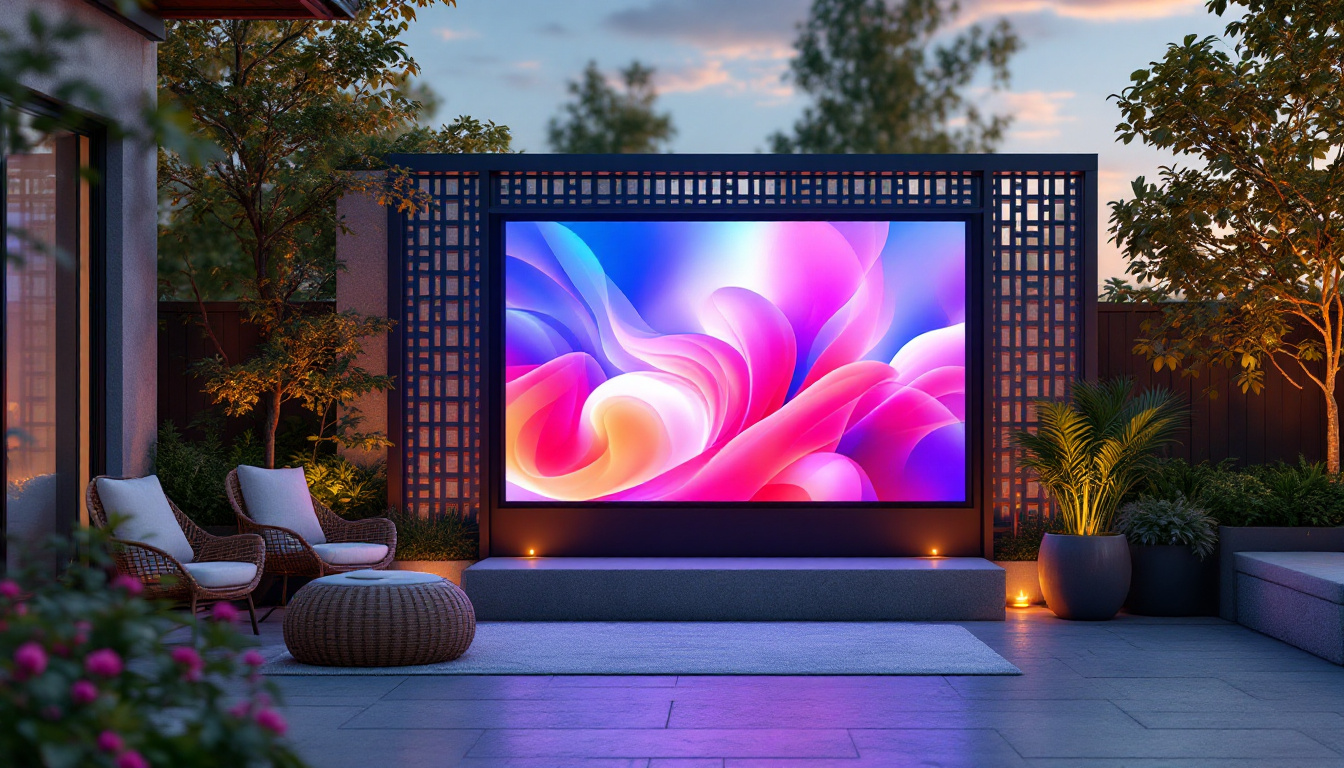
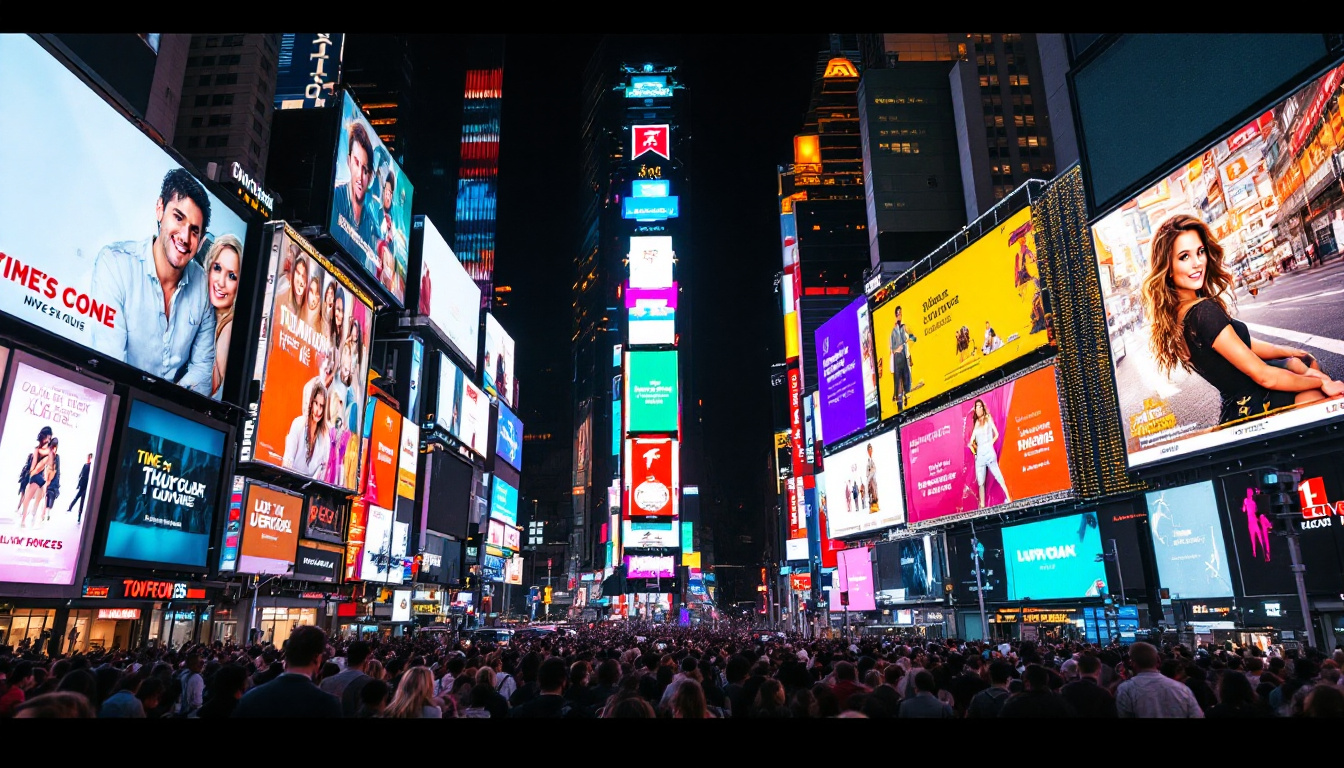
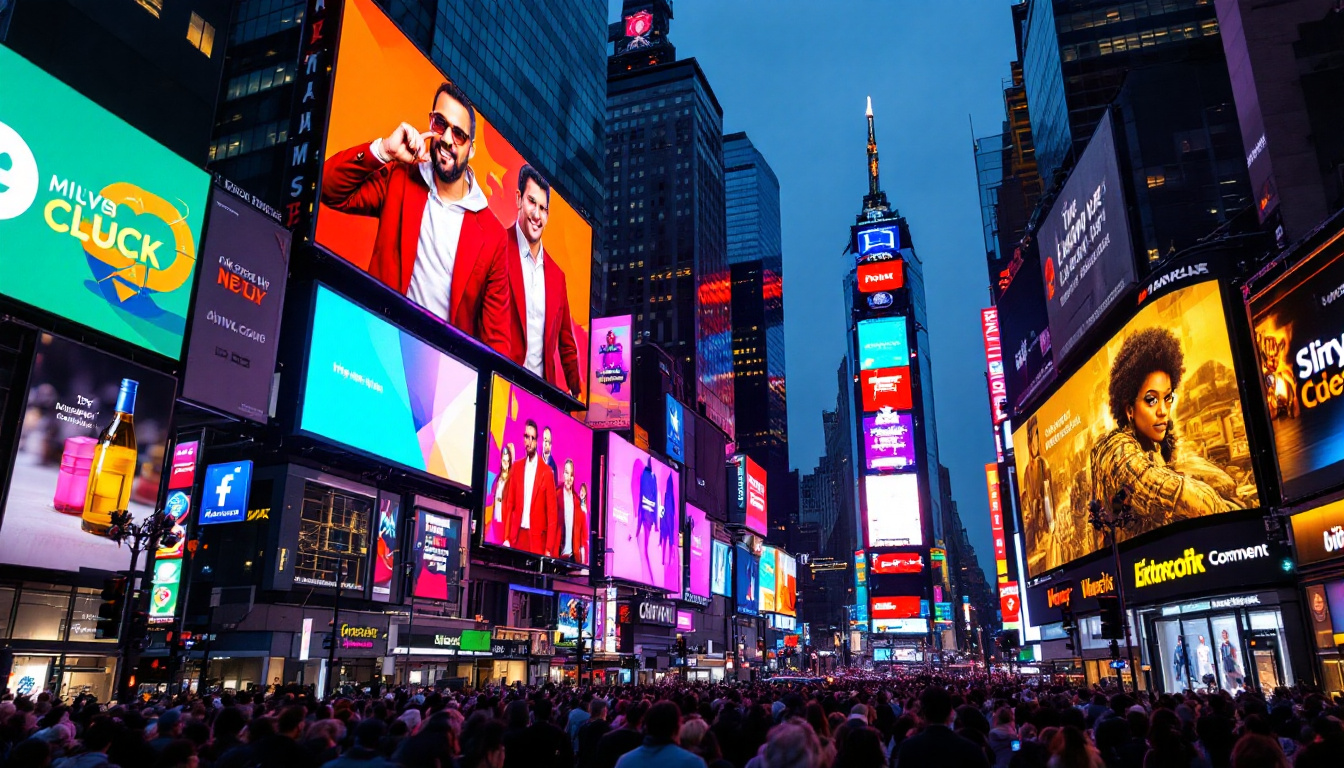
These features make LED video walls particularly popular for outdoor advertising, stadiums, control rooms, and retail environments. Moreover, the energy efficiency of LED technology means that these displays consume less power than their counterparts, making them a more sustainable choice in the long run. As a result, many businesses are increasingly investing in LED video walls not only for their visual impact but also for their cost-effectiveness over time. The ability to easily update content remotely also adds to their appeal, allowing for dynamic advertising and real-time information sharing in various settings.
Key Advantages of LED Video Walls
Exceptional Brightness and Visibility
One of the most significant benefits of LED video walls is their ability to deliver high brightness levels. Typical LED walls can reach brightness levels from 1,000 to over 5,000 nits, depending on the model and application. This capability ensures that content remains vibrant and readable even under challenging lighting conditions such as direct sunlight or brightly lit indoor spaces.
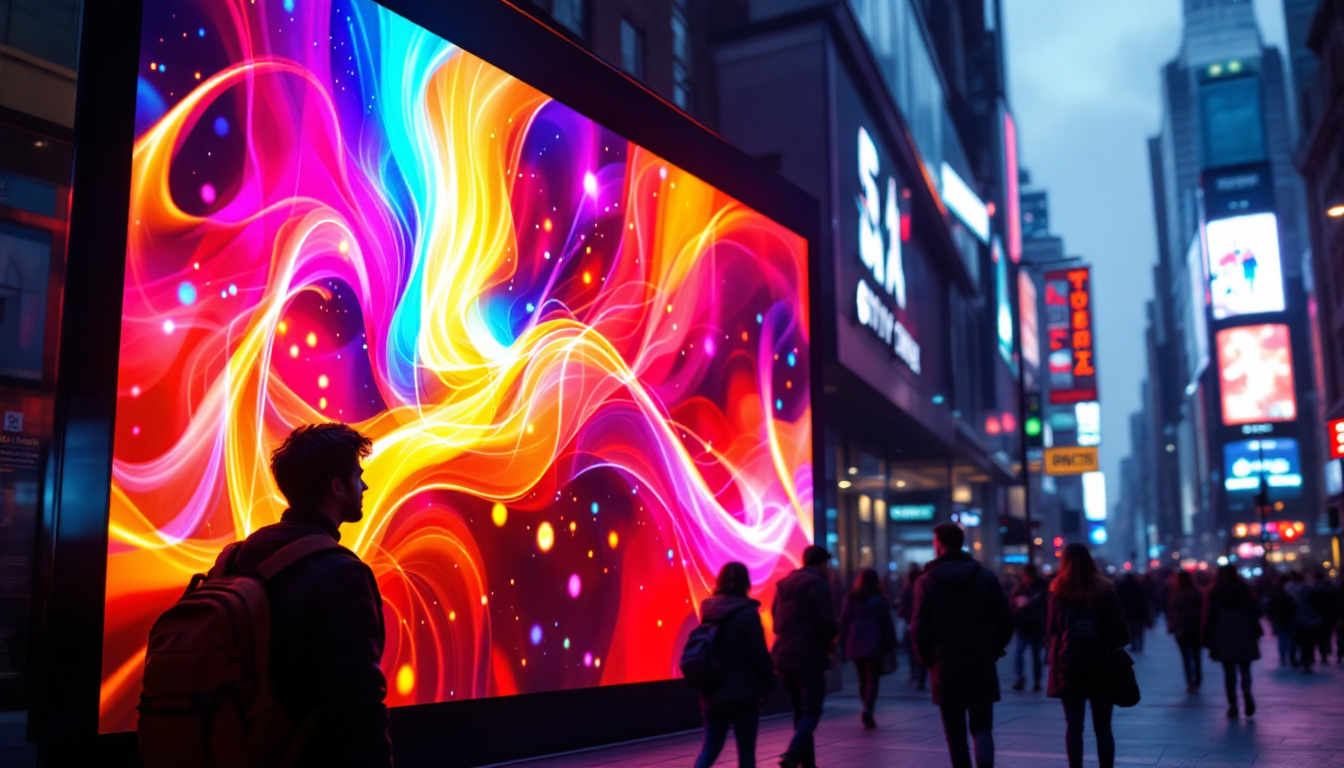
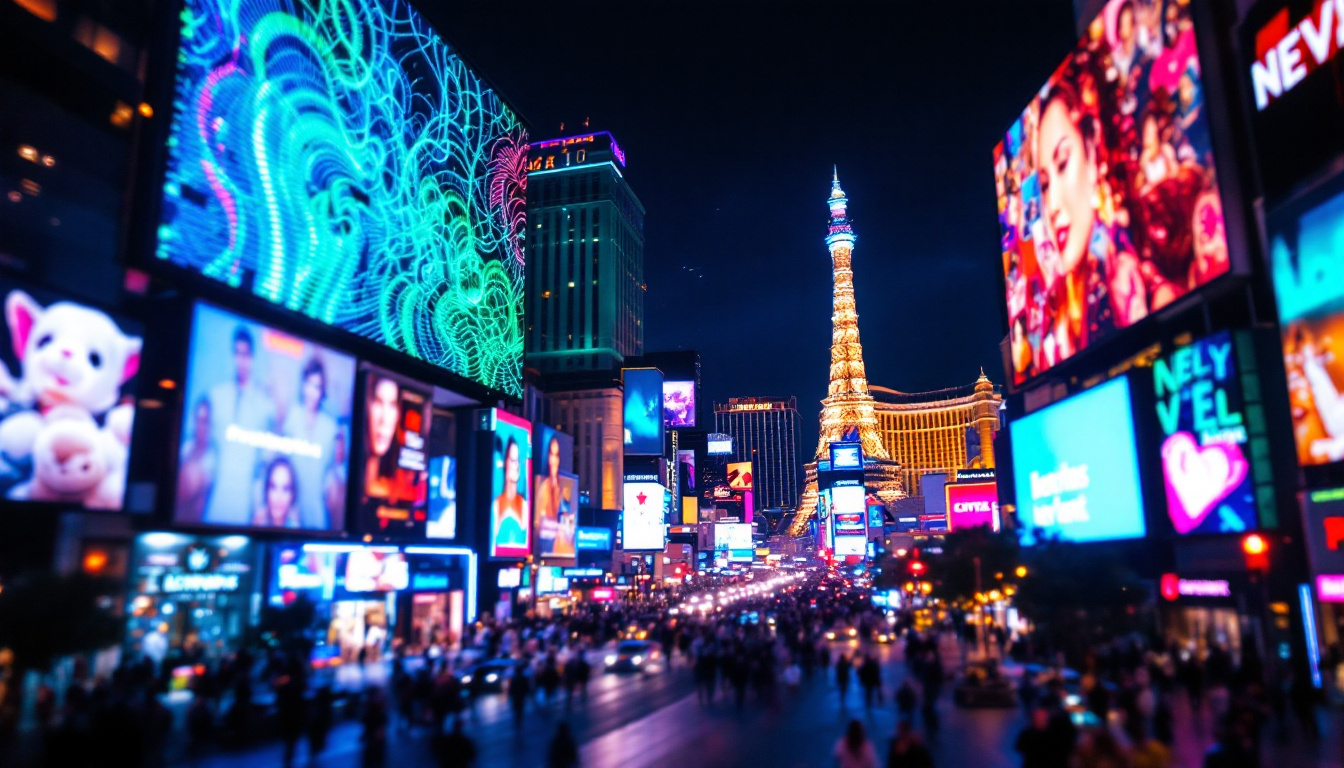
For example, digital billboards along highways often use LED video walls to maintain visibility in daylight, a feat difficult to achieve with LCD or projection screens.
Scalability and Flexibility
LED video walls are highly modular. Each panel can be combined with others to create virtually any size or shape of display. This scalability allows businesses to customize their video walls to fit unique spaces, from small conference rooms to massive outdoor arenas.
Moreover, LED walls can be curved, angled, or even suspended, offering creative freedom in design. This flexibility is particularly valuable for brands seeking to create immersive experiences or eye-catching installations.
Superior Image Quality and Color Accuracy
Modern LED panels support high resolutions and wide color gamuts, enabling them to display crisp images with rich, accurate colors. Advances in LED technology have improved pixel pitch—the distance between individual LEDs—allowing for finer detail and smoother visuals even at close viewing distances.
For instance, indoor LED walls with pixel pitches as small as 0.9mm are now available, rivaling the sharpness of high-end LCD displays.
Energy Efficiency and Longevity
LEDs are known for their energy efficiency compared to other display technologies. They consume less power while delivering brighter images, which can translate into lower operating costs over time. Additionally, LED panels have a long lifespan, often rated for 50,000 to 100,000 hours of use, reducing the need for frequent replacements.
Durability and Weather Resistance
Outdoor LED video walls are engineered to withstand harsh environmental conditions, including rain, dust, and extreme temperatures. Many panels come with IP65 or higher ratings, ensuring protection against water ingress and solid particles. This durability makes them ideal for outdoor advertising, sports venues, and public spaces.
Understanding Pixel Pitch and Resolution
What Is Pixel Pitch?
Pixel pitch is a critical specification in LED video walls, referring to the distance between the centers of two adjacent pixels, measured in millimeters. It directly impacts image clarity and viewing distance. A smaller pixel pitch means more LEDs per square meter, resulting in higher resolution and sharper images.
For example, a pixel pitch of 1.5mm means the LEDs are spaced 1.5 millimeters apart, suitable for close viewing environments such as retail stores or control rooms. Conversely, a pixel pitch of 10mm or more is common for large outdoor displays where viewers stand far away.
Choosing the Right Pixel Pitch for Your Application
Determining the appropriate pixel pitch depends largely on the typical viewing distance. As a general rule:
- Viewing distance (meters) ≈ Pixel pitch (mm) × 1.5 to 2
This formula helps ensure the image appears smooth without visible pixelation. For example, if viewers are typically 3 meters away, a pixel pitch of 1.5mm to 2mm is ideal.
Choosing too fine a pixel pitch for a large outdoor wall can increase costs unnecessarily, while too coarse a pitch for close viewing can degrade image quality.
Applications of LED Video Walls
Advertising and Digital Signage
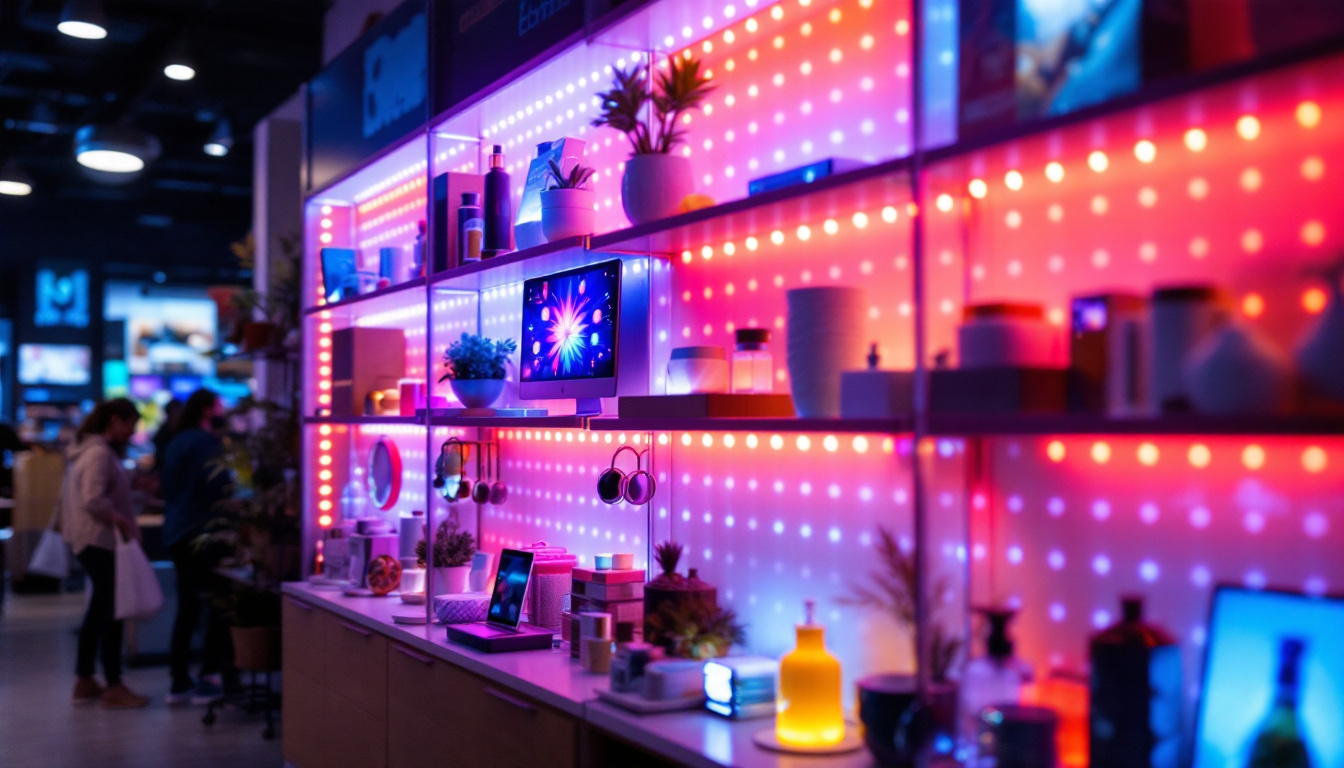
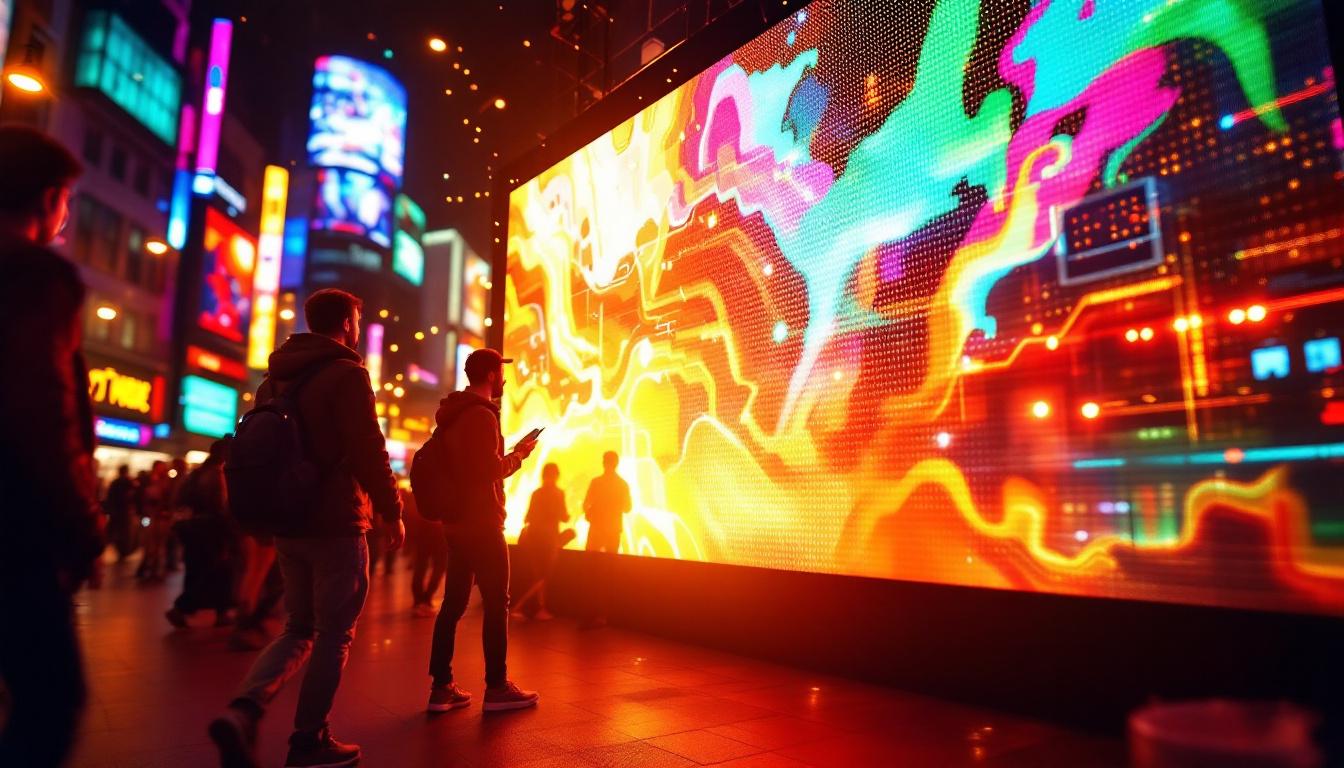
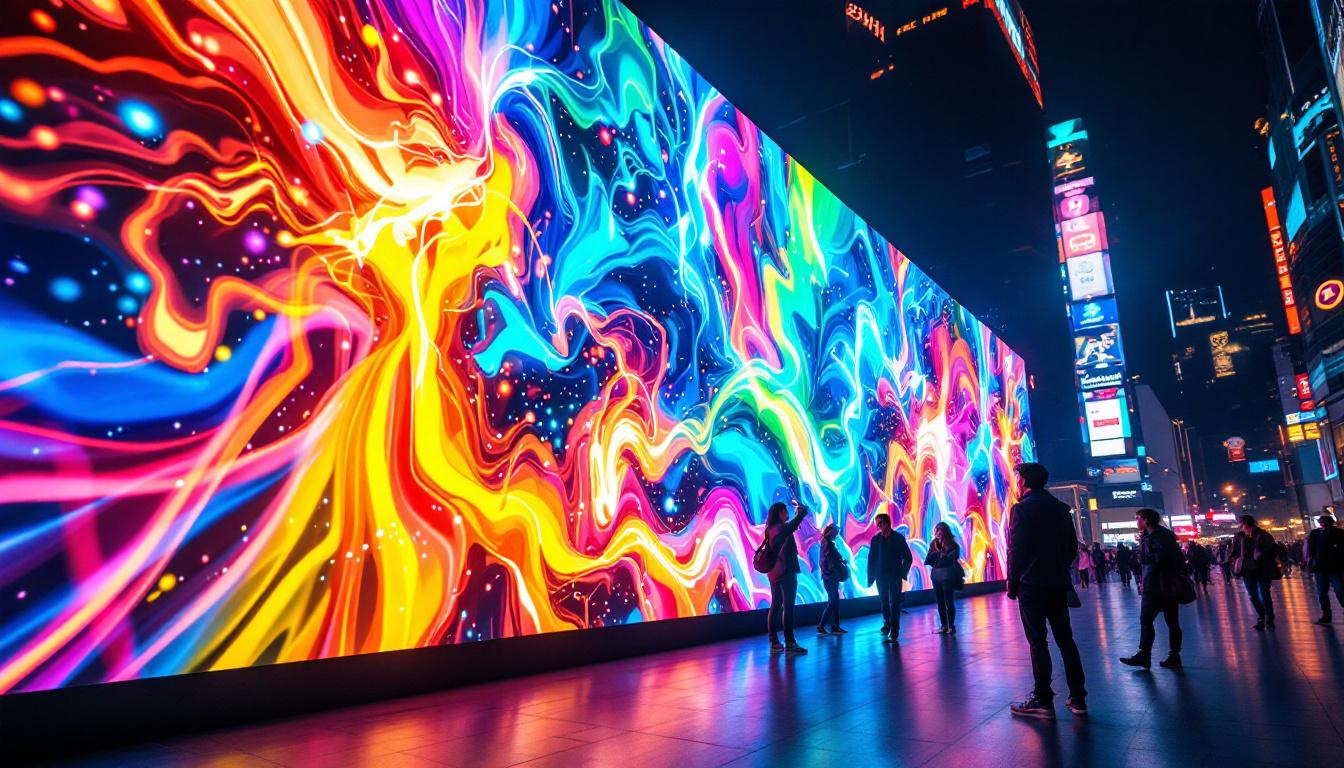
LED video walls have revolutionized advertising by enabling dynamic, eye-catching content that can be updated in real time. Retail stores, shopping malls, and outdoor billboards use LED walls to attract customers and promote products effectively.
According to recent industry reports, the global digital signage market is expected to grow at a CAGR of over 8% through 2027, driven largely by the adoption of LED video walls in advertising.
Corporate and Control Rooms
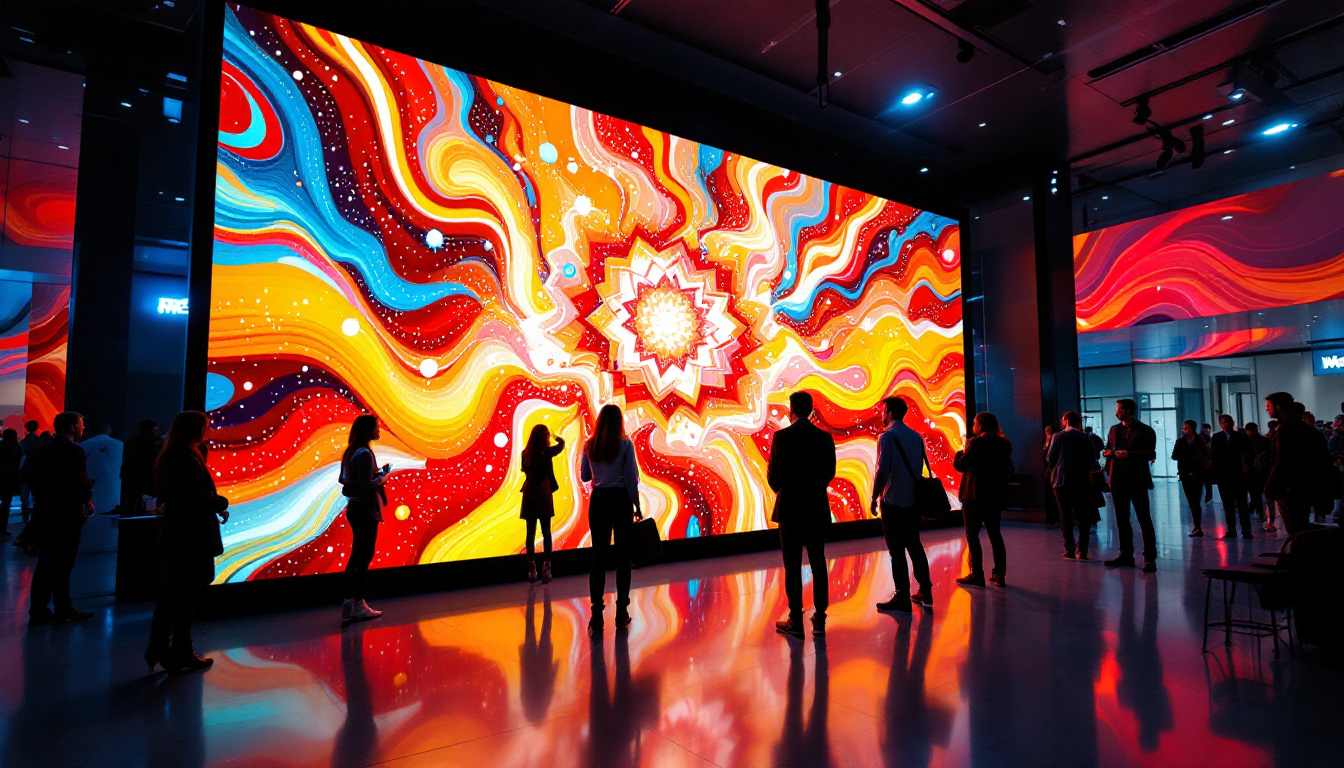
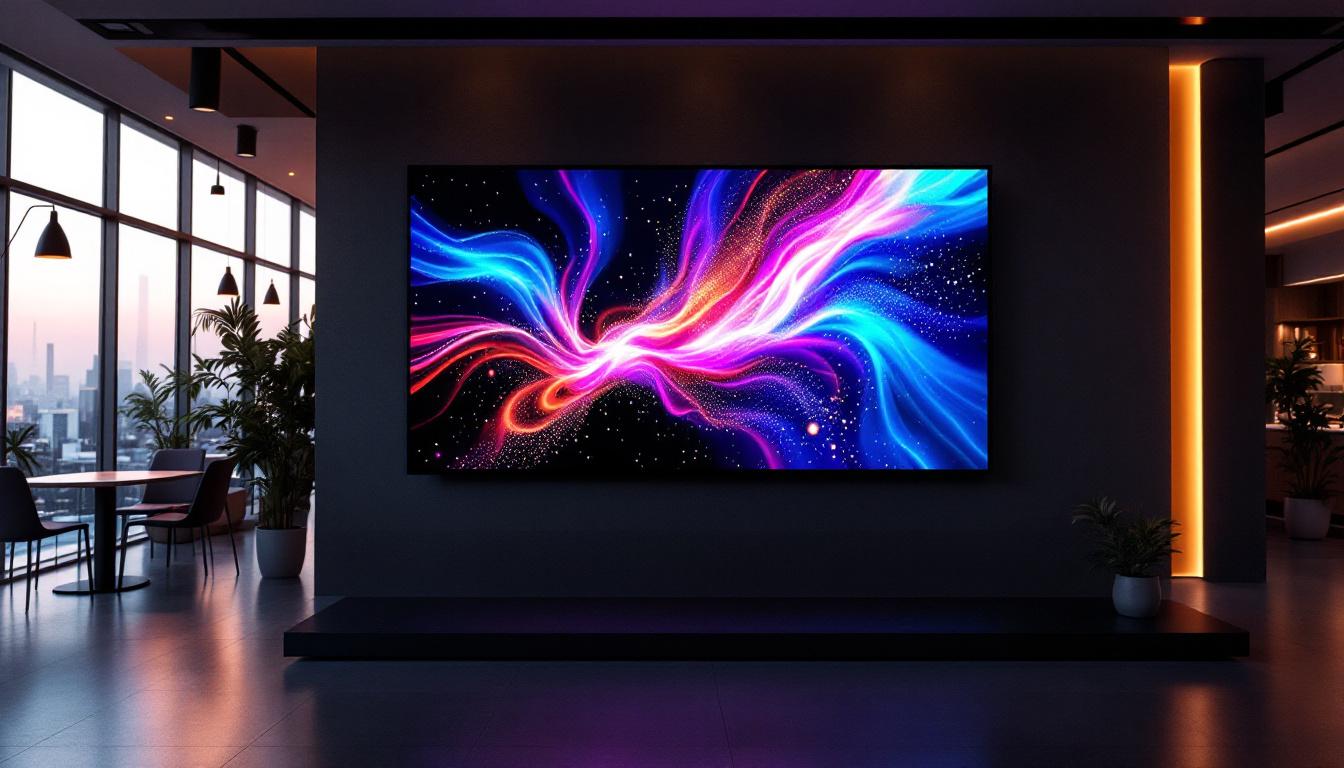
In corporate environments, LED video walls are used in boardrooms, lobbies, and conference centers to display presentations, data dashboards, and branding. Control rooms for utilities, transportation, and security rely on LED walls for monitoring multiple data streams simultaneously, benefiting from the high resolution and reliability of LED technology.
Entertainment and Events
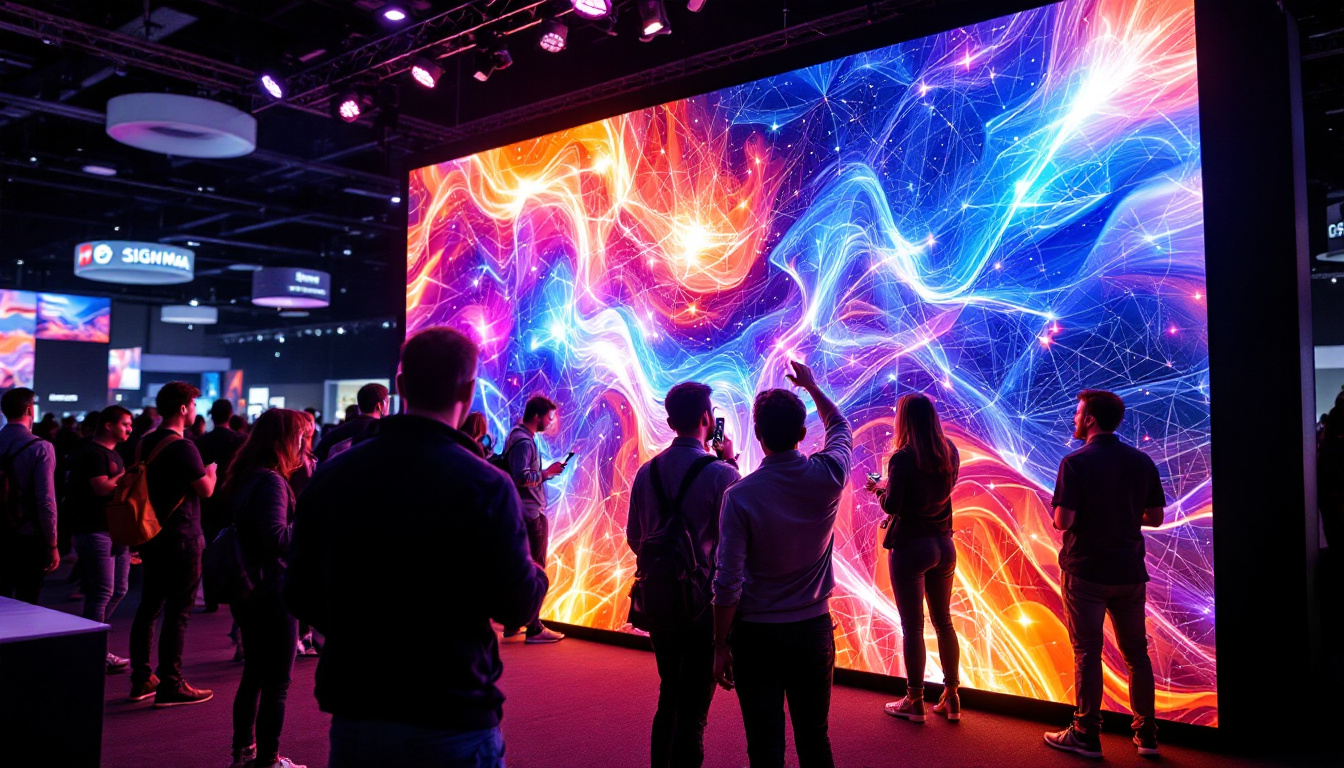
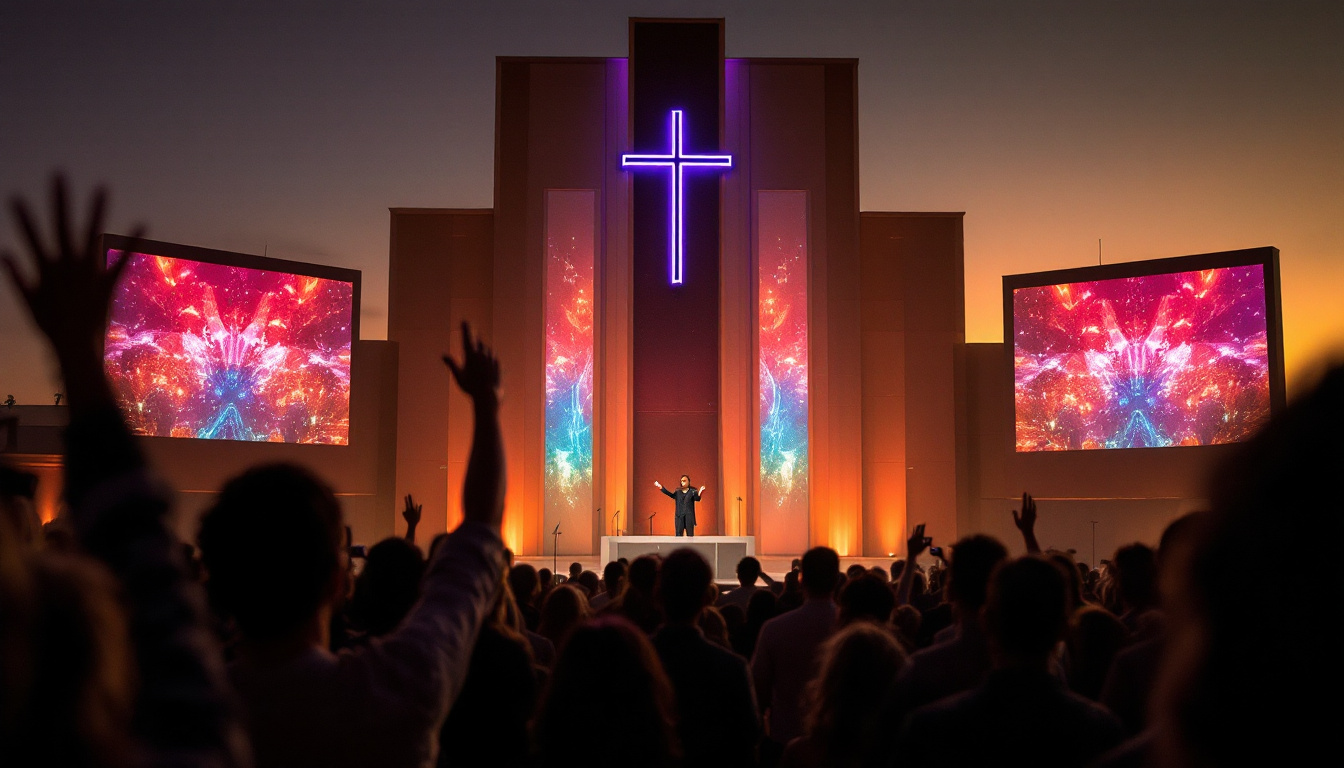
Concerts, sports arenas, and theaters utilize LED video walls to create immersive experiences. Their ability to produce vivid visuals and adapt to various shapes and sizes makes them ideal for stage backdrops, scoreboards, and interactive displays.
Education and Public Spaces
Universities, museums, and public venues use LED walls to enhance learning and engagement. From displaying informational content to interactive exhibits, LED video walls offer versatile solutions for diverse audiences.
Important Considerations Before Buying an LED Video Wall
Indoor vs. Outdoor Use
One of the first decisions is whether the video wall will be used indoors or outdoors. Outdoor LED walls require higher brightness levels, weatherproofing, and often more robust construction. Indoor walls prioritize finer pixel pitches and sleek designs.
Ensure the product specifications match your environment to avoid performance issues and premature wear.
Resolution and Size Requirements
Define the desired resolution and physical size based on your content and viewing distances. Higher resolutions provide more detail but come at increased costs. Balancing size, resolution, and budget is key.
Installation and Maintenance
Consider the complexity of installation and ongoing maintenance. LED video walls can be heavy and require precise alignment. Some suppliers offer modular designs with front or rear serviceability to simplify repairs and upkeep.
Content Management and Connectivity
Effective content management systems (CMS) are essential for controlling what appears on the video wall. Check compatibility with your existing hardware and software, as well as options for remote management and scheduling.
Budget and Total Cost of Ownership
While LED video walls can be expensive upfront, evaluating total cost of ownership—including installation, energy consumption, maintenance, and potential upgrades—is crucial. Investing in quality products from reputable manufacturers often results in better long-term value.
Trends and Innovations in LED Video Wall Technology
MicroLED and MiniLED Advances
Emerging technologies such as MicroLED and MiniLED promise even greater image quality and energy efficiency. MicroLEDs are smaller than traditional LEDs, enabling ultra-high resolutions and improved contrast, potentially transforming future video walls.
Flexible and Transparent LED Displays
Flexible LED panels allow for curved and irregular shapes, expanding creative possibilities. Transparent LED displays enable see-through video walls, ideal for retail windows and architectural integration.
AI and Interactive Capabilities
Integration of artificial intelligence and sensors is enabling interactive video walls that respond to audience behavior, enhancing engagement and personalization.
Conclusion
LED video walls represent a powerful medium for visual communication, offering unmatched brightness, scalability, and image quality. Understanding the technology, applications, and purchasing considerations is essential for selecting the right LED video wall that meets your specific needs.
Whether for advertising, corporate use, entertainment, or public engagement, investing in an LED video wall can transform how you capture attention and convey your message. As technology continues to advance, LED video walls will remain at the forefront of display innovation, delivering immersive and dynamic visual experiences.
Discover LumenMatrix LED Display Solutions
Ready to elevate your visual communication with a state-of-the-art LED video wall? LumenMatrix offers a comprehensive range of LED display modules designed to captivate your audience and amplify your message. From vibrant Indoor and Outdoor LED Wall Displays to innovative solutions like Vehicle LED Displays, LED Posters, and even Custom LED Displays, we have the technology to bring your vision to life. Experience the future of digital signage with LumenMatrix and transform your space into a dynamic environment. Check out LumenMatrix LED Display Solutions today and start creating unforgettable visual experiences.