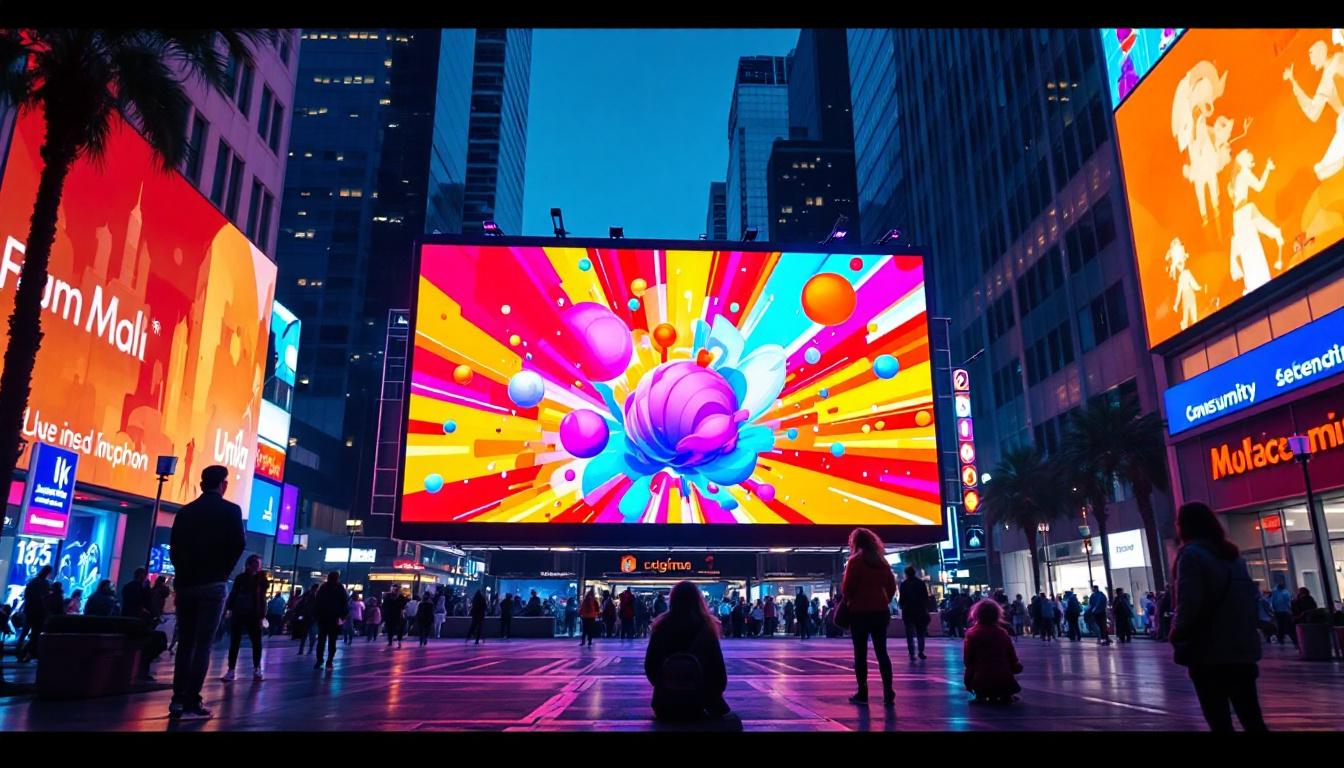
The California Protection Act represents a significant step forward in regulating LED display technology within the state, balancing innovation with public safety and environmental concerns. As LED displays become increasingly prevalent in commercial, public, and private spaces, understanding the nuances of this legislation is crucial for businesses, city planners, and consumers alike. This article delves into the core aspects of the California Protection Act as it pertains to LED displays, exploring its implications, benefits, and compliance requirements.
Understanding the California Protection Act
The California Protection Act was enacted to address growing concerns related to digital signage, particularly LED displays, which have transformed urban landscapes across the state. The Act aims to regulate the use of these displays to ensure they do not adversely affect public safety, environmental quality, or community aesthetics.
At its core, the Act establishes guidelines for brightness levels, operating hours, placement, and content restrictions for LED displays. It reflects a broader trend in legislation that seeks to harness technological advancements while mitigating potential negative impacts such as light pollution, driver distraction, and energy consumption.
Historical Context and Legislative Motivation
California has long been a pioneer in environmental and public safety legislation. The surge in LED display installations, particularly in urban centers like Los Angeles and San Francisco, prompted lawmakers to consider the unintended consequences of unregulated digital signage. Reports of increased light pollution affecting residential neighborhoods, as well as concerns about distracted driving near busy highways, underscored the need for a comprehensive regulatory framework.
Furthermore, the Act aligns with California’s ambitious climate goals by encouraging energy-efficient technologies and responsible usage patterns. By setting standards for LED display brightness and operational timing, the legislation supports efforts to reduce unnecessary energy consumption and carbon emissions.
In addition to these practical considerations, the California Protection Act also engages with the cultural implications of digital signage. As cities evolve into vibrant hubs of technology and creativity, the Act seeks to balance the innovative spirit of urban environments with the need for community cohesion and visual harmony. This balance is particularly important in neighborhoods with historical significance or unique architectural styles, where excessive or poorly regulated signage could detract from the character and charm that define these areas.
The Act also encourages community involvement in the regulatory process, allowing local governments to tailor regulations to meet the specific needs and preferences of their residents. Public hearings and community forums provide platforms for citizens to voice their concerns and suggestions regarding digital signage in their neighborhoods. This participatory approach not only fosters a sense of ownership among residents but also ensures that the regulations reflect the diverse values and priorities of California’s multifaceted communities.
Key Provisions of the California Protection Act Regarding LED Displays
The Act outlines several critical provisions that directly impact the design, installation, and operation of LED displays throughout California. These provisions are designed to protect public interests while allowing businesses and municipalities to benefit from modern digital signage technologies.
Brightness and Light Intensity Regulations
One of the most significant aspects of the Act is the regulation of brightness levels for LED displays. Excessive brightness can contribute to light pollution, disrupt local wildlife, and impair visibility for drivers. The Act stipulates maximum luminance levels measured in nits, varying by location and time of day.
For example, LED displays in commercial zones are permitted higher brightness during daylight hours, typically capped around 5,000 nits, but must reduce brightness significantly after sunset, often to below 300 nits. Residential areas face stricter limits to minimize disturbance to residents. These standards are enforced through periodic inspections and require display operators to install automatic dimming technology.
Operational Hours and Content Restrictions
The California Protection Act also addresses when LED displays can be active. To reduce light pollution and avoid disturbing nearby residents, many jurisdictions within California have adopted curfews that restrict LED display operation during late-night hours, typically from 10 PM to 6 AM.
Content restrictions are another critical element. The Act prohibits displays from showing content that could be misleading, offensive, or distracting to drivers. For instance, rapidly flashing images or high-contrast animations that mimic emergency vehicle lights are banned. Additionally, displays must not show content that violates privacy laws or promotes unsafe behavior.
Placement and Zoning Considerations
Placement of LED displays is regulated to ensure they harmonize with community standards and do not obstruct important sightlines or signage. The Act requires permits for installation, with local zoning boards reviewing applications to assess potential impacts on traffic safety, neighborhood character, and historical preservation areas.
Displays near highways and intersections undergo rigorous evaluation to prevent driver distraction. In some cases, LED signage is prohibited within a certain distance from schools, hospitals, and residential neighborhoods. These zoning restrictions help balance commercial interests with community well-being.
Implications for Businesses and Municipalities
The California Protection Act has far-reaching implications for businesses that rely on LED displays for advertising and communication, as well as for municipalities that use digital signage for public information and safety messages.
Compliance Challenges and Costs
For businesses, complying with the Act may require upgrading existing LED displays to models with automatic brightness adjustment and scheduling capabilities. Installation of sensors and software to monitor and control display parameters can add to operational costs. However, these investments often lead to energy savings and improved public perception.
Municipalities face the challenge of balancing the benefits of digital signage with regulatory compliance and community feedback. Public agencies must ensure that LED displays used for traffic alerts, emergency notifications, or public service announcements meet the new standards without compromising effectiveness.
Benefits of Regulation
While compliance may involve upfront costs, the benefits of the California Protection Act are substantial. By reducing light pollution, the Act contributes to healthier ecosystems and improved quality of life for residents. Enhanced safety measures help decrease accidents caused by distracted driving, a critical public health objective.
Moreover, regulated LED displays tend to be more visually appealing and less intrusive, fostering positive community relations. Businesses that adhere to these standards often enjoy greater trust and engagement from their audiences, while municipalities can deploy digital signage more effectively and responsibly.
Technological Innovations Supporting Compliance
Advancements in LED technology and smart control systems have made it easier for display operators to meet the requirements set forth by the California Protection Act. These innovations not only facilitate compliance but also enhance the functionality and sustainability of LED displays.
Automatic Brightness Control Systems
Modern LED displays are equipped with sensors that detect ambient light levels and adjust brightness accordingly. This ensures that displays are bright enough to be visible during the day but dim enough at night to prevent glare and light pollution. Such systems are essential for meeting the Act’s luminance standards.
Scheduling and Remote Management
Software platforms now allow operators to schedule display operation times and content remotely, ensuring adherence to curfews and content restrictions. These tools provide real-time monitoring and alerts, enabling quick responses to any violations or technical issues.
Energy-Efficient LED Panels
Newer LED panels consume significantly less power while delivering higher brightness and better color accuracy. This aligns with California’s energy efficiency goals and helps reduce the environmental footprint of digital signage.
Case Studies: Implementation of the California Protection Act
Several cities and businesses across California have successfully integrated the provisions of the Protection Act into their LED display strategies, demonstrating practical approaches and outcomes.
Los Angeles: Balancing Urban Advertising and Community Needs
Los Angeles, with its vast array of digital billboards and public displays, has been at the forefront of implementing the Act’s provisions. The city has mandated automatic dimming technology and restricted display brightness in residential zones. Public feedback mechanisms allow residents to report violations, fostering community involvement.
As a result, the city has seen a reduction in complaints about light pollution and improved traffic safety statistics near major digital signage locations.
San Diego: Municipal LED Displays for Public Safety
San Diego has leveraged LED displays for emergency alerts and public information while adhering to the Act’s guidelines. The city uses scheduling software to ensure displays are active only during relevant hours and employs content filters to avoid distractions. This approach has enhanced the effectiveness of public messaging without compromising safety or community comfort.
Retail Sector: Enhancing Customer Engagement Responsibly
Retailers throughout California have updated their digital signage to comply with the Act, investing in energy-efficient panels and smart control systems. Many report improved customer engagement due to clearer, well-timed messaging that respects community standards. These businesses benefit from positive brand reputation and reduced energy costs.
Future Outlook and Ongoing Developments
The California Protection Act represents an evolving framework that will likely adapt as LED technology and urban environments change. Policymakers continue to monitor the impact of the legislation and consider updates to address emerging challenges.
Potential Enhancements to the Legislation
Future amendments may include stricter energy consumption targets, expanded content regulations to address new forms of digital media, and enhanced enforcement mechanisms. There is also discussion about integrating LED display regulations with broader smart city initiatives to optimize urban lighting and signage holistically.
Role of Stakeholders in Shaping Policy
Active participation from businesses, community groups, environmental organizations, and technology providers is essential to ensure the legislation remains balanced and effective. Collaborative efforts can lead to innovative solutions that meet regulatory goals while supporting economic growth and technological advancement.
Conclusion
The California Protection Act’s regulation of LED displays marks a critical intersection of technology, public safety, and environmental stewardship. By setting clear standards for brightness, operation, content, and placement, the Act ensures that LED displays contribute positively to California’s vibrant communities without compromising safety or quality of life.
For businesses and municipalities, understanding and embracing these regulations is not only a legal obligation but an opportunity to demonstrate corporate responsibility and community engagement. With ongoing technological advancements and stakeholder collaboration, California is poised to lead the way in responsible digital signage management, setting a model for other states and regions to follow.
Illuminate Your Space Responsibly with LumenMatrix
As California continues to set the standard for responsible LED display management, LumenMatrix stands at the forefront of this movement, offering a suite of innovative LED display solutions that align with the California Protection Act. Whether you’re looking to enhance your brand’s visibility with an Outdoor LED Wall Display, captivate passersby with a dynamic Vehicle LED Display, or create an immersive experience with a Custom LED Display, LumenMatrix has the technology to help you share your message responsibly and effectively. Check out LumenMatrix LED Display Solutions today and join the revolution in visual communication.