In the rapidly evolving world of visual technology, the integration of camera systems with LED displays has revolutionized how information is captured, processed, and presented. From security surveillance to live event broadcasting and digital signage, understanding the interplay between camera systems and LED displays is crucial for professionals in various industries. This article delves into the fundamentals of camera systems, the technology behind LED displays, and how these components work together to create seamless, high-quality visual experiences.
Understanding Camera Systems: The Foundation of Visual Capture
What Constitutes a Camera System?
A camera system is more than just a device that captures images; it is an integrated setup that includes hardware and software components designed to record, process, and transmit visual data. At its core, a camera system typically consists of the camera sensor, lens, image processor, and connectivity modules. These elements work in harmony to capture high-resolution images or video streams, which can then be displayed or analyzed.
Modern camera systems often incorporate advanced features such as autofocus, optical zoom, image stabilization, and night vision capabilities. These enhancements are critical for applications ranging from security surveillance to professional broadcasting, where clarity and precision are paramount. The integration of artificial intelligence in camera systems is also becoming increasingly common, allowing for features like facial recognition, object tracking, and scene analysis, which enhance the user experience and expand the capabilities of traditional imaging technologies.
Types of Camera Systems Utilized with LED Displays
When paired with LED displays, certain types of camera systems stand out due to their performance and compatibility:
- IP Cameras: These cameras transmit video data over internet protocols, facilitating remote monitoring and integration with digital display networks. Their ability to connect to the internet allows users to access live feeds from anywhere in the world, making them ideal for both personal and commercial use.
- PTZ Cameras (Pan-Tilt-Zoom): Offering dynamic control over viewing angles, PTZ cameras are ideal for live events and security applications where flexible coverage is needed. The ability to remotely control these cameras means that operators can adjust the focus and angle in real-time, ensuring that no critical moment goes uncaptured.
- High-Definition Cameras: With resolutions of 1080p and above, these cameras ensure that the visual content displayed on LED screens is crisp and detailed. This high level of detail is essential for applications such as sports broadcasting and live performances, where every nuance of the action needs to be conveyed to the audience.
- Thermal Cameras: Used in specialized scenarios such as industrial monitoring and security, thermal cameras capture heat signatures and can be displayed on LED screens for real-time analysis. This capability is particularly useful in environments where visibility is compromised, such as in smoke-filled areas or during nighttime operations.
In addition to these types, emerging technologies like 360-degree cameras and drones are also making their mark in the realm of visual capture. 360-degree cameras provide immersive experiences by capturing a complete view of the environment, making them popular for virtual reality applications and interactive displays. Drones equipped with high-quality cameras are revolutionizing aerial photography and videography, allowing for stunning perspectives that were previously difficult to achieve. As these technologies continue to evolve, the integration of camera systems with LED displays will likely become even more sophisticated, offering users unprecedented ways to engage with visual content.
LED Displays: Technology and Applications
How LED Displays Work
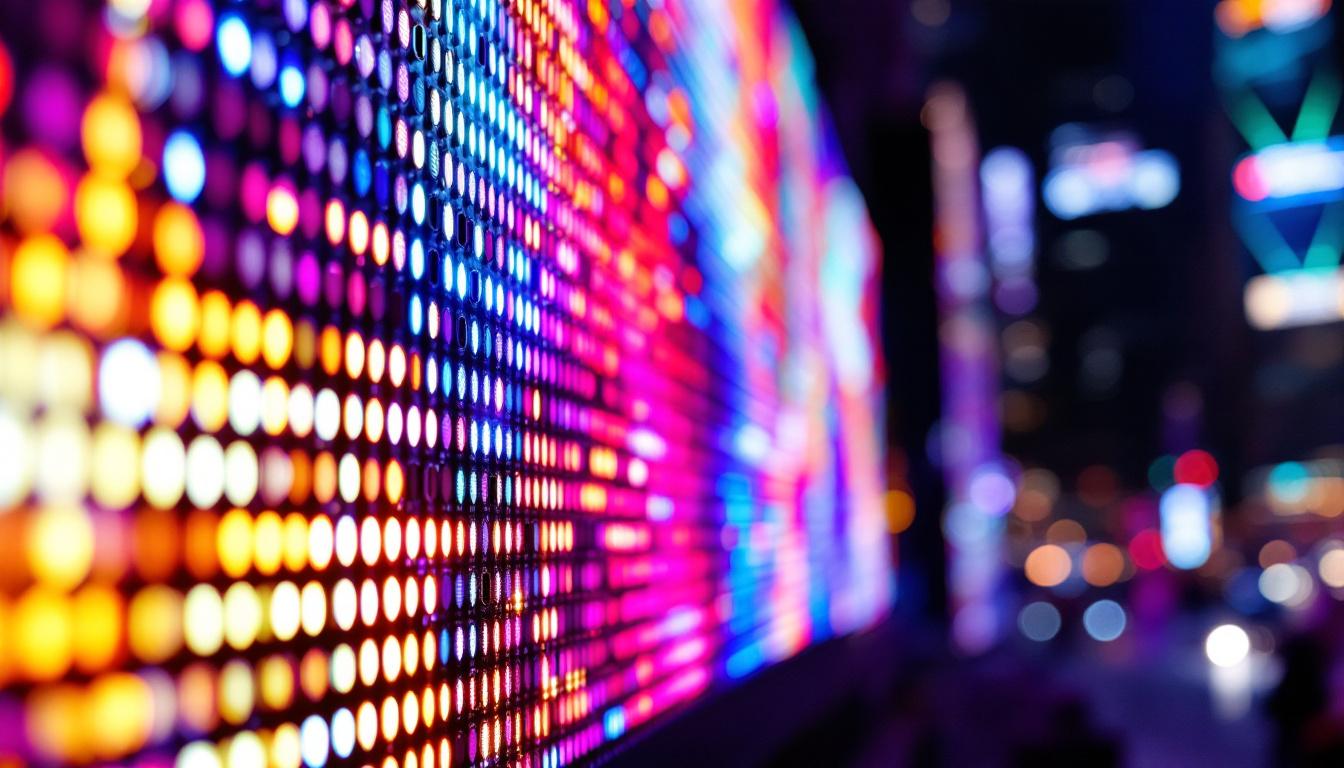
LED (Light Emitting Diode) displays are composed of an array of tiny light-emitting diodes that produce bright and vibrant images. Each LED acts as a pixel or part of a pixel, and by controlling the intensity and color of each diode, the display can render detailed images and videos. The technology behind LED displays has evolved significantly, allowing for higher resolutions and more intricate designs. For instance, advancements in micro-LED technology are paving the way for displays that are not only thinner but also capable of producing stunning visuals with improved color accuracy.
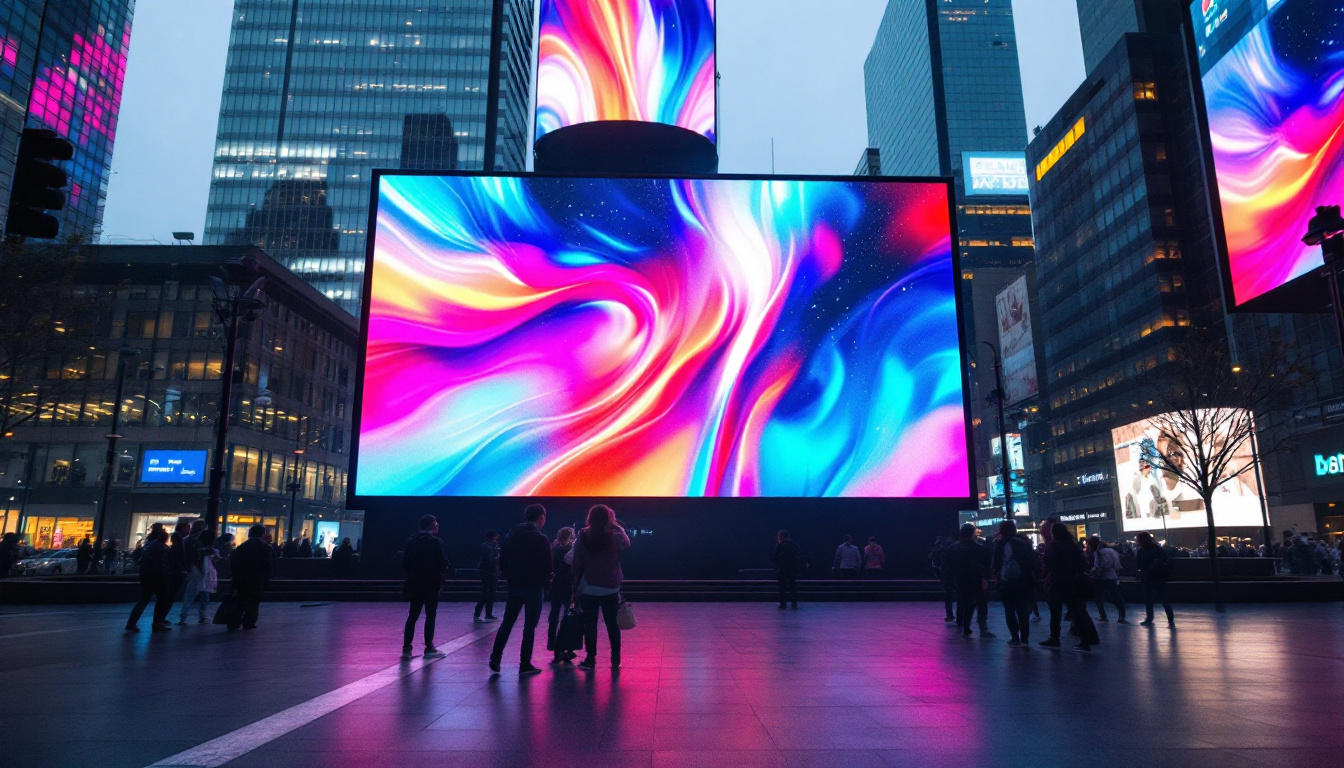
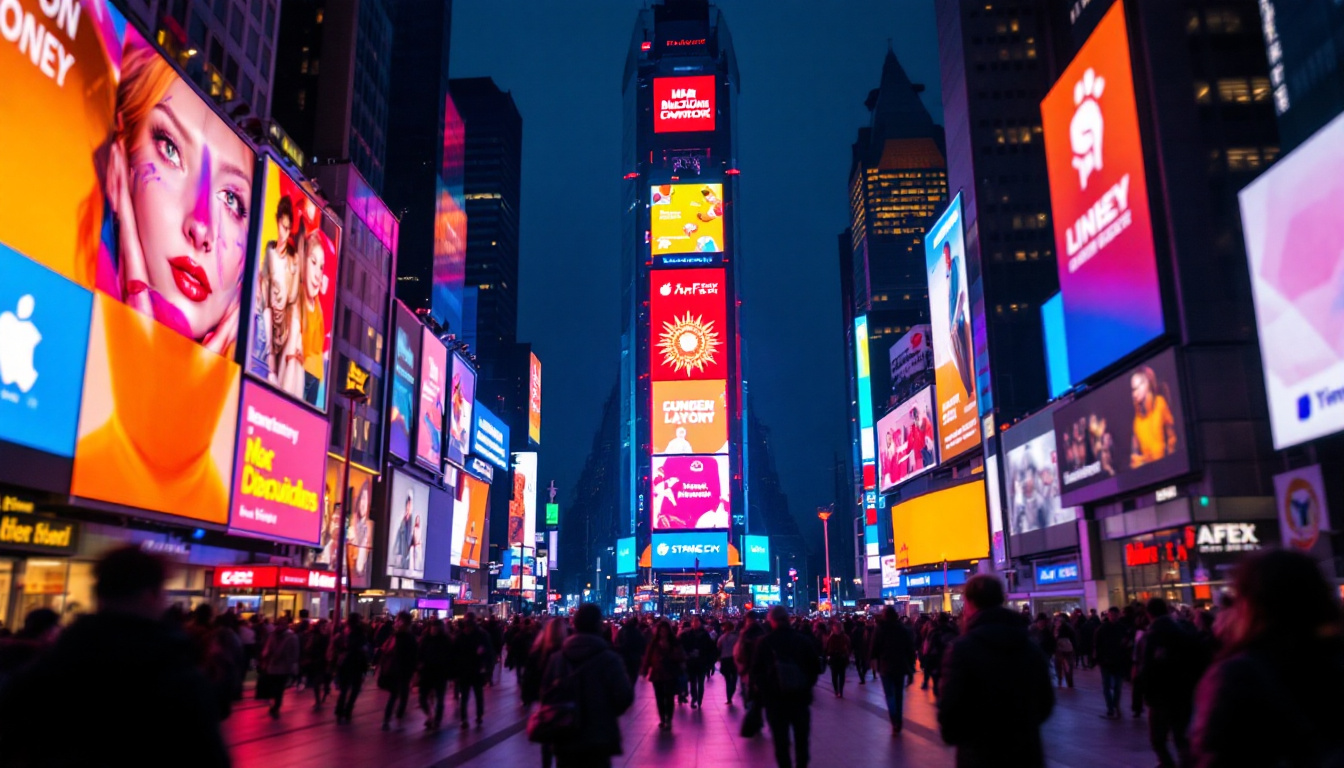
LED displays are categorized primarily into two types: direct view LED displays and LED-backlit LCDs. Direct view LED displays are commonly used for large-scale outdoor screens and digital billboards, where high brightness and visibility are essential. These displays can be seen from great distances, making them ideal for advertising and public announcements. LED-backlit LCDs, on the other hand, are prevalent in consumer electronics such as televisions and monitors. These displays combine the benefits of LCD technology with LED backlighting, resulting in improved contrast ratios and energy efficiency compared to traditional CCFL-backlit screens.
Advantages of LED Displays in Camera System Integration
LED displays offer several benefits that make them ideal for integration with camera systems:
- High Brightness and Contrast: LED displays can achieve brightness levels exceeding 5,000 nits, ensuring visibility even in direct sunlight—critical for outdoor surveillance and public information displays. This capability is particularly beneficial for environments where lighting conditions can change rapidly, such as during the day or in varying weather conditions.
- Wide Viewing Angles: This feature allows audiences to view content clearly from various positions, enhancing the effectiveness of public monitoring and event broadcasting. The wide viewing angle ensures that no matter where a viewer is located, they can receive the same quality of information, which is vital for security applications.
- Energy Efficiency: LEDs consume less power compared to traditional display technologies, reducing operational costs in large installations. This energy efficiency not only lowers electricity bills but also contributes to a smaller carbon footprint, making LED displays a more sustainable choice for businesses.
- Durability and Longevity: LED displays are robust and have long lifespans, making them suitable for continuous operation in demanding environments. Their resistance to shock and vibration means they can withstand the rigors of outdoor installations, ensuring that they remain operational even in challenging conditions.
Moreover, the integration of LED displays with camera systems can enhance real-time data visualization. For instance, in smart city applications, LED displays can relay information captured by surveillance cameras, such as traffic conditions or public safety alerts, directly to the public. This synergy not only improves situational awareness but also fosters community engagement by providing timely updates. Additionally, the ability to customize the content displayed on LED screens allows for dynamic messaging that can be tailored to specific events or emergencies, further amplifying their utility in public safety and information dissemination.
As technology continues to advance, the potential applications for LED displays in conjunction with camera systems are expanding. Innovations such as AI-driven content management systems enable these displays to adapt in real-time based on the data received from cameras, creating a more interactive and responsive environment. This capability is particularly useful in venues like sports arenas or concert halls, where real-time updates and highlights can be displayed to enhance the audience experience. The future of LED displays in camera system integration promises to be a game-changer, offering unprecedented opportunities for communication and engagement in various sectors.
Integrating Camera Systems with LED Displays: Key Considerations
Real-Time Video Streaming and Latency
One of the primary challenges in integrating camera systems with LED displays is ensuring real-time video streaming with minimal latency. Whether for security monitoring or live event broadcasting, delays can compromise the effectiveness of the system.
Advancements in video compression codecs such as H.265 and streaming protocols like RTSP (Real-Time Streaming Protocol) have significantly reduced latency. Additionally, the use of edge computing allows video data to be processed closer to the source, further minimizing delays.
Resolution Matching and Image Quality
To maximize visual clarity, the resolution of the camera system must align with the pixel density of the LED display. For instance, a 4K camera system paired with a low-resolution LED screen may result in underutilization of captured detail, while a high-resolution LED display with a low-quality camera feed can produce pixelated images.
Calibration tools and software are often employed to optimize color accuracy, brightness, and contrast between the camera feed and the LED display output, ensuring a consistent and high-quality viewing experience.
Environmental and Installation Factors
Environmental conditions such as lighting, weather, and physical placement affect both camera performance and LED display visibility. For outdoor installations, weatherproof cameras and displays with high ingress protection (IP) ratings are essential.
Proper mounting and positioning are critical to avoid glare and reflections on LED screens, which can degrade image quality. Additionally, cable management and power supply considerations ensure system reliability and safety.
Practical Applications of Camera Systems with LED Displays
Security and Surveillance
In security applications, camera systems feed live video to LED displays in control rooms or public areas, enabling real-time monitoring and rapid response to incidents. For example, transportation hubs like airports and train stations utilize large LED walls to display live feeds from multiple cameras, enhancing situational awareness.
Recent statistics from the security industry highlight that integrated camera and LED display systems have contributed to a 30% improvement in incident detection times, underscoring their effectiveness.
Live Events and Broadcasting
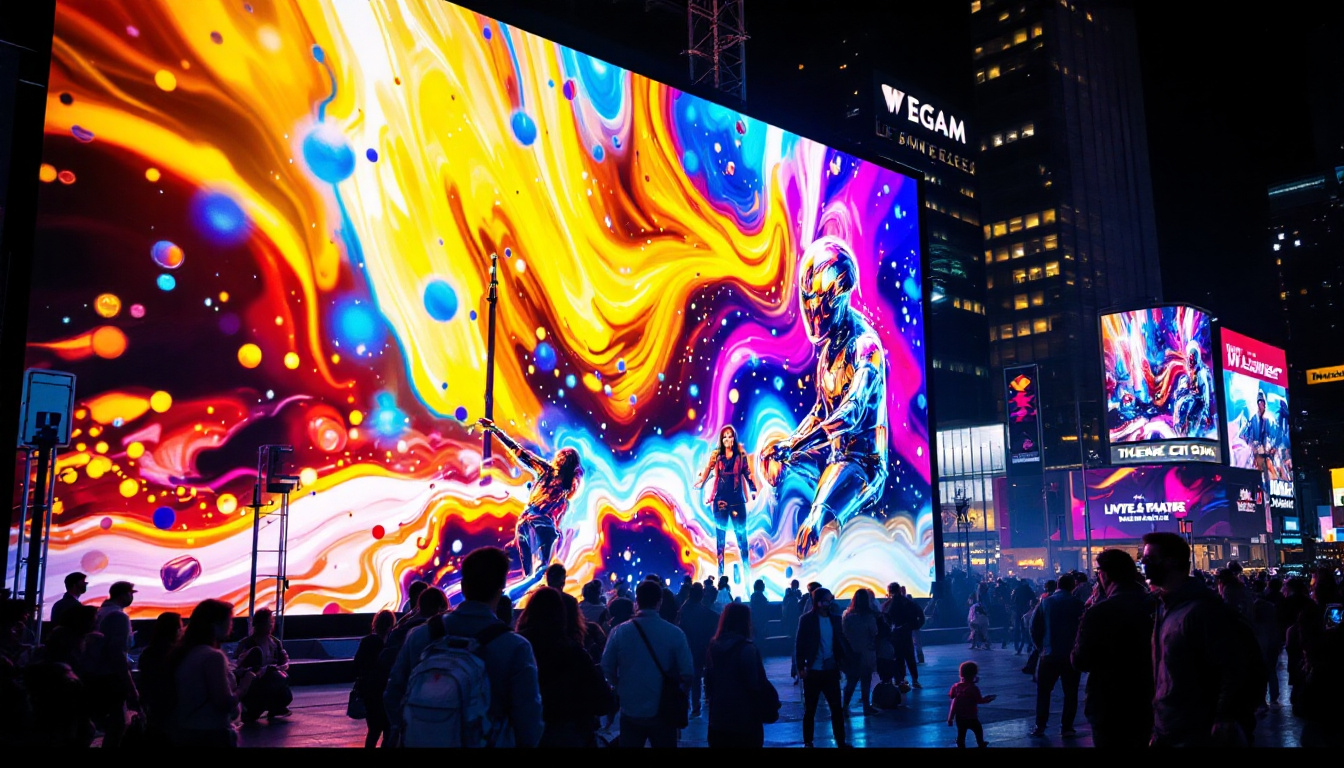
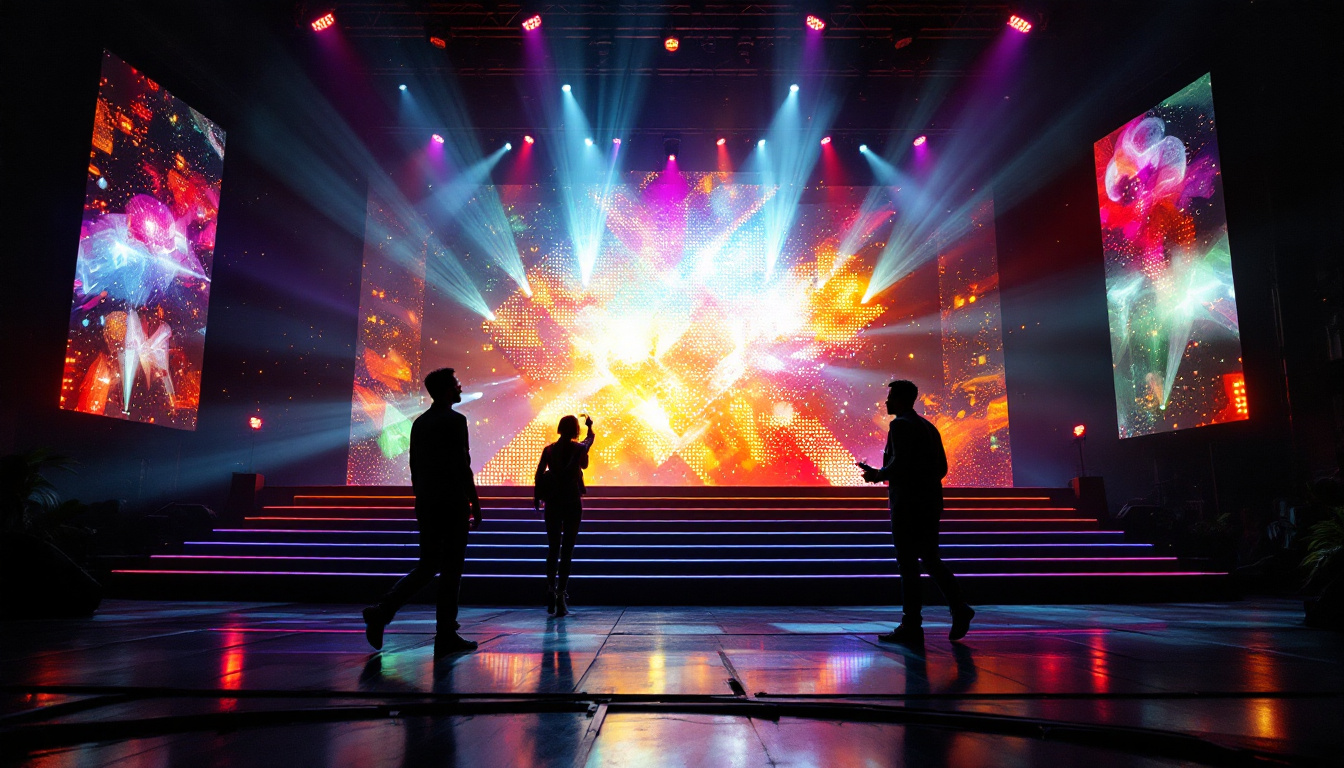
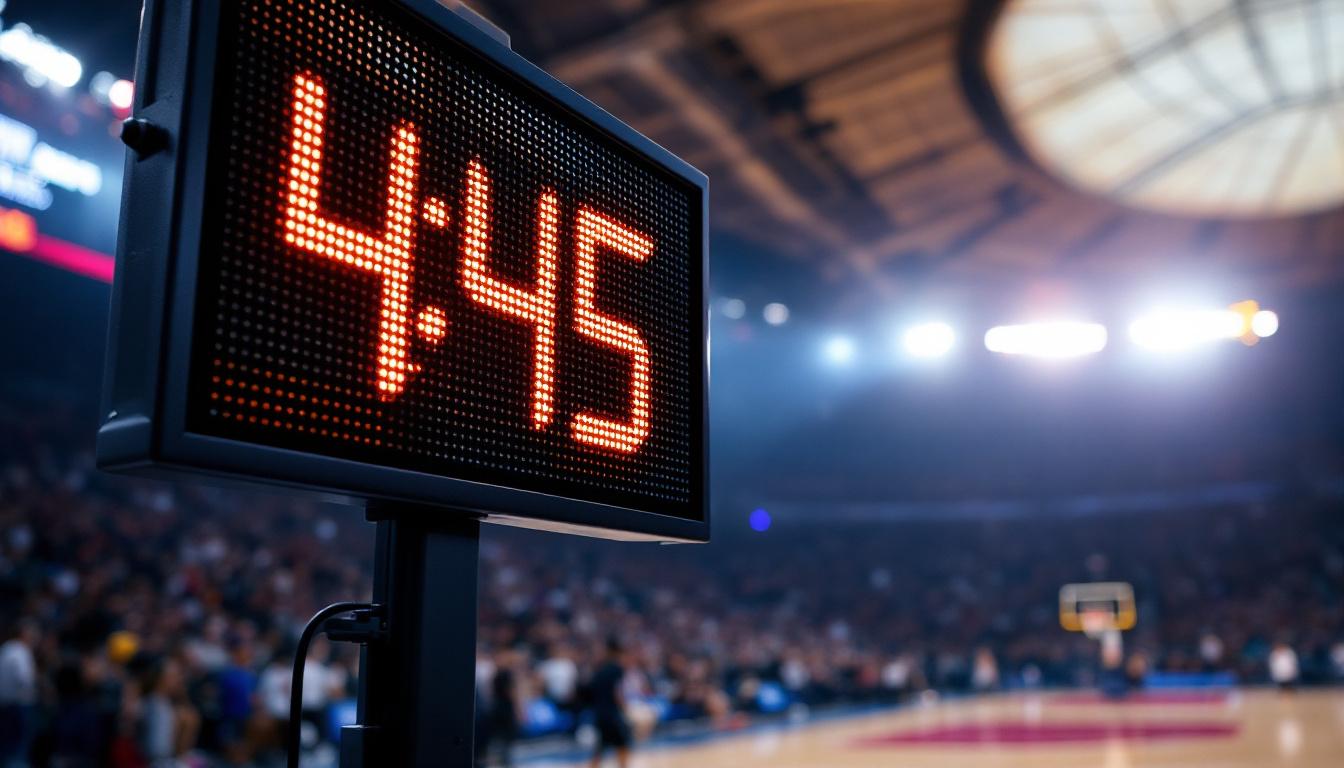
Concerts, sports events, and conferences rely heavily on camera systems paired with LED displays to deliver immersive experiences to attendees. Cameras capture close-ups and wide shots, which are then projected onto massive LED screens, allowing audiences to enjoy detailed views regardless of their seating location.
The use of ultra-high-definition cameras combined with high-resolution LED displays has become standard in major events, with some stadiums featuring LED screens exceeding 10,000 square feet in size.
Digital Signage and Advertising
Retailers and advertisers leverage camera systems to create interactive LED display experiences. Cameras can detect audience presence and behavior, triggering dynamic content changes on LED screens to engage viewers effectively.
For instance, smart billboards equipped with facial recognition cameras adjust advertisements based on demographic data, increasing advertising ROI by up to 25% according to recent marketing studies.
Future Trends in Camera and LED Display Integration
Artificial Intelligence and Analytics
The integration of AI with camera systems is transforming LED display applications. Intelligent video analytics enable automatic detection of anomalies, crowd density estimation, and facial recognition, which can be visualized on LED displays for actionable insights.
This trend is particularly impactful in smart city initiatives, where real-time data from cameras displayed on LED dashboards assist in traffic management and public safety.
Higher Resolutions and Miniaturization
Emerging technologies aim to push the boundaries of resolution and pixel density in both cameras and LED displays. MicroLED displays, for example, promise even greater brightness and energy efficiency, while 8K cameras are becoming more accessible, offering unprecedented image detail.
Such advancements will enable more immersive and detailed visual experiences, particularly in professional broadcasting and virtual reality applications.
Wireless Connectivity and IoT Integration
Wireless technologies such as 5G and Wi-Fi 6 are facilitating seamless connectivity between camera systems and LED displays, reducing the need for extensive cabling and enabling more flexible installations.
Moreover, the Internet of Things (IoT) ecosystem allows camera and display systems to be integrated with other smart devices, creating comprehensive environments that respond dynamically to real-world conditions.
Conclusion
The synergy between camera systems and LED displays is reshaping how visual information is captured, processed, and presented across multiple sectors. By understanding the technical aspects and practical applications of these technologies, professionals can design and implement solutions that deliver high-quality, real-time visual experiences.
As advancements continue in resolution, connectivity, and intelligent analytics, the integration of camera systems with LED displays will become even more sophisticated, offering new possibilities for security, entertainment, advertising, and beyond.
Explore Cutting-Edge LED Display Solutions with LumenMatrix
As the landscape of visual technology continues to advance, LumenMatrix stands at the forefront, offering an array of innovative LED display solutions tailored to meet the dynamic needs of various industries. Whether you’re looking to enhance security surveillance, elevate live event experiences, or captivate your audience with interactive digital signage, LumenMatrix has the expertise to bring your vision to life. Our portfolio includes Indoor and Outdoor LED Wall Displays, Vehicle LED Displays, LED Poster Displays, LED Sports Displays, Floor LED Displays, Custom LED Displays, All-in-One LED Displays, and LED Transparent Displays. Embrace the future of visual communication and Check out LumenMatrix LED Display Solutions to create unforgettable visual experiences that engage and inspire.