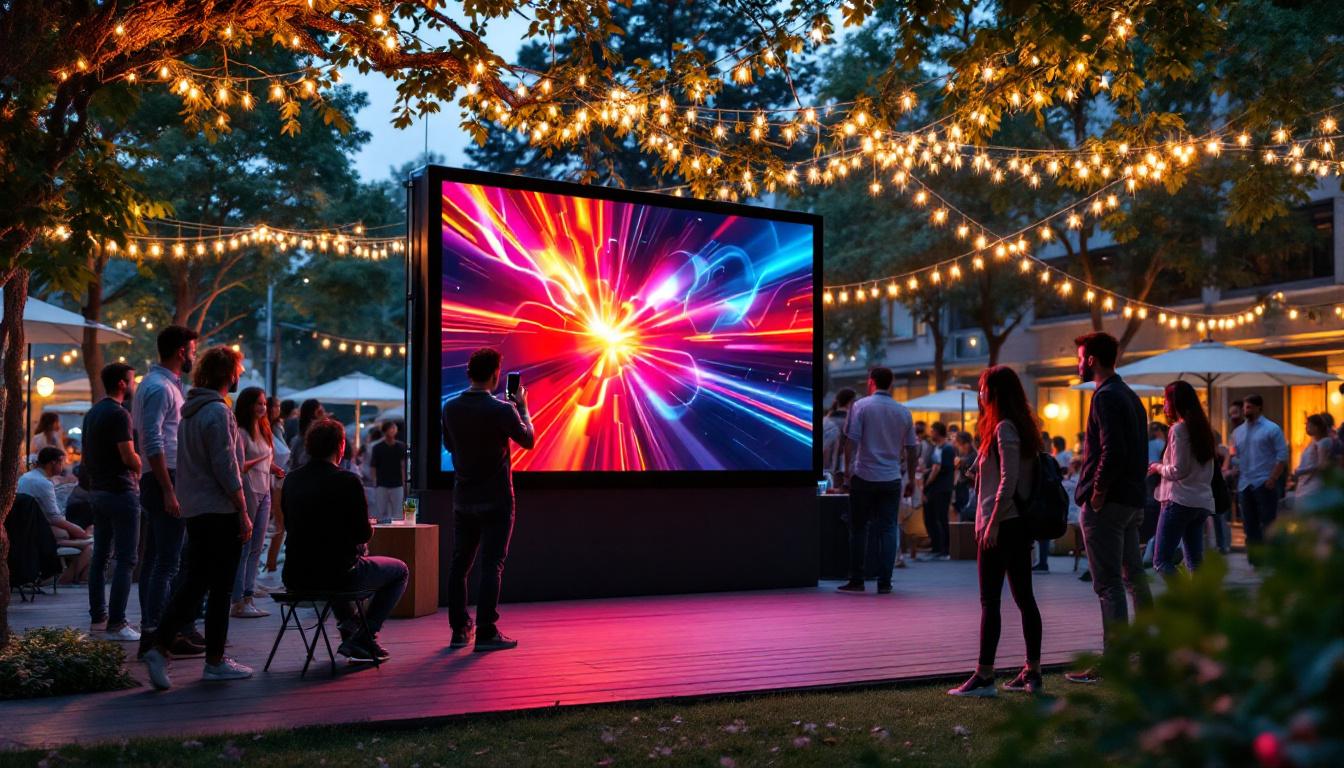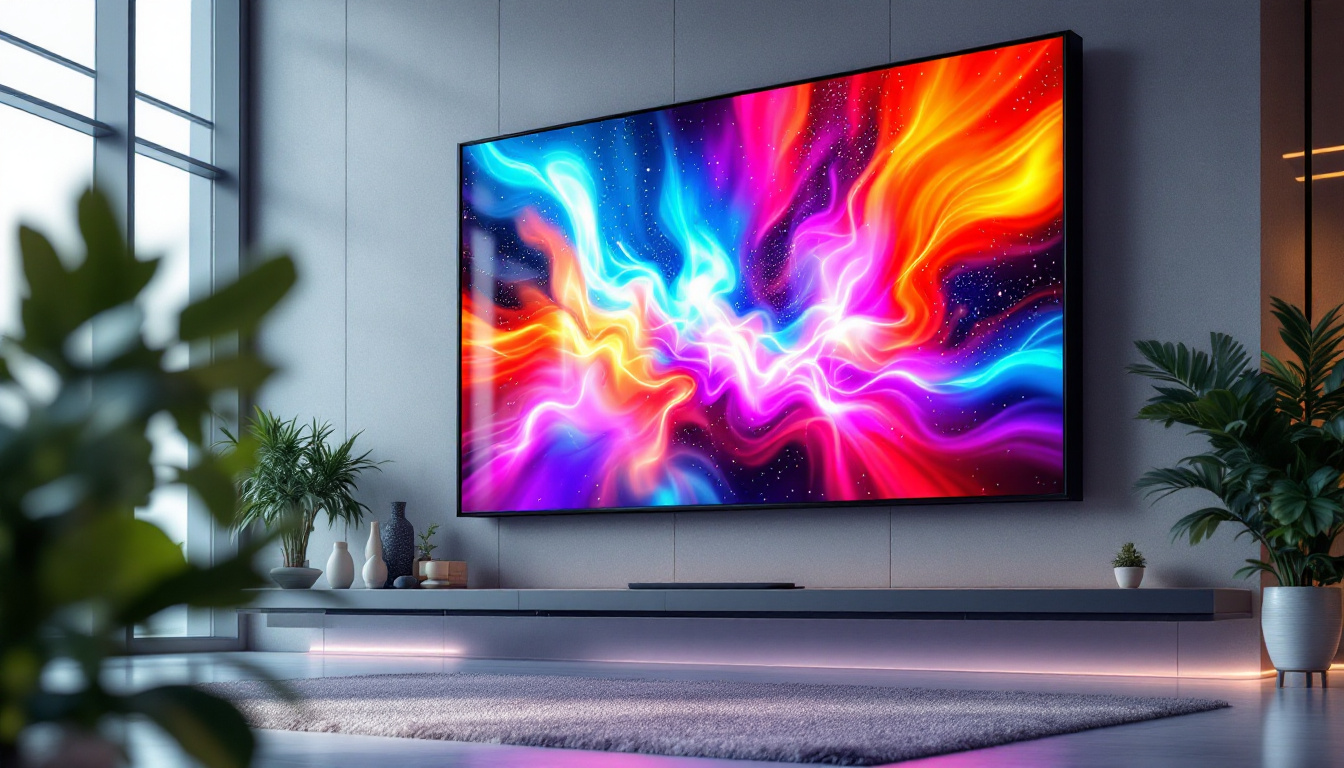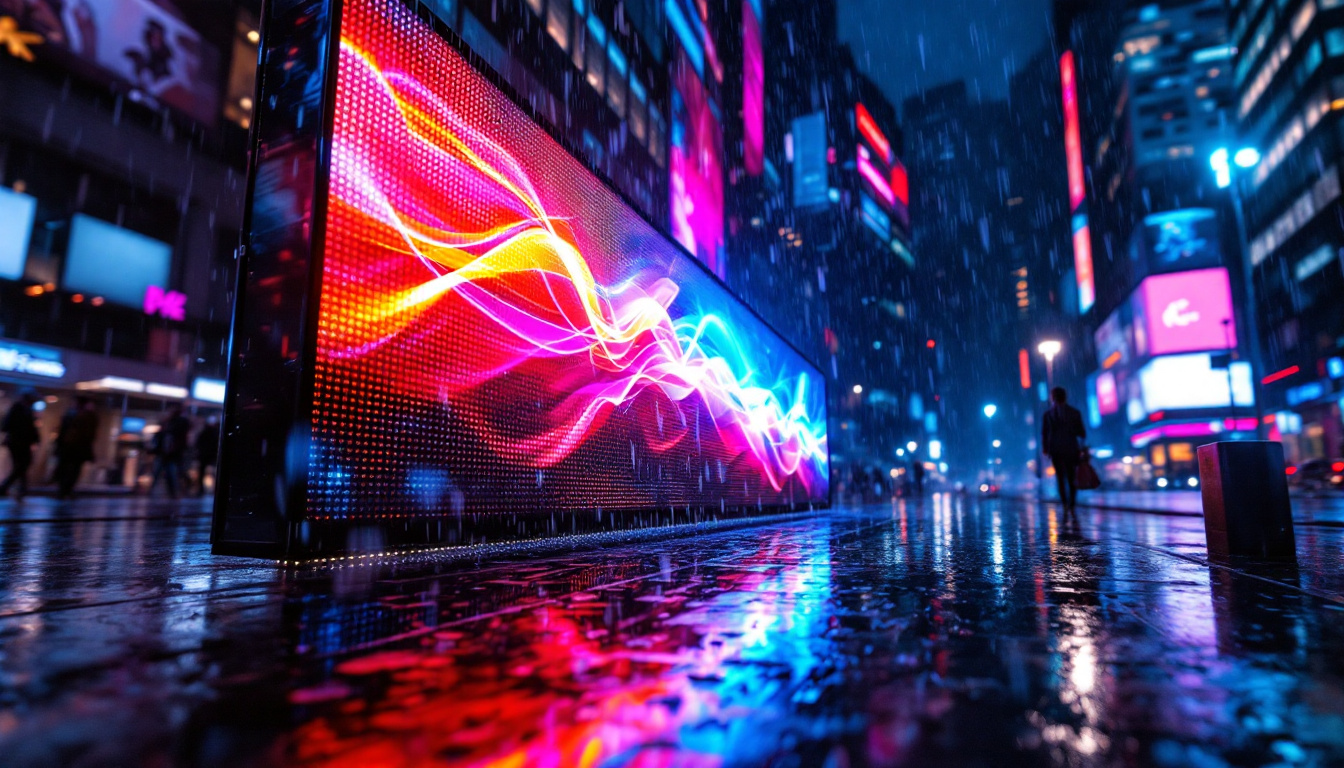
In recent years, churches around the world have increasingly embraced technology to enhance worship experiences and community engagement. One of the most transformative advancements in this area is the use of LED display screens as projection surfaces. These vibrant, versatile displays are redefining how congregations interact with sermons, music, and multimedia content. This article explores the ins and outs of LED display technology for church projection screens, offering insights into why they are becoming the preferred choice for many houses of worship.
Understanding LED Display Technology
LED, or Light Emitting Diode, displays consist of thousands of tiny diodes that emit light when an electric current passes through them. Unlike traditional projection systems that rely on external light sources and reflective screens, LED displays generate their own light, resulting in brighter and more vivid images.
These screens are modular, meaning they can be assembled in various sizes and shapes to fit the unique architectural and spatial needs of a church sanctuary. The ability to customize the size and resolution makes LED displays a flexible solution for everything from small chapels to mega-churches with thousands of attendees. This adaptability not only enhances the aesthetic appeal of the worship space but also allows for creative configurations that can accommodate different service styles, from intimate gatherings to large-scale events.
Key Features of LED Displays
One of the most compelling features of LED displays is their high brightness levels, often exceeding 1,000 nits, which ensures clear visibility even in well-lit environments. This is particularly beneficial for churches that rely on natural daylight or have large windows that can wash out traditional projection images. Additionally, LED displays have a wide viewing angle, allowing congregants seated at various points in the sanctuary to enjoy a consistent and vibrant visual experience without distortion.
Another advantage is the superior color accuracy and contrast ratio. LED technology can produce deep blacks and vibrant colors, enhancing the visual impact of worship videos, hymn lyrics, and sermon notes. This clarity helps maintain congregational focus and engagement throughout services. Moreover, the longevity of LED displays, often lasting over 100,000 hours, means that churches can invest in this technology with confidence, knowing that it will serve their community for many years without the frequent maintenance and replacement costs associated with traditional projection systems. The energy efficiency of LED technology further contributes to cost savings, making it an environmentally friendly choice for houses of worship.
Why Churches Are Switching to LED Projection Screens
The shift from traditional projection screens to LED displays is driven by a range of practical and aesthetic benefits. For many churches, the decision is rooted in improving the overall worship experience while also considering long-term cost efficiency and maintenance.
Improved Visibility and Engagement
Traditional projectors often struggle with ambient light interference, resulting in dim or washed-out images that can detract from the message being conveyed. LED screens, with their self-illuminating diodes, maintain image clarity regardless of lighting conditions. This ensures that every member of the congregation, from the front row to the back, can see lyrics, scripture passages, and multimedia content clearly.
Enhanced visibility naturally leads to higher engagement levels. When congregants can easily read and follow along with projected content, participation in singing, responsive readings, and sermon notes improves. This fosters a more immersive and inclusive worship environment.
Durability and Longevity
LED displays are built to last. Unlike projector bulbs that require frequent replacement and can be costly, LED modules have a lifespan of up to 100,000 hours. This translates to years of reliable use with minimal maintenance. For churches operating on tight budgets, the reduced need for repairs and replacements is a significant advantage.
Additionally, LED screens are less susceptible to damage from environmental factors such as dust and temperature fluctuations. This durability makes them suitable for a variety of church settings, whether indoors or in partially open spaces.
Customization and Flexibility
LED technology offers unparalleled flexibility in terms of screen size and configuration. Churches can design displays that perfectly fit their sanctuary’s dimensions, whether that means a wide panoramic screen behind the altar or multiple smaller screens strategically placed throughout the space.
Moreover, LED displays can support dynamic content, including live video feeds, song lyrics, sermon slides, and even interactive elements. This versatility allows worship leaders and media teams to tailor presentations in real-time, responding to the flow of the service and the needs of the congregation.
Technical Considerations for Installing LED Displays in Churches
While LED screens offer many benefits, successful implementation requires careful planning and technical expertise. Churches must consider several factors to ensure the display system meets their needs and integrates smoothly with existing audiovisual infrastructure.
Resolution and Pixel Pitch
Resolution refers to the number of pixels that make up the display, directly affecting image clarity. Pixel pitch, the distance between individual LED diodes, determines how sharp the image appears at various viewing distances. For church environments, a pixel pitch between 2.5mm and 4mm is generally recommended to balance cost and image quality.
Choosing the appropriate resolution and pixel pitch depends on the size of the sanctuary and the average distance of viewers from the screen. Higher resolution is essential for larger screens or venues where attendees are seated closer to the display.
Brightness and Ambient Light
Churches with large windows or bright interior lighting should prioritize high-brightness LED panels. Brightness levels of 1,000 to 1,500 nits are common for indoor LED displays and ensure visibility even during daytime services.
Some LED screens offer automatic brightness adjustment features, which optimize display output based on ambient light conditions, further enhancing viewing comfort and energy efficiency.
Installation and Structural Support
LED displays can be wall-mounted, suspended, or integrated into custom frames. Given their weight and size, structural support must be carefully engineered to ensure safety and stability. Consulting with professional installers who specialize in large-format LED screens is essential.
Additionally, wiring and connectivity considerations are crucial. The display should seamlessly connect with the church’s media servers, sound systems, and control consoles to enable smooth operation during services.
Cost Implications and Return on Investment
One of the most common questions churches face is whether investing in LED display technology is financially viable. While the upfront cost of LED screens is higher than traditional projectors and screens, the long-term benefits often justify the investment.
Initial Investment vs. Long-Term Savings
The initial purchase and installation of LED displays can range from several thousand to tens of thousands of dollars, depending on size and specifications. However, the elimination of projector bulbs, reduced maintenance, and lower energy consumption contribute to significant savings over time.
Furthermore, LED displays typically have warranties spanning several years, providing peace of mind and protecting the church’s investment.
Enhanced Ministry Impact
Beyond financial considerations, LED screens can enhance the church’s ministry effectiveness. Clear, engaging visuals support better communication of messages, making sermons more impactful and worship more participatory. This can lead to increased attendance, deeper community connection, and stronger outreach efforts.
Many churches report that investing in quality audiovisual technology, including LED displays, helps attract younger generations who expect modern, multimedia-rich worship experiences.
Popular LED Display Solutions for Churches
Several manufacturers specialize in LED display solutions tailored for houses of worship. These companies offer products designed to meet the unique challenges and opportunities of church environments.
Fixed Indoor LED Walls
These are permanent installations that provide a large, seamless display surface. Fixed indoor LED walls are ideal for churches with dedicated media rooms or sanctuaries where the screen serves as a central focal point. Their high resolution and brightness make them suitable for displaying detailed graphics, videos, and live feeds.
Rental and Portable LED Screens
For churches that host events in multiple locations or require temporary setups, portable LED screens offer flexibility. These modular panels can be quickly assembled and disassembled, making them perfect for outreach events, conferences, or seasonal productions.
Curved and Custom-Shaped Displays
Some churches opt for curved or uniquely shaped LED displays to complement architectural features or create immersive environments. These custom solutions require specialized design and installation but can significantly enhance the aesthetic and functional appeal of the worship space.
Best Practices for Maximizing LED Projection Screen Effectiveness
To get the most out of an LED display, churches should adopt best practices in content creation, system management, and user training.
Content Quality and Formatting
High-resolution content tailored to the screen’s aspect ratio ensures crisp visuals. Worship teams should use professional presentation software and media players optimized for LED displays to avoid distortion or pixelation.
Consistent branding and clear, legible fonts improve readability and reinforce the church’s identity.
Regular Maintenance and Calibration
Even though LED screens are low-maintenance, periodic cleaning and calibration help maintain image quality and prolong lifespan. Scheduled inspections can identify and address any module failures or connectivity issues before they impact services.
Training for Media Teams
Investing in training for the church’s AV and media volunteers ensures smooth operation during services. Familiarity with the LED system’s controls, troubleshooting procedures, and content management tools reduces downtime and enhances the overall worship experience.
Conclusion: The Future of Worship Technology
LED display technology represents a significant leap forward in church projection systems. By offering superior brightness, color fidelity, durability, and flexibility, LED screens empower churches to create more engaging and meaningful worship experiences. While the initial investment may be considerable, the long-term benefits in terms of maintenance savings, ministry impact, and congregational engagement make LED displays a smart choice for churches ready to embrace the future of worship technology.
As technology continues to evolve, LED displays will likely become even more accessible and feature-rich, further transforming how churches communicate and connect with their communities.
Discover LumenMatrix LED Solutions for Your Church
Ready to elevate your worship experience with the latest in LED display technology? LumenMatrix specializes in providing innovative LED solutions that transform church environments into dynamic spaces for connection and inspiration. From vibrant Indoor LED Walls to Custom LED Displays tailored to your unique space, our products are designed to captivate and engage your congregation. Embrace the future of worship technology with LumenMatrix and create visual experiences that resonate. Check out LumenMatrix LED Display Solutions today and witness the difference in clarity, engagement, and impact.