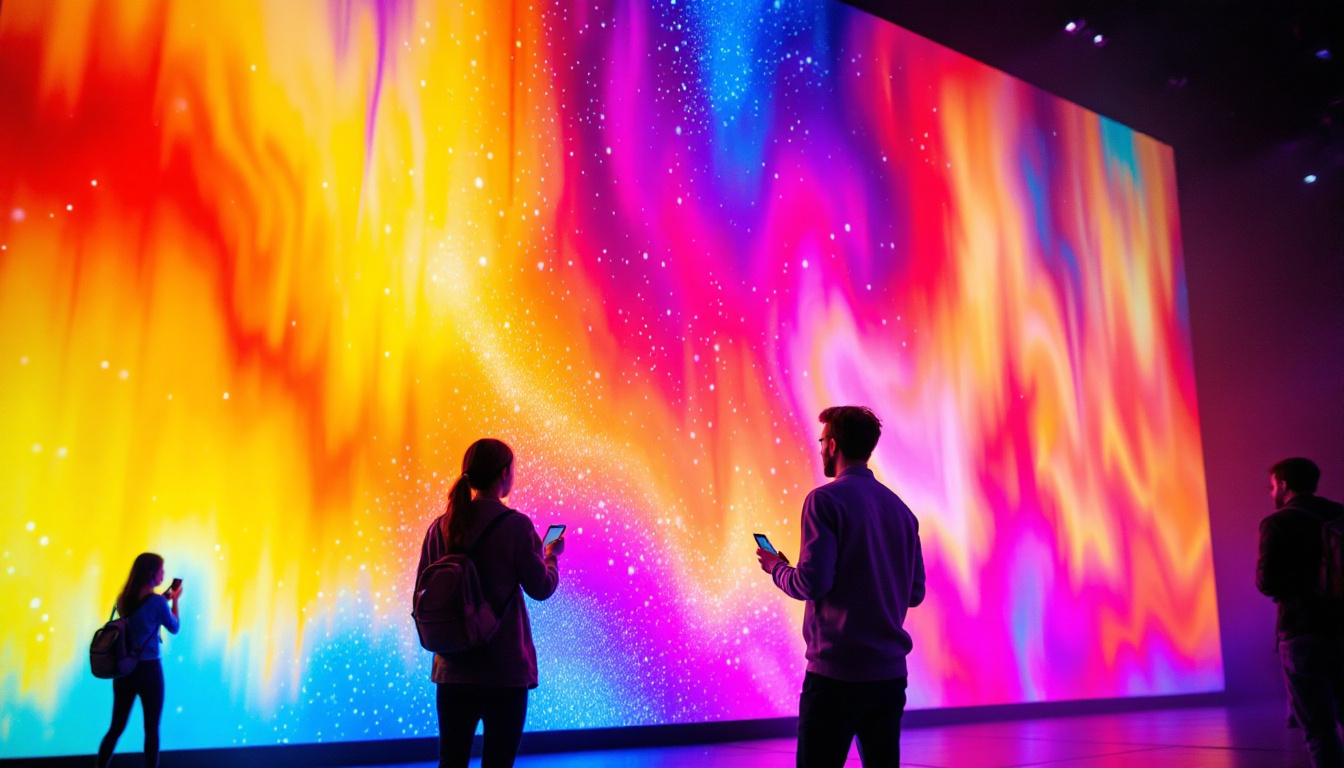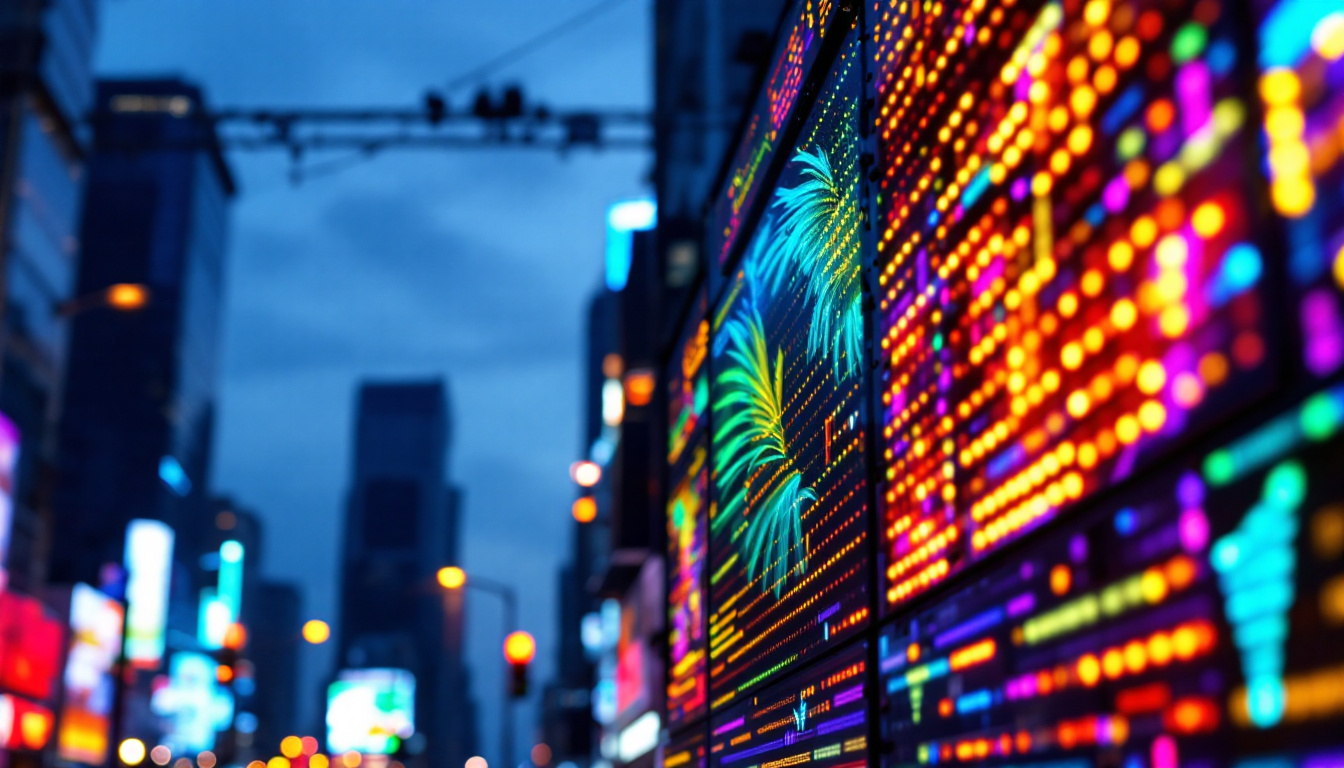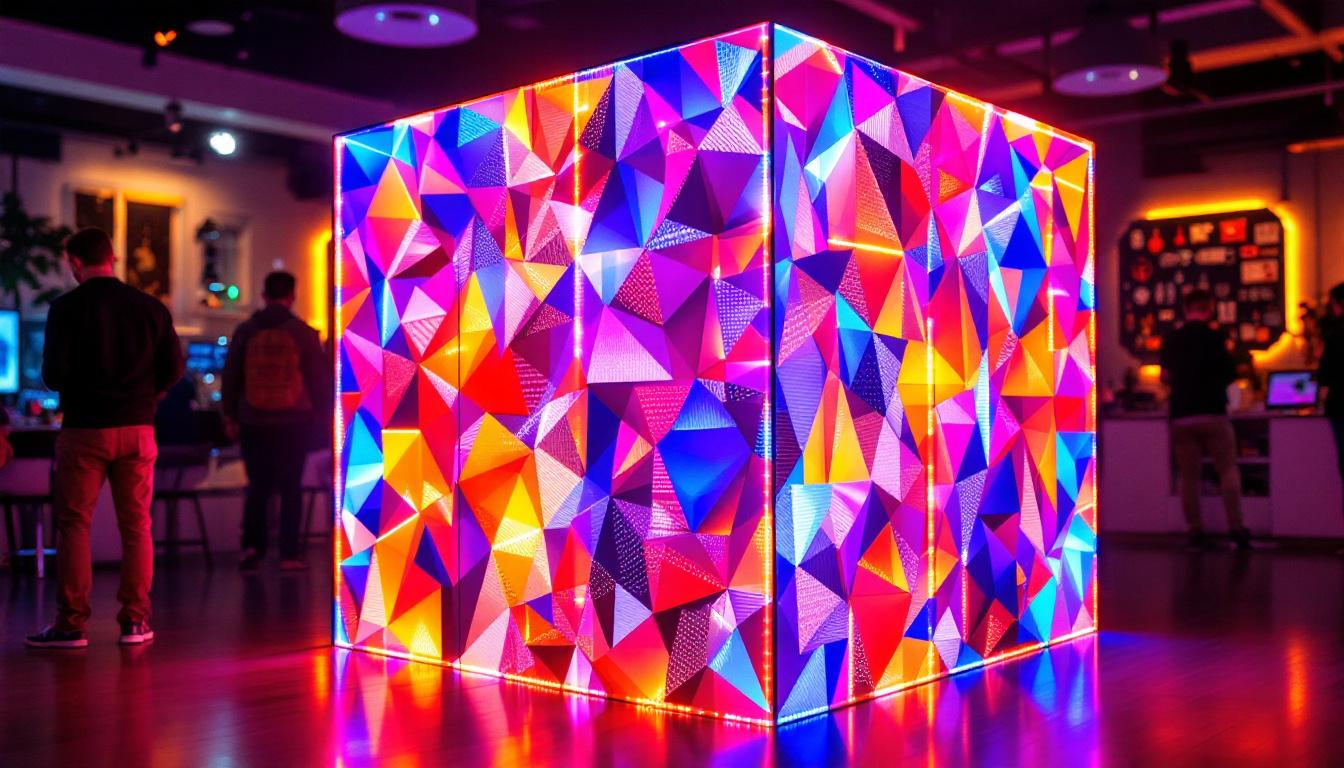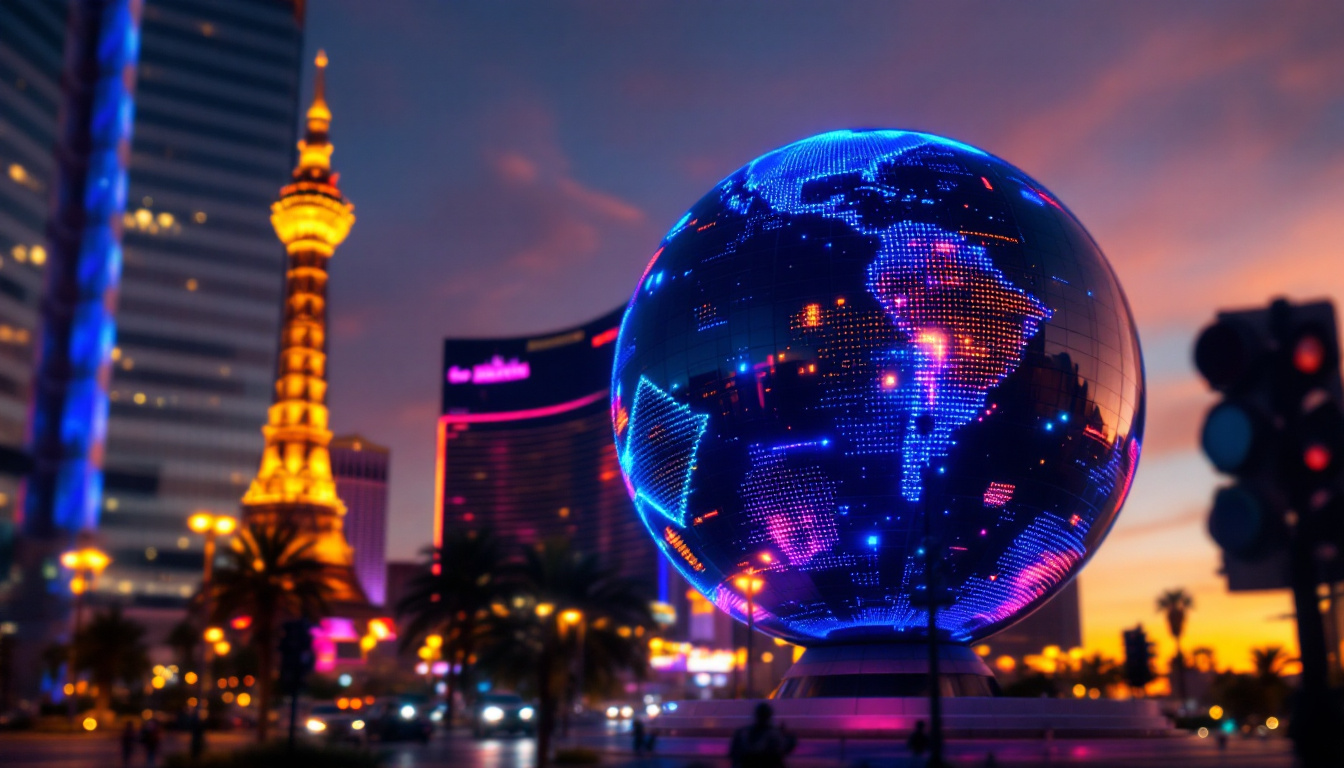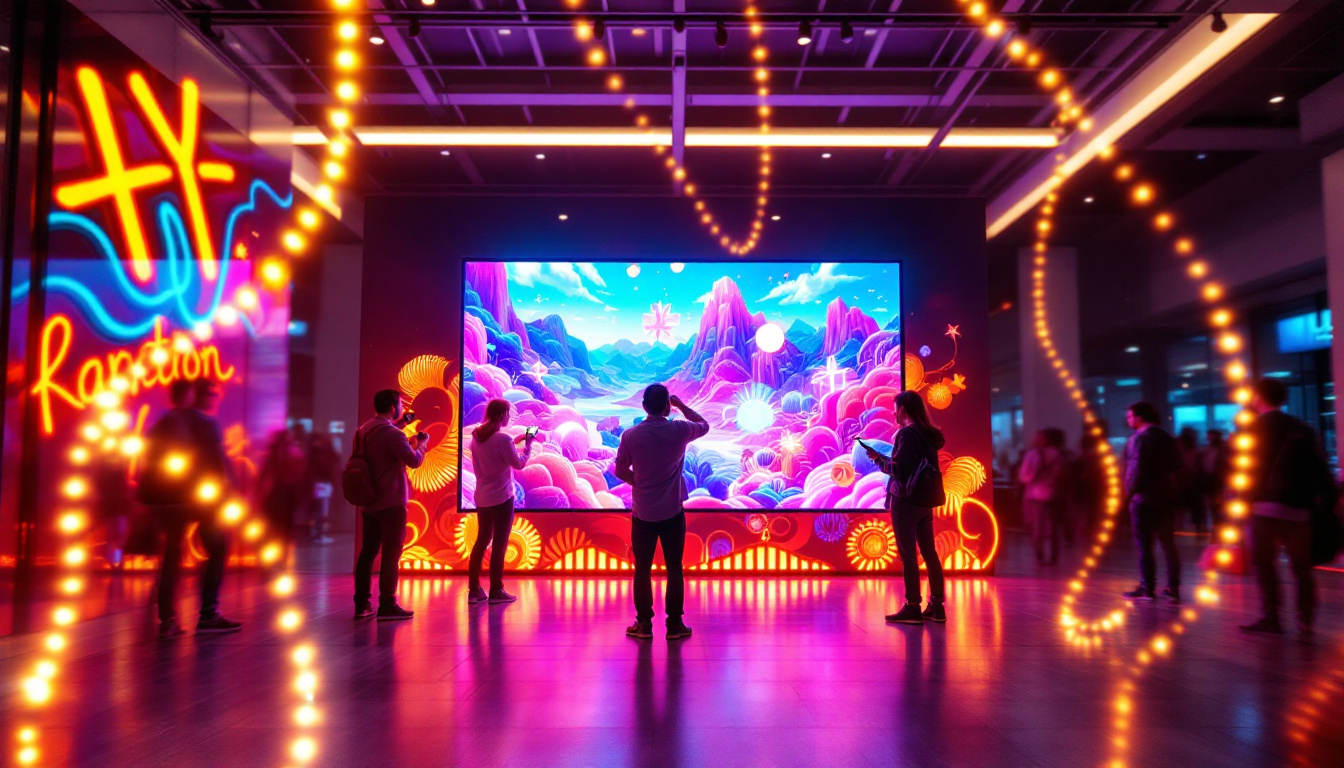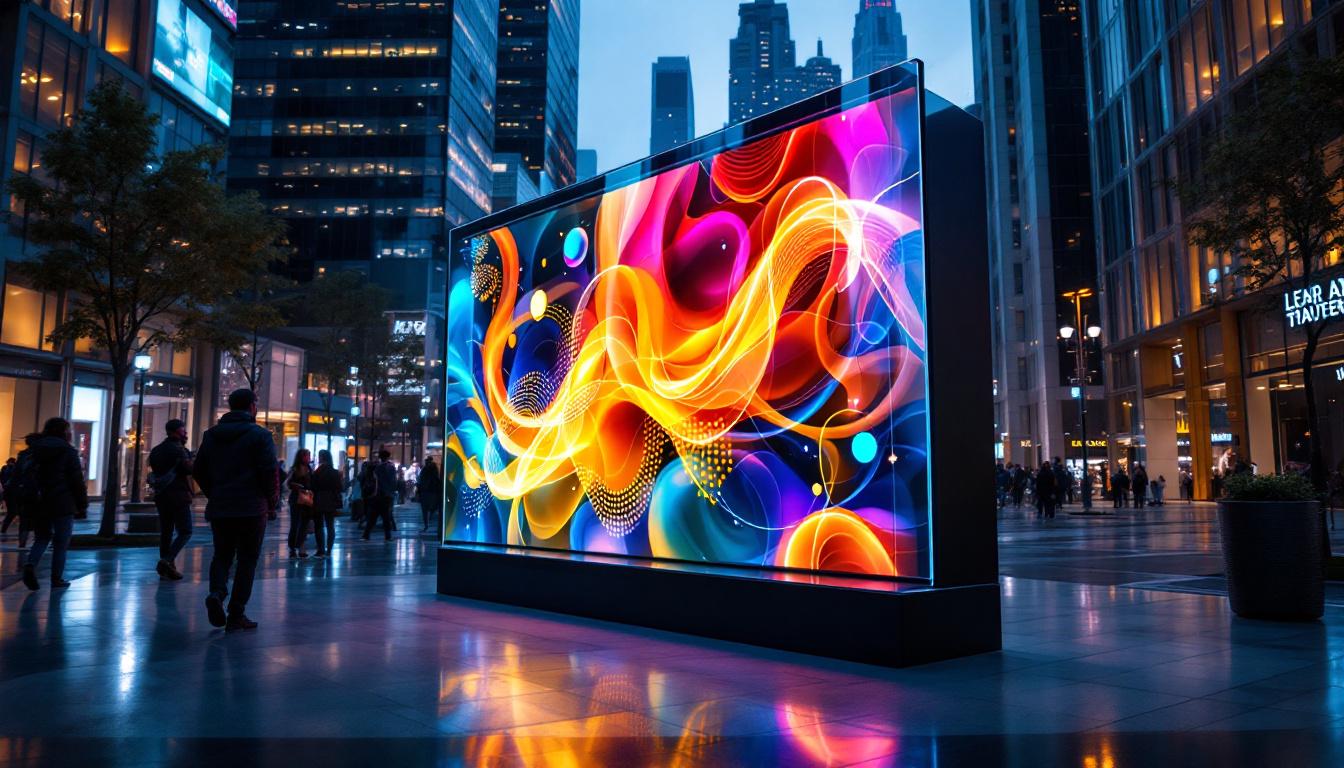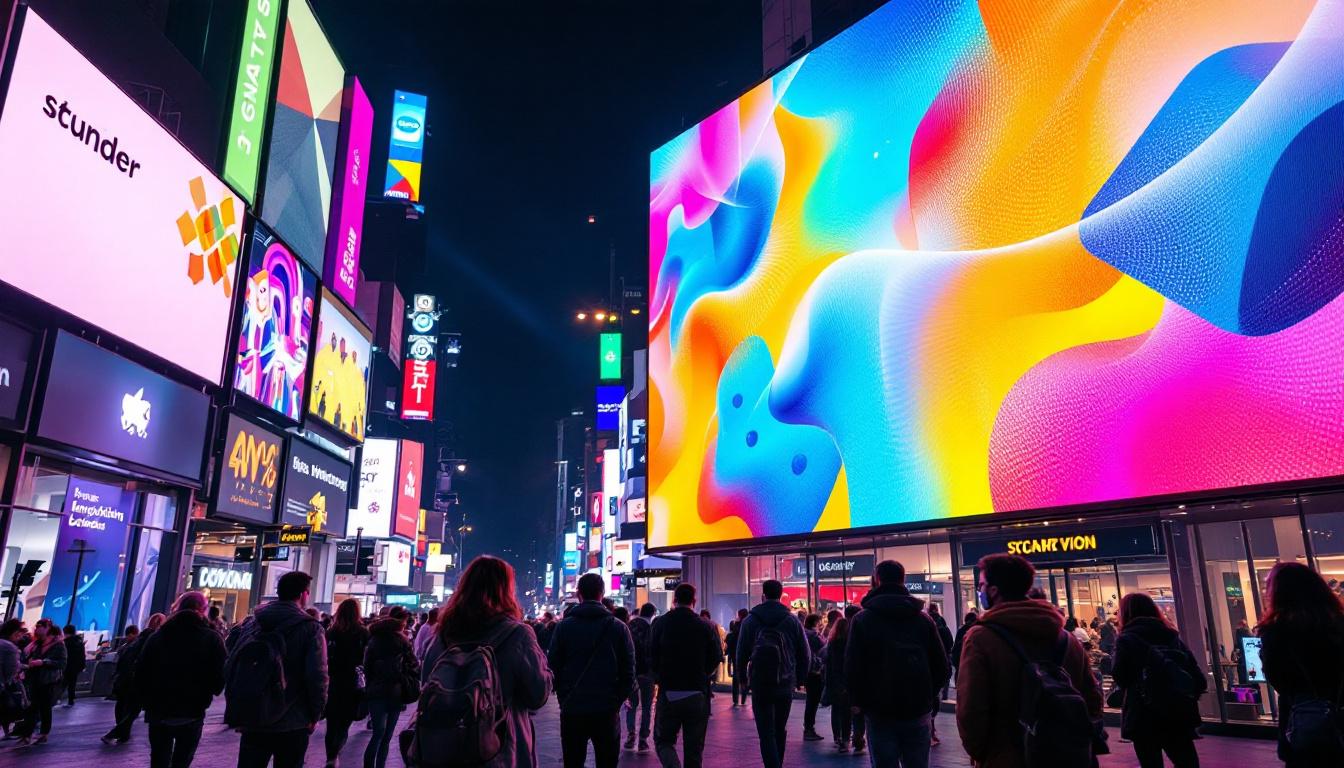
In today’s fast-evolving digital landscape, LED displays have become a cornerstone of effective communication, advertising, and information dissemination. From towering billboards in Times Square to intricate digital signage in airports and stadiums, LED technology continues to revolutionize how businesses and organizations engage their audiences. For contractors and sales professionals operating internationally, understanding the nuances of LED displays is critical to providing clients with the best solutions and staying competitive in a dynamic marketplace.
This comprehensive guide explores the fundamentals of LED displays, their types, technological advancements, and practical applications. It also delves into key considerations for contractors and sales teams working across international markets, highlighting trends, challenges, and opportunities in the global LED display industry.
Understanding LED Display Technology
What Is an LED Display?
LED stands for Light Emitting Diode, a semiconductor device that emits light when an electric current passes through it. An LED display is a flat panel or flexible surface that uses an array of these diodes to create images, videos, or text. Unlike traditional LCD or plasma screens, LED displays produce their own light, resulting in higher brightness, better contrast, and superior energy efficiency.
LED displays are composed of thousands to millions of tiny LEDs arranged in a grid. Each LED acts as a pixel or part of a pixel, and by controlling the intensity and color of each diode, the display can render complex visuals with remarkable clarity and vibrancy. This ability to produce vivid colors and sharp images has made LED technology a preferred choice in various industries, from advertising to entertainment, where visual impact is paramount.
Moreover, the longevity of LED displays is another significant advantage. With a lifespan that can exceed 100,000 hours, they require less frequent replacement than traditional display technologies, making them not only a cost-effective solution but also a more sustainable option in the long run. This durability is particularly beneficial in high-usage environments, where displays are expected to perform consistently over extended periods.
Types of LED Displays
LED displays come in various forms, each suited to different applications and environments. The primary categories include:
- Indoor LED Displays: Designed for controlled lighting environments such as retail stores, conference rooms, and indoor arenas. These displays typically have higher pixel density for closer viewing distances.
- Outdoor LED Displays: Built to withstand weather conditions, outdoor LED screens are brighter to combat sunlight glare and are often used for billboards, stadium screens, and public information boards.
- Flexible and Transparent LED Displays: Innovative designs allow LED panels to bend or be see-through, enabling creative architectural integrations and dynamic advertising solutions. These displays can be seamlessly integrated into windows or curved surfaces, offering a futuristic aesthetic that captivates viewers.
- MicroLED Displays: An emerging technology featuring microscopic LEDs that offer even higher resolution and energy efficiency, promising to redefine display quality in the near future. MicroLED technology is particularly exciting due to its potential for creating ultra-thin, lightweight displays that can be scaled to any size or shape, paving the way for new applications in both consumer electronics and large-scale installations.
Key Technical Specifications
When evaluating LED displays, several technical factors influence performance and suitability:
- Pixel Pitch: The distance between the centers of two adjacent LEDs, measured in millimeters. Smaller pixel pitch means higher resolution and sharper images, especially important for close-range viewing.
- Brightness: Measured in nits (cd/m²), brightness determines visibility under different lighting conditions. Outdoor displays often exceed 5,000 nits, while indoor screens typically range between 800 and 1,500 nits. This capability allows for effective communication even in bright sunlight, making outdoor displays versatile for various advertising needs.
- Refresh Rate: The frequency at which the display updates its image, measured in Hertz (Hz). Higher refresh rates reduce flickering and improve video smoothness, crucial for broadcast and live event applications. Displays with refresh rates of 60Hz or higher are often preferred for dynamic content, ensuring that fast-moving visuals appear fluid and engaging.
- Viewing Angle: The maximum angle at which the display can be viewed without significant color or brightness distortion. Wider viewing angles enhance audience reach, especially in public spaces. This feature is essential for installations in stadiums or large venues, where viewers may be positioned at various angles relative to the screen.
Additionally, the integration of advanced technologies such as HDR (High Dynamic Range) and color calibration systems further enhances the visual performance of LED displays. HDR allows for a broader range of colors and contrasts, making images more lifelike, while precise color calibration ensures that the displayed content maintains consistency across different viewing conditions. As LED technology continues to evolve, these enhancements promise to deliver even more immersive and engaging experiences for audiences worldwide.
Applications of LED Displays in International Markets
Advertising and Digital Signage
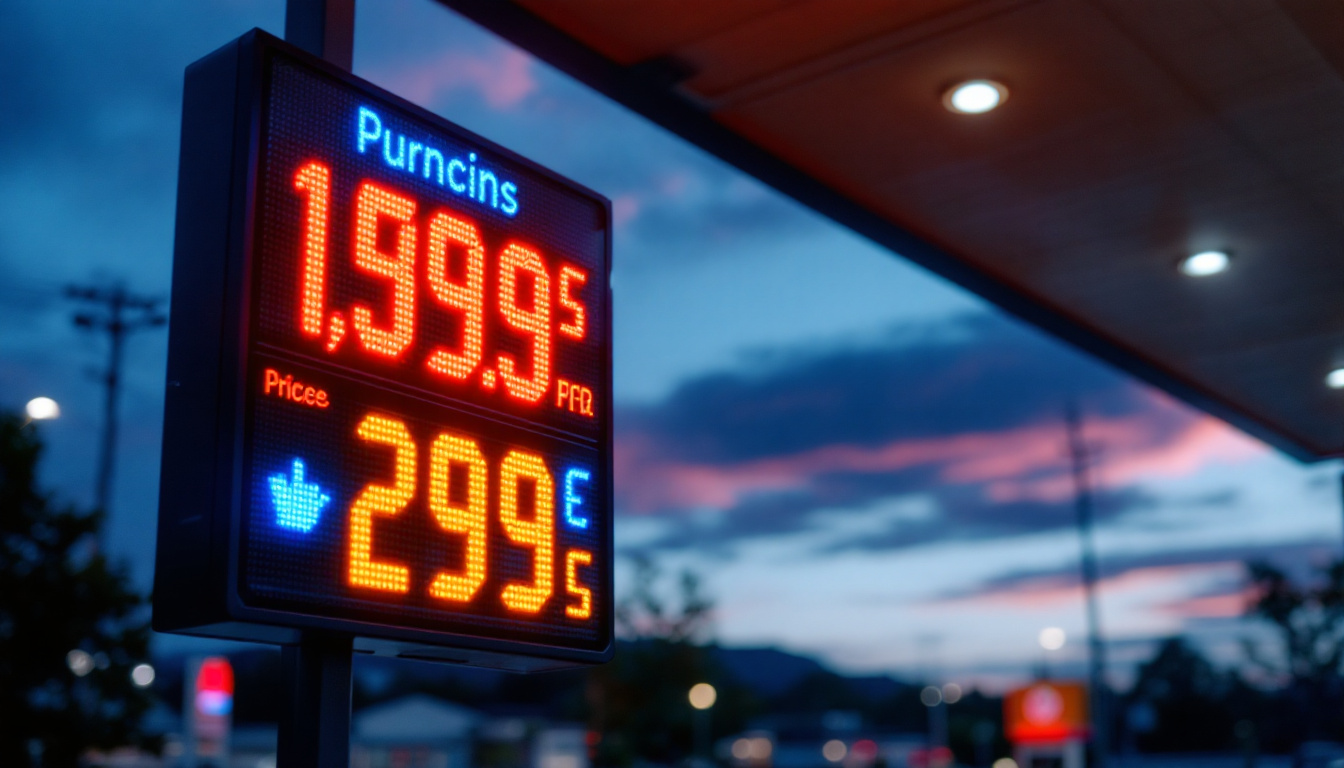
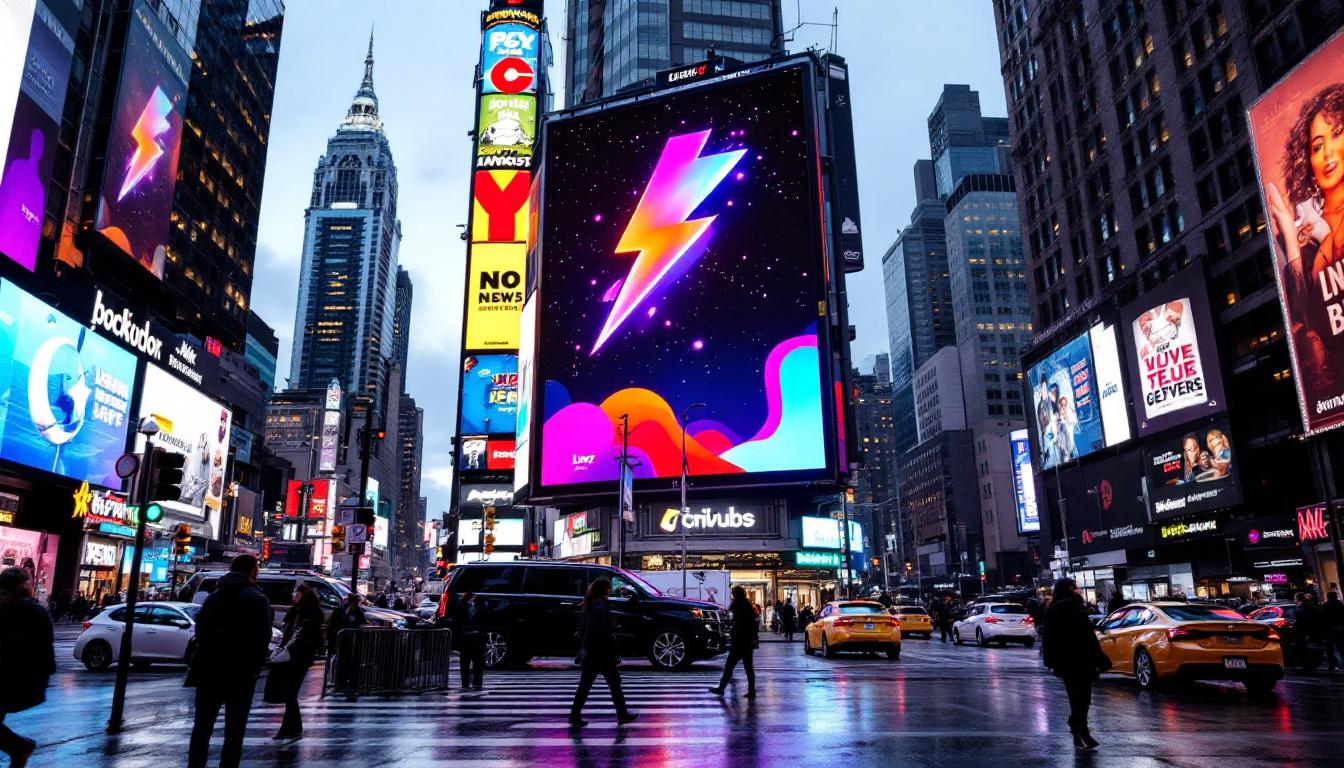
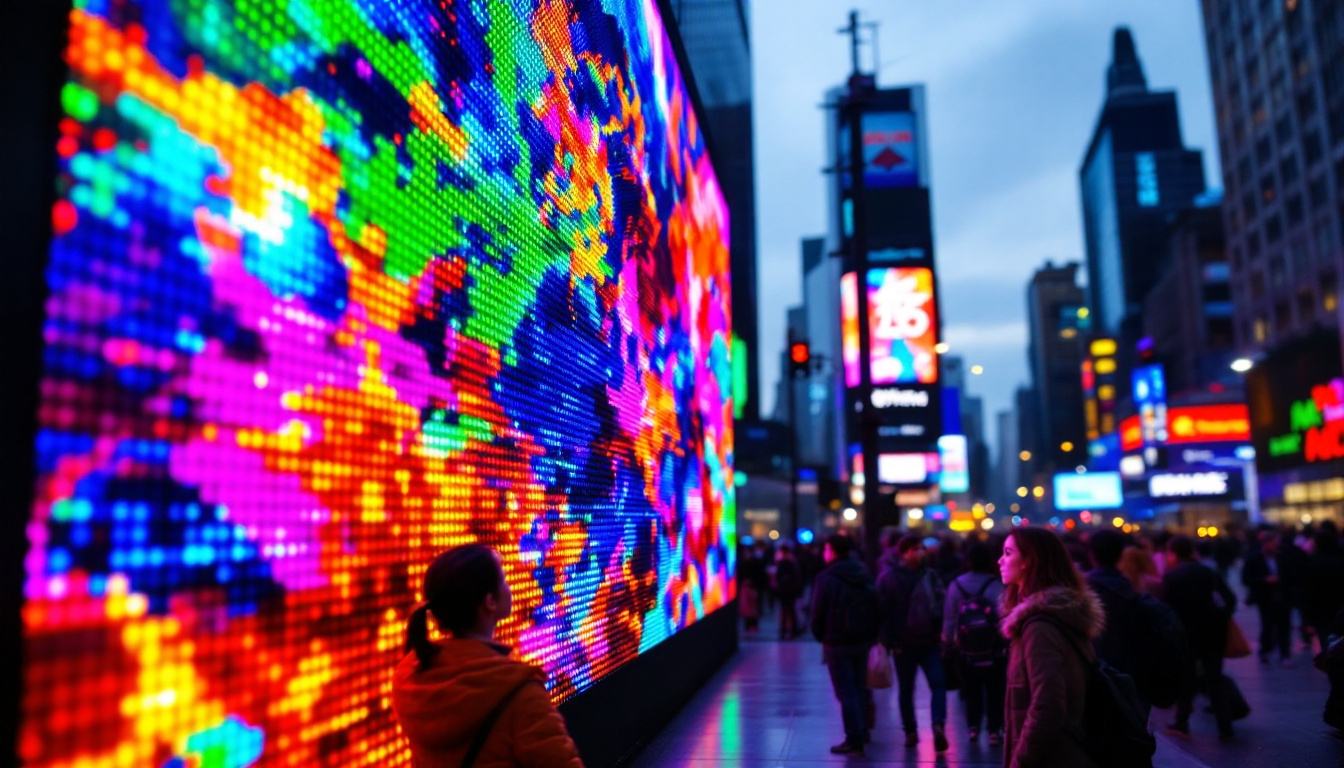
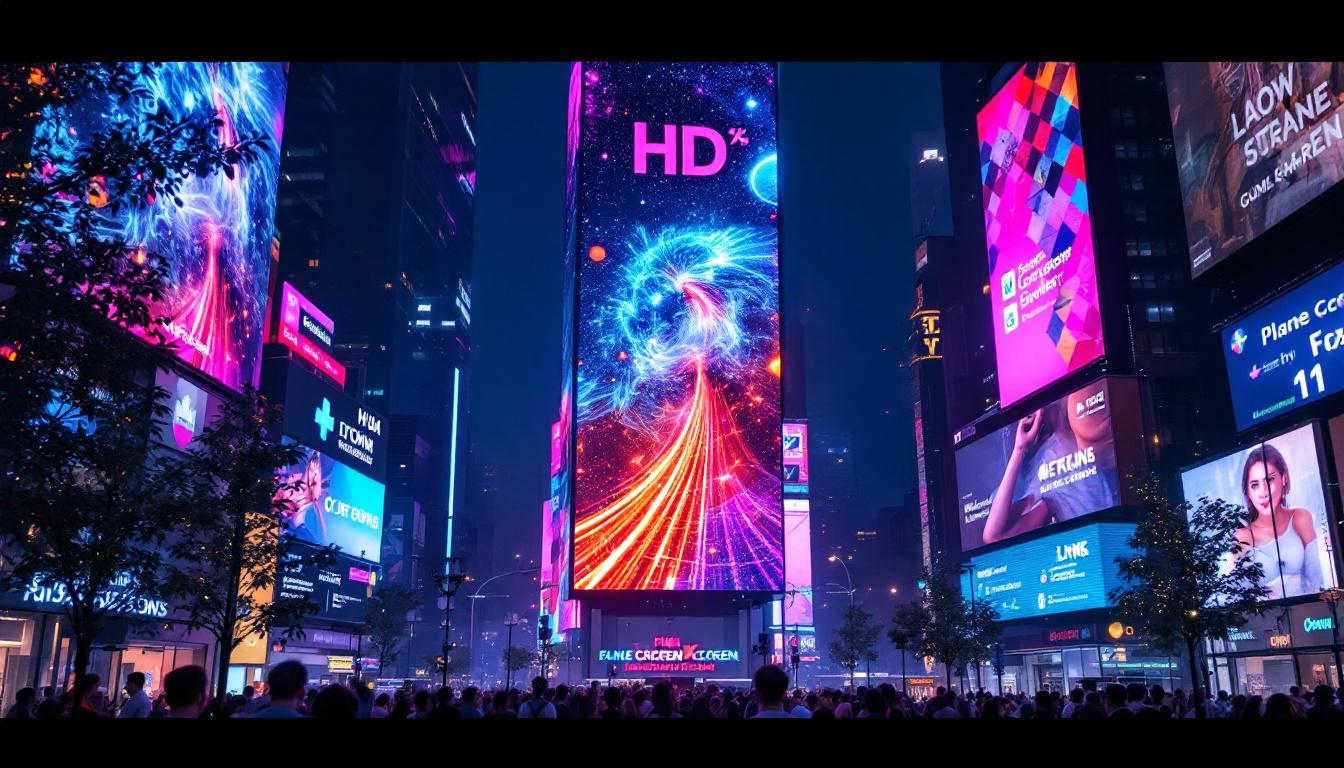
One of the most widespread uses of LED displays is in advertising. Globally, the digital out-of-home (DOOH) advertising market is projected to grow at a compound annual growth rate (CAGR) of over 10% through 2027, driven largely by LED technology. LED billboards and signage offer advertisers dynamic content capabilities, enabling real-time updates, targeted messaging, and interactive features that traditional static billboards cannot match.
In bustling metropolitan areas such as London, Tokyo, and Dubai, LED displays dominate commercial districts, creating immersive brand experiences. For contractors and sales professionals, understanding local regulations, cultural preferences, and language requirements is essential when deploying LED advertising solutions internationally.
Sports and Entertainment Venues
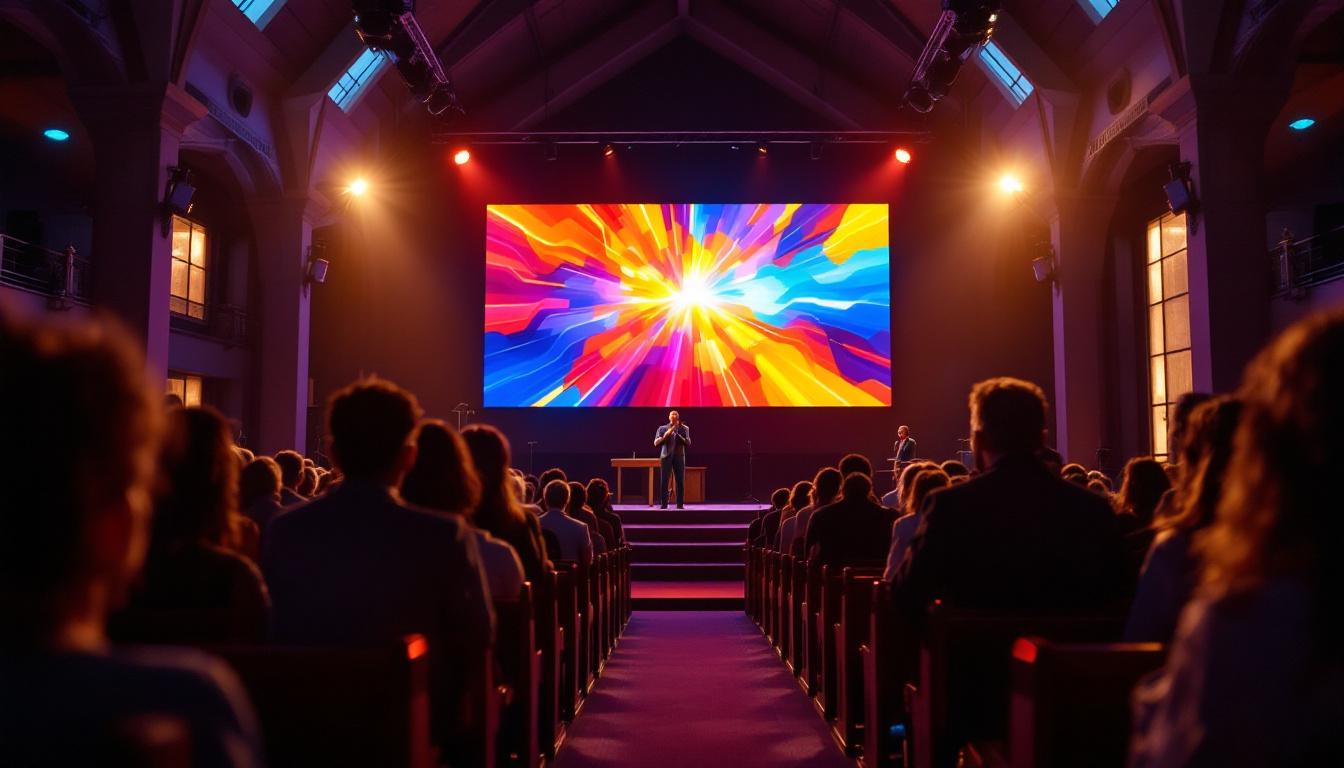
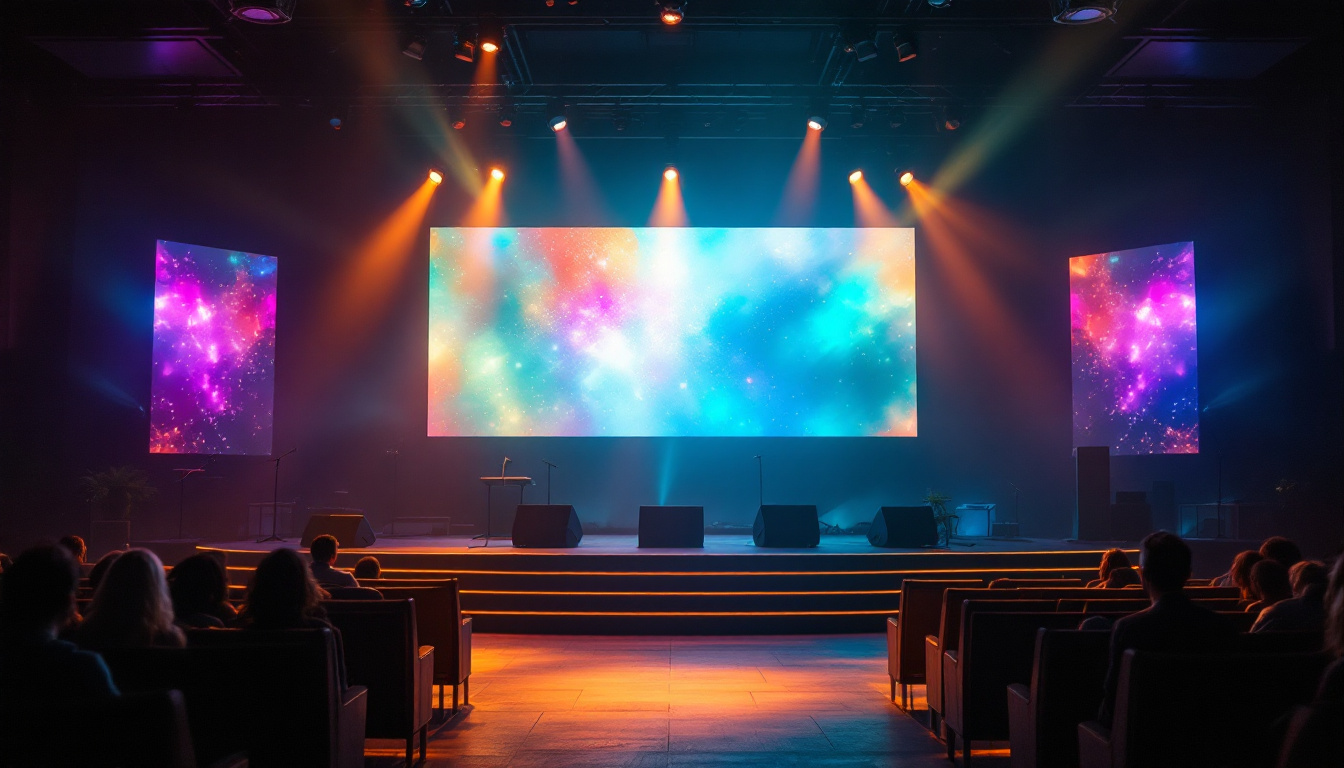
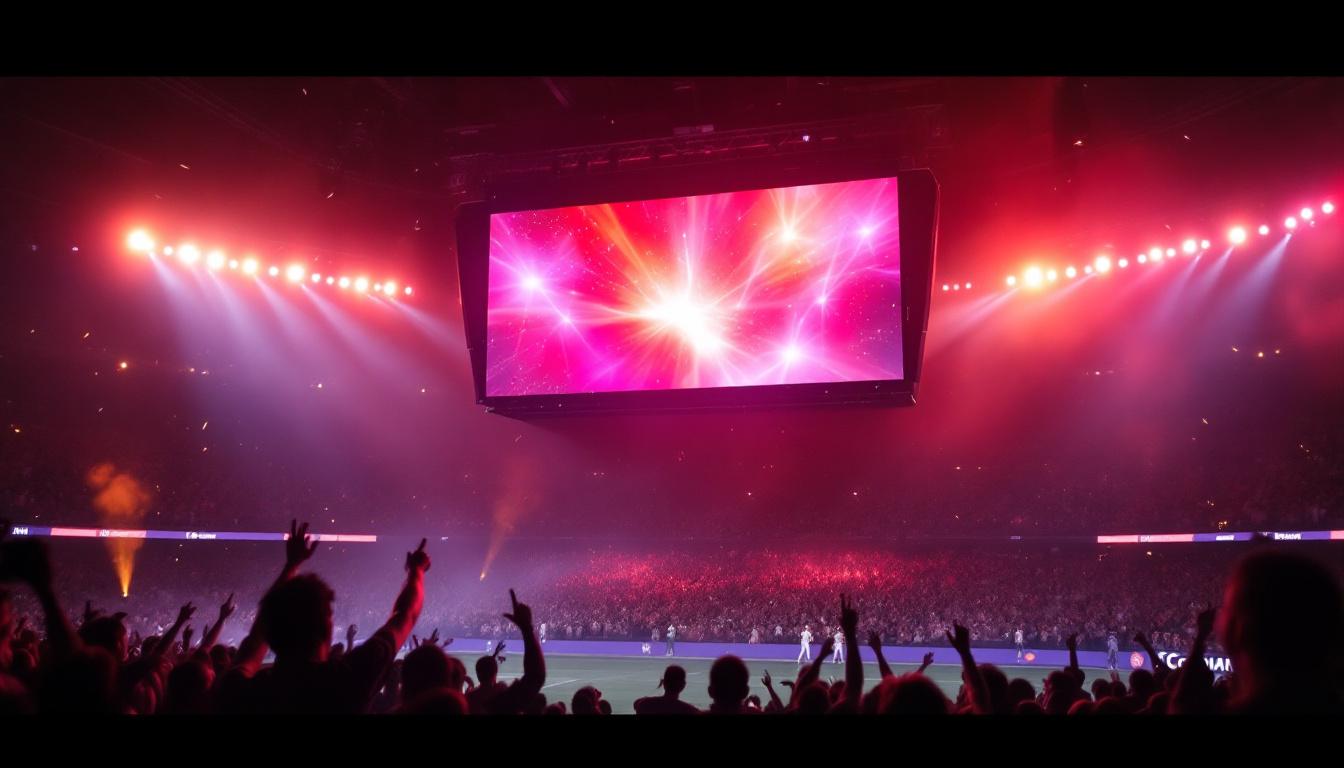
Stadiums, arenas, and concert venues increasingly rely on large-scale LED displays to enhance spectator engagement. From live video feeds to instant replays and interactive fan experiences, LED screens transform events into multimedia spectacles. The global sports LED display market is expanding rapidly, with innovations like curved and 360-degree displays offering new possibilities for immersive viewing.
Transportation Hubs and Public Information Systems
Airports, train stations, and bus terminals utilize LED displays for real-time information, wayfinding, and emergency alerts. The durability and brightness of outdoor LED screens make them ideal for these high-traffic environments. Additionally, multilingual support and integration with digital platforms are critical features for international contractors managing these projects.
Corporate and Retail Environments
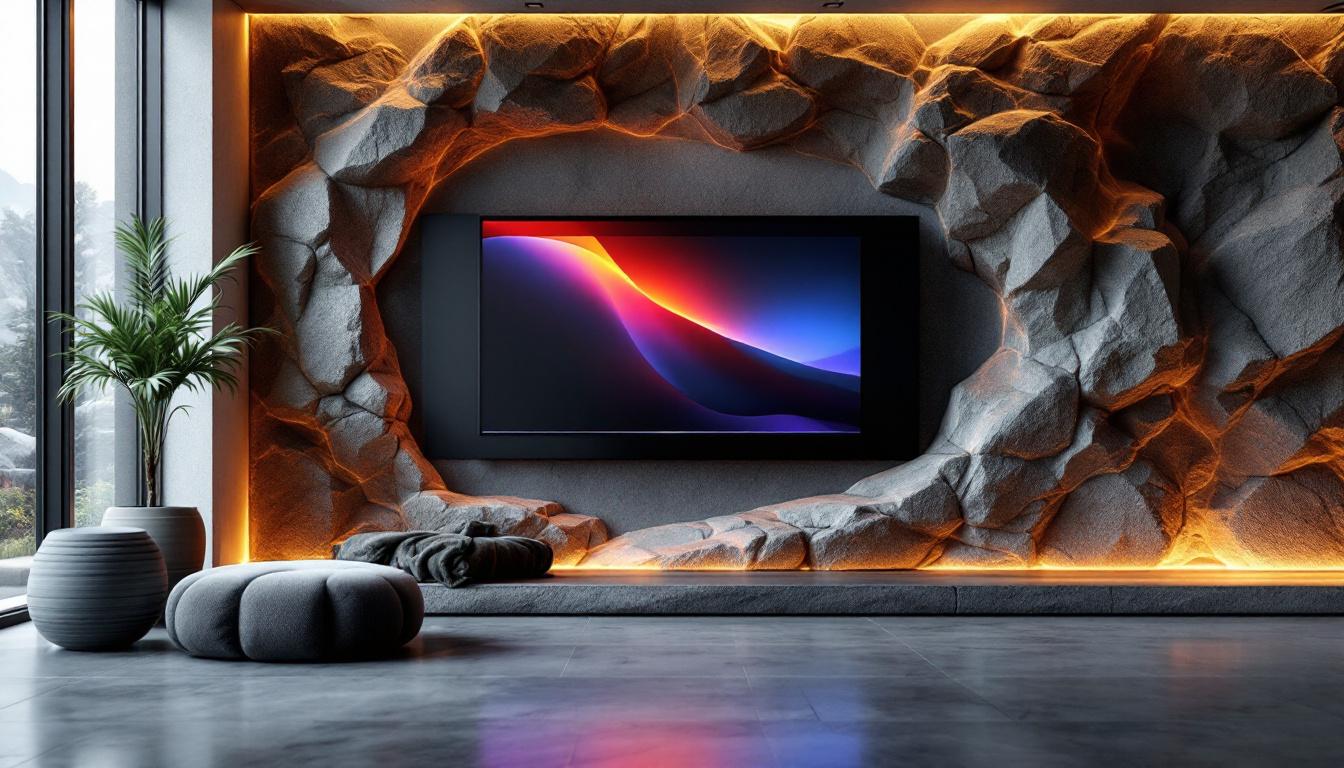
In offices and retail spaces, LED displays serve multiple functions—from digital directories and promotional screens to video conferencing walls and ambient lighting. The flexibility of LED technology allows for customized solutions that enhance brand identity and customer experience.
Challenges and Considerations for International Contractors
Regulatory Compliance and Standards
One of the primary challenges in international LED display sales and installation is navigating diverse regulatory landscapes. Different countries impose varying standards on electrical safety, electromagnetic compatibility, and environmental impact. For example, the European Union’s CE marking requirements differ significantly from the FCC regulations in the United States or the CCC certification in China.
Contractors must ensure that LED products meet local certifications and that installations comply with building codes and zoning laws. Failure to adhere to these regulations can result in costly delays, fines, or removal of displays.
Environmental and Climatic Adaptations
LED displays installed outdoors must be designed to withstand local weather conditions—ranging from extreme heat and humidity to freezing temperatures and heavy precipitation. In tropical regions, corrosion resistance and waterproofing are critical, while in colder climates, displays must operate reliably in sub-zero temperatures.
Additionally, energy efficiency is a growing concern worldwide. Many governments encourage or mandate the use of energy-saving technologies, making it important for contractors to select LED displays with optimized power consumption and eco-friendly components.
Supply Chain and Logistics
International projects often involve complex supply chains. Sourcing high-quality LED components, managing shipping logistics, and coordinating installation across time zones require meticulous planning. Recent disruptions in global supply chains have underscored the importance of reliable suppliers and contingency strategies.
Cultural and Language Factors
Effective communication with clients and end-users is paramount. Language barriers and cultural differences can impact project specifications, content design, and user interaction with LED displays. Contractors must be culturally sensitive and often collaborate with local partners to ensure successful deployment and adoption.
Emerging Trends and Future Outlook
Integration with IoT and Smart Technologies
The convergence of LED displays with the Internet of Things (IoT) is transforming digital signage into intelligent, responsive systems. Smart LED displays can collect data, adjust content based on audience demographics, and interact with mobile devices. This trend enables highly personalized marketing and operational efficiencies.
Advancements in Display Resolution and Form Factors
MicroLED and miniLED technologies are pushing the boundaries of resolution, brightness, and energy efficiency. These advancements promise thinner, lighter, and more flexible displays that can be integrated into a wider range of environments, from wearable devices to large-scale architectural installations.
Sustainability and Circular Economy Practices
Environmental sustainability is becoming a priority in the LED display industry. Manufacturers and contractors are adopting circular economy principles by designing products for longer lifespans, easier repair, and recycling. Energy-efficient LED displays also contribute to reducing the carbon footprint of digital signage networks.
Best Practices for Contractor Sales Professionals
Understanding Client Needs and Market Dynamics
Successful sales professionals invest time in understanding the unique needs of their clients, including budget constraints, target audience, and environmental conditions. Tailoring LED display solutions to these factors enhances customer satisfaction and long-term partnerships.
Providing Comprehensive Technical Support
Offering end-to-end support—from initial consultation and design to installation, maintenance, and upgrades—builds trust and differentiates contractors in a competitive market. Training clients on content management systems and troubleshooting can also improve user experience.
Leveraging Demonstrations and Case Studies
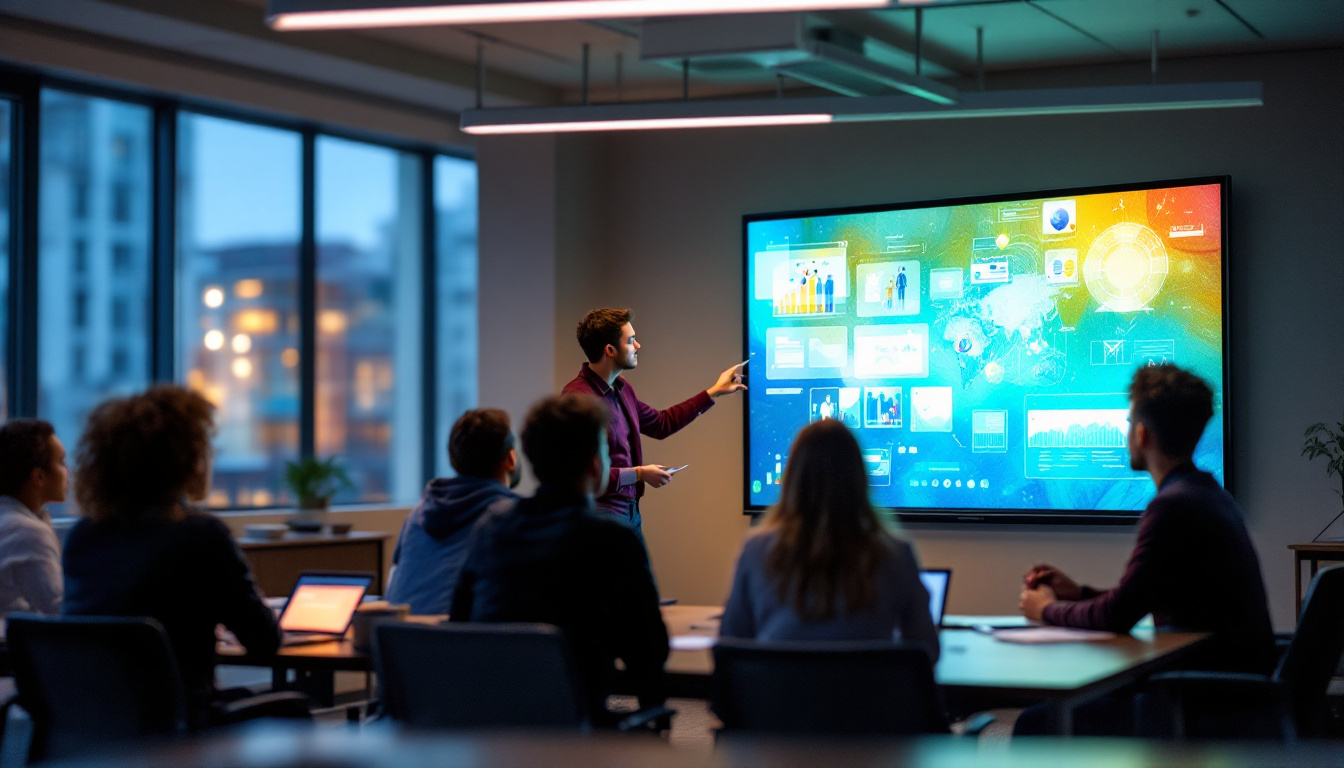
Demonstrating LED display capabilities through live demos or virtual presentations helps clients visualize the impact of the technology. Sharing case studies from similar international projects can also provide credibility and showcase expertise.
Staying Informed on Industry Developments
Continuous education on emerging technologies, regulatory changes, and market trends is essential. Participating in industry conferences, subscribing to trade publications, and engaging with professional networks empower sales teams to offer cutting-edge solutions.
Conclusion
LED displays represent a powerful tool for communication and engagement across diverse sectors worldwide. For contractors and sales professionals operating internationally, a deep understanding of LED technology, market applications, and regional challenges is vital to delivering successful projects. By embracing innovation, adhering to regulatory standards, and prioritizing client needs, the global LED display industry will continue to thrive and illuminate the future of digital interaction.
As the technology evolves, so too will the opportunities for contractors to expand their offerings and create impactful visual experiences that resonate across cultures and continents.
Illuminate Your Space with LumenMatrix
Ready to elevate your project with the latest in LED display technology? Discover LumenMatrix’s comprehensive range of LED display solutions, from vibrant Indoor and Outdoor LED Wall Displays to dynamic Vehicle and Sports Displays, and even customizable options tailored to your unique needs. Embrace the future of visual communication with our cutting-edge LED Transparent Displays and All-in-One solutions that promise to captivate your audience and amplify your message. Check out LumenMatrix LED Display Solutions today and transform your space into a beacon of innovation and engagement.