In today’s fast-paced and data-driven environments, control rooms serve as the nerve centers for critical operations across various industries, including utilities, transportation, security, and emergency response. At the heart of these control rooms lies a crucial technology: the LED display. This technology has revolutionized how operators monitor, analyze, and respond to real-time information, enabling more efficient decision-making and enhanced situational awareness.
This article delves deep into the world of LED display technology within control rooms, explaining its components, advantages, and the key considerations when selecting and implementing these systems. Whether you are a control room manager, a technology integrator, or simply interested in the evolving landscape of operational technology, this comprehensive guide will provide valuable insights.
Understanding LED Display Technology in Control Rooms
What is an LED Display?
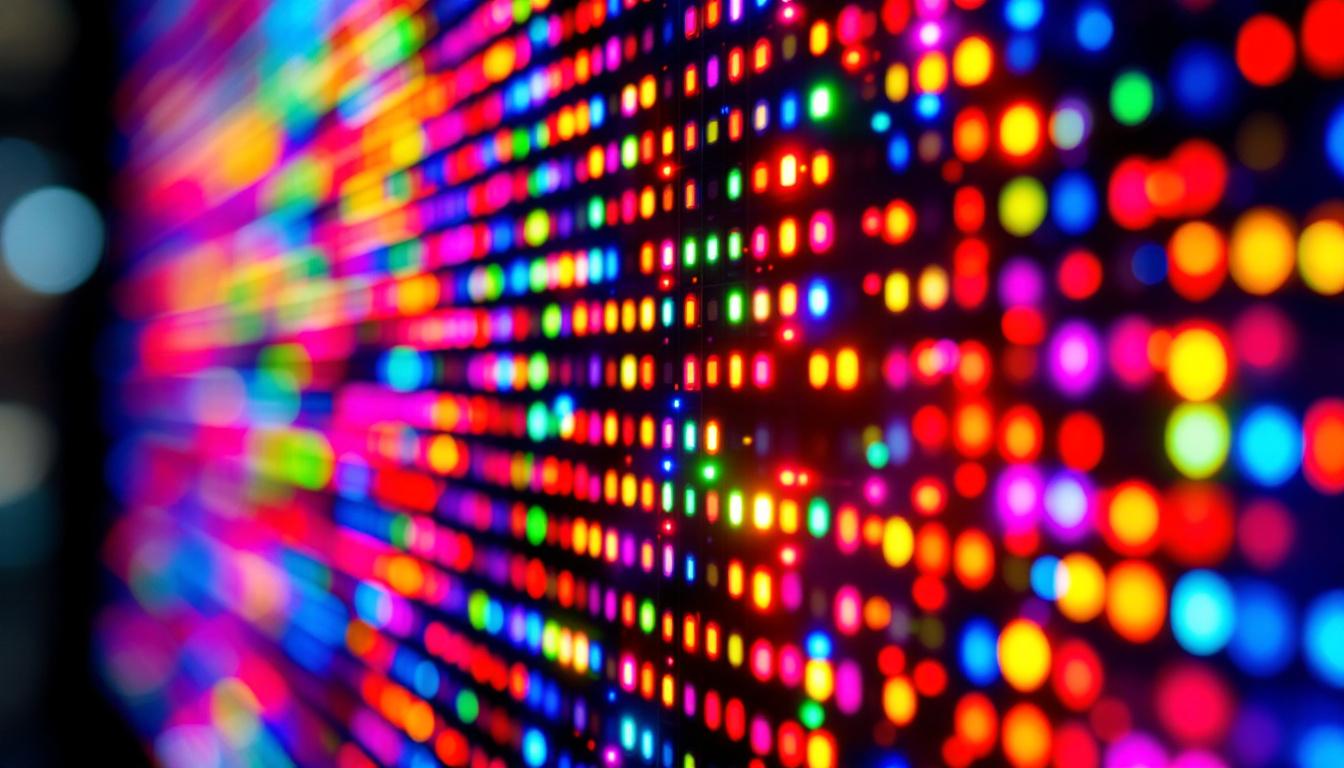
LED, or Light Emitting Diode, displays are screens composed of numerous tiny light-emitting diodes that produce images by varying brightness and color. Unlike traditional LCD or plasma screens, LED displays use these diodes to create vivid, high-contrast visuals that are visible even in challenging lighting conditions. This capability is particularly beneficial in control rooms, where operators often work in environments with fluctuating light levels, ensuring that critical information remains legible at all times.
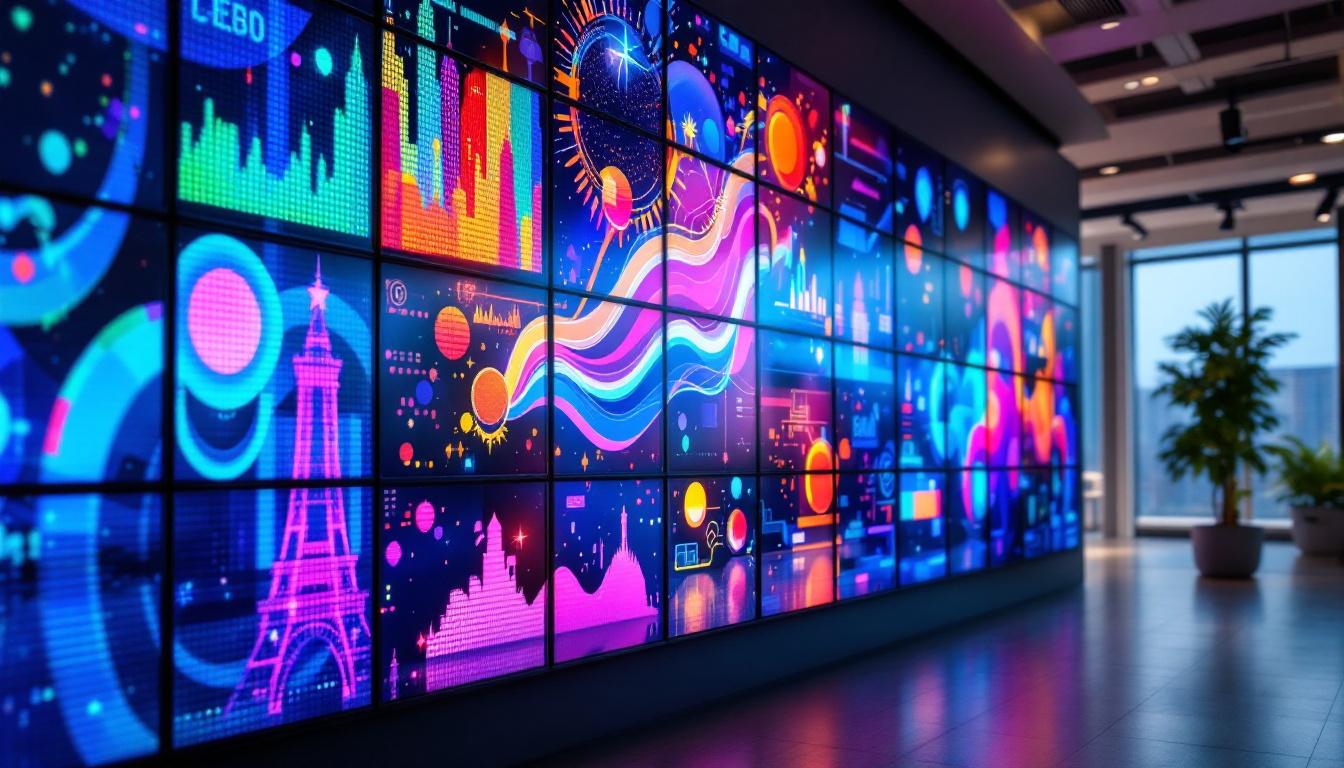
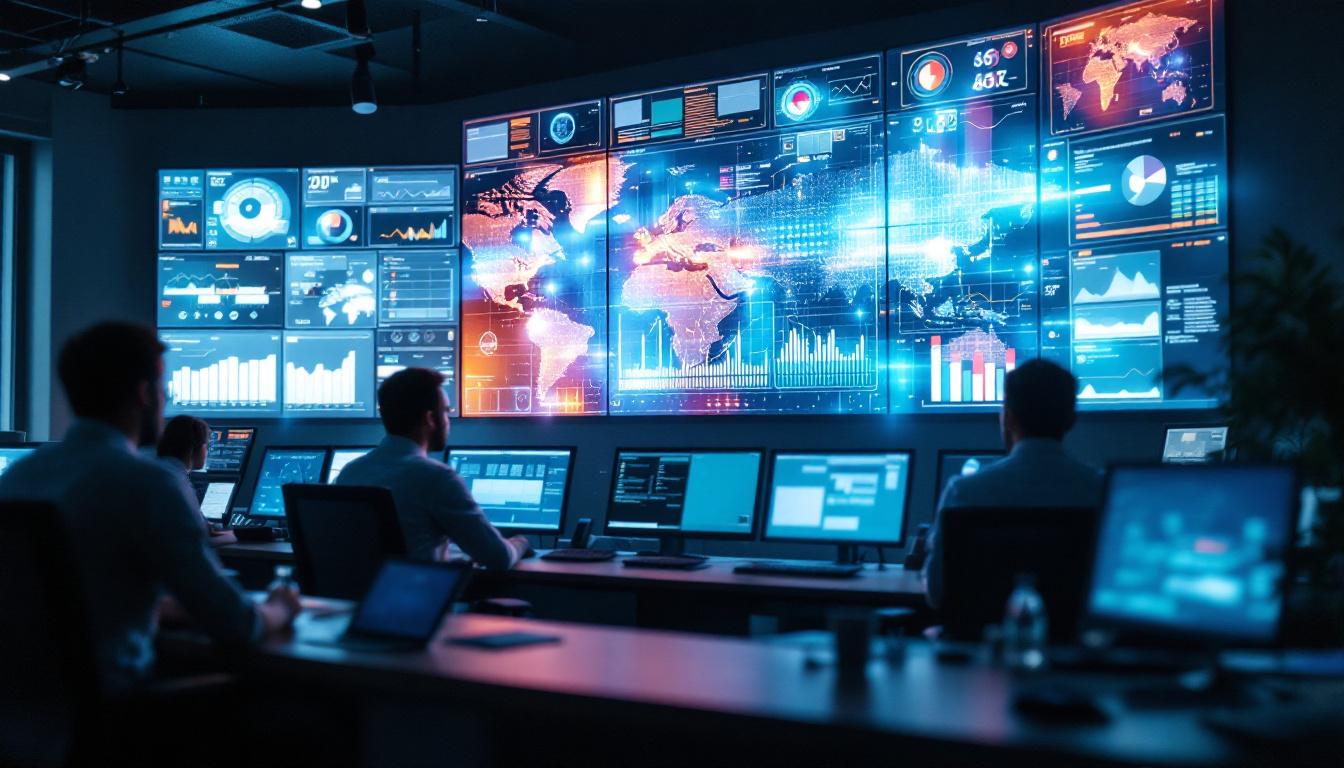
In control rooms, LED displays are often configured as video walls—large-scale screens made up of multiple LED panels seamlessly tiled together. These video walls can range from a few square feet to hundreds of square feet, providing operators with expansive, real-time visualizations of data streams, surveillance footage, and system statuses. The flexibility of LED technology allows for various configurations, enabling operators to customize the layout according to their specific needs, whether it be for monitoring traffic patterns, security feeds, or operational metrics in real-time.
Key Components of LED Displays
At the core of any LED display system are several critical components:
- LED Modules: These are the basic building blocks of the display, containing arrays of red, green, and blue LEDs that combine to produce the full spectrum of colors. The quality of these modules significantly impacts the overall image quality, with higher-end modules offering better color accuracy and brightness levels.
- Control Systems: These manage the input signals, image processing, and synchronization across the display panels to ensure smooth, coherent visuals. Advanced control systems can also integrate with software to allow for dynamic content management, enabling operators to display different information as needed without manual intervention.
- Power Supplies: LED displays require stable and efficient power sources to maintain consistent brightness and color accuracy. The design of these power supplies is crucial, as fluctuations can lead to color distortion or flickering, which can be detrimental in high-stakes environments.
- Mounting Structures: Robust frameworks support the physical installation of the display, especially important for large video walls in control rooms. These structures must be designed to accommodate the weight and size of the panels while ensuring they are securely anchored to prevent any movement that could disrupt the display quality.
Understanding these components helps in appreciating how LED technology delivers the performance required in mission-critical environments. Furthermore, advancements in LED technology continue to enhance the capabilities of these displays, such as improved energy efficiency and longer lifespans, making them an increasingly viable option for organizations looking to invest in reliable and effective visual communication solutions. The integration of smart technologies, such as IoT connectivity, is also paving the way for more interactive and responsive display systems that can adapt to the needs of operators in real-time, thereby enhancing situational awareness and decision-making processes.
Advantages of LED Displays in Control Rooms
Superior Visual Clarity and Brightness
One of the primary reasons LED displays are favored in control rooms is their exceptional visual clarity. LEDs emit light directly, resulting in higher brightness levels compared to LCD displays, which rely on backlighting. This direct emission allows LED screens to maintain visibility even under bright ambient lighting conditions, such as rooms with large windows or overhead lighting.
High brightness is essential for control rooms where operators must quickly interpret complex data visualizations and video feeds without strain or delay. According to industry benchmarks, LED video walls can achieve brightness levels exceeding 1,000 nits, significantly outperforming many traditional display technologies.
Wide Viewing Angles and Color Accuracy
Control rooms often have multiple operators and stakeholders viewing the same display from different angles. LED displays provide wide viewing angles—often up to 160 degrees or more—ensuring consistent color and image quality regardless of the viewer’s position.
Color accuracy is another critical factor. Modern LED displays use advanced calibration techniques and high-quality diodes to deliver precise color reproduction. This accuracy is vital when monitoring color-coded alerts, maps, or detailed graphics, reducing the risk of misinterpretation.
Scalability and Flexibility
LED video walls are highly scalable, allowing control rooms to customize the size and resolution based on operational needs. Whether it’s a small 2×2 panel setup or an expansive 10×5 configuration, LED technology can be adapted to fit the available space and information requirements.
Moreover, LED panels can be configured in various aspect ratios and shapes, enabling creative layouts that optimize the presentation of data. This flexibility supports diverse applications, from traffic management centers to emergency operations hubs.
Durability and Longevity
Control rooms operate around the clock, and their display systems must be reliable. LED displays are known for their durability, with typical lifespans ranging from 50,000 to 100,000 hours of operation. This longevity reduces maintenance costs and downtime, ensuring continuous availability of critical information.
Additionally, LEDs are resistant to screen burn-in—a common issue with other display types—making them ideal for static or semi-static content often displayed in control rooms.
Applications of LED Displays in Various Control Room Environments
Utility and Energy Sector
In utility control rooms, operators monitor electrical grids, water supply systems, and gas pipelines. LED video walls display real-time data such as voltage levels, flow rates, and outage alerts. The high resolution and brightness of LED displays help operators quickly identify anomalies and coordinate responses to prevent service disruptions.
Transportation and Traffic Management
Transportation control centers rely heavily on LED displays to monitor traffic flow, public transit systems, and incident reports. Video walls provide a centralized view of live camera feeds, GPS tracking, and traffic signal statuses. The ability to display multiple data streams simultaneously enhances situational awareness and enables faster decision-making during emergencies or peak traffic periods.
Security and Surveillance
Security control rooms use LED displays to monitor video surveillance, access control systems, and alarm notifications. The clarity and color accuracy of LED video walls allow security personnel to detect suspicious activities and respond promptly. Additionally, the scalability of LED systems supports integration with advanced analytics and AI-driven monitoring tools.
Emergency Operations Centers
Emergency operations centers (EOCs) coordinate responses to natural disasters, public health crises, and other large-scale events. LED displays provide a comprehensive overview of incident maps, resource allocation, and communication channels. The ability to customize layouts and display multi-source data in real-time is critical for effective crisis management.
Selecting the Right LED Display for Your Control Room
Resolution and Pixel Pitch
Resolution refers to the total number of pixels on the display, while pixel pitch measures the distance between individual LED diodes, typically in millimeters. Control rooms require high resolution and small pixel pitch to ensure detailed images and sharp text, especially when displaying complex data or multiple windows.
For example, a pixel pitch of 1.5mm to 2.5mm is common in indoor control room environments, providing a balance between image clarity and cost. Smaller pixel pitches offer higher resolution but come at a higher price point.
Brightness and Contrast Ratio
Brightness is measured in nits, and contrast ratio describes the difference between the darkest and brightest parts of the image. Control rooms benefit from LED displays with brightness levels above 800 nits and high contrast ratios to maintain visibility under various lighting conditions.
Some LED displays include ambient light sensors that automatically adjust brightness, optimizing visibility while reducing power consumption.
Reliability and Maintenance
Given the critical nature of control room operations, reliability is paramount. Selecting LED displays from reputable manufacturers with proven track records is essential. Features such as redundant power supplies, easy module replacement, and remote diagnostics help minimize downtime.
Maintenance considerations also include accessibility for repairs and cleaning, as well as vendor support agreements that ensure timely service.
Integration and Control Software
Modern control rooms require seamless integration of LED displays with control software platforms. This integration allows operators to manage content, switch between data sources, and configure layouts dynamically.
Choosing LED systems compatible with industry-standard control room management software enhances operational efficiency and future-proofs the investment.
Emerging Trends in LED Display Technology for Control Rooms
MicroLED and MiniLED Innovations
MicroLED and MiniLED technologies represent the next generation of LED displays, offering even higher resolution, improved color accuracy, and enhanced energy efficiency. MicroLEDs, in particular, promise pixel-level control with superior brightness and contrast, making them ideal for demanding control room applications.
Interactive and Touch-Enabled LED Walls
Interactive LED walls are gaining traction in control rooms, allowing operators to manipulate data visualizations directly on the screen. Touch-enabled LED video walls facilitate collaborative decision-making and faster data exploration, especially in complex scenarios.
AI-Powered Display Management
Artificial intelligence is increasingly integrated into display management systems, optimizing content delivery based on operator behavior, environmental conditions, and operational priorities. AI can automate alert highlighting, prioritize critical information, and reduce information overload.
Conclusion
LED display technology has become an indispensable component of modern control rooms, providing unparalleled visual clarity, scalability, and reliability. By understanding the technical aspects and benefits of LED displays, organizations can make informed decisions that enhance operational effectiveness and safety.
As LED technology continues to evolve with innovations like MicroLED and AI integration, control rooms will become even more dynamic and responsive environments. Investing in the right LED display solutions today lays the foundation for future-ready control centers capable of meeting the challenges of tomorrow’s complex operational landscapes.
Discover Cutting-Edge Control Room Displays with LumenMatrix
Ready to elevate your control room’s capabilities with the latest in LED display technology? LumenMatrix is at the forefront of innovation, offering a comprehensive range of LED display solutions tailored to meet the demands of any operational environment. From Indoor and Outdoor LED Wall Displays to specialized solutions like Vehicle, Sports, and Floor LED Displays, our products are designed to ensure maximum visibility and impact. Experience the future of visual communication with our Custom, All-in-One, and Transparent LED Displays. Check out LumenMatrix LED Display Solutions today and transform your control center into a dynamic hub of efficiency and responsiveness.