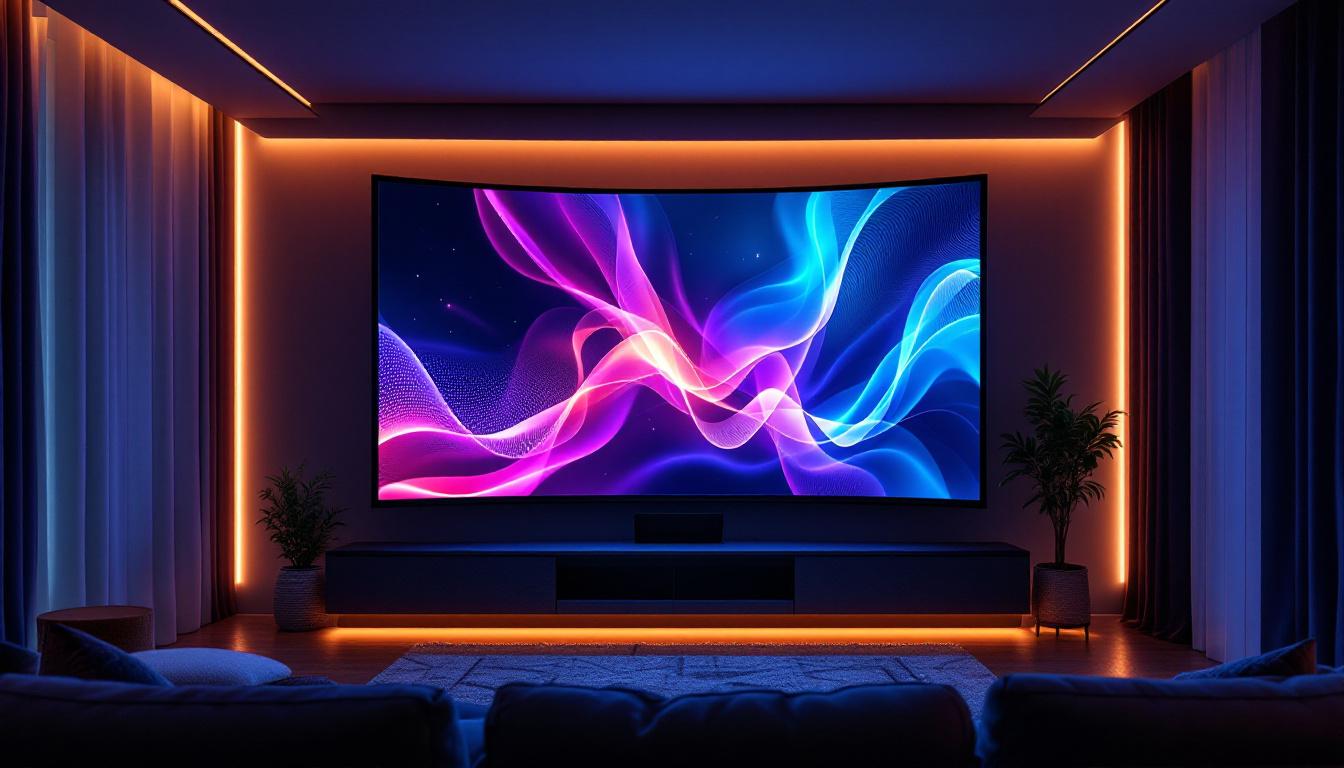
In the evolving world of visual technology, the demand for immersive and high-quality display solutions continues to grow. Among the innovations gaining traction are curved projector screens combined with LED display technology. These systems offer unique advantages for both commercial and home entertainment environments, providing enhanced viewing experiences that traditional flat screens struggle to match. This article delves into the intricacies of curved projector screens and LED displays, exploring their benefits, applications, and the technology behind them.
Understanding Curved Projector Screens
What Is a Curved Projector Screen?
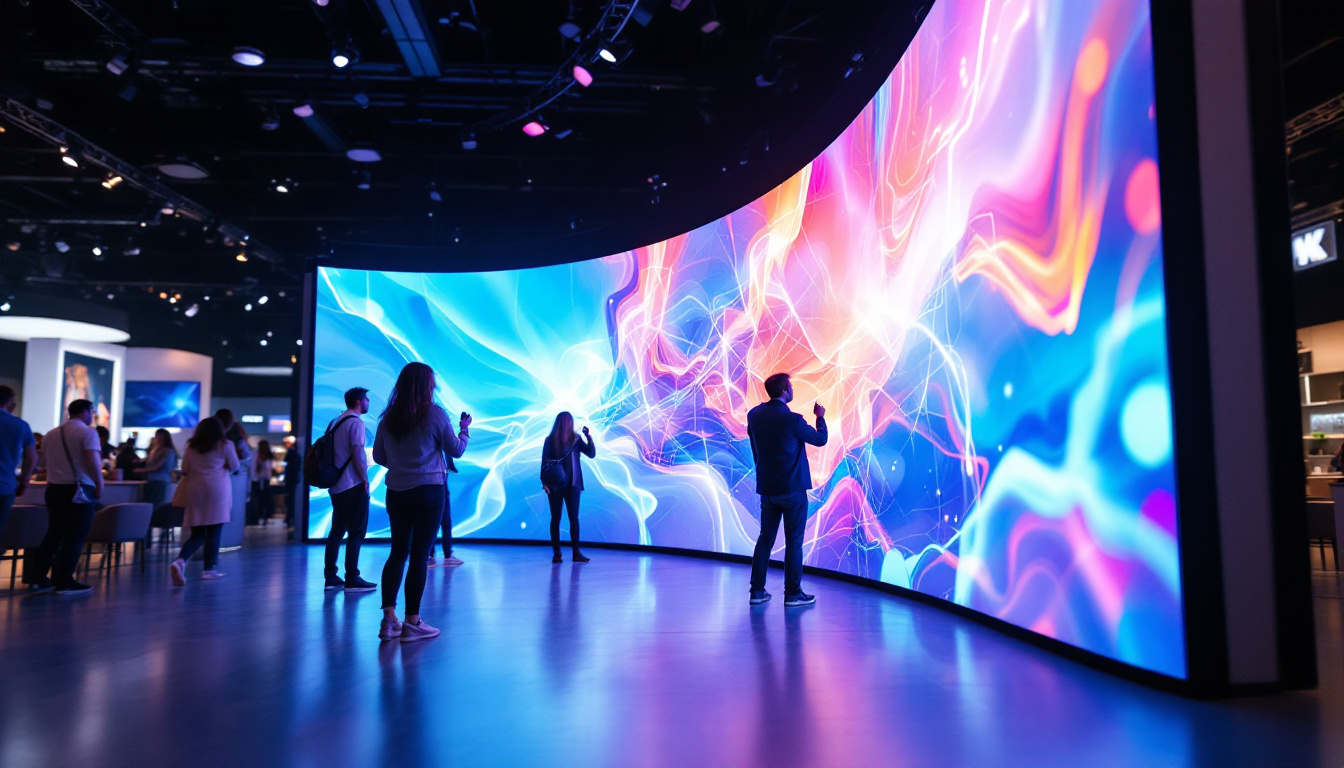
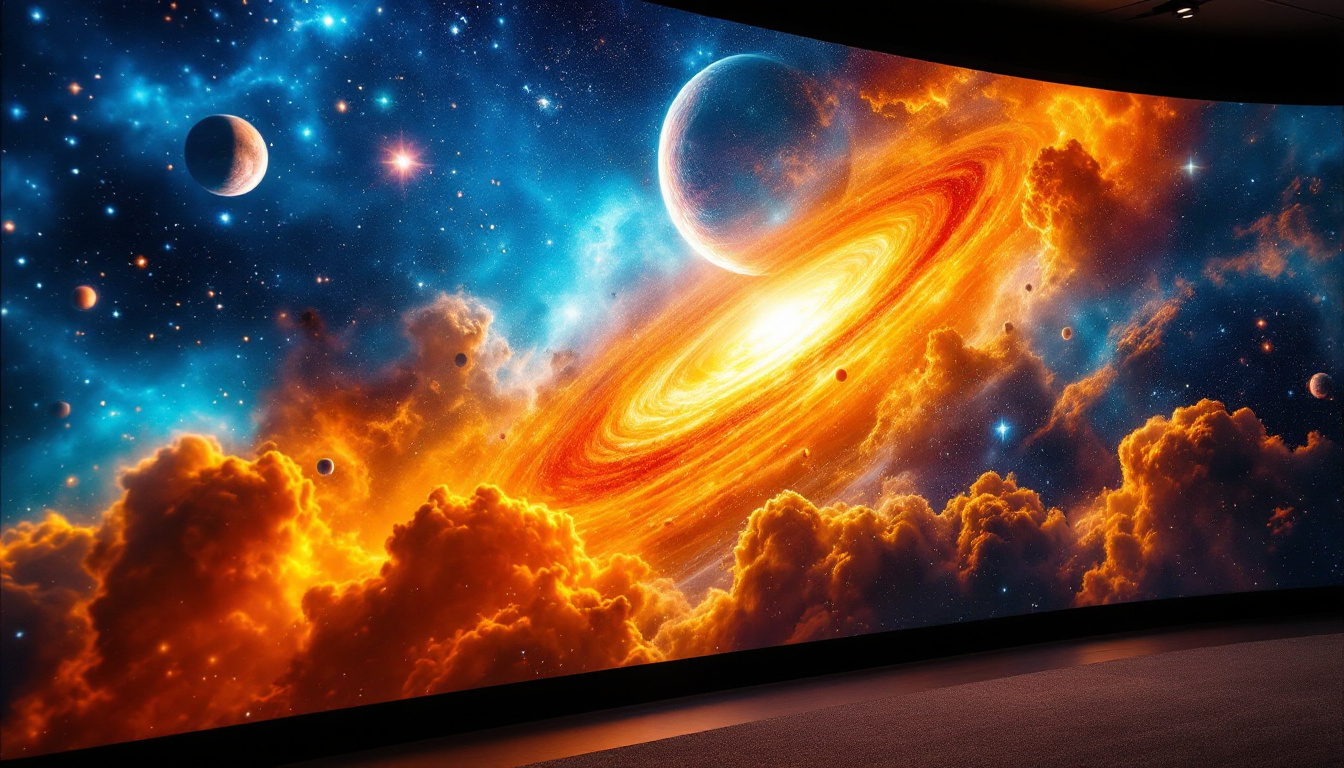
A curved projector screen is a display surface that bends inward or outward, creating a concave or convex shape rather than a flat plane. This curvature is designed to match the natural field of view of the human eye, allowing images to wrap around the viewer more effectively. The result is a more immersive and engaging visual experience, especially when viewed from a central position.
Curved screens have been used in cinemas and simulation environments for decades, but advancements in materials and projection technology have made them more accessible for home theaters, conference rooms, and digital signage. The curvature can vary, with common radii ranging from 1000mm to 4000mm, depending on the intended use and viewing distance. In addition to traditional white screens, modern curved screens are available in various materials, such as high-gain fabrics that enhance brightness and contrast, making them suitable for different lighting conditions.
Advantages of Curved Screens Over Flat Screens
One of the primary benefits of curved projector screens is their ability to reduce distortion and maintain consistent image quality across the entire display. Flat screens can cause images projected at extreme angles to appear stretched or compressed, especially at the edges. Curved screens counteract this by maintaining a uniform distance between the projector lens and the screen surface.
Additionally, curved screens enhance the sense of depth and spatial awareness. This is particularly valuable in simulation training, gaming, and cinematic applications where immersion is key. The curvature also helps minimize reflections and ambient light interference, improving contrast and color accuracy. Furthermore, the design of curved screens allows for a wider viewing angle, ensuring that even viewers seated at the periphery can enjoy a high-quality image without significant loss of detail. This makes them an ideal choice for larger audiences, such as in corporate presentations or public displays, where engagement and visual clarity are paramount.
Moreover, the aesthetic appeal of curved screens cannot be overlooked. Their sleek and modern design can complement contemporary home theater setups, adding a touch of sophistication to the viewing environment. Many manufacturers offer customizable options, allowing users to select the curvature, size, and even the frame style to match their décor. This versatility not only enhances the visual experience but also integrates seamlessly into the overall design of the space, making curved screens a popular choice among interior designers and tech enthusiasts alike.
The Role of LED Displays in Modern Projection
What Are LED Displays?
LED (Light Emitting Diode) displays are a type of digital screen composed of numerous tiny LEDs that emit light directly. Unlike traditional projection systems that rely on external light sources projecting images onto a screen, LED displays are self-illuminating. This fundamental difference offers several advantages, including higher brightness, better color saturation, and improved energy efficiency.
LED technology has evolved rapidly, with modern displays featuring fine pixel pitches as small as 0.9mm, enabling high-resolution images suitable for close viewing. These displays are widely used in everything from smartphones and televisions to large-scale outdoor billboards and indoor video walls.
LED Displays vs. Traditional Projection
Traditional projector systems depend on a projector bulb or laser light source to cast images onto a screen. While projectors can produce large images at a relatively low cost, they often struggle with brightness, especially in well-lit environments. LED displays, on the other hand, maintain consistent brightness regardless of ambient light conditions.
Moreover, LED displays do not suffer from issues like lamp degradation or the need for frequent calibration. They offer superior contrast ratios and color accuracy, which are critical for professional applications such as digital signage, broadcast studios, and control rooms.
Integrating Curved Screens with LED Technology
How Curved LED Displays Work
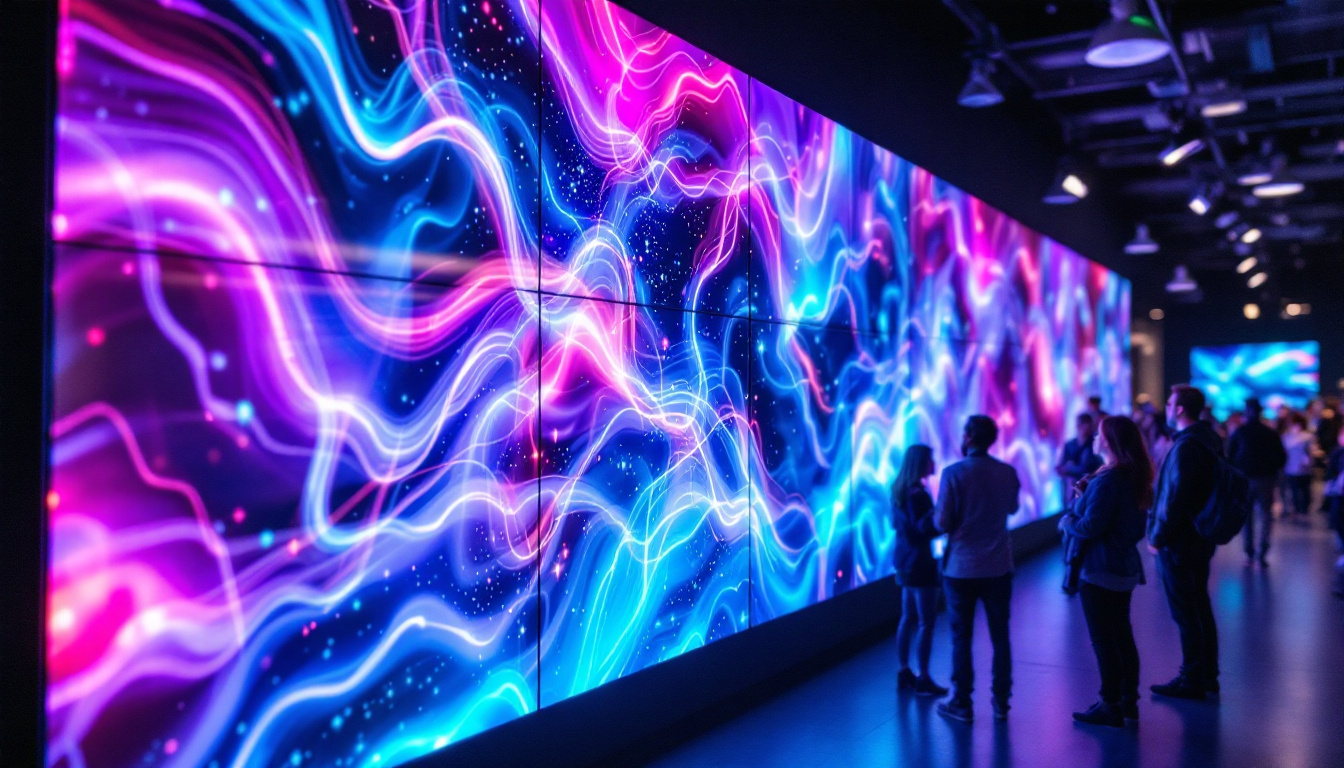
Combining curved screens with LED technology involves assembling modular LED panels on a curved frame to form a seamless display surface. Each panel contains an array of LEDs arranged in a grid, and when combined, these panels create a large, continuous image that conforms to the curve.
The manufacturing process requires precise engineering to ensure uniform brightness and color consistency across the curve. Advanced calibration techniques and software tools are used to blend the edges of each panel, eliminating visible seams and maintaining image integrity.
Benefits of Curved LED Displays
Curved LED displays offer the best of both worlds: the immersive viewing experience of a curved screen and the superior image quality of LED technology. This combination is particularly effective in environments where audience engagement and visual impact are paramount.
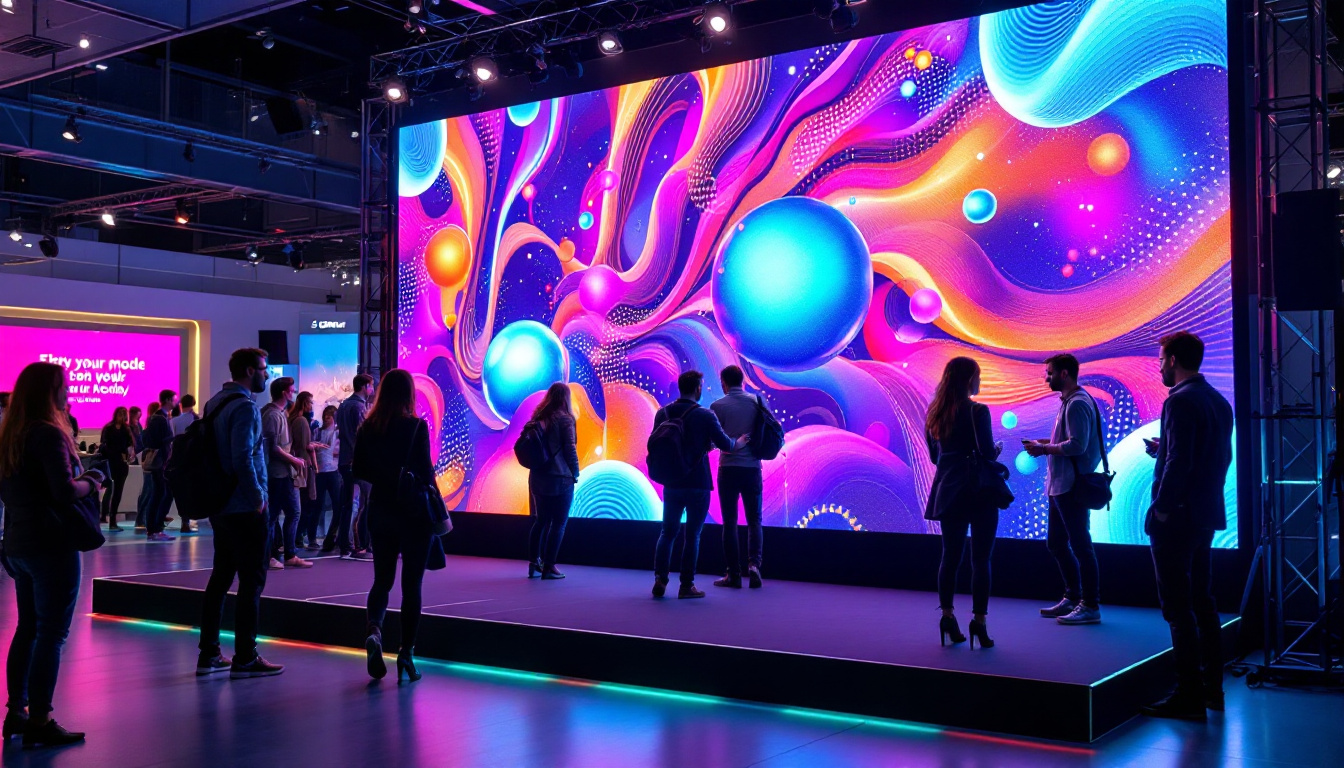
For example, in retail environments, curved LED walls can attract attention with dynamic content that wraps around corners or pillars. In corporate settings, they provide expansive, high-resolution displays for presentations and video conferencing. In entertainment venues, they create captivating backdrops and immersive video experiences.
Applications of Curved Projector Screens and LED Displays
Home Theater and Entertainment
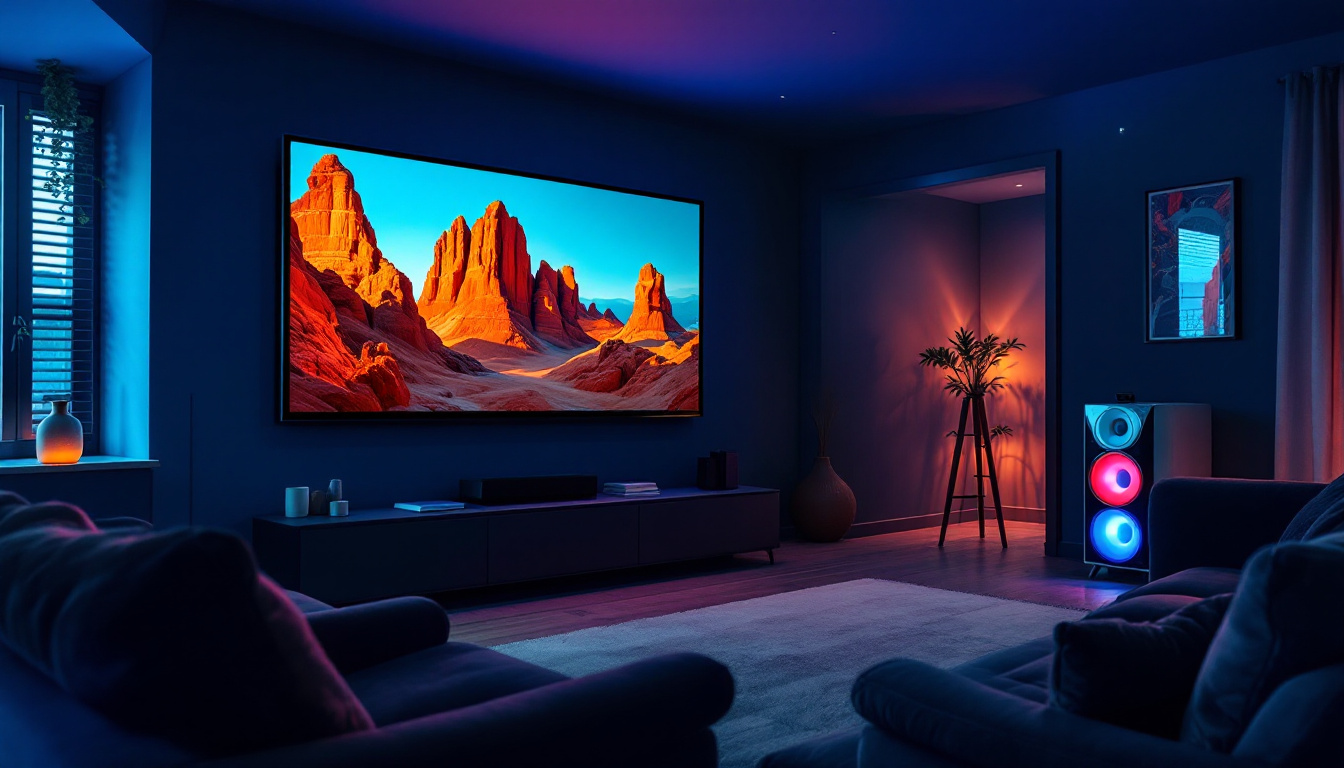
Curved projector screens have become increasingly popular in home theater setups, where the goal is to replicate the cinematic experience. When paired with LED display technology, these screens can deliver stunning visuals with deep blacks and vibrant colors, even in rooms with ambient light.
Many enthusiasts appreciate the way curved screens enhance peripheral vision, making movies and games feel more immersive. The integration of LED displays allows for brighter images and eliminates issues such as projector lamp replacement and calibration.
Corporate and Educational Environments
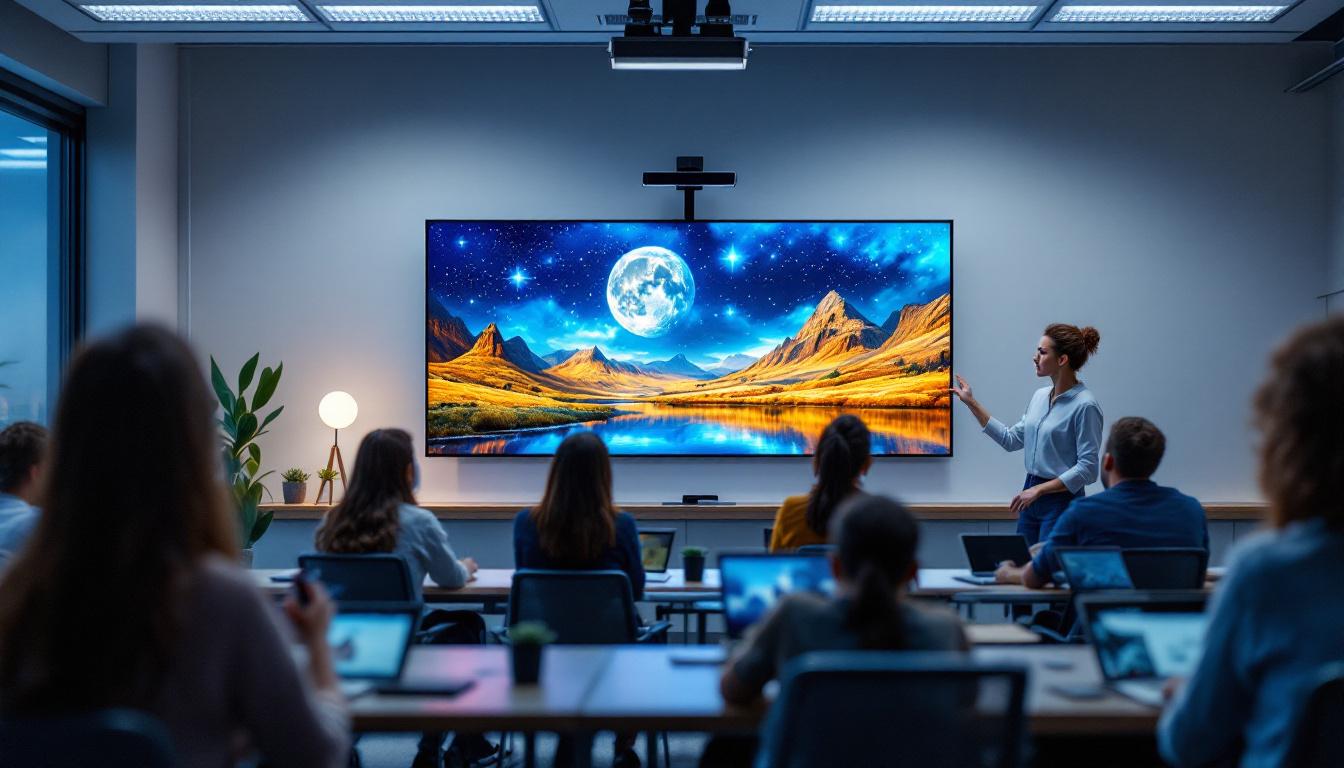
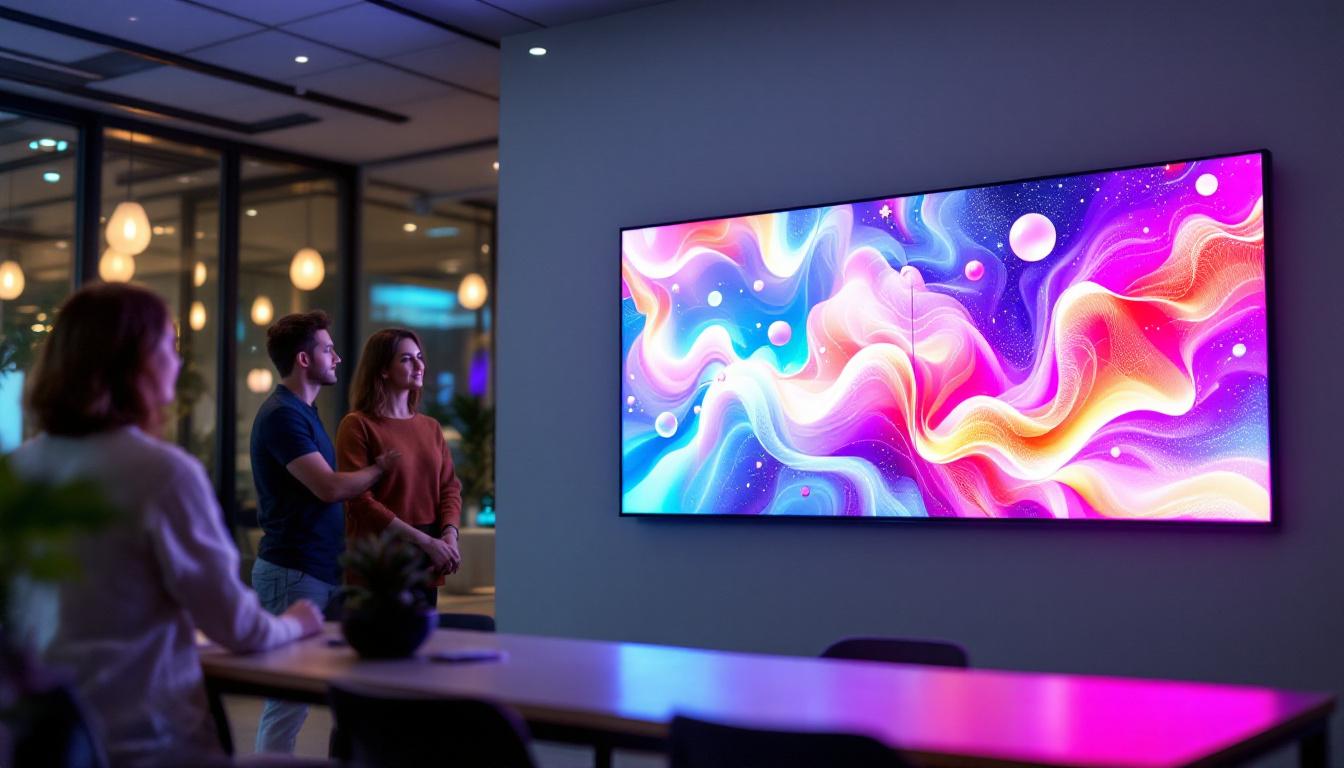
In conference rooms and lecture halls, curved LED displays provide large, clear visuals that improve audience engagement and information retention. They are ideal for video conferencing, data visualization, and interactive presentations.
Curved screens help ensure that every attendee, regardless of seating position, has an optimal viewing angle. This can be particularly important in large spaces where traditional flat screens might cause image distortion or visibility issues at the edges.
Simulation and Training
Flight simulators, driving simulators, and other training platforms benefit greatly from curved LED displays. The wrap-around effect creates a realistic environment that enhances spatial awareness and reaction times.
High-resolution curved LED screens can replicate real-world scenarios with exceptional detail, making them invaluable tools for military, aviation, and emergency response training programs.
Retail and Digital Signage
Retailers use curved LED displays to create eye-catching digital signage that stands out in crowded environments. The ability to curve the display around architectural features allows for creative installations that draw customers’ attention.
Dynamic content on curved LED walls can showcase products, promotions, and branding in ways that flat screens cannot match, increasing foot traffic and sales.
Technical Considerations and Challenges
Installation and Maintenance
Installing curved LED displays requires careful planning and precision. The modular panels must be mounted on a custom curved frame, and wiring must be managed to maintain signal integrity and power distribution. Skilled technicians are essential to ensure the display functions correctly and safely.
Maintenance involves regular cleaning and occasional calibration to maintain optimal performance. LED panels are durable but can be expensive to replace if damaged, so protective measures are often incorporated into the design.
Cost Factors
Curved LED displays tend to be more expensive than flat LED screens or traditional projector setups due to the complexity of manufacturing and installation. However, the long-term benefits in terms of durability, image quality, and reduced maintenance can justify the initial investment.
Costs vary widely depending on size, resolution, pixel pitch, and curvature radius. Businesses and consumers should evaluate their specific needs and budget constraints when considering these systems.
Viewing Angles and Audience Positioning
While curved screens improve viewing angles for central viewers, they may introduce distortions or reduced image quality for viewers positioned far off-center. This makes it important to carefully plan the seating or audience layout to maximize the benefits of the curved design.
Advanced software solutions can help optimize content for curved displays, compensating for potential distortions and ensuring a consistent viewing experience across the audience area.
The Future of Curved Projector Screens and LED Displays
Technological Innovations on the Horizon
Emerging technologies promise to enhance curved LED displays further. MicroLED technology, which offers even smaller pixel pitches and higher brightness levels, is poised to revolutionize the market. Flexible and transparent LED panels are also in development, enabling new form factors and applications.
Artificial intelligence and machine learning are being integrated into display calibration and content management systems, allowing for real-time optimization based on ambient conditions and viewer behavior.
Growing Market Demand
The global LED display market is projected to grow at a compound annual growth rate (CAGR) of over 12% through 2028, driven by increasing adoption in retail, entertainment, and corporate sectors. Curved displays, in particular, are expected to capture a significant portion of this growth due to their immersive qualities.
As prices decrease and technology matures, curved LED displays will become more accessible to a broader range of users, from small businesses to individual consumers seeking premium home theater experiences.
Conclusion
Curved projector screens combined with LED display technology represent a compelling advancement in visual display solutions. By enhancing immersion, improving image quality, and offering versatile applications across industries, these systems are redefining how audiences engage with digital content.
While challenges such as cost and installation complexity remain, ongoing technological innovations and growing market demand suggest a bright future for curved LED displays. Whether for home entertainment, corporate presentations, or large-scale digital signage, understanding the benefits and considerations of these displays is essential for making informed decisions in today’s competitive visual landscape.
Discover the Future of Immersive Visuals with LumenMatrix
Ready to elevate your visual experience with the latest in curved projector screens and LED display technology? LumenMatrix is at the forefront of this innovation, offering a wide array of LED display solutions tailored to your needs. From Indoor and Outdoor LED Wall Displays to Custom and All-in-One LED solutions, our products are designed to captivate your audience and amplify your message. Embrace the future of digital signage and create unforgettable visual experiences. Check out LumenMatrix LED Display Solutions today and see the difference for yourself.