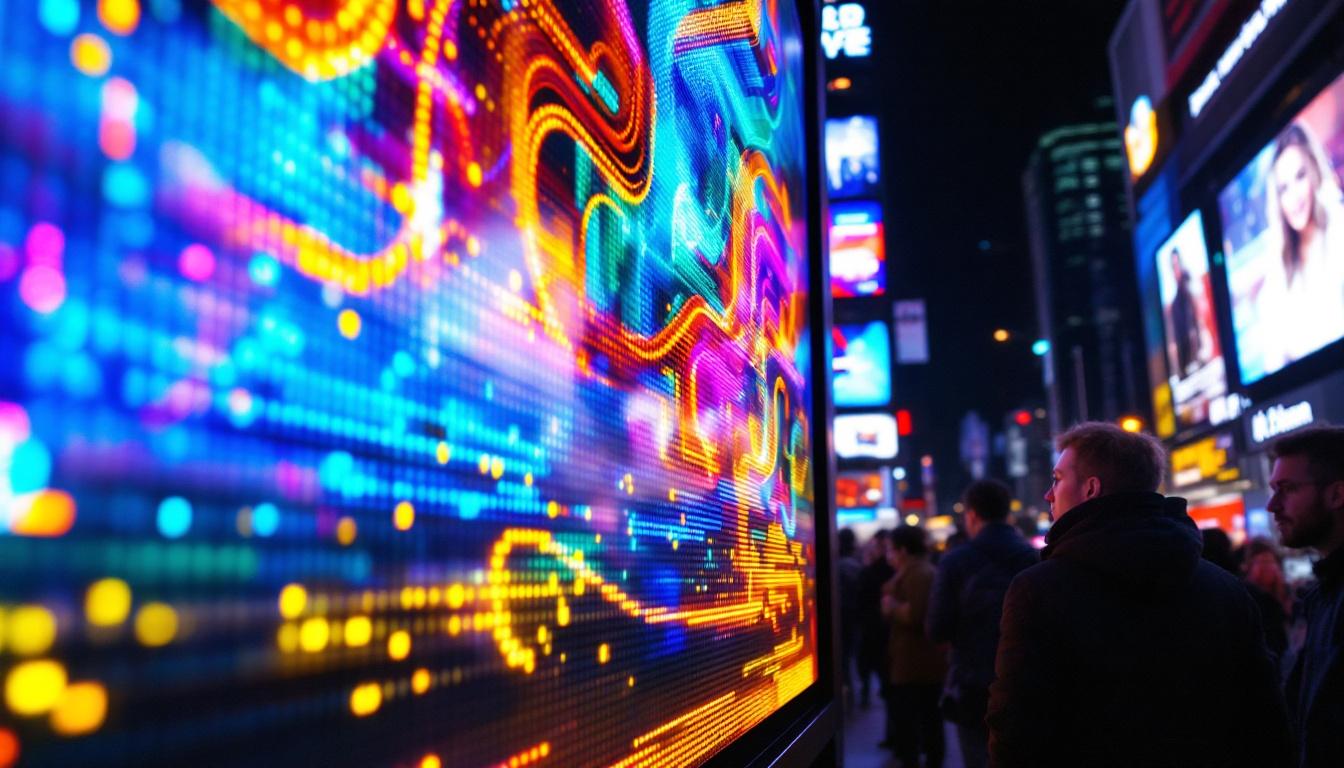
In today’s fast-paced digital world, the demand for vibrant, adaptable, and energy-efficient display technologies has never been higher. Among the many options available, LED displays have emerged as a leading solution for a broad range of applications — from advertising billboards and stadium screens to indoor signage and wearable tech. This article delves into the fundamentals of LED displays, exploring what makes them unique, how custom LED displays are designed, and why they continue to revolutionize the way information and visuals are presented globally.
Understanding LED Display Technology
What is an LED Display?
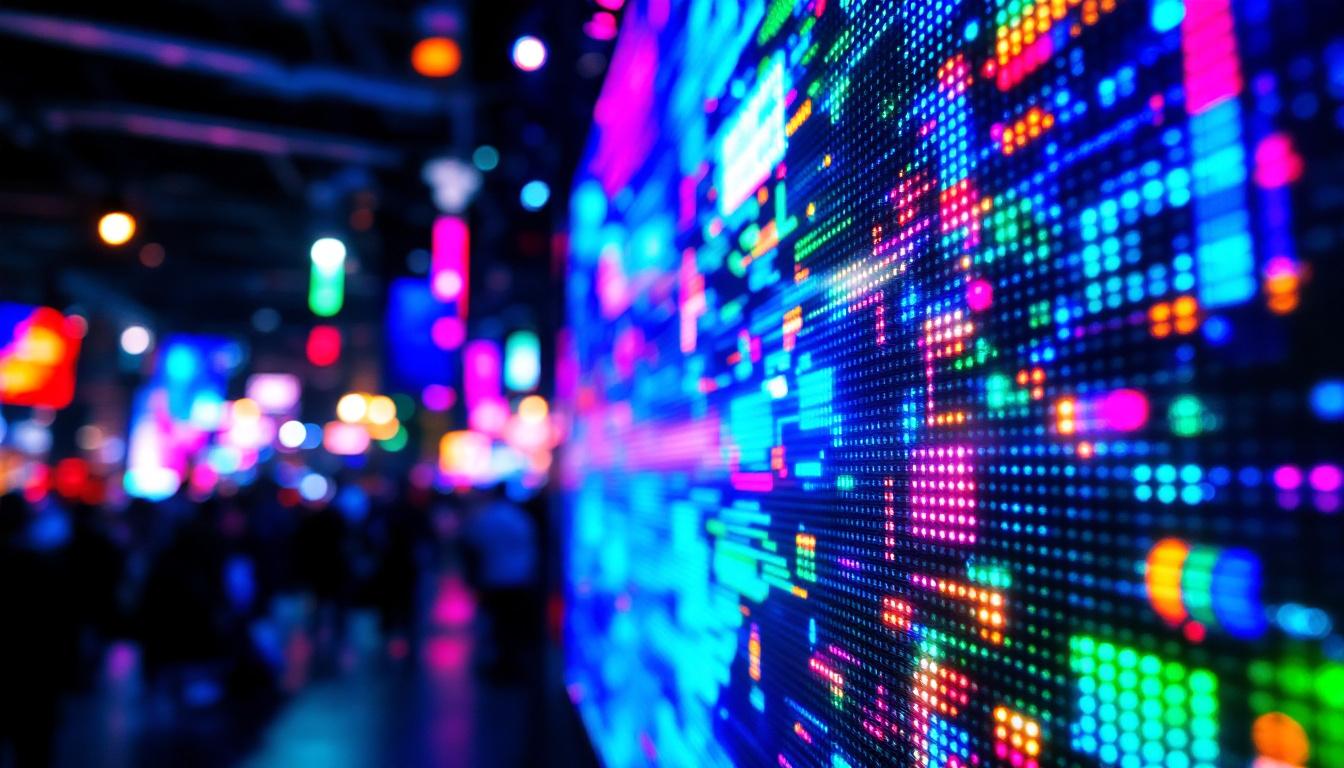
LED stands for Light Emitting Diode, a semiconductor device that emits light when an electric current passes through it. An LED display consists of an array of these tiny diodes arranged in a grid to form pixels. Each pixel can emit light in different colors, allowing the display to produce images, videos, and text with remarkable brightness and clarity.
Unlike traditional LCD or plasma screens, LED displays use direct light emission, which results in higher contrast ratios, better color accuracy, and improved energy efficiency. This makes LED technology ideal for environments where visibility and durability are critical, such as outdoor advertising or large-scale event screens. The longevity of LED displays also plays a significant role in their appeal; they can last up to 100,000 hours, significantly reducing maintenance costs and the frequency of replacements. This durability is particularly beneficial in commercial settings, where consistent performance is essential for maintaining brand visibility and engagement.
Types of LED Displays
LED displays come in various forms, each tailored to specific use cases:
- Indoor LED Displays: Designed for controlled lighting environments, these displays have smaller pixel pitches (the distance between LEDs) to provide high resolution and sharp images at close viewing distances. They are commonly used in retail environments, conference rooms, and entertainment venues, where clarity and detail are paramount.
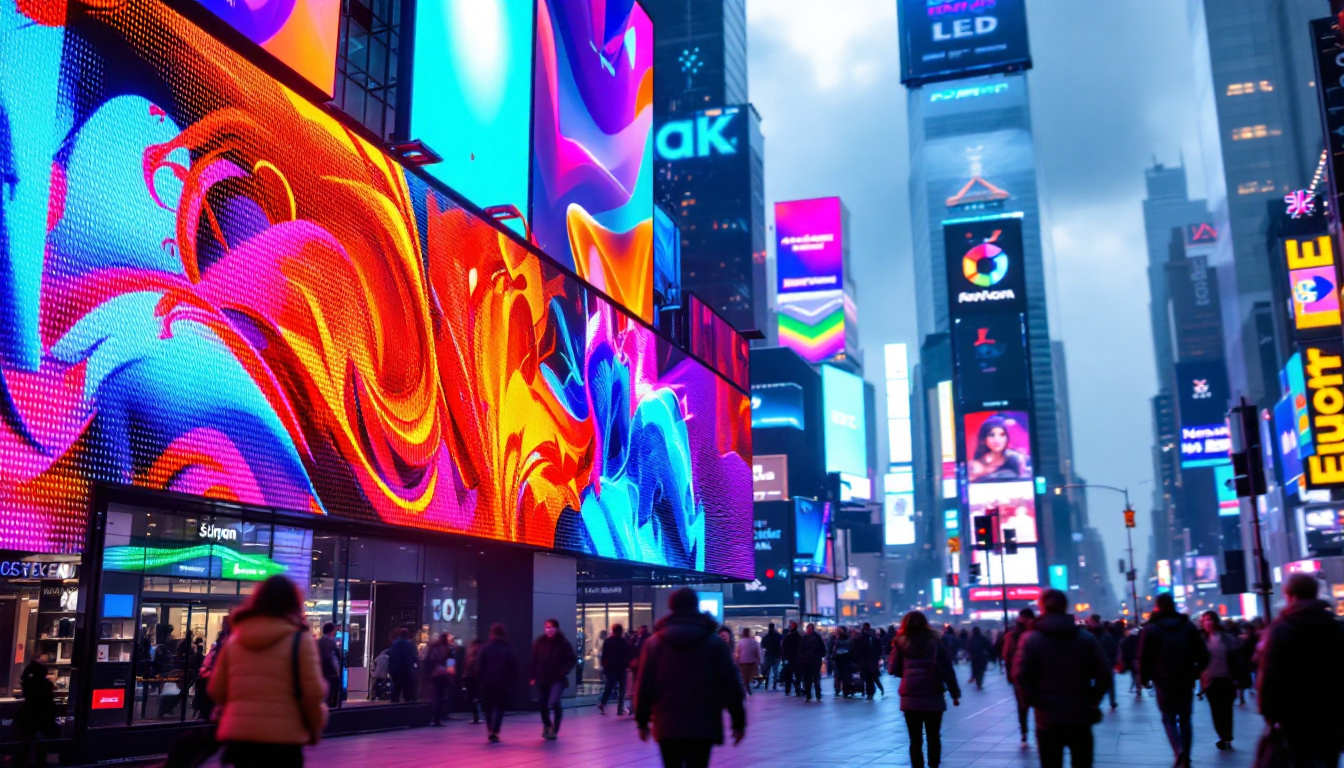
- Outdoor LED Displays: Built to withstand weather elements, these displays feature higher brightness levels (often exceeding 5,000 nits) and rugged enclosures to ensure visibility even under direct sunlight. They are frequently employed in billboards, sports arenas, and public transportation hubs, where they can capture the attention of passersby from a distance.
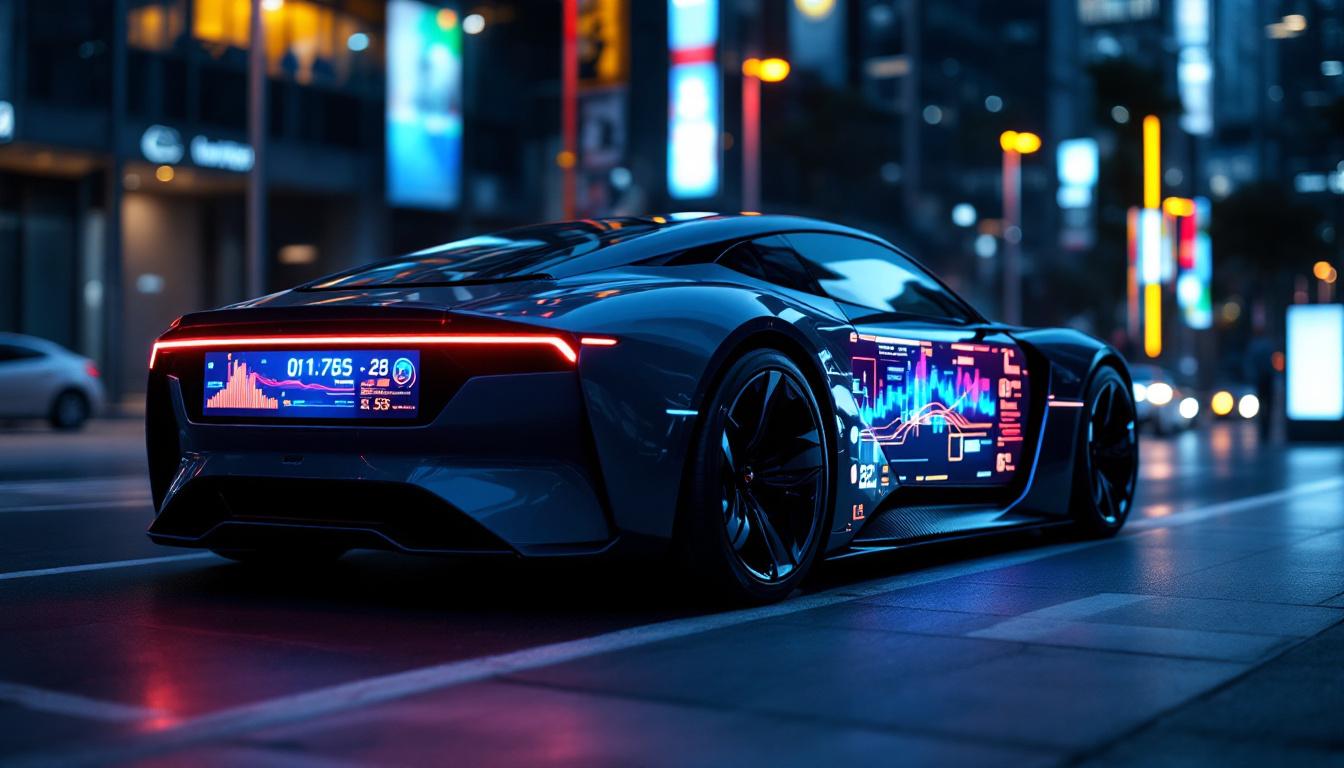
- Flexible and Transparent LED Displays: These innovative displays can bend or allow light to pass through, enabling creative applications in architecture, retail, and automotive industries. Their versatility allows for unique installations, such as curved screens that fit seamlessly into modern architecture or transparent displays that can be integrated into shop windows, providing an eye-catching way to showcase products while maintaining visibility into the store.
- MicroLED Displays: A cutting-edge variant where microscopic LEDs serve as individual pixels, offering superior brightness, contrast, and lifespan compared to traditional LED panels. MicroLED technology is paving the way for next-generation displays, including ultra-high-definition televisions and immersive virtual reality experiences, as it allows for greater pixel density and enhanced viewing angles.
As LED technology continues to evolve, advancements such as smart integration and interactive capabilities are becoming more prevalent. For instance, many modern LED displays now incorporate sensors and connectivity features that allow them to adapt to their environment, changing brightness based on ambient light or even displaying personalized content based on viewer demographics. This level of interactivity not only enhances user engagement but also opens up new avenues for advertising and information dissemination, making LED displays a dynamic tool in the digital landscape.
The Advantages of Custom LED Displays
Tailored Solutions for Unique Needs
Custom LED displays enable businesses and organizations to precisely meet their visual communication requirements. Whether it’s a curved screen wrapping around a building facade or a modular display that can be reconfigured for different events, customization ensures the display fits perfectly within its environment and purpose.
For instance, a retail brand might commission a custom LED wall that integrates seamlessly with their store’s architecture, enhancing brand presence while delivering dynamic content. Similarly, sports arenas often use custom LED displays to create immersive fan experiences with large, high-resolution screens that fit the venue’s unique layout. These displays can showcase live game footage, player statistics, and even interactive content that engages the audience, making every visit to the arena a memorable experience. Beyond sports, venues like concert halls and theaters leverage custom LED technology to enhance performances, providing vibrant backdrops that can change with the mood of the show, thus elevating the overall entertainment value.
Enhanced Performance and Longevity
Custom LED displays are designed with specific performance criteria in mind, including brightness, resolution, refresh rate, and viewing angles. This targeted approach ensures optimal visual quality and viewer engagement. Additionally, high-quality components and tailored engineering contribute to longer operational lifespans and reduced maintenance costs, which are critical factors for large-scale or mission-critical installations. For example, in corporate environments, these displays can be set up for continuous operation, providing real-time data and analytics to employees and clients alike, thereby enhancing productivity and decision-making processes. Furthermore, many manufacturers offer warranties and support services that ensure the displays remain in peak condition, which is particularly beneficial for businesses that rely heavily on visual communication.
Energy Efficiency and Sustainability
Energy consumption is a significant consideration in display technology, especially for large installations. Custom LED displays can be optimized to balance brightness and power usage, incorporating features such as ambient light sensors and dynamic brightness control. These innovations not only reduce electricity costs but also align with growing sustainability goals across industries. Moreover, the use of LED technology itself contributes to a lower carbon footprint compared to traditional display technologies, as LEDs consume less power and have a longer lifespan, thereby reducing waste. Companies that invest in custom LED displays can also promote their commitment to sustainability, which resonates well with environmentally conscious consumers and stakeholders, potentially enhancing their brand image and customer loyalty.
How Custom LED Displays Are Designed and Manufactured
Initial Consultation and Needs Assessment
The process begins with a thorough consultation to understand the client’s objectives, environment, and technical requirements. Factors such as viewing distance, ambient lighting, content type, and installation constraints are analyzed to determine the ideal display specifications.
For example, a transportation hub might require a display with high visibility under direct sunlight and wide viewing angles to accommodate crowds, while a corporate office lobby might prioritize sleek aesthetics and high resolution for close-up viewing.
Design and Engineering
Once requirements are established, engineers create detailed designs, including the physical structure, pixel pitch, LED type, and control systems. Advanced software tools simulate the display’s performance in its intended environment, allowing for adjustments before production begins.
Customization may also involve integrating sensors, cameras, or interactivity features, such as touch capability or real-time data feeds, to enhance user engagement.
Manufacturing and Quality Control
Manufacturing custom LED displays involves assembling LED modules, mounting them on frames or cabinets, and integrating control electronics. Each module undergoes rigorous testing to ensure uniform brightness, color accuracy, and reliability.
Quality control protocols include stress testing for temperature, humidity, and vibration resistance, ensuring the final product performs consistently in its operational environment. This meticulous process helps prevent common issues like dead pixels, color shifts, or hardware failures.
Installation and Calibration
Installation is a critical phase where the display is physically mounted, connected to power and data sources, and calibrated for optimal performance. Calibration involves adjusting brightness, color balance, and synchronization across modules to deliver a seamless visual experience.
Professional installation teams also ensure compliance with safety standards and local regulations, particularly for outdoor or large-scale displays.
Applications of Custom LED Displays Across Industries
Advertising and Marketing
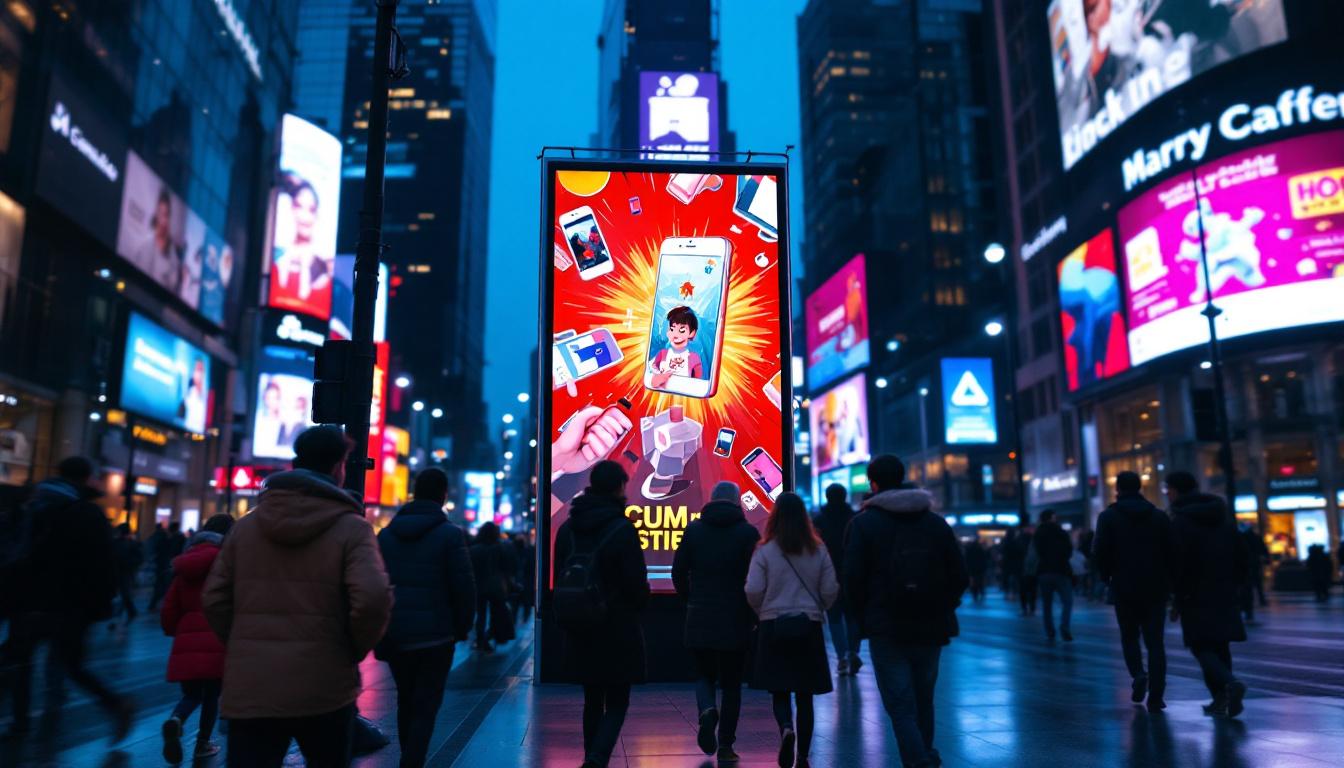
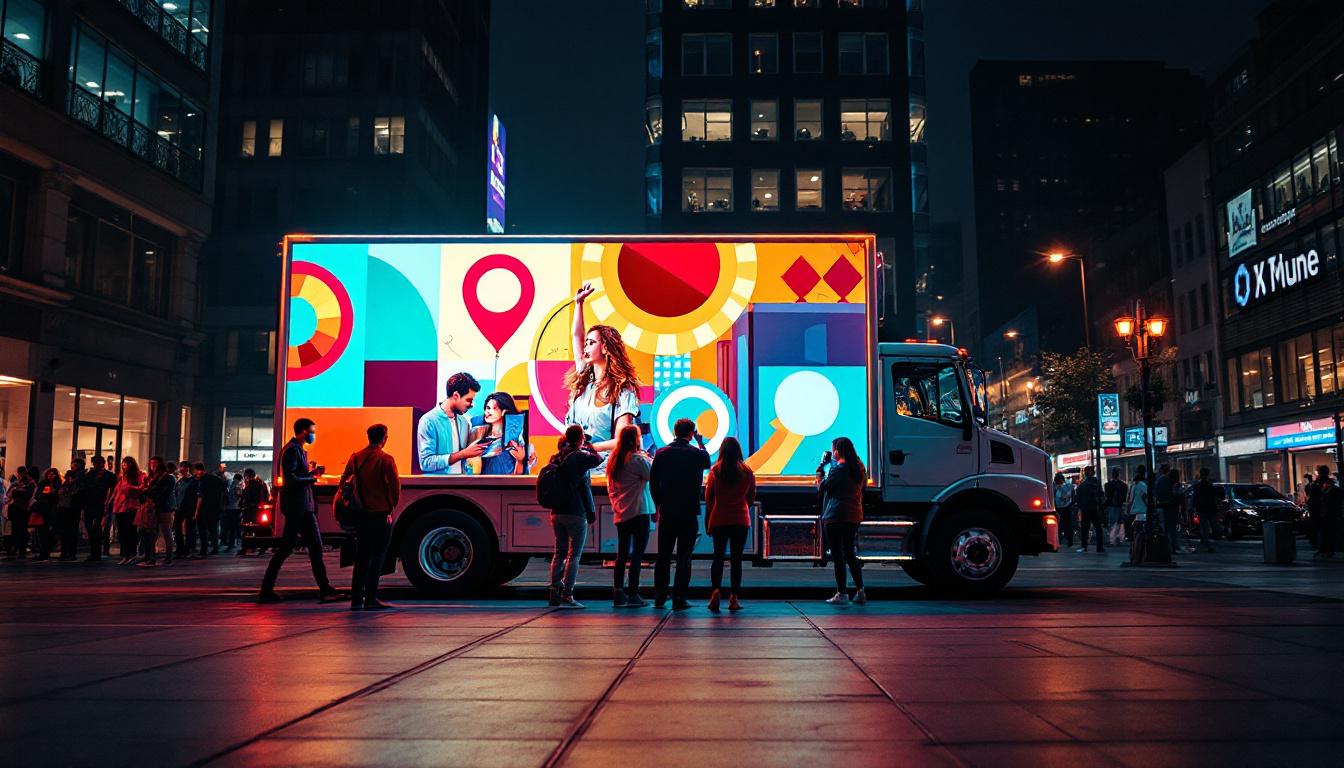
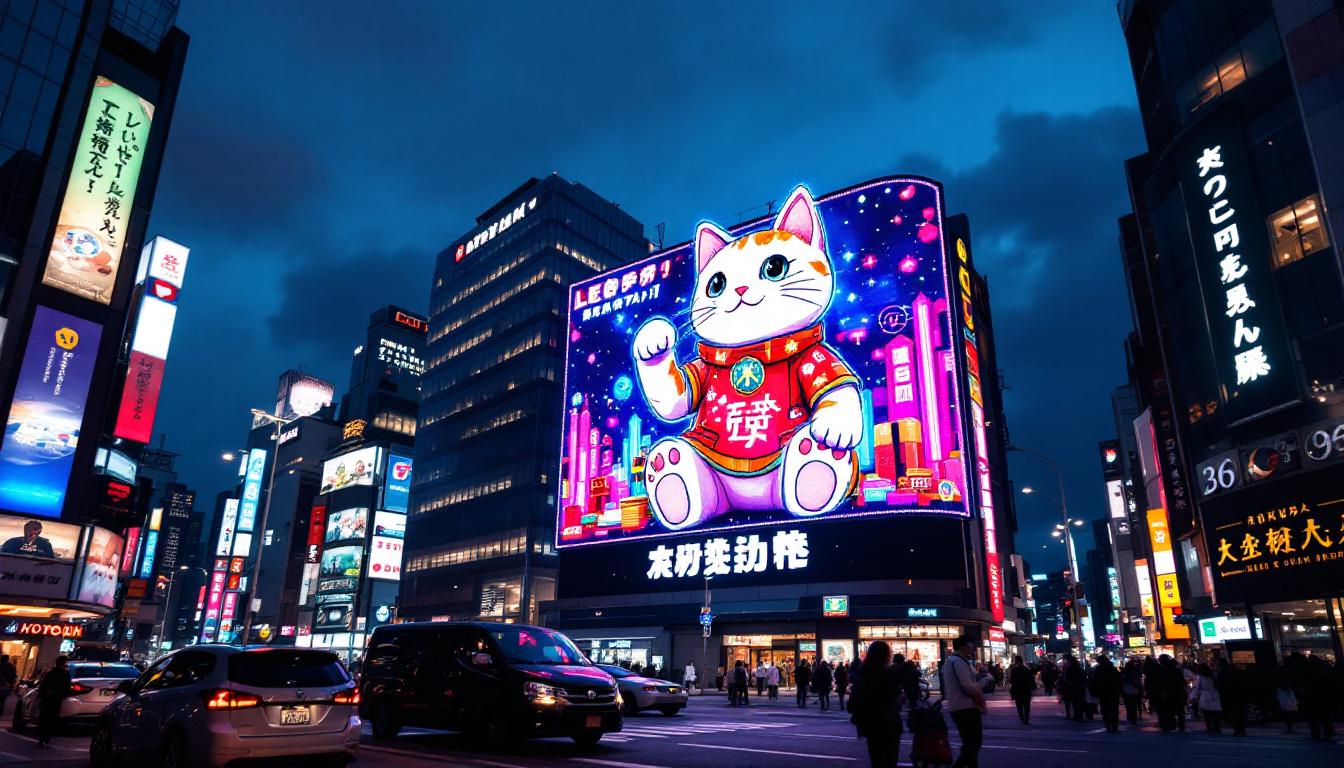
Digital billboards and signage are among the most visible applications of LED displays. Custom LED displays allow advertisers to deliver dynamic content that can be updated in real-time, increasing engagement and ROI. According to recent industry reports, digital out-of-home advertising using LED displays is expected to grow by over 12% annually through 2027, driven by technological advancements and urbanization.
Brands leverage custom LED solutions for eye-catching storefronts, interactive kiosks, and event promotions, creating memorable experiences that static displays cannot match.
Sports and Entertainment Venues
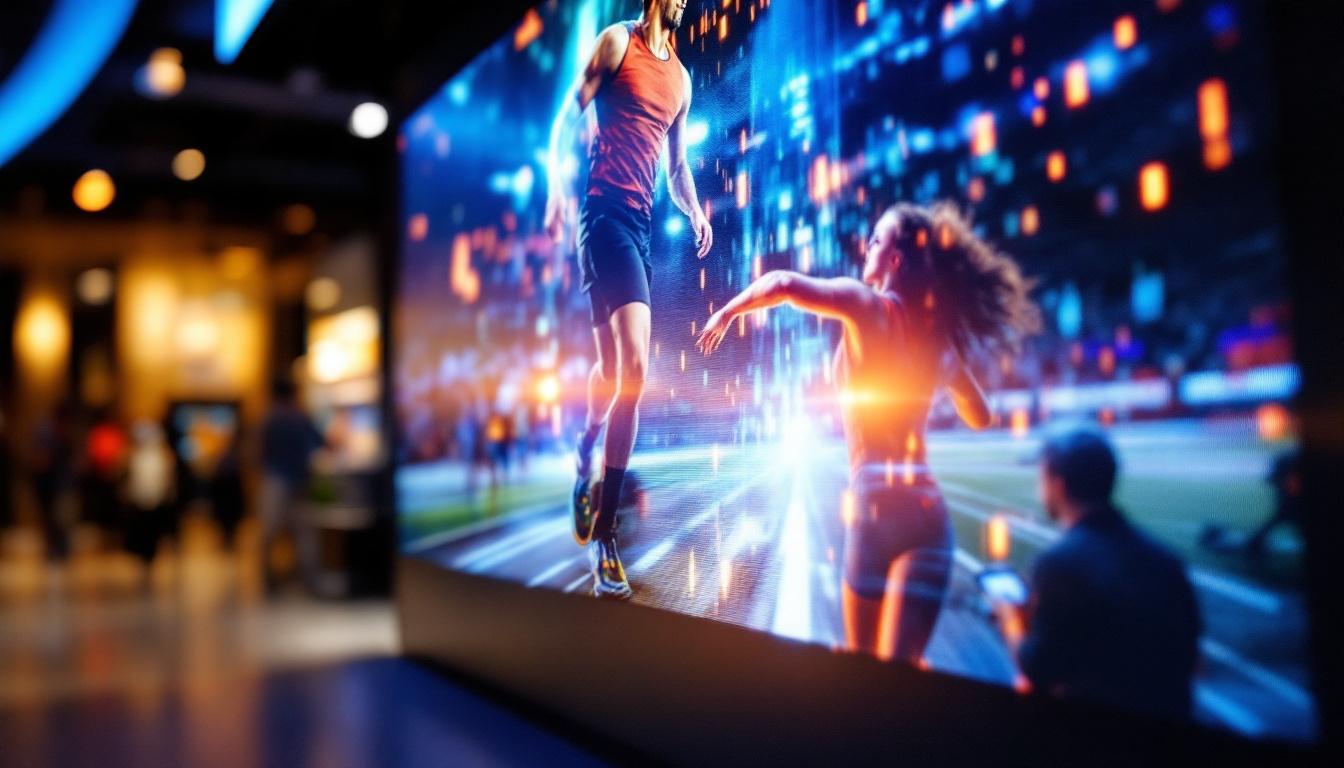
Stadiums and arenas rely heavily on large LED screens to enhance the spectator experience. Custom displays provide high-resolution video replays, live feeds, and interactive content that keep fans engaged throughout events. The ability to design displays that fit unique architectural features ensures maximum visibility and impact.
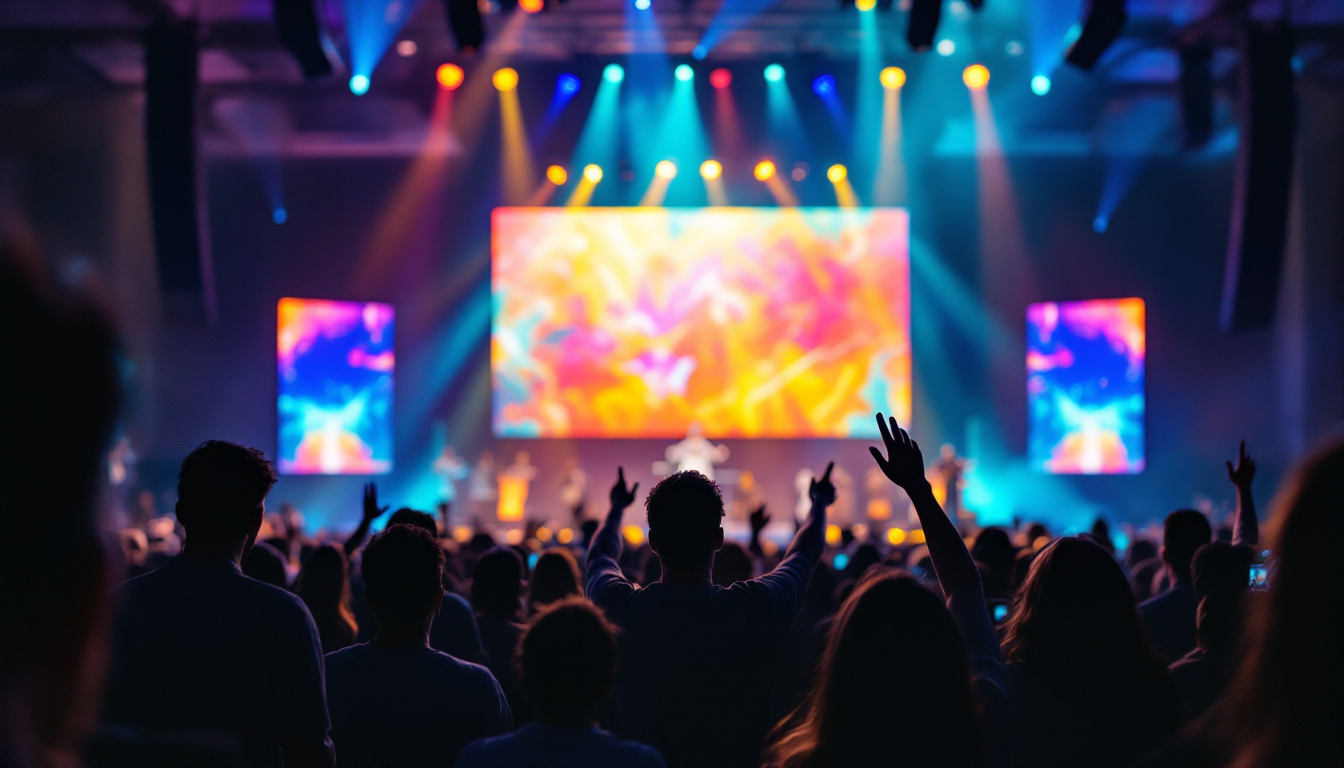
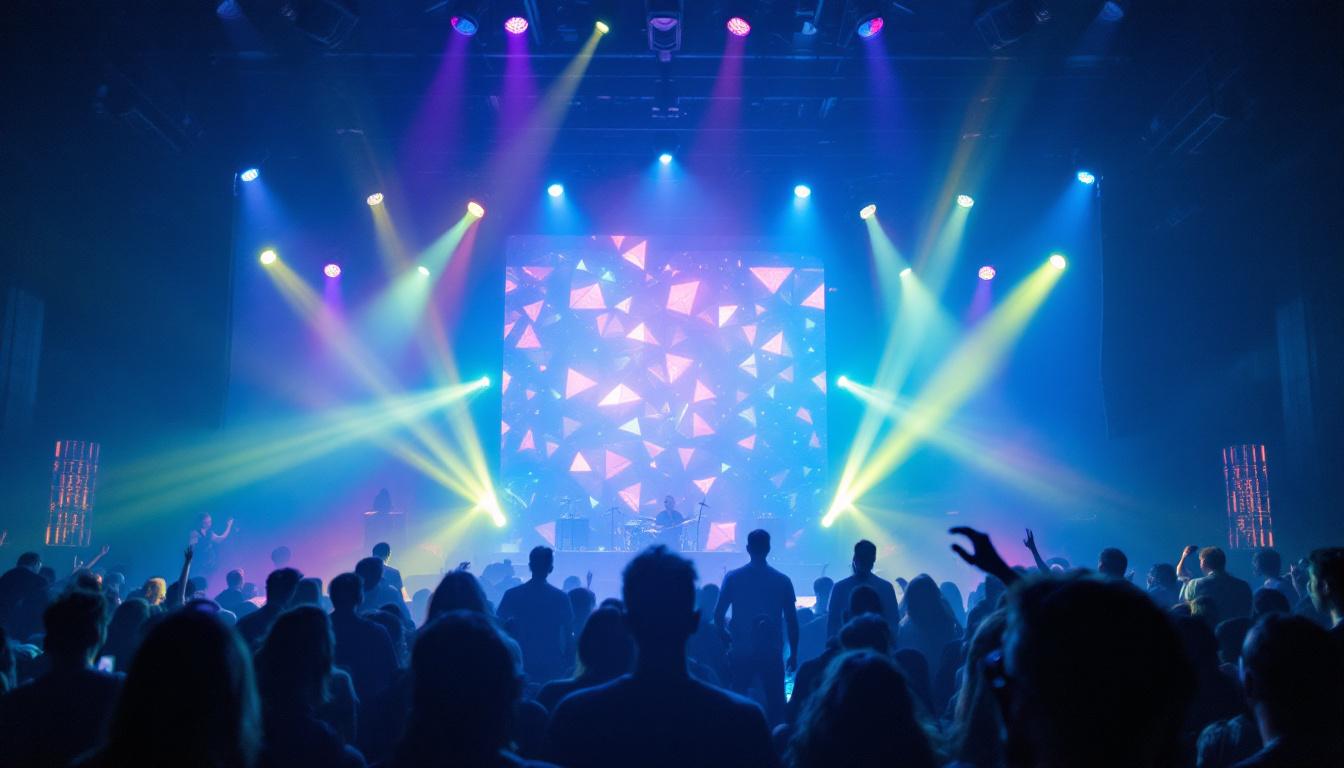
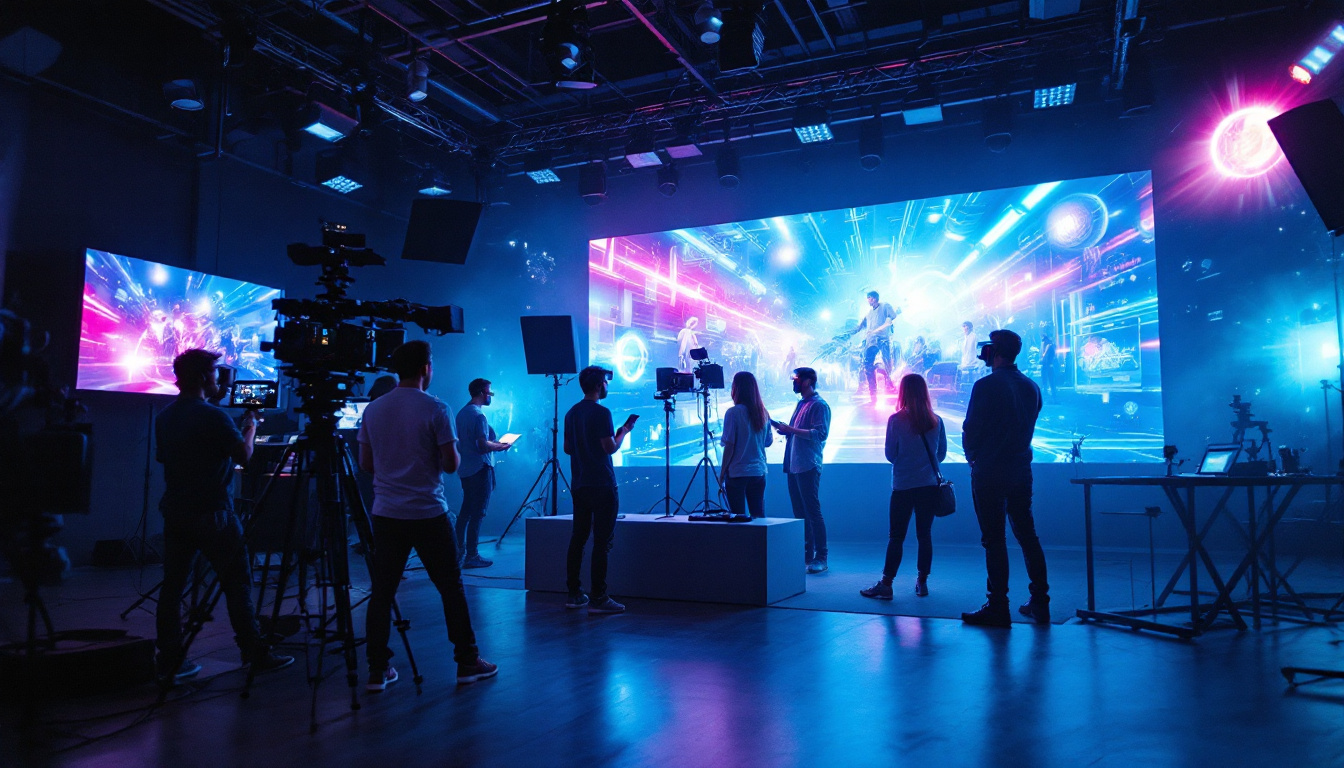
Moreover, LED displays are used in concerts and festivals for stage backdrops and lighting effects, adding to the immersive atmosphere.
Corporate and Educational Environments
In corporate settings, LED displays serve as digital signage, conference room screens, and information boards. Custom designs can incorporate branding elements and integrate with enterprise communication systems to streamline messaging.
Educational institutions use LED displays for lecture halls, digital notice boards, and interactive learning tools, benefiting from the technology’s clarity and adaptability.
Transportation and Public Spaces
Airports, train stations, and bus terminals utilize custom LED displays for real-time schedules, wayfinding, and emergency alerts. The durability and brightness of LED technology make it ideal for these high-traffic, variable lighting environments.
Public art installations and architectural lighting also increasingly incorporate LED displays to create dynamic urban experiences.
Future Trends in Custom LED Display Technology
MicroLED and MiniLED Innovations
Emerging MicroLED and MiniLED technologies promise even greater brightness, contrast, and energy efficiency. MicroLED displays, in particular, offer pixel-level control with no backlight, resulting in deeper blacks and vibrant colors. As manufacturing processes mature, these technologies are expected to become more accessible for custom applications.
Integration with IoT and Smart Systems
Custom LED displays are increasingly integrated with Internet of Things (IoT) platforms, enabling real-time data visualization, remote management, and interactive capabilities. This connectivity allows for smarter content delivery, predictive maintenance, and enhanced user experiences.
Environmental and Sustainability Advances
With growing emphasis on sustainability, future custom LED displays will incorporate recyclable materials, energy-saving designs, and adaptive brightness controls that minimize environmental impact without compromising performance.
Conclusion
Custom LED displays represent a powerful fusion of technology, design, and functionality. Their adaptability across diverse industries, combined with superior visual performance and energy efficiency, makes them an indispensable tool for modern communication and entertainment. As LED technology continues to evolve, the possibilities for creating innovative, impactful displays will expand, offering new opportunities for businesses and organizations worldwide.
Understanding the key aspects of LED display technology, from design and manufacturing to application and future trends, equips decision-makers to select and implement solutions that best meet their unique needs and goals.
Discover LumenMatrix’s Innovative LED Display Solutions
Ready to elevate your visual communication with cutting-edge LED technology? Explore LumenMatrix’s comprehensive range of LED display solutions, from vibrant indoor and outdoor displays to immersive transparent and custom options tailored to your specific needs. With our commitment to innovation and quality, LumenMatrix is your partner in creating captivating visual experiences that engage and inspire. Check out LumenMatrix LED Display Solutions today and see how we can help you make a lasting impression.