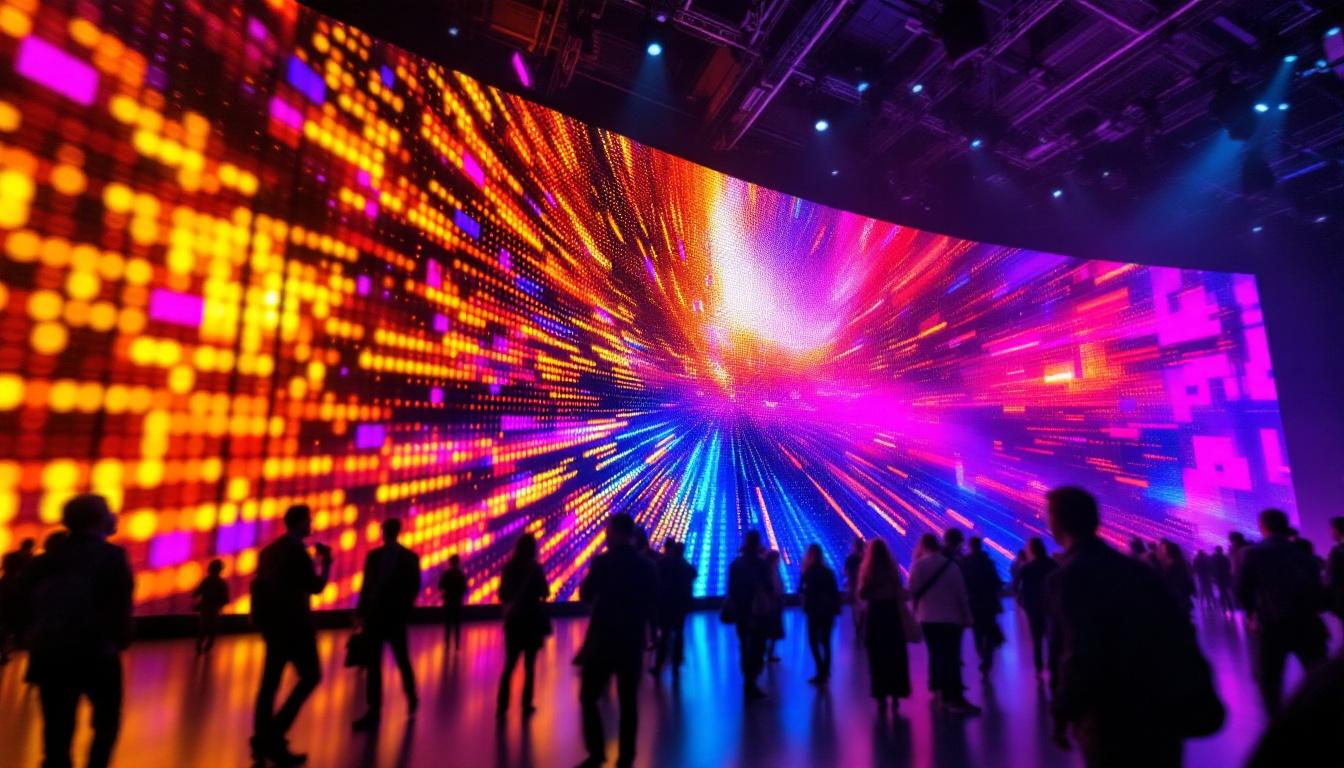
The National Association of Broadcasters (NAB) Conference is one of the most influential events in the media, entertainment, and technology industries. Each year, it showcases the latest innovations that are shaping the future of broadcasting and content delivery. Among the standout technologies gaining significant attention at recent NAB Conferences is LED display technology. From massive outdoor screens to indoor video walls, LED displays have revolutionized visual communication across various sectors.
This article delves into the fundamentals of LED display technology as presented at the NAB Conference, exploring its applications, technical advantages, and future trends. Whether you are a broadcaster, content creator, or technology enthusiast, understanding LED displays is essential to grasp how visual storytelling is evolving in the digital age.
Understanding LED Display Technology
What Is an LED Display?
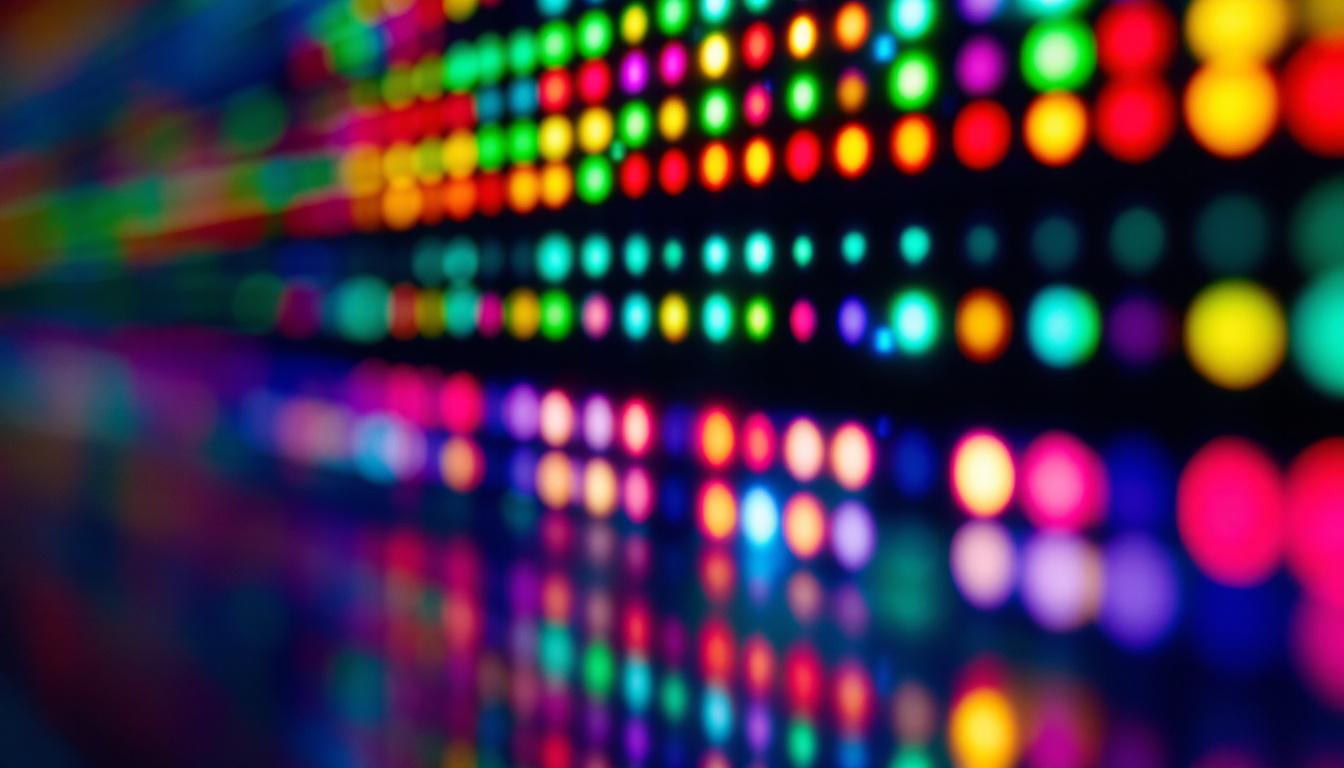
LED stands for Light Emitting Diode, a semiconductor device that emits light when an electric current passes through it. LED displays are composed of thousands to millions of these tiny diodes arranged in a matrix to form images, videos, or text. Unlike traditional LCD or projection screens, LED displays produce their own light, which contributes to their superior brightness and contrast. This self-illuminating feature allows for deeper blacks and vibrant colors, making LED displays particularly appealing for applications where visual impact is crucial.
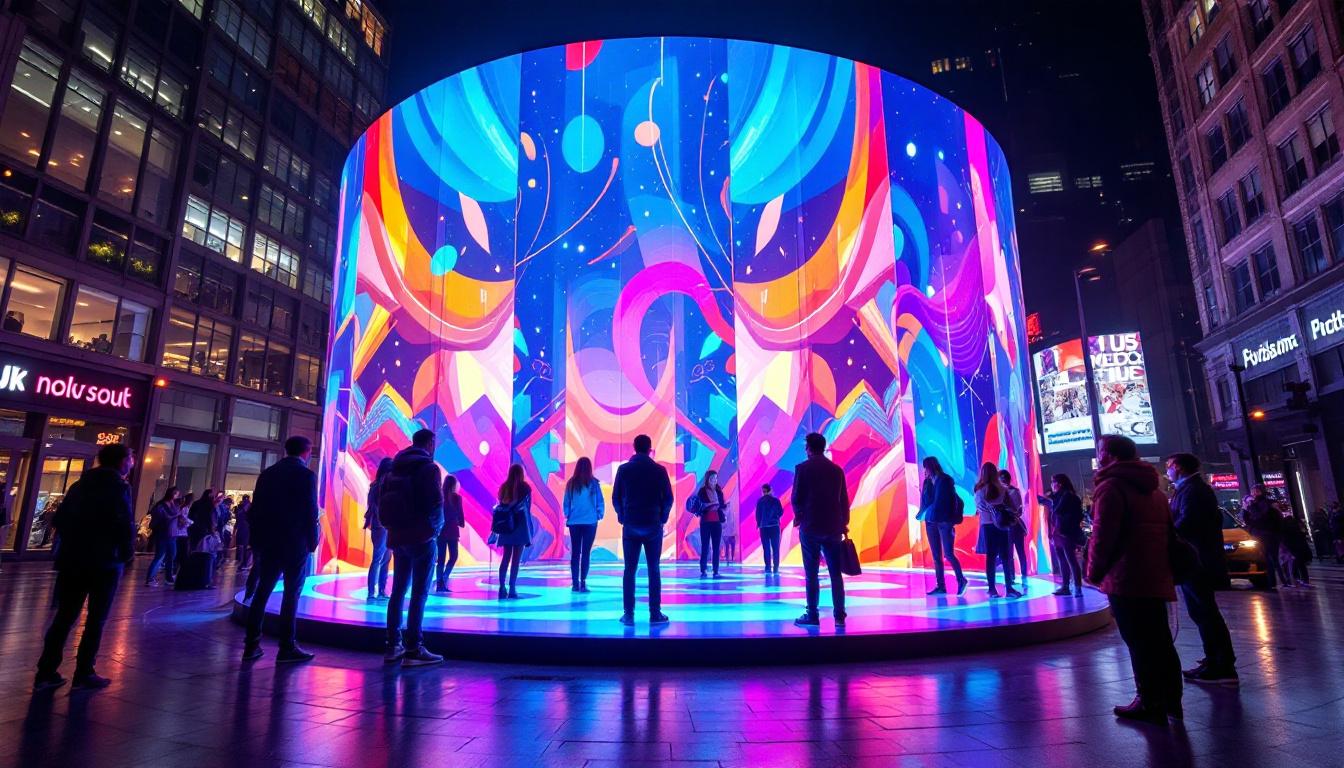
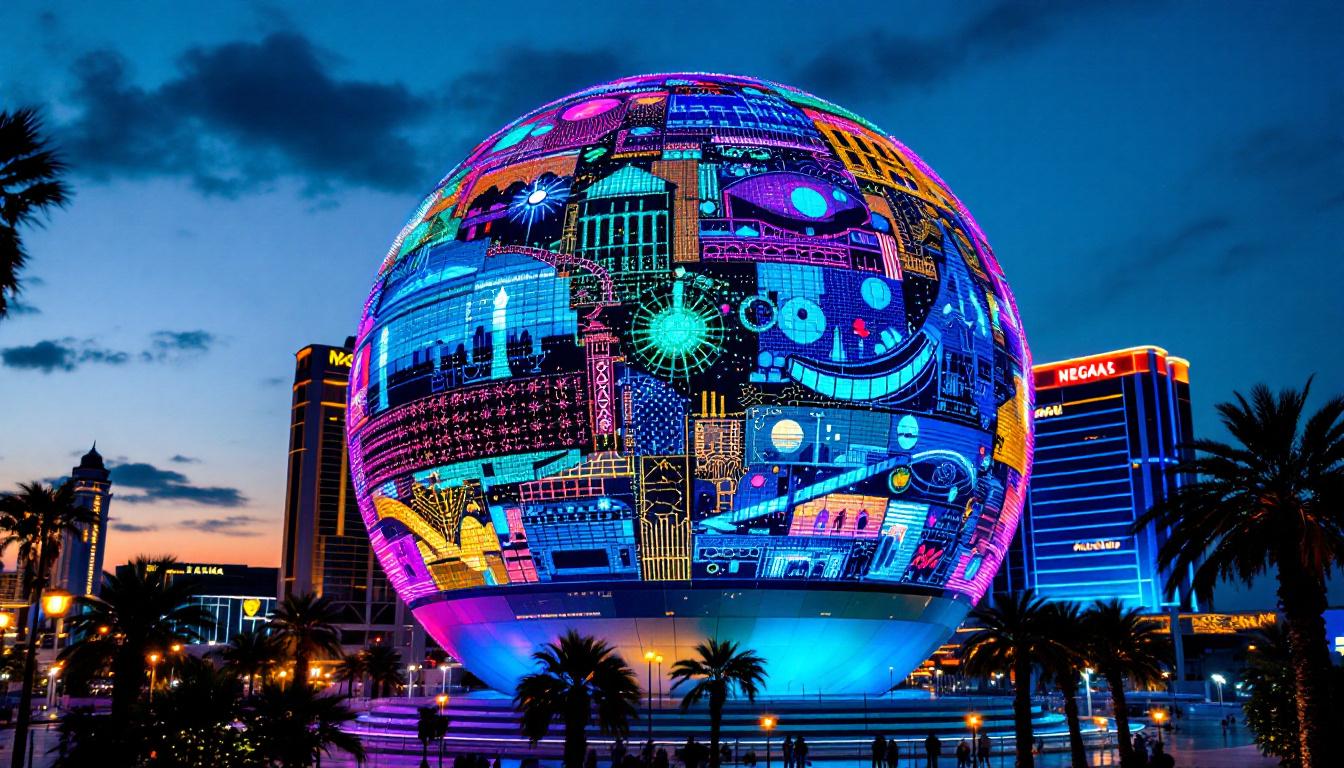
At the NAB Conference, manufacturers and technology experts often highlight the versatility of LED displays, which can be configured in various sizes and shapes to suit different environments — from stadiums and concert venues to broadcast studios and retail spaces. This adaptability extends to the technology itself, with options for flexible and curved displays that can fit unconventional spaces, enhancing the overall aesthetic and functionality of the installation.
How Do LED Displays Work?
The core principle behind LED displays involves controlling individual diodes to emit specific colors and intensities. Modern LED displays use either direct-view LED technology or microLED technology, where each diode acts as a pixel. By adjusting the brightness of red, green, and blue sub-pixels, the display can produce a wide spectrum of colors. This precision in color mixing not only enhances the visual experience but also allows for dynamic content that can adapt to different lighting conditions and viewer perspectives.
Direct-view LED displays are particularly favored for large-scale applications because they offer high brightness levels and excellent viewing angles. This makes them ideal for outdoor environments where sunlight can overwhelm other types of displays. Additionally, advancements in LED technology have led to improvements in energy efficiency and lifespan, making these displays not only a visually striking choice but also a sustainable one. As the demand for high-quality visual communication continues to grow, LED displays are becoming increasingly integrated with smart technologies, enabling features such as real-time content updates and interactive capabilities that engage audiences in new and exciting ways.
Applications of LED Displays in Broadcasting and Media
Enhancing Live Event Production
One of the most visible uses of LED displays at the NAB Conference is in live event production. LED video walls have become a staple in concerts, sports events, and television studios, providing dynamic backdrops that can change instantly to suit the mood or narrative.
For broadcasters, LED displays offer a way to engage viewers with immersive visuals. For example, during major sports broadcasts, stadium LED boards display real-time statistics, replays, and advertisements, enhancing both the in-person and at-home viewing experience. These displays not only serve as a source of information but also as a canvas for creative storytelling, allowing producers to craft a narrative that captivates audiences. The ability to synchronize graphics with live action adds an extra layer of excitement, making every moment more thrilling for fans.
Virtual Sets and Augmented Reality
LED displays are increasingly integrated into virtual set designs and augmented reality (AR) environments. Instead of relying on green screens, studios use large LED walls to create realistic backgrounds that interact naturally with lighting and camera movements.
This approach was notably showcased at the NAB Conference, where companies demonstrated LED volumes—enclosed LED display spaces that allow real-time rendering of 3D environments. This technology reduces post-production time and offers directors greater creative control. By utilizing LED technology, filmmakers can create immersive worlds that transport viewers to different locations without the need for extensive set construction. This innovation not only streamlines production but also opens up new avenues for storytelling, allowing for more complex narratives that can be visually realized in real-time.
Advertising and Digital Signage
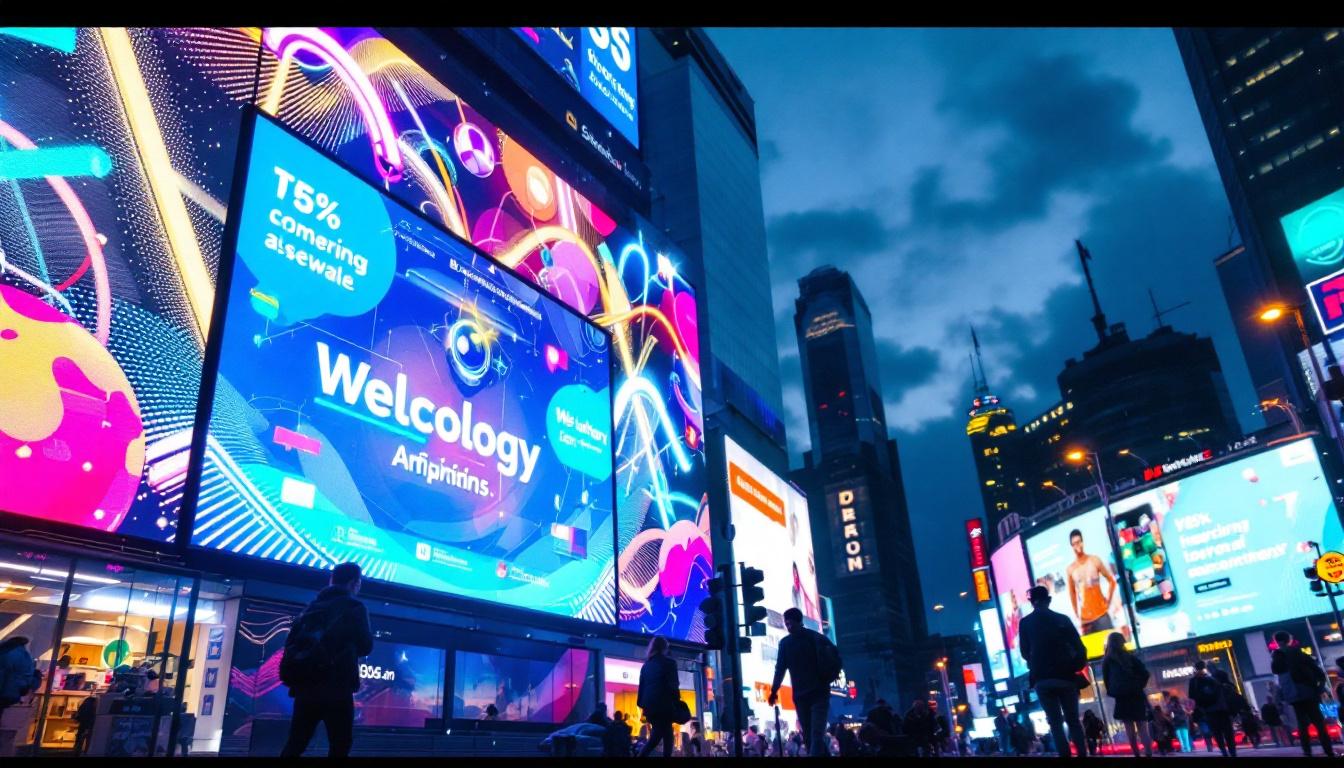
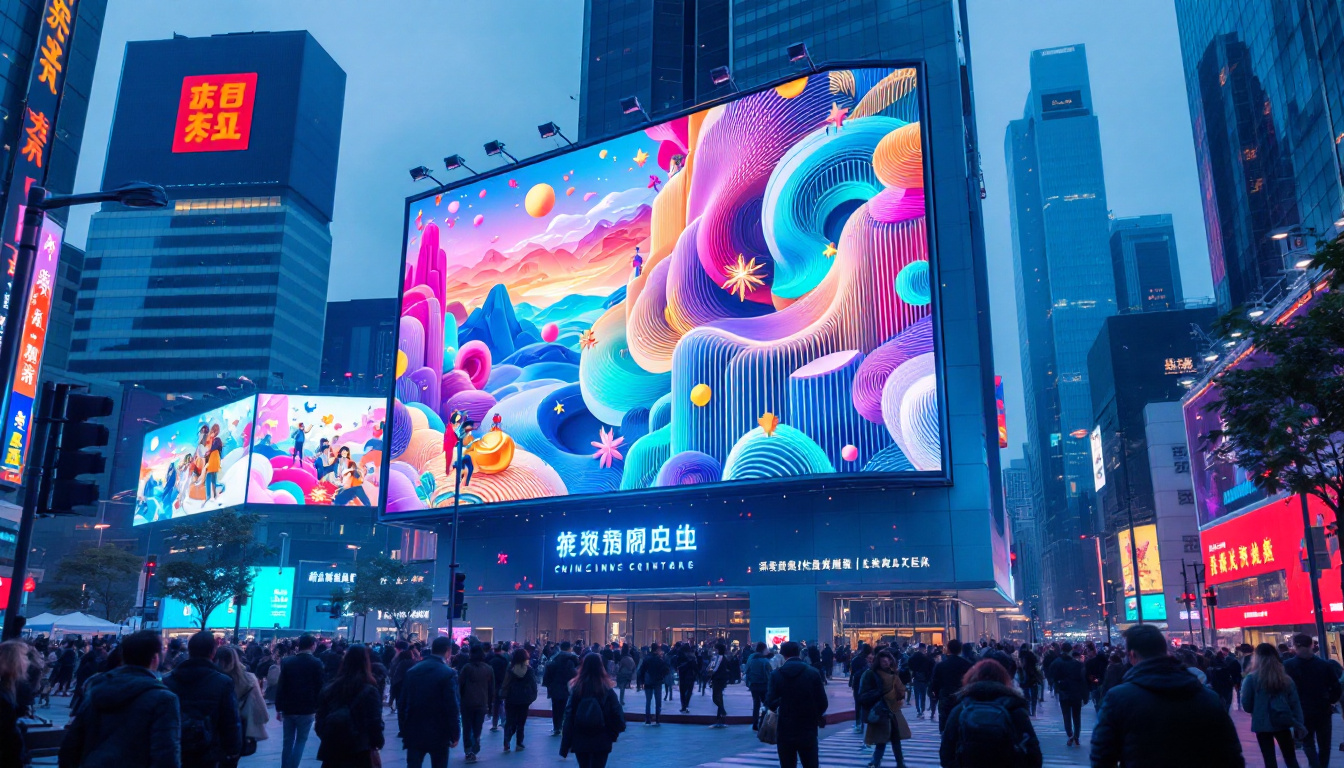
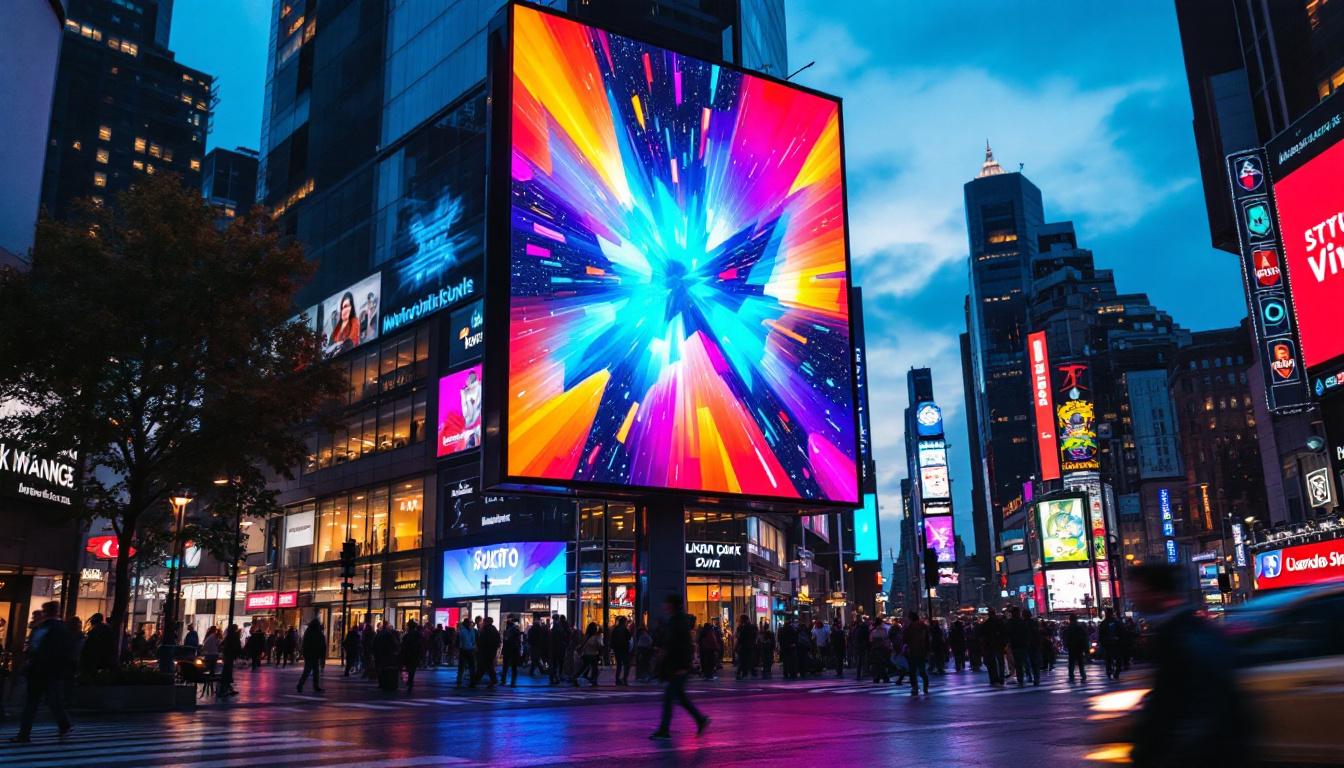
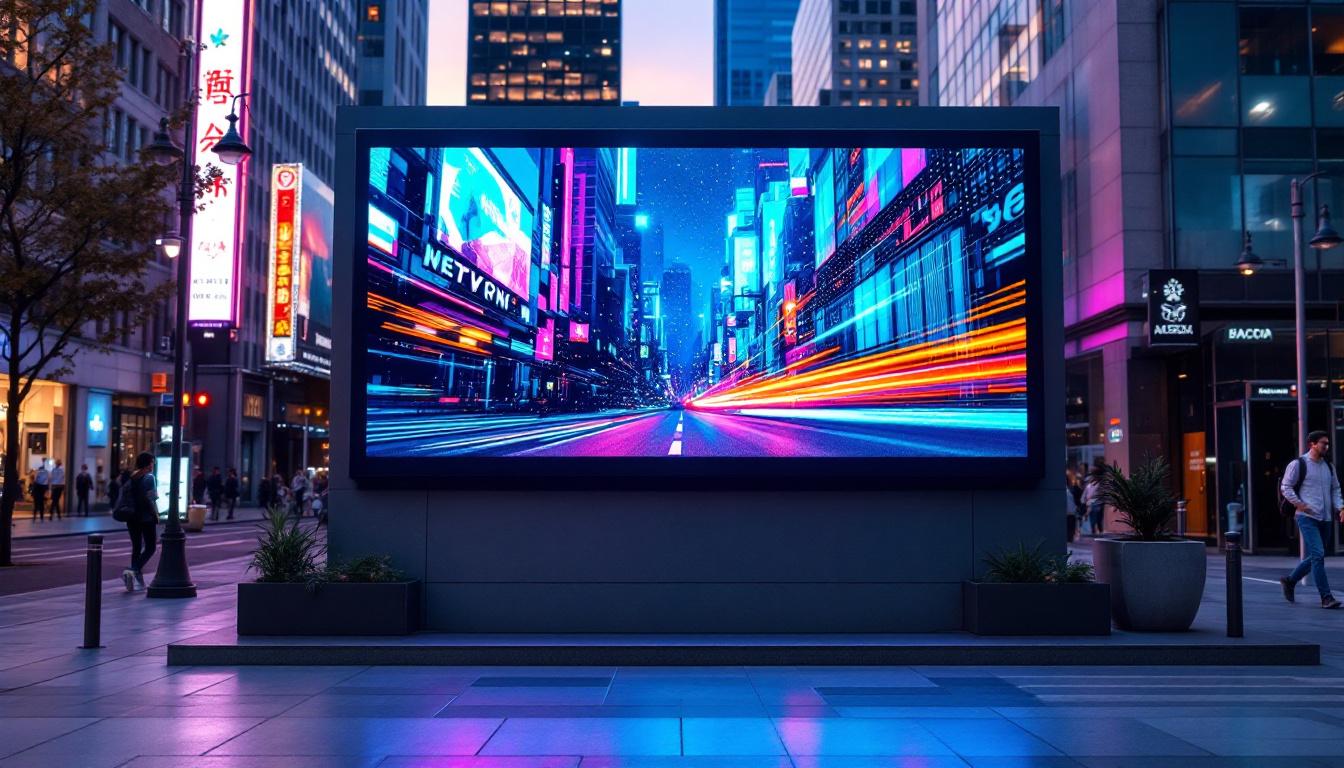
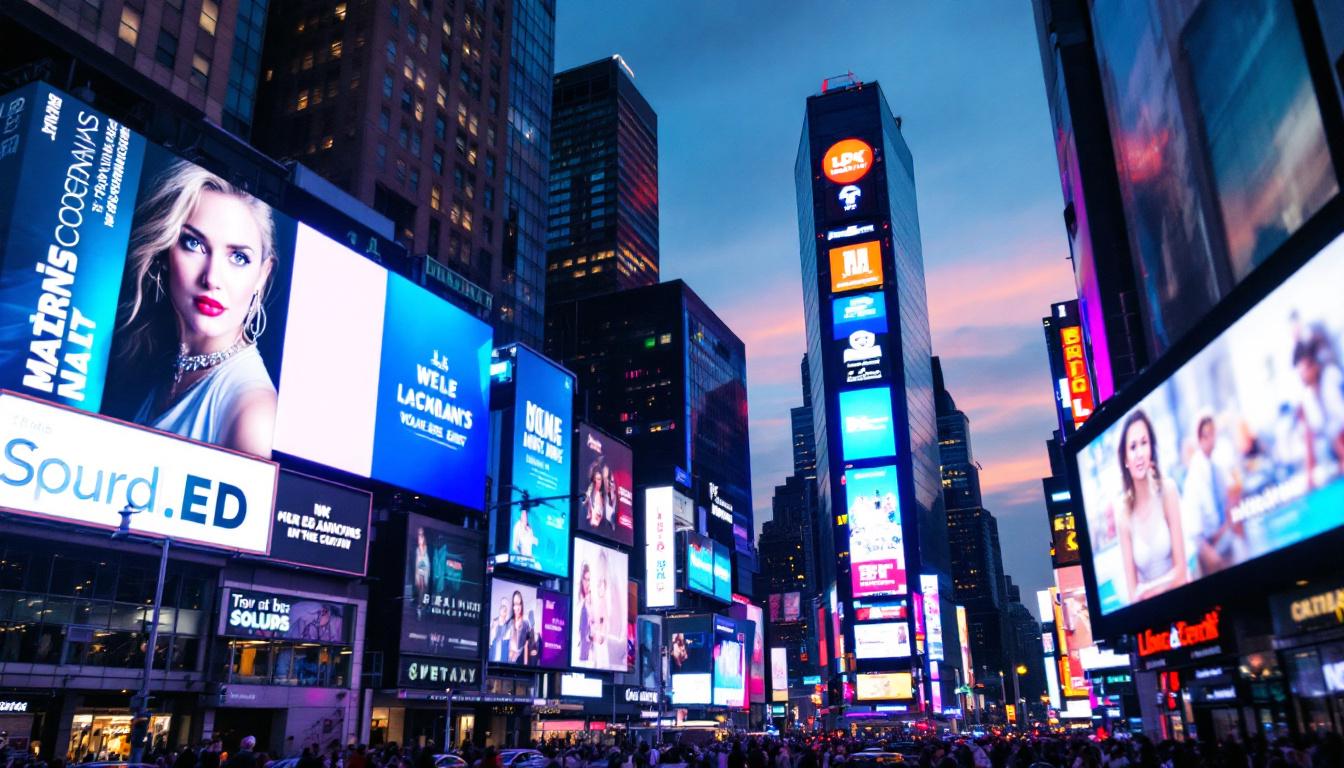
Beyond broadcasting, LED displays dominate the digital signage market. Their brightness and durability make them perfect for outdoor advertising, especially in high-traffic urban areas. At NAB, digital signage solutions featuring LED technology were highlighted for their ability to deliver targeted content based on time of day, audience demographics, and even weather conditions.
With advancements in content management systems, advertisers can now remotely update campaigns on LED billboards, ensuring timely and relevant messaging. This flexibility allows brands to respond quickly to current events or trends, making their advertising more impactful. Furthermore, the integration of interactive elements, such as QR codes or touch-sensitive displays, encourages audience engagement, transforming passive viewers into active participants. The potential for real-time interaction with consumers not only enhances brand visibility but also fosters a deeper connection between the audience and the message being conveyed.
Technical Advantages of LED Displays
Brightness and Visibility
One of the most significant advantages of LED displays is their exceptional brightness. Typical LED screens can achieve brightness levels of 1,000 to 5,000 nits, far surpassing LCD displays, which usually max out around 500 nits. This makes LED displays highly visible even in direct sunlight, an essential feature for outdoor applications.
At the NAB Conference, experts emphasized how this brightness capability supports 24/7 operation in various lighting conditions without compromising image quality.
Color Accuracy and Contrast
LED displays offer superior color accuracy and contrast ratios compared to other display technologies. Because LEDs emit their own light, they can achieve true blacks by turning off individual diodes, resulting in infinite contrast ratios in some cases.
This capability is crucial for broadcasters and content creators who demand precise color reproduction to maintain the integrity of their visuals, especially in high-definition and HDR (High Dynamic Range) content.
Energy Efficiency and Longevity
Modern LED displays are designed with energy efficiency in mind. Compared to traditional lighting and display technologies, LEDs consume less power while delivering higher brightness. This reduces operational costs, especially for large installations.
Additionally, LED displays have a long lifespan, often exceeding 100,000 hours of operation before significant brightness degradation occurs. This durability makes them a cost-effective investment for broadcasters and advertisers alike.
Challenges and Considerations in LED Display Deployment
Pixel Pitch and Resolution
Pixel pitch—the distance between the centers of two adjacent pixels—is a critical factor in LED display quality. Smaller pixel pitch means higher resolution and sharper images, which is essential for close-viewing environments like indoor studios.
At NAB, manufacturers showcased LED panels with pixel pitches as low as 0.9mm, enabling stunningly detailed visuals. However, these fine-pitch displays come at a higher cost and require more precise installation techniques.
Installation and Maintenance
Deploying LED displays, especially large-scale video walls, involves complex installation processes. Proper calibration, alignment, and ventilation are necessary to ensure optimal performance and longevity.
Maintenance is another consideration. While LEDs are robust, individual modules may require replacement over time. The modular design of modern LED panels facilitates easier repairs, but planning for maintenance access is essential during installation.
Cost Factors
While prices for LED display technology have decreased over the past decade, high-quality LED installations still represent a significant investment. Costs depend on factors such as pixel pitch, panel size, brightness requirements, and additional features like weatherproofing or touch interactivity.
At the NAB Conference, industry leaders discussed financing options and return on investment (ROI) strategies, emphasizing how LED displays can generate revenue through advertising, sponsorships, and enhanced viewer engagement.
Future Trends in LED Display Technology
MicroLED and MiniLED Innovations
Emerging technologies like MicroLED and MiniLED promise to push the boundaries of LED display performance. MicroLEDs, which are microscopic LEDs, offer even higher resolution, improved color accuracy, and lower power consumption compared to traditional LEDs.
These advancements were a hot topic at the NAB Conference, with prototypes demonstrating potential applications in everything from smartphones to large-scale broadcast displays.
Integration with Artificial Intelligence
Artificial Intelligence (AI) is beginning to play a role in managing LED display content and performance. AI-driven analytics can optimize brightness and color settings based on ambient conditions and viewer preferences, enhancing the overall visual experience.
Moreover, AI can automate content scheduling and audience targeting, making LED displays more responsive and personalized.
Flexible and Transparent LED Displays
Innovations in materials science have led to the development of flexible and transparent LED displays. These can be wrapped around curved surfaces or integrated into windows and glass facades, opening new possibilities for creative advertising and immersive environments.
At NAB, several companies demonstrated flexible LED panels that maintain image quality even when bent, signaling a future where LED displays seamlessly blend into architectural designs.
Conclusion: The Impact of LED Displays on Broadcasting and Beyond
LED display technology is transforming how content is presented and consumed across multiple industries. The NAB Conference serves as a vital platform for unveiling these advancements and discussing their practical applications.
For broadcasters, LED displays offer unmatched brightness, color fidelity, and versatility, enabling more engaging and immersive storytelling. For advertisers and event producers, they provide dynamic, eye-catching canvases that captivate audiences in any environment.
As LED technology continues to evolve, driven by innovations like MicroLED, AI integration, and flexible designs, its role in the media landscape will only grow more prominent. Staying informed about these developments is essential for professionals aiming to leverage the full potential of LED displays in their work.
Explore Cutting-Edge LED Display Solutions with LumenMatrix
Ready to elevate your visual storytelling and captivate your audience with the latest in LED display technology? Look no further than LumenMatrix, a leader in innovative LED solutions. From vibrant Indoor and Outdoor LED Wall Displays to dynamic Vehicle and Sports LED Displays, LumenMatrix offers a wide range of products designed to make your brand shine. Discover the possibilities with our Custom LED Displays, All-in-One solutions, and groundbreaking LED Transparent Displays. Experience the future of visual communication today and check out LumenMatrix LED Display Solutions to see how we can transform your message into an unforgettable visual experience.