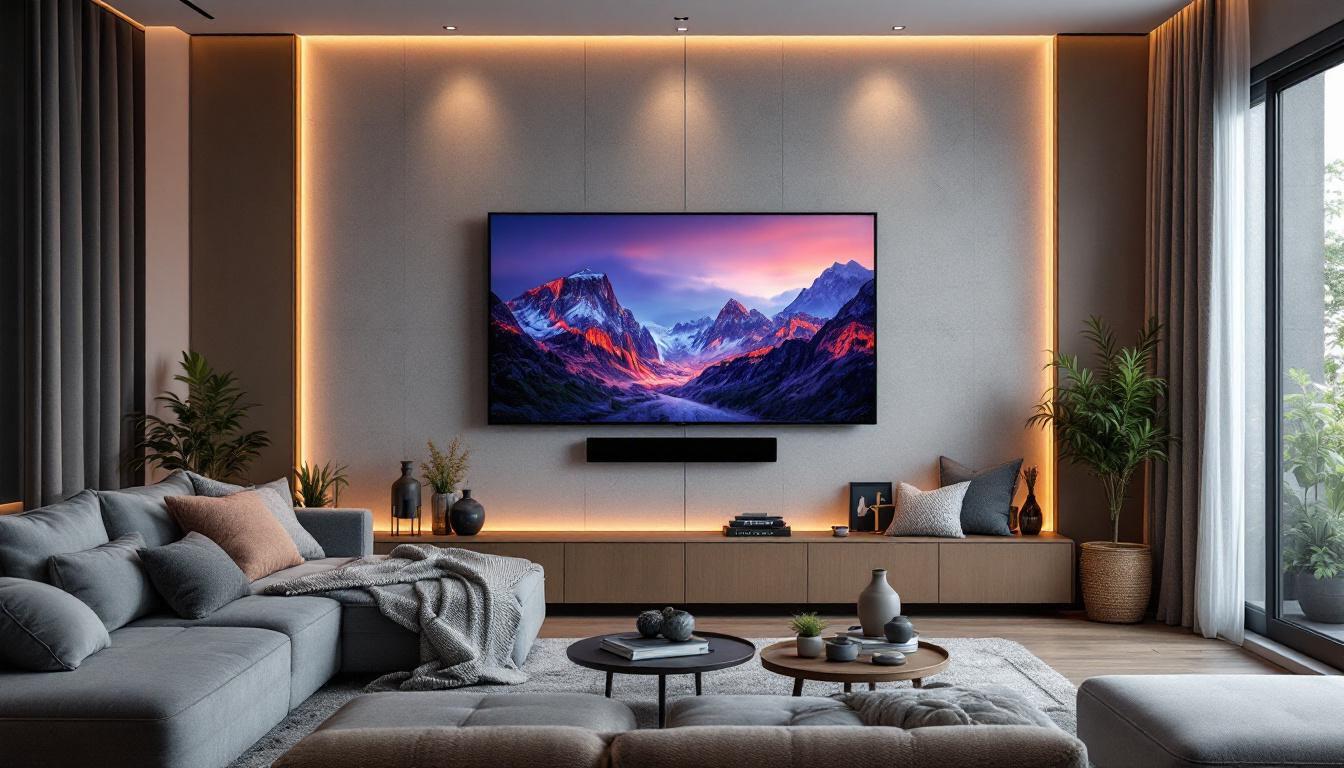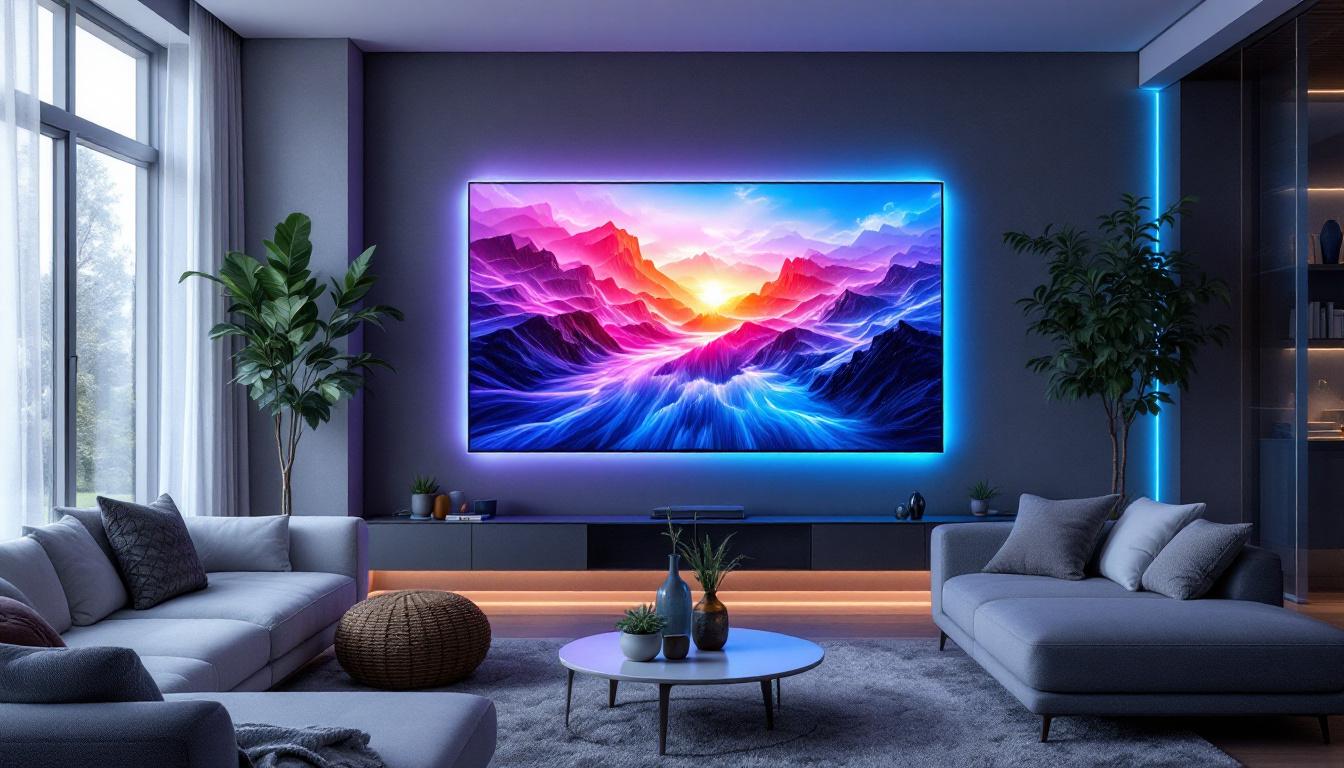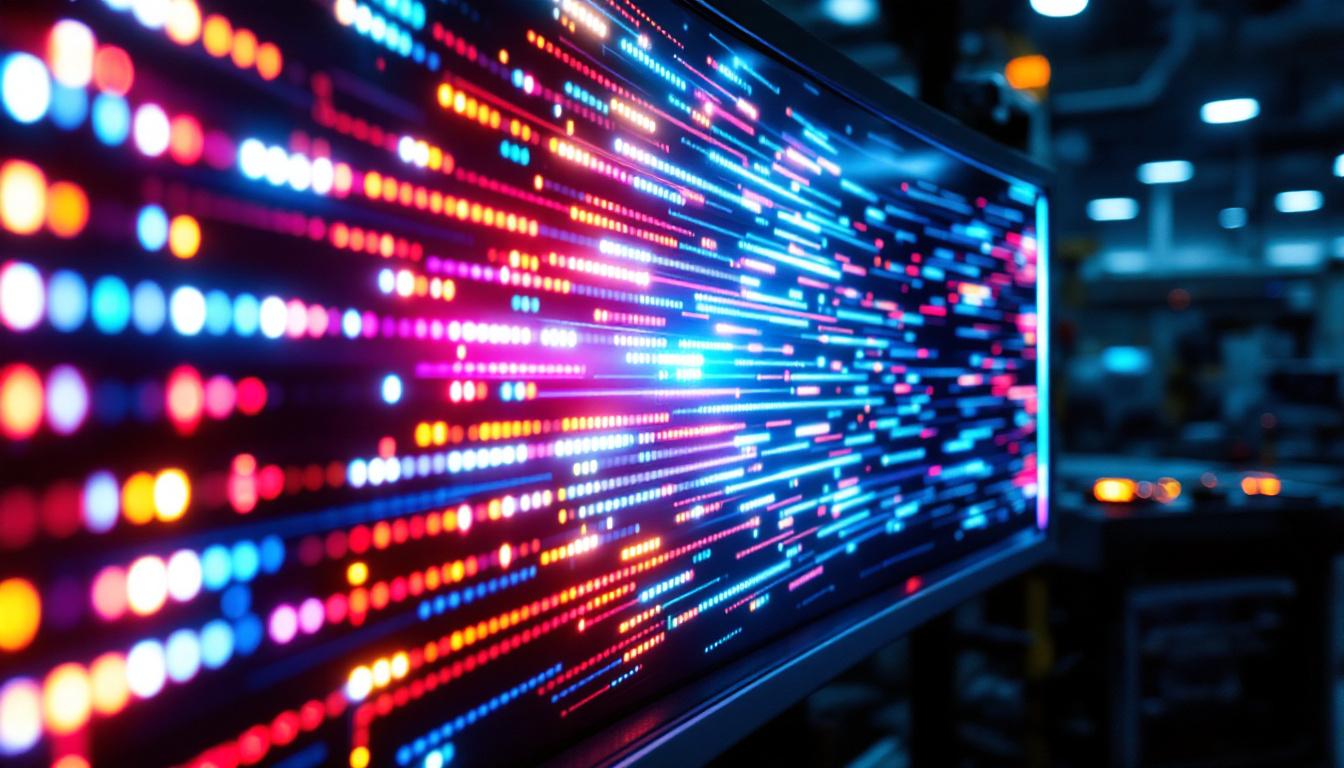
In the rapidly evolving world of display technology, flexible LED displays are emerging as a groundbreaking innovation. These displays, which can bend, curve, and conform to various shapes, are revolutionizing industries from advertising and entertainment to automotive and wearable technology. For manufacturers and businesses looking to adopt or invest in this technology, understanding the fundamentals of flexible LED displays is crucial. This article delves into the technology behind flexible LED displays, explores the leading manufacturers, and examines the applications and future trends shaping this dynamic market.
Understanding Flexible LED Display Technology
What Are Flexible LED Displays?
Flexible LED displays are screens composed of light-emitting diodes (LEDs) mounted on a flexible substrate, allowing the display to bend or curve without damaging the components. Unlike traditional rigid LED panels, these displays can be wrapped around curved surfaces or folded, providing versatility in design and application.
The core technology involves organic or inorganic LEDs arranged on thin, pliable materials such as plastic, metal foils, or flexible glass. This flexibility is achieved through advances in materials science and microfabrication techniques, enabling the LEDs and circuitry to maintain performance even when deformed. The result is a display technology that not only meets the demands of modern aesthetics but also opens up new avenues for creative expression in various industries, from advertising to automotive design.
Moreover, the integration of flexible LED displays into everyday life is becoming increasingly prevalent. For instance, in the fashion industry, designers are experimenting with garments that incorporate these displays, allowing for dynamic patterns and colors that can change with the wearer’s mood or the environment. This fusion of technology and fashion exemplifies the potential of flexible LED displays to revolutionize how we interact with our surroundings.
Key Components and How They Work
At the heart of flexible LED displays are micro-LEDs or OLEDs (organic LEDs), each emitting light when an electric current passes through. Micro-LEDs are inorganic and known for their brightness and longevity, while OLEDs offer superior color accuracy and contrast but have shorter lifespans.
The substrate material plays a crucial role in flexibility. Polyimide films are commonly used due to their heat resistance and mechanical durability. The LEDs are mounted on this substrate using advanced pick-and-place machines, followed by encapsulation to protect against moisture and mechanical stress. This meticulous assembly process ensures that the displays can withstand the rigors of daily use while maintaining their vibrant visuals. Additionally, advancements in encapsulation materials are enhancing the longevity of these displays, making them more reliable for long-term applications.
Advantages Over Traditional Displays
Flexible LED displays offer several advantages:
- Design Freedom: Their ability to conform to various shapes allows for innovative product designs, such as curved televisions, wearable devices, and architectural installations.
- Durability: Flexible substrates can absorb shocks better than rigid glass panels, reducing the risk of damage.
- Lightweight and Thin: These displays are typically lighter and thinner, making them ideal for portable devices and installations where weight is a concern.
- Energy Efficiency: LEDs consume less power compared to traditional LCDs, contributing to longer battery life in portable applications.
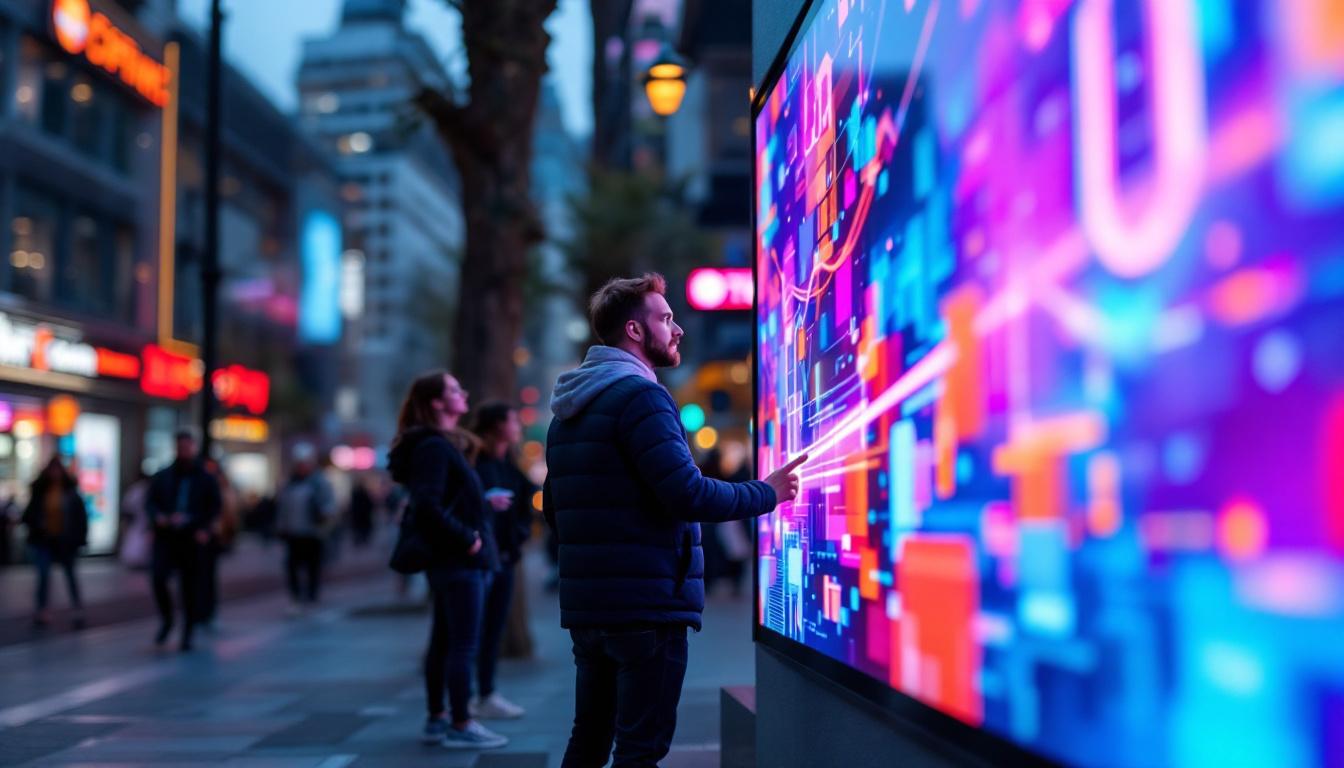
In addition to these benefits, flexible LED displays also support a range of interactive features that enhance user engagement. Touch-sensitive surfaces can be integrated, allowing users to interact with the display directly, making them ideal for applications in retail environments where customer interaction is key. Furthermore, the ability to produce high-resolution images and videos on flexible surfaces opens up possibilities for immersive advertising experiences, where dynamic content can be showcased in real-time, captivating audiences in ways that static displays cannot.
As the technology continues to evolve, we can expect to see even more innovative applications emerge. From smart home devices that blend seamlessly into their environments to automotive displays that provide real-time information while maintaining a sleek aesthetic, the future of flexible LED displays holds immense potential for transforming how we perceive and interact with technology in our daily lives.
Leading Flexible Display Manufacturers
Industry Giants Driving Innovation
The flexible LED display market is highly competitive, with several key players pushing the boundaries of what these displays can achieve. Companies like Samsung, LG Display, and BOE Technology are at the forefront, investing heavily in research and development to improve display flexibility, resolution, and durability.
Samsung, for example, has pioneered flexible OLED technology used in their flagship smartphones and foldable devices. Their expertise extends into large-scale flexible LED panels for commercial and architectural use. LG Display has similarly advanced flexible OLED manufacturing, focusing on ultra-thin, rollable displays for televisions and signage.
Emerging Manufacturers and Startups
Beyond the giants, numerous startups and specialized manufacturers contribute to innovation in flexible LED displays. Companies such as Visionox and Royole are notable for their flexible OLED panels, particularly in the smartphone and wearable sectors. These companies often focus on niche applications, including curved automotive dashboards and flexible digital signage.
Additionally, manufacturers like Unilumin and Leyard specialize in flexible LED modules for large-format displays used in events, advertising, and public spaces. Their products emphasize modularity and ease of installation, catering to dynamic environments where display shapes and sizes frequently change.
Manufacturing Challenges and Solutions
Producing flexible LED displays involves overcoming significant technical challenges. Ensuring uniform brightness and color consistency across a bendable surface requires precise control over LED placement and electrical connections. Moreover, maintaining reliability under repeated bending cycles demands robust materials and encapsulation methods.
Manufacturers address these challenges through innovations such as stretchable conductive inks, flexible printed circuit boards (FPCBs), and advanced encapsulation techniques using barrier films. Automated quality control systems employing machine vision also help detect defects early in the production process, ensuring high yields.
Applications of Flexible LED Displays
Advertising and Digital Signage
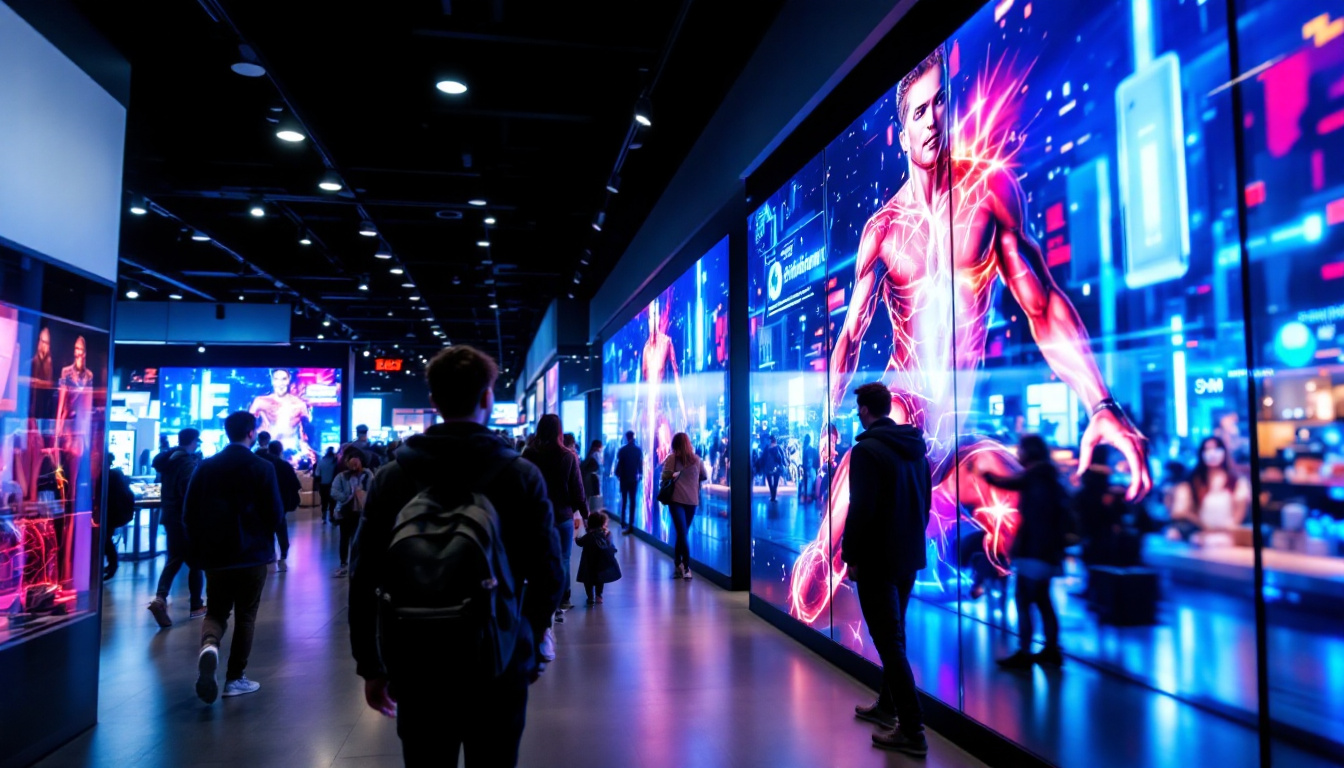
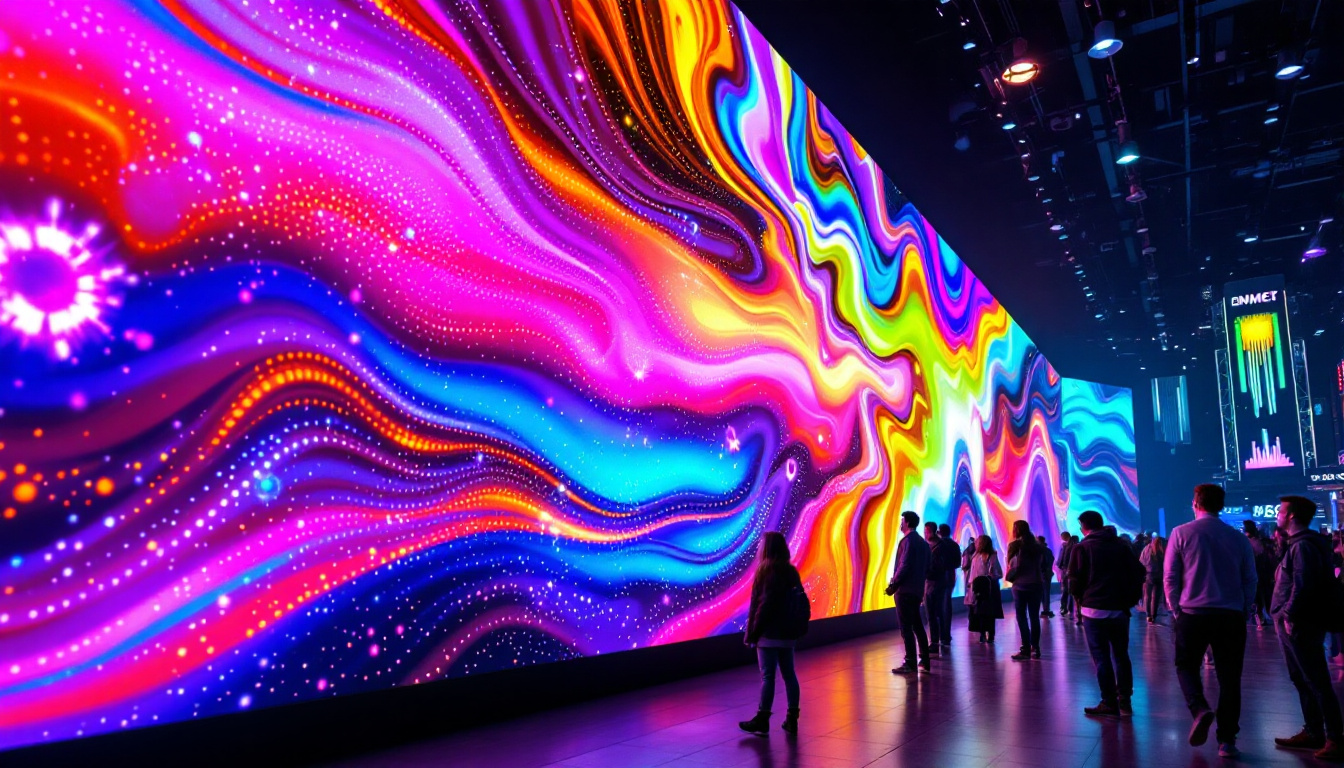
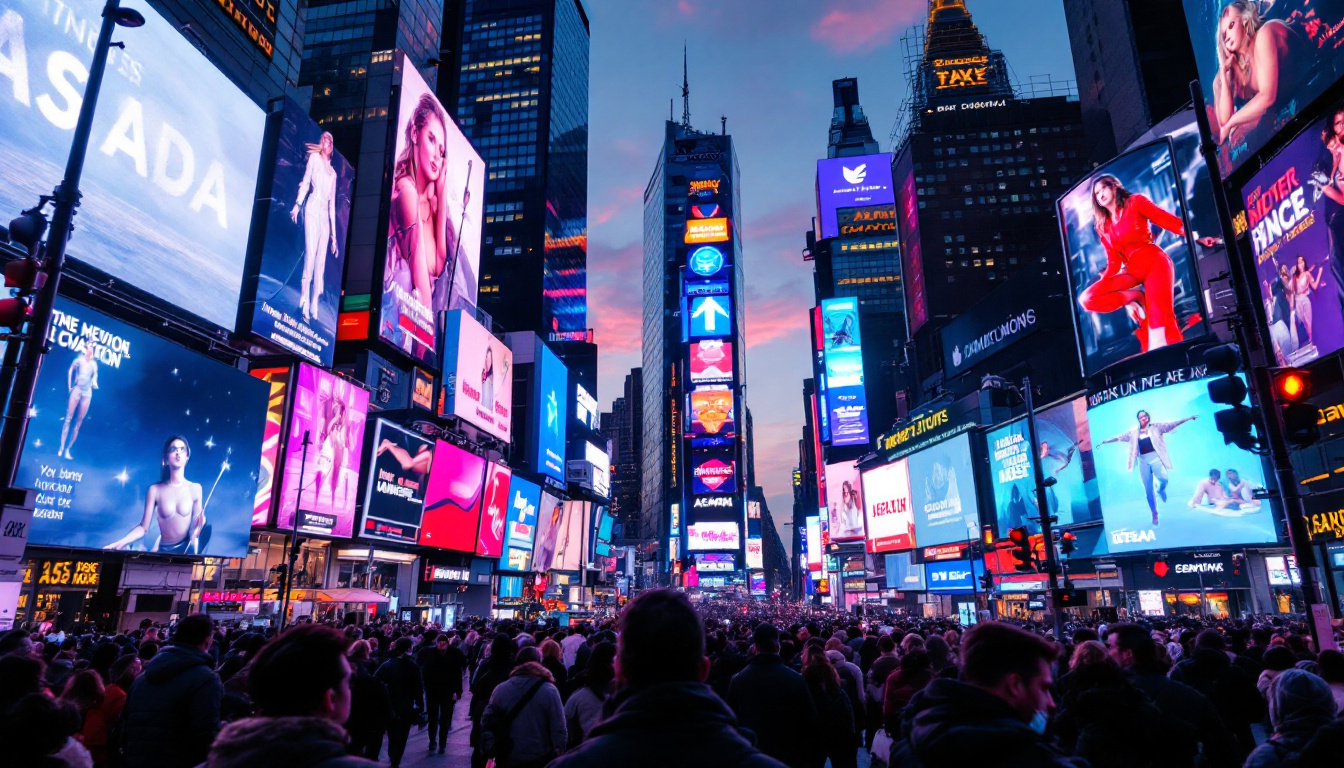
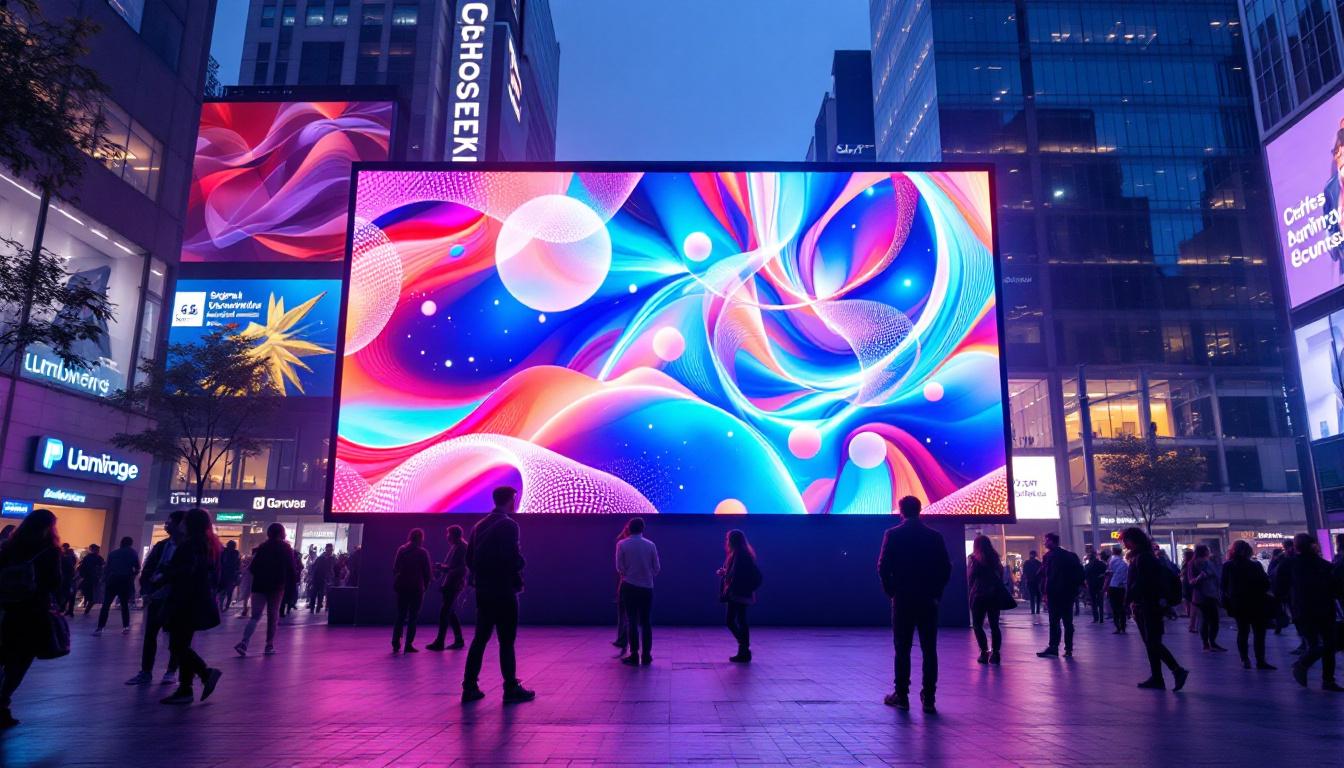
Flexible LED displays have transformed advertising by enabling eye-catching, dynamic signage that can wrap around columns, curve along building facades, or form immersive environments. Their adaptability allows advertisers to create unique visual experiences that capture attention more effectively than traditional flat screens.
For example, Times Square in New York City features several curved and flexible LED installations that enhance the vibrancy and engagement of the area. These displays offer high brightness and visibility even in direct sunlight, making them ideal for outdoor advertising.
Wearable Technology and Consumer Electronics
The consumer electronics sector benefits significantly from flexible LED displays. Smartphones with foldable screens, smartwatches with curved displays, and fitness bands with wrap-around screens are becoming mainstream. These devices leverage flexible displays to improve ergonomics and aesthetics without compromising functionality.
Wearable health monitors use flexible displays to conform comfortably to the wrist or other body parts, providing real-time data with minimal bulk. This integration of flexible LED technology enhances user experience and opens new possibilities for personalized electronics.
Automotive and Transportation
Automotive manufacturers incorporate flexible LED displays into dashboards, heads-up displays, and ambient lighting systems. The ability to curve displays around instrument panels or door trims allows for seamless integration with vehicle interiors, improving both aesthetics and usability.
Flexible displays also enable dynamic signage on buses, trains, and taxis, adapting to different shapes and sizes of vehicles. This flexibility supports real-time information updates and advertising, enhancing passenger experience and operational efficiency.
Architectural and Interior Design
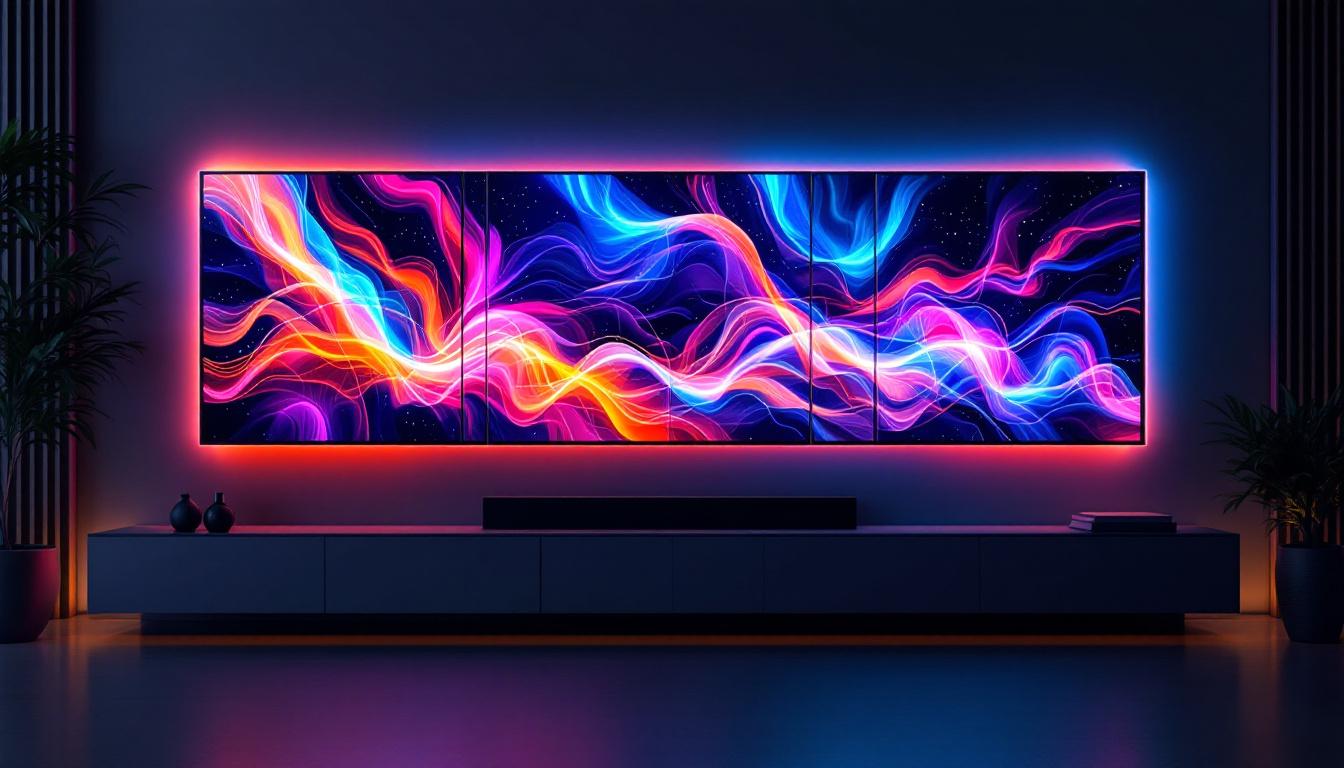
Architects and interior designers use flexible LED displays to create immersive environments and interactive installations. From curved walls displaying dynamic art to ceilings that simulate natural lighting patterns, these displays add a new dimension to spatial design.
Flexible LED panels can be integrated into furniture, columns, and other structural elements, providing customizable aesthetics that can change with user preferences or time of day. This versatility is particularly valuable in retail, hospitality, and entertainment venues.
Future Trends and Market Outlook
Technological Advancements on the Horizon
Research continues to push the boundaries of flexible LED display technology. Emerging trends include the development of ultra-thin, transparent flexible displays that can be embedded into windows and glass surfaces. Advances in micro-LED technology promise higher brightness and energy efficiency, while improvements in OLED materials aim to extend lifespan and reduce costs.
Another exciting area is the integration of flexible displays with sensors and touch capabilities, enabling interactive surfaces that respond to user input. This convergence of display and sensor technology is expected to drive innovation in smart environments and wearable devices.
Market Growth and Economic Impact
The global flexible display market is projected to grow significantly over the next decade. According to industry reports, the market size was valued at approximately $7 billion in 2023 and is expected to exceed $25 billion by 2030, driven by demand in consumer electronics, automotive, and advertising sectors.
This growth presents opportunities for manufacturers to expand production capacity and for businesses to adopt flexible displays as part of digital transformation strategies. The economic impact extends beyond manufacturing, influencing software development, content creation, and installation services.
Sustainability and Environmental Considerations
As flexible LED displays become more widespread, sustainability concerns are gaining attention. Manufacturers are exploring eco-friendly materials and recycling methods to reduce environmental impact. Flexible displays typically consume less power than traditional LCDs, contributing to energy savings.
However, challenges remain in managing electronic waste and ensuring that flexible substrates and encapsulation materials are recyclable or biodegradable. Industry collaboration and regulatory frameworks will be essential to promote sustainable practices in flexible display manufacturing and disposal.
Choosing the Right Flexible Display Manufacturer
Evaluating Manufacturer Capabilities
When selecting a flexible display manufacturer, businesses should consider several factors:
- Technical Expertise: The manufacturer’s experience with flexible LED technology and ability to customize solutions to specific needs.
- Quality and Reliability: Proven track record of producing durable, high-performance displays with consistent quality control.
- Production Capacity: Ability to scale production to meet volume requirements and deliver on time.
- Support and Services: Availability of technical support, installation assistance, and after-sales service.
- Innovation and R&D: Commitment to ongoing research and development to stay ahead of technological advancements.
Collaboration and Customization
Flexible LED display projects often require close collaboration between manufacturers and clients. Customization in terms of size, resolution, curvature radius, and integration with other technologies is common. Manufacturers that offer flexible design services and prototype development can significantly reduce time-to-market and improve final product quality.
Moreover, understanding the end-use environment—whether indoor or outdoor, static or dynamic—helps manufacturers recommend appropriate materials and protective coatings, ensuring longevity and optimal performance.
Conclusion
Flexible LED displays represent a transformative technology with the potential to reshape how visual information is presented across multiple industries. Their unique combination of flexibility, durability, and high performance opens up new possibilities for design and functionality that were previously unattainable with rigid displays.
As the market continues to grow and mature, manufacturers play a critical role in driving innovation and ensuring quality. For businesses and designers, partnering with experienced flexible display manufacturers is essential to harness the full benefits of this technology and stay competitive in a digital-first world.
By understanding the technology, key players, applications, and future trends, stakeholders can make informed decisions and contribute to the exciting evolution of flexible LED displays.
Discover the Future of LED Displays with LumenMatrix
Ready to elevate your visual engagement to the next level? LumenMatrix is at the forefront of LED display innovation, offering a wide array of solutions tailored to bring your brand to life. From Indoor and Outdoor LED Wall Displays to specialized options like Vehicle, Sports, and Floor LED Displays, our products are designed to captivate and communicate with unparalleled clarity. Embrace the future of digital signage with our Custom, All-in-One, and Transparent LED Displays. Check out LumenMatrix LED Display Solutions today and transform your visual storytelling into an immersive experience.