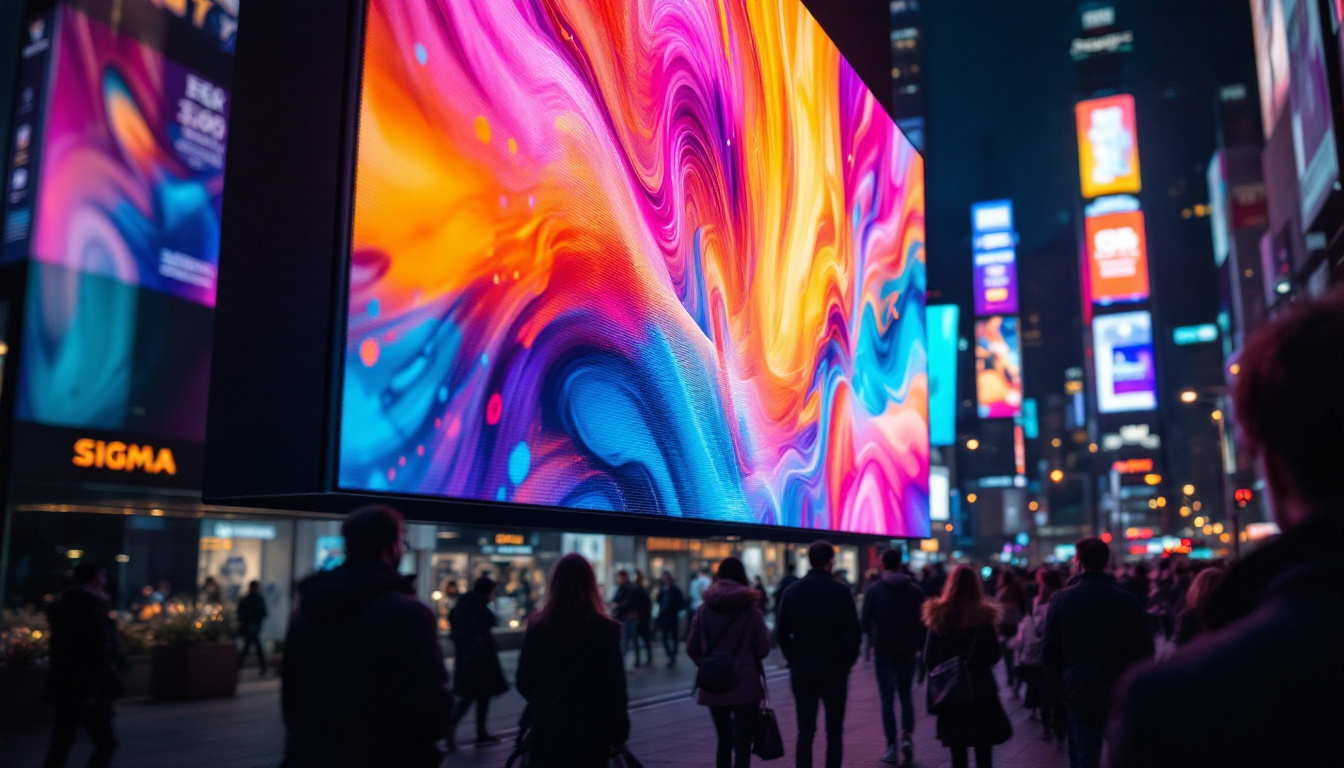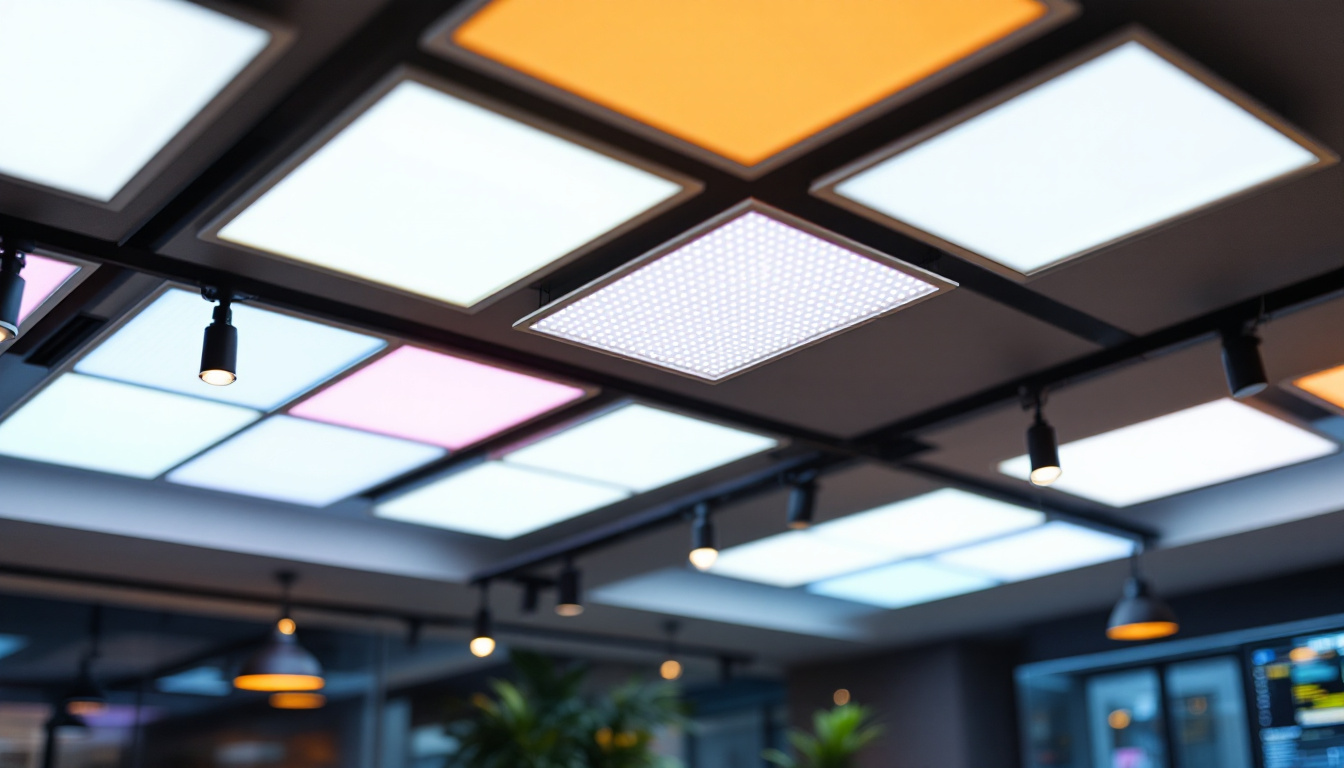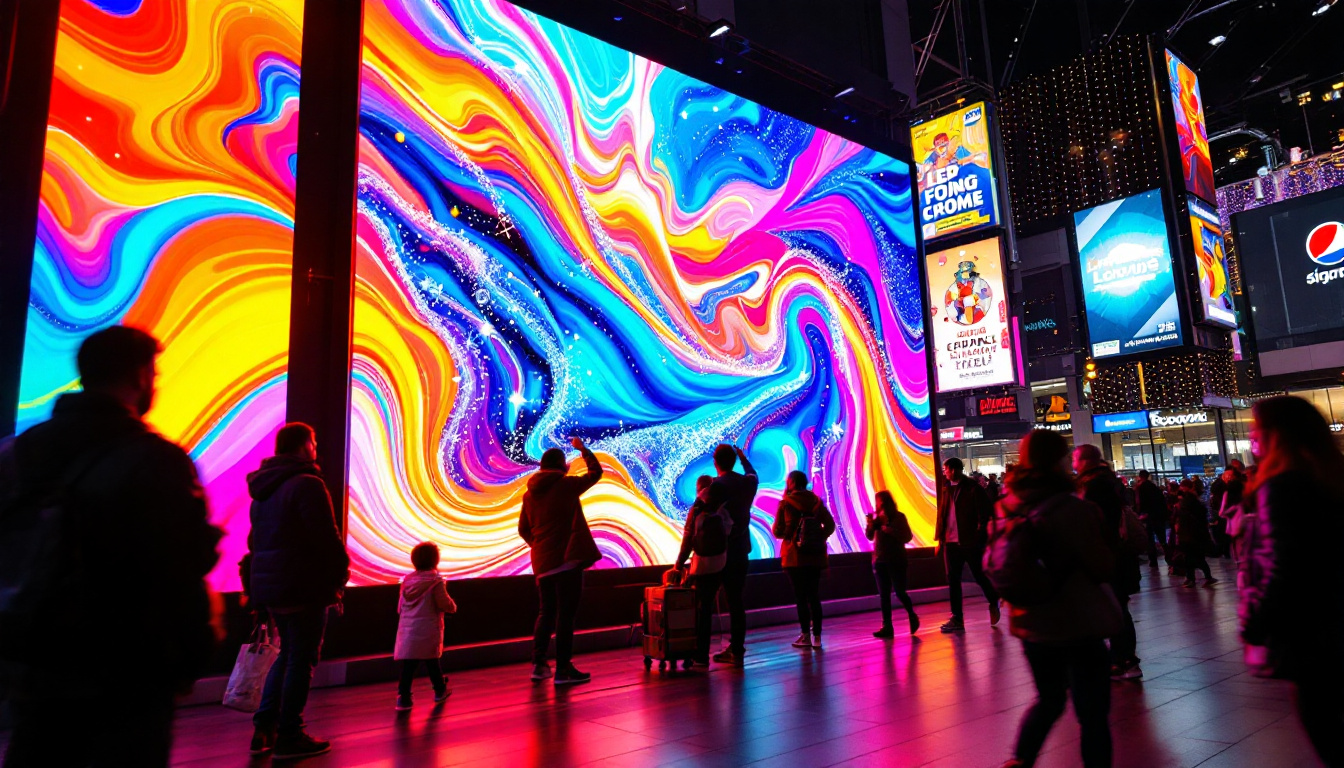
In today’s fast-paced digital world, visual communication plays a crucial role in capturing attention and conveying information effectively. Among the many display technologies available, LED displays have emerged as a dominant choice for both indoor and outdoor applications. One of the most versatile and impactful forms of LED technology is the datawall, a large-scale LED display system that can transform any space into a dynamic visual experience.
This article explores what a datawall is, how LED displays function, their applications, and the technological advancements driving their popularity. Whether you are a business owner, event organizer, or technology enthusiast, understanding the fundamentals of datawalls will help you appreciate their value and potential.
What is a Datawall?
A datawall is essentially a large, often modular, LED display system designed to present high-resolution visual content across expansive surfaces. Unlike traditional screens, datawalls are composed of multiple LED panels tiled together to create a seamless, continuous display. This modularity allows for customization in size, shape, and resolution, making datawalls highly adaptable to various environments and purposes.
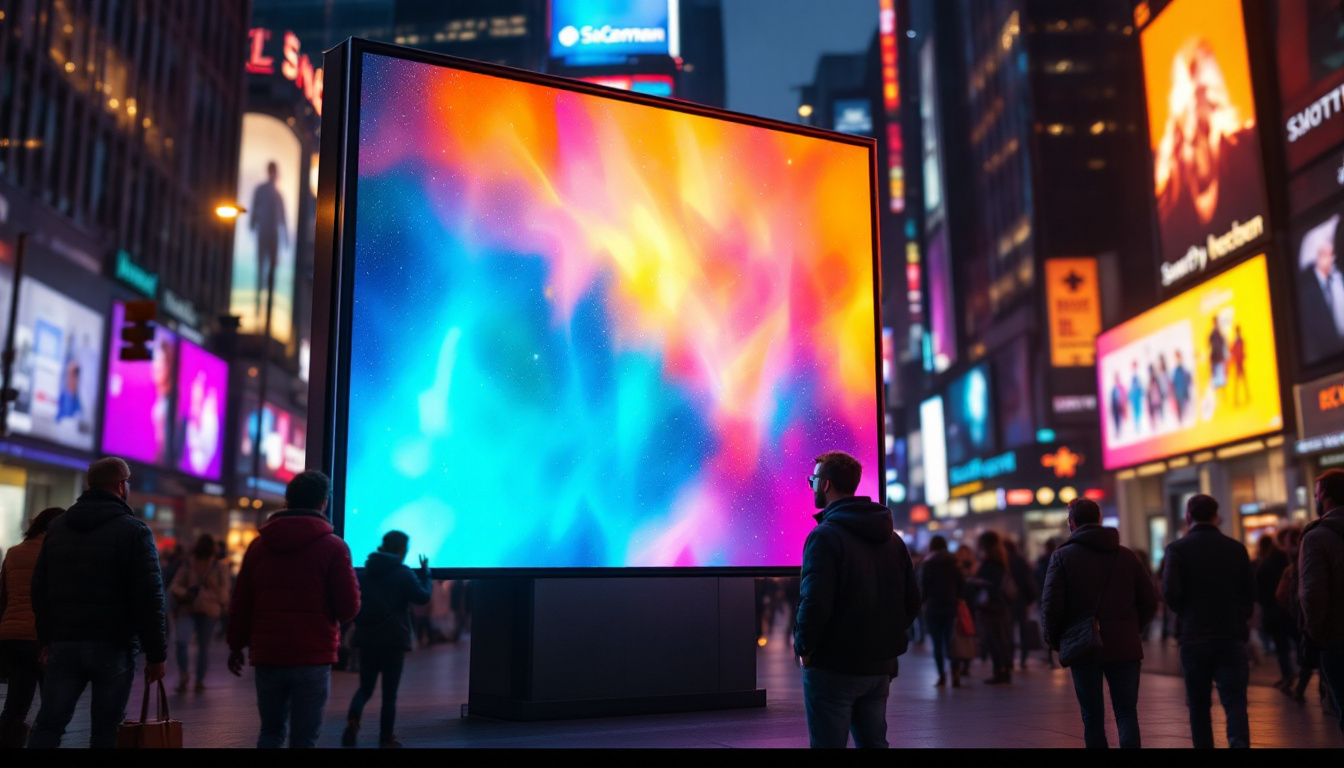
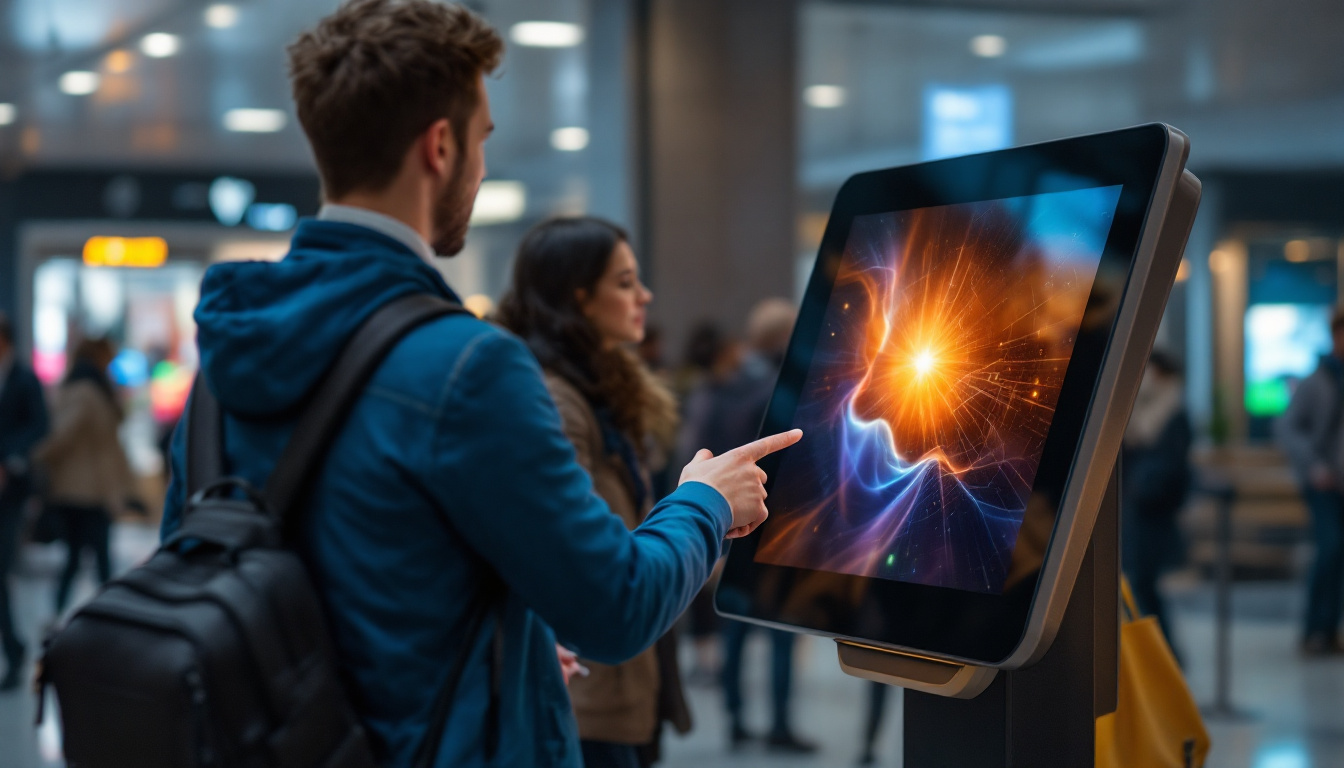
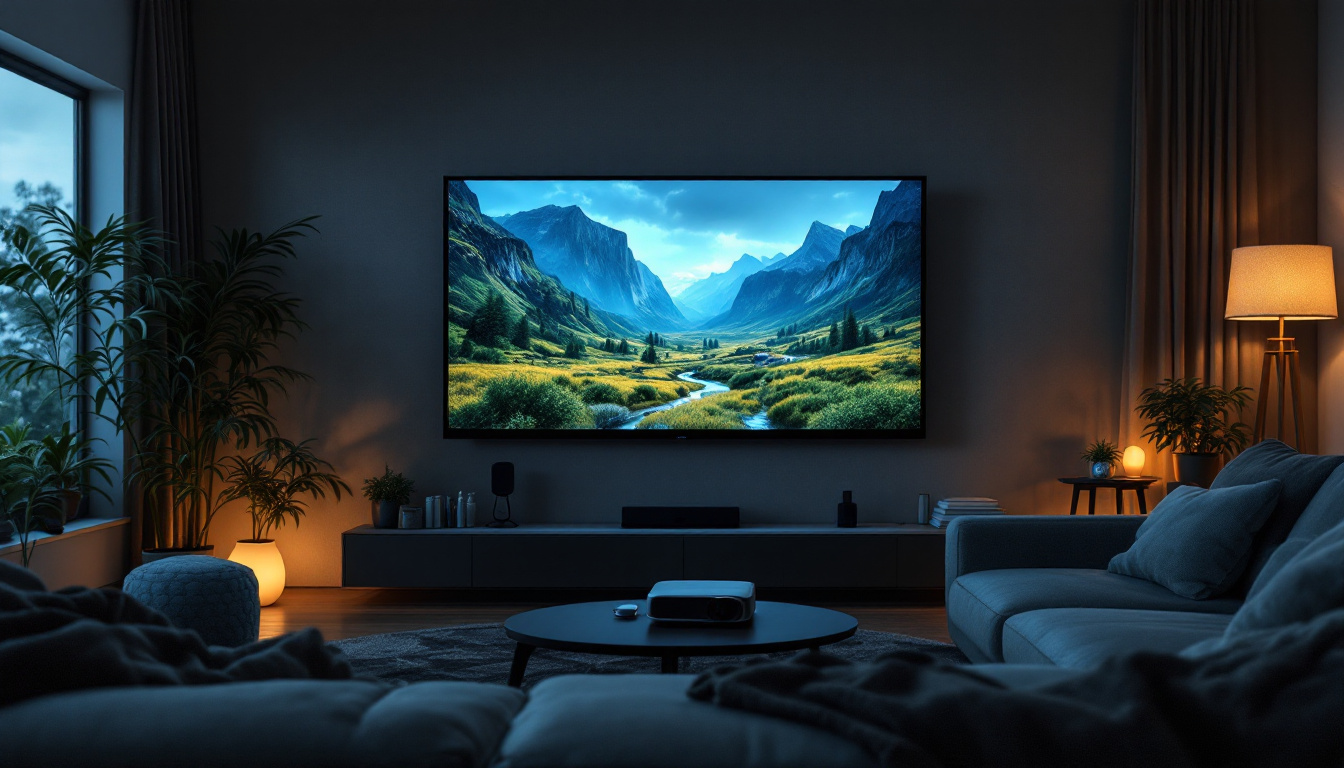
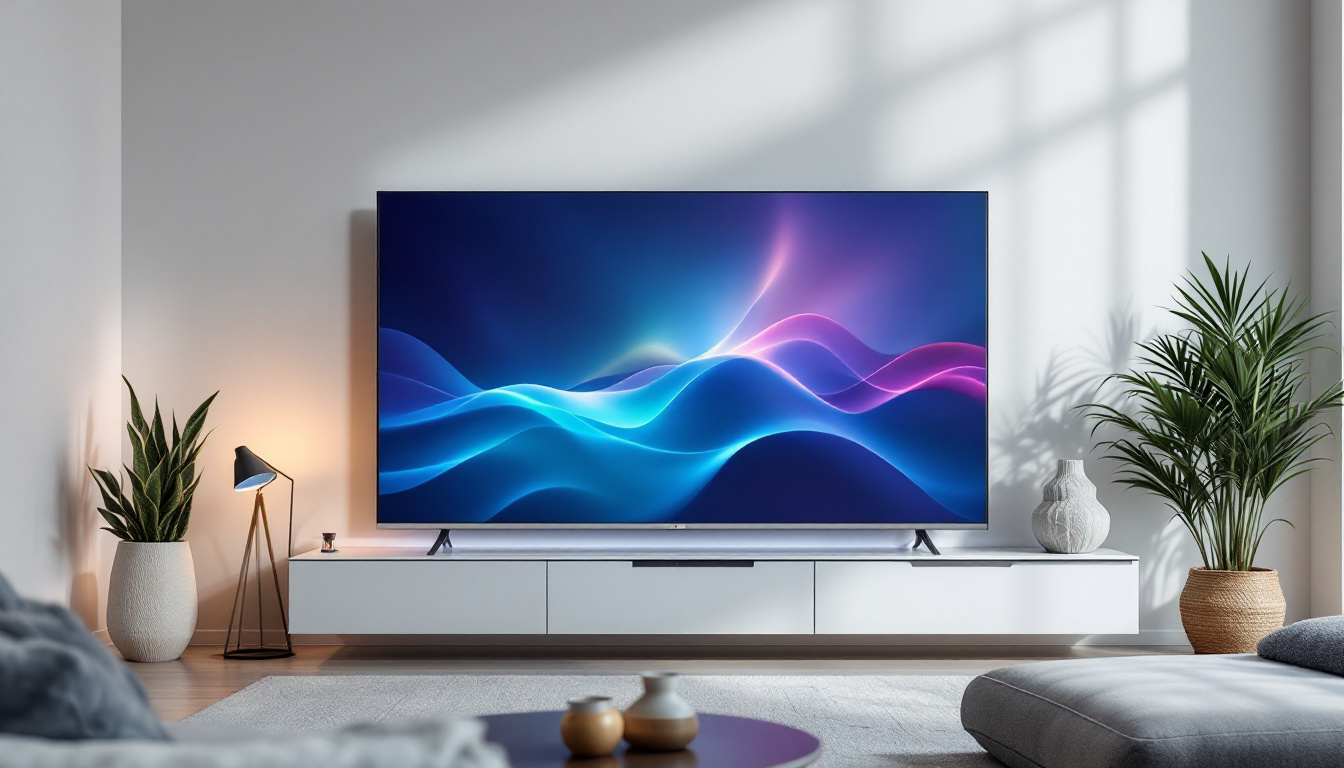
Datawalls are commonly used in control rooms, broadcast studios, retail environments, corporate lobbies, and large public venues. Their ability to display real-time data, videos, graphics, and interactive content makes them indispensable for environments where information needs to be communicated clearly and dynamically. For instance, in a corporate lobby, a datawall can showcase a company’s achievements, upcoming events, or even live social media feeds, creating an engaging atmosphere for visitors and employees alike.
Key Characteristics of Datawalls
One of the defining features of datawalls is their scalability. Depending on the number of LED panels used, datawalls can range from a few square meters to several hundred square meters. This scalability ensures that the display can be tailored to the specific needs of the venue or application. Additionally, the flexibility in design allows for creative configurations, such as curved or irregular shapes, which can enhance the visual impact and draw attention in crowded spaces.
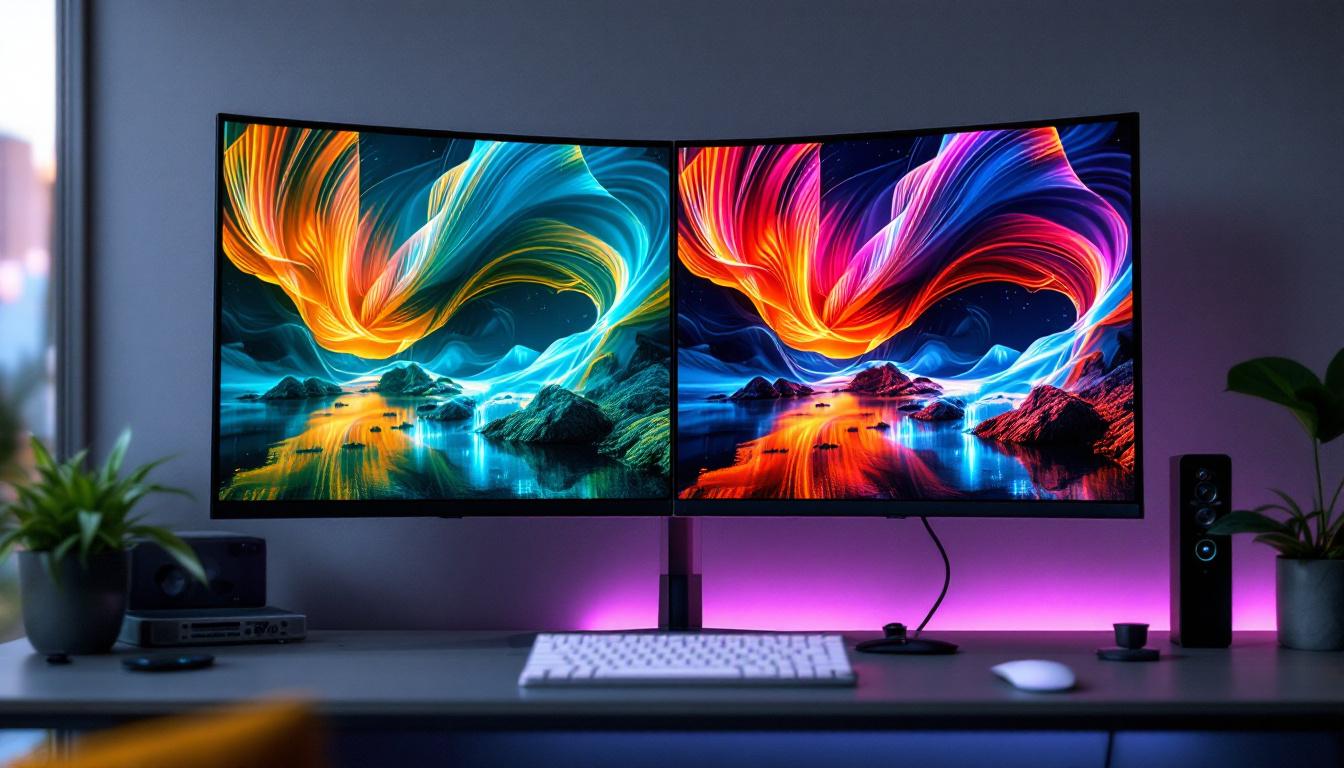
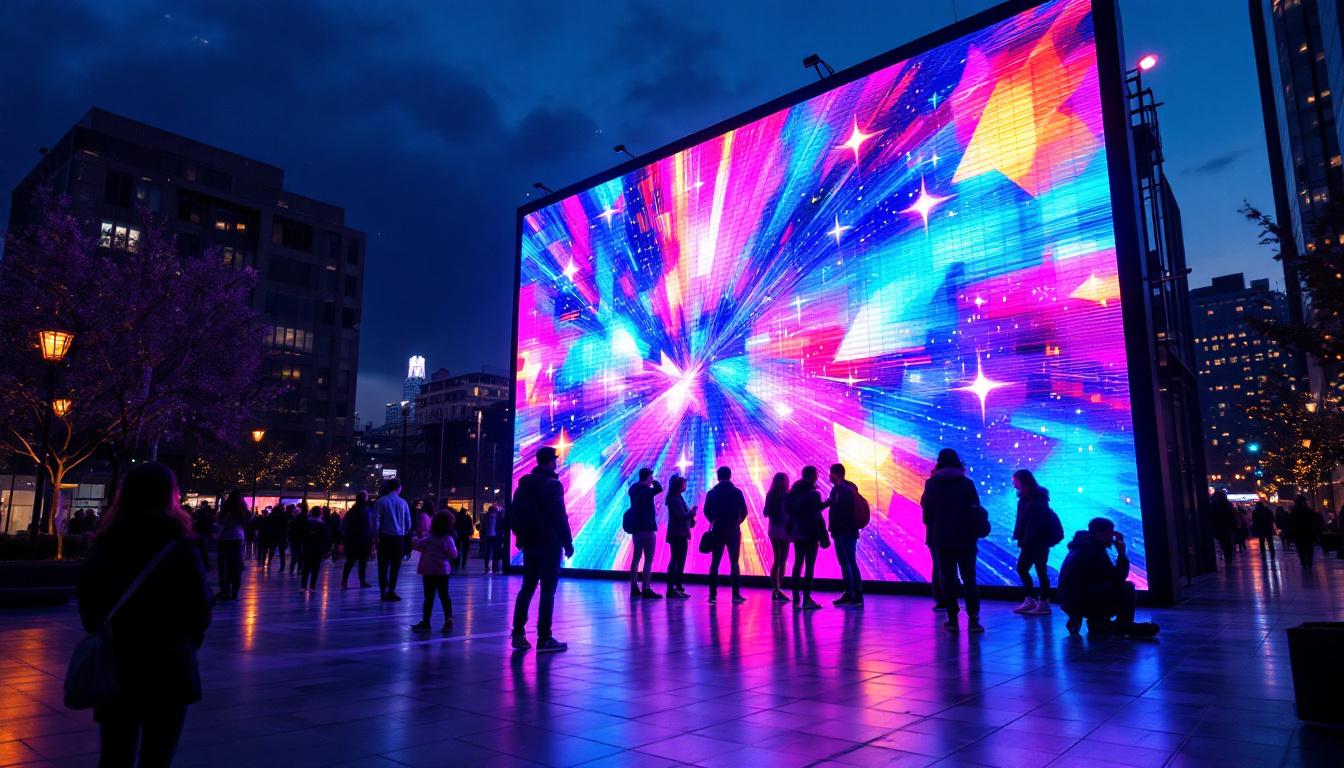
Another important characteristic is the high brightness and contrast ratio of LED technology, which allows datawalls to be visible even in brightly lit environments or direct sunlight. This makes them ideal for outdoor advertising, stadium displays, and public information boards. Furthermore, the advanced technology behind modern datawalls often includes features like 4K resolution and HDR (High Dynamic Range), which significantly enhance the quality of the visuals displayed. This capability ensures that intricate details and vibrant colors are rendered accurately, making the content not only informative but also visually captivating. As a result, datawalls are increasingly being utilized in immersive experiences, such as art installations and interactive exhibits, where the goal is to engage viewers on multiple sensory levels.
How LED Displays Work
Understanding the technology behind LED displays is essential to grasp why datawalls are so effective. LED stands for Light Emitting Diode, a semiconductor device that emits light when an electric current passes through it. LED displays use thousands to millions of tiny LEDs arranged in a grid to form pixels, which collectively produce the images and videos seen on the screen.
Types of LEDs Used in Datawalls
There are primarily two types of LEDs used in datawalls: surface-mounted device (SMD) LEDs and through-hole LEDs. SMD LEDs are smaller and allow for higher pixel density, resulting in sharper images and finer details. This makes SMD technology the preferred choice for indoor datawalls where viewers are closer to the screen.
Through-hole LEDs are larger and more robust, making them suitable for outdoor datawalls that require higher brightness and durability. The pixel pitch, or the distance between the centers of two adjacent LEDs, is a critical factor influencing image resolution. Smaller pixel pitch means higher resolution and better image quality, especially important for indoor applications.
Modularity and Pixel Pitch
Datawalls are built from individual LED modules, each containing a matrix of LEDs. These modules are assembled to form the complete display. The modular design simplifies maintenance and upgrades, as individual modules can be replaced without dismantling the entire wall.
Pixel pitch directly affects the viewing distance and image clarity. For example, a pixel pitch of 1.2mm is ideal for close-up viewing in control rooms or conference halls, whereas a pixel pitch of 10mm or more is suitable for outdoor billboards viewed from a distance.
Applications of Datawalls
The versatility of datawalls has led to their adoption across numerous industries and settings. Their ability to display dynamic, high-resolution content makes them a powerful tool for communication, branding, and entertainment.
Corporate and Control Room Environments
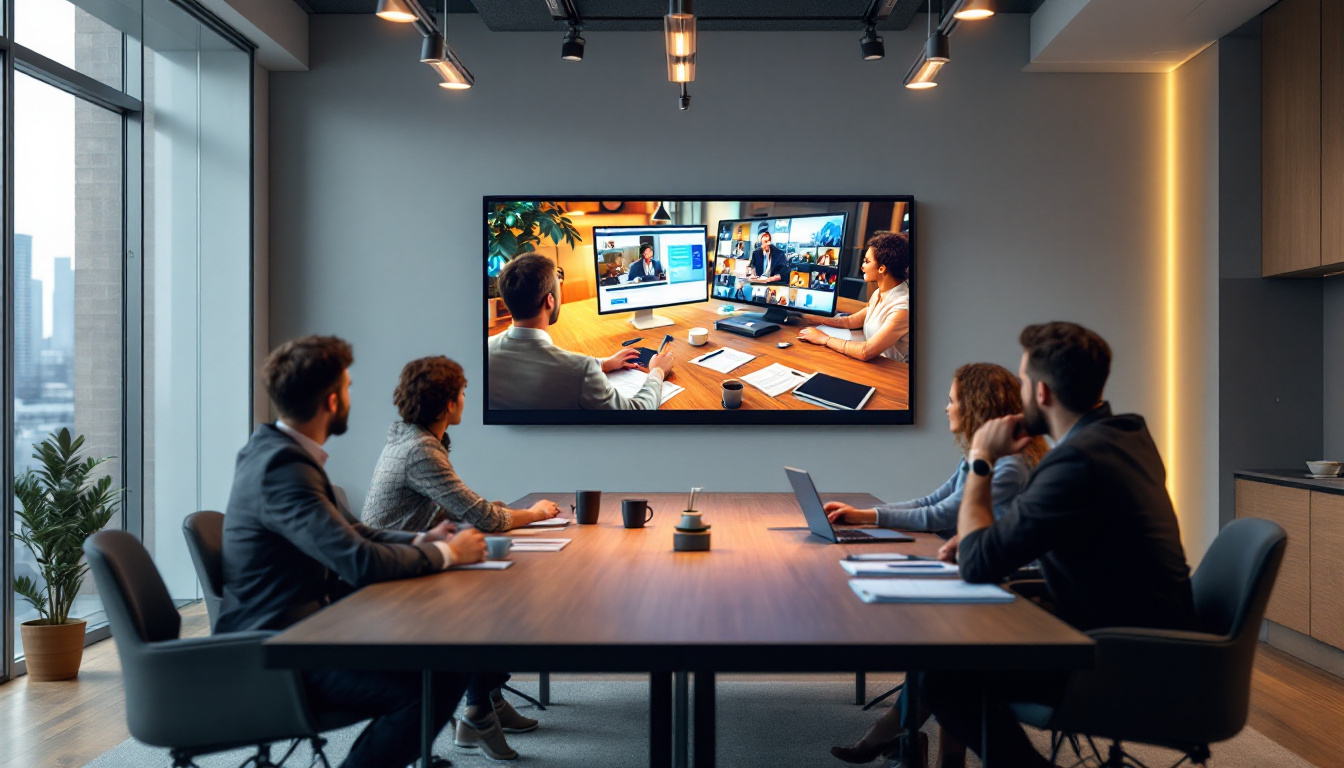
In corporate settings, datawalls are often used in lobbies and conference rooms to showcase company branding, live data feeds, and multimedia presentations. Control rooms, such as those used by utilities, transportation authorities, and emergency services, rely heavily on datawalls to monitor real-time data and coordinate operations efficiently.
For example, a transportation control center may use a datawall to display live traffic conditions, train schedules, and security camera feeds, enabling quick decision-making and response.
Broadcast and Media Studios
Broadcast studios utilize datawalls as dynamic backdrops that can be changed instantly to suit different programs or segments. The high resolution and brightness ensure that the visuals look crisp on camera, enhancing the overall production quality.
Newsrooms, sports studios, and entertainment shows benefit from datawalls’ flexibility, allowing them to integrate live feeds, graphics, and interactive content seamlessly.
Retail and Advertising
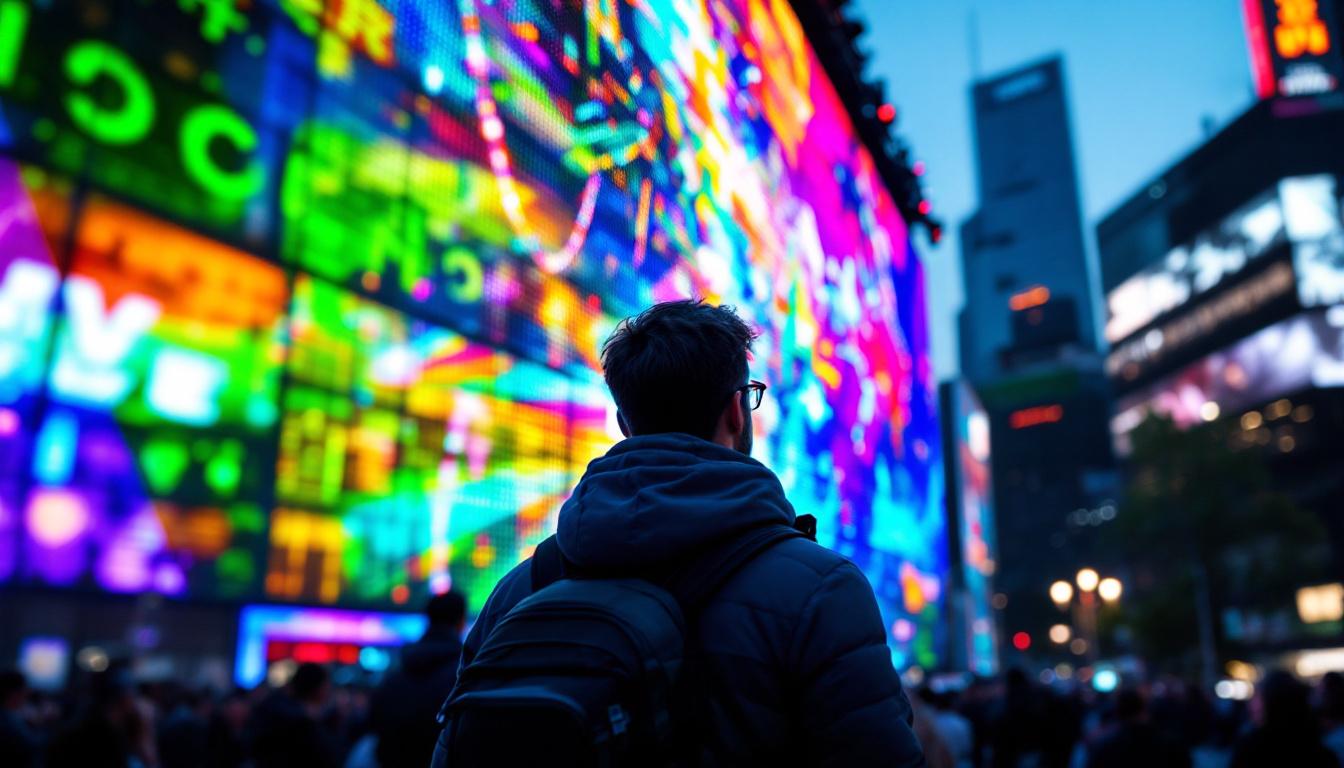
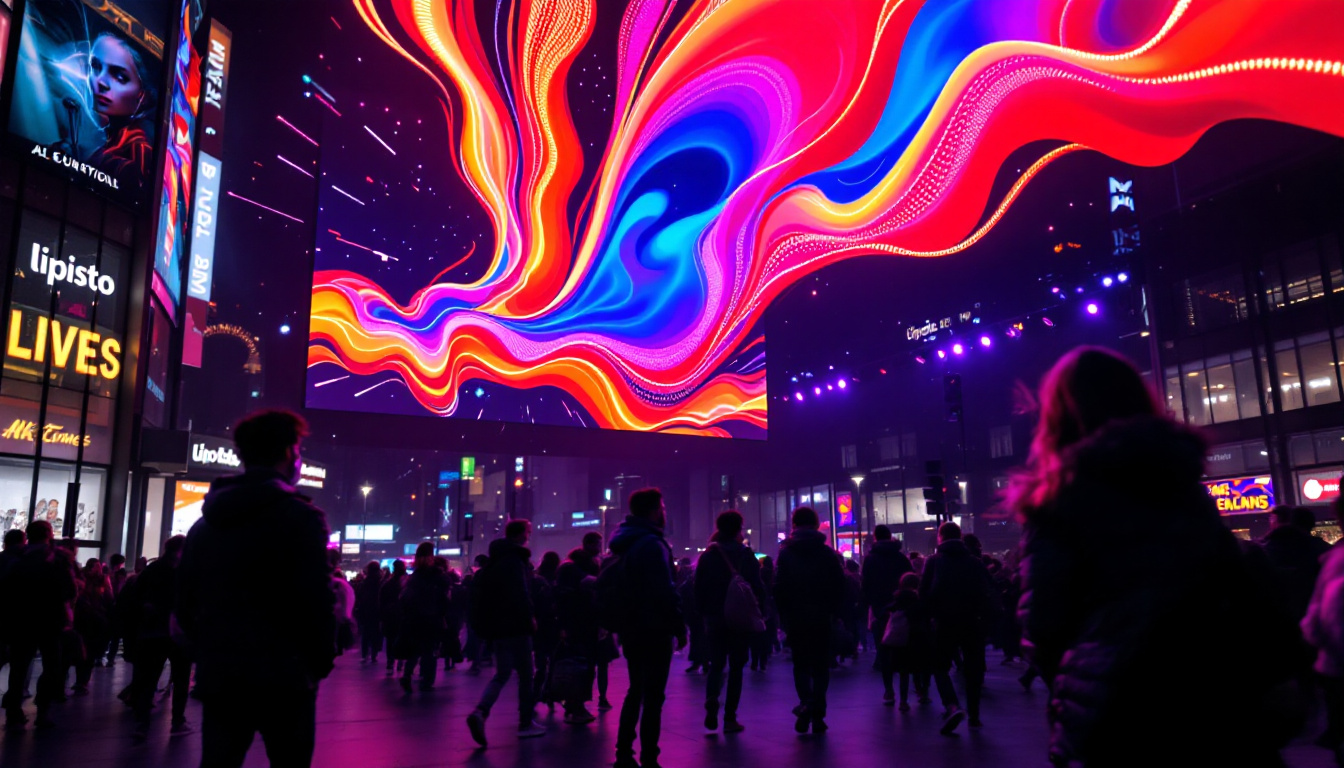
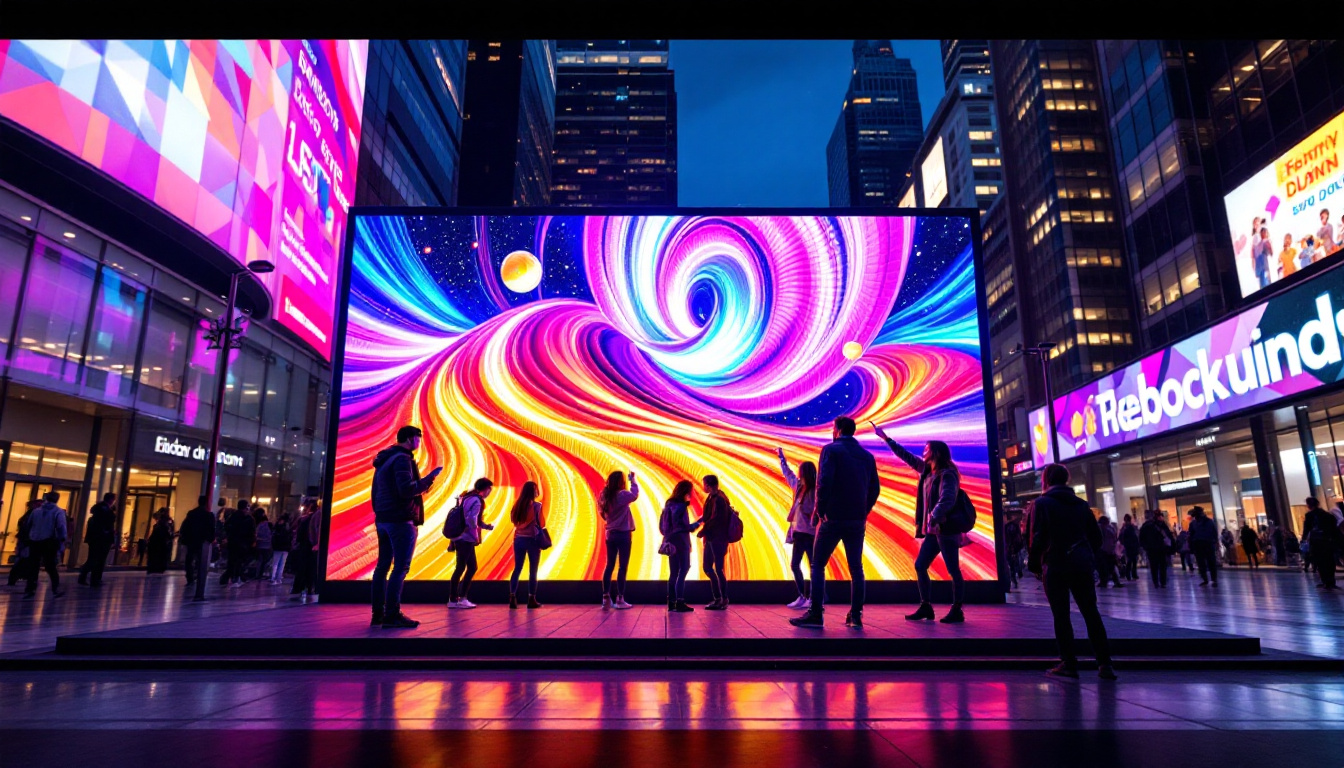
Retailers and advertisers leverage datawalls to create immersive brand experiences and attract customers. Large LED displays in shopping malls, storefronts, and outdoor billboards can showcase promotional content, product launches, and interactive advertisements.
Studies have shown that digital signage, including LED datawalls, can increase customer engagement by up to 30%, making them a valuable investment for businesses aiming to boost sales and brand visibility.
Events, Entertainment, and Sports
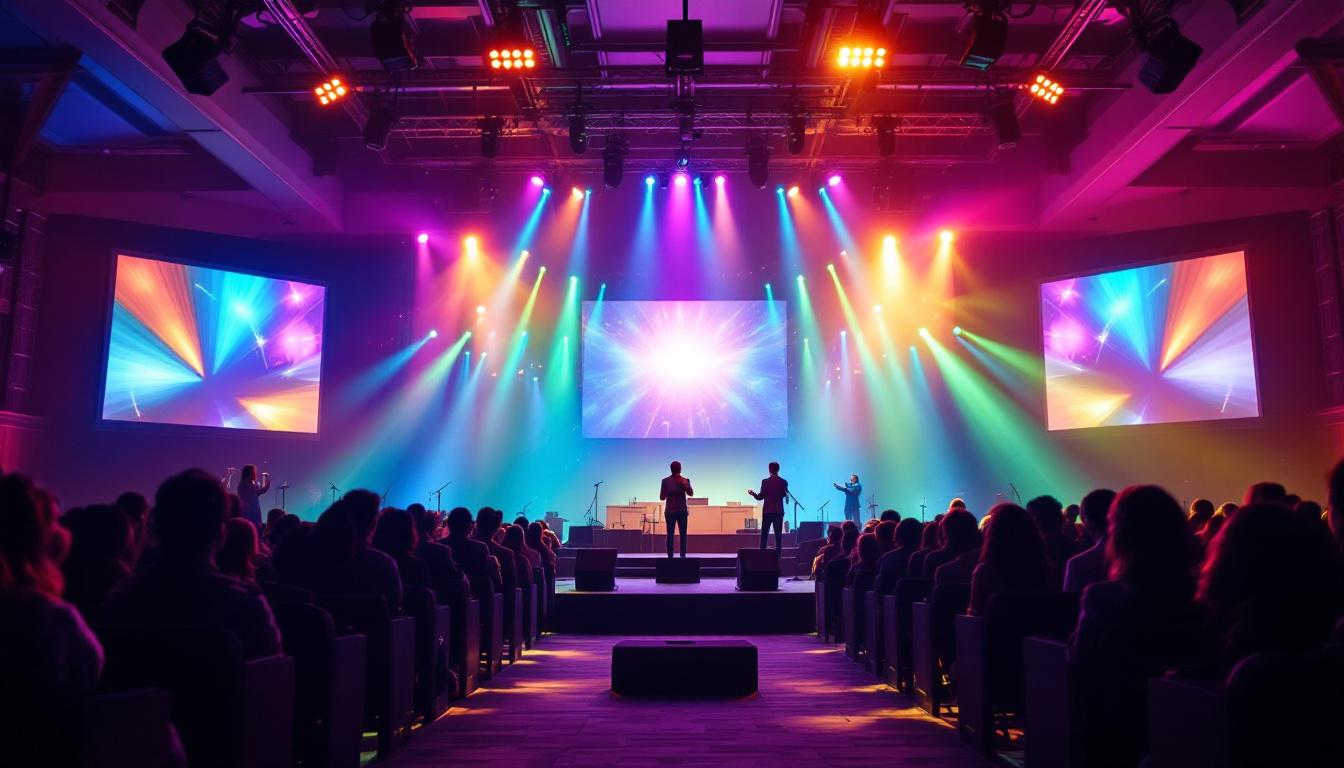
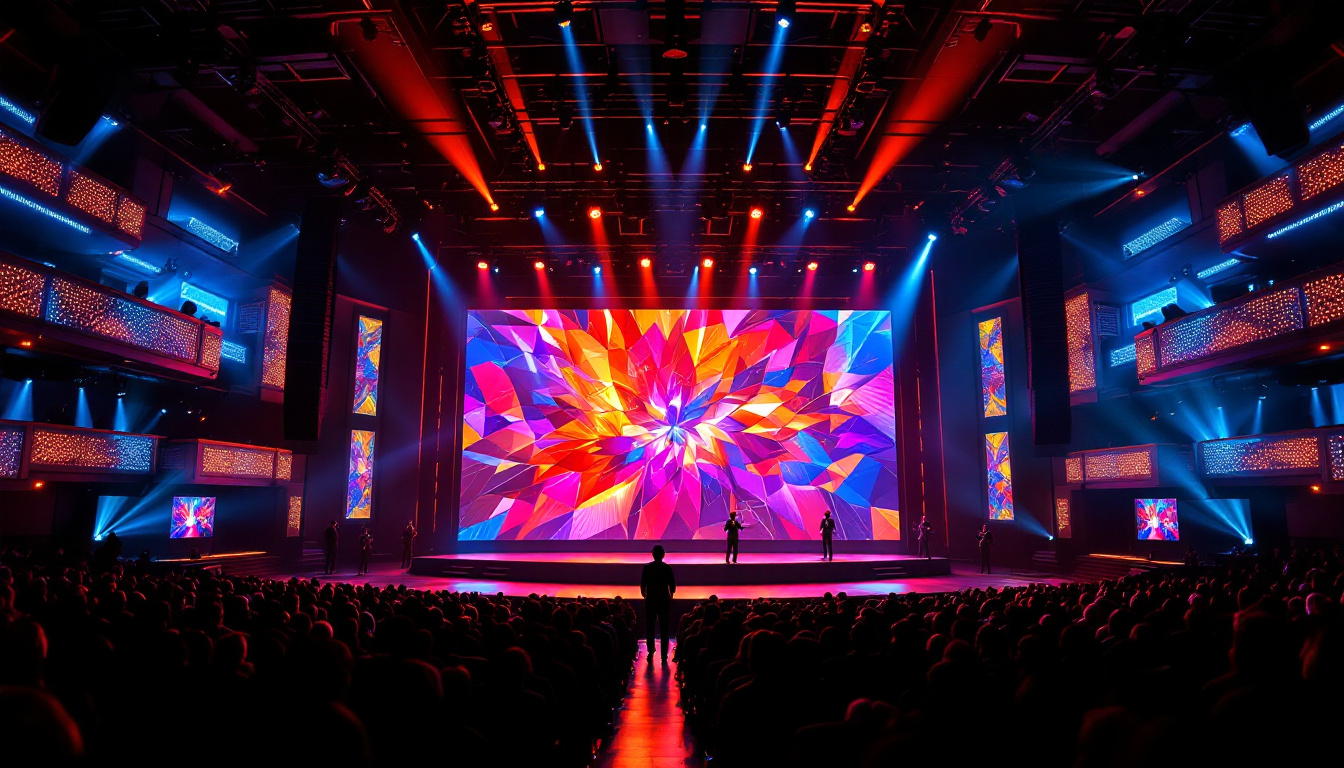
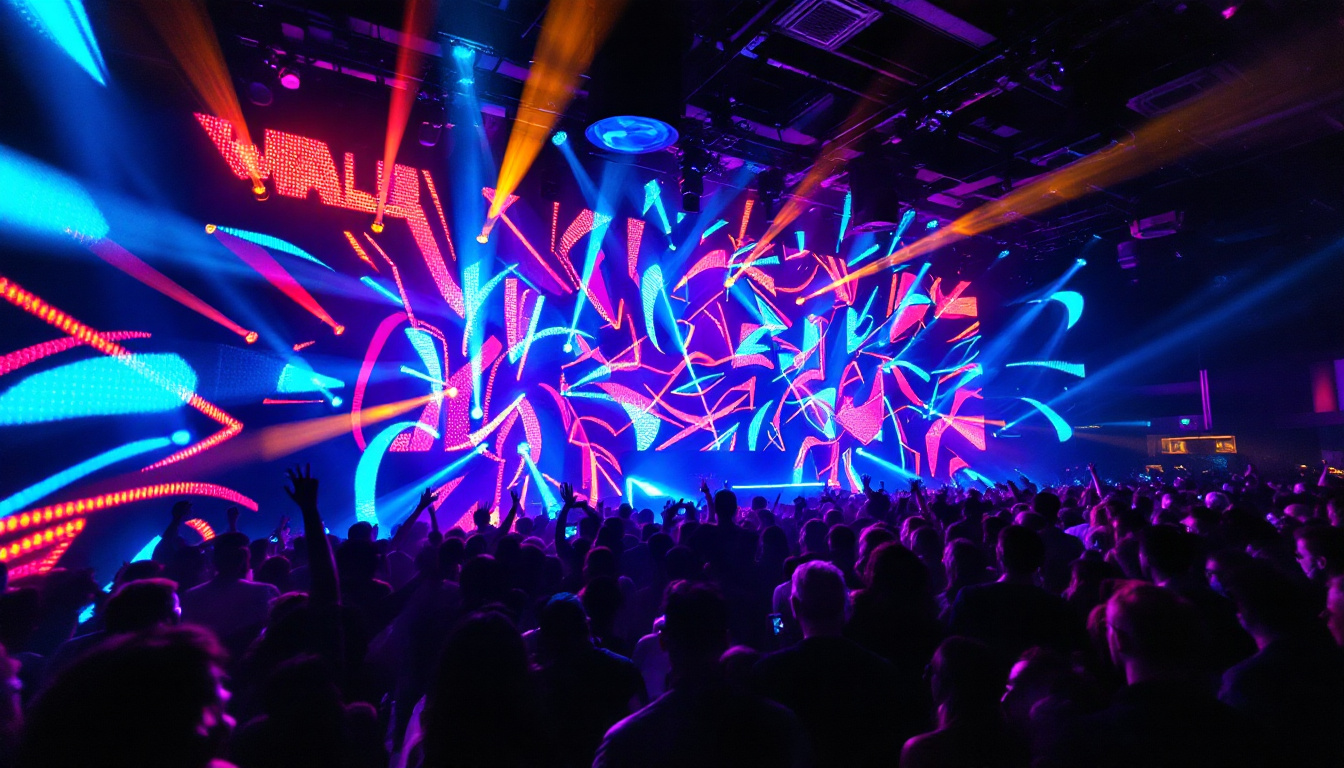
Concerts, festivals, and sporting events frequently use datawalls to enhance audience experience. These displays can show live footage, replays, event schedules, and sponsor messages, ensuring that attendees stay informed and entertained.
Stadiums often feature massive LED datawalls that are visible from all seating areas, providing real-time statistics, instant replays, and interactive fan engagement features.
Technological Advancements in LED Datawalls
The LED display industry continues to evolve rapidly, with innovations improving image quality, energy efficiency, and ease of installation. These advancements have expanded the potential applications of datawalls and enhanced their performance.
Higher Resolution and Smaller Pixel Pitch
Recent developments have pushed pixel pitch sizes below 1mm, enabling ultra-high-definition displays suitable for close-range viewing in environments like museums and control centers. These micro-LED displays offer exceptional brightness, color accuracy, and longevity.
Such precision allows for detailed visualization of complex data, making them ideal for applications requiring critical analysis, such as medical imaging or scientific research.
Improved Energy Efficiency
Energy consumption is a significant consideration for large LED installations. Advances in LED chip technology and power management systems have reduced the energy requirements of datawalls by up to 40% compared to earlier models. This not only lowers operating costs but also aligns with sustainability goals.
Integration with Smart Technologies
Modern datawalls can integrate with IoT (Internet of Things) devices and cloud-based content management systems. This enables real-time content updates, remote monitoring, and automated adjustments based on environmental conditions such as ambient light.
For example, a retail datawall can automatically change its displayed content based on the time of day or customer demographics, maximizing relevance and impact.
Choosing the Right Datawall for Your Needs
Selecting an appropriate datawall involves considering several factors, including the intended use, viewing distance, environment, and budget. Understanding these elements ensures that the investment delivers optimal performance and value.
Assessing Viewing Distance and Pixel Pitch
The closer the audience is to the display, the smaller the pixel pitch should be to maintain image clarity. For instance, a pixel pitch of 2mm or less is recommended for indoor datawalls viewed from a few meters away, whereas larger pitches are acceptable for outdoor or large venue displays.
Indoor vs. Outdoor Considerations
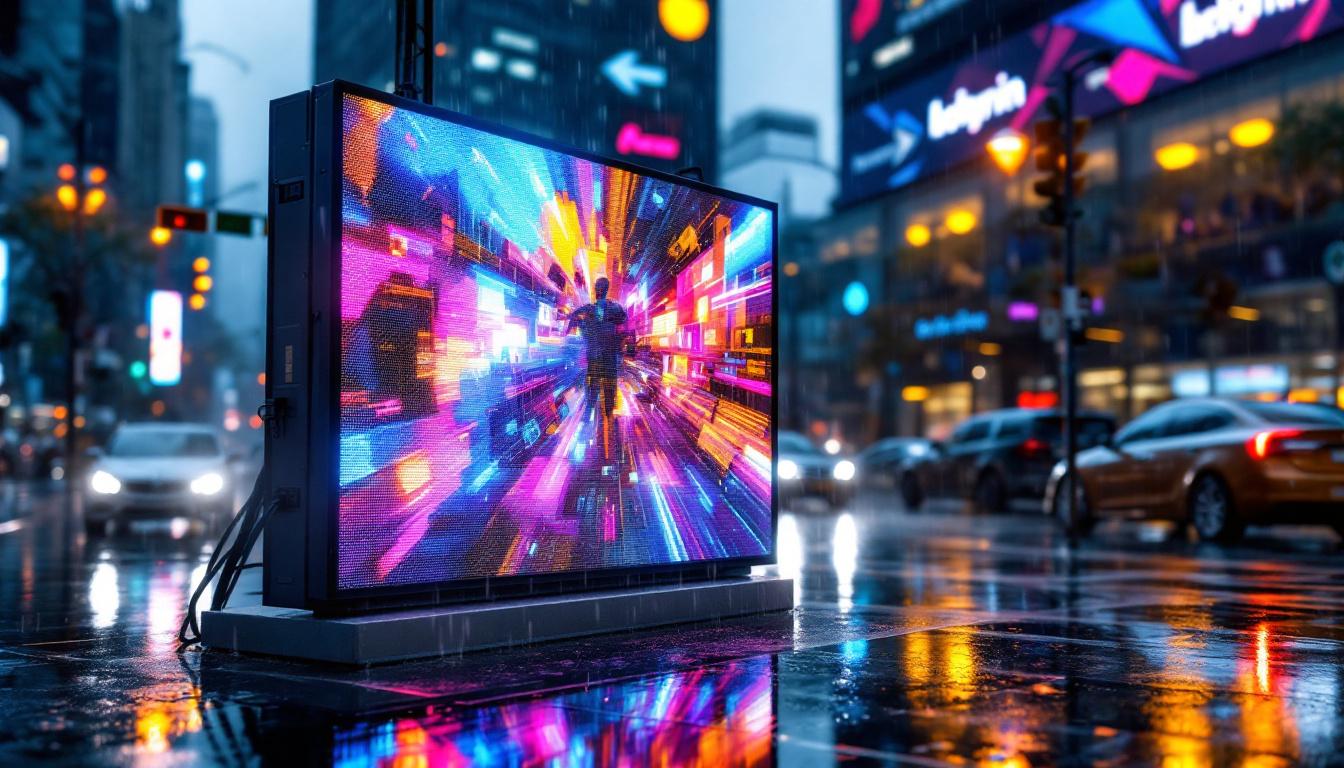
Outdoor datawalls require higher brightness levels (often exceeding 5,000 nits) to remain visible in daylight, as well as robust weatherproofing to withstand rain, wind, and temperature extremes. Indoor datawalls prioritize color accuracy and viewing angles, with brightness levels typically ranging from 800 to 1,500 nits.
Content Management and Software
Effective content management software is essential for maximizing the potential of a datawall. Features such as scheduling, multi-source input, and real-time data integration allow users to tailor the display to their specific needs and update content effortlessly.
Maintenance and Longevity of Datawalls
Proper maintenance ensures that datawalls continue to operate at peak performance over their expected lifespan, which can range from 50,000 to 100,000 hours of usage depending on the technology and usage conditions.
Routine Cleaning and Inspection
Dust, dirt, and moisture can degrade LED performance and cause pixel failures. Regular cleaning with appropriate materials and inspection for damaged modules help prevent long-term issues.
Software Updates and Calibration
Keeping the display’s firmware and control software up to date ensures compatibility with new content formats and improves system stability. Periodic calibration maintains color consistency and brightness uniformity across the entire datawall.
Module Replacement and Repairs
The modular nature of datawalls simplifies repairs. Faulty LED modules can be replaced individually without dismantling the entire display, minimizing downtime and maintenance costs.
The Future of Datawalls
As LED technology continues to advance, datawalls are expected to become even more immersive, interactive, and integrated with emerging digital ecosystems. Innovations such as flexible and transparent LED panels are opening new possibilities for architectural integration and design creativity.
Moreover, the convergence of augmented reality (AR) and LED datawalls could redefine how audiences engage with visual content, blending physical and digital experiences seamlessly.
In summary, datawalls represent a powerful medium for visual communication, combining cutting-edge LED technology with scalable, flexible design. Their ability to deliver vibrant, high-resolution content across diverse environments makes them an essential tool for businesses, broadcasters, event organizers, and public institutions alike.
Explore the Future of Visual Communication with LumenMatrix
Ready to elevate your space with the latest in LED display technology? LumenMatrix is at the forefront of creating immersive and interactive visual experiences. From vibrant Indoor and Outdoor LED Wall Displays to innovative solutions like Vehicle LED Displays, LED Sports Displays, and Custom LED Displays, we have everything you need to transform your visual communication. Discover the full potential of LED datawalls and how they can enhance your brand visibility and audience engagement. Check out LumenMatrix LED Display Solutions today and step into the future of digital signage.