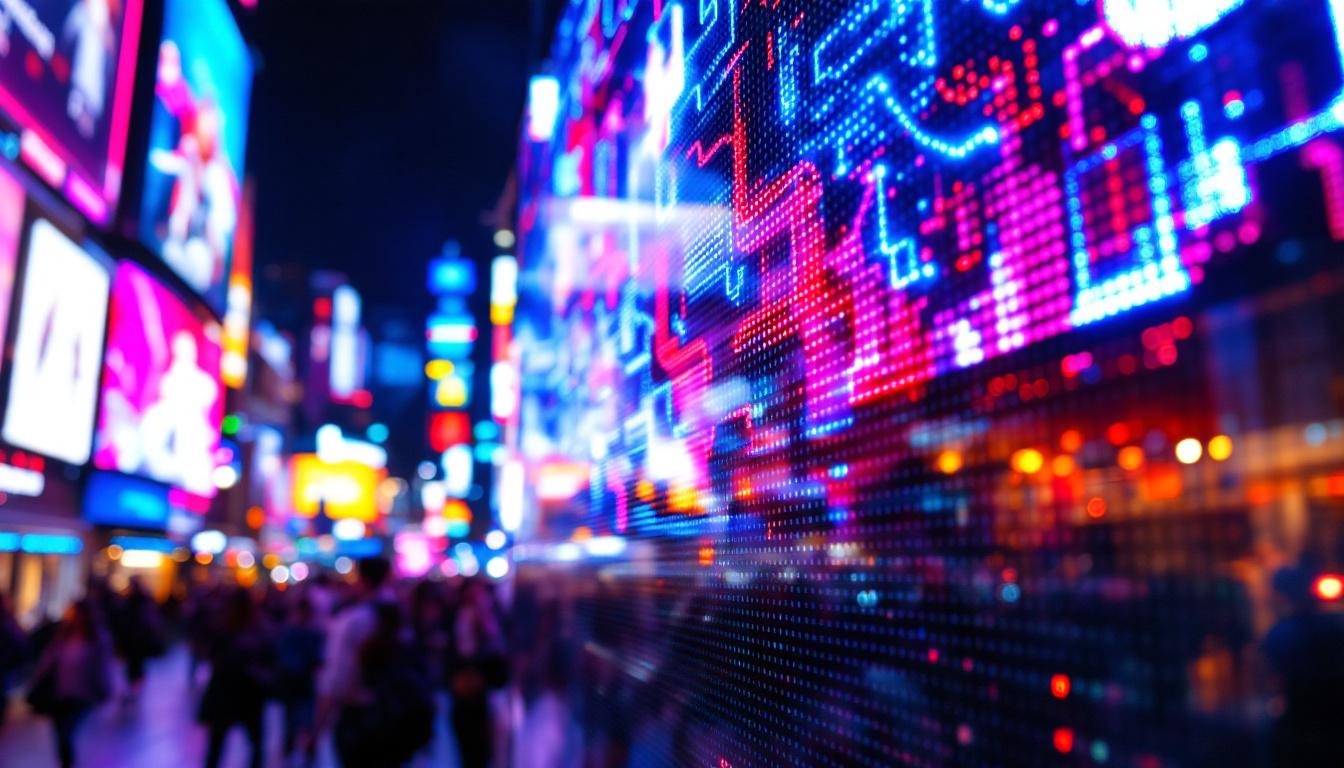
In an age dominated by digital visuals, LED displays have become an integral part of how information, advertising, and entertainment are presented. From the giant billboards in Times Square to the screens on smartphones and televisions, LED technology powers a vast array of display devices. But what exactly is an LED display? How does it work, and why has it become the preferred choice for so many applications? This article delves deep into the world of LED displays, breaking down their definition, technology, types, advantages, and the future trends shaping this dynamic industry.
What is an LED Display?
LED stands for Light Emitting Diode, a semiconductor device that emits light when an electric current passes through it. An LED display is essentially a flat panel or flexible surface that uses these tiny diodes to create images, videos, or text by controlling the light emitted from each diode.
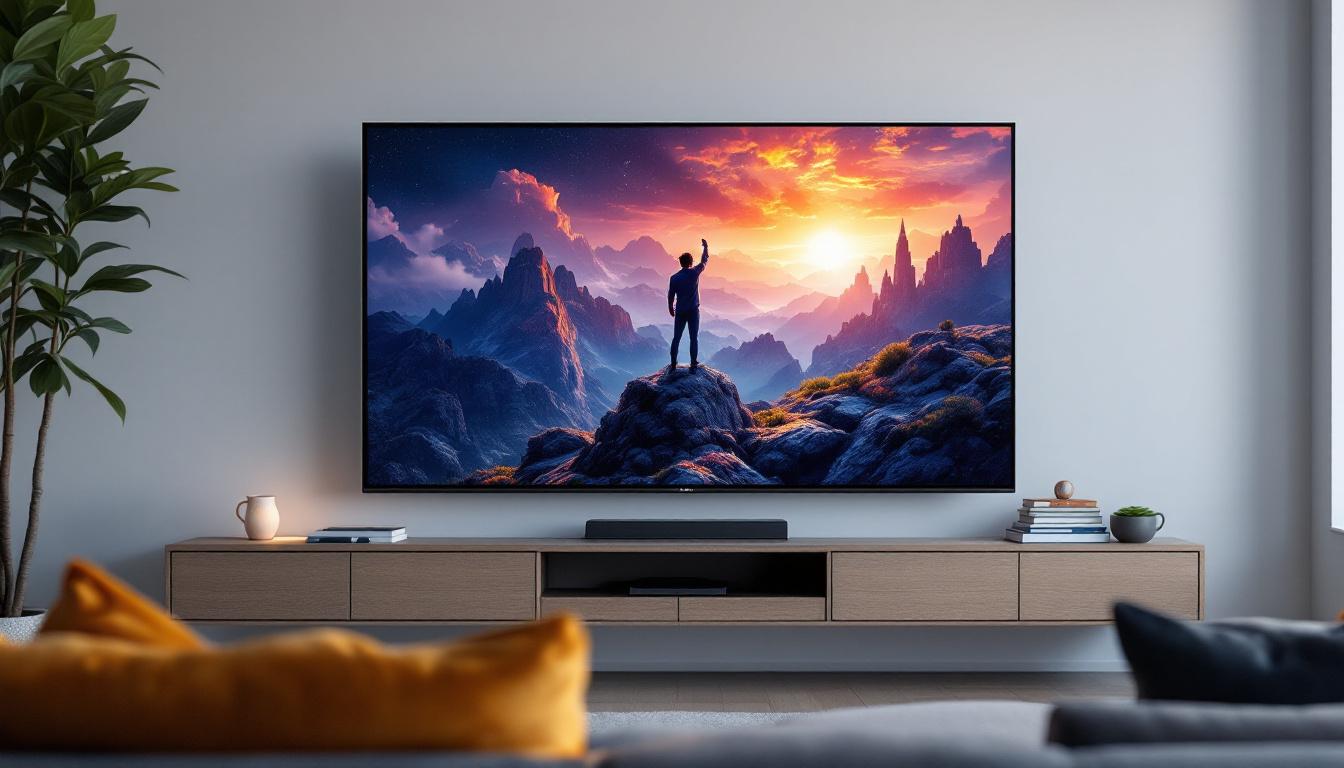
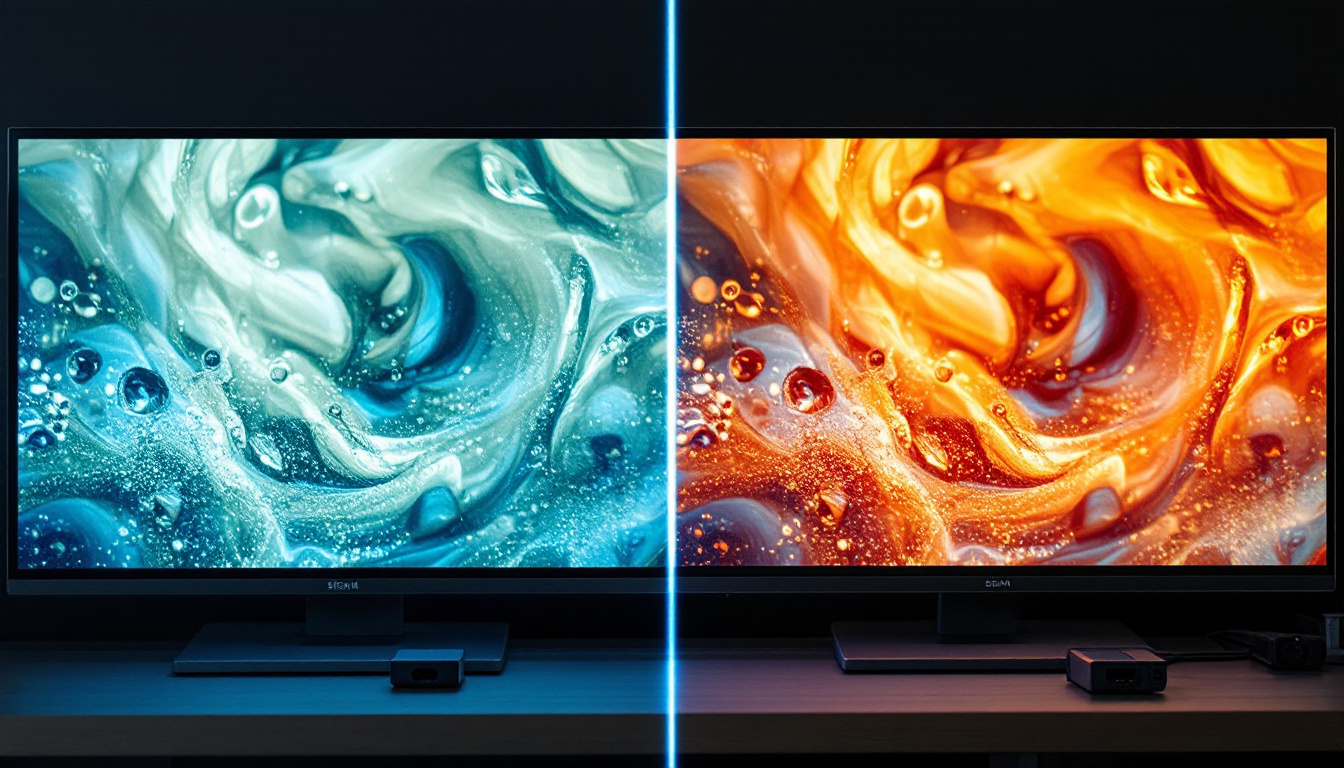
Unlike traditional display technologies such as LCD (Liquid Crystal Display) or plasma screens, LED displays generate their own light, which means they do not require a backlight. This fundamental difference results in brighter images, higher contrast ratios, and often better energy efficiency.
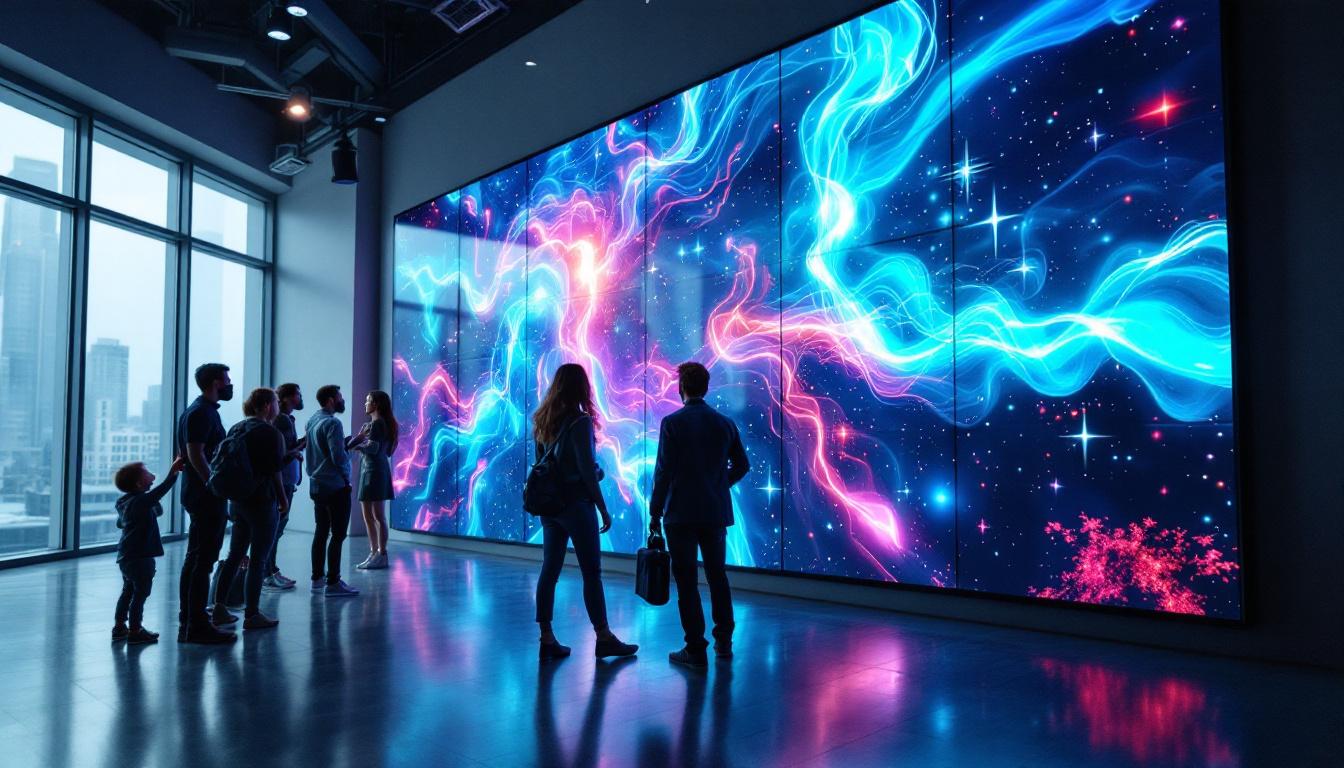
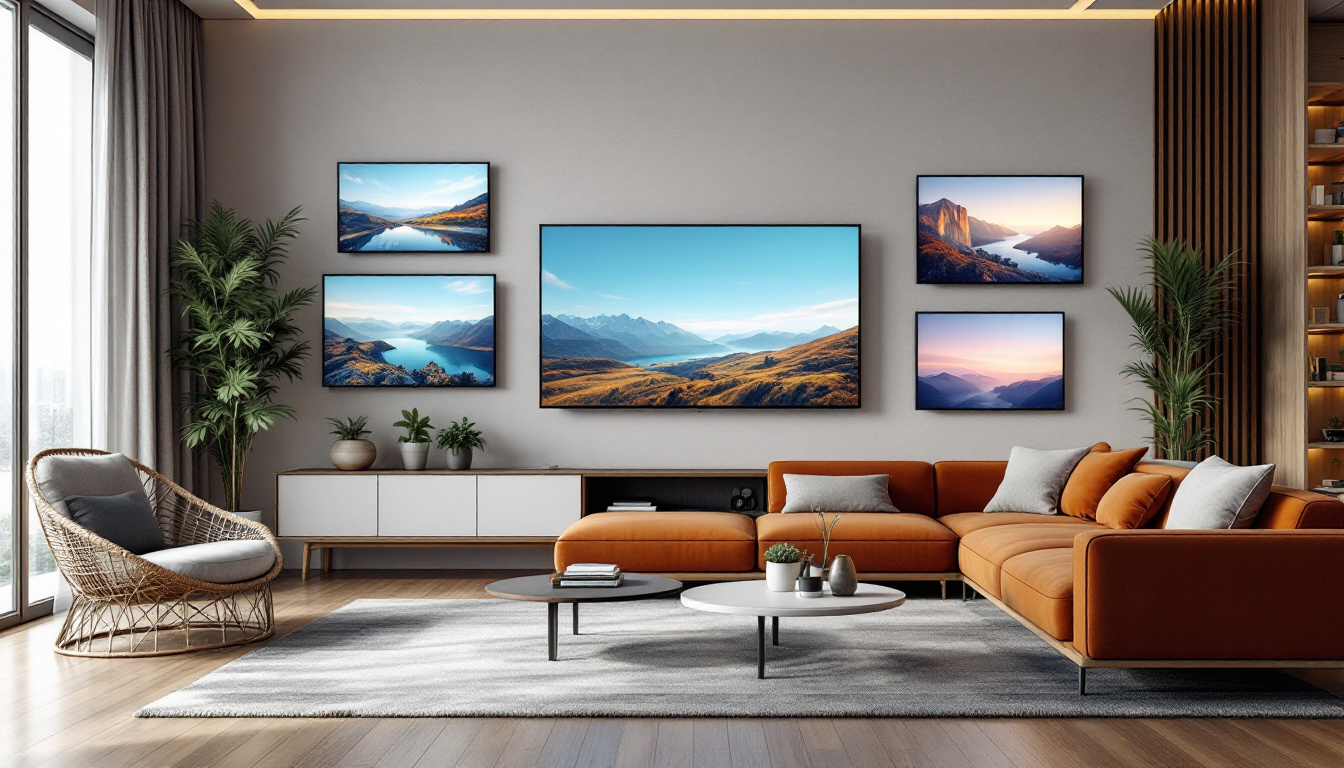
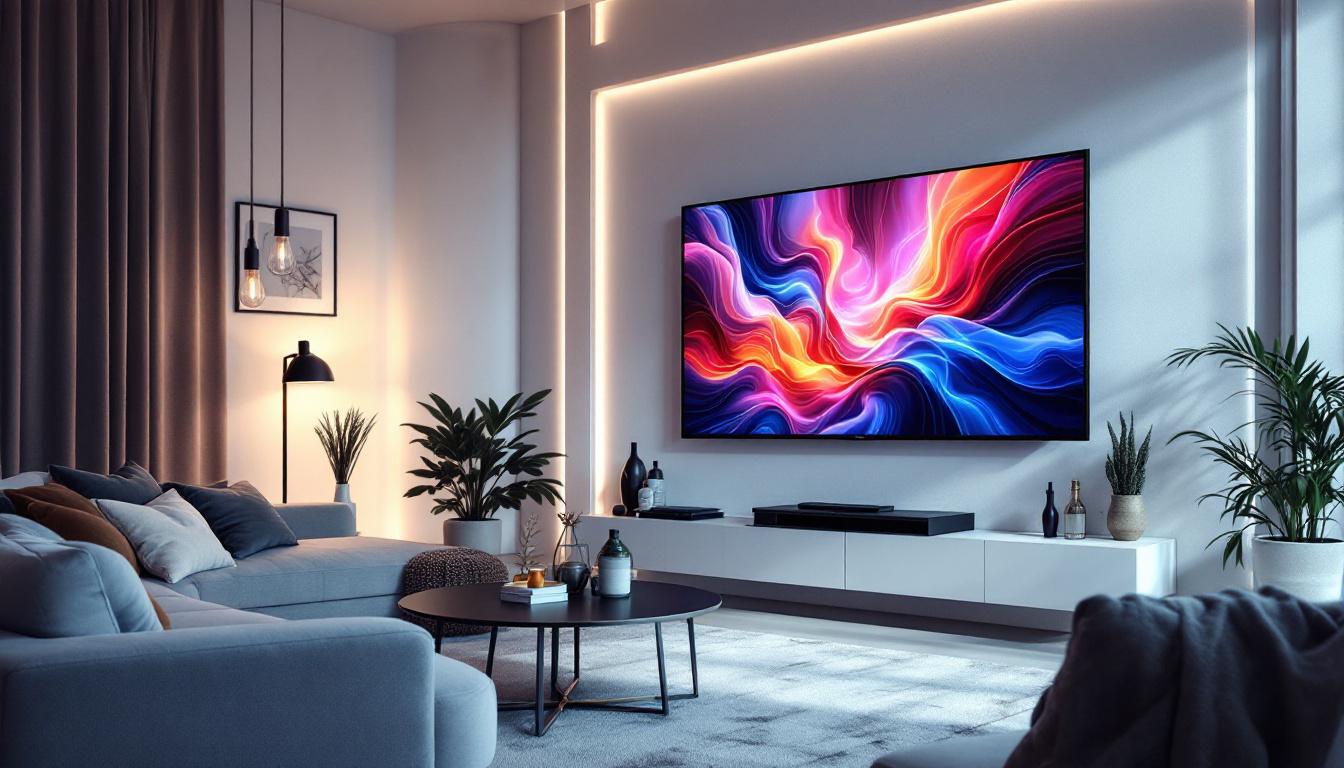
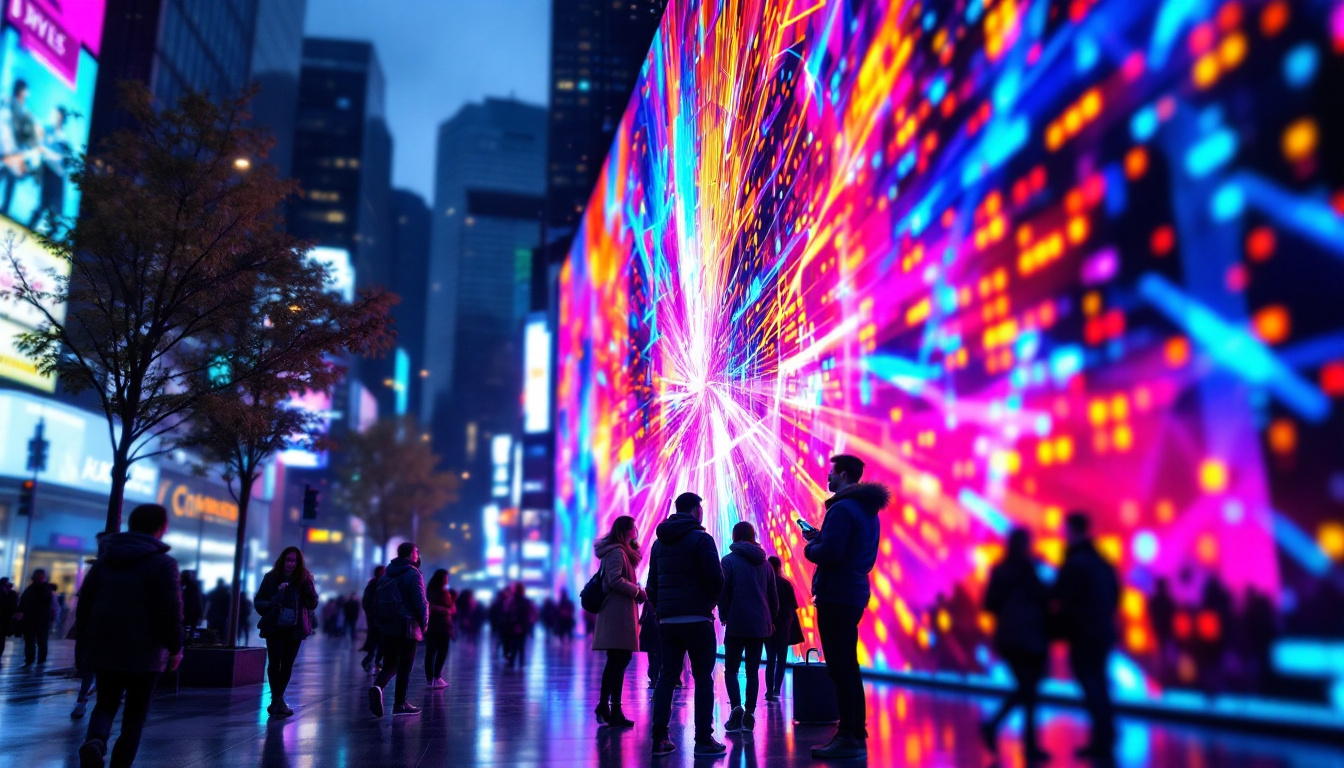
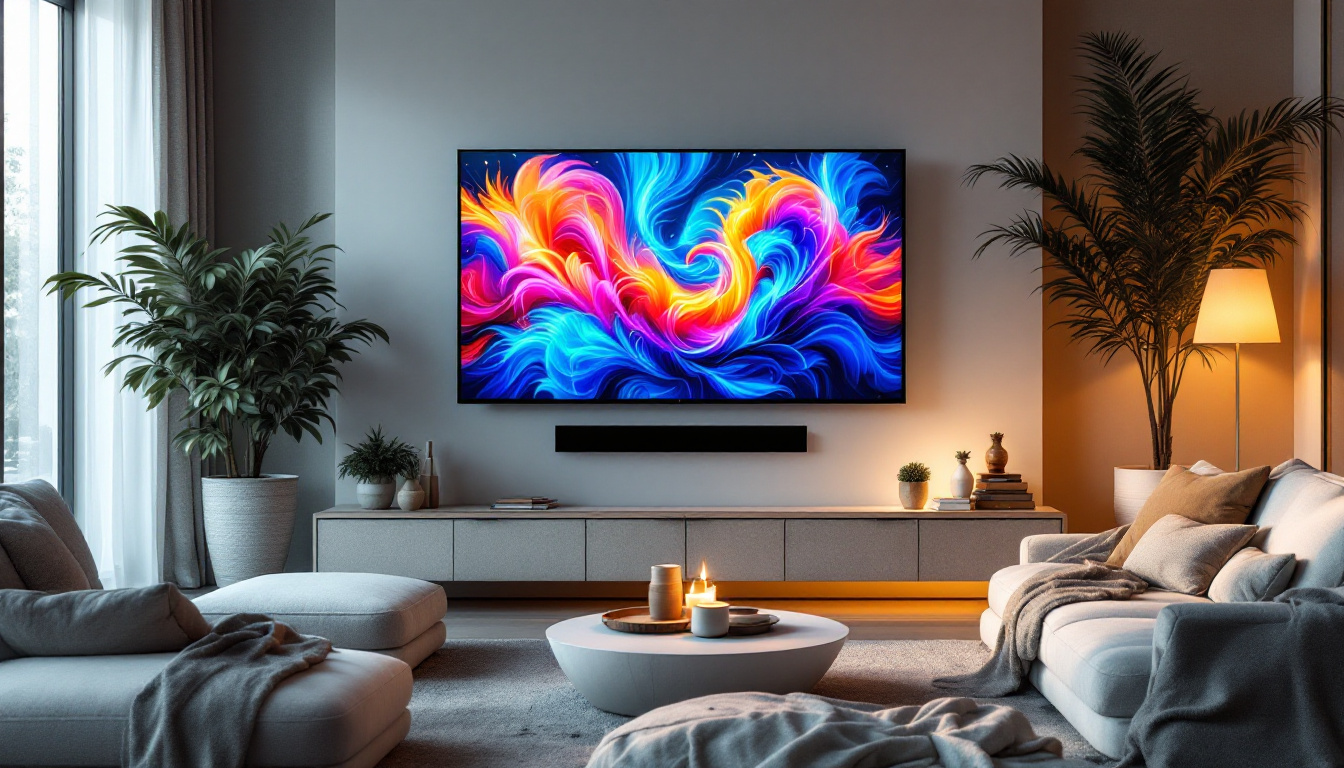
LED displays can range from small indicator lights on electronic devices to massive outdoor screens used for advertising or event broadcasting. Their versatility and scalability make them suitable for nearly any application requiring visual communication. From vibrant billboards in bustling city centers to sleek screens in modern conference rooms, LED technology has transformed the way we interact with visual media.
Moreover, the advancements in LED technology have led to innovations such as organic LEDs (OLEDs) and microLEDs, which offer even greater color accuracy and flexibility in design. These newer variations allow for thinner displays and can be integrated into a variety of surfaces, paving the way for creative applications in architecture and interior design.
The Science Behind LEDs
At the core of LED technology is the semiconductor diode. When electrical current flows through the diode, electrons recombine with holes within the device, releasing energy in the form of photons — this process is called electroluminescence. The color of the light depends on the semiconductor material used, allowing LEDs to emit various colors without the need for filters.
This direct emission of light is what sets LEDs apart from other lighting and display technologies, contributing to their efficiency and longevity. Additionally, the lifespan of an LED can exceed 25,000 hours, significantly outlasting traditional bulbs and displays. This durability not only reduces the frequency of replacements but also minimizes waste, making LEDs an environmentally friendly choice.
Furthermore, the ability to control the brightness and color of each individual diode allows for dynamic displays that can adapt to different environments and applications. This capability is particularly beneficial in settings such as theaters and concerts, where mood lighting and visual effects play a crucial role in enhancing the audience’s experience. As technology continues to evolve, the potential for LED displays in creating immersive environments is virtually limitless.
Types of LED Displays
LED displays come in several forms, each tailored to specific uses and environments. Understanding these types helps clarify why LED technology is so widely adopted.
1. Indoor LED Displays
Indoor LED displays are designed for environments such as conference rooms, retail stores, airports, and stadiums. They typically have a higher pixel density, meaning the LEDs are packed closer together, resulting in sharper images when viewed from shorter distances.
These displays often feature smaller pixel pitches (the distance between individual LEDs), commonly ranging from 0.9mm to 4mm, allowing for high-resolution visuals suitable for close viewing.
2. Outdoor LED Displays
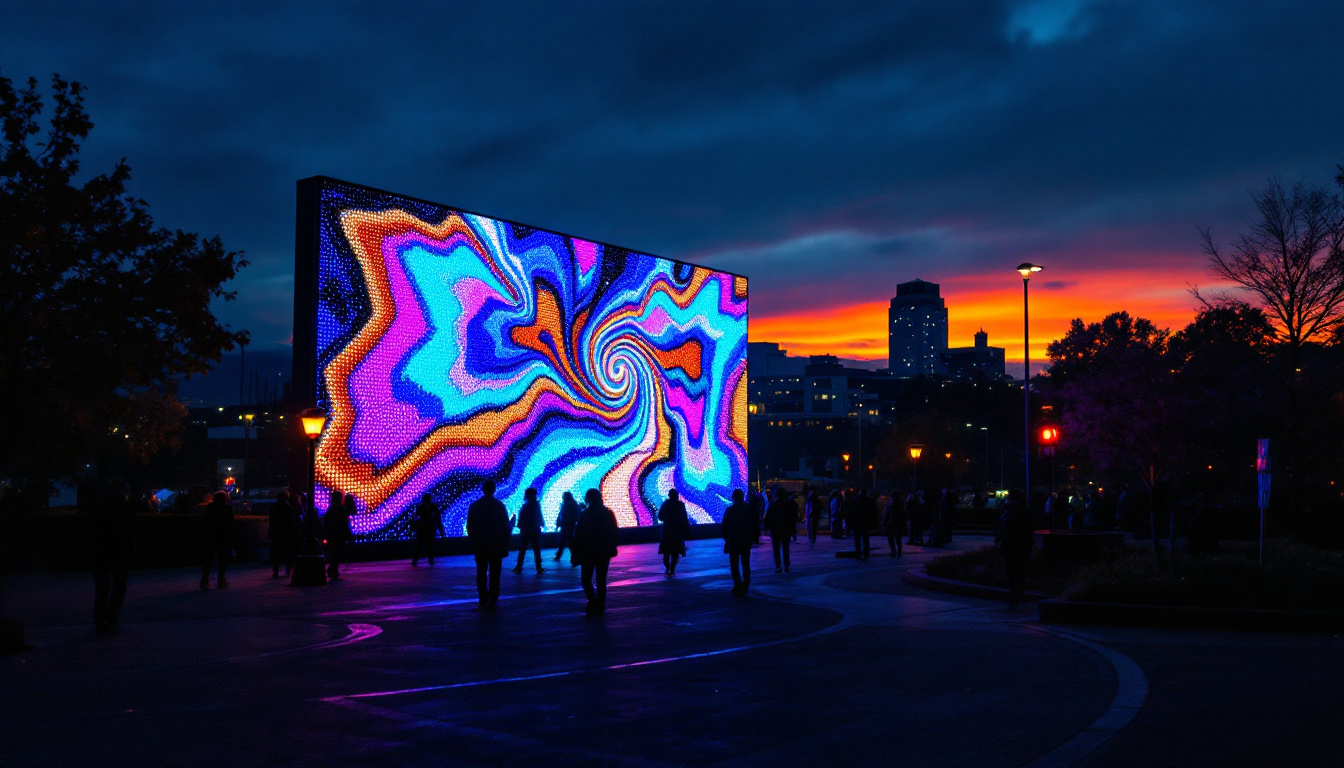
Outdoor LED displays are built to withstand harsh weather conditions, including rain, wind, and direct sunlight. They usually have larger pixel pitches, often between 4mm and 20mm, because they are intended to be viewed from greater distances.
Brightness is a critical factor for outdoor displays, with many capable of reaching 5,000 to 10,000 nits or more, ensuring visibility even in direct sunlight. These displays are common in billboards, sports arenas, and public information boards.
3. Flexible and Transparent LED Displays
Recent advancements have introduced flexible LED panels that can bend or curve, enabling creative applications in architecture and design. Transparent LED displays allow light to pass through them, making them ideal for storefront windows or glass walls where visibility is needed both ways.
These innovative forms expand the potential uses of LED technology beyond traditional flat panels, merging functionality with aesthetic appeal.
Key Components of an LED Display
To appreciate how LED displays function, it’s important to understand their main components.
LED Modules
LED modules are the building blocks of LED displays. Each module contains a matrix of LEDs arranged in rows and columns. These modules are connected to form larger screens of various sizes.
Driver ICs and Control Systems
Driver integrated circuits (ICs) regulate the current flowing to each LED, ensuring consistent brightness and color accuracy. The control system processes input signals (such as video or images) and translates them into commands that determine which LEDs light up and in what color.
Power Supply
LED displays require a stable power supply to operate efficiently. The power system must accommodate the total wattage of the display while protecting against voltage fluctuations to maintain performance and longevity.
Cabinet and Housing
The physical structure that holds the modules, electronics, and power supply is known as the cabinet. For outdoor displays, cabinets are designed to be weatherproof and durable, often featuring cooling systems to prevent overheating.
Advantages of LED Displays
LED displays offer numerous benefits over other display technologies, which explains their widespread adoption across industries.
Superior Brightness and Contrast
Because LEDs emit their own light, LED displays achieve higher brightness levels and better contrast ratios. This makes images more vivid and readable under various lighting conditions, including direct sunlight.
Energy Efficiency
LEDs consume less power compared to traditional lighting and display technologies. For example, LED displays can use up to 50% less energy than LCD screens with fluorescent backlights, making them more cost-effective and environmentally friendly over time.
Long Lifespan and Reliability
LEDs typically have a lifespan exceeding 50,000 hours, significantly longer than many other display technologies. Their solid-state nature also makes them more resistant to shock and vibration, enhancing durability.
Wide Viewing Angles
LED displays maintain color accuracy and brightness across wide viewing angles, ensuring consistent image quality for audiences positioned off-center.
Scalability and Flexibility
LED modules can be combined to create displays of virtually any size and shape, from small digital signage to massive stadium screens. Flexible LED panels further expand design possibilities.
Applications of LED Displays
The versatility of LED displays has led to their integration into a broad spectrum of industries and use cases.
Advertising and Marketing
Outdoor LED billboards are a staple of urban advertising, capable of displaying dynamic content that captures attention more effectively than static signs. Indoor LED displays are also used in retail environments to promote products and enhance customer engagement.
Sports and Entertainment
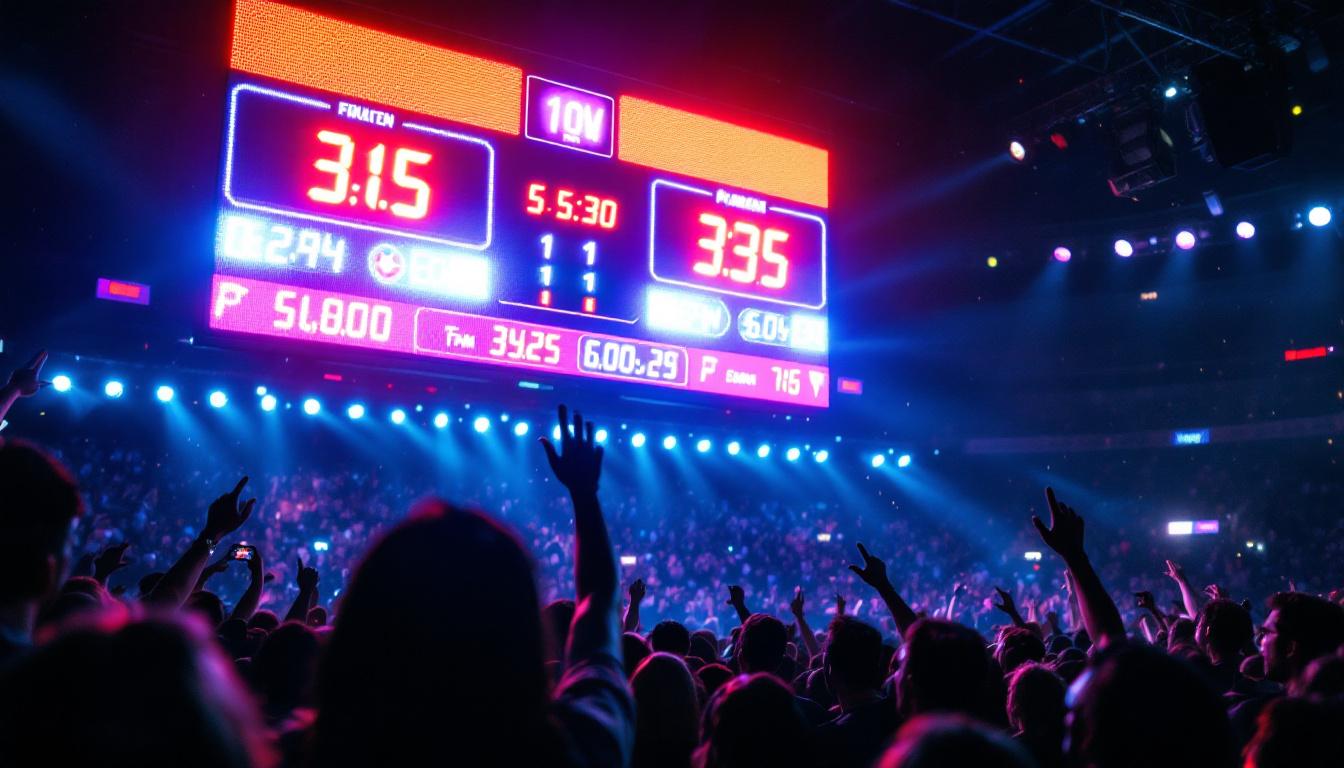
Stadiums and arenas use large LED screens to broadcast live action, replays, and advertisements. Concerts and events employ LED walls and stages to create immersive visual experiences.
Transportation and Public Information
LED displays provide real-time information in airports, train stations, and bus terminals, helping passengers navigate schedules and alerts efficiently.
Corporate and Educational Settings
Businesses use LED displays for presentations, video conferencing, and digital signage, while educational institutions leverage them for interactive learning and campus communication.
Healthcare
In hospitals, LED displays assist in patient monitoring, wayfinding, and information dissemination, contributing to improved operational efficiency and patient experience.
Choosing the Right LED Display
Selecting an LED display requires careful consideration of several factors to ensure it meets the intended purpose.
Pixel Pitch and Resolution
The pixel pitch determines the display’s resolution and optimal viewing distance. Smaller pixel pitches deliver higher resolution but come at a higher cost. For example, a pixel pitch of 1.5mm is ideal for close-up viewing in indoor environments, while 10mm or more is suitable for large outdoor billboards viewed from afar.
Brightness Requirements
Brightness needs vary depending on ambient lighting. Outdoor displays require much higher brightness levels (often above 5,000 nits) to remain visible in daylight, whereas indoor displays can operate effectively at lower brightness.
Environmental Durability
Outdoor installations must be weatherproof and resistant to dust, moisture, and temperature extremes. Look for displays with appropriate IP (Ingress Protection) ratings, such as IP65 or higher.
Content Management and Connectivity
Modern LED displays often include advanced control systems that support remote content management, real-time updates, and integration with various media sources. Compatibility with existing infrastructure and ease of use are important considerations.
Future Trends in LED Display Technology
The LED display industry continues to evolve rapidly, driven by technological innovation and changing market demands.
Mini-LED and Micro-LED Technologies
Mini-LED and Micro-LED represent the next generation of LED displays, featuring even smaller diodes that enable ultra-high resolution and improved contrast. Micro-LED displays, in particular, promise the benefits of OLEDs (Organic Light Emitting Diodes) such as perfect blacks and wide color gamut, combined with the longevity and brightness of traditional LEDs.
Integration with AI and IoT
Artificial intelligence and the Internet of Things are being integrated into LED display systems for smarter content delivery, audience analytics, and automated adjustments based on environmental conditions or viewer behavior.
Flexible and Transparent Displays Expansion
As manufacturing processes improve, flexible and transparent LED displays are becoming more affordable and widespread, opening up new possibilities in retail, automotive, architecture, and wearable technology.
Sustainability and Energy Efficiency
Environmental concerns are pushing manufacturers to develop LED displays with lower power consumption, recyclable materials, and reduced carbon footprints, aligning with global sustainability goals.
Conclusion
LED displays have revolutionized the way visual information is communicated across various sectors. Their brightness, energy efficiency, durability, and flexibility make them an indispensable technology in today’s digital landscape. Whether used for advertising, entertainment, public information, or corporate communications, LED displays deliver compelling visual experiences that engage audiences effectively.
As technology advances, LED displays will continue to evolve, offering higher resolutions, smarter functionalities, and innovative form factors. Understanding the fundamentals of LED displays is essential for businesses and organizations looking to leverage this powerful medium to enhance their messaging and connect with audiences in meaningful ways.
Illuminate Your Space with LumenMatrix
Ready to elevate your visual communication with unparalleled clarity and vibrancy? Discover LumenMatrix’s innovative LED display solutions, where cutting-edge technology meets creative design. From captivating Indoor LED Wall Displays to robust Outdoor LED Wall Displays, and from dynamic Vehicle LED Displays to sleek LED Poster Displays, LumenMatrix offers a comprehensive range of products tailored to your unique needs. Embrace the future of digital signage with our LED Sports Displays, interactive Floor LED Displays, and the stunning transparency of LED Transparent Displays. Don’t just share your message—make it resonate with impact. Check out LumenMatrix LED Display Solutions and transform your space today.