In today’s digital age, privacy is more important than ever, especially when it comes to the information displayed on your computer screen. Whether you’re working in a busy office, a coffee shop, or a public space, the risk of sensitive data being viewed by unintended eyes is a genuine concern. Desktop privacy screens have become an essential accessory for many professionals, helping to protect confidential information from prying eyes. This article explores how privacy screens work, with a particular focus on LED displays, their benefits, and considerations for choosing the right screen for your needs.
Understanding Desktop Privacy Screens
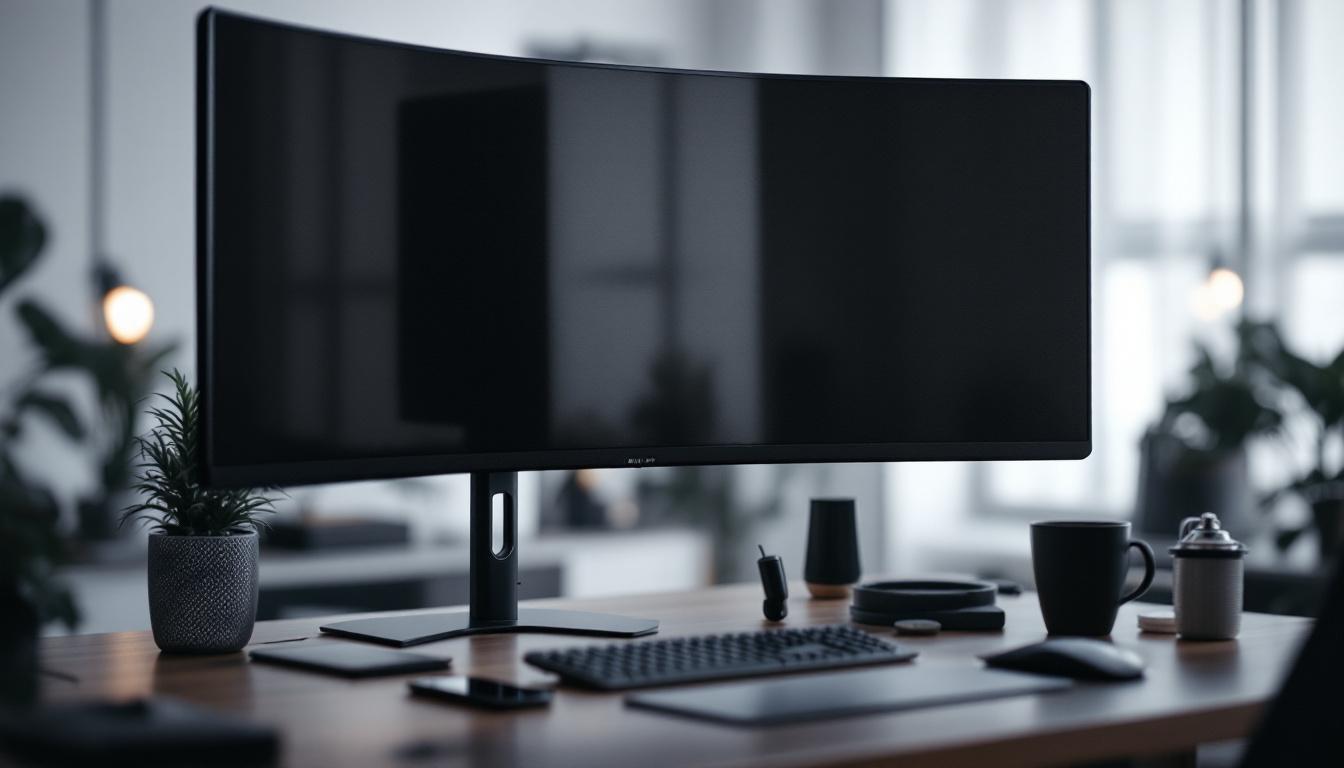
Desktop privacy screens are physical filters that attach to your monitor to limit the viewing angle of the display. Their primary function is to prevent people sitting beside or behind you from seeing what’s on your screen, while allowing you to view it clearly from directly in front. This simple yet effective technology is widely used in industries where confidentiality is critical, such as finance, healthcare, legal, and government sectors. In a world where remote work and open office layouts are becoming increasingly common, the need for such protective measures has never been more pronounced. Employees often find themselves in shared spaces, where the risk of prying eyes can lead to unintentional data exposure.
According to a 2023 survey by Cybersecurity Ventures, over 60% of data breaches in corporate environments are linked to human error or negligence, including accidental exposure of sensitive information. Privacy screens help mitigate this risk by adding a layer of protection against visual hacking, a form of data breach where unauthorized individuals glean information by looking at a screen. The stakes are particularly high in sectors like healthcare, where patient confidentiality is paramount, and in finance, where proprietary information can have significant monetary implications. As such, investing in privacy screens is not just a matter of convenience; it is a crucial step in safeguarding sensitive data.
How Privacy Screens Work
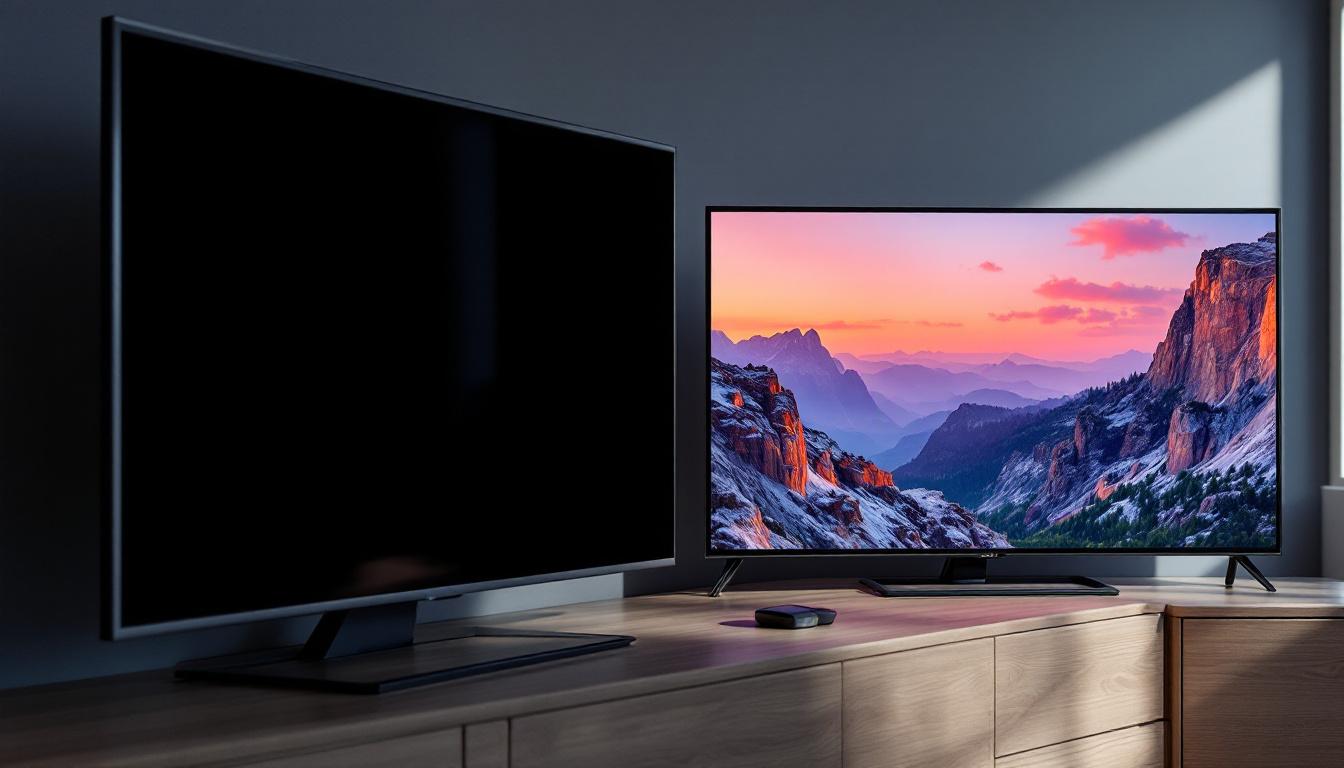
Privacy screens employ micro-louver technology, which consists of tiny vertical blinds embedded within the filter. These micro-louvers restrict the viewing angle to approximately 30 to 60 degrees, depending on the model. When you look at the screen straight on, the display appears normal and clear. However, when viewed from an angle, the screen darkens or becomes completely black, effectively blocking the view. This technology is particularly beneficial in crowded environments like cafes or airports, where individuals often find themselves working in close proximity to strangers. The peace of mind that comes from knowing your screen is shielded from prying eyes allows for greater focus and productivity.
This mechanism is passive and does not require any power source, making privacy screens a low-maintenance and energy-efficient solution. They are available in various forms, including adhesive films, magnetic attachments, and clip-on frames, to suit different monitor types and user preferences. Some models even offer additional features such as anti-glare properties or blue light filtering, catering to users who are concerned about eye strain during long hours of computer use. Furthermore, many manufacturers are now producing privacy screens that are easy to install and remove, allowing users to switch between privacy and standard viewing modes as needed.
Privacy Screens vs. Screen Filters
It’s important to distinguish privacy screens from other types of screen filters, such as anti-glare or blue light filters. While anti-glare filters reduce reflections and improve visibility in bright environments, and blue light filters help reduce eye strain, privacy screens specifically focus on controlling the viewing angle to protect sensitive information. Some privacy screens combine these features, offering eye comfort and privacy in one product. This multifunctionality is becoming increasingly desirable as more people recognize the importance of both visual comfort and data security in their daily computing activities. As technology continues to evolve, we can expect to see even more innovative solutions that cater to the diverse needs of users, ensuring that privacy and comfort go hand in hand.
LED Displays and Privacy Screens: What You Need to Know
LED (Light Emitting Diode) displays have become the standard for desktop monitors due to their energy efficiency, brightness, and color accuracy. Understanding how privacy screens interact with LED displays is crucial for ensuring optimal performance and user experience.
Why LED Displays Are Popular
LED technology offers several advantages over older LCD (Liquid Crystal Display) screens that use CCFL (Cold Cathode Fluorescent Lamp) backlighting. LED displays provide better brightness, sharper contrast ratios, and more vibrant colors, which are essential for tasks requiring precise image quality, such as graphic design, video editing, and data analysis.
Additionally, LED monitors consume less power and have a longer lifespan, making them a sustainable choice for both businesses and individual users. According to a 2024 report by DisplaySearch, LED monitors now account for over 85% of the global desktop display market, reflecting their widespread adoption.
Compatibility of Privacy Screens with LED Displays
When selecting a privacy screen for an LED monitor, compatibility is a key consideration. Privacy screens designed for LED displays are optimized to maintain the screen’s brightness and color accuracy while providing effective privacy protection. Some older privacy screens, originally designed for CCFL-backlit LCDs, can cause dimming or color distortion when used with LED displays.
Modern privacy screens for LED monitors use advanced micro-louver technology and anti-reflective coatings to minimize these issues. High-quality privacy screens ensure that the display remains bright and clear to the user, without compromising the privacy function.
Impact on Screen Brightness and Color Accuracy
One common concern with privacy screens is the potential reduction in screen brightness and alteration of color accuracy. Because privacy screens filter light to restrict viewing angles, they inherently reduce the amount of light reaching the user’s eyes. This can result in a dimmer display, which may require adjusting the monitor’s brightness settings.
Color accuracy can also be affected, especially for professionals in creative fields where precise color representation is critical. Premium privacy screens are designed to minimize color shifts by using coatings that preserve color fidelity. Users should look for privacy screens that specify minimal impact on color accuracy or are certified for professional use.
Benefits of Using Privacy Screens on LED Monitors
Integrating a privacy screen with an LED monitor offers multiple benefits beyond just protecting sensitive information. These advantages make privacy screens a valuable investment for both individuals and organizations.
Enhanced Data Security
Visual hacking is a real threat in many environments. According to a 2022 study by the Ponemon Institute, 43% of data breaches involved unauthorized viewing of information on computer screens. Privacy screens significantly reduce this risk by limiting the viewing angle, thereby safeguarding confidential data such as financial records, personal information, and proprietary business content.
Improved Productivity and Focus
Privacy screens can help users maintain focus by reducing distractions caused by people glancing at their screens. In open-plan offices or co-working spaces, this added privacy encourages concentration and reduces the likelihood of accidental data exposure. Employees feel more secure, which can translate into higher productivity and confidence in handling sensitive tasks.
Eye Comfort and Reduced Glare
Many privacy screens come with anti-glare coatings that reduce reflections from ambient light sources. This feature is particularly beneficial for LED displays, which can sometimes produce glare in brightly lit environments. By minimizing glare, privacy screens help reduce eye strain and fatigue, contributing to better overall comfort during long working hours.
Choosing the Right Privacy Screen for Your LED Monitor
Selecting the appropriate privacy screen involves considering several factors to ensure it meets your specific needs without compromising display quality or usability.
Screen Size and Aspect Ratio
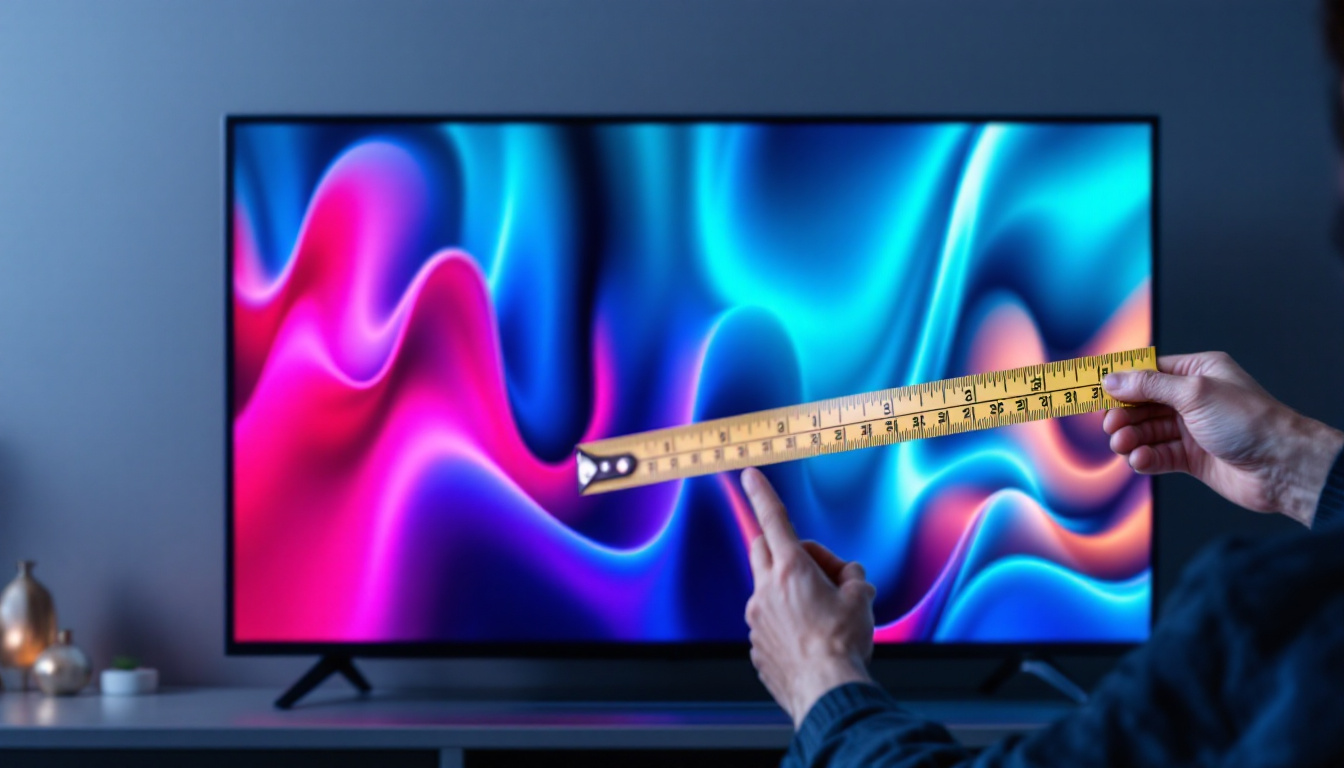
Privacy screens are designed to fit specific screen sizes and aspect ratios. It’s essential to choose a screen that matches your monitor’s dimensions to avoid issues such as poor fit, reduced effectiveness, or damage to the monitor. Most manufacturers provide detailed sizing guides and compatibility charts to help users select the correct model.
Attachment Method
Privacy screens come with various attachment options:
- Adhesive Filters: These stick directly to the screen and offer a permanent solution. They are less flexible but provide a seamless look.
- Magnetic Attachments: These are easy to install and remove, ideal for users who switch between privacy and non-privacy modes frequently.
- Clip-On Frames: These physically clip onto the monitor’s edges and can be removed or repositioned as needed.
Choosing the right attachment depends on your usage patterns and whether you need a temporary or permanent privacy solution.
Viewing Angle and Privacy Level
Privacy screens offer different levels of privacy based on the viewing angle they restrict. Narrower viewing angles provide stronger privacy but may make the screen appear darker or more restrictive to the user. Wider viewing angles offer a balance between privacy and visibility. Assess your environment and privacy needs to determine the appropriate level.
Additional Features
Some privacy screens include extra features such as:
- Blue Light Filtering: Reduces harmful blue light emissions to protect eye health.
- Anti-Glare Coatings: Enhances screen visibility in bright environments.
- Fingerprint Resistance: Keeps the screen cleaner and easier to maintain.
These features can enhance the overall user experience, especially for those who spend extended periods in front of their monitors.
Installation and Maintenance Tips
Proper installation and care are essential to maximize the effectiveness and lifespan of your privacy screen.
Installation Best Practices
Before applying an adhesive privacy screen, clean the monitor surface thoroughly to remove dust and fingerprints. Follow the manufacturer’s instructions carefully to avoid bubbles or misalignment. For magnetic or clip-on screens, ensure the attachment is secure but not overly tight to prevent damage to the monitor frame.
Cleaning and Care
Use a soft, lint-free cloth and a mild cleaning solution to clean the privacy screen. Avoid abrasive materials or harsh chemicals that can scratch or damage the micro-louver surface. Regular cleaning maintains clarity and ensures the privacy screen functions optimally.
Conclusion: Is a Privacy Screen Right for Your LED Monitor?
Desktop privacy screens are a practical and effective solution for protecting sensitive information displayed on LED monitors. By limiting viewing angles, they help prevent visual hacking, enhance data security, and improve user focus in shared or public workspaces. When selecting a privacy screen, consider factors such as compatibility with your LED display, attachment type, viewing angle, and additional features like blue light filtering and anti-glare coatings.
As remote work and open office environments continue to grow, the demand for privacy solutions will only increase. Investing in a high-quality privacy screen tailored for LED monitors can safeguard your data and provide peace of mind, making it a worthwhile addition to your desktop setup.
Discover LumenMatrix’s Advanced LED Display Solutions
As you consider enhancing your data security and focus with a desktop privacy screen, don’t forget the importance of a high-quality display. LumenMatrix, a leader in LED display technology, offers an array of innovative solutions that complement any privacy screen you choose. From captivating Indoor LED Wall Displays to dynamic Outdoor LED Wall Displays and beyond, LumenMatrix is committed to transforming your visual communication and engagement. Check out LumenMatrix LED Display Solutions today to elevate your brand visibility and create unforgettable visual experiences.