In today’s fast-paced air travel environment, timely and accurate flight information is critical for both passengers and airport staff. Flight Information Displays (FIDs) serve as the backbone of communication within airports, ensuring that travelers are informed about arrivals, departures, delays, gate changes, and other essential details. Among the various technologies used for these displays, LED (Light Emitting Diode) technology has emerged as a leading choice due to its clarity, durability, and energy efficiency.
This article explores the role of LED displays in flight information systems, examining their technology, advantages, and impact on airport operations. Whether you are an aviation professional, a technology enthusiast, or a frequent traveler, understanding how LED displays work and why they are preferred can provide valuable insight into the modern airport experience.
Understanding Flight Information Displays (FIDs)
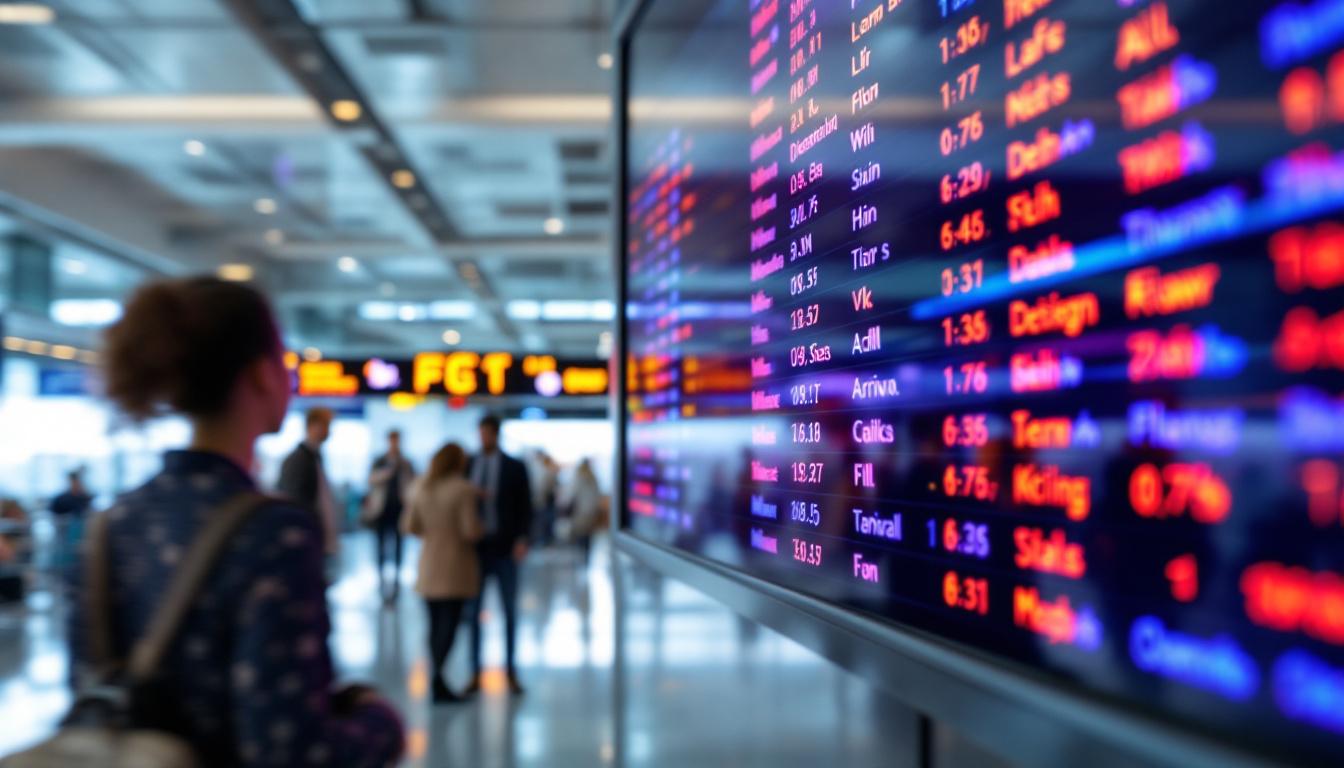
Flight Information Displays are electronic boards or screens installed throughout airports to provide real-time updates about flights. These displays are typically positioned in check-in areas, boarding gates, lounges, and baggage claim zones to ensure passengers have easy access to flight status information.
The primary function of FIDs is to present accurate and timely data such as flight numbers, destinations, scheduled and actual departure or arrival times, gate assignments, and delay notifications. The effectiveness of these displays directly influences passenger satisfaction, operational efficiency, and overall airport safety.
Evolution of Flight Information Displays
Historically, flight information was conveyed through manual flip boards or mechanical displays, which required constant human intervention and were prone to errors. The transition to digital displays began in the late 20th century, with LCD (Liquid Crystal Display) and plasma screens gaining popularity.
However, LED technology has increasingly replaced other display types due to its superior brightness, viewing angles, and longevity. Modern airports worldwide, including major hubs like London Heathrow, Dubai International, and Singapore Changi, rely heavily on LED-based FIDs to manage millions of passengers annually.
In addition to displaying flight information, many of today’s FIDs are integrated with advanced software systems that allow for seamless updates from various sources, including air traffic control and airline databases. This integration ensures that passengers receive the most current information, which is crucial during peak travel times or in the event of unexpected delays. Furthermore, some airports have begun to incorporate multilingual support into their FIDs, catering to an increasingly diverse global traveler demographic, thus enhancing the overall passenger experience.
The design of FIDs has also evolved to include user-friendly interfaces that are not only visually appealing but also accessible to individuals with disabilities. Features such as touchscreens, audio announcements, and high-contrast displays help ensure that all passengers can easily navigate the airport environment. As technology continues to advance, we can expect to see even more innovative features in FIDs, such as personalized notifications sent directly to passengers’ smartphones, providing a tailored travel experience that enhances convenience and reduces stress.
How LED Displays Work in Flight Information Systems
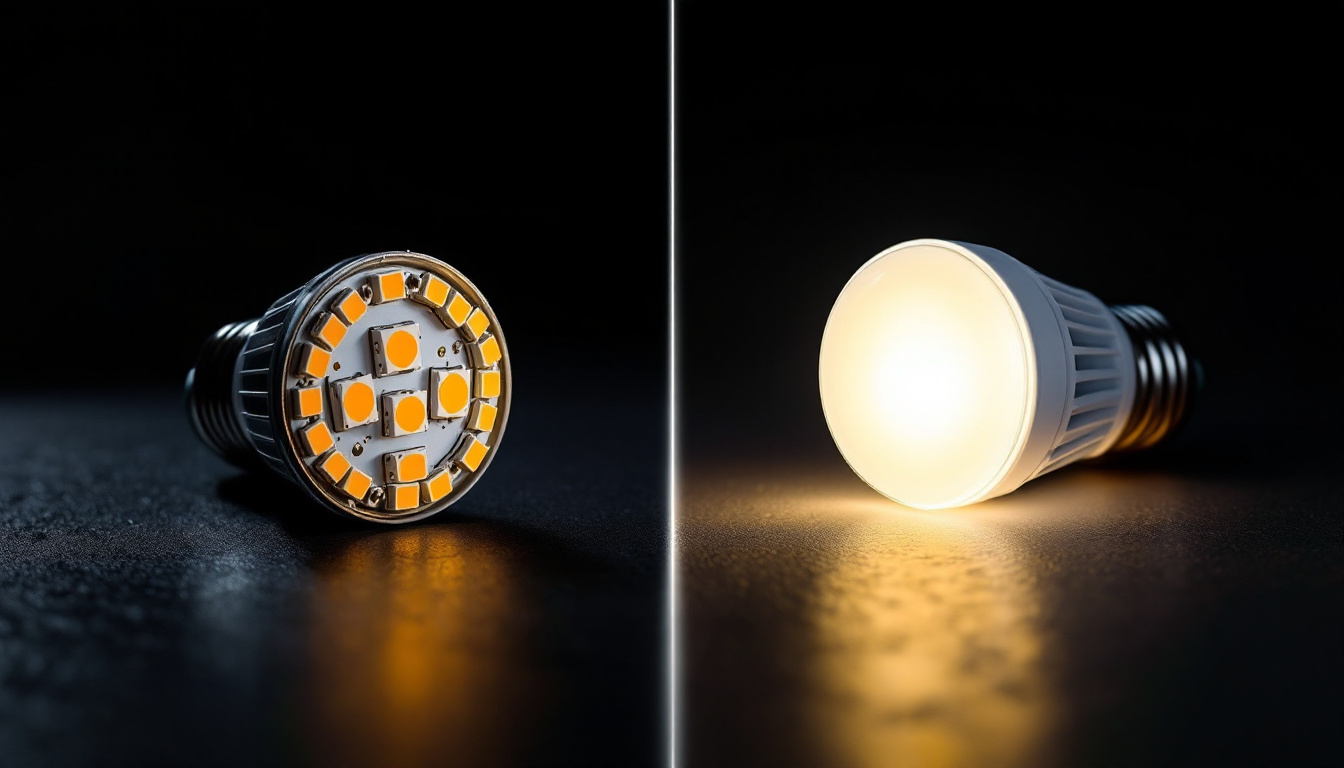
LED displays consist of numerous tiny light-emitting diodes arranged in a matrix to form characters, numbers, and graphics. Each diode emits light when an electric current passes through it, producing vivid and highly visible images even in bright ambient lighting conditions. This technology not only enhances visibility but also improves energy efficiency, making LED displays a sustainable choice for modern airports.
Types of LED Displays Used in Airports
There are several types of LED displays used in flight information systems, including:
- Segment LED Displays: These are simple numeric or alphanumeric displays, often used for smaller screens or single-line information.
- Dot Matrix LED Displays: Composed of a grid of LEDs, these displays can show complex characters and scrolling text, ideal for dynamic flight updates.
- Full-Color LED Displays: Capable of displaying a wide range of colors, these are used for enhanced visual effects and to highlight important information.
Airports typically use large-scale dot matrix or full-color LED displays for main FID boards, ensuring visibility from long distances and across crowded terminals. The choice of display type often depends on the specific needs of the airport, including the volume of passenger traffic and the complexity of information that needs to be conveyed. For instance, full-color displays are particularly effective in drawing attention to critical announcements, such as gate changes or delays, thereby improving passenger experience and operational efficiency.
Integration with Airport Systems
LED flight information displays are integrated with the airport’s central data management systems, which collect and process flight data from airlines, air traffic control, and ground operations. This integration enables real-time updates and synchronization across multiple display units. The seamless flow of information is crucial in maintaining the accuracy of flight schedules and ensuring that passengers receive timely notifications about their flights.
Advanced software platforms allow for automated content management, error checking, and multilingual support, which are essential in international airports serving diverse passenger demographics. These systems can also adapt to changing conditions, such as weather disruptions or emergency situations, allowing for rapid dissemination of information to passengers. Furthermore, the ability to customize displays for different languages and cultural contexts enhances the overall travel experience, making it more accessible and user-friendly for travelers from around the globe.
Advantages of LED Displays for Flight Information
LED technology offers several key benefits that make it the preferred choice for flight information displays in airports around the world.
1. Superior Visibility and Brightness
One of the most significant advantages of LED displays is their exceptional brightness. LEDs can produce intense light output, making flight information clearly visible even in direct sunlight or brightly lit terminals. This is crucial for ensuring passengers can easily read flight details without straining their eyes.
2. Wide Viewing Angles
LED displays maintain image clarity and color consistency across wide viewing angles, allowing passengers to view information from various positions within the terminal. This reduces congestion around display boards and improves the overall passenger flow.
3. Energy Efficiency and Longevity
Compared to traditional lighting and display technologies, LEDs consume significantly less power, reducing operational costs for airports. Additionally, LEDs have a longer lifespan—often exceeding 50,000 hours—minimizing maintenance and replacement expenses.
4. Flexibility and Customization
LED displays can be configured in various sizes and shapes, from small gate monitors to massive video walls. They support dynamic content such as scrolling text, animations, and color coding, which can be used to highlight urgent messages like delays or gate changes effectively.
5. Durability and Reliability
LEDs are solid-state devices, making them resistant to shocks, vibrations, and temperature fluctuations common in busy airport environments. This reliability ensures continuous operation with minimal downtime.
Real-World Applications and Examples
Many leading airports have embraced LED flight information displays, leveraging their benefits to enhance passenger experience and operational efficiency.
Case Study: Singapore Changi Airport
Singapore Changi Airport, consistently ranked among the world’s best, uses high-resolution LED video walls for its FID systems. These displays provide clear, multilingual flight information and are integrated with real-time data feeds to ensure accuracy. The airport’s use of LED technology contributes to its reputation for smooth passenger flow and excellent customer service.
Case Study: Dubai International Airport
Dubai International Airport, one of the busiest hubs globally, employs large LED display boards throughout its terminals. The displays support multiple languages and use color coding to differentiate between arrivals, departures, and transfer flights. This visual clarity helps manage the airport’s high passenger volume efficiently.
Emerging Trends: Interactive and Smart Displays
Beyond static flight information, airports are beginning to implement interactive LED displays that allow passengers to access personalized information, maps, and services. Integration with mobile apps and IoT (Internet of Things) devices is also enhancing the functionality of flight information systems.
Challenges and Considerations
While LED displays offer numerous advantages, airports must address certain challenges to maximize their effectiveness.
Cost and Installation
High-quality LED flight information displays require significant upfront investment and specialized installation. Airports must balance these costs against long-term benefits such as energy savings and reduced maintenance.
Data Accuracy and System Integration
The reliability of flight information depends on seamless integration between LED displays and multiple data sources. Airports must ensure robust IT infrastructure and real-time data synchronization to prevent misinformation and passenger confusion.
Accessibility and Inclusivity
Flight information displays must cater to passengers with disabilities, including those with visual impairments. Incorporating features such as high contrast modes, audio announcements, and tactile interfaces can improve accessibility.
The Future of Flight Information Displays
As air travel continues to evolve, flight information displays will become even more sophisticated, leveraging advances in LED technology and digital communications.
Higher Resolution and Enhanced Visuals
Future LED displays will offer ultra-high-definition visuals, enabling sharper text and more detailed graphics. This will improve readability and allow airports to incorporate richer multimedia content.
Integration with Artificial Intelligence
AI-powered flight information systems could predict delays, optimize gate assignments, and personalize information delivery based on passenger profiles and behavior. LED displays will serve as dynamic interfaces for these intelligent systems.
Sustainability and Green Initiatives
With increasing focus on environmental responsibility, airports will prioritize energy-efficient LED technologies and sustainable materials in their display systems. This aligns with broader efforts to reduce the carbon footprint of air travel.
Conclusion
LED flight information displays are a critical component of modern airport infrastructure, providing clear, reliable, and timely information to millions of travelers worldwide. Their superior visibility, energy efficiency, and adaptability make them indispensable in managing complex airport operations and enhancing passenger experience.
As technology advances, LED displays will continue to evolve, integrating with smart systems and offering richer, more personalized information. For airports aiming to maintain operational excellence and passenger satisfaction, investing in high-quality LED flight information displays is not just a choice—it’s a necessity.
Discover LumenMatrix LED Display Solutions
Ready to elevate your airport’s flight information system to new heights? LumenMatrix is at the forefront of LED display innovation, offering a wide range of solutions that bring clarity, engagement, and efficiency to your operations. From Indoor and Outdoor LED Wall Displays to specialized options like Vehicle, Sports, and Floor LED Displays, our products are designed to meet the diverse needs of modern airports. Experience the future of visual communication with our Custom, All-in-One, and Transparent LED Displays. Check out LumenMatrix LED Display Solutions today and transform your airport’s traveler experience.