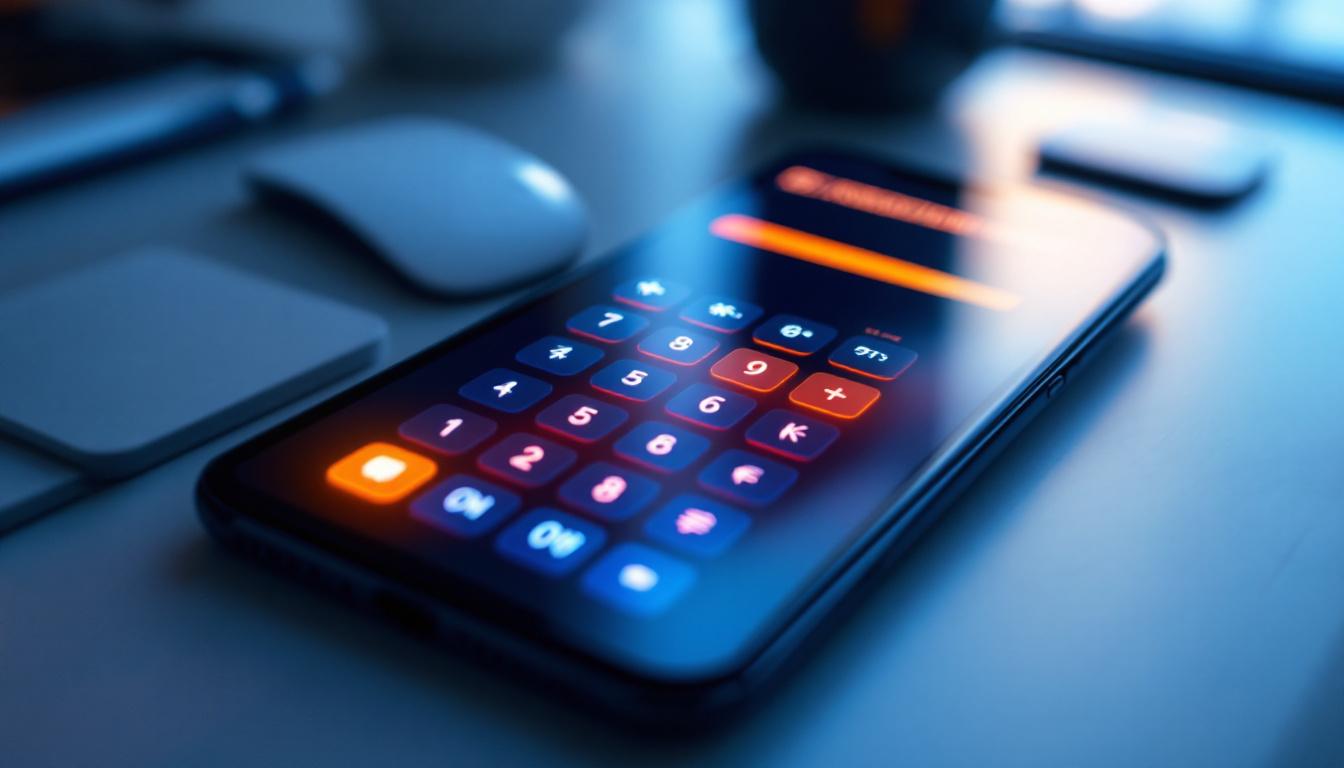
In the world of digital displays, understanding the dimensions and specifications of an LED screen is essential for consumers, designers, and engineers alike. One of the most common measurements used to describe screens is the diagonal size, often expressed in inches. However, the diagonal measurement alone doesn’t tell the whole story about a display’s usability, resolution, or visual quality. This is where tools like diagonal calculator apps come into play, providing clarity and precision when selecting or designing LED displays.
Understanding LED Display Dimensions
LED displays are ubiquitous, found in everything from smartphones and televisions to large-scale advertising billboards. The diagonal measurement is a standard way to describe the size of these screens, but it can be misleading if taken at face value without understanding the underlying principles.
What Does Diagonal Size Mean?
The diagonal size of an LED display is the length of a straight line drawn from one corner of the screen to the opposite corner. This measurement is widely used because it provides a simple, standardized way to compare screen sizes across different devices and formats.
For example, a 55-inch television refers to the diagonal length of the screen, not the width or height. This means the actual width and height will vary depending on the aspect ratio of the display.
Aspect Ratio and Its Impact
The aspect ratio is the proportional relationship between the width and height of a display. Common aspect ratios include 16:9 for HDTVs and 4:3 for older monitors. The aspect ratio directly affects the width and height dimensions for a given diagonal size.
For instance, a 55-inch screen with a 16:9 aspect ratio will have a width of approximately 47.9 inches and a height of 27 inches. In contrast, a 55-inch screen with a 4:3 aspect ratio will be narrower and taller. Understanding this relationship is crucial when planning for installation space or designing content that fits perfectly on the screen.
Moreover, the aspect ratio also influences the viewing experience. A wider aspect ratio, such as 21:9, is often favored for cinematic presentations, providing a more immersive experience by filling the viewer’s peripheral vision. This is particularly important in environments like home theaters or gaming setups, where the goal is to create a captivating atmosphere. Conversely, a standard 4:3 ratio might be more suitable for presentations or educational content, where vertical space can be utilized effectively for text and images.
Additionally, as technology evolves, new aspect ratios are emerging to cater to various applications. For example, ultra-wide monitors are gaining popularity in professional settings, allowing for multitasking by providing ample horizontal space for multiple windows. Understanding these nuances helps consumers make informed decisions about which display best fits their needs, whether for entertainment, work, or advertising purposes.
The Role of a Diagonal Calculator App in LED Displays
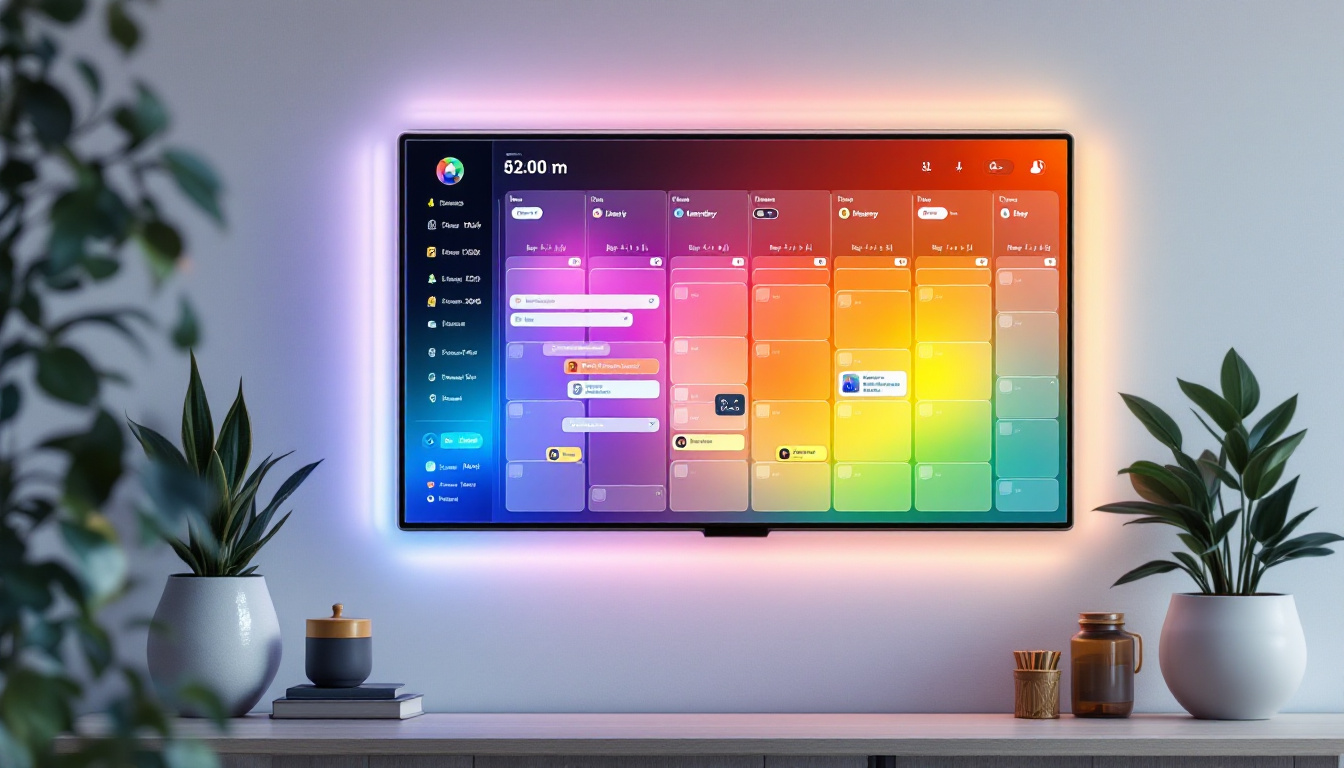
Given the complexity of converting diagonal measurements into practical width and height dimensions, diagonal calculator apps have become invaluable tools. These apps help users quickly and accurately determine the physical dimensions of an LED display based on its diagonal size and aspect ratio. With the rapid advancement of display technology, understanding these dimensions is crucial for ensuring that installations meet both aesthetic and functional requirements.
How Diagonal Calculator Apps Work
Most diagonal calculator apps require two inputs: the diagonal size (usually in inches or centimeters) and the aspect ratio. Using the Pythagorean theorem, the app calculates the width and height of the screen. The formula used is:
Width = Diagonal / √(1 + (Height/Width)²
Height = Width × (Height/Width)
By inputting the aspect ratio as a ratio of height to width, the app solves for the exact width and height dimensions. This mathematical approach not only ensures accuracy but also allows for a deeper understanding of how different aspect ratios affect the overall display experience, particularly in environments where space is limited or specific visual effects are desired.
Benefits of Using a Diagonal Calculator App
These apps provide several advantages:
- Precision: They eliminate guesswork, providing exact measurements for installation or design purposes.
- Convenience: Quick calculations save time for professionals and consumers alike.
- Customization: Users can input custom aspect ratios for non-standard displays.
- Compatibility Checks: Helps verify if a display fits within a designated physical space.
In addition to these benefits, diagonal calculator apps also cater to a variety of user needs, from home theater enthusiasts seeking the perfect screen size for their living room to professionals in the advertising industry who require precise dimensions for large-scale LED billboards. The ability to experiment with different aspect ratios and diagonal sizes allows users to visualize how their chosen display will fit into their specific context, enhancing both the planning and decision-making processes. Furthermore, many of these apps come equipped with additional features, such as integration with augmented reality tools, enabling users to project virtual displays into their real-world environments for a more immersive experience.
Exploring LED Display Technology
To fully appreciate the importance of accurate diagonal measurements, it’s helpful to understand the technology behind LED displays. This knowledge aids in making informed decisions when selecting or designing displays.
What is an LED Display?
LED stands for Light Emitting Diode. LED displays use an array of these tiny diodes to create images and videos by emitting light in various colors and intensities. They are known for their brightness, energy efficiency, and longevity compared to older display technologies like LCD or plasma.
Types of LED Displays
LED displays come in several varieties, each suited for different applications:
- Direct View LED (DVLED): These displays use individual LEDs as pixels, often seen in large outdoor screens and stadium displays.
- LED-backlit LCD: Common in consumer electronics, these displays use LEDs to backlight an LCD panel, improving brightness and contrast.
- MicroLED: An emerging technology featuring microscopic LEDs that offer exceptional brightness and color accuracy.
Each type has unique characteristics that influence size, resolution, and visual performance.
Why Accurate Diagonal Measurement Matters in LED Displays
Choosing the right LED display size is more than just picking a number off a spec sheet. Accurate diagonal measurements, combined with understanding aspect ratios and pixel density, are critical for several reasons.
Optimal Viewing Experience
The size of the display directly impacts the viewing distance and experience. For example, a 55-inch television is ideal for a living room setting where viewers sit several feet away. In contrast, a 32-inch display might be better suited for a desktop or smaller room.
Using a diagonal calculator app ensures that the physical dimensions match the intended viewing environment, preventing discomfort or suboptimal image quality.
Installation and Space Planning
For commercial applications, such as digital signage or video walls, knowing the exact width and height of each LED panel is essential. It ensures that the display fits within architectural constraints and aligns properly with other components.
Misjudging size can lead to costly rework or an unsatisfactory installation. A diagonal calculator app helps avoid these issues by providing precise dimensional data upfront.
Content Design and Resolution Matching
Content creators must tailor their designs to the exact dimensions and resolution of the LED display. Knowing the width and height in physical units helps in creating graphics and videos that scale correctly without distortion.
Moreover, understanding pixel pitch (the distance between LEDs) in relation to screen size affects image clarity and sharpness, which is crucial for high-quality displays.
Practical Applications of Diagonal Calculator Apps in Industry
Diagonal calculator apps are widely used across various sectors where LED displays play a pivotal role. Their utility extends beyond simple consumer use into professional domains.
Broadcast and Media Production
Studios and production houses rely on accurate screen dimensions to set up monitors and video walls that meet broadcast standards. Diagonal calculator apps assist in selecting displays that fit studio layouts and camera framing requirements.
Retail and Advertising
In retail environments, LED displays are used for dynamic advertising and information dissemination. Precise sizing ensures that displays are visible and impactful without overwhelming the space.
For example, a large LED billboard in a shopping mall must be carefully sized to attract attention while fitting within architectural limits. A diagonal calculator app aids in this planning phase.
Event Management and Entertainment
Concerts, conferences, and other live events often use LED screens for stage backdrops and audience engagement. Event planners use diagonal calculator apps to design setups that maximize visibility and aesthetic appeal.
Choosing the Right Diagonal Calculator App
With numerous diagonal calculator apps available, selecting the right one depends on user needs and features offered.
Key Features to Look For
- Aspect Ratio Flexibility: Ability to input common and custom aspect ratios.
- Unit Conversion: Support for inches, centimeters, and millimeters.
- User Interface: Intuitive design for quick calculations.
- Additional Tools: Some apps include pixel density calculators or viewing distance recommendations.
Popular Diagonal Calculator Apps
Several apps have gained popularity for their reliability and ease of use. Examples include:
- Screen Size Calculator: Offers quick conversions and aspect ratio inputs.
- Display Size Calculator by TechTools: Includes pixel density and resolution calculators.
- Custom LED Display Calculator: Designed for professional LED display planning with advanced features.
Conclusion
Understanding the dimensions of an LED display is fundamental to ensuring optimal performance, installation, and user experience. The diagonal measurement, while a standard descriptor, requires context through aspect ratios and physical dimensions to be truly meaningful.
Diagonal calculator apps bridge this gap by providing precise, user-friendly tools that translate diagonal sizes into actionable data. Whether for consumer electronics, commercial signage, or event production, these apps empower users to make informed decisions and achieve the best results from their LED displays.
As LED technology continues to evolve with innovations like MicroLED and flexible displays, the importance of accurate measurement and planning tools will only grow. Leveraging diagonal calculator apps today prepares professionals and consumers alike for the display technologies of tomorrow.
Discover LumenMatrix’s Advanced LED Display Solutions
Ready to experience the future of visual communication? LumenMatrix is at the forefront of LED display innovation, offering an extensive range of products designed to bring your brand to life. From vibrant Indoor and Outdoor LED Wall Displays to dynamic Vehicle and Sports LED Displays, our solutions are tailored to meet your unique needs. Explore our LED Poster Displays, interactive Floor LED Displays, and the sleek All-in-One LED Display options. For a truly unique visual impact, consider our Custom LED Displays or LED Transparent Displays. Elevate your visual presence and captivate your audience with LumenMatrix’s cutting-edge technology. Check out LumenMatrix LED Display Solutions and transform your space into a mesmerizing visual experience.