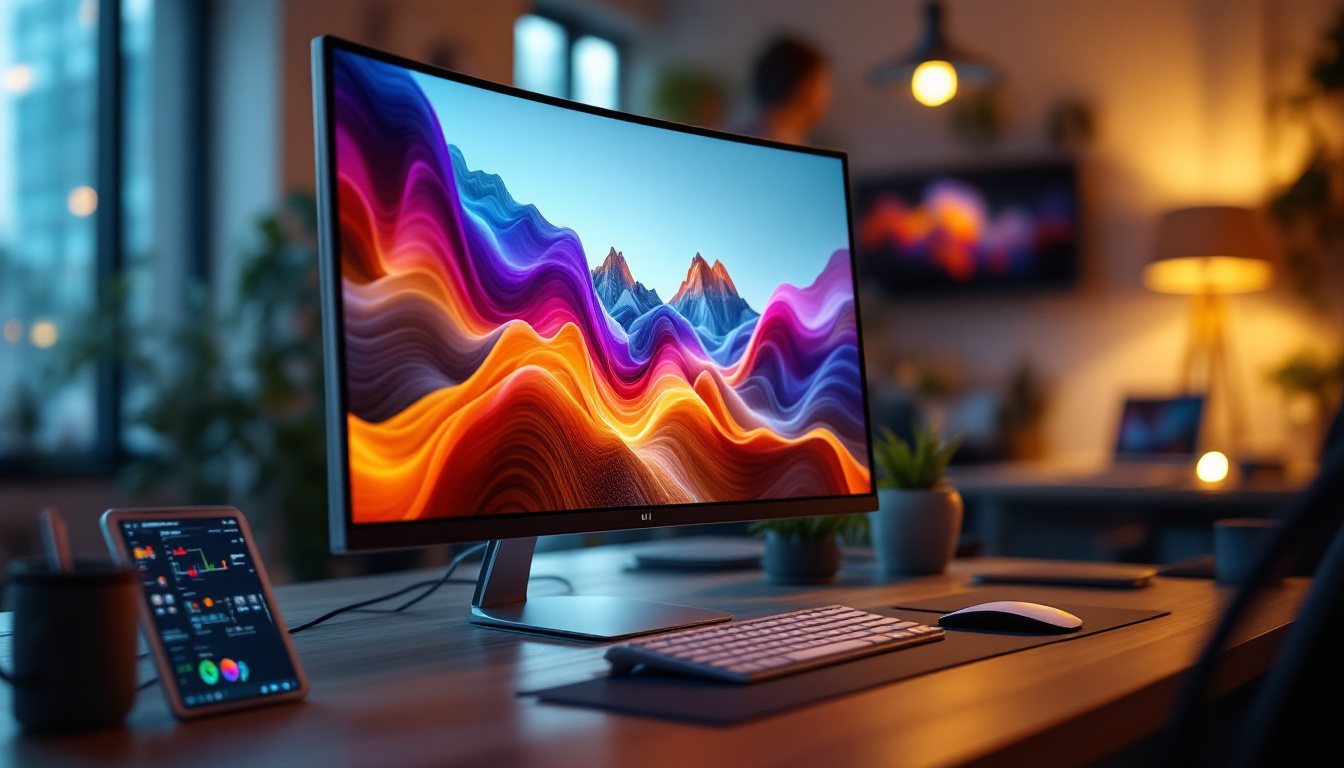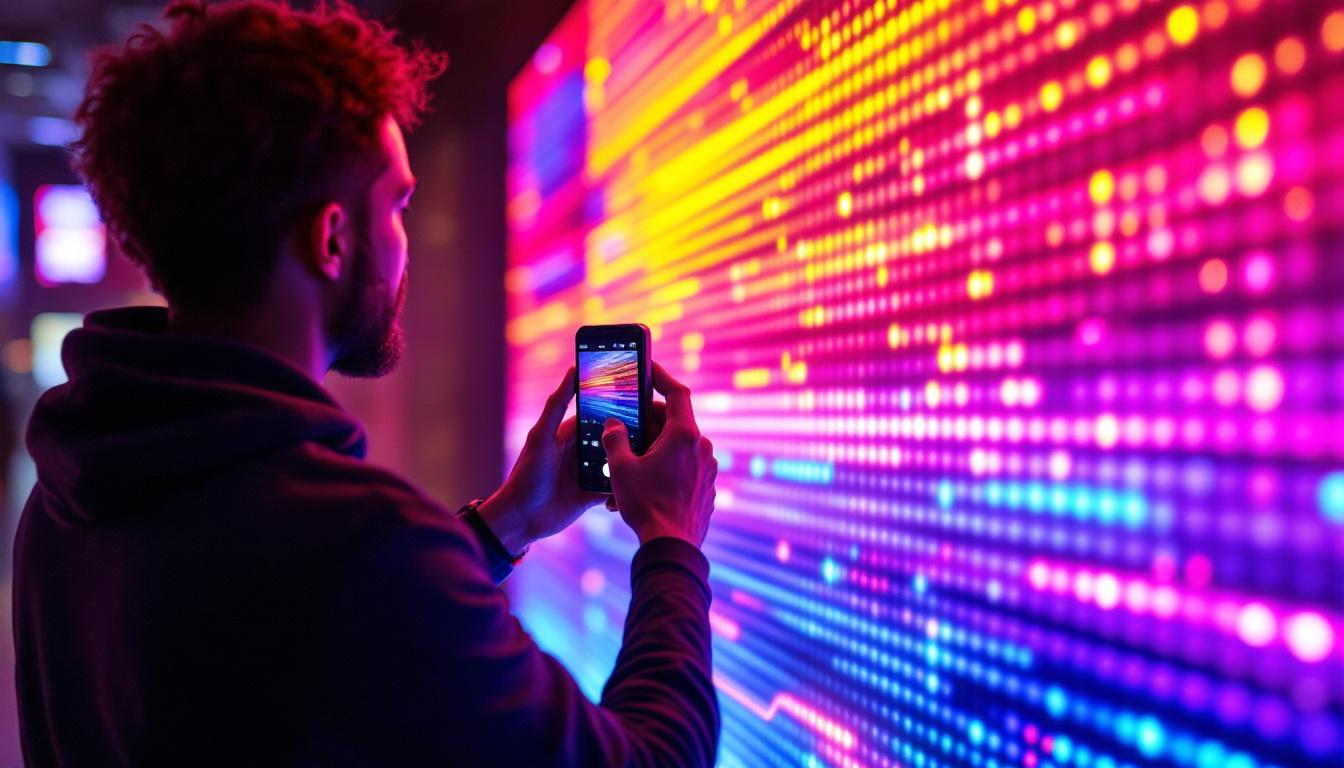
In today’s fast-paced digital world, visual communication plays a pivotal role in capturing attention and conveying information effectively. Among the many display technologies available, digital LED panels have emerged as a dominant force in advertising, entertainment, and information dissemination. This article delves into the fundamentals of digital LED panels, exploring their technology, applications, benefits, and future trends to provide a comprehensive understanding of LED displays.
Understanding Digital LED Panels: The Basics
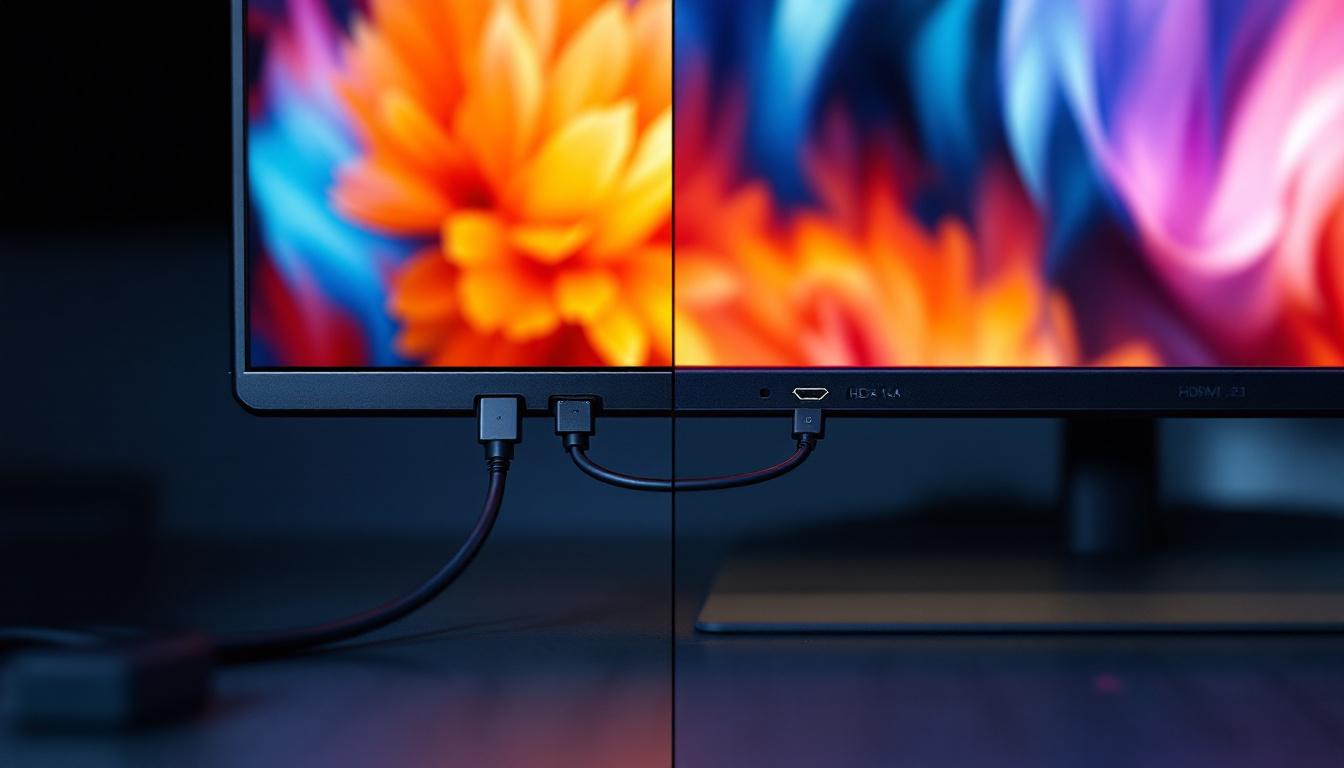
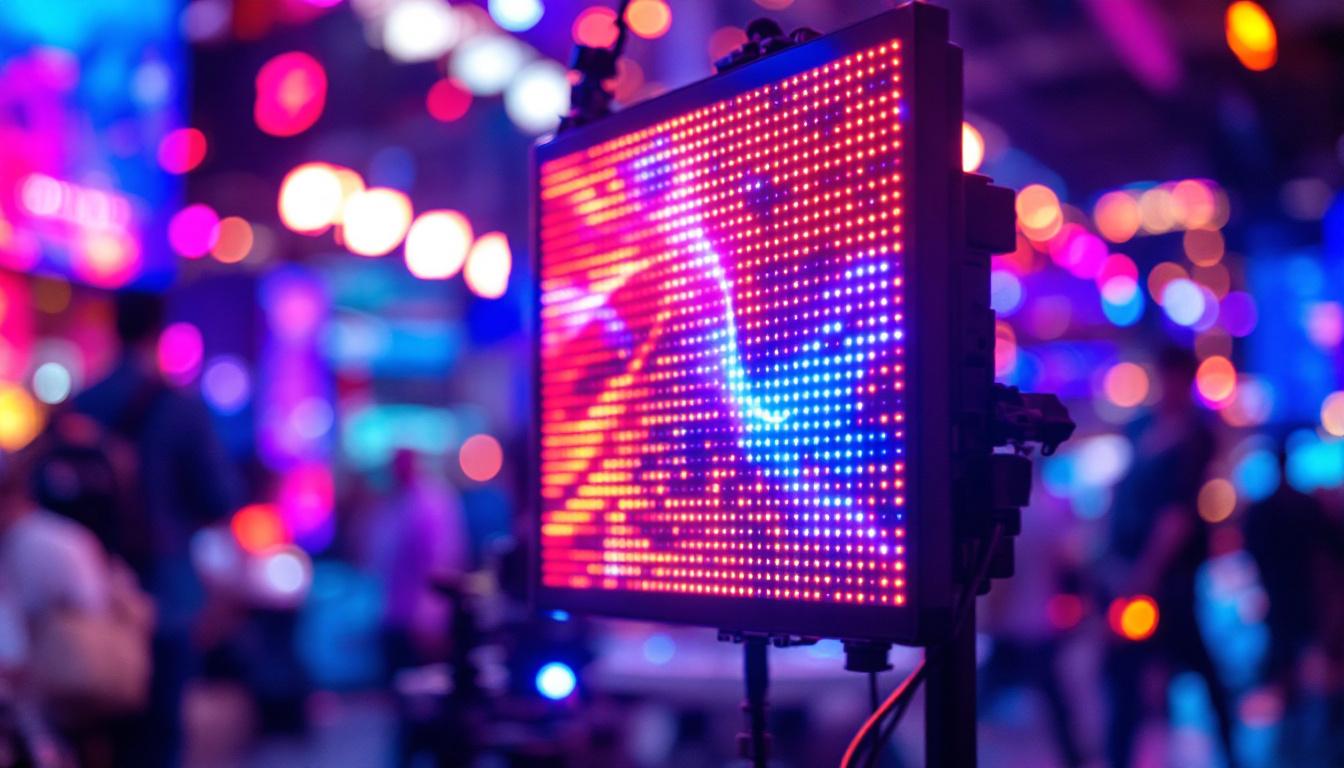
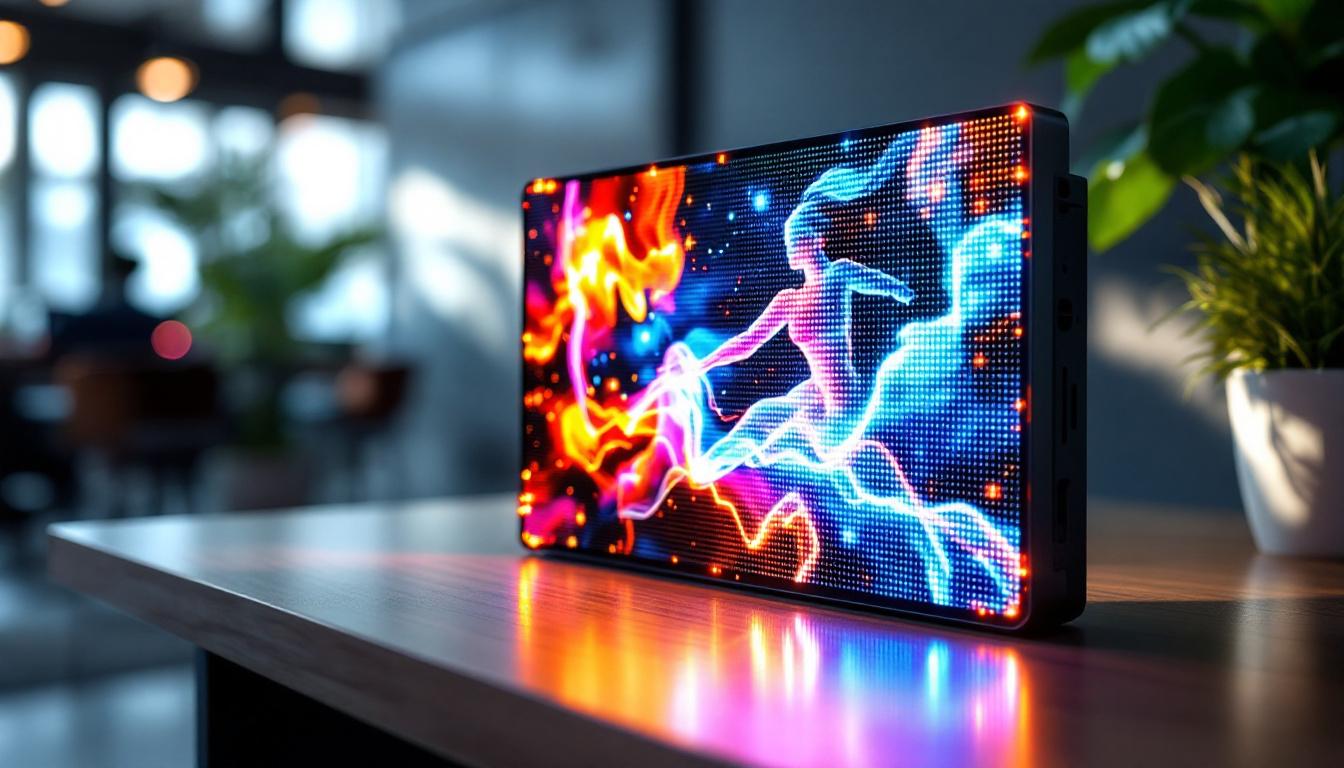
At its core, a digital LED panel is a flat display composed of numerous light-emitting diodes (LEDs) arranged in a grid. These tiny diodes emit light when an electric current passes through them, creating images and videos that are bright, vibrant, and highly visible, even in challenging lighting conditions.
The term “digital” refers to the way the images are processed and displayed. Unlike traditional analog displays, digital LED panels use electronic signals to control each LED’s brightness and color, enabling precise and dynamic visual output.
How Do LED Displays Work?
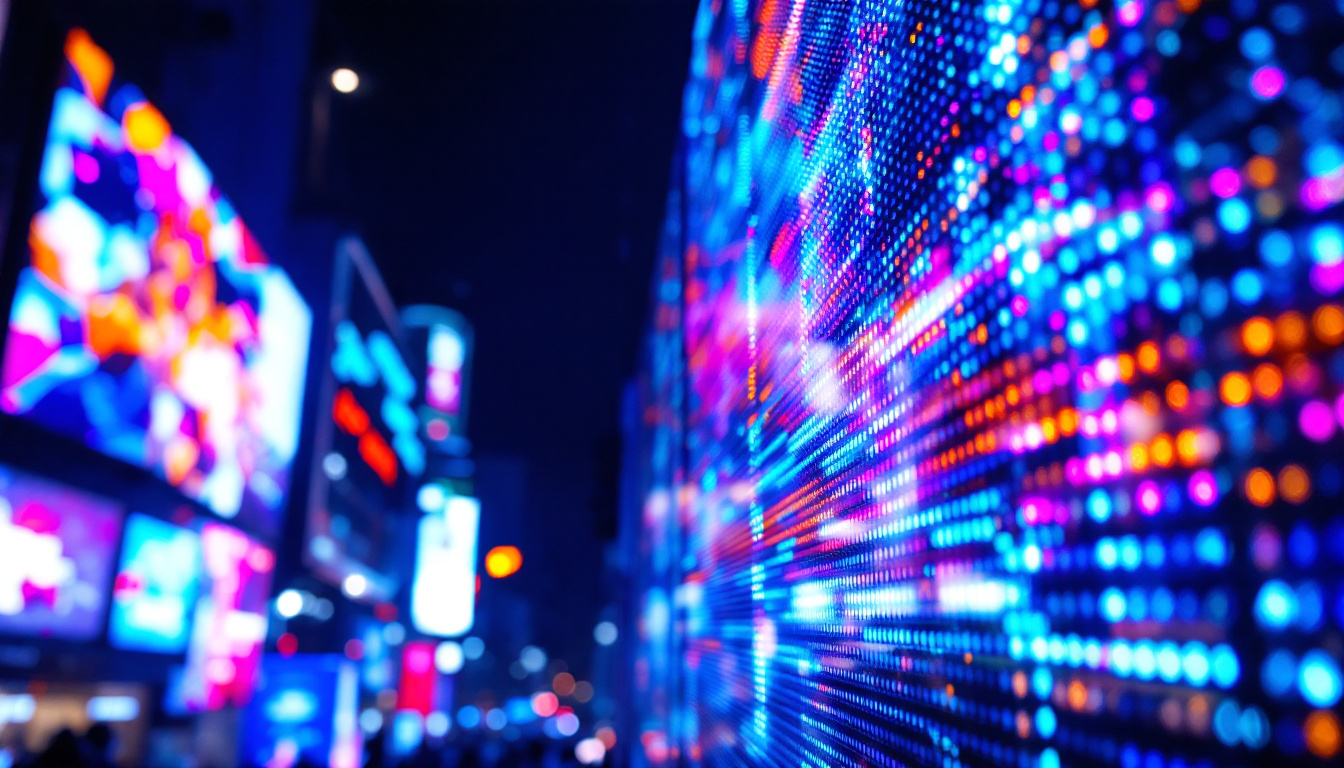
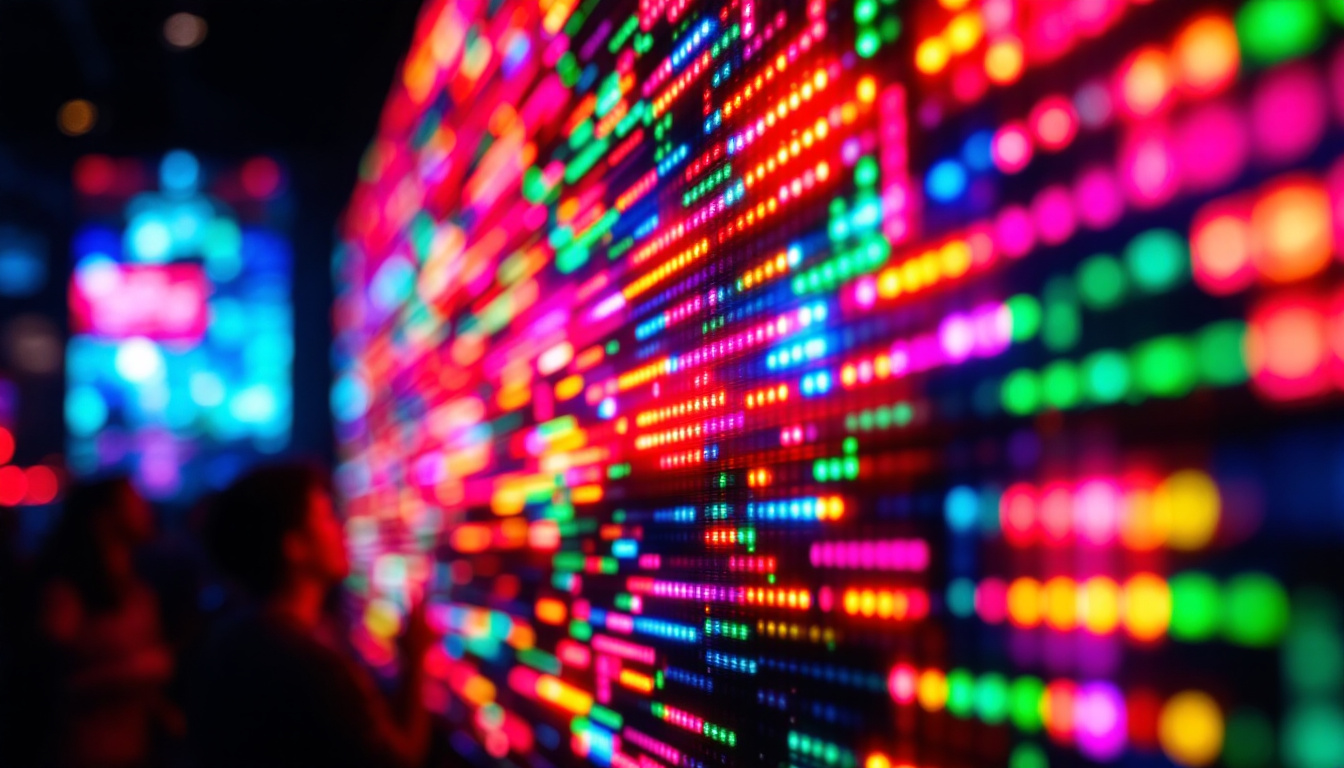
Each LED in a panel acts as a single pixel, and by varying the intensity and color of these pixels, the panel can produce a wide spectrum of colors and detailed images. Modern LED panels typically use red, green, and blue (RGB) LEDs combined in clusters to create full-color displays. By adjusting the brightness of each color component, millions of colors can be generated.
Control systems manage the input data—whether from video feeds, computer graphics, or other sources—and translate it into signals that dictate the behavior of each LED. This process happens rapidly and continuously, allowing for smooth motion and high-definition visuals.
Types of LED Panels
Digital LED panels come in various types, primarily categorized by pixel pitch, which is the distance between the centers of adjacent LEDs. Pixel pitch affects resolution and viewing distance:
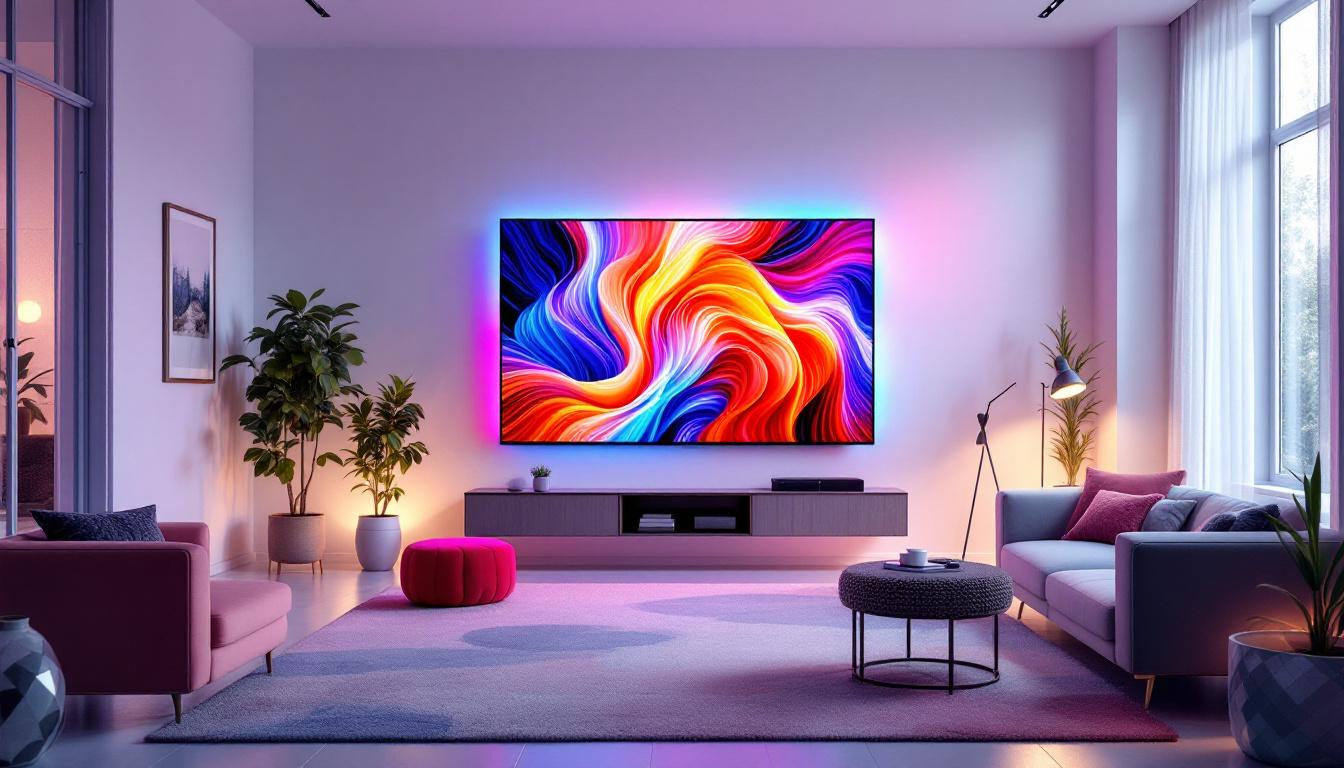
- Indoor LED Panels: These have a smaller pixel pitch (often between 1mm and 4mm), providing higher resolution for close viewing distances such as in conference rooms, retail stores, and control centers.
- Outdoor LED Panels: Featuring larger pixel pitches (ranging from 4mm to 20mm or more), these panels are designed for visibility at greater distances and are built to withstand weather conditions.
Additionally, LED panels can be categorized by their physical form factor, including rigid panels, flexible displays, and transparent LED screens, each suited for different applications. Rigid panels are commonly used for fixed installations, while flexible displays can be bent or curved to fit unique architectural designs, making them ideal for creative advertising and immersive environments. Transparent LED screens, on the other hand, allow for visibility through the display, making them perfect for storefronts that want to showcase products while still providing digital content.
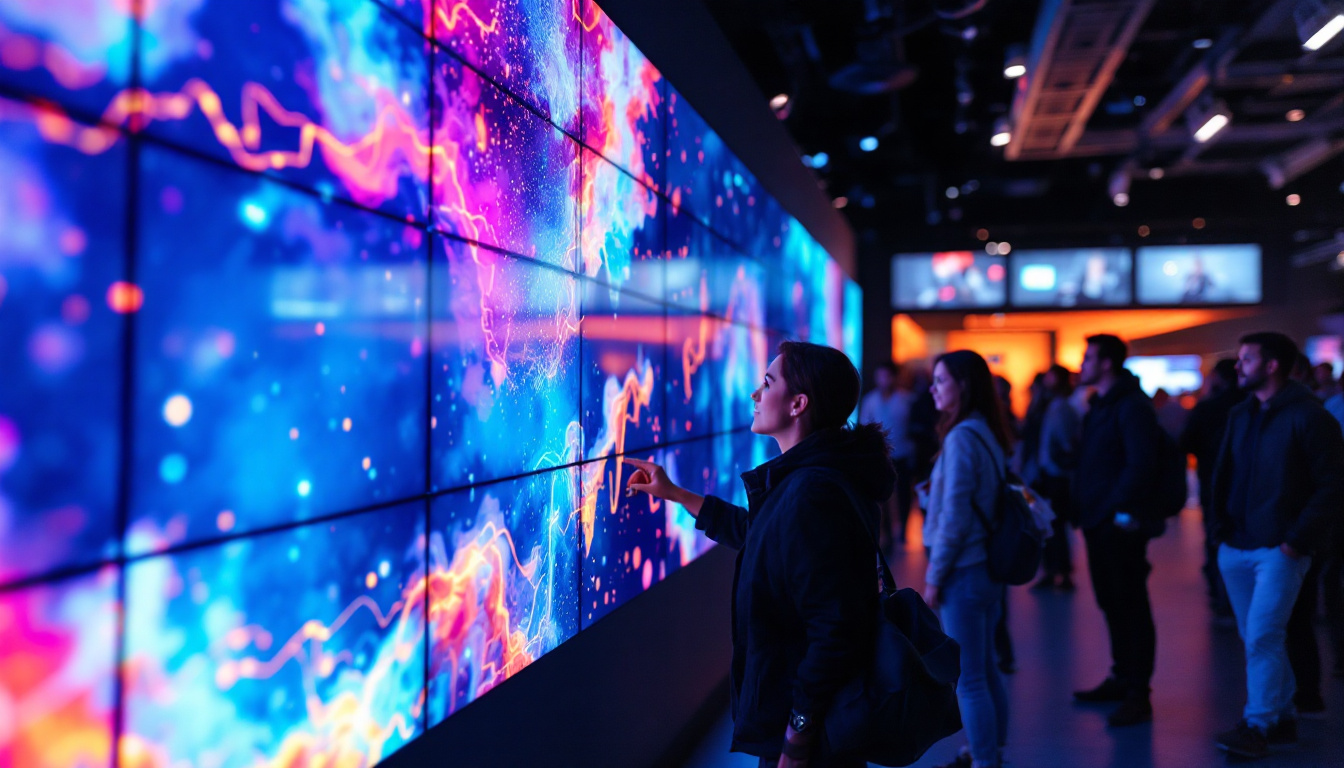
The versatility of LED technology extends beyond mere display capabilities. Many modern LED panels come equipped with advanced features such as touch sensitivity, interactivity, and integration with augmented reality (AR) systems. This opens up a realm of possibilities for engaging audiences in dynamic ways, from interactive exhibits in museums to immersive experiences in theme parks. Furthermore, with the advent of smart technology, LED panels can now be connected to the Internet of Things (IoT), allowing for real-time updates and remote management, which is particularly beneficial for businesses that require timely content changes or monitoring of display performance.
Applications of Digital LED Panels
The versatility of digital LED panels has led to their widespread adoption across numerous industries. Their ability to deliver bright, clear, and engaging content makes them ideal for a variety of environments.
Advertising and Outdoor Signage
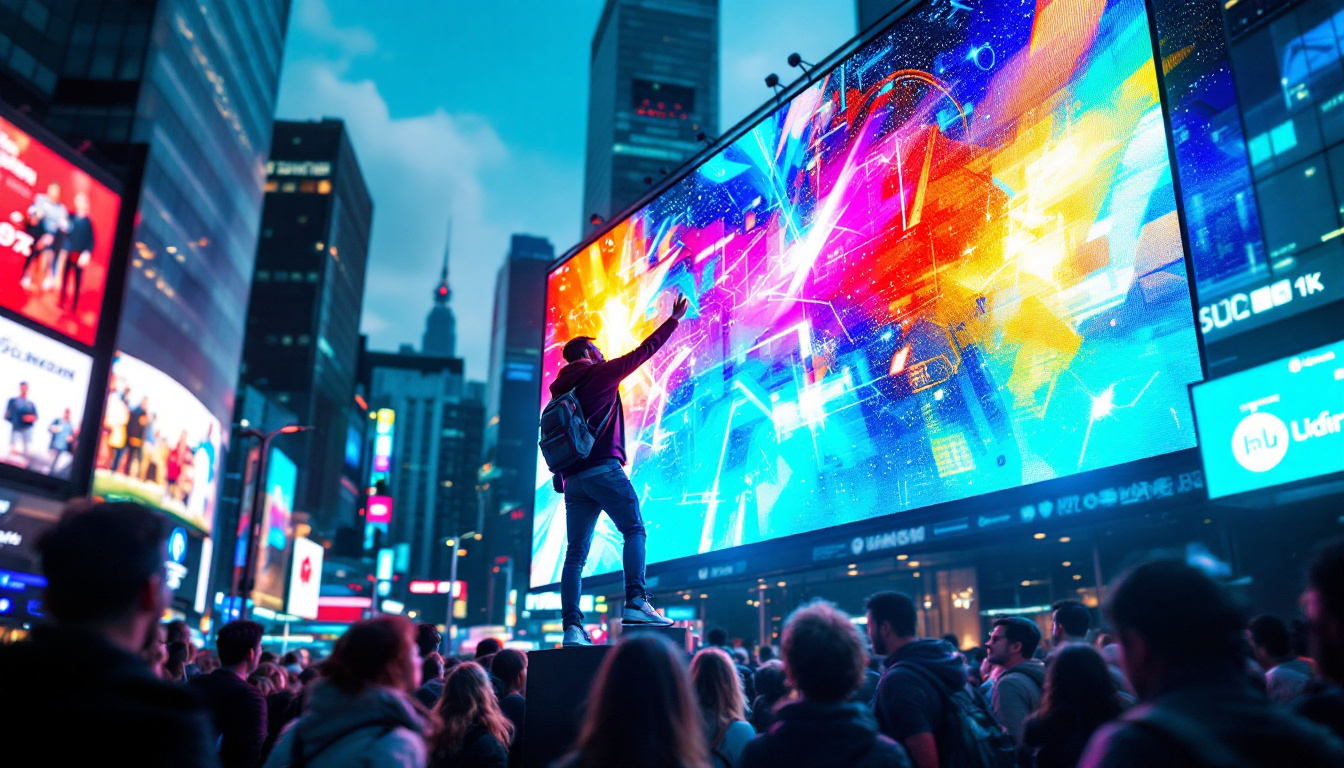
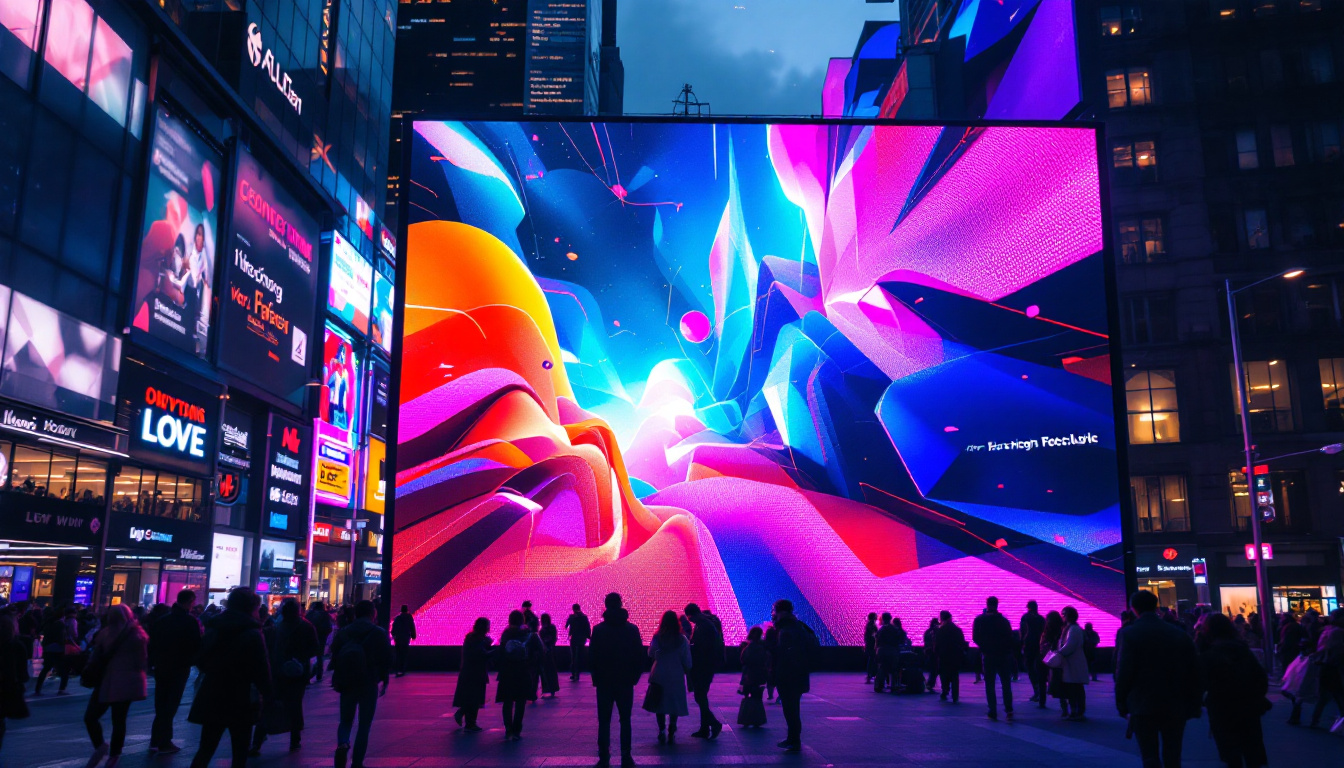
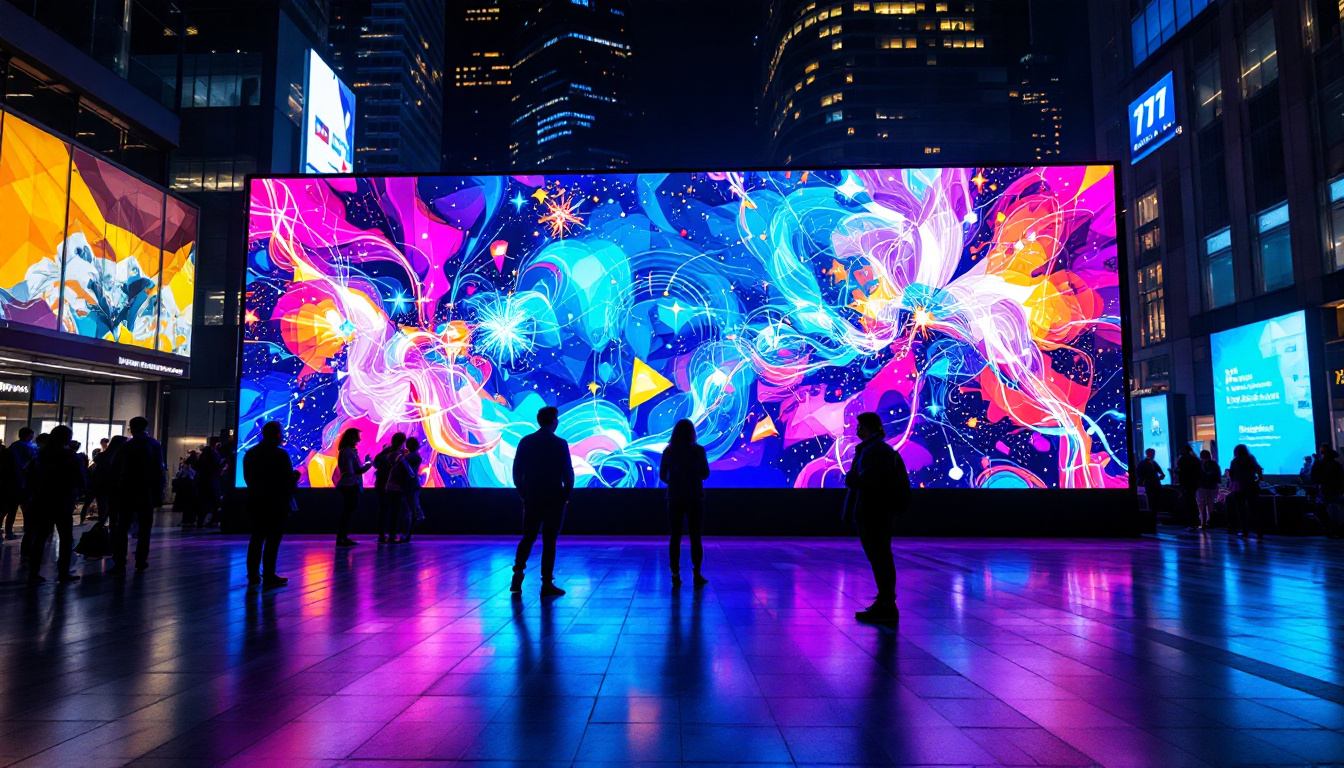
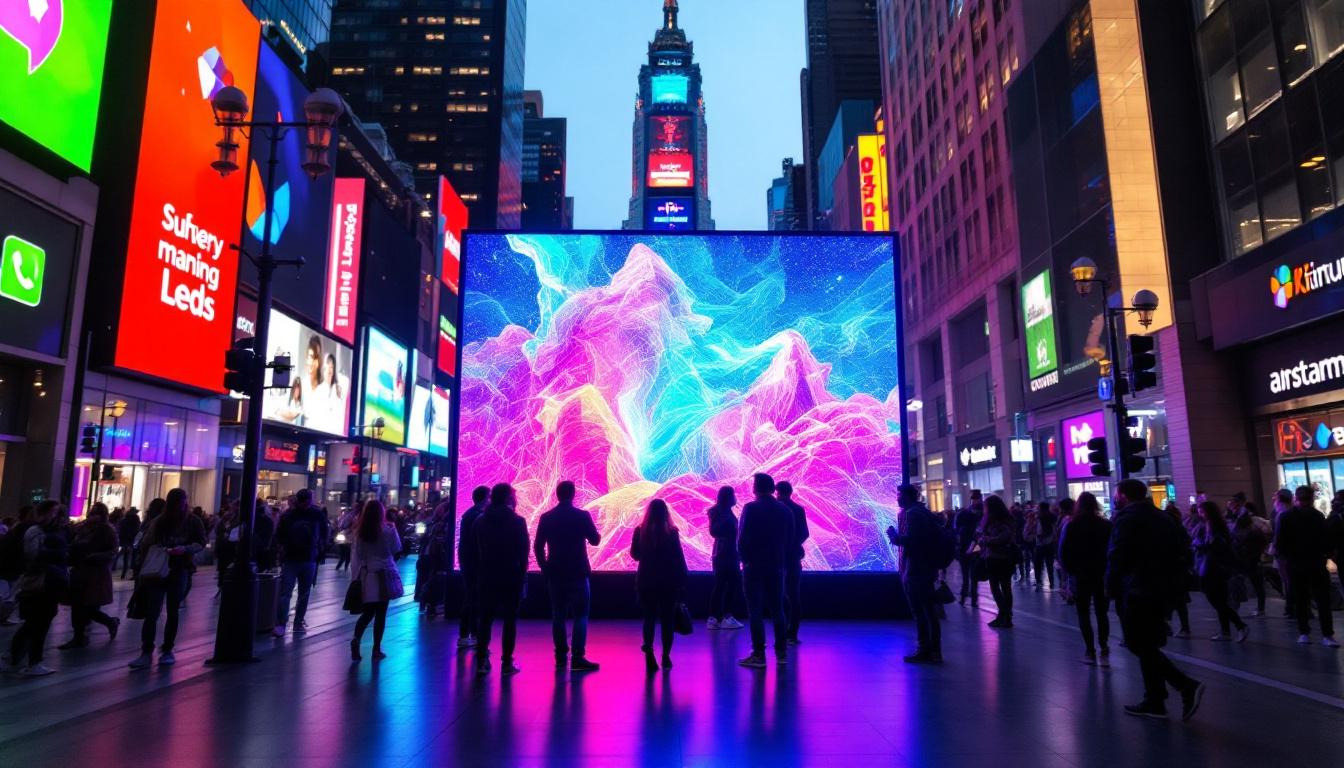
One of the most visible uses of digital LED panels is in outdoor advertising. Billboards equipped with LED displays can showcase dynamic advertisements that change throughout the day, targeting different audiences with tailored messages. According to the Outdoor Advertising Association of America, digital billboards have increased engagement rates by over 30% compared to static signs.
LED panels also allow for real-time updates, enabling advertisers to respond quickly to market trends, events, or promotions. Their brightness ensures visibility even under direct sunlight, making them effective 24/7 communication tools.
Entertainment and Events
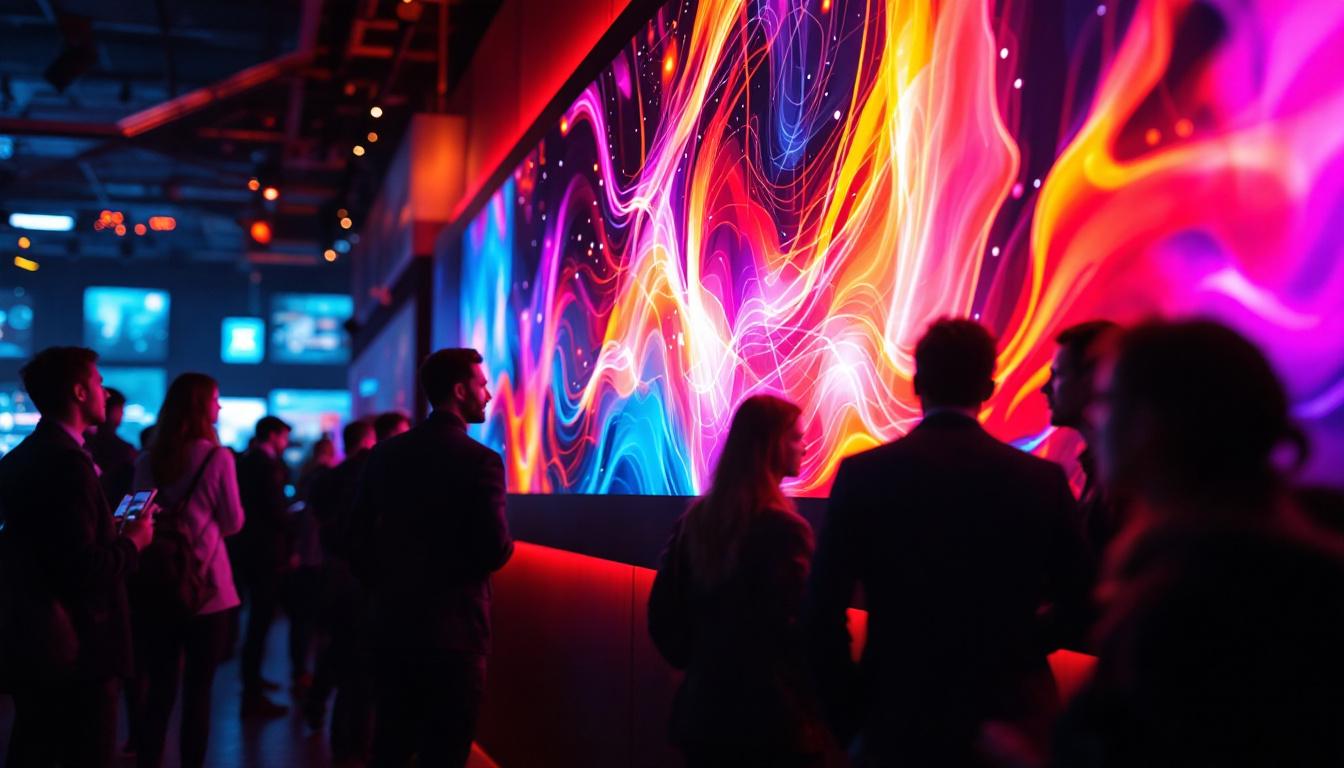
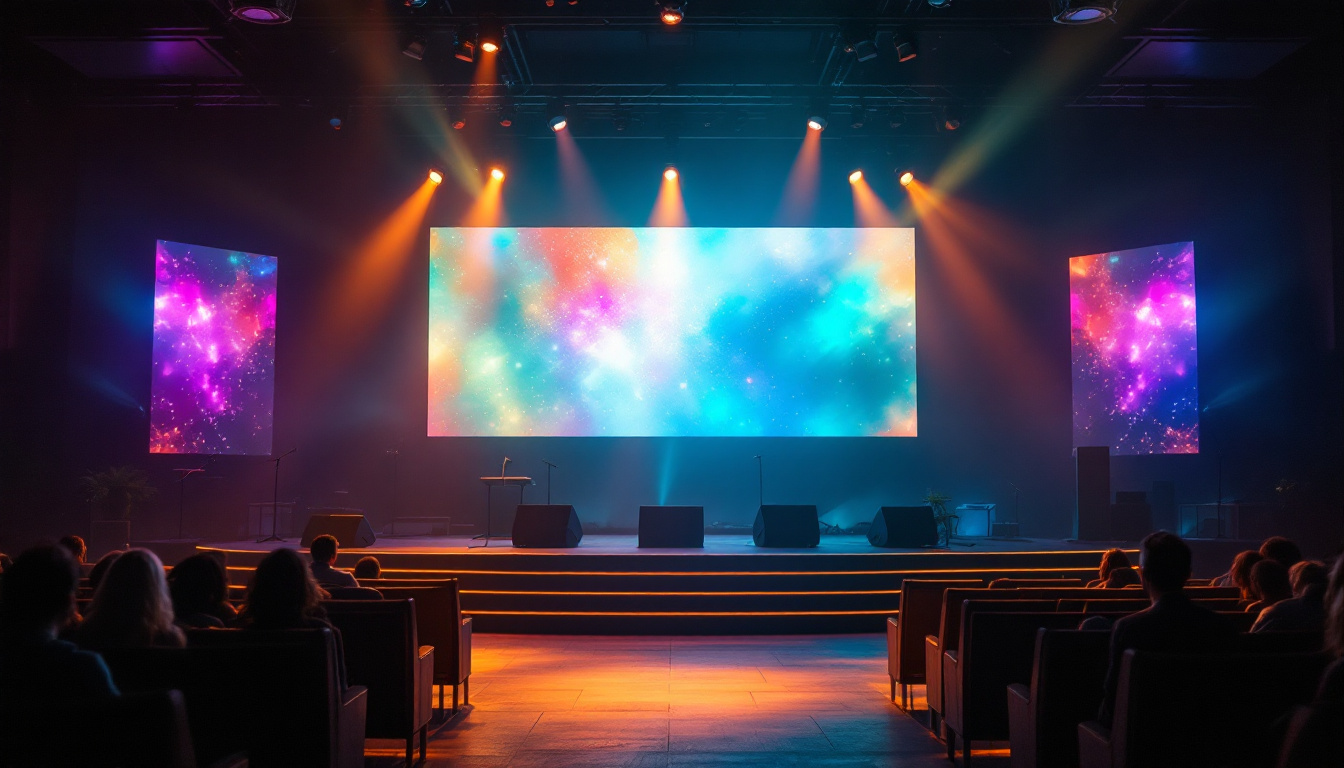
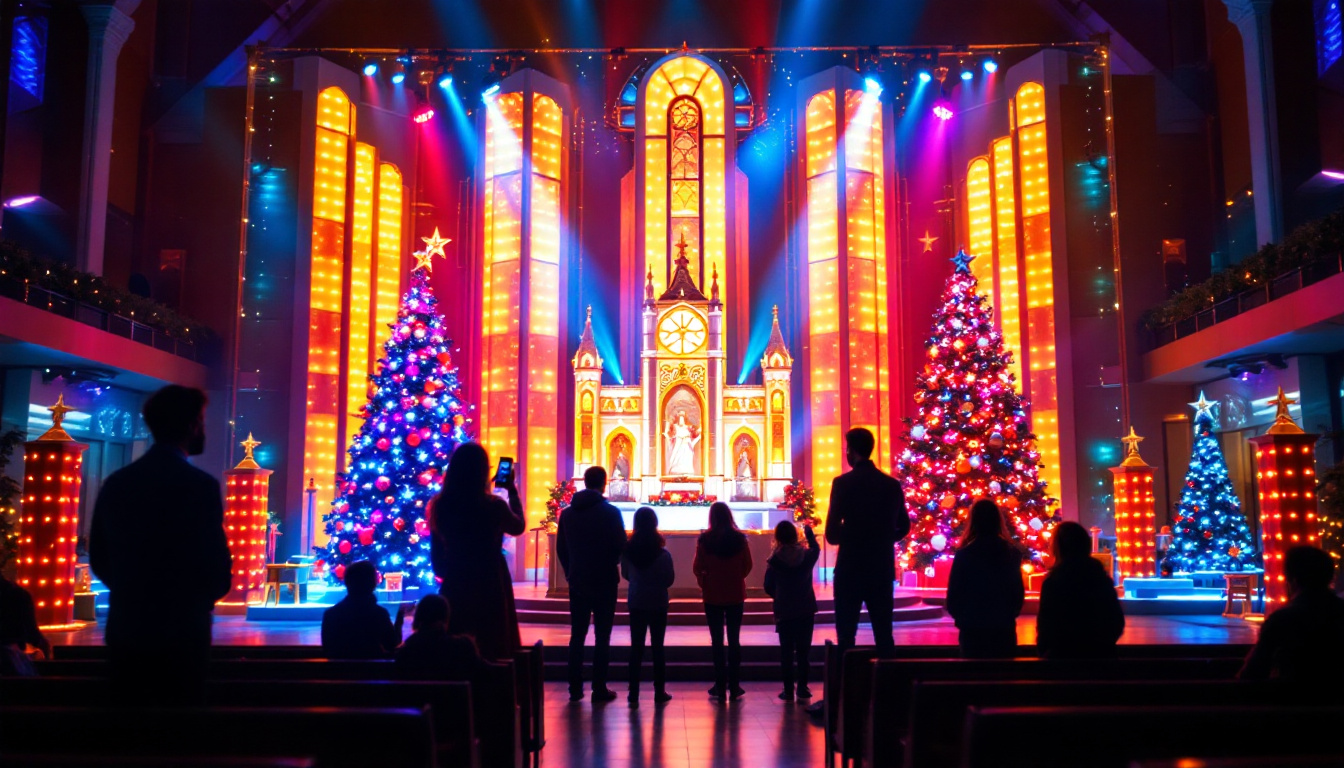
Concerts, sports arenas, and theaters frequently use large-scale LED panels to enhance the audience experience. These displays provide live video feeds, graphics, and interactive content that complement performances and sporting events.
For example, stadiums often deploy massive LED screens to broadcast replays and scores, improving spectator engagement. The ability to customize content dynamically adds an immersive layer to live events, making LED panels indispensable in modern entertainment venues.
Corporate and Retail Environments
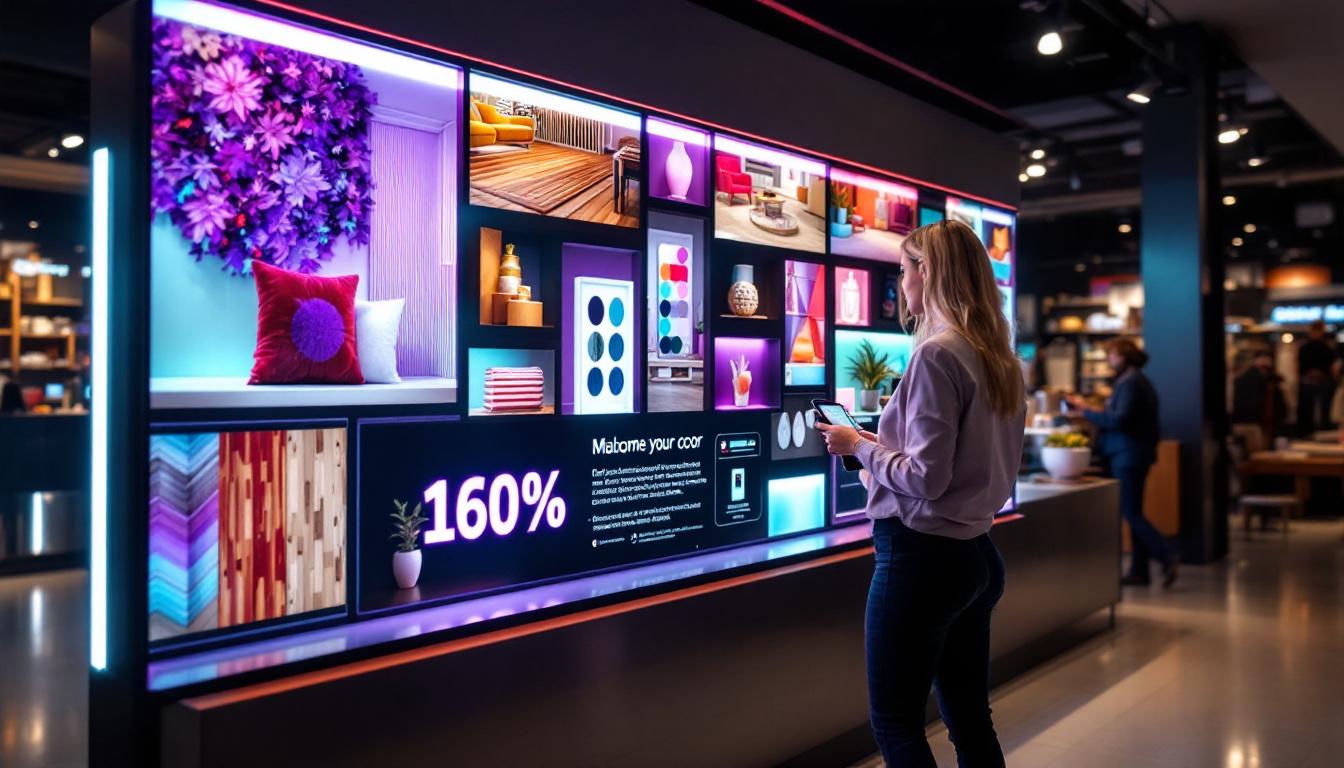
Within corporate settings, LED panels serve as digital signage for presentations, video conferencing, and information display. Retailers use them to attract customers with promotional content, product information, and interactive experiences.
Digital LED displays can be integrated with sensors and software to create personalized marketing campaigns, enhancing customer engagement and driving sales. Their sleek design and high resolution make them suitable for indoor environments where aesthetics and clarity are paramount.
Transportation and Public Information
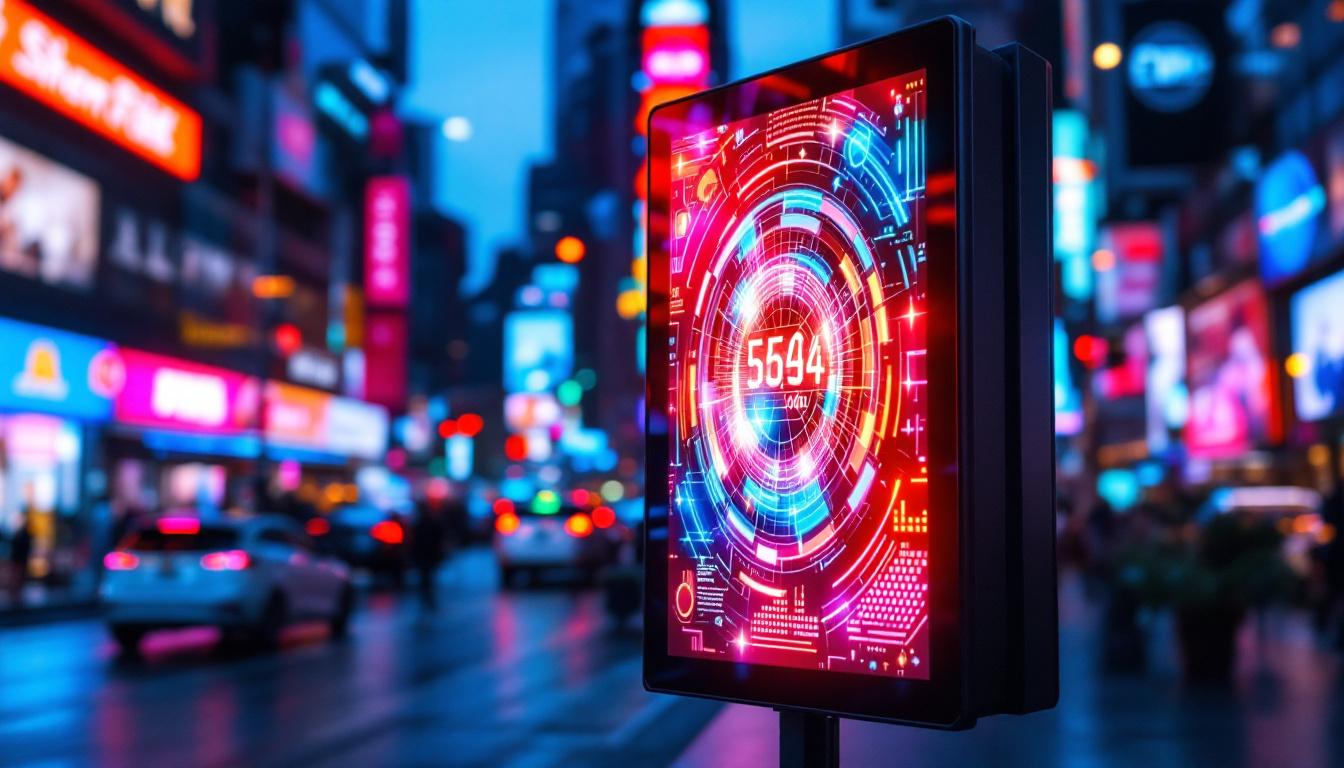
LED panels are widely used in transportation hubs such as airports, train stations, and bus terminals to provide real-time schedules, alerts, and wayfinding information. Their high visibility and reliability are critical for ensuring smooth operations and passenger convenience.
Moreover, governments and municipalities employ LED displays for public announcements, emergency notifications, and community messaging, leveraging their ability to disseminate information quickly and effectively.
Advantages of Digital LED Panels
Digital LED panels offer several benefits over traditional display technologies such as LCD or projection systems. These advantages contribute to their growing popularity across various sectors.
Brightness and Visibility
LED technology inherently produces bright light with high luminance levels, making LED panels easily viewable in direct sunlight and across long distances. This brightness ensures that messages are not lost due to environmental lighting conditions, a crucial factor for outdoor advertising and public information displays.
Energy Efficiency
Compared to other lighting and display technologies, LEDs consume significantly less power. Advances in LED efficiency mean that digital panels can operate continuously with lower energy costs, reducing the environmental footprint and operational expenses.
Durability and Longevity
LED panels are known for their robustness and long operational life, often exceeding 50,000 hours of usage. Their solid-state nature makes them resistant to shock and vibration, which is particularly important for outdoor and mobile applications.
Flexibility and Scalability
Modular design allows LED panels to be assembled in various sizes and shapes, from small indoor screens to massive outdoor billboards. This scalability enables tailored solutions for specific needs, whether it’s a compact display in a retail store or a giant video wall in a stadium.
Dynamic Content and Interactivity
Unlike static displays, digital LED panels can show videos, animations, and real-time data. Integration with software platforms allows for content scheduling, remote management, and even interactive features such as touch sensitivity or sensor-triggered displays, enhancing user engagement.
Technical Considerations When Choosing an LED Panel
Selecting the right digital LED panel requires careful consideration of several technical factors to ensure optimal performance and suitability for the intended application.
Resolution and Pixel Pitch
The resolution of an LED panel is determined by the number of pixels it contains, which in turn depends on the pixel pitch. A smaller pixel pitch means higher resolution and sharper images, but also increases cost. For indoor applications where viewers are close, a pixel pitch of 1-3mm is typical. Outdoor displays, viewed from greater distances, can use larger pixel pitches without compromising perceived image quality.
Brightness and Contrast Ratio
Brightness is measured in nits (cd/m²), and outdoor LED panels often exceed 5,000 nits to remain visible in sunlight. Contrast ratio, the difference between the darkest and brightest parts of the image, affects image clarity and depth. High contrast ratios improve readability and visual impact.
Viewing Angle
The viewing angle determines how far off-center a viewer can be while still seeing a clear image. Wide viewing angles are essential for displays meant to be seen by large audiences from various positions, such as in stadiums or public squares.
Refresh Rate and Response Time
Refresh rate, measured in hertz (Hz), indicates how often the image is updated per second. Higher refresh rates reduce flicker and motion blur, important for video content and live broadcasts. Response time affects how quickly pixels change state, influencing image smoothness.
Durability and Environmental Protection
For outdoor installations, LED panels must be weatherproof, with ratings such as IP65 or higher to resist dust and water ingress. Temperature tolerance and UV resistance also affect longevity and performance in harsh environments.
The Future of Digital LED Panels
As technology advances, digital LED panels continue to evolve, incorporating new features and expanding their capabilities. Several trends are shaping the future of LED displays.
MicroLED and MiniLED Technologies
Emerging microLED and miniLED technologies promise even higher resolution, improved color accuracy, and enhanced energy efficiency. MicroLEDs, being smaller than traditional LEDs, allow for ultra-fine pixel pitches and flexible form factors, potentially revolutionizing display design.
Integration with IoT and AI
Smart LED panels integrated with Internet of Things (IoT) devices and artificial intelligence (AI) enable dynamic content adaptation based on environmental data, audience demographics, and real-time analytics. This integration facilitates personalized advertising and interactive experiences.
Transparent and Flexible Displays
Innovations in transparent and flexible LED panels are opening new possibilities in architecture and design. Transparent LED displays can be embedded in glass surfaces without obstructing views, while flexible panels can conform to curved surfaces, expanding creative applications.
Sustainability and Energy Efficiency
With growing emphasis on sustainability, manufacturers are focusing on reducing the environmental impact of LED panels through improved energy efficiency, recyclable materials, and longer product lifecycles. This aligns with global efforts to reduce carbon footprints and promote green technologies.
Conclusion
Digital LED panels have transformed the way information and entertainment are delivered across multiple industries. Their brightness, flexibility, and dynamic capabilities make them indispensable tools for communication in both indoor and outdoor environments. Understanding the technology behind LED displays, their applications, and key technical considerations helps businesses and organizations make informed decisions when investing in digital signage solutions.
As LED technology continues to advance, the future holds exciting possibilities for even more immersive, efficient, and sustainable digital displays, further enhancing the way people interact with visual content in everyday life.
Discover Cutting-Edge LED Display Solutions with LumenMatrix
Ready to elevate your visual communication strategy with the latest in LED technology? LumenMatrix is at the forefront of LED display innovation, offering a wide array of solutions tailored to your needs. From captivating Indoor LED Wall Displays to dynamic Outdoor LED Wall Displays, and from versatile Vehicle LED Displays to sleek LED Poster Displays, our products are designed to make your brand stand out. Experience the future of digital signage with our LED Sports Displays, interactive Floor LED Displays, and the stunning clarity of our Custom and All-in-One LED Displays, including the revolutionary LED Transparent Display. Embrace the power of LumenMatrix to create unforgettable visual experiences and share your message with unparalleled impact. Check out LumenMatrix LED Display Solutions today and transform the way you connect with your audience.