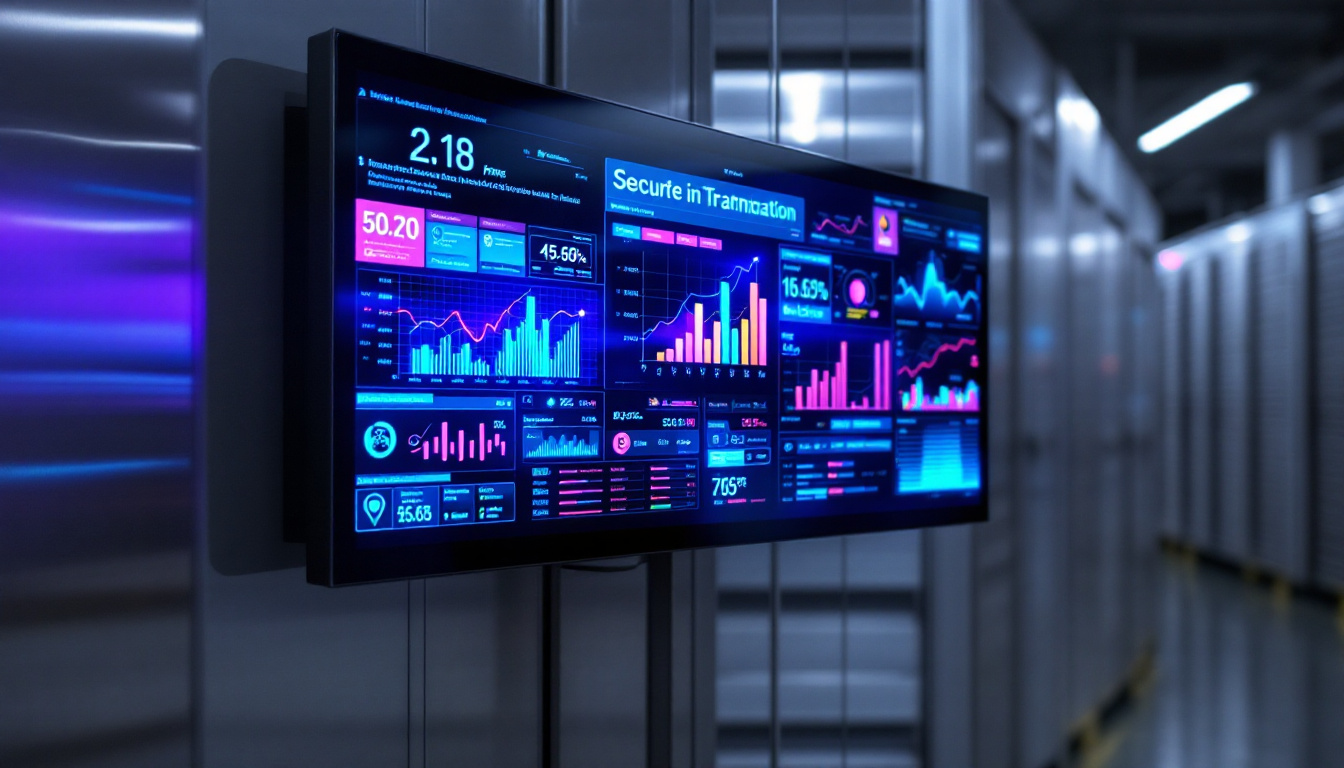
In today’s fast-paced commercial environment, capturing customer attention is more challenging than ever. Digital signage has emerged as a powerful tool for businesses to engage audiences with dynamic and visually compelling content. Among the various technologies available, LED displays stand out as a leading choice for digital signage due to their brightness, versatility, and durability. This article delves into the world of LED displays in digital signage advertising, explaining their technology, benefits, types, and best practices for maximizing impact.
Understanding LED Display Technology
What is an LED Display?
LED stands for Light Emitting Diode, a semiconductor device that emits light when an electric current passes through it. An LED display is a flat panel that uses an array of these tiny diodes to create images and videos. Unlike traditional LCD or projection screens, LED displays produce their own light, which results in brighter and more vivid visuals.
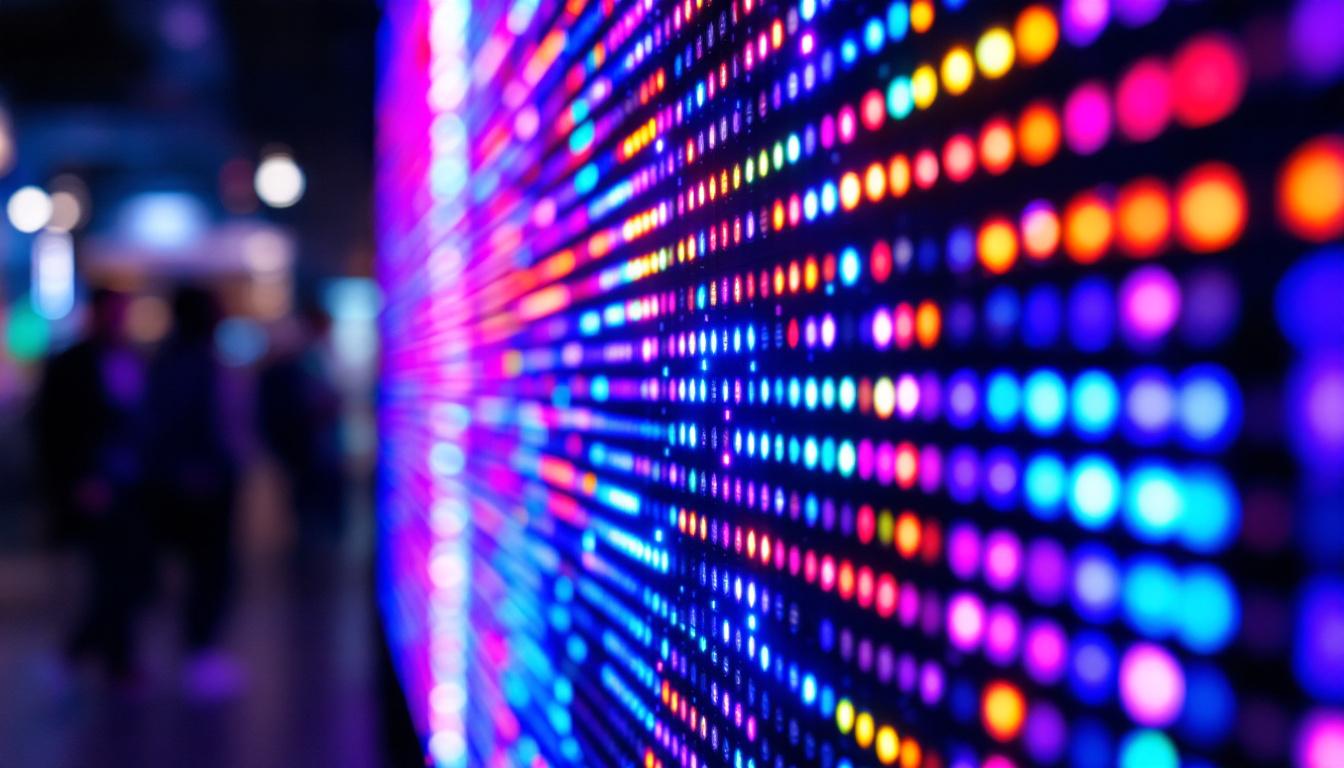
LED displays are composed of thousands to millions of individual LEDs arranged in a grid. Each LED acts as a pixel or part of a pixel, and by controlling the intensity and color of each diode, the display can render high-resolution images. This technology allows for exceptional color accuracy and contrast, making LED displays ideal for advertising purposes where visual impact is critical. Furthermore, the lifespan of LED technology is impressive, often exceeding 100,000 hours, which means that these displays can operate for years without significant degradation in quality, making them a cost-effective solution for businesses.
How LED Displays Differ from Other Digital Signage Technologies
While LCD and OLED screens are also used in digital signage, LED displays have unique advantages. LCDs rely on backlighting to illuminate pixels, which can limit brightness and contrast, especially in outdoor or brightly lit environments. OLEDs offer excellent color and contrast but are generally more expensive and less durable for large-scale outdoor use.
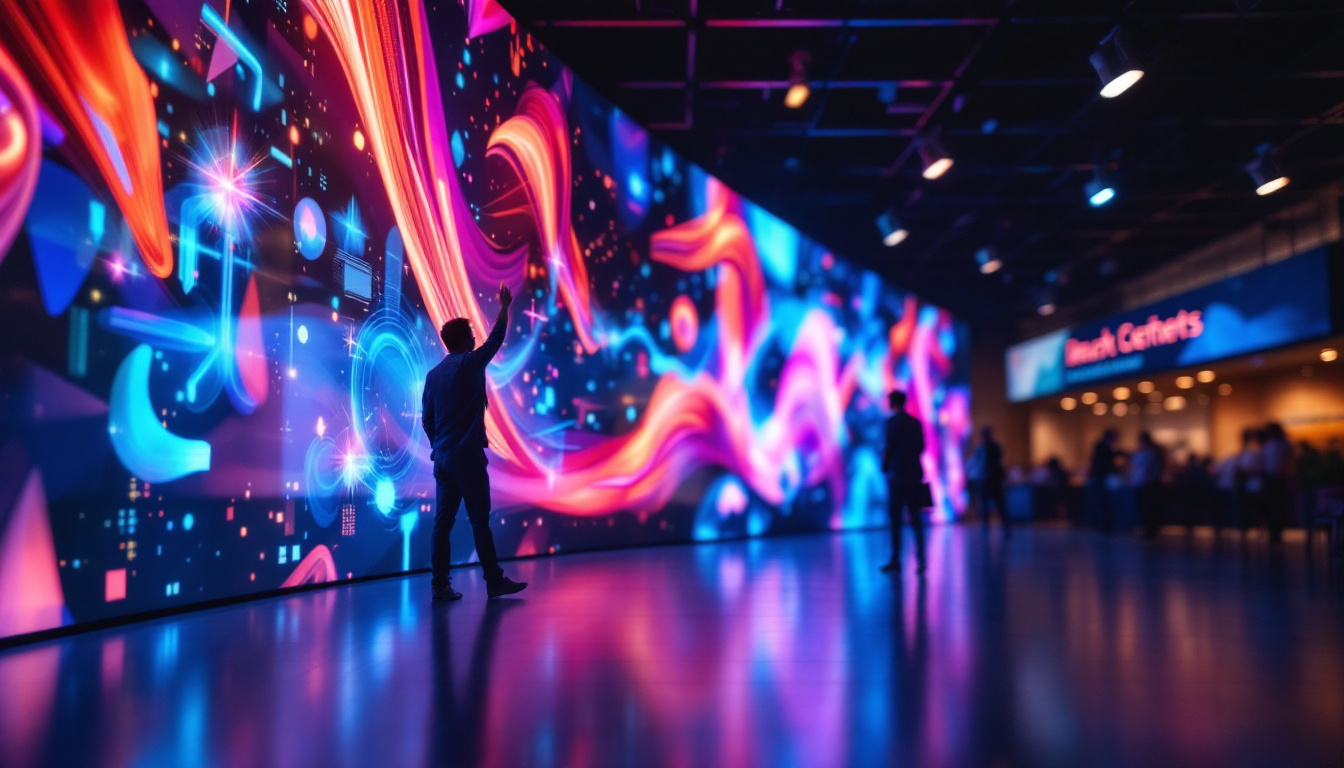
In contrast, LED displays are self-illuminating, enabling them to achieve extremely high brightness levels—often exceeding 5,000 nits—making them visible even under direct sunlight. This feature is particularly important for outdoor advertising, where visibility is paramount. Additionally, LED panels are modular, allowing for flexible sizing and shapes, from small indoor signs to massive stadium screens. The versatility of LED technology extends beyond just size; it also includes the ability to create curved or irregularly shaped displays, which can enhance the visual experience in unique architectural settings. This adaptability has led to creative installations in venues ranging from concert halls to shopping malls, where dynamic content can engage audiences in innovative ways.
The Benefits of Using LED Displays in Digital Signage Advertising
Unmatched Brightness and Visibility
One of the most significant advantages of LED displays is their brightness. Typical LED signage can reach brightness levels of 1,000 to 5,000 nits, compared to 200 to 500 nits for standard LCD screens. This means LED signs remain clear and legible even in direct sunlight or well-lit indoor environments, ensuring that advertisements are always visible to the target audience. This exceptional visibility not only captures the attention of passersby but also enhances brand recognition and recall, as consumers are more likely to remember vibrant, eye-catching displays. In bustling urban environments, where competition for attention is fierce, the ability to stand out with bright, dynamic content can significantly influence consumer behavior.
Energy Efficiency and Longevity
LED technology is highly energy-efficient, consuming less power than traditional lighting or display technologies. This efficiency translates into lower operating costs for businesses, especially when signs operate for extended hours. Moreover, LEDs have a long lifespan, often rated between 50,000 to 100,000 hours, reducing maintenance and replacement expenses. This longevity not only benefits the bottom line but also contributes to sustainability efforts, as fewer resources are consumed for manufacturing and disposing of displays. Businesses can proudly showcase their commitment to environmental responsibility while enjoying the financial perks of reduced energy consumption and maintenance needs.
Dynamic and Flexible Content Delivery
Digital signage powered by LED displays allows advertisers to deliver dynamic, eye-catching content that can be updated in real time. This flexibility enables businesses to tailor messages based on time of day, audience demographics, or promotional campaigns, enhancing engagement and conversion rates. For example, a retail store can display different promotions during morning rush hours and evening sales events without changing physical signage. Additionally, the ability to incorporate live feeds, such as social media updates or news tickers, can further captivate audiences and keep content fresh and relevant. This adaptability not only maximizes the impact of advertising efforts but also fosters a sense of immediacy and connection with the audience, encouraging them to act on the information presented.
Wide Viewing Angles and Superior Color Accuracy
LED displays typically offer wide viewing angles, often exceeding 160 degrees horizontally and vertically. This ensures that the content remains clear and vibrant from multiple perspectives, which is critical in public spaces where viewers may approach from different directions. Additionally, modern LED panels support a broad color gamut and high contrast ratios, delivering rich and accurate colors that make advertisements more appealing. This superior color accuracy not only enhances the aesthetic quality of the displays but also ensures that brand colors are represented faithfully, reinforcing brand identity. As a result, businesses can create a more immersive and engaging experience for their audience, making their advertising efforts more effective and memorable.
Types of LED Displays for Digital Signage
Indoor LED Displays
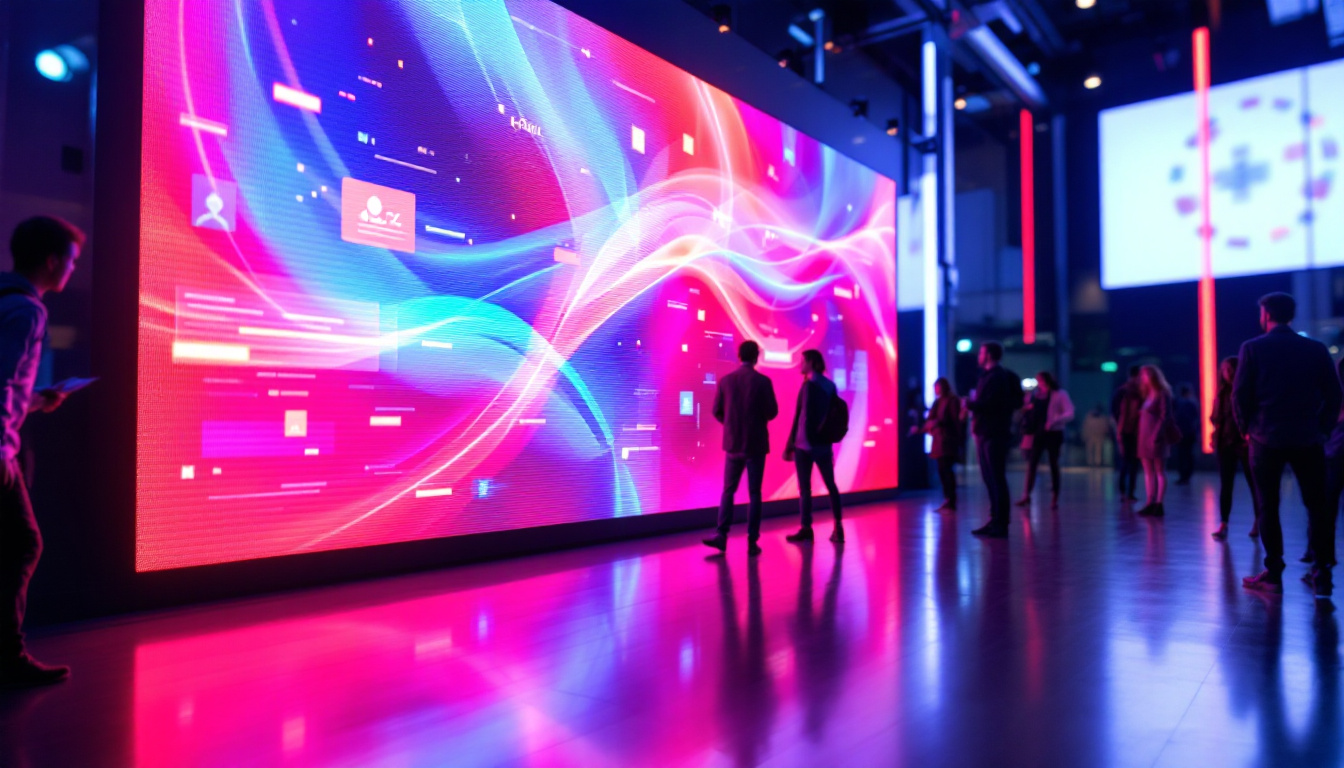
Indoor LED displays are designed for controlled lighting environments such as retail stores, airports, conference centers, and corporate lobbies. These displays usually have a pixel pitch ranging from 0.9mm to 4mm, which refers to the distance between individual LEDs. A smaller pixel pitch means higher resolution and sharper images, suitable for close viewing distances.
Indoor LED signs are often used for promotional content, wayfinding, and informational displays. Their slim profiles and lightweight design make them easy to install on walls or suspended from ceilings.
Outdoor LED Displays
Outdoor LED displays are built to withstand harsh weather conditions, including rain, dust, and extreme temperatures. They feature higher brightness levels, typically between 4,000 and 8,000 nits, to combat sunlight glare. The pixel pitch for outdoor displays is generally larger, ranging from 4mm to 20mm, as viewing distances tend to be greater.
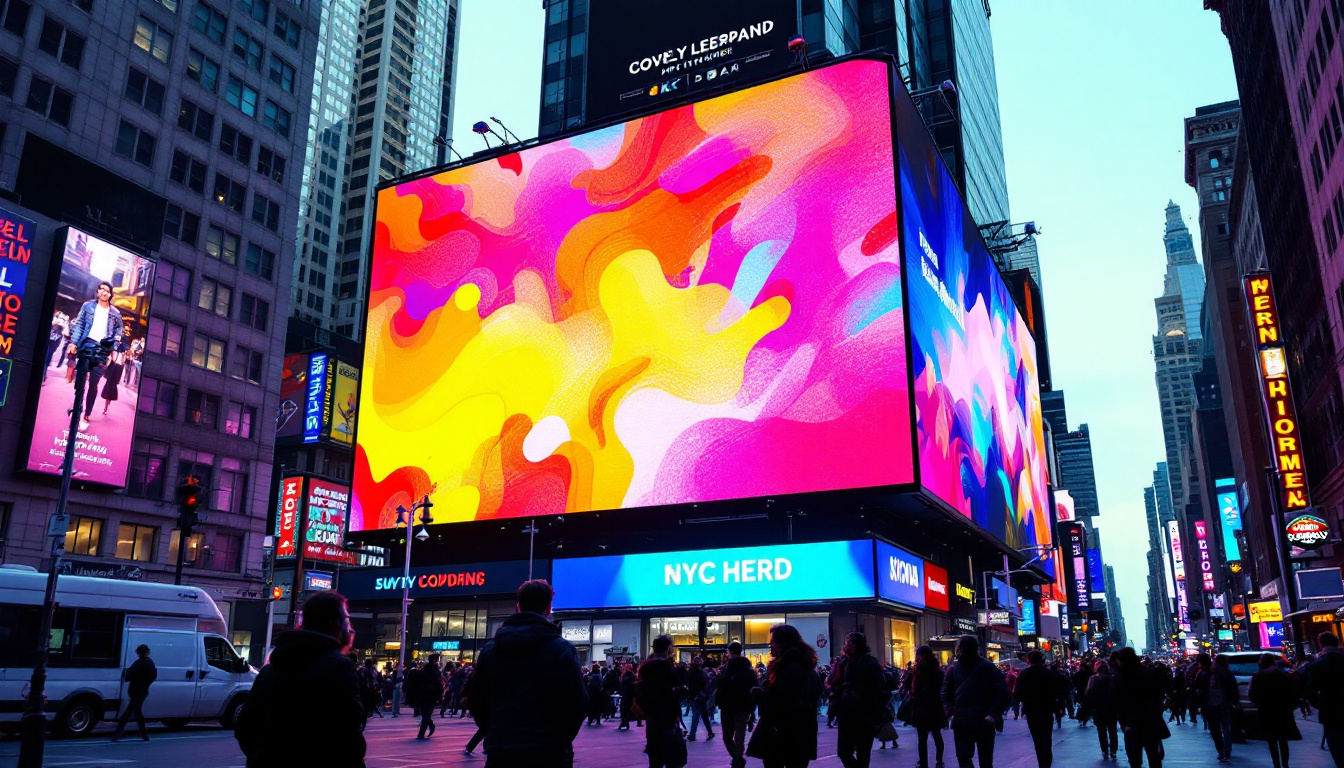
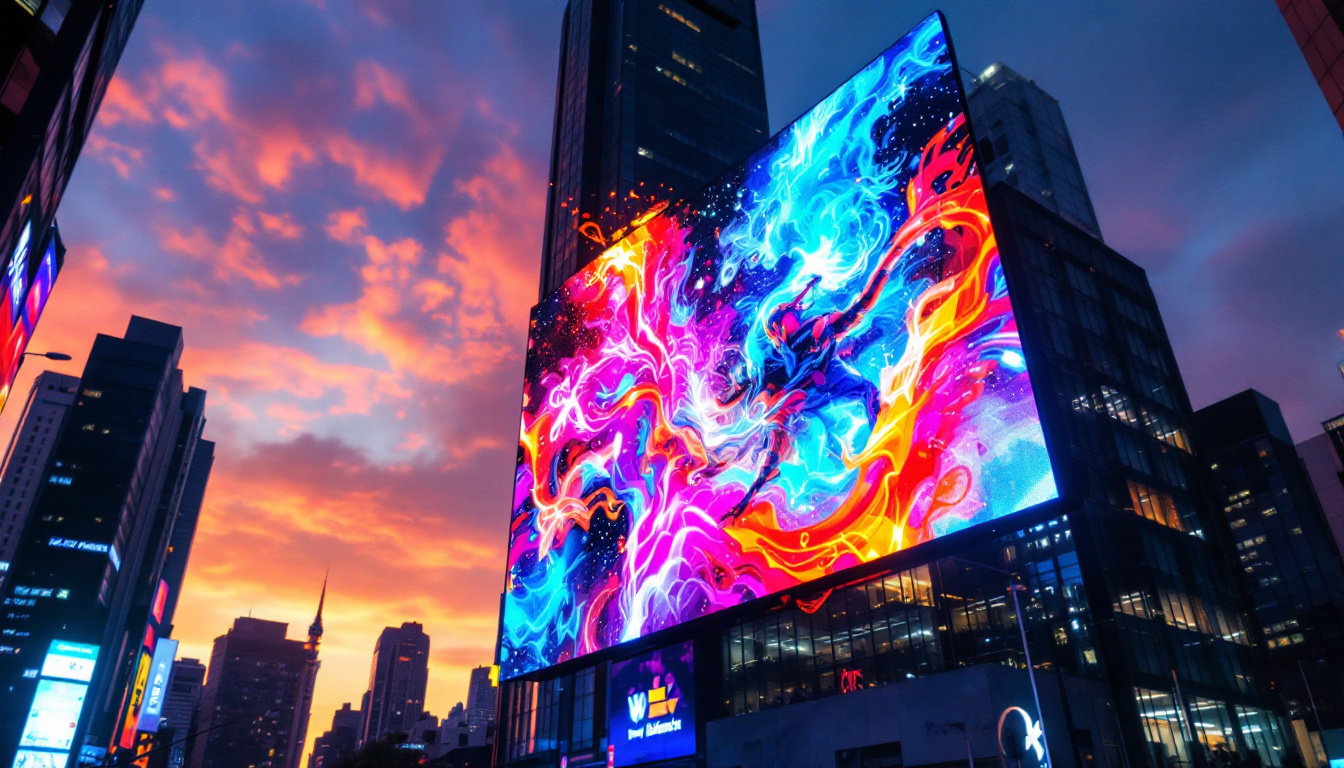
Common applications include billboards, stadium screens, transportation hubs, and building facades. Outdoor LED signage is often modular, allowing for custom sizes and shapes to fit architectural requirements.
Transparent and Flexible LED Displays
Innovations in LED technology have led to the development of transparent LED displays that can be installed on glass surfaces without obstructing views. These are popular in retail storefronts and museums, where maintaining natural light and visibility is essential.
Flexible LED displays use bendable panels that can conform to curved surfaces, enabling creative advertising installations on columns, vehicles, or irregularly shaped structures. These types of displays open new possibilities for immersive and interactive digital signage experiences.
Best Practices for Effective LED Digital Signage Advertising
Content Design and Optimization
The success of LED digital signage depends heavily on the quality and relevance of the content displayed. Advertisers should focus on high-contrast visuals, bold fonts, and concise messaging to ensure readability from a distance. Animations and video content can increase engagement but should be used judiciously to avoid overwhelming viewers.
It is also essential to optimize content resolution based on the pixel pitch and viewing distance of the LED display. For example, a display with a 10mm pixel pitch is best suited for viewing distances of 10 meters or more, so content should be designed accordingly to avoid pixelation.
Strategic Placement and Audience Targeting
Placing LED signage in high-traffic areas where the target audience naturally congregates maximizes exposure and effectiveness. For instance, retail stores benefit from placing LED displays near entrances or checkout counters, while transportation hubs can use them for wayfinding and advertising simultaneously.
Leveraging data analytics and audience insights can help tailor content to the demographics and behaviors of viewers at specific times, increasing the relevance and impact of advertisements.
Maintenance and Technical Considerations
Regular maintenance is crucial to ensure LED displays operate at peak performance. This includes cleaning panels, checking for dead pixels, and updating software to prevent glitches. Many LED manufacturers offer remote monitoring systems that alert operators to issues in real time, minimizing downtime.
Additionally, ensuring proper installation with adequate ventilation and weatherproofing extends the lifespan of outdoor LED displays. Working with experienced installers and technicians can prevent common pitfalls and optimize the return on investment.
Future Trends in LED Digital Signage
Integration with AI and IoT
Artificial intelligence (AI) and the Internet of Things (IoT) are transforming digital signage by enabling smarter, more interactive displays. AI can analyze viewer demographics and behaviors to automatically adjust content, while IoT connectivity allows for seamless integration with other devices and data sources.
For example, an LED display in a shopping mall might use facial recognition technology to detect age and gender, then display targeted advertisements accordingly. IoT-enabled signage can also synchronize with inventory systems to promote in-stock products dynamically.
Higher Resolutions and Miniaturization
Advancements in LED manufacturing are driving pixel pitches below 1mm, enabling ultra-high-definition displays suitable for close-range viewing. This miniaturization allows LED technology to compete directly with LCD and OLED screens in indoor environments where image clarity is paramount.
Such improvements are expanding the potential use cases for LED signage, including digital art installations, interactive kiosks, and immersive retail experiences.
Sustainability and Eco-Friendly Innovations
As environmental concerns grow, LED display manufacturers are focusing on reducing energy consumption and using recyclable materials. Innovations such as adaptive brightness control and solar-powered LED signs are gaining traction, helping businesses reduce their carbon footprint while maintaining effective advertising.
These sustainable solutions not only appeal to environmentally conscious consumers but also help companies comply with increasingly stringent regulations on energy use and waste.
Conclusion
LED displays have revolutionized digital signage advertising by offering unparalleled brightness, flexibility, and durability. Their ability to deliver vibrant, dynamic content in virtually any environment makes them a preferred choice for businesses aiming to capture attention and communicate effectively. From indoor retail displays to massive outdoor billboards, LED technology continues to evolve, opening new possibilities for creative and impactful advertising.
By understanding the technology, selecting the right type of LED display, and following best practices in content design and maintenance, businesses can maximize the benefits of digital signage. Looking ahead, the integration of AI, IoT, and sustainable innovations promises to make LED digital signage even more powerful and environmentally responsible, securing its place as a cornerstone of modern advertising strategies.
Explore Cutting-Edge LED Solutions with LumenMatrix
Ready to elevate your advertising strategy with the latest in LED display technology? LumenMatrix is at the forefront of innovation, offering a diverse range of LED display solutions tailored to your unique needs. From captivating Indoor LED Wall Displays to robust Outdoor LED Wall Displays, and from dynamic Vehicle LED Displays to sleek LED Poster Displays, our products are designed to make your brand shine. Experience the future of visual communication with our LED Sports Displays, Floor LED Displays, Custom LED Displays, All-in-One LED Displays, and LED Transparent Displays. Check out LumenMatrix LED Display Solutions today and transform how you connect with your audience.