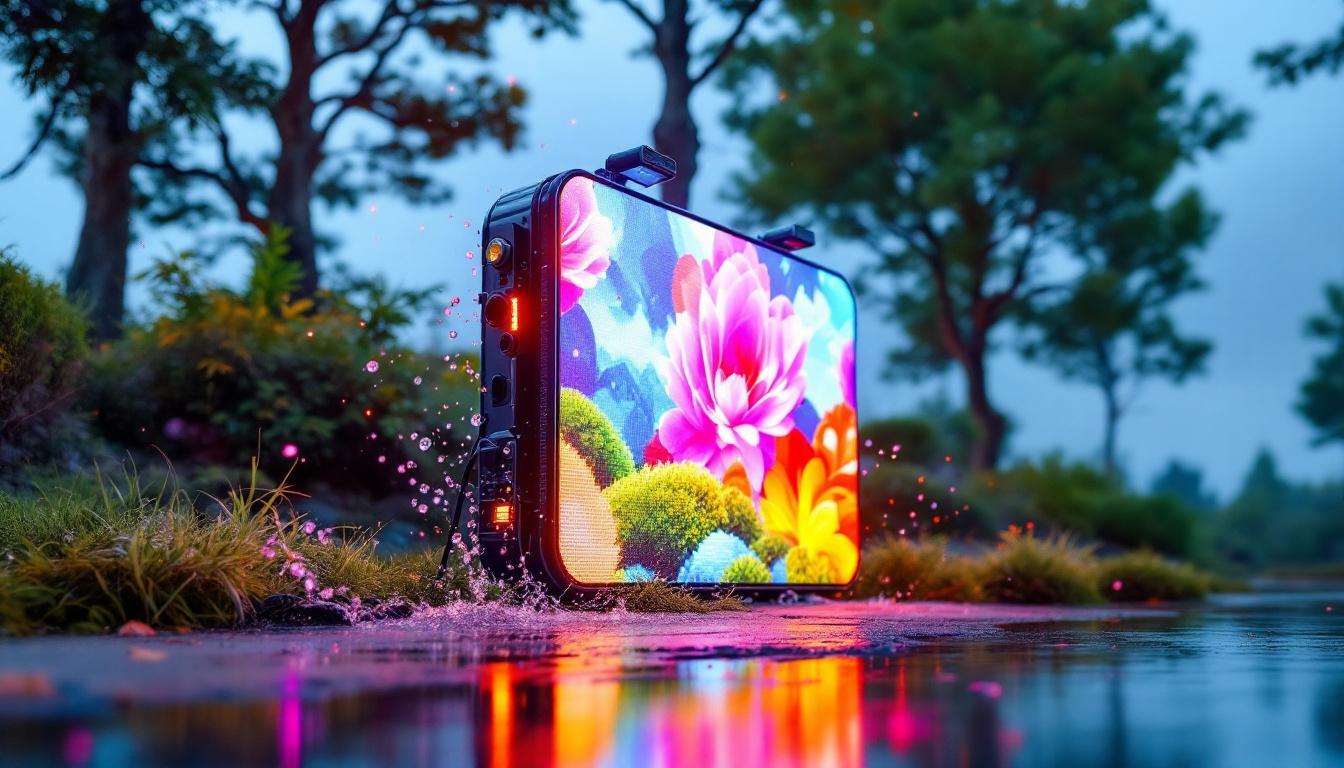
In today’s fast-paced world, outdoor advertising and digital communication have become indispensable tools for businesses, event organizers, and public institutions. Waterproof outdoor LED screens have emerged as a leading solution, offering vibrant, reliable, and weather-resistant displays that captivate audiences regardless of environmental conditions. This article delves into the technology behind waterproof outdoor LED displays, their benefits, applications, and what to consider when selecting the right screen for your needs.
Understanding Waterproof Outdoor LED Screens
What Is an Outdoor LED Display?
Outdoor LED displays are large-scale electronic screens designed specifically for use in open-air environments. Unlike indoor LED panels, these screens are built to withstand harsh weather conditions such as rain, snow, dust, and extreme temperatures. Their robust construction and advanced technology ensure consistent performance and visibility in bright sunlight and adverse weather.
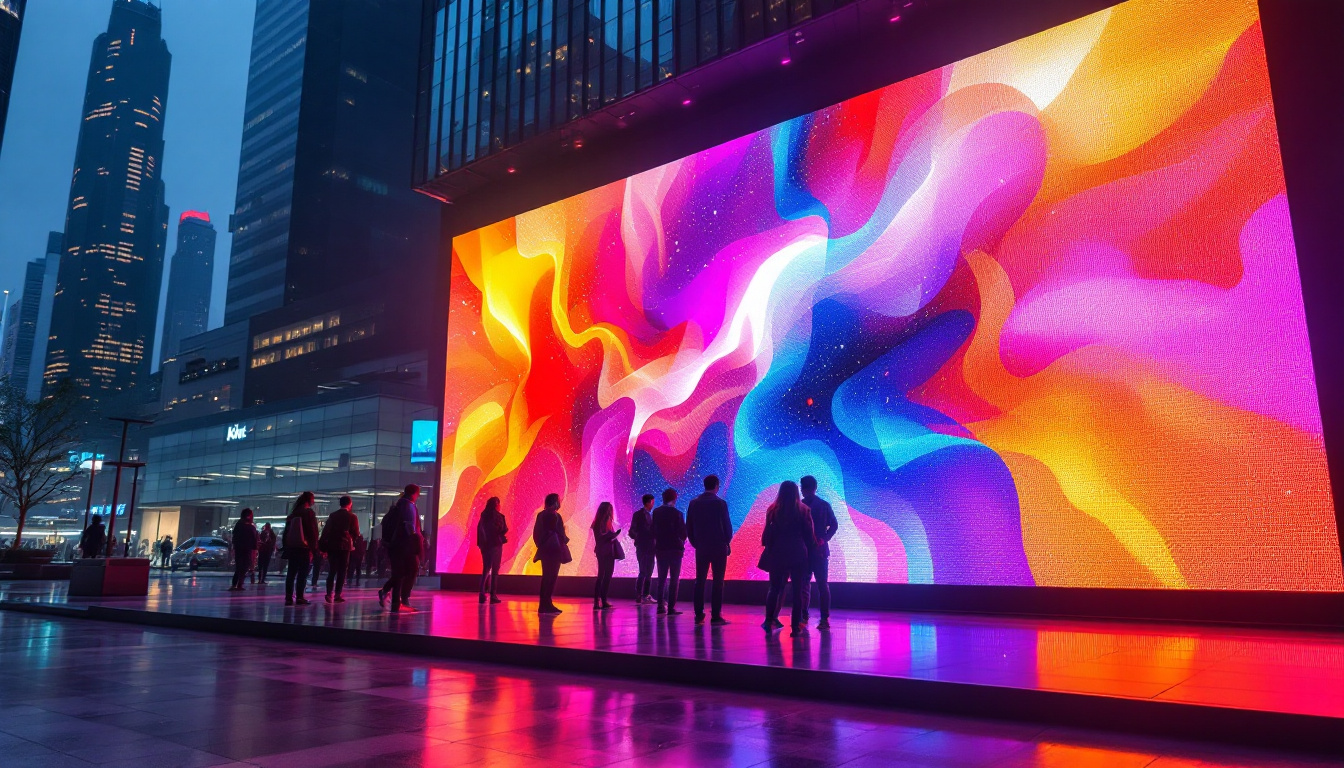
LED, which stands for Light Emitting Diode, is the core technology behind these displays. Each LED acts as a tiny light source, and together they form images, videos, and text with remarkable clarity and brightness. The modular nature of these panels allows for customization in size and resolution, making them suitable for a variety of outdoor applications. From sports stadiums and concert venues to advertising billboards and public transportation hubs, outdoor LED displays serve as dynamic platforms for communication and entertainment, capturing the attention of passersby with vibrant colors and sharp visuals.
What Makes an LED Display Waterproof?
The term “waterproof” in the context of LED screens refers to the device’s ability to resist water ingress and maintain functionality during exposure to moisture. This is typically achieved through a combination of design features and protective materials:
- IP Rating: The Ingress Protection (IP) rating is a critical indicator of an LED screen’s waterproof capabilities. Outdoor LED displays commonly have IP65 or higher ratings, meaning they are dust-tight and protected against water jets from any direction.
- Sealed Enclosures: The LED modules and electronic components are housed in sealed enclosures that prevent water and dust from penetrating. Special gaskets and seals are used around joints and connectors.
- Corrosion-Resistant Materials: Components are often made from materials like aluminum or coated steel that resist rust and corrosion, extending the lifespan of the screen.
- Water-Resistant Connectors: Cables and connectors are designed to prevent moisture ingress, ensuring uninterrupted signal transmission and power supply.
These features combined allow waterproof outdoor LED screens to operate reliably in rain, snow, and humid conditions without damage or performance degradation. Furthermore, the technology behind these displays has evolved significantly, incorporating advancements such as automatic brightness adjustment, which optimizes visibility based on ambient light conditions. This ensures that the content remains clear and engaging, whether during the bright midday sun or in the dim light of dusk. Additionally, many manufacturers are now integrating smart technology into these displays, allowing for remote monitoring and maintenance, which can significantly reduce downtime and operational costs.
Key Advantages of Waterproof Outdoor LED Displays
Exceptional Visibility and Brightness
One of the most significant benefits of outdoor LED screens is their high brightness levels, often exceeding 5,000 nits. This ensures that content remains visible even in direct sunlight, a critical factor for outdoor advertising and information dissemination. Unlike traditional LCD or projection screens, LEDs do not suffer from glare or washed-out images, making them ideal for busy urban environments and large venues. Furthermore, the brightness can be adjusted automatically based on ambient light conditions, ensuring that the display remains vibrant and eye-catching at all times, whether it’s a bright sunny day or a dimly lit evening.
Durability and Longevity
Waterproof outdoor LED displays are engineered to last. Many manufacturers offer screens with a lifespan of 100,000 hours or more, equating to over a decade of continuous use. Their resistance to environmental stressors such as UV radiation, moisture, and temperature fluctuations means less maintenance and fewer replacements, providing excellent return on investment. Additionally, these displays often come with robust protective features, including anti-vandalism coatings and reinforced casings, making them suitable for high-traffic areas where they may be exposed to physical impacts or harsh weather conditions.
Energy Efficiency
LED technology is inherently energy-efficient compared to other display types. Outdoor LED screens consume less power while delivering superior brightness and color accuracy. This efficiency reduces operational costs, especially important for large-scale installations running 24/7. Moreover, advancements in LED technology continue to enhance energy savings, with some models incorporating smart sensors that optimize power usage based on real-time data, further lowering electricity bills and contributing to a more sustainable environment.
Flexible Customization and Scalability
The modular design of LED panels allows for flexible screen sizes and shapes. Whether a business needs a small digital billboard or a massive stadium display, LED technology can be tailored accordingly. Additionally, screens can be configured with varying pixel pitches to balance resolution and viewing distance, ensuring optimal image quality for any application. This adaptability extends to content management as well; businesses can easily update their displays with new graphics or videos remotely, allowing for dynamic advertising campaigns that can be modified in real-time to respond to changing market conditions or promotional events. The ability to create immersive experiences through video walls or interactive displays further enhances the appeal of outdoor LED technology, making it a versatile choice for a wide range of applications.
Applications of Waterproof Outdoor LED Screens
Advertising and Digital Billboards
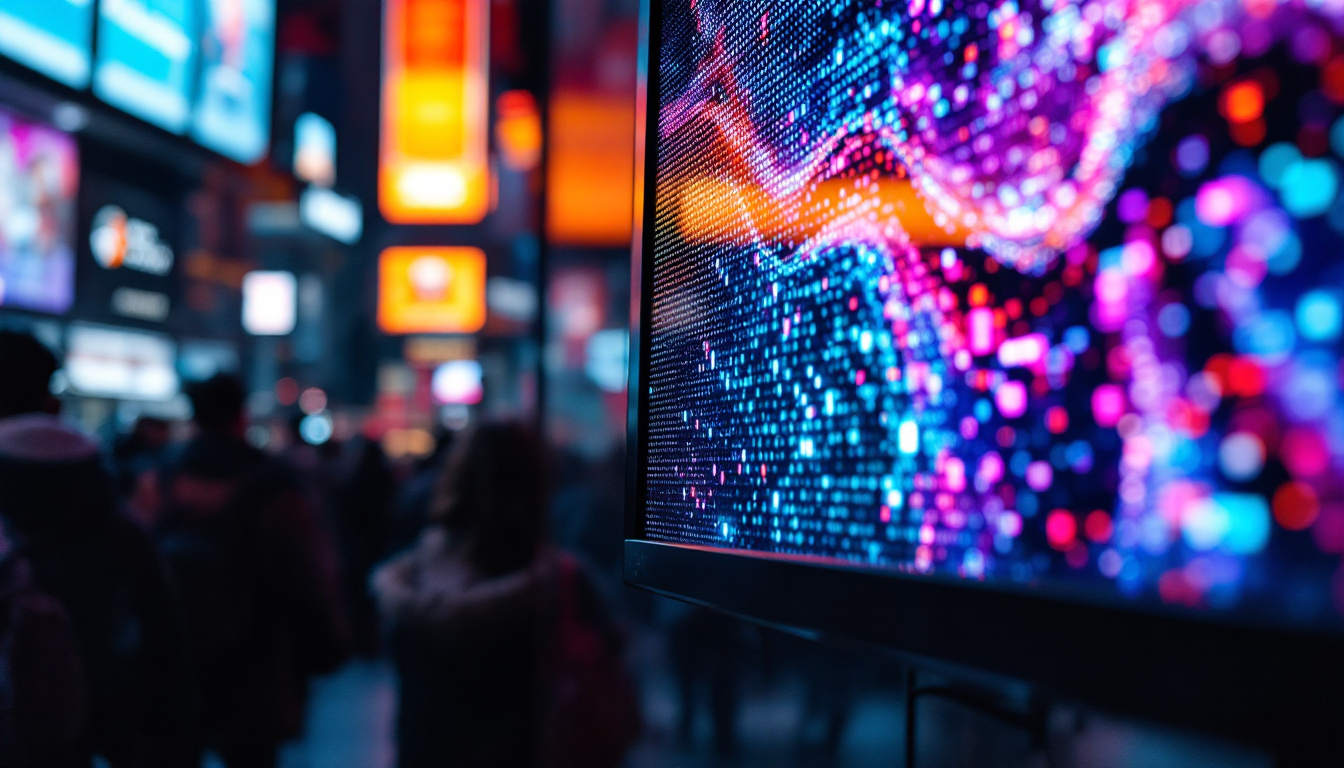
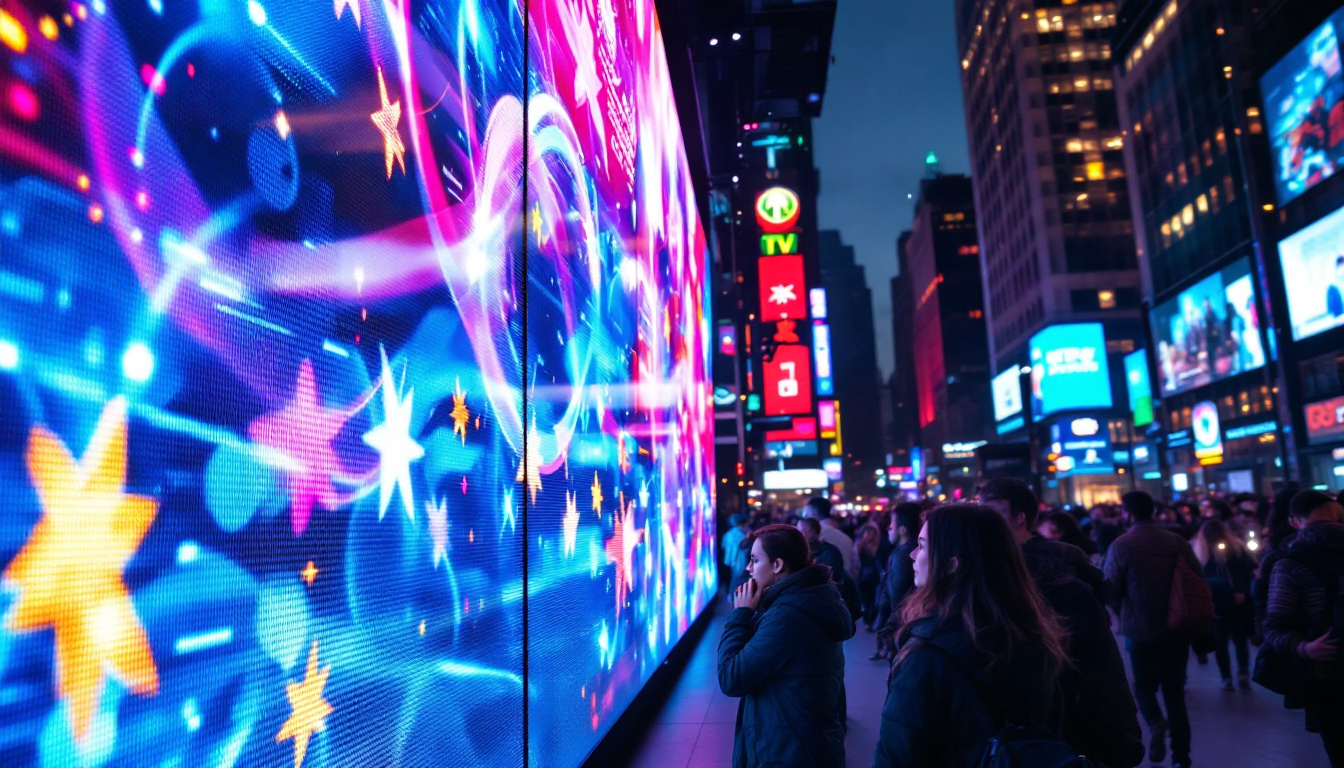
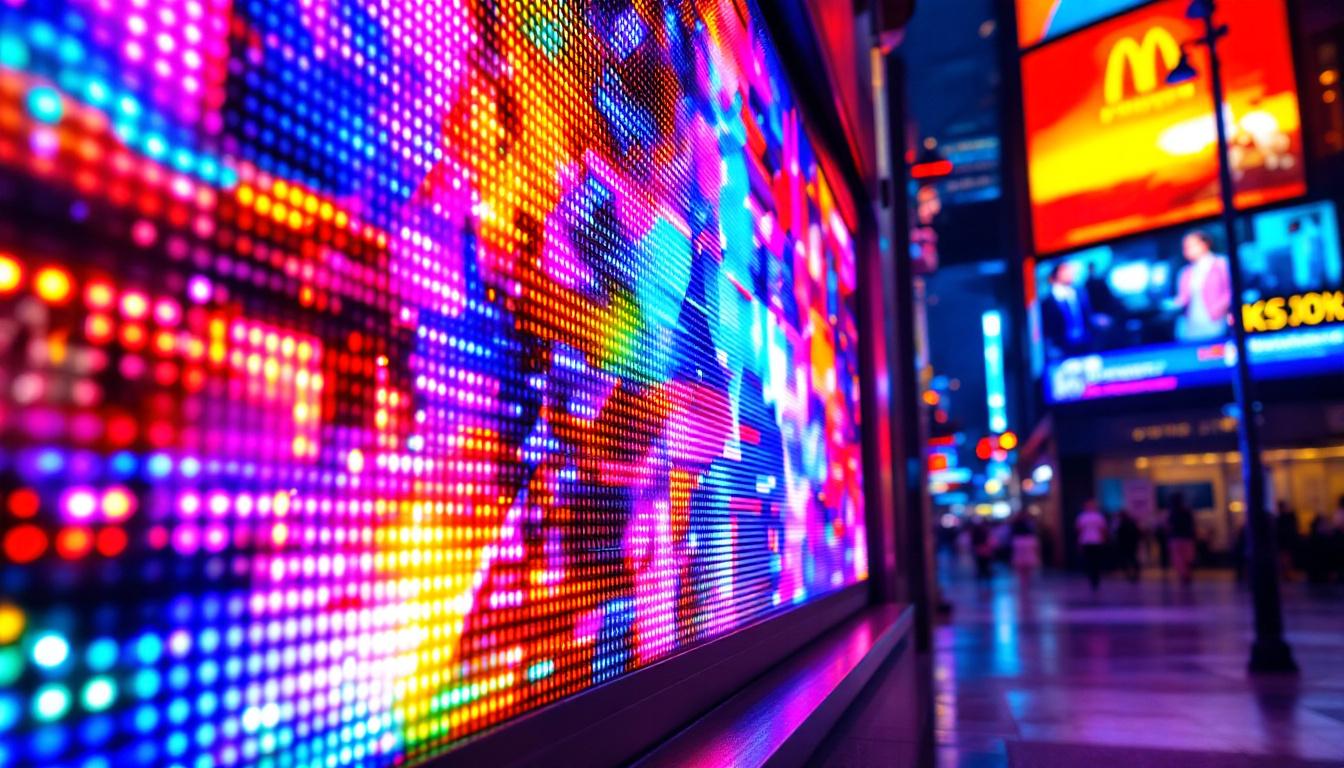
Outdoor LED displays have revolutionized advertising by enabling dynamic, eye-catching content that can be updated in real-time. Brands can display promotions, announcements, and interactive campaigns that engage passersby more effectively than static billboards. Cities like New York and Tokyo showcase some of the most iconic LED billboards, attracting millions of viewers daily.
Sports and Entertainment Venues
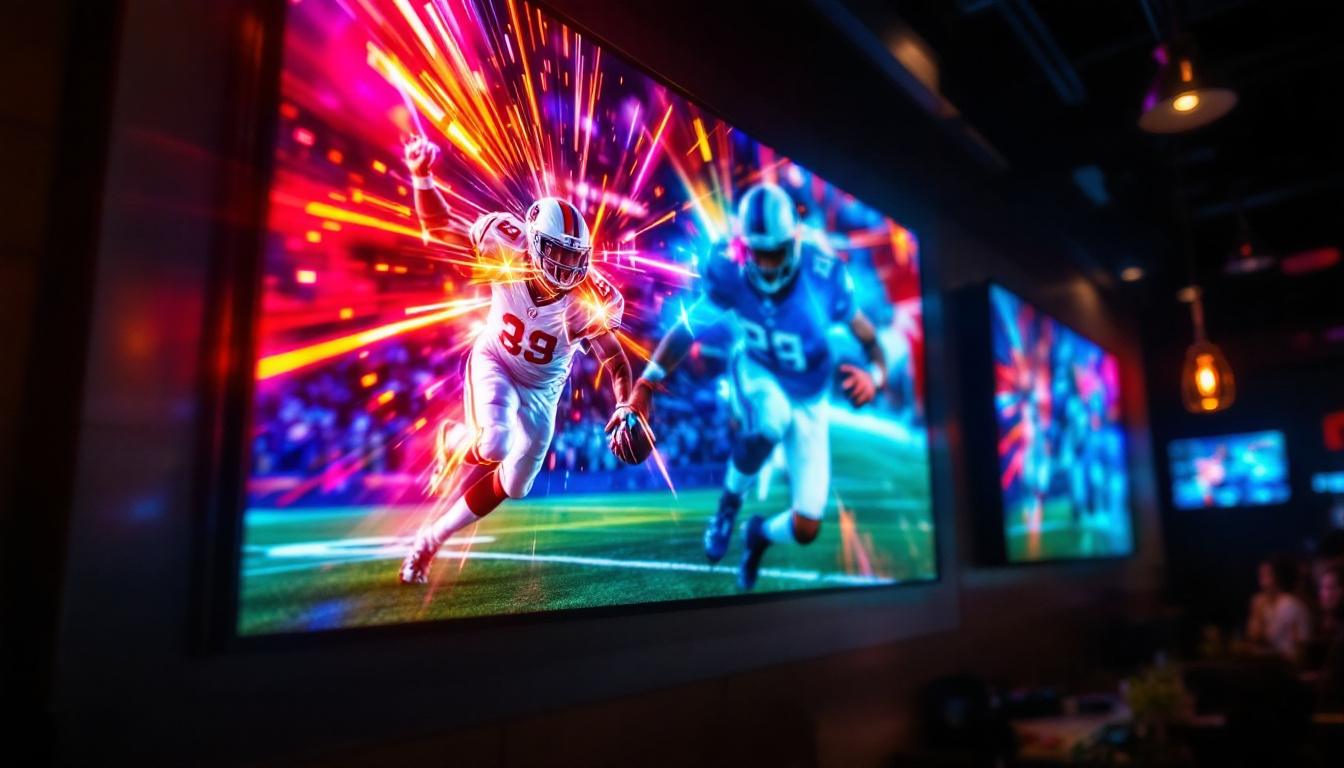
Stadiums and arenas use waterproof outdoor LED screens to enhance the spectator experience. These screens provide live game footage, replays, scores, and advertisements, all visible from every corner of the venue. Their durability ensures they withstand outdoor elements and the intense energy of large crowds.
Transportation and Public Information
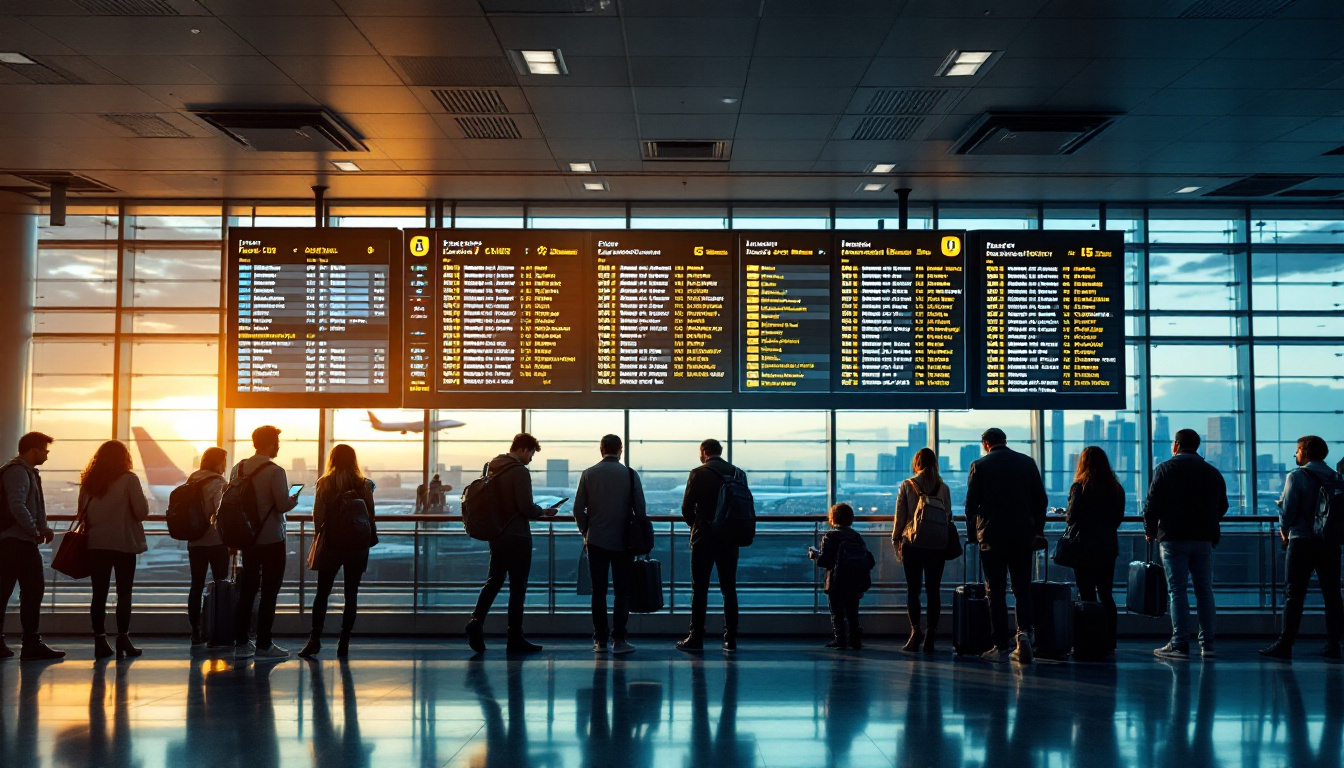
Waterproof LED displays are widely used in transportation hubs such as airports, train stations, and bus terminals. They deliver real-time updates on schedules, delays, and emergency information. Their high visibility and reliability are crucial for maintaining smooth operations and passenger safety.
Events and Festivals
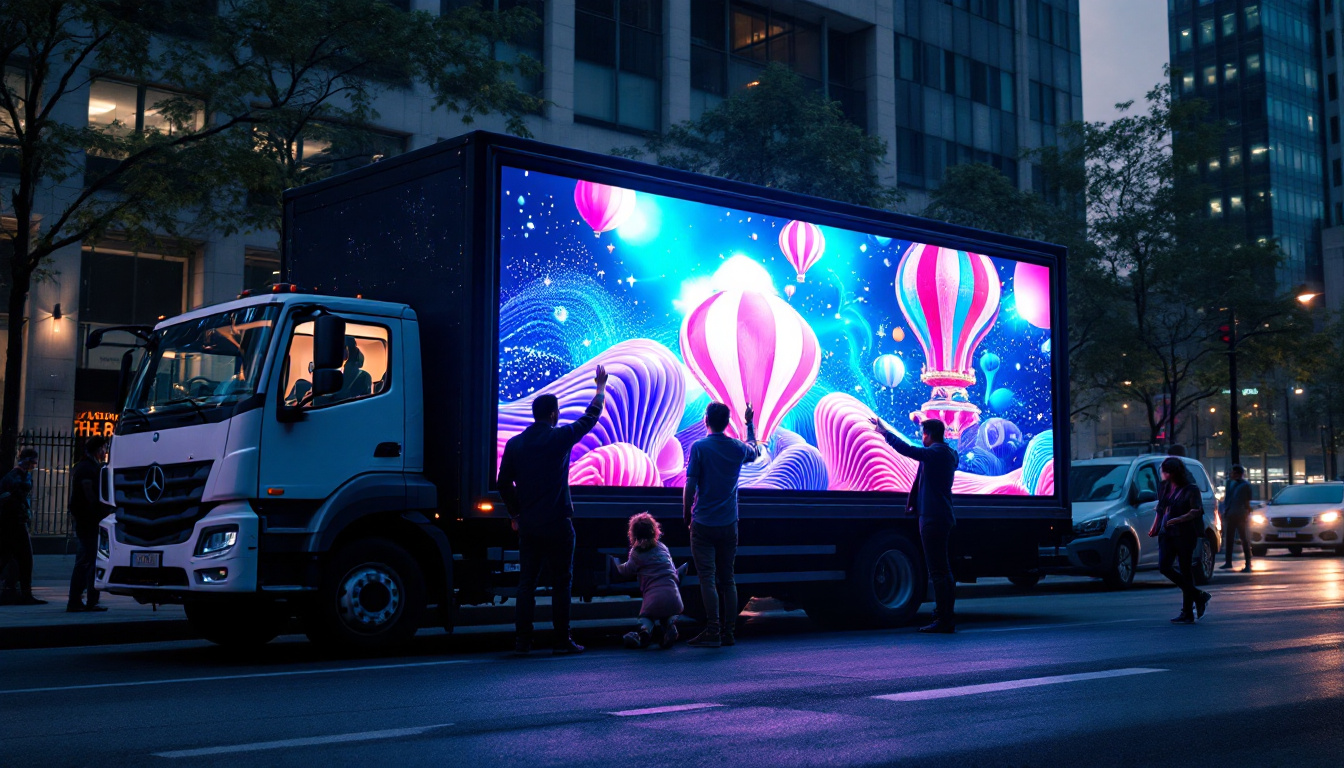
Temporary installations at outdoor events benefit greatly from waterproof LED screens. Concerts, festivals, and public gatherings use these displays for stage backdrops, live feeds, and interactive content. The ease of setup and resistance to weather make them ideal for event organizers seeking impactful visual solutions.
Choosing the Right Waterproof Outdoor LED Screen
Consider Pixel Pitch and Resolution
Pixel pitch refers to the distance between individual LEDs on a display, usually measured in millimeters. A smaller pixel pitch means higher resolution and sharper images, which is essential for close viewing distances. For outdoor screens viewed from a distance of 10 meters or more, a pixel pitch between 6mm and 16mm is common. Choosing the right pixel pitch balances image quality with cost.
Evaluate Brightness and Contrast Ratios
Brightness is crucial for outdoor visibility. Look for screens with a minimum brightness of 5,000 nits for daylight readability. Contrast ratio, the difference between the darkest black and brightest white, also affects image clarity and color vibrancy. Higher contrast ratios provide more vivid and engaging visuals.
Check IP Rating and Build Quality
Ensure the LED screen has an appropriate IP rating for your environment. For most outdoor applications, IP65 or higher is recommended. Additionally, inspect the materials used for the enclosure and mounting hardware to guarantee resistance to corrosion and mechanical damage.
Power Consumption and Cooling Systems
Energy efficiency reduces operating costs, so compare power consumption figures when selecting a screen. Outdoor LED displays often incorporate advanced cooling systems such as fans or heat sinks to maintain optimal operating temperatures, which prolongs lifespan and prevents performance issues.
Installation and Maintenance
Consider the ease of installation and access for maintenance. Modular designs with front and rear serviceability allow for quick repairs and upgrades without significant downtime. Professional installation ensures the screen is securely mounted and aligned for maximum impact.
Future Trends in Waterproof Outdoor LED Displays
Advancements in MicroLED Technology
MicroLED displays represent the next evolution in LED technology, offering even higher brightness, better energy efficiency, and improved color accuracy. These screens use microscopic LEDs that enable ultra-high resolution and thinner panels. While still emerging, MicroLEDs are expected to become more prevalent in outdoor applications within the next few years.
Integration with Smart Technologies
Smart outdoor LED screens are increasingly incorporating sensors, AI, and IoT connectivity. These features allow for adaptive brightness based on ambient light, interactive content triggered by audience engagement, and remote monitoring for predictive maintenance. Such innovations enhance user experience and operational efficiency.
Sustainability and Eco-Friendly Designs
Manufacturers are focusing on reducing the environmental impact of outdoor LED screens by using recyclable materials, low-power components, and solar-powered installations. Sustainable design practices not only benefit the environment but also appeal to eco-conscious brands and communities.
Conclusion
Waterproof outdoor LED screens have transformed the way information and advertising are delivered in open-air environments. Their superior brightness, durability, and versatility make them an invaluable asset for businesses, public services, and entertainment venues. Understanding the technology, benefits, and key considerations when selecting an outdoor LED display ensures that users can maximize their investment and achieve impactful visual communication.
As technology continues to advance, the future of waterproof outdoor LED displays promises even greater innovation, efficiency, and interactivity, solidifying their role as a cornerstone of modern outdoor digital media.
Discover Cutting-Edge LED Displays with LumenMatrix
Ready to elevate your outdoor space with unparalleled brightness, durability, and versatility? LumenMatrix is at the forefront of LED display innovation, offering a wide range of solutions tailored to your unique needs. From captivating Outdoor LED Wall Displays to dynamic LED Sports Displays and beyond, our mission is to revolutionize visual communication. Engage your audience and amplify your message with our advanced LED technology. Check out LumenMatrix LED Display Solutions today and experience the future of digital signage.