In today’s digital landscape, LED displays have become a cornerstone technology for advertising, information dissemination, and entertainment. Among the innovations enhancing LED display technology, Power over Ethernet (PoE) stands out as a game-changer, simplifying installation and improving efficiency. This article delves into the intricacies of PoE offering in LED displays, explaining what it is, how it works, and why it matters for businesses and end-users alike.
Understanding LED Displays: The Basics
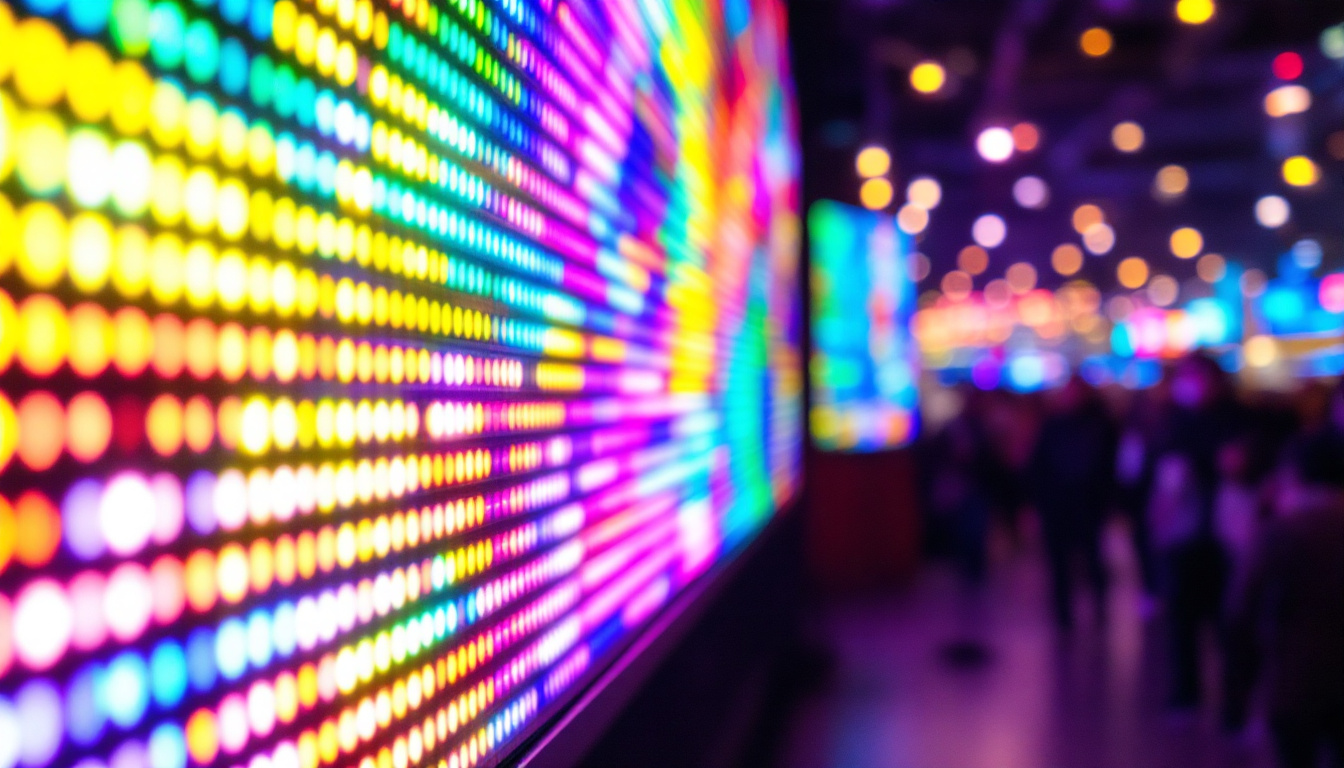
LED (Light Emitting Diode) displays are electronic display panels that use light-emitting diodes to create images and videos. These displays are widely used in various applications, from billboards and stadium screens to indoor digital signage and retail displays. Their popularity stems from several advantages, including high brightness, energy efficiency, long lifespan, and the ability to produce vibrant colors.
LED displays come in different forms, such as indoor and outdoor panels, flexible screens, and transparent displays. The core technology involves an array of tiny LEDs arranged in a grid, where each LED can be individually controlled to emit light at varying intensities, creating detailed images and animations. This versatility allows for a wide range of creative applications, from artistic installations to functional advertising, enabling businesses to capture the attention of their audience effectively.
Key Features of LED Displays
Some of the most important characteristics of LED displays include:
- Brightness: LED displays can achieve brightness levels exceeding 5,000 nits, making them visible even in direct sunlight.
- Resolution: Depending on pixel pitch (distance between LEDs), LED displays can range from low-resolution large-format screens to ultra-high-definition panels.
- Durability: Designed to withstand harsh weather conditions, especially outdoor models, which are often waterproof and dustproof.
- Energy Efficiency: LEDs consume less power compared to traditional display technologies like LCD or plasma.
In addition to these features, LED displays are also known for their rapid response times, which make them ideal for dynamic content such as video and animations. This capability allows for smooth transitions and an engaging viewer experience, essential for environments like sports arenas where real-time updates and highlights are crucial. Furthermore, advancements in LED technology have led to the development of high-density displays that can be viewed from shorter distances without losing image quality, making them suitable for indoor environments where close-up viewing is common.
Moreover, the integration of smart technology into LED displays has opened up new avenues for interactivity and data-driven content. With the ability to connect to the internet and utilize sensors, these displays can adapt their content based on audience engagement or environmental conditions. For instance, a retail display might change its promotions based on the time of day or the demographic profile of the viewers, enhancing the overall effectiveness of advertising campaigns. This level of adaptability not only maximizes the impact of the content but also provides businesses with valuable insights into consumer behavior.
What is Power over Ethernet (PoE)?
Power over Ethernet (PoE) is a technology that enables network cables to carry electrical power alongside data. This eliminates the need for separate power cables, simplifying the infrastructure required for devices such as IP cameras, wireless access points, and increasingly, LED displays. By utilizing existing network cabling, PoE not only streamlines installation but also enhances the flexibility of device placement, allowing for optimal positioning without the constraints of traditional power sources.
PoE works by injecting power into the Ethernet cable through a PoE-enabled switch or injector, which is then received by the powered device (PD). The technology adheres to standards like IEEE 802.3af, 802.3at, and 802.3bt, each supporting different power levels ranging from 15.4 watts to over 90 watts per port. This versatility makes PoE suitable for a wide range of applications, from small-scale setups to larger, more demanding installations, ensuring that devices receive the necessary power without compromising performance.
Advantages of PoE in LED Displays
Integrating PoE with LED displays offers several compelling benefits:
- Simplified Installation: With power and data delivered over a single cable, installation becomes faster and less costly, especially in locations where power outlets are limited. This is particularly advantageous in retrofitting projects where existing structures may not have adequate electrical infrastructure.
- Reduced Cabling and Maintenance: Fewer cables mean less clutter and easier troubleshooting, reducing maintenance time and costs. This streamlined approach not only enhances the aesthetic appeal of installations but also minimizes the risk of cable damage, which can lead to costly repairs.
- Enhanced Safety: PoE delivers low-voltage power, reducing electrical hazards and making it safer to install and operate LED displays in public spaces. This is especially important in environments such as schools, hospitals, and shopping centers, where safety is paramount.
- Centralized Power Management: Power can be controlled remotely via network switches, allowing for easier monitoring and energy savings. This capability enables organizations to implement energy-efficient practices, such as scheduling power to devices during off-peak hours, further reducing operational costs.
In addition to these advantages, PoE technology is also evolving to support more advanced features. For instance, the latest PoE standards allow for the integration of smart technology, enabling LED displays to communicate with other devices on the network. This opens up possibilities for dynamic content delivery, real-time updates, and enhanced interactivity, making displays not just a source of information but a vital part of the user experience. Furthermore, as smart cities and IoT applications continue to grow, the role of PoE in powering connected devices will become increasingly significant, paving the way for innovative solutions across various sectors.
How PoE is Revolutionizing LED Display Installations
Traditional LED display setups often require separate power and data connections, which can be cumbersome and expensive to implement, especially for large-scale or outdoor installations. PoE technology addresses these challenges by consolidating power and data transmission into a single cable, streamlining the entire process.
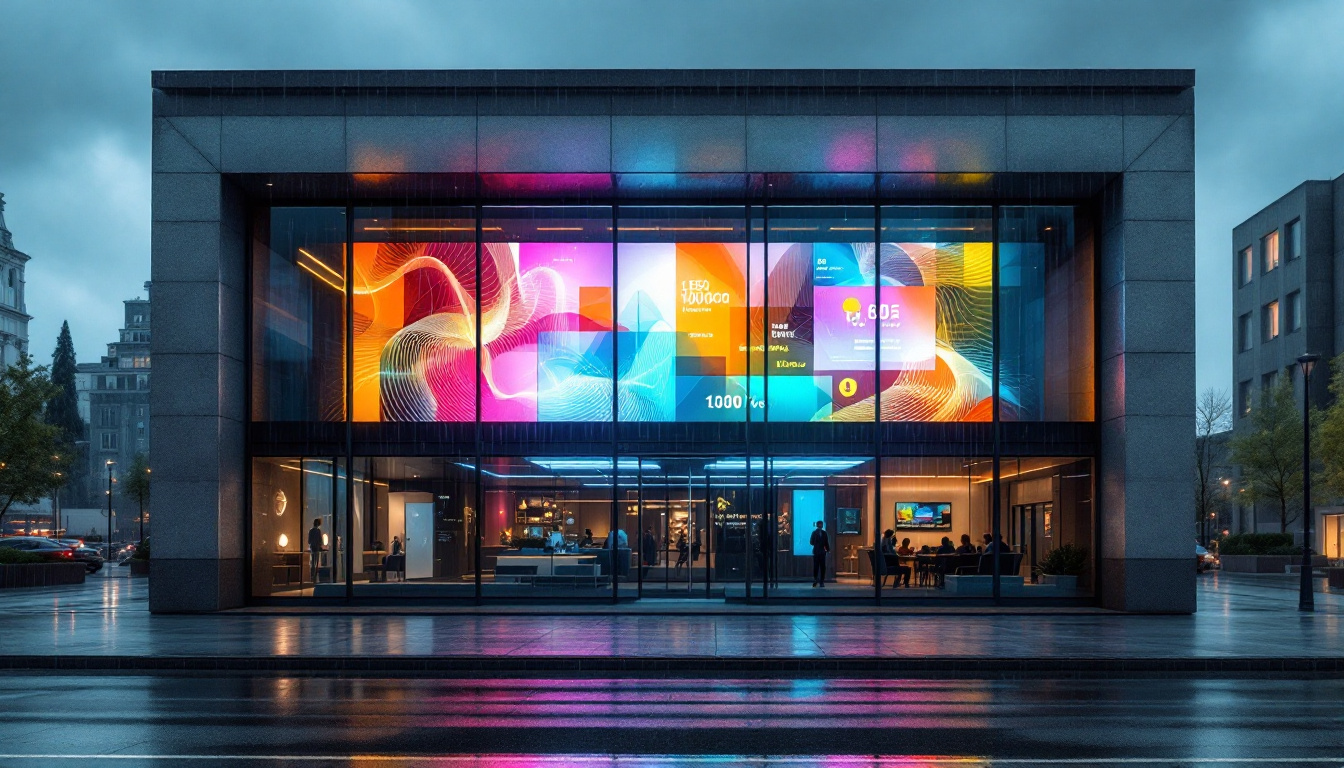
For example, in retail environments where digital signage is deployed across multiple locations, PoE-enabled LED displays reduce the complexity of wiring and allow for rapid deployment. Similarly, outdoor advertising panels benefit from PoE by minimizing the need for extensive electrical infrastructure, which can be costly and time-consuming to install.
Case Study: Smart City Deployments
Smart cities are increasingly adopting PoE-powered LED displays for public information systems, including transit schedules, emergency alerts, and advertising. In one metropolitan area, the use of PoE-enabled LED panels reduced installation costs by 30% and decreased deployment time by 40%, while also improving energy management through centralized control.
Moreover, the integration of PoE technology not only enhances the efficiency of installations but also contributes to sustainability efforts. By utilizing a single cable for both power and data, cities can significantly reduce the amount of cabling required, leading to less material waste and a smaller carbon footprint. This is particularly important in urban environments where space is at a premium and the environmental impact of construction projects is closely scrutinized. Additionally, PoE systems can be easily monitored and managed remotely, allowing city officials to adjust settings and troubleshoot issues without the need for on-site visits, further enhancing operational efficiency.
Another advantage of PoE in LED display installations is its ability to support advanced features such as remote diagnostics and updates. This capability is crucial for maintaining the functionality of displays in high-traffic areas or locations that are difficult to access. For instance, if a display malfunctions or requires a software update, technicians can address the issue from a centralized location, saving time and reducing labor costs. This level of control not only ensures that the displays remain operational but also allows for dynamic content updates, enabling cities to respond quickly to changing information needs and engage with their communities more effectively.
Technical Considerations for PoE LED Displays
While PoE offers many advantages, there are technical factors to consider to ensure optimal performance and reliability of LED displays.
Power Requirements and Standards
LED displays vary widely in their power consumption depending on size, brightness, and usage. It is essential to match the PoE standard to the power needs of the display. For instance, smaller indoor LED panels may operate efficiently under IEEE 802.3af (up to 15.4W), while larger or outdoor displays might require IEEE 802.3at (30W) or IEEE 802.3bt (up to 90W) standards.
Network Infrastructure
Since PoE relies on Ethernet cabling, the quality and category of cables (e.g., Cat5e, Cat6) impact data transmission and power delivery. Additionally, network switches must support PoE with sufficient power budgets to handle multiple LED displays simultaneously.
Heat Dissipation and Environmental Factors
LED displays generate heat during operation, and power delivery over Ethernet cables can contribute to thermal buildup. Proper ventilation and cooling mechanisms are necessary to maintain device longevity and performance, especially in outdoor or enclosed installations.
Future Trends in PoE and LED Display Technology
The integration of PoE with LED displays is evolving rapidly, driven by advancements in both networking and display technologies.
Higher Power PoE Standards
Emerging PoE standards, such as IEEE 802.3bt Type 4, support up to 90 watts per port, enabling even larger and brighter LED displays to be powered over Ethernet. This opens new possibilities for complex video walls and dynamic outdoor signage without the need for traditional power sources.
Smart and Interactive Displays
PoE facilitates the deployment of smart LED displays equipped with sensors, cameras, and interactive touch capabilities. These displays can be integrated into IoT ecosystems, providing real-time data and personalized content, enhancing user engagement.
Energy Efficiency and Sustainability
As sustainability becomes a priority, PoE-powered LED displays contribute to energy savings by enabling precise power management and reducing the need for additional electrical infrastructure. This aligns with green building standards and corporate social responsibility goals.
Conclusion
Power over Ethernet is transforming the way LED displays are installed, powered, and managed. By combining data and power delivery into a single cable, PoE simplifies installations, reduces costs, and enhances safety, making it an attractive solution for a wide range of applications. As PoE standards advance and LED technologies continue to improve, the synergy between these two will unlock new opportunities for dynamic, efficient, and intelligent digital displays.
For businesses and organizations looking to deploy LED displays, understanding the benefits and technical requirements of PoE is essential. Embracing this technology not only streamlines operations but also positions enterprises at the forefront of digital innovation.
Discover LumenMatrix’s Innovative LED Solutions
Ready to elevate your visual communication strategy with the latest in LED technology? LumenMatrix is at the forefront of digital display innovation, offering a comprehensive range of LED solutions tailored to your needs. From captivating Indoor and Outdoor LED Wall Displays to dynamic Vehicle and Sports LED Displays, our products are designed to make your brand shine. Experience the future of digital signage with our All-in-One LED Displays, LED Posters, and even Custom LED solutions that fit your unique vision. Embrace the power of PoE and the brilliance of LED with LumenMatrix. Check out LumenMatrix LED Display Solutions today and transform your space into a mesmerizing visual experience.