In today’s digital age, visual communication plays a pivotal role across industries, from advertising and entertainment to transportation and public information systems. Among the various display technologies available, LED displays have emerged as a dominant solution due to their versatility, brightness, and energy efficiency. This article delves deep into the world of LED displays, explaining their technology, applications, advantages, and future trends to provide a comprehensive understanding of why they are the preferred choice for many display solutions worldwide.
Understanding LED Display Technology
What is an LED Display?
LED stands for Light Emitting Diode, a semiconductor device that emits light when an electric current passes through it. An LED display is a flat panel display that uses an array of these tiny LEDs as pixels to produce images, videos, or text. Unlike traditional LCD or plasma screens that rely on backlighting or gas discharge, LED displays generate their own light, making them brighter and more vivid.
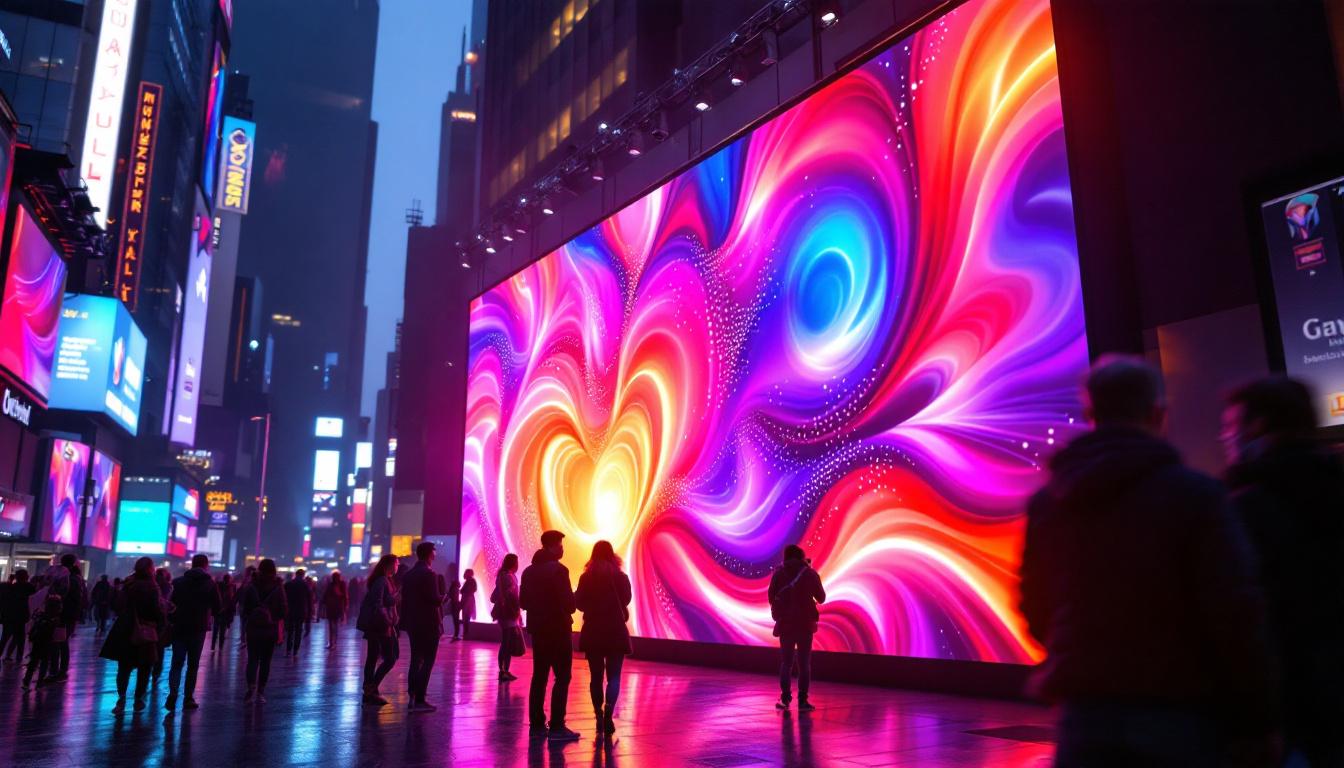
LED displays can be categorized broadly into two types: direct-view LED displays and LED-backlit LCD displays. The former uses LEDs as the actual pixels visible to the viewer, while the latter uses LEDs as a backlight source behind an LCD panel. This article focuses primarily on direct-view LED displays, which are commonly used in large-scale applications such as billboards, stadium screens, and digital signage. The versatility of LED technology has led to its adoption in various sectors, from advertising to entertainment, and even in artistic installations, where dynamic visuals can enhance the viewer’s experience.
How Do LED Displays Work?
Each pixel in an LED display consists of one or more LEDs, typically red, green, and blue, which combine to create a full spectrum of colors through varying intensities. By controlling the brightness of each LED, the display can render detailed images and videos with high color accuracy. This capability allows for the creation of stunning visuals that can capture attention and convey messages effectively, making LED displays a popular choice for marketing and branding purposes.
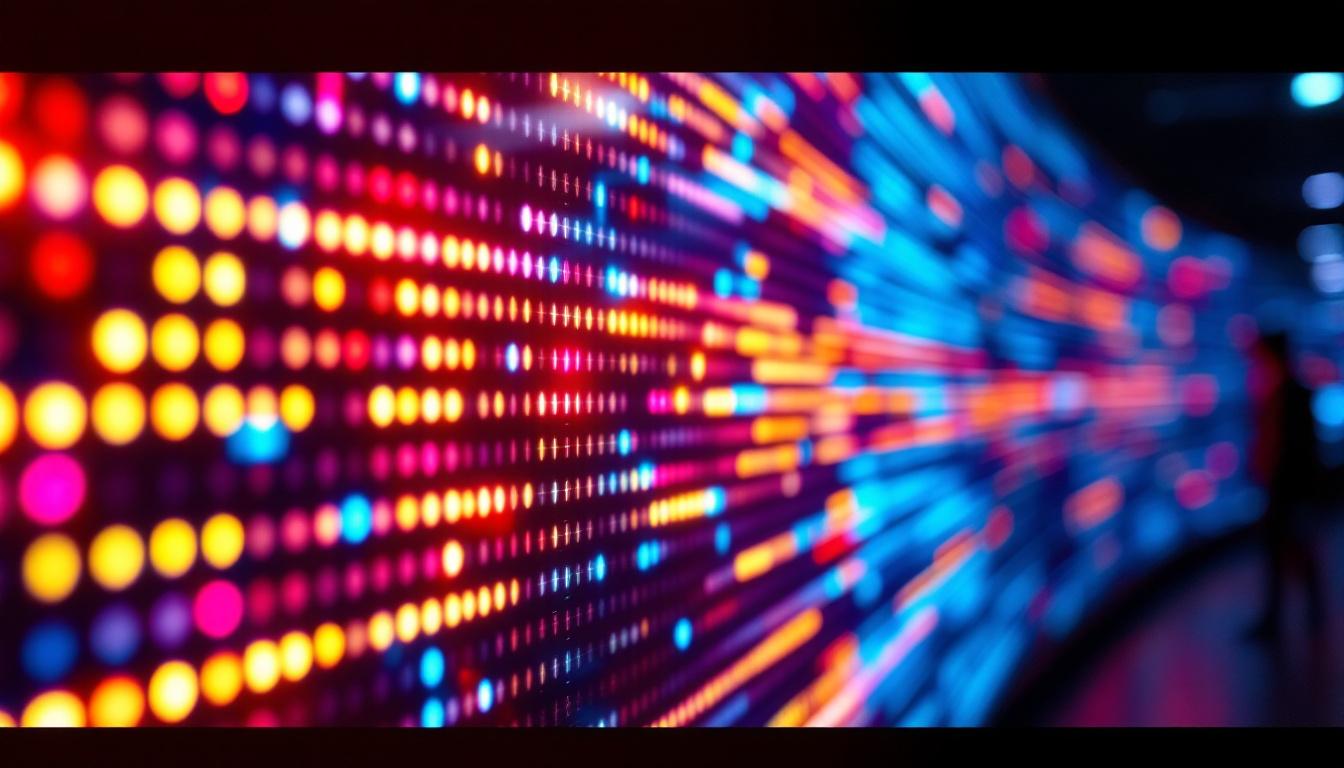
Modern LED displays use surface-mount technology (SMT) to place LEDs on a circuit board, forming modules that can be assembled into large panels of virtually any size. The resolution of an LED display depends on the pixel pitch—the distance between the centers of two adjacent pixels. Smaller pixel pitches result in higher resolution and sharper images, which is crucial for indoor displays viewed at close range. Additionally, advancements in LED technology have led to the development of flexible and transparent displays, opening up new possibilities for innovative designs in architecture and interior decoration. As the technology continues to evolve, we can expect even more applications that push the boundaries of visual communication.
Key Advantages of LED Displays
Brightness and Visibility
One of the most significant advantages of LED displays is their exceptional brightness. LEDs can produce luminance levels far beyond what LCD or plasma displays offer, making them highly visible even in direct sunlight. This makes LED displays ideal for outdoor advertising, transportation hubs, and sports arenas where ambient light conditions vary.
For example, outdoor LED billboards often reach brightness levels of 5,000 to 10,000 nits, compared to typical LCD screens that max out around 500 nits. This ensures messages remain clear and vibrant regardless of weather or time of day.
Energy Efficiency and Longevity
LED technology is inherently energy-efficient because LEDs convert most of the electrical energy into light rather than heat. This efficiency translates into lower operating costs, especially for large-scale installations that run continuously. Additionally, LED displays have a longer lifespan, often exceeding 100,000 hours of operation, which reduces the need for frequent replacements and maintenance.
Flexibility and Scalability
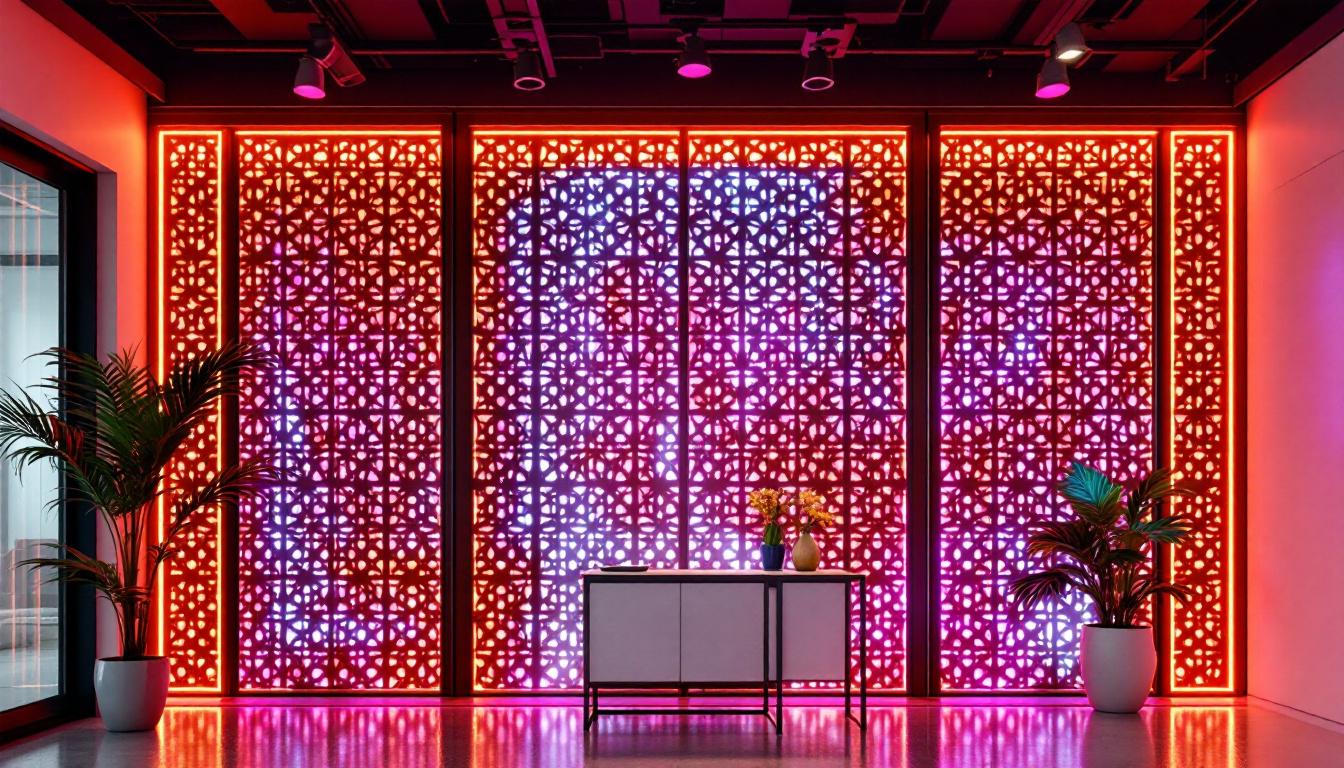
LED displays are highly modular, allowing for custom sizes and shapes to fit any installation environment. Whether it’s a massive stadium screen, a curved retail display, or a small digital menu board, LED technology can be adapted to meet diverse requirements. This scalability is a major reason why LED displays are favored in dynamic environments where content and display size may need to change over time.
Superior Color and Contrast
Because LEDs emit light directly, they offer excellent contrast ratios and vibrant colors. Unlike LCDs, which rely on backlighting and can suffer from light bleed, LED displays provide deep blacks and bright whites, enhancing overall image quality. This advantage is particularly important for applications such as broadcasting, live events, and high-end retail where visual impact is critical.
Applications of LED Displays
Advertising and Digital Signage
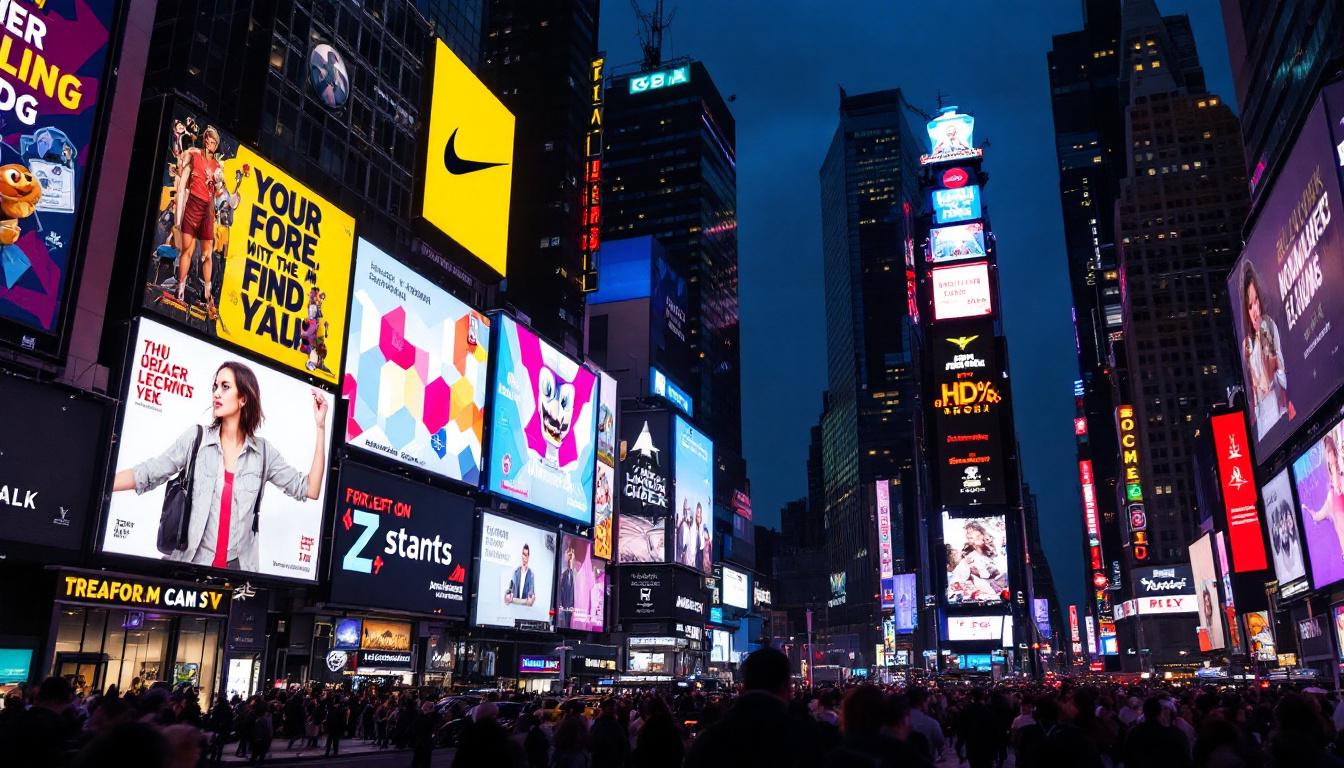
Outdoor advertising has been revolutionized by LED displays. Digital billboards can change content instantly, allowing advertisers to target different audiences throughout the day. According to the Digital Signage Federation, the global digital signage market is expected to grow at a compound annual growth rate (CAGR) of over 7% through 2027, driven largely by LED technology advancements.
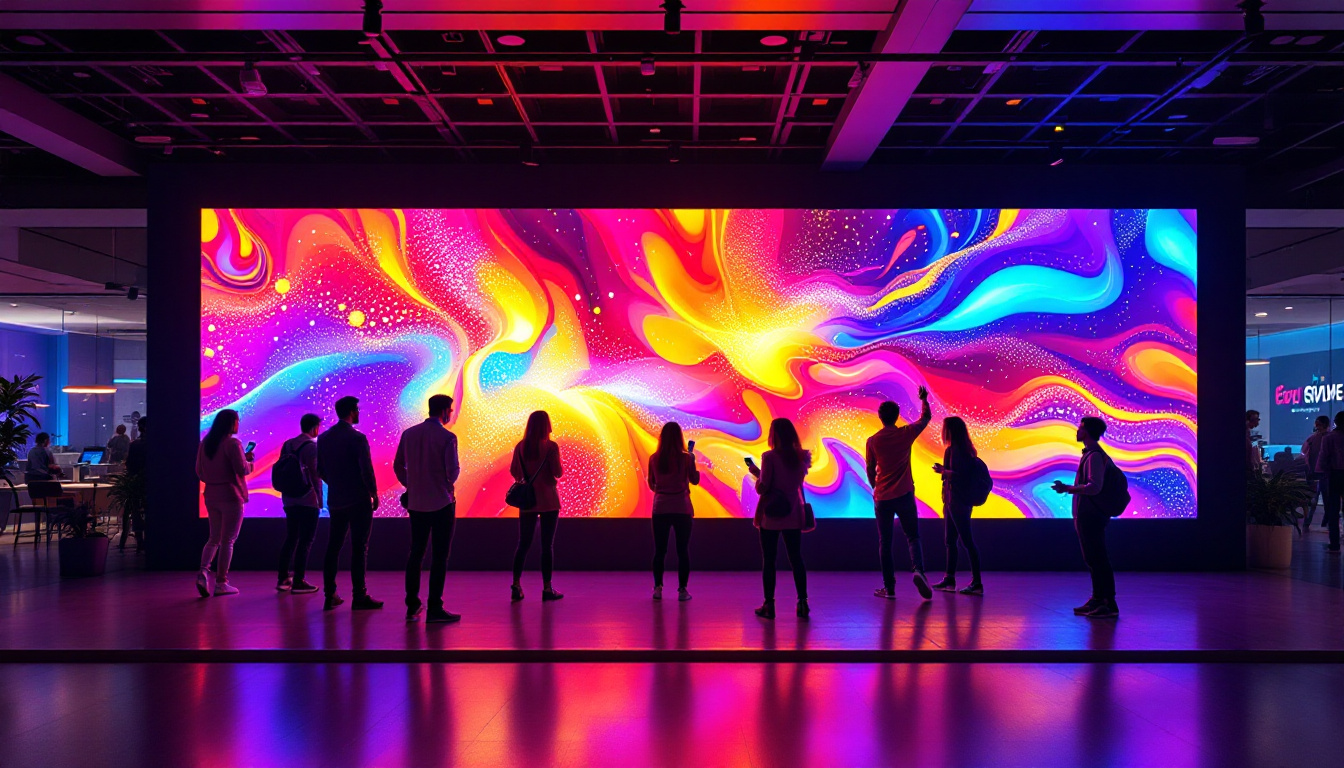
Retail environments also leverage LED displays for dynamic promotions, interactive kiosks, and immersive brand experiences. The ability to display high-resolution video and animations attracts customer attention and increases engagement, which can directly boost sales.
Sports and Entertainment Venues
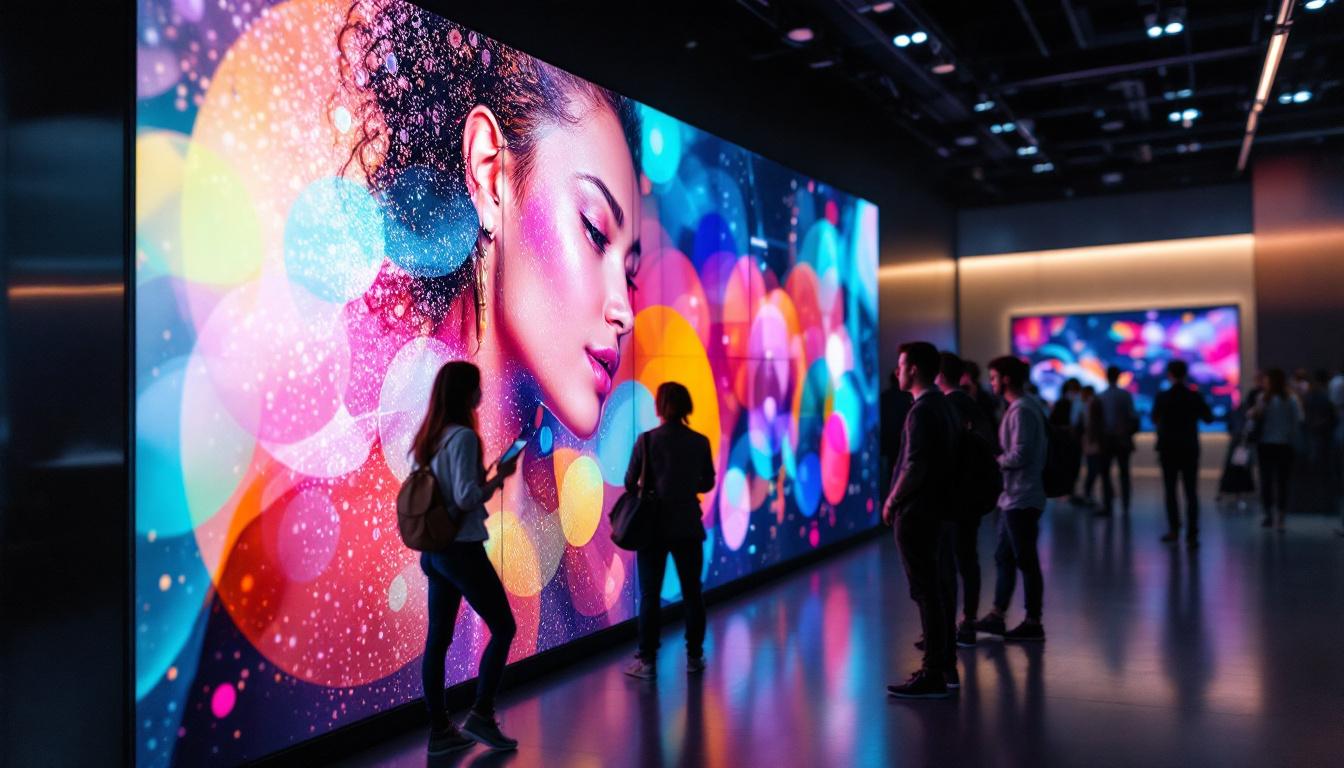
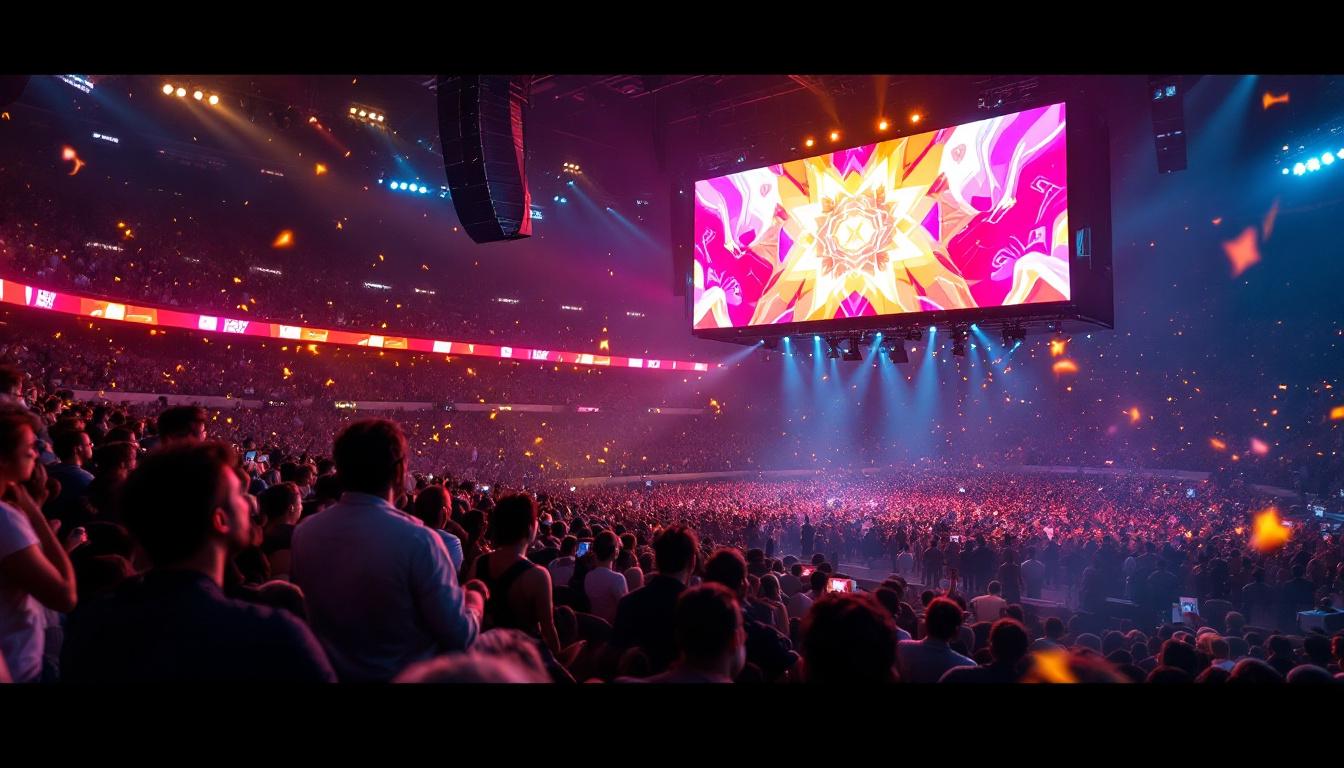
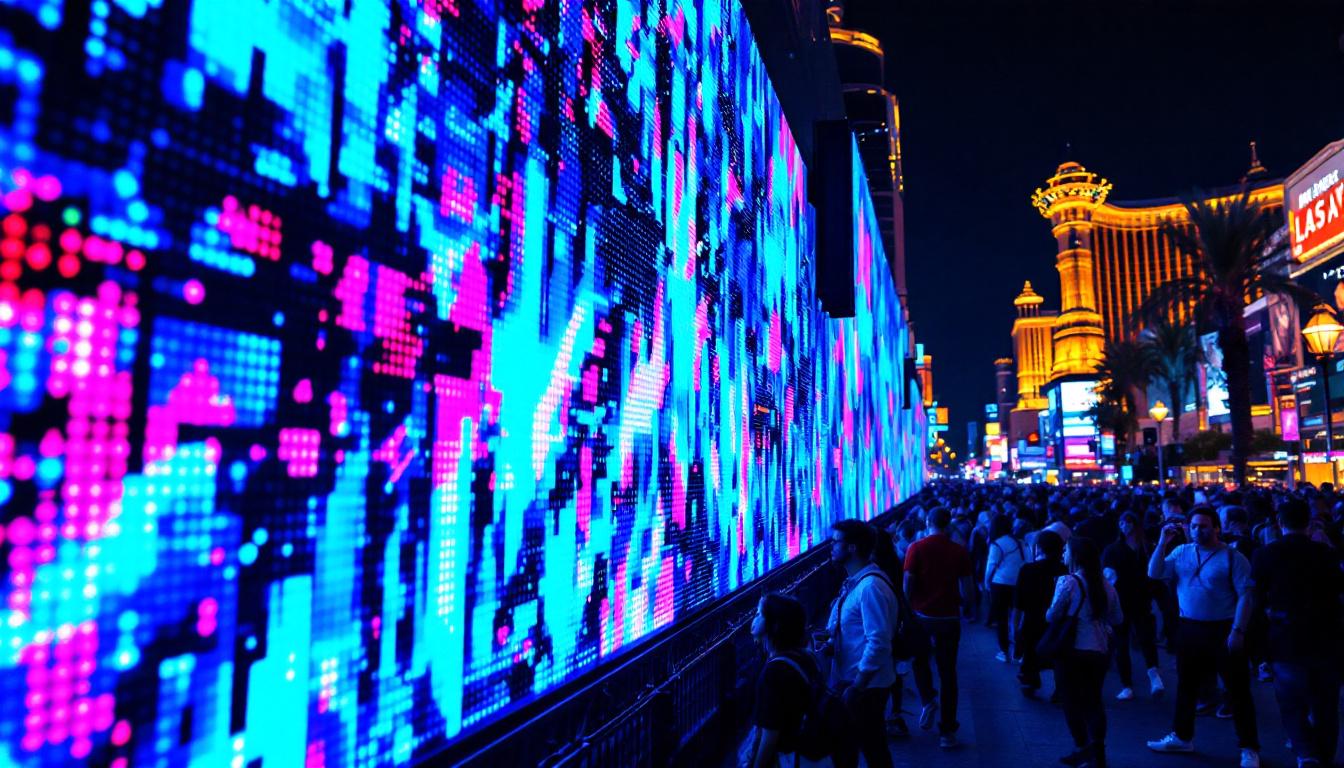
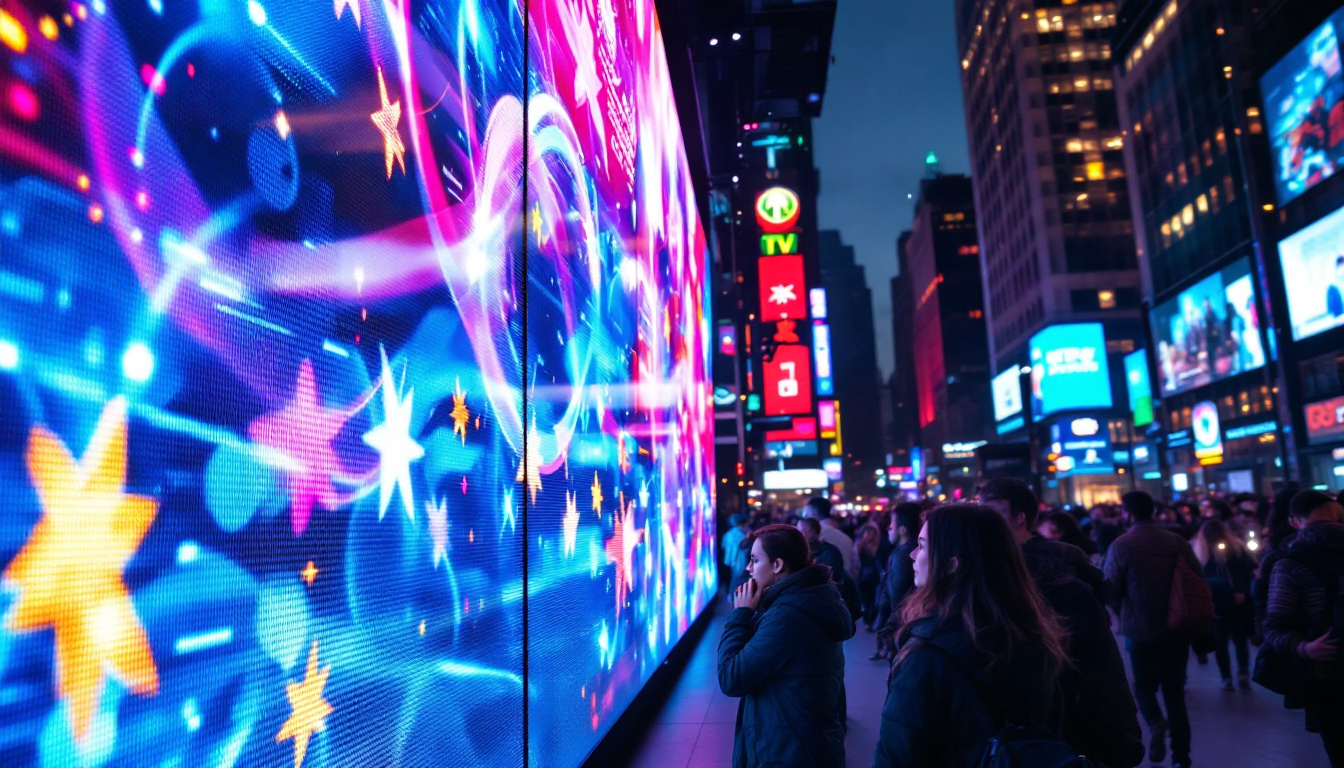
LED displays have become indispensable in stadiums, arenas, and concert venues. Large-scale LED video walls provide live game footage, instant replays, and advertisements, enhancing the spectator experience. The versatility of LED screens allows them to be installed in various configurations, including curved or wrap-around designs that maximize visibility.
For example, the AT&T Stadium in Texas features one of the largest LED video boards in the world, measuring approximately 160 feet wide and 72 feet tall, delivering crystal-clear images to over 100,000 fans.
Transportation and Public Information
LED displays are widely used in airports, train stations, and bus terminals to provide real-time information such as arrivals, departures, and emergency alerts. Their high brightness ensures readability even in brightly lit environments, and their durability withstands the demands of public spaces.
Additionally, LED traffic signs and variable message signs help improve road safety by delivering timely warnings and instructions to drivers.
Corporate and Educational Environments
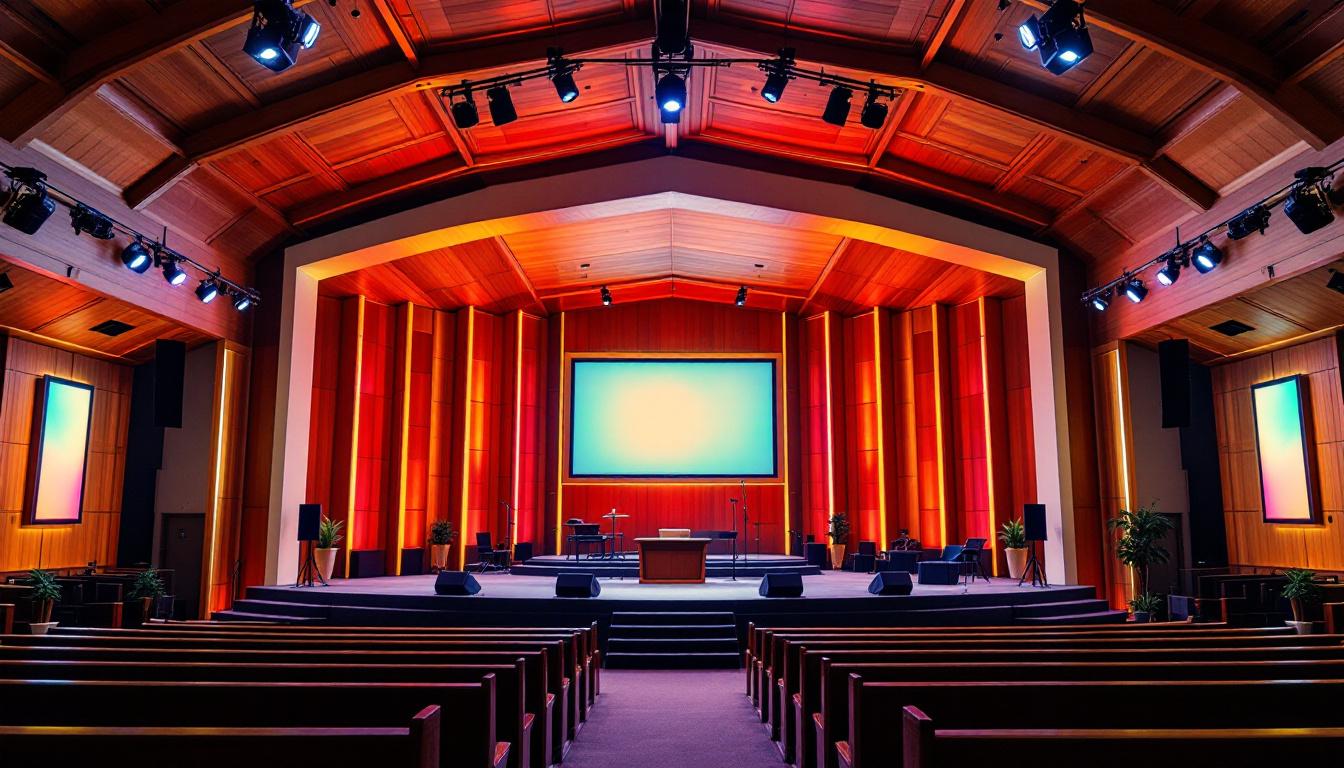
In corporate settings, LED displays facilitate presentations, video conferencing, and digital collaboration. Large LED walls create immersive meeting rooms and auditoriums that enhance communication and engagement. Similarly, educational institutions use LED displays for digital notice boards, lecture halls, and interactive learning environments.
Choosing the Right LED Display
Pixel Pitch and Resolution
The choice of pixel pitch is critical depending on the viewing distance and application. Indoor LED displays typically have pixel pitches ranging from 0.9mm to 4mm, offering high resolution for close viewing. Outdoor displays, on the other hand, often feature larger pixel pitches from 6mm to 20mm, as they are viewed from greater distances.
For instance, a retail store window display might use a 1.5mm pitch to ensure crisp visuals for passersby, while a highway billboard might use a 16mm pitch, balancing resolution with cost and visibility.
Brightness and Environmental Considerations
Brightness requirements vary based on location and ambient light. Outdoor displays require higher brightness and weatherproofing to withstand sun, rain, and temperature extremes. Look for LED displays with IP65 or higher ratings for dust and water resistance in outdoor applications.
Indoor displays can focus more on color accuracy and contrast without needing extreme brightness, which also helps reduce energy consumption and heat output.
Control Systems and Content Management
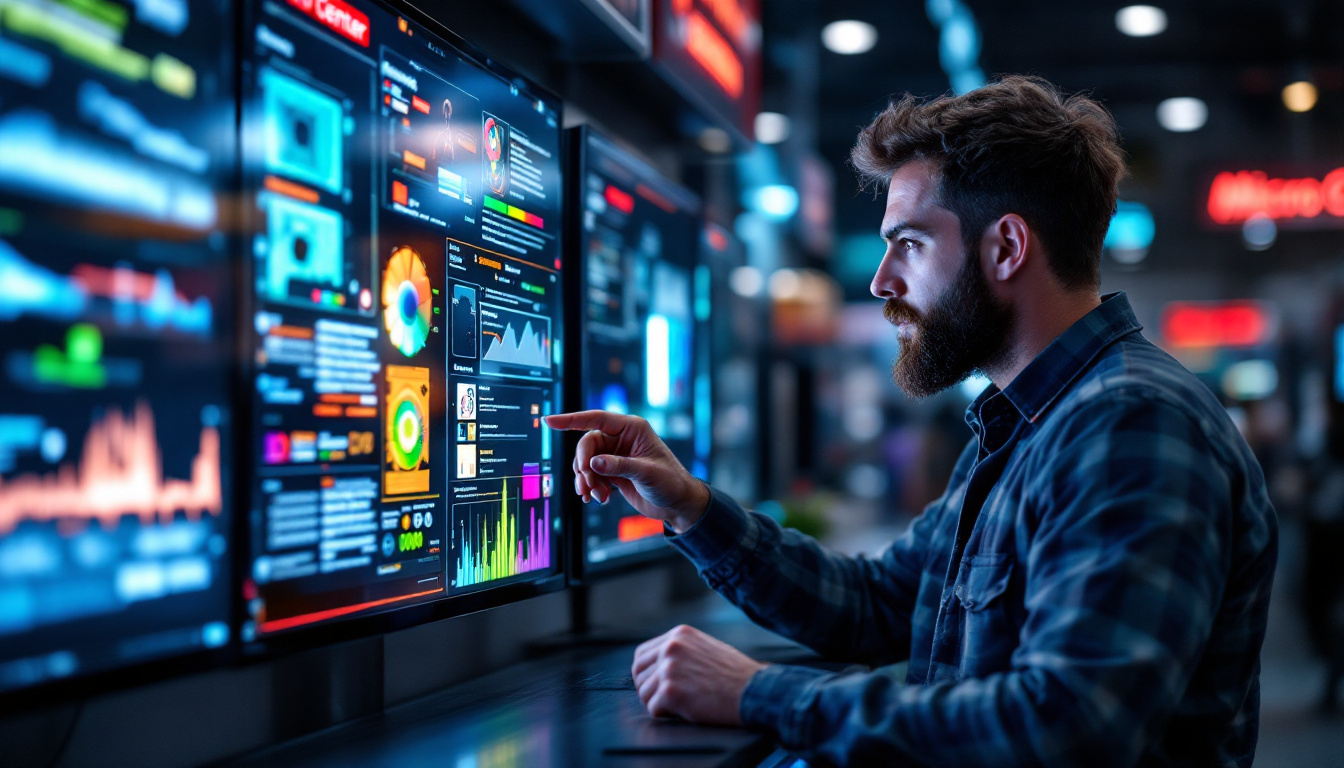
Modern LED displays are controlled via sophisticated software platforms that allow for real-time content updates, scheduling, and remote management. Choosing a display with an intuitive content management system (CMS) is essential for maximizing the return on investment.
Integration with existing IT infrastructure and compatibility with various media formats also play a role in selecting the right LED solution.
Future Trends in LED Display Technology
MicroLED and MiniLED Innovations
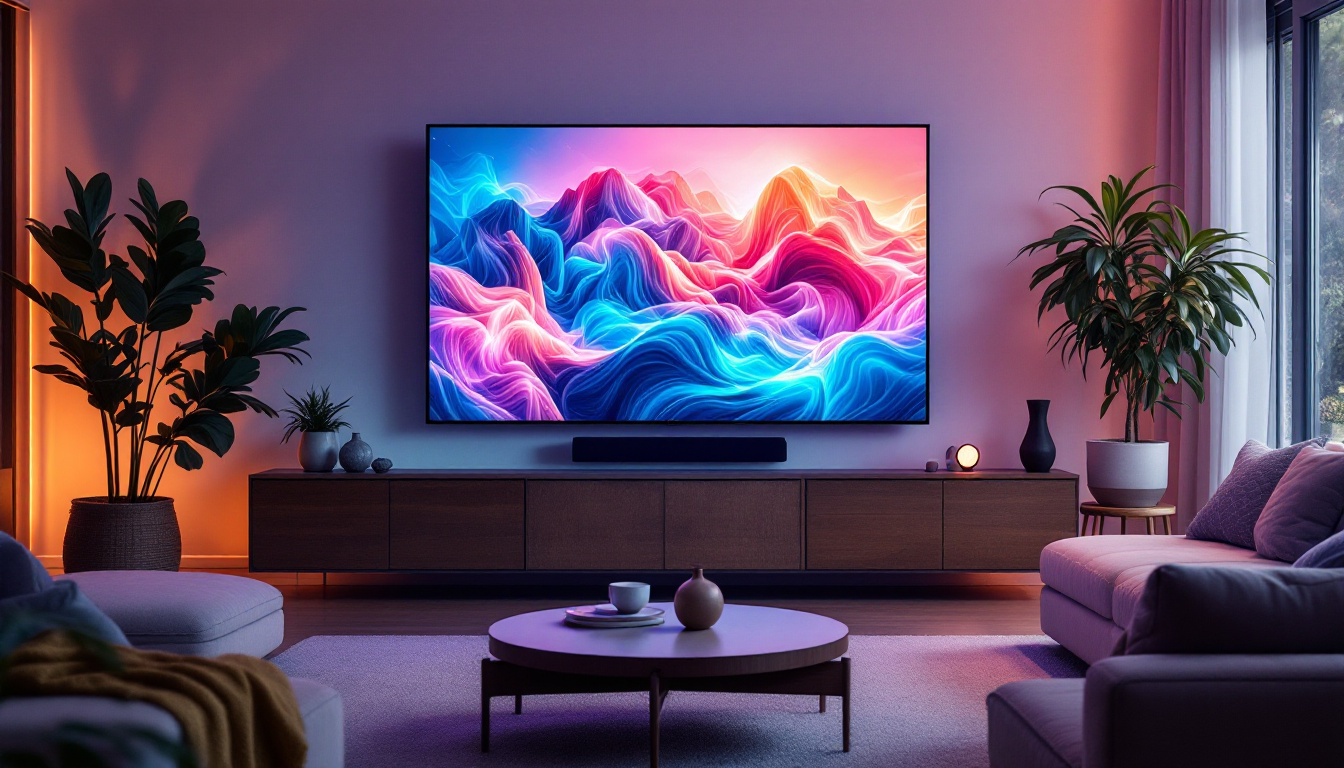
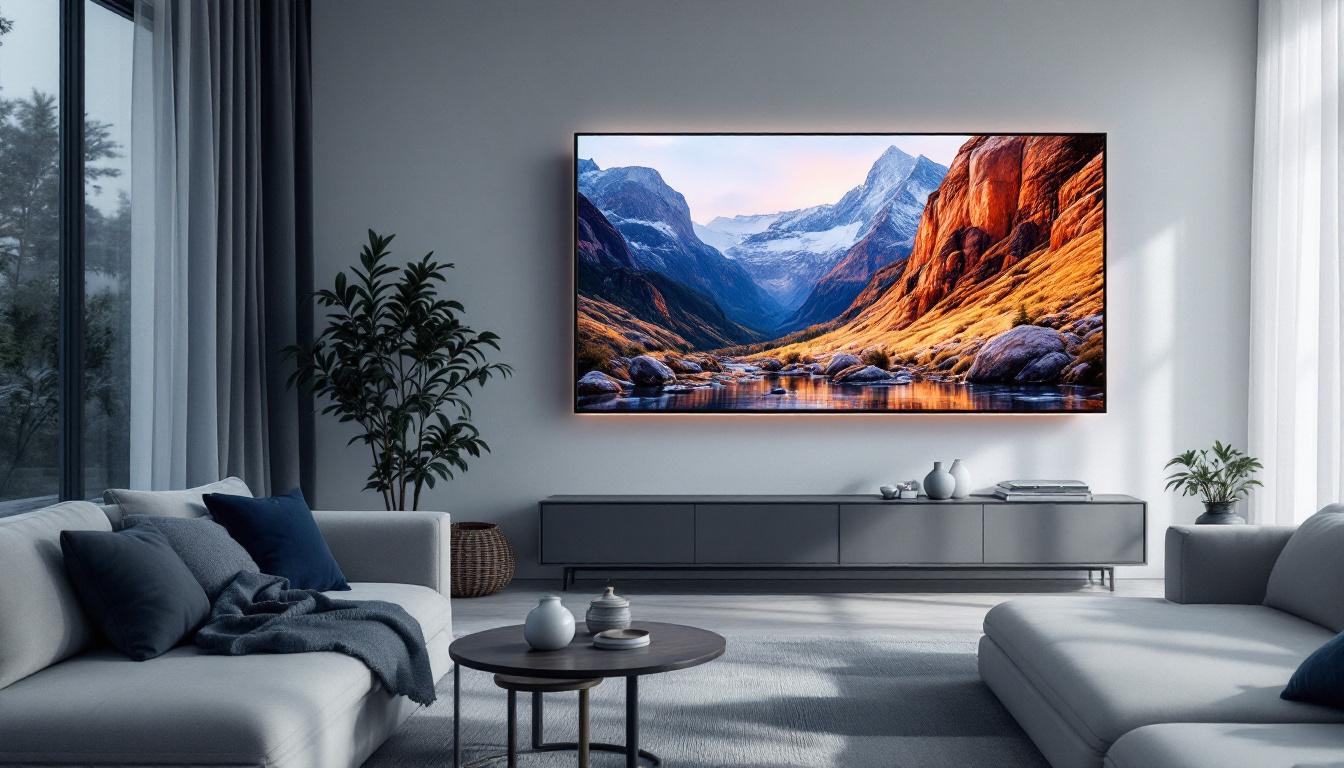
Emerging technologies such as MicroLED and MiniLED are pushing the boundaries of LED display performance. MicroLED displays use microscopic LEDs to achieve even higher resolutions, better contrast, and reduced power consumption compared to conventional LEDs. These are expected to revolutionize consumer electronics, including TVs and smartphones, within the next few years.
MiniLED technology, which uses smaller LEDs as backlighting for LCD panels, offers improved brightness and contrast at a lower cost, bridging the gap between traditional LCDs and full LED displays.
Flexible and Transparent LED Displays
Advancements in materials and manufacturing have enabled the development of flexible and transparent LED displays. These can be integrated into curved surfaces, windows, and even clothing, opening new possibilities for advertising, architecture, and wearable technology.
Transparent LED displays, for example, allow for digital content to be displayed on glass surfaces without obstructing the view, ideal for retail storefronts and automotive applications.
Artificial Intelligence and Interactive Capabilities
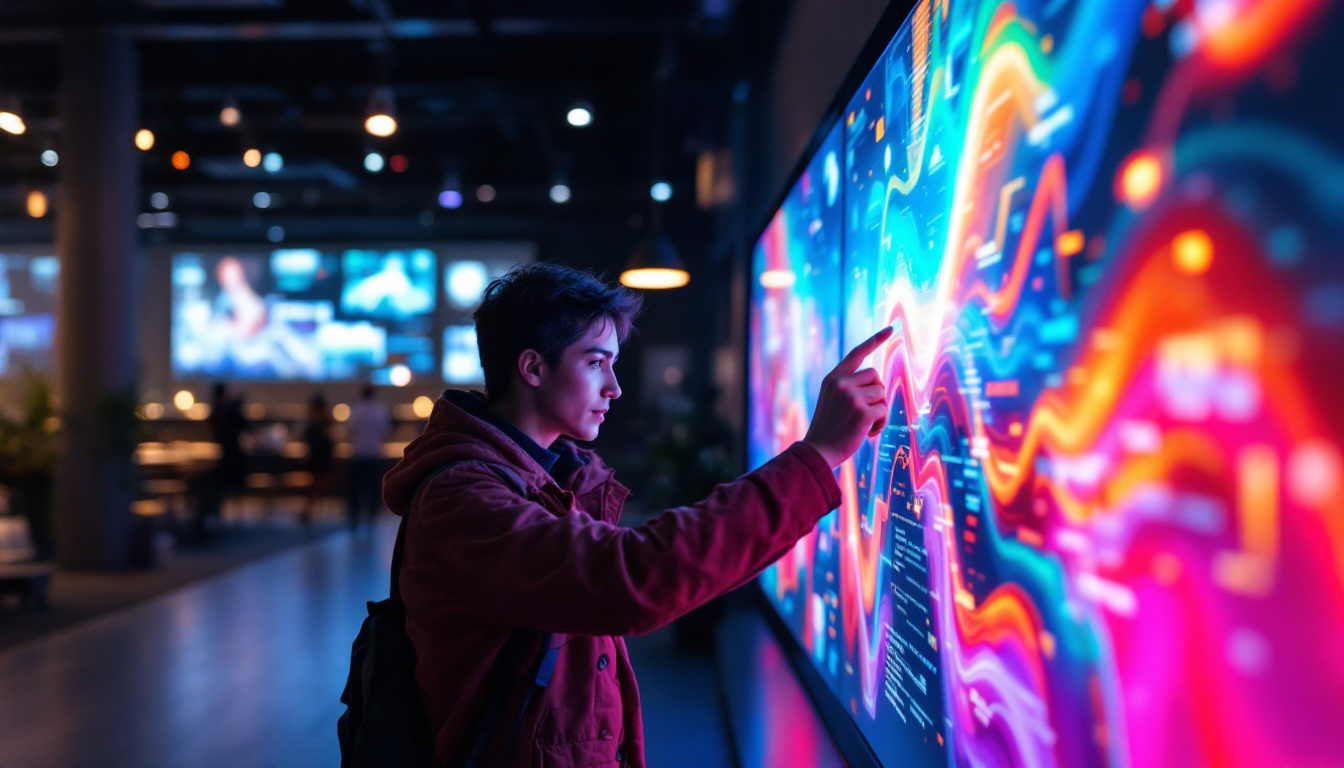
Integration of AI and sensor technologies is transforming LED displays into interactive platforms. Gesture recognition, facial analysis, and personalized content delivery are becoming more common, enhancing user engagement and providing valuable data insights for marketers and operators.
Such smart displays can adapt content dynamically based on audience demographics, time of day, or environmental conditions, maximizing impact and efficiency.
Conclusion
LED displays have firmly established themselves as a versatile, high-performance solution for a wide range of visual communication needs. Their superior brightness, energy efficiency, scalability, and image quality make them ideal for applications from outdoor advertising and sports venues to corporate environments and public information systems.
As technology continues to evolve with innovations like MicroLED, flexible displays, and AI integration, LED displays will become even more integral to how businesses and organizations engage with their audiences. Understanding the fundamentals of LED technology and its practical applications is essential for making informed decisions when selecting display solutions that deliver maximum impact and value.
Explore Cutting-Edge LED Displays with LumenMatrix
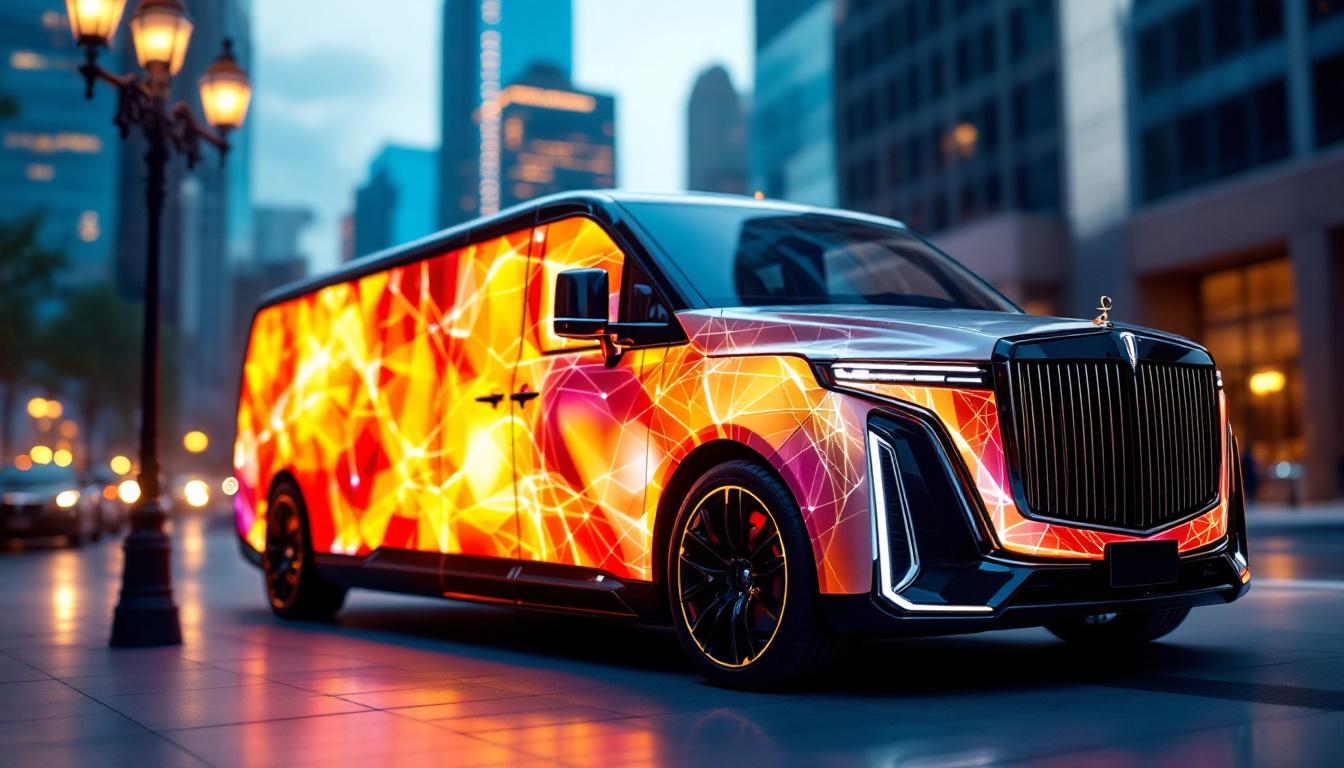
Ready to elevate your visual communication strategy with the latest in LED display technology? Discover LumenMatrix’s comprehensive range of innovative solutions, including Indoor and Outdoor LED Wall Displays, Vehicle LED Displays, LED Poster Displays, LED Sports Displays, Floor LED Displays, Custom LED Displays, All-in-One LED Displays, and LED Transparent Displays. Embrace the future of digital signage with LumenMatrix and create immersive experiences that captivate your audience. Check out LumenMatrix LED Display Solutions today and see how our commitment to excellence can transform your brand’s visibility and audience engagement.