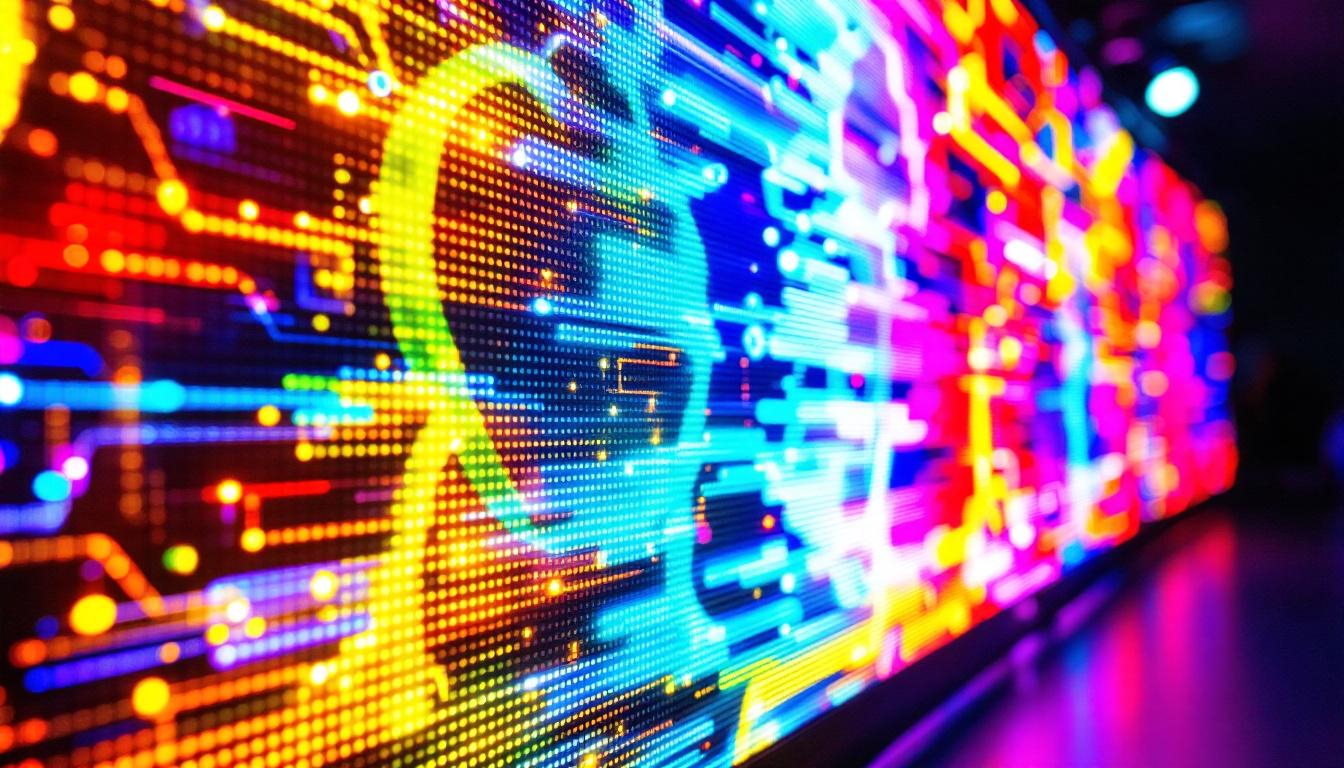
In today’s digital age, display technology plays a pivotal role in how information is conveyed, entertainment is enjoyed, and environments are transformed. Among the various types of display technologies, LED displays have emerged as a dominant force, powering everything from smartphones and televisions to massive outdoor billboards and stadium screens. This article delves into the intricacies of LED display technology, exploring how it works, its advantages, applications, and the future trends shaping its evolution.
Understanding LED Display Technology
What is an LED Display?
LED stands for Light Emitting Diode, a semiconductor device that emits light when an electric current passes through it. An LED display is a flat panel display that uses an array of these tiny LEDs as pixels to produce images, videos, and text. Unlike traditional LCD (Liquid Crystal Display) panels that rely on backlighting, LED displays generate their own light, which results in brighter images and better contrast.
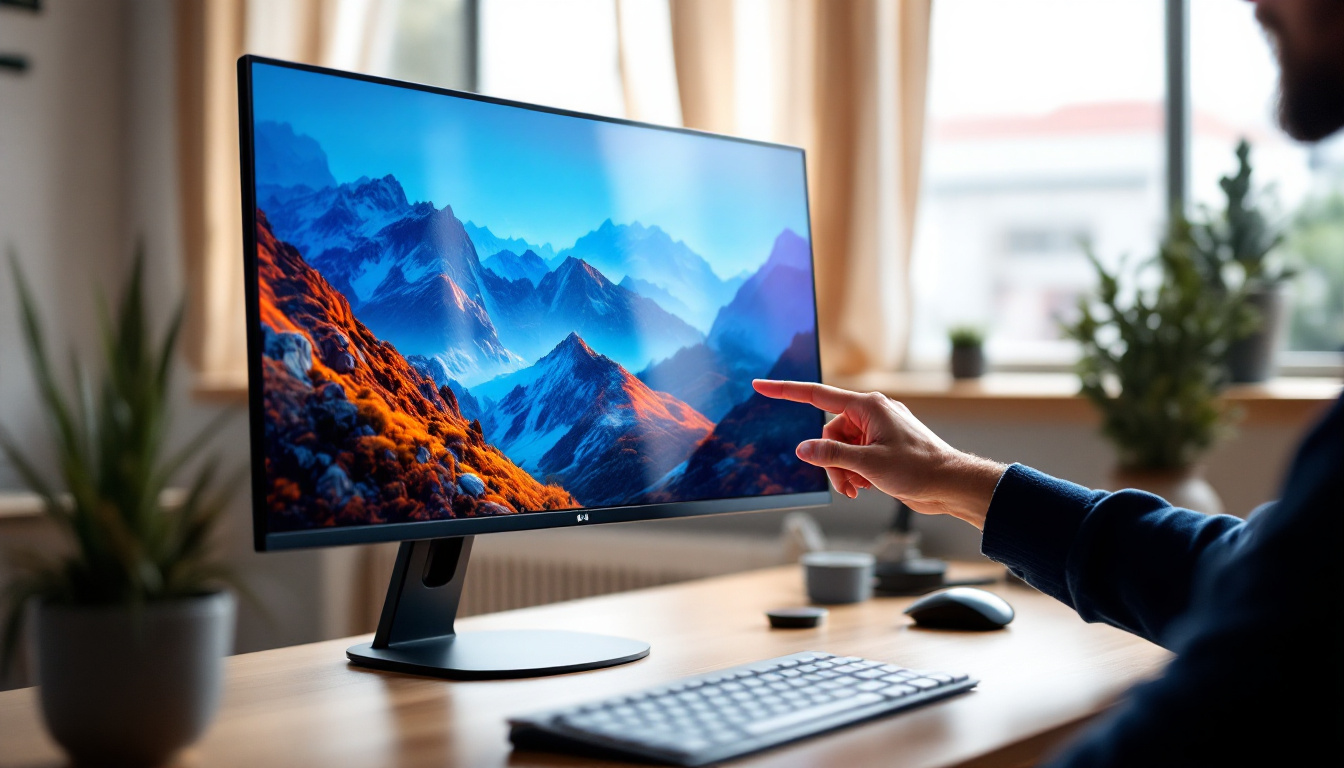
LED displays can be categorized into two main types: direct-view LED displays and LED-backlit LCDs. Direct-view LED displays use LEDs as the actual pixels, making them suitable for large-scale applications such as outdoor billboards and stadium screens. LED-backlit LCDs, on the other hand, use LEDs as a backlight source behind an LCD panel, common in consumer electronics like TVs and monitors. The versatility of LED technology allows it to be used in a variety of settings, from small handheld devices to massive outdoor installations, showcasing its adaptability to different environments and user needs.
How Do LED Displays Work?
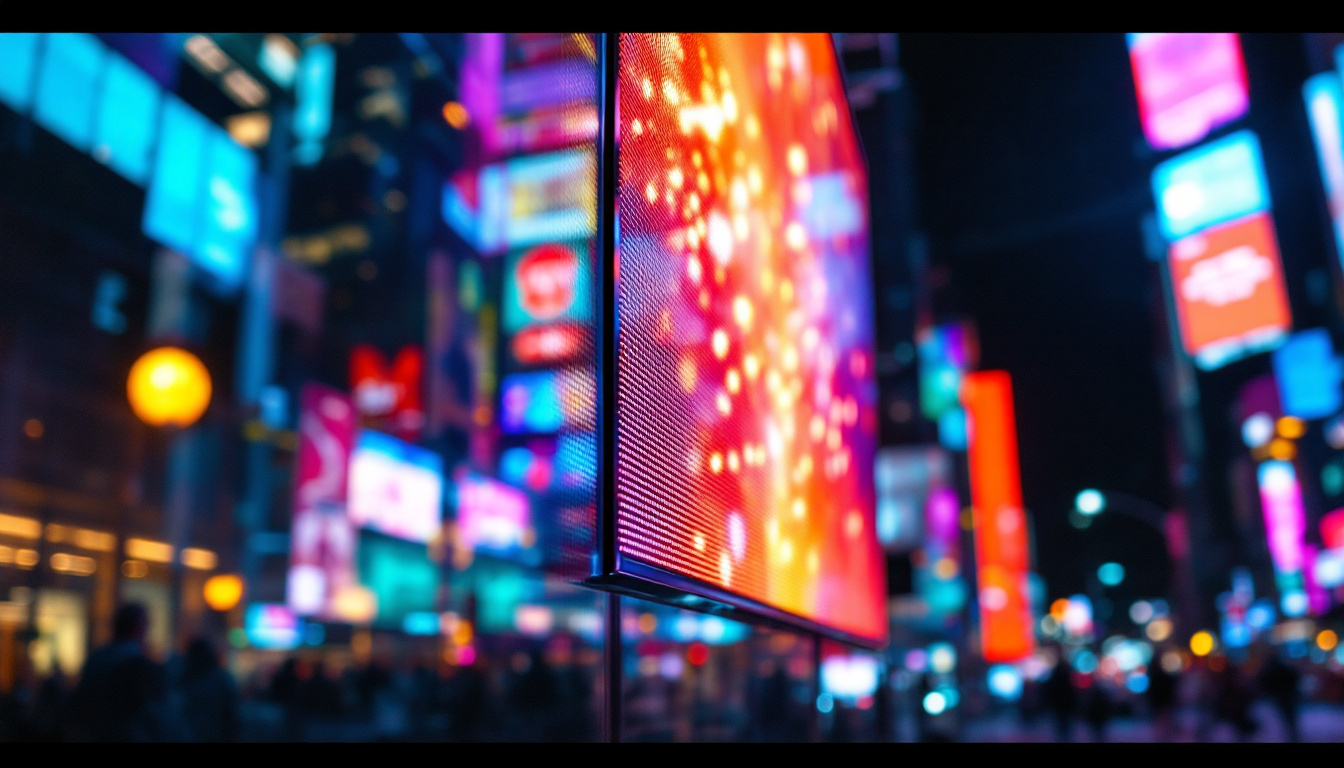
At the core of an LED display is the LED pixel, which can be a single color or a combination of red, green, and blue (RGB) LEDs. By varying the intensity of these RGB LEDs, a full spectrum of colors can be produced. This process is known as additive color mixing. The precision with which these colors can be mixed allows for an incredibly rich visual experience, making LED displays ideal for applications where color accuracy is paramount, such as digital art installations and advertising.
Each pixel is controlled by a driver circuit that adjusts the brightness of the LEDs based on the input signal. In direct-view LED displays, thousands or even millions of these pixels are arranged in a grid, allowing the display to render high-resolution images. The refresh rate, which is how often the image is updated per second, is typically very high in LED displays, ensuring smooth motion and reducing flicker. Additionally, advancements in LED technology have led to the development of features such as dynamic contrast adjustment and local dimming, which enhance the viewing experience by optimizing brightness and color based on the content being displayed. This level of sophistication ensures that LED displays not only meet but often exceed the expectations of users in both commercial and residential settings.
Advantages of LED Displays
Superior Brightness and Contrast
One of the most significant advantages of LED displays is their exceptional brightness. LEDs can achieve brightness levels of over 1,000 nits, which is considerably higher than many LCD panels. This makes LED displays ideal for outdoor environments where sunlight can wash out less bright screens.
Moreover, because LEDs emit light directly, they can achieve true blacks by turning off individual pixels completely. This results in a contrast ratio that is vastly superior to traditional LCDs, enhancing image depth and realism. The ability to display vibrant colors with high fidelity also contributes to a more engaging viewing experience, whether for advertising, entertainment, or informational purposes. This quality is particularly beneficial in environments where visual impact is crucial, such as concerts, sporting events, and retail spaces.
Energy Efficiency and Longevity
LEDs are known for their energy efficiency compared to other light sources. They consume less power while providing higher brightness, which translates to lower operating costs, especially for large-scale displays that run continuously.
In addition, LEDs have a longer lifespan, often exceeding 50,000 hours of operation. This durability reduces maintenance costs and downtime, making LED displays a cost-effective option for businesses and public installations. The lower heat emission of LEDs also contributes to their longevity, as it minimizes the risk of overheating and subsequent damage. This characteristic is particularly advantageous in environments where displays are subjected to high usage or extreme conditions, ensuring consistent performance over time.
Flexibility and Scalability
LED displays are highly versatile. They can be manufactured in various sizes and shapes, from small wearable devices to massive video walls. Modular LED panels can be combined seamlessly to create displays of virtually any dimension, making them suitable for diverse applications.
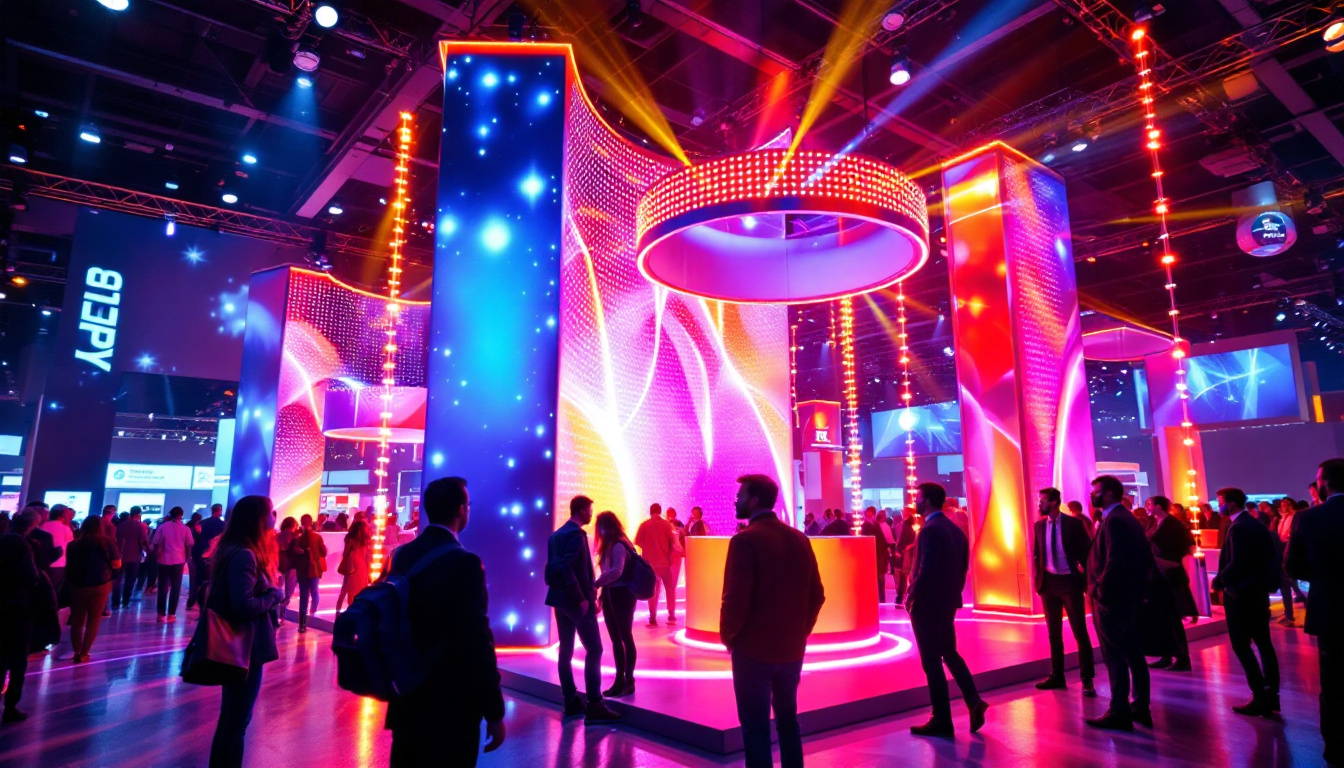
Furthermore, advancements in flexible LED technology have enabled curved and even foldable displays, expanding creative possibilities in design and installation. This flexibility allows designers to create unique visual experiences that can adapt to various architectural styles and consumer preferences. Additionally, the scalability of LED technology means that businesses can start with a small setup and expand as needed, making it a practical choice for both startups and established enterprises looking to enhance their visual communication strategies.
Applications of LED Displays
Consumer Electronics
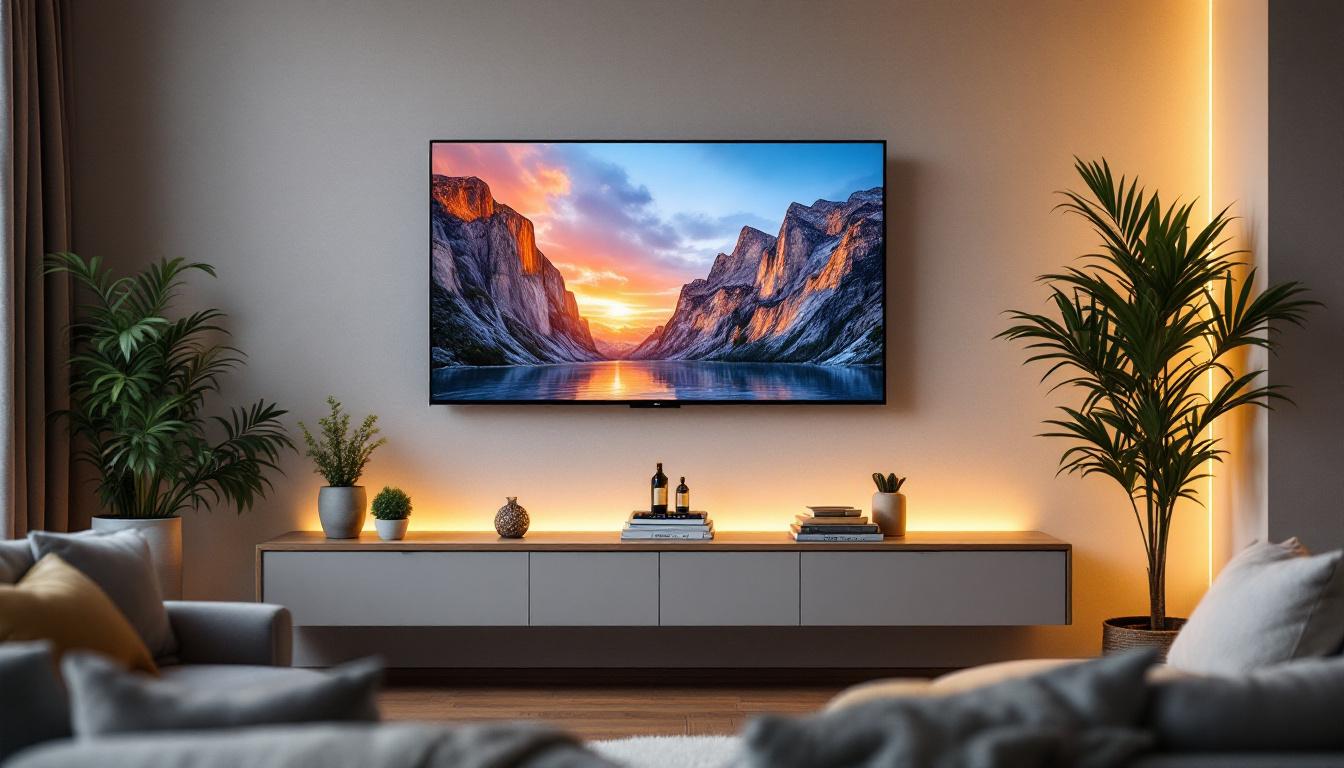
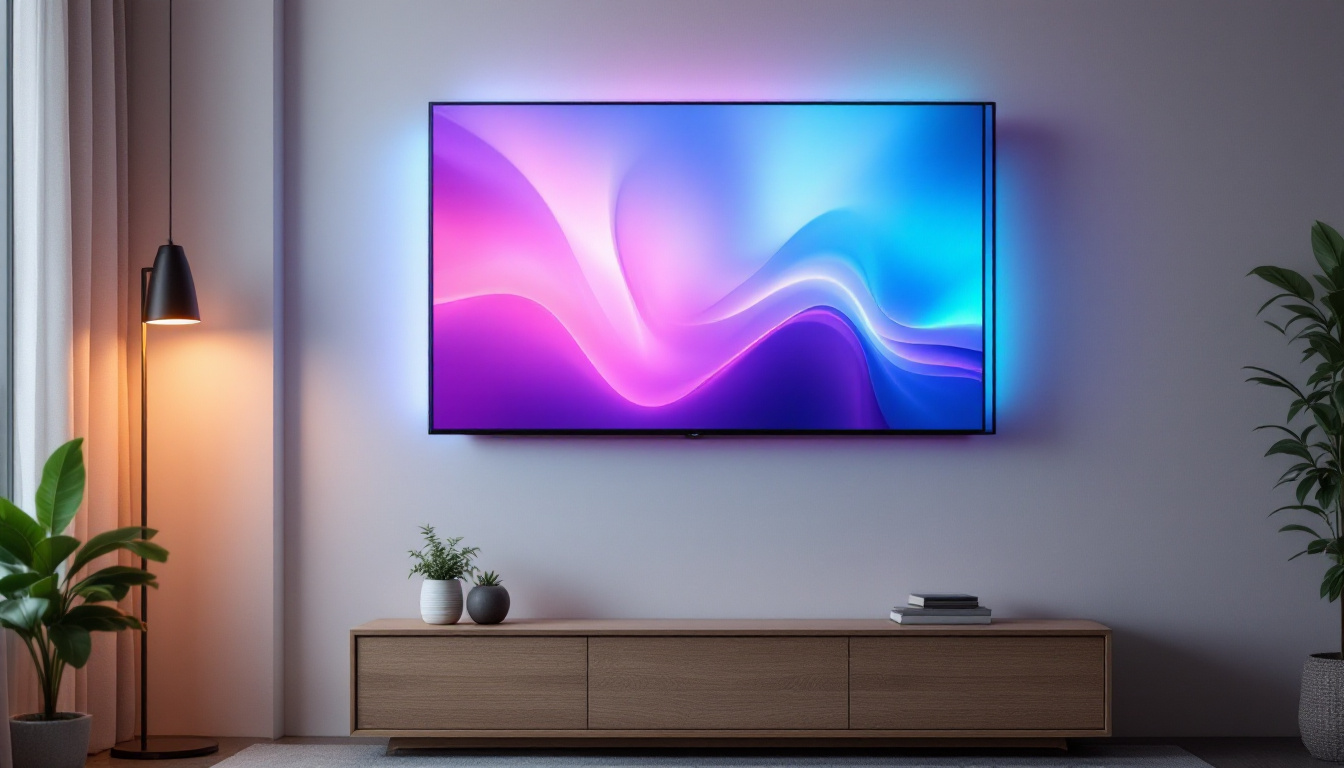
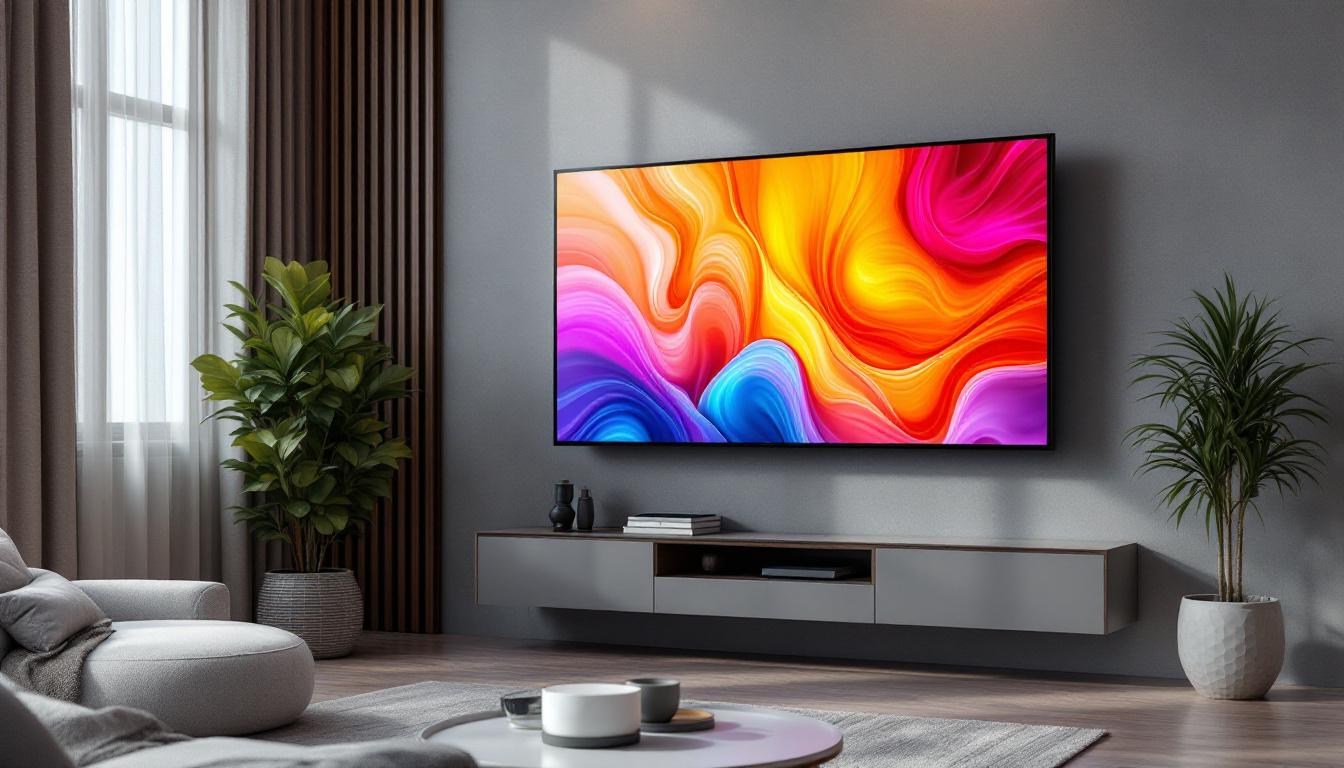
In the consumer market, LED technology is prevalent in televisions, computer monitors, smartphones, and tablets. LED-backlit LCDs have largely replaced older CCFL (Cold Cathode Fluorescent Lamp) backlit models due to their superior brightness, thinner profiles, and lower power consumption.
More recently, microLED technology, which uses microscopic LEDs as pixels, promises even greater performance with higher brightness, better color accuracy, and longer lifespans, potentially revolutionizing the display industry. This innovation not only enhances the viewing experience but also opens up new possibilities for ultra-thin, flexible displays that can be integrated into various surfaces, from walls to furniture, creating a seamless digital environment in homes and offices.
Outdoor and Public Displays
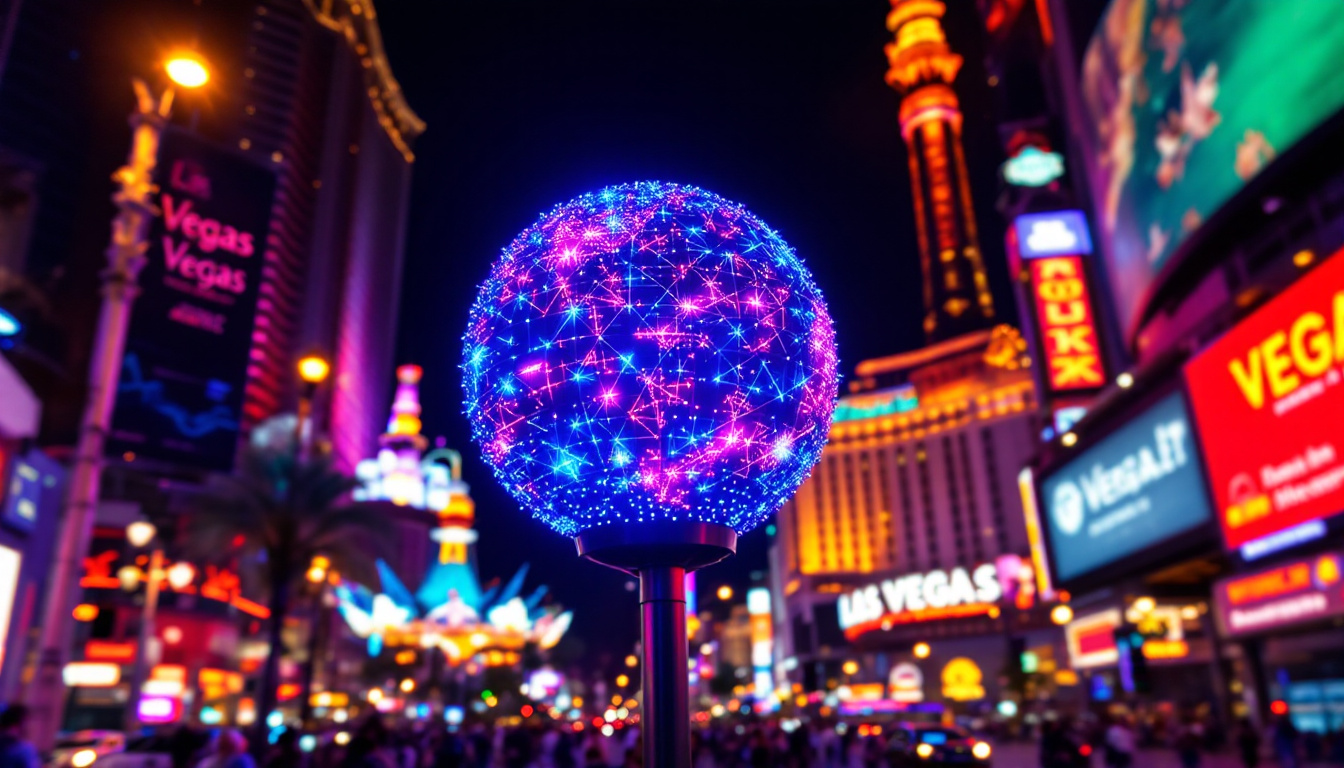
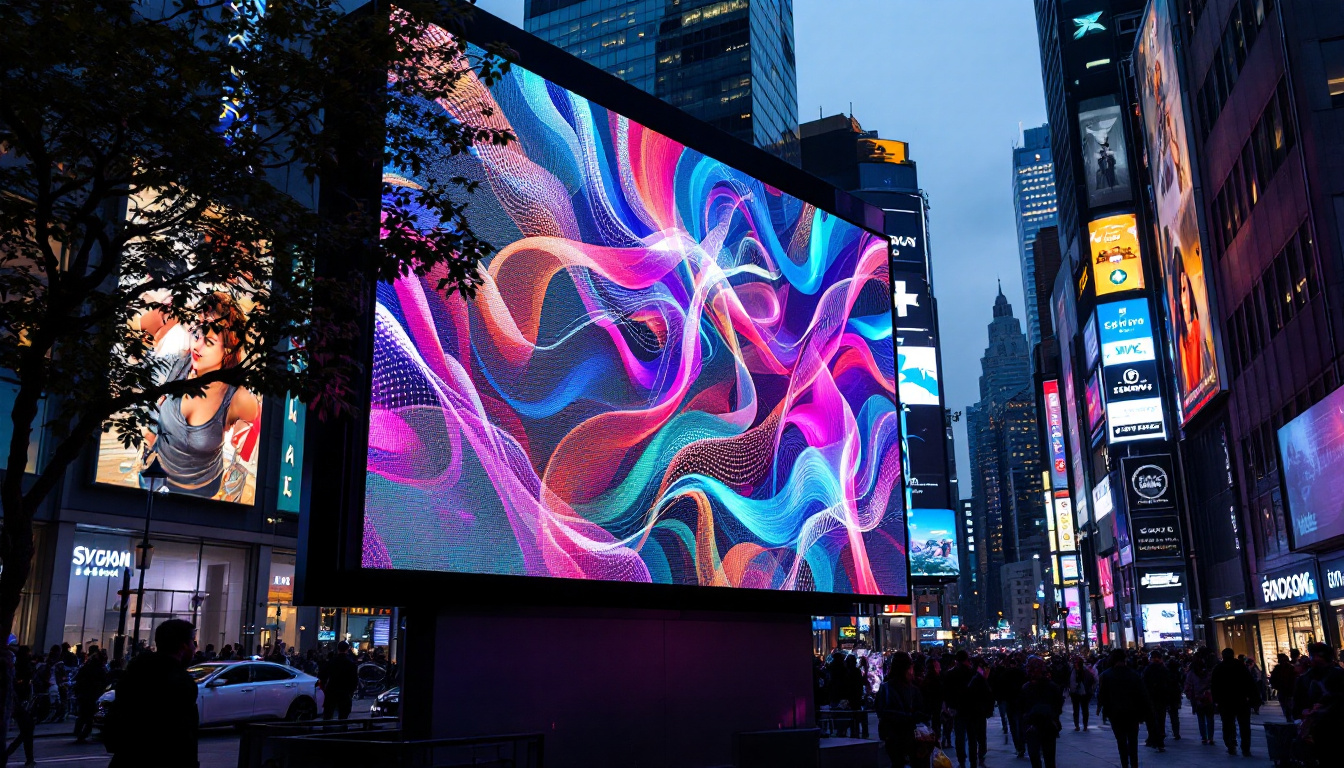
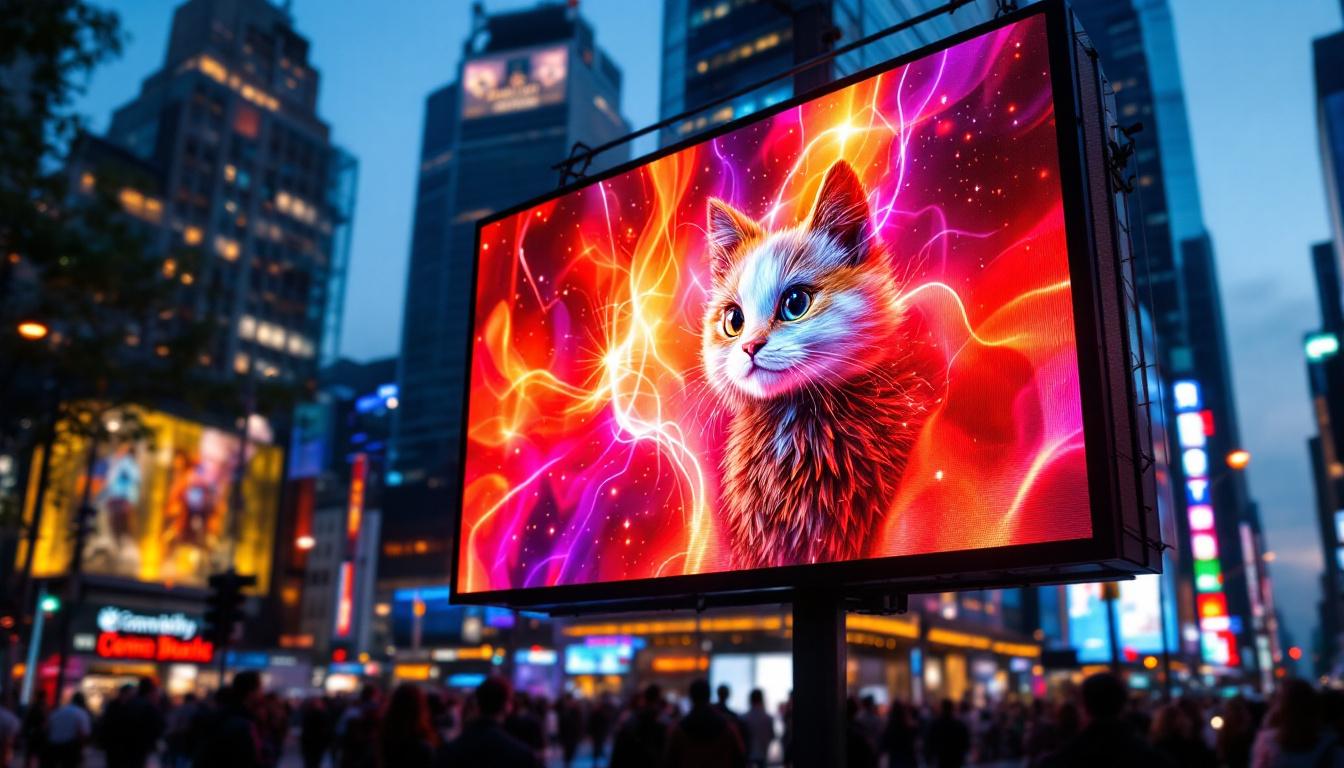
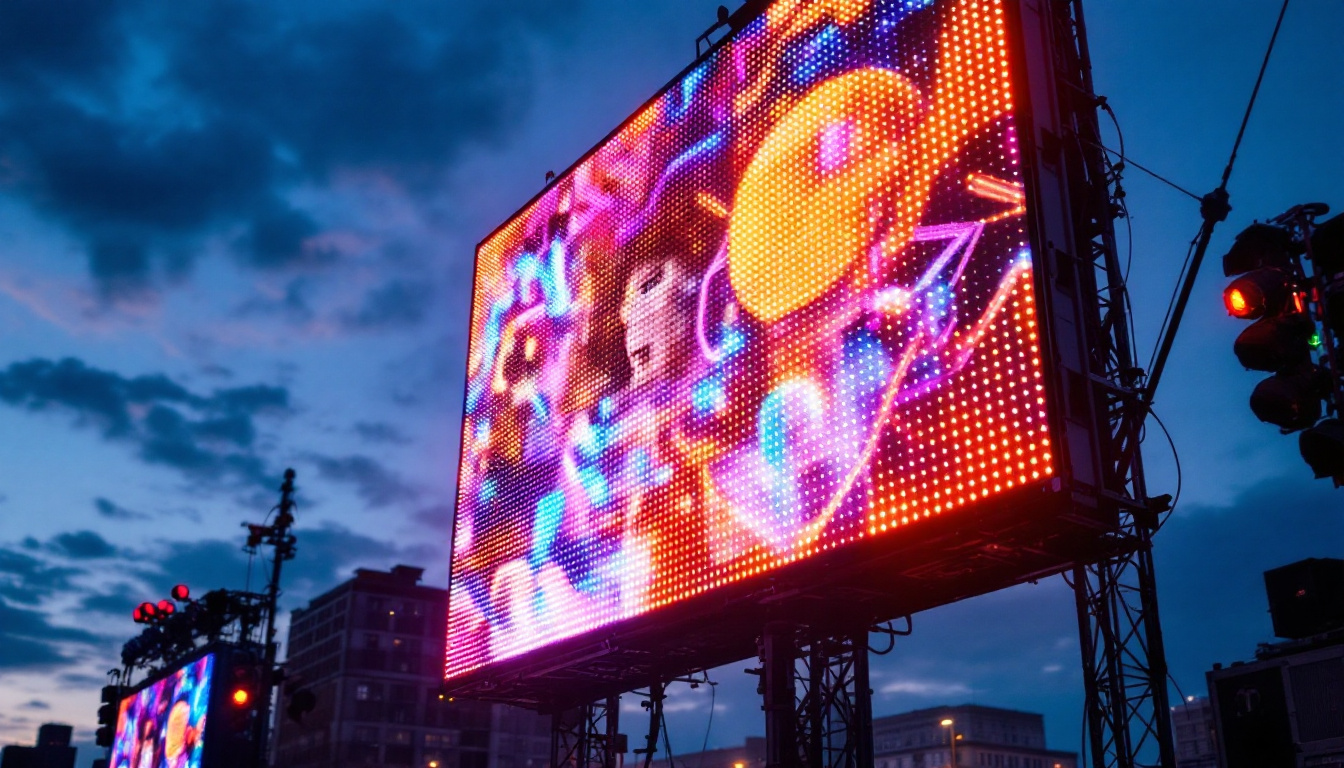
Large-scale direct-view LED displays are commonly used for outdoor advertising, public information boards, and event screens. Their high brightness and weather resistance make them ideal for environments exposed to sunlight and harsh weather conditions.
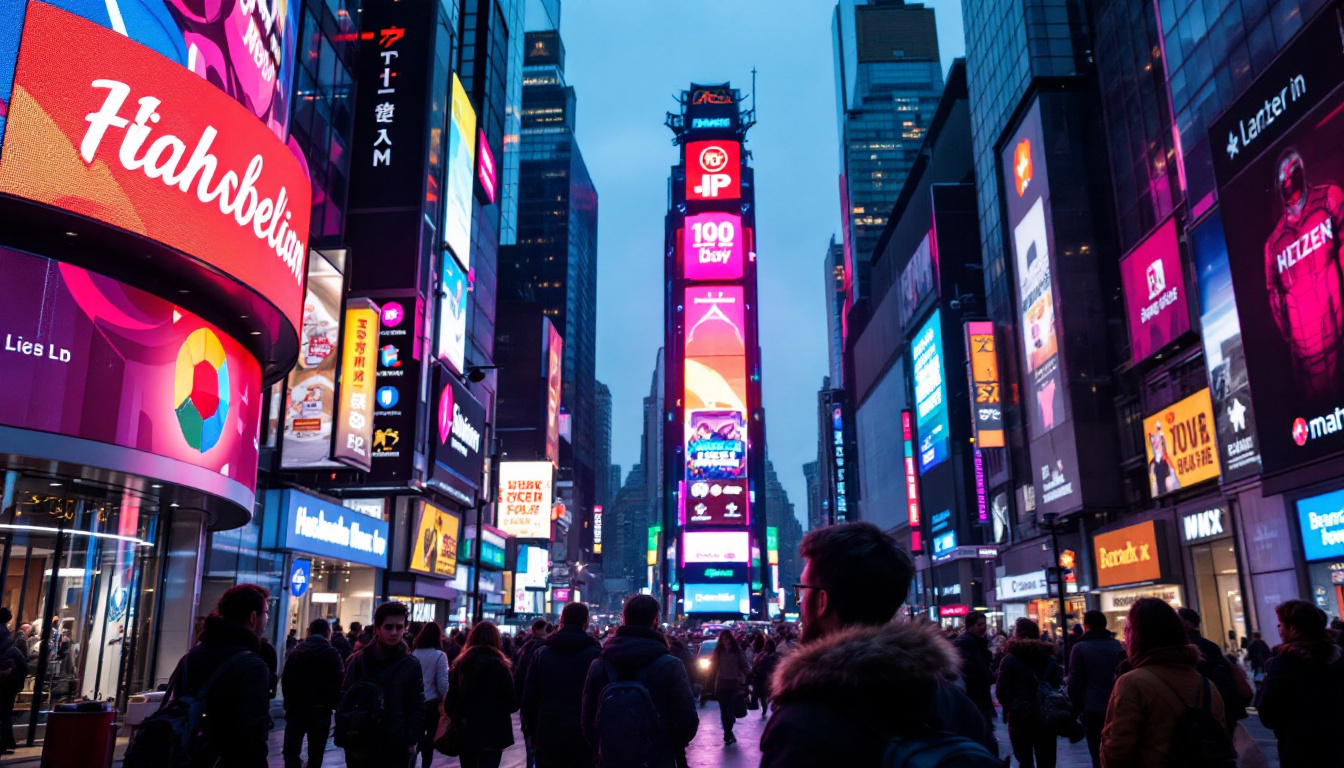
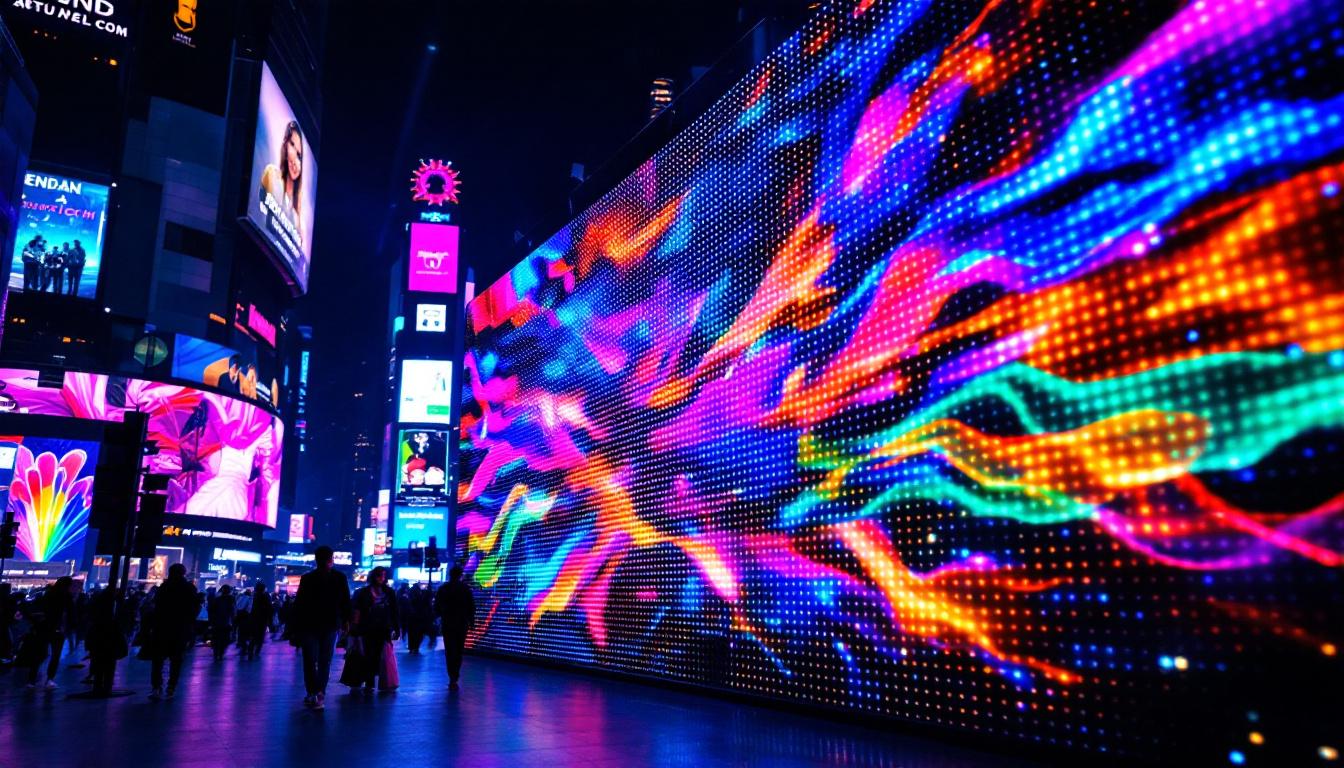
For example, Times Square in New York City features some of the most iconic LED billboards in the world, showcasing the technology’s ability to attract attention and deliver dynamic content 24/7. These displays not only serve as advertising platforms but also as art installations, with creative designs and animations that captivate millions of visitors each year. Furthermore, advancements in LED technology have enabled the creation of transparent displays, allowing for innovative advertising solutions that do not obstruct views while still delivering impactful messages.
Sports and Entertainment Venues
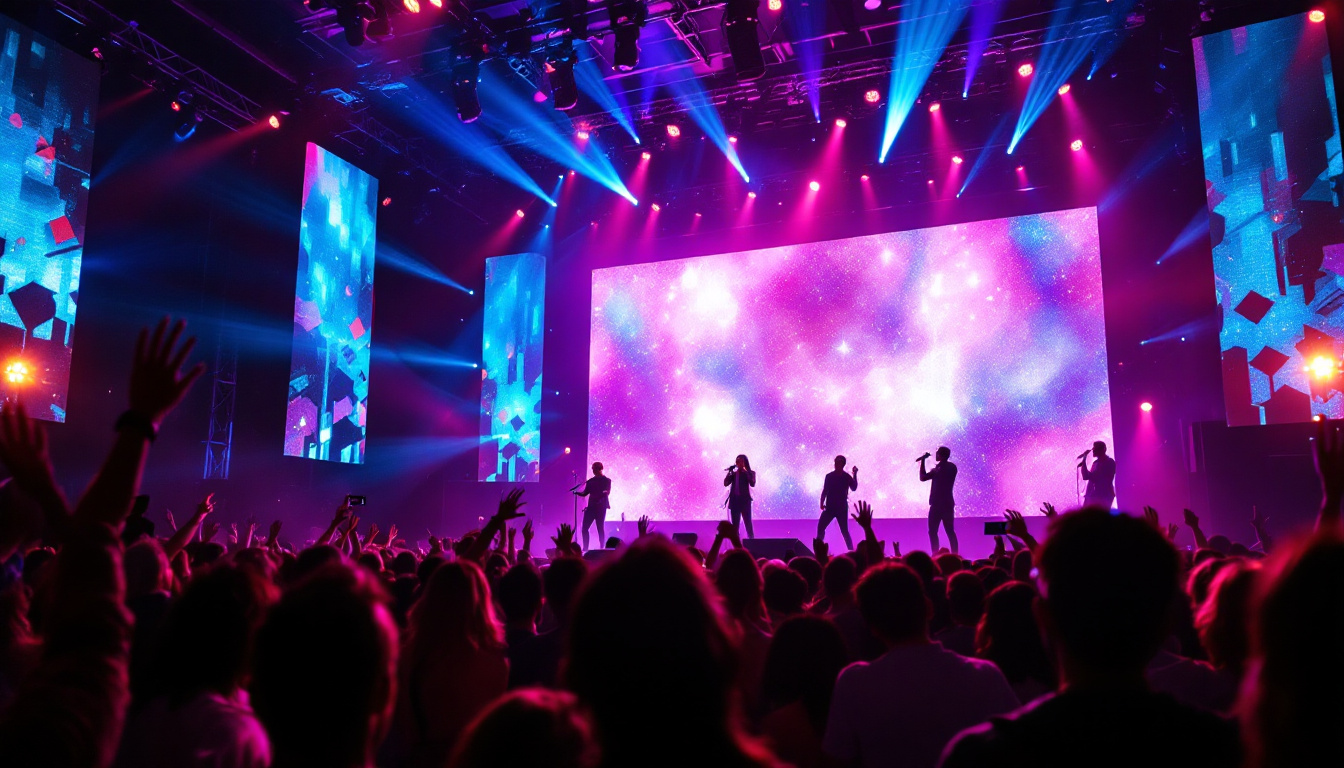
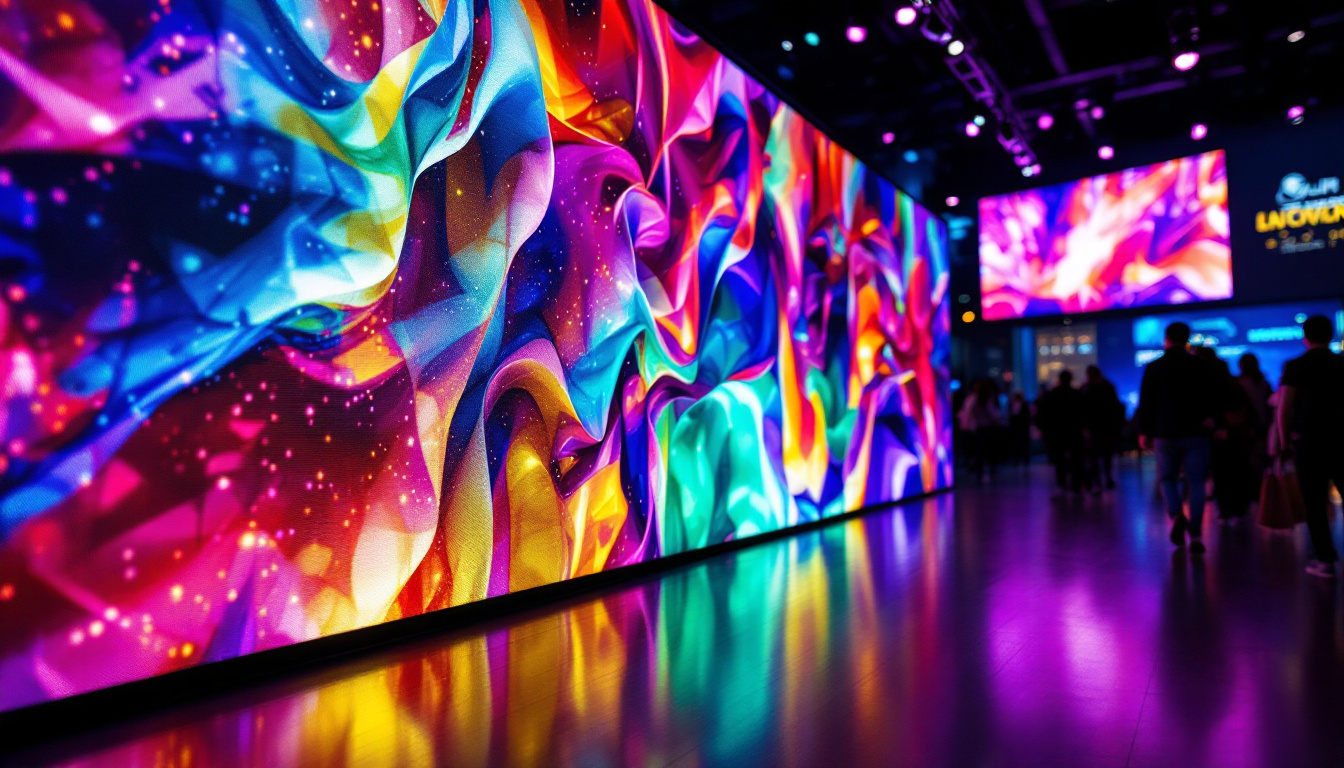
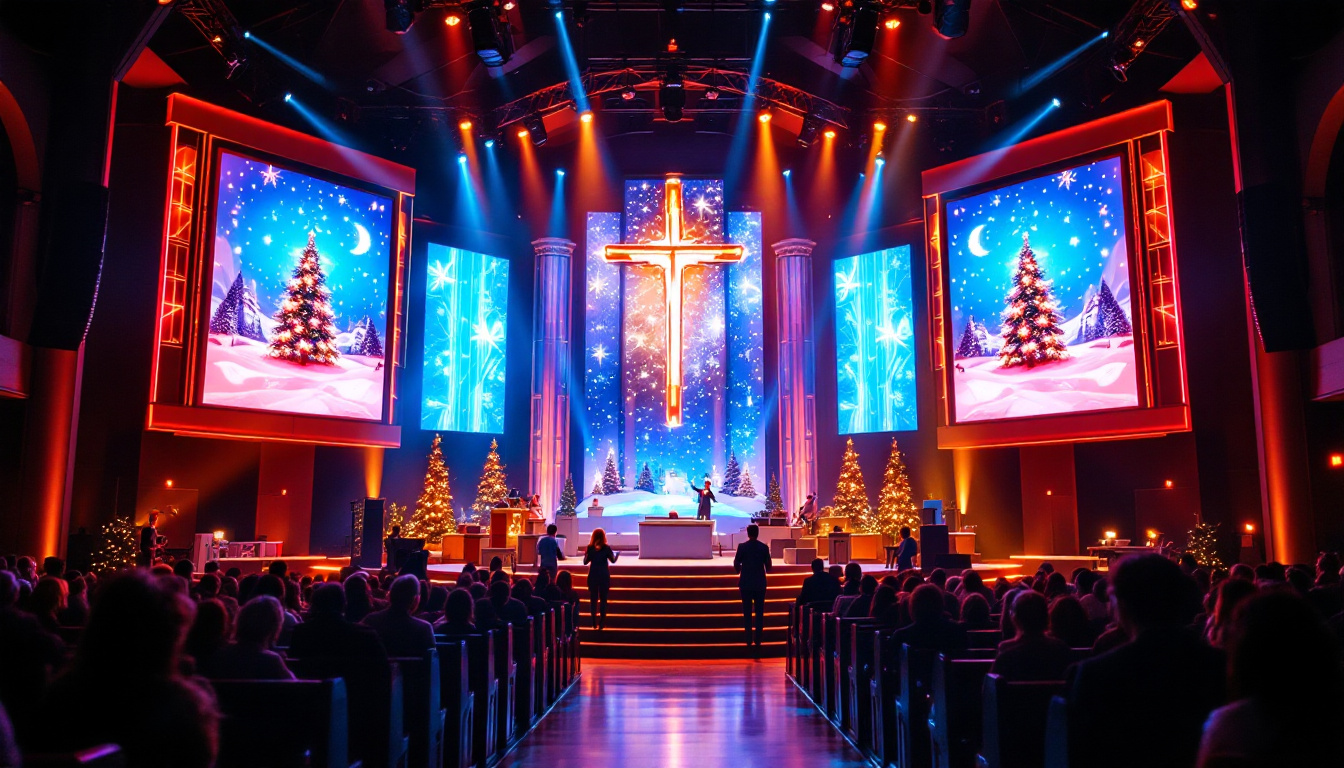
Stadiums and arenas utilize massive LED video walls to enhance spectator experience, providing live video feeds, replays, and interactive content. These displays must be capable of operating in various lighting conditions and viewing angles, requirements that LED technology meets effectively.
Additionally, LED lighting integrated with display systems is used in concerts and theatrical productions to create immersive visual effects. The ability to synchronize lighting and video displays allows for a more cohesive and engaging experience for audiences, transforming traditional performances into multi-sensory events. Moreover, the use of LED technology in sports venues extends beyond just displays; it also includes smart lighting systems that can change colors and patterns to celebrate team victories or create an electrifying atmosphere during key moments of a game.
Transportation and Retail
LED displays are increasingly used in transportation hubs such as airports, train stations, and bus terminals for real-time information and wayfinding. Their clarity and brightness ensure visibility in crowded and fast-paced environments.
In retail, LED video walls and digital signage help brands engage customers with dynamic advertising and interactive experiences, driving sales and enhancing the shopping environment. Retailers are now leveraging advanced analytics to tailor content displayed on these screens based on customer demographics and behaviors, creating personalized shopping experiences that resonate with individual consumers. Additionally, the integration of augmented reality (AR) with LED displays allows customers to visualize products in their own environments, further bridging the gap between physical and digital retail experiences.
Technical Considerations and Challenges
Resolution and Pixel Pitch
Pixel pitch, the distance between the centers of two adjacent pixels, is a critical factor in LED display quality. Smaller pixel pitches result in higher resolution and sharper images but increase manufacturing complexity and cost.
For indoor applications, pixel pitches as small as 0.7mm are available, delivering near-retina quality images. Outdoor displays typically have larger pixel pitches (e.g., 10mm or more) to balance visibility from a distance and cost-effectiveness.
Color Accuracy and Calibration
Achieving accurate color reproduction in LED displays requires precise calibration of each LED pixel. Variations in LED brightness and color temperature can lead to inconsistencies, especially in large video walls composed of multiple panels.
Advanced calibration tools and software are used to ensure uniformity across the display, maintaining image quality and viewer experience.
Heat Management
LEDs generate heat during operation, and effective thermal management is essential to maintain performance and longevity. Poor heat dissipation can lead to color shifts, reduced brightness, and premature failure.
Modern LED displays incorporate heat sinks, fans, and optimized circuit designs to manage thermal loads efficiently.
The Future of LED Display Technology
MicroLED and MiniLED Innovations
MicroLED technology represents the next frontier in LED displays. By using microscopic LEDs as individual pixels, microLED displays offer unparalleled brightness, contrast, and energy efficiency without the burn-in issues associated with OLEDs.
MiniLED, a related technology, uses thousands of tiny LEDs for backlighting LCD panels, significantly improving contrast and HDR performance. Both technologies are gaining traction in high-end TVs, monitors, and mobile devices.
Flexible and Transparent Displays
Research and development in flexible LED displays are enabling new form factors such as foldable smartphones, rollable TVs, and wearable devices. Transparent LED displays, which allow light to pass through while displaying images, are being integrated into retail windows and automotive windshields for augmented reality applications.
Integration with Smart Technologies
LED displays are increasingly integrated with sensors, AI, and IoT technologies to create interactive and adaptive environments. Smart signage can adjust content based on audience demographics, weather conditions, or real-time data, enhancing engagement and relevance.
Conclusion
LED display technology has transformed the way visual content is presented across numerous industries. Its superior brightness, energy efficiency, and versatility make it an indispensable tool for communication, entertainment, and advertising. As innovations like microLED and flexible displays continue to advance, LED technology is poised to deliver even more immersive and dynamic visual experiences in the years to come.
Understanding the fundamentals of LED displays, their advantages, and applications is crucial for businesses, designers, and consumers alike to make informed decisions in a rapidly evolving digital landscape.
Explore Cutting-Edge LED Display Solutions with LumenMatrix
As you consider the vast potential and diverse applications of LED display technology, LumenMatrix stands at the forefront of innovation, ready to bring your visual communication to life. Whether you’re looking to captivate audiences with an Indoor LED Wall Display, make a bold statement with an Outdoor LED Wall Display, or create a unique experience with Custom LED Displays, LumenMatrix has the expertise and technology to elevate your brand. Embrace the future of digital signage and enhance your engagement with our comprehensive LED display solutions. Check out LumenMatrix LED Display Solutions today and see how we can revolutionize your visual storytelling.