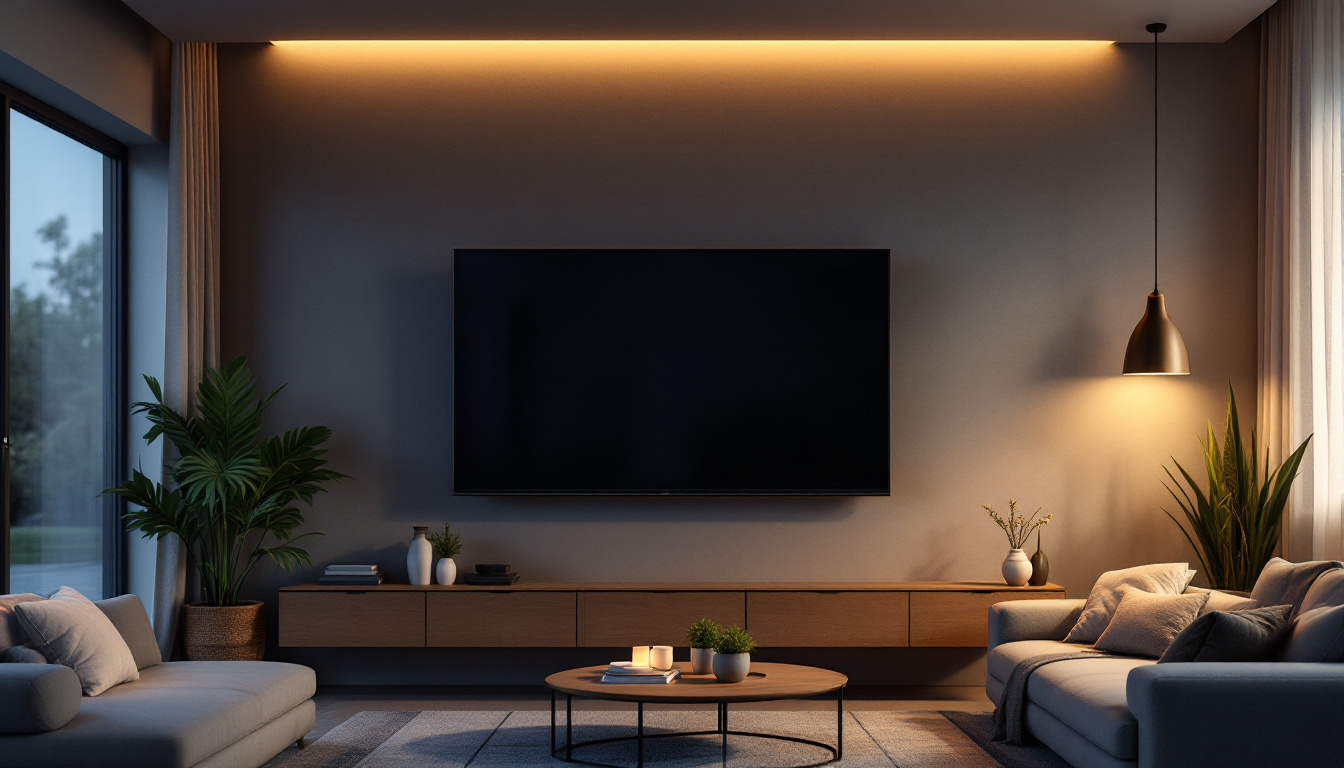
In recent years, the demand for durable and weather-resistant technology has surged, particularly in the realm of outdoor entertainment. Waterproof televisions, especially those featuring LED displays, have become increasingly popular for patios, poolside areas, and even commercial outdoor venues. Understanding the technology behind these waterproof LED TVs is essential for consumers and professionals alike, as it ensures informed purchasing decisions and optimal usage.
What Makes a Television Waterproof?
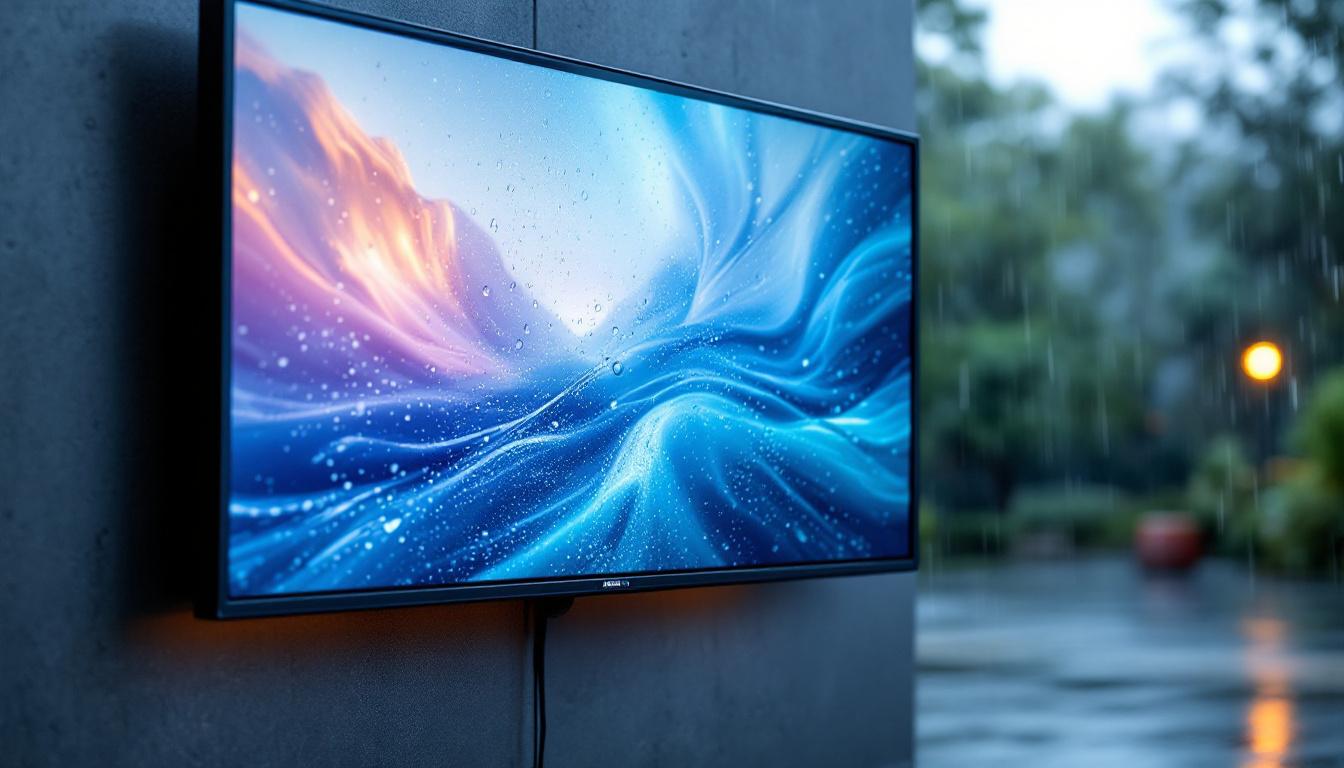
Waterproof televisions are designed to withstand exposure to moisture, rain, humidity, and sometimes even direct water contact without compromising functionality or safety. Unlike traditional indoor TVs, these units incorporate specialized materials and engineering techniques to prevent water ingress.
The key to waterproofing lies in the television’s enclosure. Manufacturers use sealed casings, often rated with an IP (Ingress Protection) code, to indicate the degree of protection against solids and liquids. For example, an IP65 rating means the TV is dust-tight and protected against water jets from any direction, making it suitable for most outdoor environments.
Additionally, waterproof TVs often feature corrosion-resistant components and tempered glass screens to endure harsh weather conditions. This ensures longevity and consistent performance even in challenging climates.
One of the most fascinating aspects of waterproof televisions is their versatility in installation. These TVs can be mounted in various outdoor settings, such as patios, poolsides, or even in bathrooms, allowing for a seamless integration of entertainment into everyday life. Some models even come with built-in speakers that are also waterproof, providing an all-encompassing audio-visual experience that can withstand the elements. This adaptability makes them a popular choice for outdoor gatherings, where friends and family can enjoy movies or sports events without worrying about the weather.
Furthermore, technological advancements have led to the development of smart waterproof TVs that offer streaming capabilities and connectivity options similar to their indoor counterparts. With features like Wi-Fi connectivity and app integration, users can easily access their favorite shows or music while enjoying the outdoors. This blend of durability and modern technology not only enhances the viewing experience but also encourages users to embrace outdoor entertainment in ways that were previously thought impossible.
Understanding LED Display Technology in Waterproof TVs
What is an LED Display?
LED (Light Emitting Diode) displays are a type of flat-panel display that use light-emitting diodes to produce images. They have largely replaced older LCD and plasma technologies due to their superior brightness, energy efficiency, and color accuracy. Unlike traditional displays, LED technology allows for a thinner profile and lighter weight, making it a popular choice for modern televisions.
In waterproof televisions, LED technology is particularly advantageous because LEDs can be made very bright, which is crucial for outdoor visibility under direct sunlight. Moreover, LEDs generate less heat compared to other display types, reducing the risk of overheating in enclosed, weatherproof housings. This thermal efficiency not only prolongs the lifespan of the television but also ensures that it can operate effectively in a variety of environmental conditions, from humid beachside locations to dry, sunny patios.
Types of LED Displays Used
There are primarily two types of LED displays used in waterproof televisions:
- Edge-lit LED: LEDs are positioned around the edges of the screen, and light is distributed across the panel. These TVs tend to be thinner and more energy-efficient but may have less uniform brightness. This design allows for sleek aesthetics, making edge-lit models an appealing choice for modern outdoor spaces.
- Direct-lit or Full-array LED: LEDs are placed directly behind the screen in a grid pattern, allowing for better contrast and brightness control. This type is often preferred for outdoor TVs due to superior picture quality. With full-array technology, local dimming capabilities can enhance the viewing experience by providing deeper blacks and more vibrant colors, which is especially noticeable during nighttime viewing.
Some high-end waterproof TVs also incorporate mini-LED or micro-LED technology, which offers even greater brightness and contrast, enhancing outdoor viewing experiences. Mini-LEDs use smaller diodes that can be packed more densely, resulting in improved control over local dimming zones and finer detail in dark scenes. Micro-LED technology takes this a step further by utilizing individual micro-sized LEDs, which can create stunningly vivid images with exceptional color accuracy and brightness levels that can rival OLED displays. This advancement not only elevates the visual experience but also provides greater durability and resistance to burn-in, making it ideal for outdoor settings where content may be displayed for extended periods.
Key Features of Waterproof LED Televisions
Brightness and Anti-Glare Properties
Outdoor environments present unique challenges for screen visibility. Bright sunlight can wash out images on traditional TVs, making viewing difficult. Waterproof LED TVs typically feature high brightness levels, often exceeding 700 nits, compared to 250-350 nits for indoor models.
Anti-glare coatings and matte screen finishes are also common, reducing reflections and improving image clarity. These features ensure that content remains visible and vibrant, even in direct sunlight.
Durability and Weather Resistance
Besides water resistance, waterproof TVs must endure temperature fluctuations, UV exposure, dust, and physical impacts. Manufacturers use ruggedized materials such as aluminum or reinforced plastics for the casing, along with UV-resistant coatings on the screen.
Some models are tested to operate within a wide temperature range, typically from -20°C to 50°C (-4°F to 122°F), ensuring performance in both cold winters and hot summers.
Sound Quality and Integration
Outdoor environments can be noisy, so waterproof TVs often incorporate enhanced audio systems or support for external waterproof speakers. Some models feature built-in soundbars with waterproof membranes, while others allow easy integration with outdoor sound systems.
Applications of Waterproof LED Televisions
Residential Use
Homeowners increasingly install waterproof LED TVs in outdoor living spaces such as patios, decks, pool areas, and gardens. These TVs enable year-round entertainment without the worry of weather damage.
Popular residential models range from 32 to 75 inches, offering options for various space sizes and viewing preferences. Smart TV capabilities, including streaming apps and voice control, are commonly included, providing seamless indoor-outdoor entertainment integration.
Commercial and Public Venues
Waterproof LED televisions are widely used in commercial settings such as sports bars, outdoor restaurants, hotels, and event venues. Their durability and high visibility make them ideal for broadcasting sports events, advertisements, and informational content.
In many cases, these TVs are part of larger digital signage networks, synchronized to display dynamic content across multiple screens. This versatility enhances customer engagement and brand visibility in outdoor spaces.
Specialized Environments
Beyond leisure and commercial use, waterproof LED displays are employed in specialized environments such as marine vessels, pools, and even industrial sites where exposure to water and harsh conditions is frequent.
For example, yachts and cruise ships often feature waterproof TVs on decks and cabins, designed to withstand saltwater exposure and humidity. Similarly, luxury pools may integrate waterproof displays for entertainment or informational purposes.
How to Choose the Right Waterproof LED Television
Assessing IP Ratings and Durability
When selecting a waterproof TV, understanding the IP rating is crucial. For most outdoor residential applications, an IP65 or higher rating is recommended. For environments with direct water exposure, such as near pools or fountains, an IP66 or IP67 rating offers additional protection.
Consider also the materials used in construction and any certifications related to UV resistance, temperature tolerance, and impact resistance.
Screen Size and Resolution
Choosing the appropriate screen size depends on viewing distance and space constraints. Larger screens (55 inches and above) are ideal for open areas where viewers are farther away, while smaller sizes suit more intimate spaces.
Resolution is equally important. Full HD (1080p) is standard, but 4K UHD models are becoming more accessible and offer sharper images, especially on larger screens.
Connectivity and Smart Features
Modern waterproof TVs often come equipped with Wi-Fi, Bluetooth, and multiple HDMI ports, enabling easy connection to streaming devices, gaming consoles, and sound systems.
Smart TV functionality allows access to popular streaming platforms, voice assistants, and app stores, enhancing the versatility of outdoor entertainment setups.
Installation and Maintenance Tips for Waterproof LED TVs
Proper Mounting and Placement
Installation should ensure the TV is securely mounted to withstand wind and other environmental factors. Wall mounts designed for outdoor use, with corrosion-resistant hardware, are recommended.
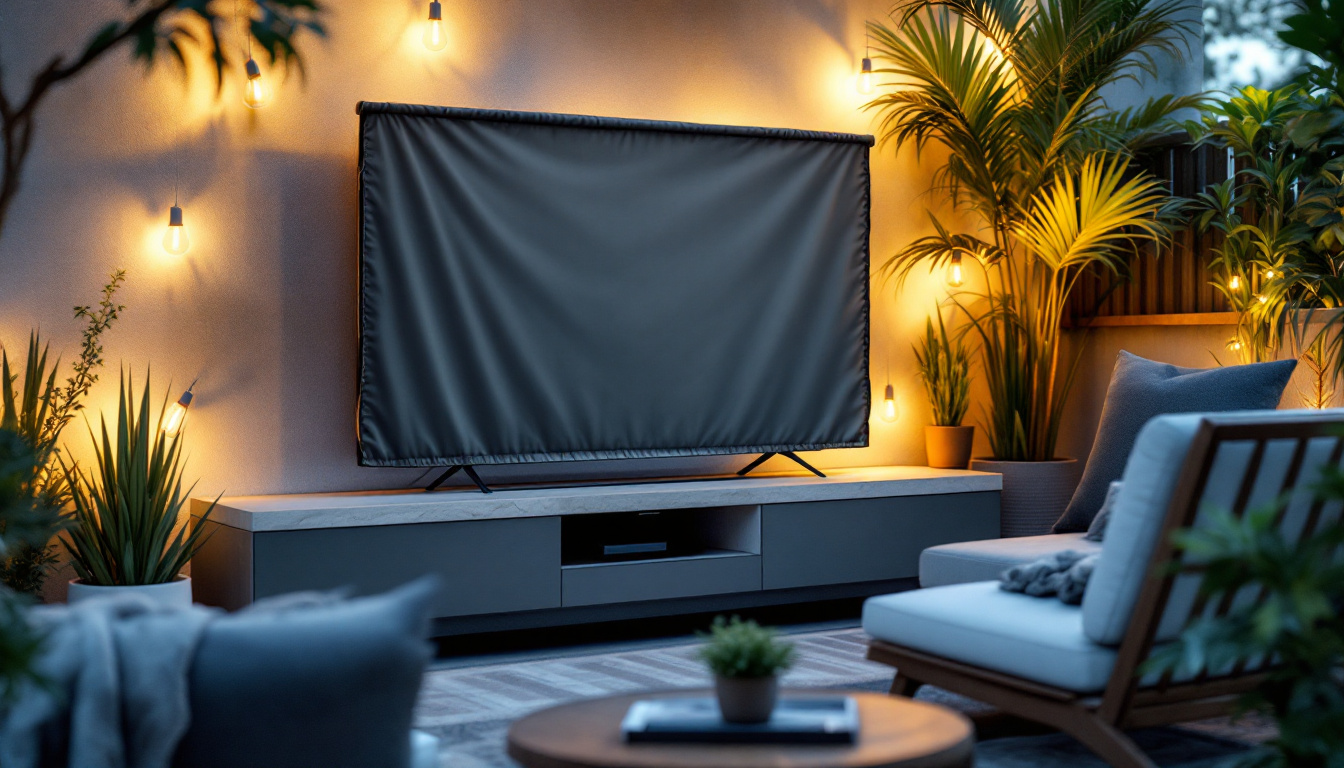
Position the TV to minimize direct exposure to sunlight and water splashes, even if it is waterproof. Overhangs or protective covers can extend the lifespan and improve viewing comfort.
Regular Cleaning and Care
Maintaining the screen and casing is essential. Use soft, non-abrasive cloths and mild cleaning solutions to remove dust, dirt, and water spots.
Avoid harsh chemicals or abrasive materials that could damage the waterproof seals or screen coatings. Periodic inspection of seals and connections helps identify potential issues early.
Power and Cable Management
Ensure that power sources and cables are rated for outdoor use and protected from moisture. Waterproof cable covers and conduit can prevent damage and reduce safety risks.
Consider surge protectors and grounding to safeguard the TV from electrical issues caused by weather conditions.
The Future of Waterproof LED Television Technology
Advancements in LED technology continue to push the boundaries of brightness, energy efficiency, and durability. Emerging innovations such as micro-LED displays promise even greater image quality and thinner, more flexible designs suitable for outdoor environments.
Integration with smart home ecosystems and IoT devices is also evolving, enabling more intuitive control and automation of outdoor entertainment systems.
Additionally, sustainability is becoming a focus, with manufacturers exploring eco-friendly materials and energy-saving features to reduce environmental impact.
Conclusion
Waterproof televisions with LED displays represent a significant advancement in outdoor entertainment technology. Their combination of robust waterproofing, high brightness, and durability makes them ideal for a wide range of applications, from residential patios to commercial venues and specialized environments.
Understanding the technical aspects, key features, and proper maintenance of these TVs ensures users can maximize their investment and enjoy high-quality viewing experiences regardless of weather conditions. As technology progresses, waterproof LED TVs will continue to enhance how people experience media outdoors, blending convenience, performance, and resilience.
Discover the Future of Outdoor Entertainment with LumenMatrix
Ready to elevate your outdoor viewing experience? LumenMatrix, a pioneer in LED display technology, offers an array of innovative solutions tailored to your needs. From stunning Outdoor LED Wall Displays that bring your poolside movie nights to life, to Custom LED Displays that fit perfectly into your unique space, LumenMatrix is committed to transforming your visual storytelling. Embrace the revolution in outdoor entertainment and check out LumenMatrix LED Display Solutions today for an unparalleled viewing experience that stands the test of time and elements.