In the world of modern commercial and industrial environments, the integration of technology with traditional building materials is becoming increasingly important. One such intersection is between floor coating specialists and LED display technology. While these fields might seem unrelated at first glance, understanding how LED displays work and how they can be incorporated into floor coatings opens up exciting possibilities for innovative design, safety, and communication solutions.
This article explores the fundamentals of LED displays, their types, and the ways floor coating specialists can leverage this technology to enhance spaces. Whether you’re involved in industrial flooring, commercial interiors, or event spaces, understanding LED displays is crucial for staying ahead in a competitive market.
Understanding LED Display Technology
What is an LED Display?
LED stands for Light Emitting Diode, a semiconductor device that emits light when an electric current passes through it. LED displays use arrays of these diodes to create images, text, and videos. The technology has revolutionized digital signage due to its brightness, energy efficiency, and durability. Unlike traditional display technologies, LEDs can achieve higher brightness levels while consuming significantly less power, making them an environmentally friendly choice for both indoor and outdoor applications.
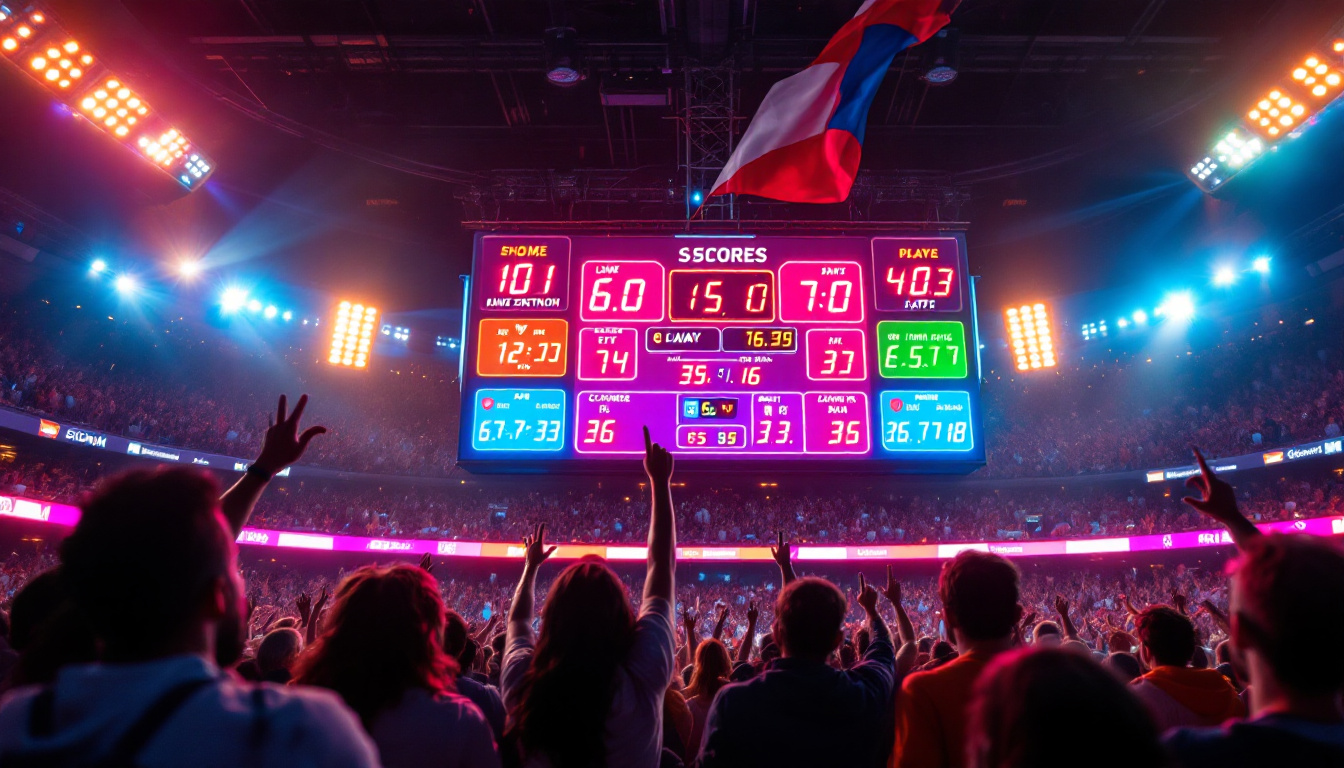
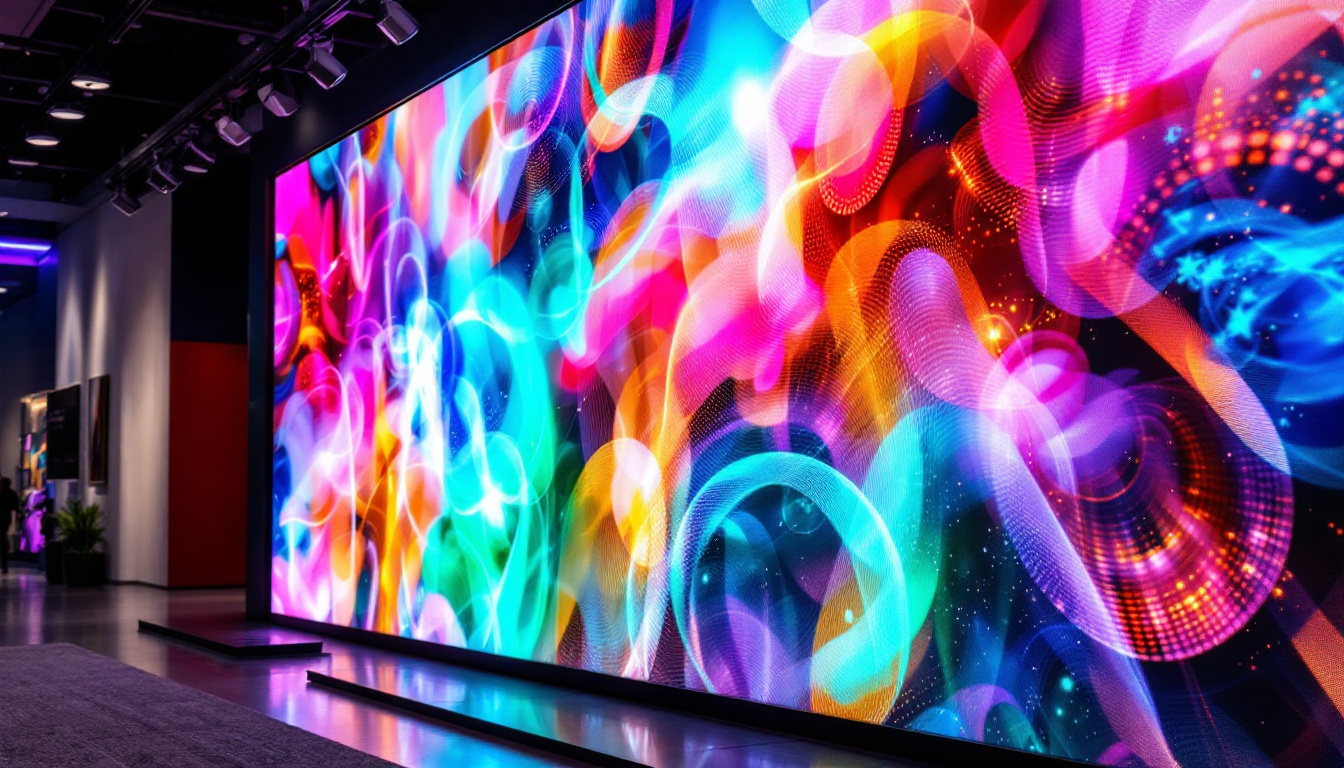
LED displays are composed of thousands to millions of tiny LEDs arranged in a grid. Each LED can be individually controlled to produce different colors and brightness levels, allowing for high-resolution, vibrant visuals. These displays are widely used in advertising billboards, stadium screens, retail signage, and increasingly in architectural applications. The versatility of LED technology enables it to be used in various formats, from large-scale outdoor displays that capture the attention of passersby to smaller, intricate displays that enhance the ambiance of indoor spaces. Furthermore, advancements in LED technology continue to improve color accuracy and refresh rates, making them an increasingly popular choice for live events and broadcasting.
Types of LED Displays
There are several types of LED displays, each suited for different applications:
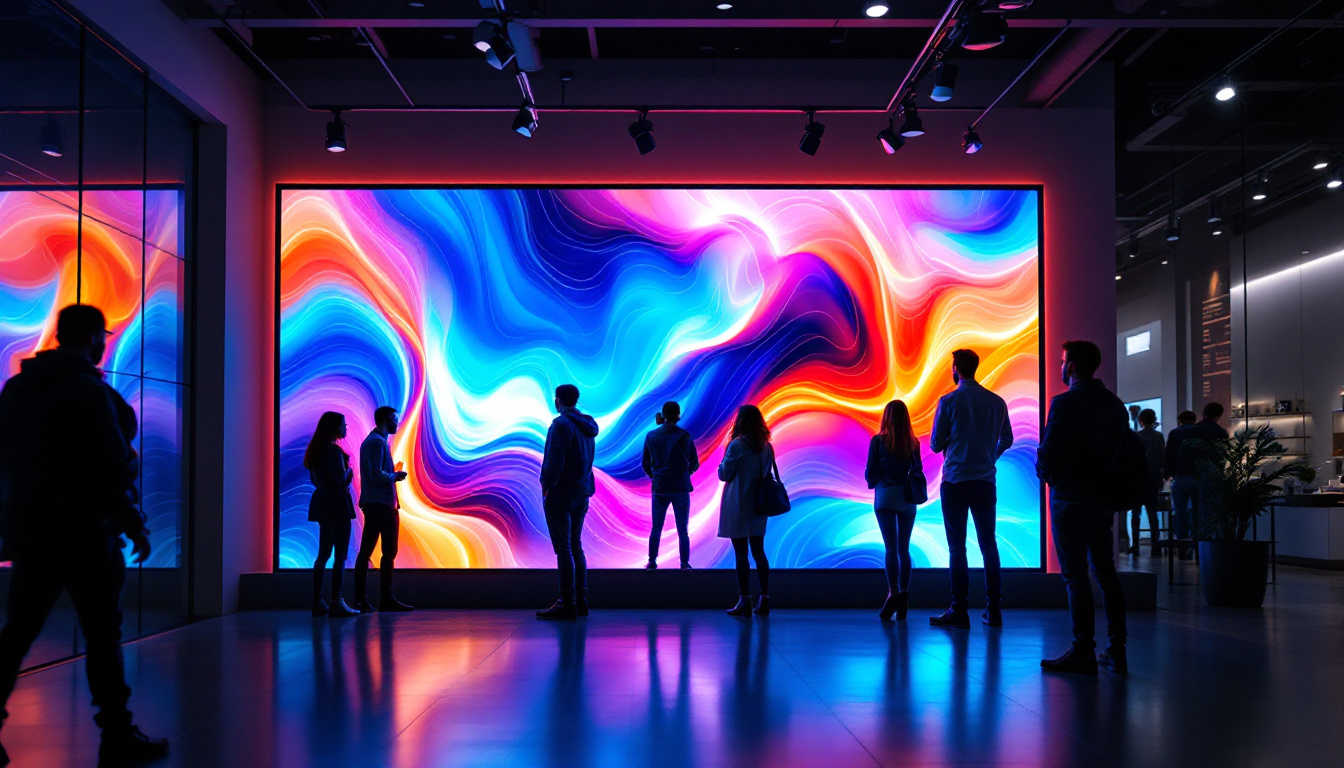
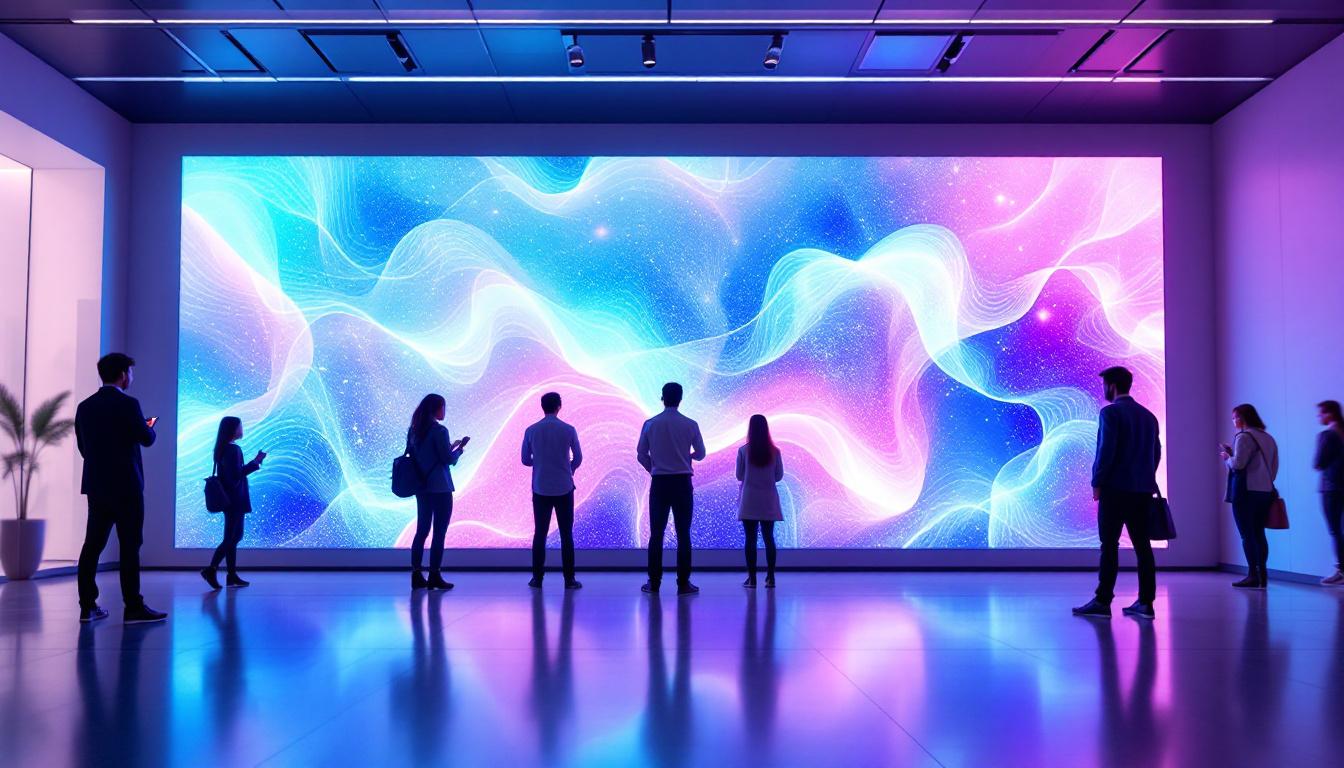
- Indoor LED Displays: Designed for controlled environments, these displays have a higher pixel density for sharper images and are less bright compared to outdoor models. They are ideal for venues such as conference rooms, shopping malls, and theaters where close viewing is common.
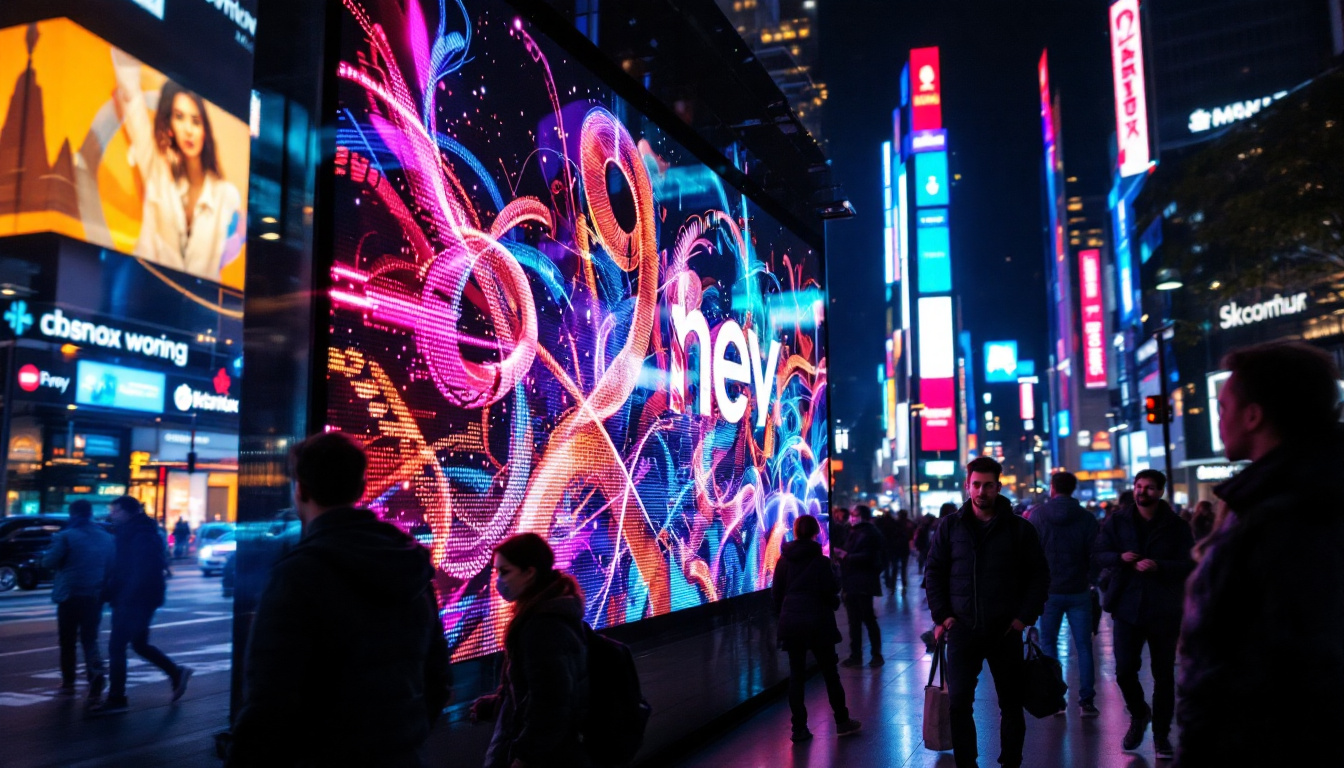
- Outdoor LED Displays: Built to withstand weather conditions, they are brighter and more durable but have a lower pixel density due to viewing distance. These displays are often seen in public spaces, such as sports arenas and city squares, where visibility from afar is crucial.
- Flexible LED Displays: These use bendable substrates, enabling installation on curved surfaces, including floors and walls. Their adaptability allows for creative designs that can transform conventional spaces into dynamic environments.
- Transparent LED Displays: Allow light to pass through, ideal for glass surfaces and creative architectural installations. This type of display is gaining traction in retail environments, where it can showcase products while maintaining visibility through windows.
For floor coating specialists, flexible and transparent LED displays present unique opportunities for integration into flooring systems. By incorporating these displays into the design, businesses can create immersive experiences that engage customers in innovative ways. For instance, a retail store could utilize flexible LED flooring to display promotional content or interactive designs that respond to foot traffic, enhancing customer engagement and driving sales. Additionally, transparent LED displays can be used in window installations, allowing brands to showcase their products while still maintaining a view of the outside, effectively blending marketing with architectural aesthetics.
The Role of LED Displays in Floor Coating Applications
Innovative Flooring Solutions
Traditionally, floor coatings have been used to protect surfaces, improve durability, and enhance aesthetics. However, with the advancement of LED technology, floors can now become dynamic communication platforms. Integrating LED displays into floor coatings transforms a static surface into an interactive or visually engaging element.
For example, in retail environments, LED-embedded floors can display promotional messages, guide customer traffic, or highlight specific products. In museums or galleries, floors can provide immersive storytelling experiences by displaying thematic visuals or interactive content that responds to visitor movement.
Safety and Wayfinding
LED displays incorporated into floor coatings can significantly improve safety and navigation in complex environments such as airports, hospitals, and factories. Illuminated pathways, hazard warnings, and directional arrows can be embedded directly into the floor, enhancing visibility even in low-light conditions.
According to the National Safety Council, workplace injuries due to slips, trips, and falls account for over 25% of all reported incidents. Properly illuminated and clearly marked floors can reduce these risks substantially. LED floor displays offer a customizable and attention-grabbing solution that traditional painted markings cannot match.
Durability and Maintenance Considerations
Integrating LED displays into floor coatings requires careful consideration of durability and maintenance. Floors are subject to heavy foot traffic, equipment movement, and environmental factors such as moisture and temperature changes. Therefore, the LED modules and protective coatings must be robust and resistant to abrasion.
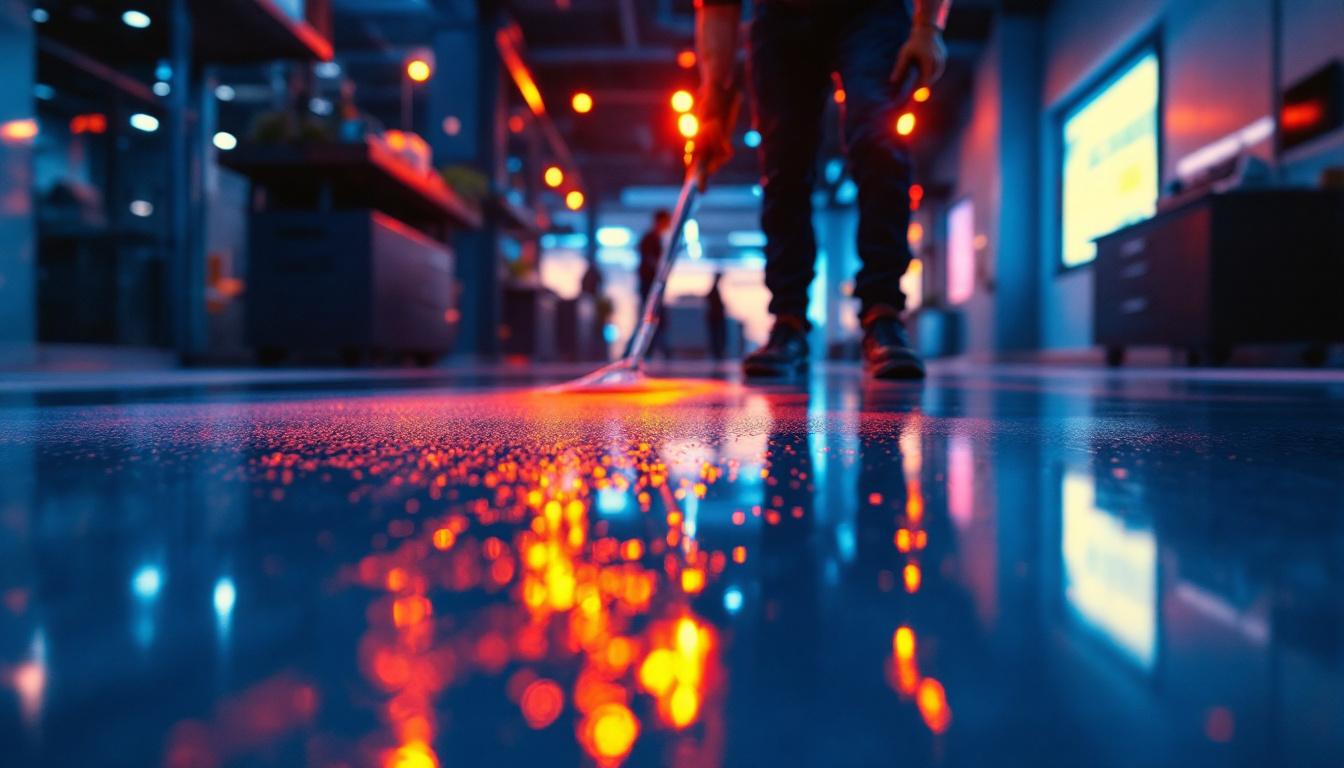
Specialized epoxy or polyurethane coatings are often used to encapsulate LED modules, providing a smooth, durable surface that maintains the display’s visibility and functionality. Additionally, modular LED panels allow for easier replacement and maintenance without disrupting the entire floor system.
Technical Aspects of Integrating LED Displays with Floor Coatings
Installation Techniques
The installation of LED displays within floor coatings involves several critical steps to ensure performance and longevity:
- Substrate Preparation: The floor surface must be clean, level, and structurally sound to support the LED system.
- Embedding LED Modules: LED panels or flexible strips are installed onto or within the floor substrate. This may involve recessing modules into grooves or mounting them on a flat surface.
- Protective Coating Application: A transparent, abrasion-resistant coating is applied over the LED modules to protect them from wear and environmental damage.
- Electrical and Control Systems: Wiring and control units are installed to power the LEDs and manage display content.
Each step requires coordination between floor coating specialists, electricians, and digital display technicians to ensure seamless integration.
Power and Control Considerations
LED floor displays require a reliable power source and control system for content management. Power needs vary depending on the size and brightness of the display, but energy efficiency remains a key advantage of LED technology.
Control systems range from simple on/off switches to sophisticated software platforms that allow real-time content updates, animations, and interactivity. Wireless control options are increasingly popular, enabling remote management and reducing the complexity of cabling.
Heat Dissipation and Ventilation
LEDs generate heat during operation, which must be managed to prevent damage and maintain performance. In floor applications, heat dissipation can be challenging due to the enclosed nature of the installation. Floor coating specialists must select materials with good thermal conductivity and incorporate ventilation solutions where possible.
Advanced LED modules designed for flooring often include built-in heat sinks or use low-heat emitting diodes to mitigate this issue. Proper heat management extends the lifespan of the LED display and ensures consistent brightness.
Practical Applications and Case Studies
Retail and Commercial Spaces
Major retail chains have begun incorporating LED floor displays to create immersive shopping experiences. For instance, a flagship store in New York City installed LED-embedded floors that display dynamic branding and promotional content synchronized with in-store events.
This approach not only attracts customers but also enhances brand engagement and encourages longer store visits. The LED floors are coated with a high-durability epoxy that withstands thousands of daily visitors without loss of clarity or functionality.
Industrial and Safety Environments
In manufacturing plants and warehouses, LED floor displays have been used to mark safe walkways, alert workers to potential hazards, and display real-time operational data. One automotive assembly plant integrated LED floor markings that change color based on machine status, improving communication and reducing accidents.
Such applications demonstrate how LED floor technology can contribute to operational efficiency and worker safety, aligning with occupational health and safety standards.
Event Venues and Entertainment
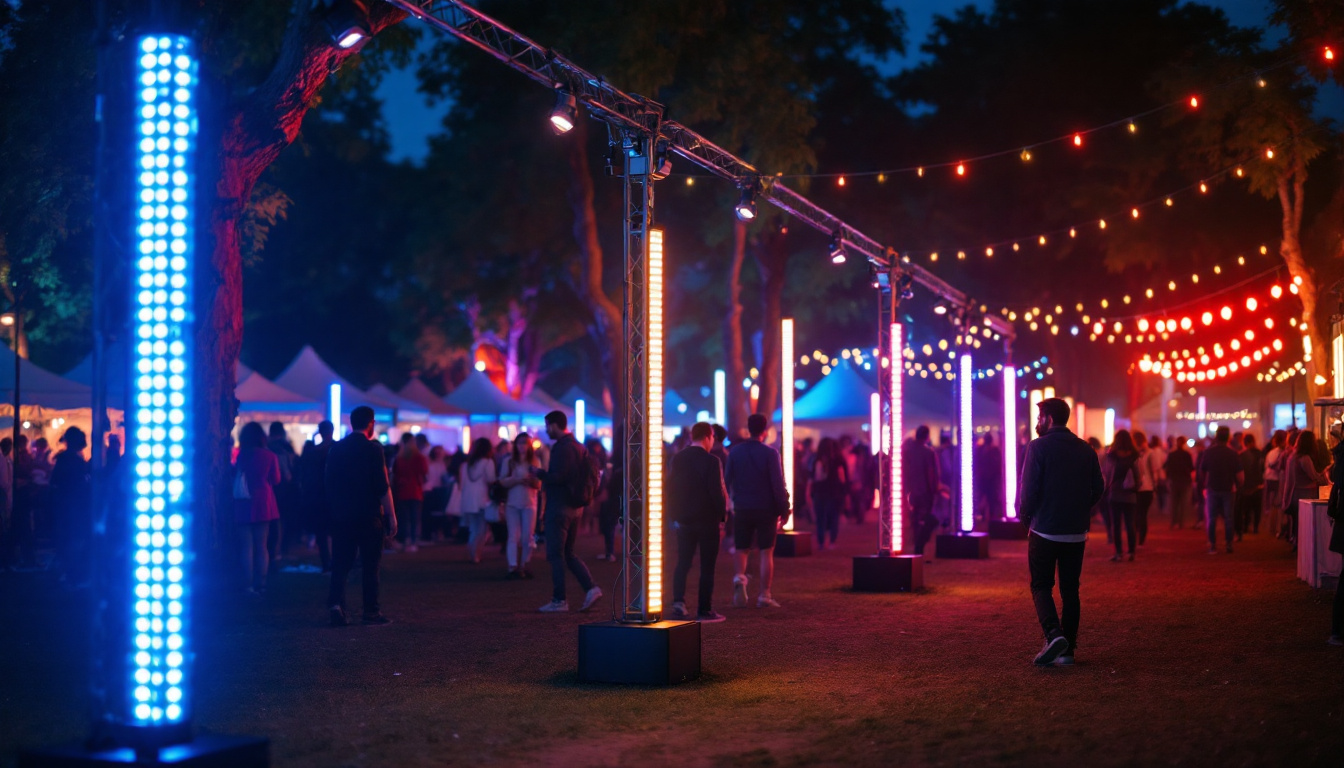
Event venues and entertainment spaces leverage LED floor displays to create captivating environments. Interactive dance floors, digital art installations, and branded event spaces utilize LED-embedded floors to engage audiences in novel ways.
For example, a concert venue in Los Angeles installed a flexible LED floor system that responds to music beats, creating a synchronized light show that enhances the overall experience. The floor coating specialists worked closely with digital content creators to ensure seamless integration and durability.
Future Trends and Innovations
Advancements in Flexible and Transparent LEDs
Ongoing research in LED technology focuses on improving flexibility and transparency, which will further expand the potential for floor applications. Flexible LED films that can be rolled out and adhered to floors with minimal disruption are becoming commercially viable.
Transparent LED displays embedded in glass flooring or staircases offer new dimensions for architectural design, blending functionality with aesthetic appeal.
Integration with Smart Building Systems
The rise of smart buildings and IoT (Internet of Things) technology is driving the integration of LED floor displays with broader building management systems. Floors can become interactive interfaces that respond to occupant presence, environmental conditions, or emergency alerts.
For example, in smart hospitals, LED floors could guide patients and visitors dynamically based on real-time data, improving navigation and reducing stress.
Sustainability and Energy Efficiency
As sustainability becomes a priority, LED floor displays are being designed with energy-saving features such as adaptive brightness and low-power modes. Additionally, recyclable materials and environmentally friendly coatings are being developed to reduce the ecological footprint of these installations.
Floor coating specialists must stay informed about these innovations to offer clients solutions that align with green building standards and certifications.
Conclusion
The convergence of floor coating expertise and LED display technology presents exciting opportunities for innovation across various industries. From enhancing safety and navigation to creating immersive retail and entertainment environments, LED-embedded floors are transforming how spaces communicate and function.
For floor coating specialists, understanding the technical aspects, installation challenges, and practical applications of LED displays is essential to delivering cutting-edge solutions. As LED technology continues to evolve, the potential for creative and functional floor coatings will only expand, making this an area worth watching closely.
Embracing LED floor displays not only adds value to flooring projects but also positions specialists at the forefront of technological integration in the built environment.
Discover LumenMatrix LED Display Solutions
Ready to elevate your space with the latest in LED display technology? LumenMatrix is at the forefront of innovation, offering a wide range of LED display modules tailored to your needs. From captivating Indoor LED Walls to dynamic Floor LED Displays, our solutions are designed to revolutionize visual communication and enhance engagement in any setting. Don’t miss the opportunity to transform your environment with our cutting-edge LED display solutions. Check out LumenMatrix LED Display Solutions today and take the first step towards an immersive visual experience.