In the world of large-scale visual displays, the term “Jumbotron” has become almost synonymous with giant screens used in stadiums, concerts, and public events. But what exactly is a Jumbotron, and how does it differ from other LED displays? This article dives deep into the technology, history, and applications of Jumbotron screens, providing a comprehensive understanding of these impressive visual tools.
The Origins of the Jumbotron
The concept of the Jumbotron dates back to the mid-1980s when Sony introduced the first large-scale video screen under this brand name. The original Jumbotron was a pioneering innovation in the field of electronic displays, designed to provide clear, vibrant images visible to thousands of spectators in stadiums and arenas.
Unlike traditional scoreboards or smaller video screens, the Jumbotron was capable of displaying live video feeds, instant replays, animations, and advertisements with remarkable clarity. This was a game-changer for sports fans and event attendees, enhancing the overall experience by bringing the action closer to the audience regardless of their seating position.
Over time, the term “Jumbotron” evolved from a specific Sony product into a generic term used to describe any large-scale LED video display. Today, while Sony no longer holds exclusive rights to the name, the legacy of the Jumbotron lives on in the widespread adoption of giant LED screens worldwide.
The impact of the Jumbotron extended beyond just sports; it revolutionized the way events were broadcasted and experienced. Concerts, festivals, and public gatherings began to utilize these massive screens to engage audiences, allowing for a more immersive experience. With the ability to showcase high-definition visuals and synchronized sound, the Jumbotron became an essential tool for event organizers aiming to captivate and entertain large crowds. This shift not only enhanced the viewing experience but also opened new avenues for advertising, enabling brands to reach audiences in a dynamic and visually striking manner.
As technology advanced, so did the capabilities of the Jumbotron. Modern iterations now feature 4K resolution and are equipped with touch-sensitive interfaces, allowing for interactive experiences that were previously unimaginable. Fans can engage with the content displayed, participate in polls, and even see their own images on the screen, creating a sense of community and involvement. This evolution reflects a broader trend in entertainment and marketing, where the integration of technology continues to redefine how we experience live events.
Understanding LED Display Technology
How LED Displays Work
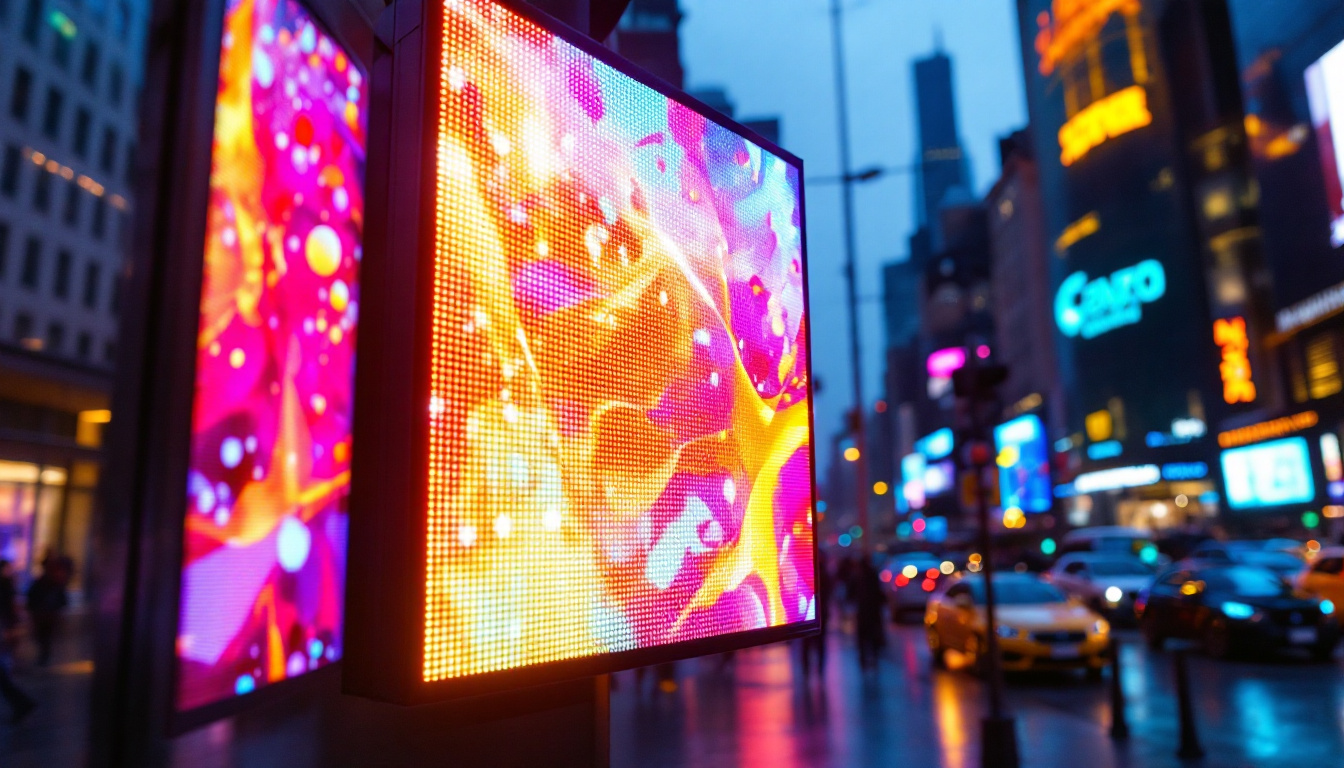
At the heart of every Jumbotron is LED (Light Emitting Diode) technology. LEDs are semiconductor devices that emit light when an electric current passes through them. In LED displays, thousands or even millions of these tiny diodes are arranged in a grid to form pixels, the fundamental units of the image.
Each pixel typically contains red, green, and blue LEDs, which can be combined at varying intensities to produce a wide spectrum of colors. By controlling the brightness and color of each pixel, the display can render detailed images and videos with high resolution and vibrant colors. This capability allows for dynamic content, such as live sports broadcasts, advertisements, and artistic displays, to be shown with clarity and impact, captivating audiences from afar.
Furthermore, advancements in LED technology have led to the development of fine-pitch displays, which feature smaller pixel sizes. This innovation allows for closer viewing distances without sacrificing image quality, making LED displays suitable for a variety of applications, from stadiums to concert venues and even retail environments. The flexibility in design and configuration ensures that LED displays can be tailored to fit any space, enhancing the viewer’s experience.
Advantages of LED Over Other Display Technologies
LED displays offer several advantages compared to older technologies such as LCD or projection systems. They provide higher brightness levels, making them visible even in direct sunlight, which is essential for outdoor venues. Additionally, LEDs have a longer lifespan, lower power consumption, and better durability against environmental factors like rain and wind.
These qualities make LED displays, including Jumbotrons, ideal for large venues where visibility, reliability, and energy efficiency are critical. The ability to operate in a wide range of temperatures and weather conditions further enhances their appeal, allowing events to proceed smoothly without concerns over display performance. Moreover, the modular nature of LED panels means that they can be easily repaired or replaced, minimizing downtime and maintenance costs.
In addition to their practical benefits, LED displays also contribute to a more engaging atmosphere. The vibrant colors and sharp images can evoke emotions and create memorable experiences for audiences, whether at a sports event, concert, or public gathering. As technology continues to evolve, the integration of smart features, such as real-time data feeds and interactive elements, promises to further enhance the capabilities of LED displays, making them an even more integral part of modern entertainment and advertising strategies.
Key Features of Jumbotron Displays
Size and Resolution
One of the most defining characteristics of a Jumbotron is its sheer size. These displays can range from a few square meters to several hundred square meters, making them visible from great distances. For example, the Jumbotron at the Dallas Cowboys’ AT&T Stadium measures approximately 160 feet wide and 72 feet tall, making it one of the largest high-definition video displays in the world.
Resolution is another important factor. Early Jumbotrons had relatively low pixel density, resulting in less sharp images. However, modern LED technology allows for much higher resolutions, improving image clarity and detail even on massive screens. Pixel pitch—the distance between the centers of two adjacent pixels—is a key specification; smaller pixel pitches mean higher resolution and better image quality.
Brightness and Contrast
Brightness is crucial for outdoor Jumbotron displays, which must compete with natural sunlight. Modern Jumbotrons can achieve brightness levels exceeding 5,000 nits (a unit measuring luminance), ensuring clear visibility in daylight. Contrast ratio—the difference between the darkest black and brightest white—also impacts image quality, enhancing depth and realism.
Durability and Weather Resistance
Because many Jumbotrons are installed outdoors, they must withstand harsh weather conditions. High-quality Jumbotron displays are designed with robust enclosures that protect internal components from moisture, dust, and temperature extremes. Many are rated with IP65 or higher, indicating strong resistance to water and dust ingress.
Applications of Jumbotron LED Displays
Sports Venues
Sports stadiums and arenas are perhaps the most iconic settings for Jumbotron displays. These screens provide live game footage, instant replays, player statistics, and interactive content, significantly enhancing the fan experience. The ability to broadcast close-ups and multiple camera angles ensures that spectators never miss a moment of the action.
Major league sports organizations worldwide rely on Jumbotrons to engage audiences and create dynamic event atmospheres. For example, the NBA and NFL regularly update their arenas with cutting-edge LED displays to keep pace with technological advancements and fan expectations.
Concerts and Festivals
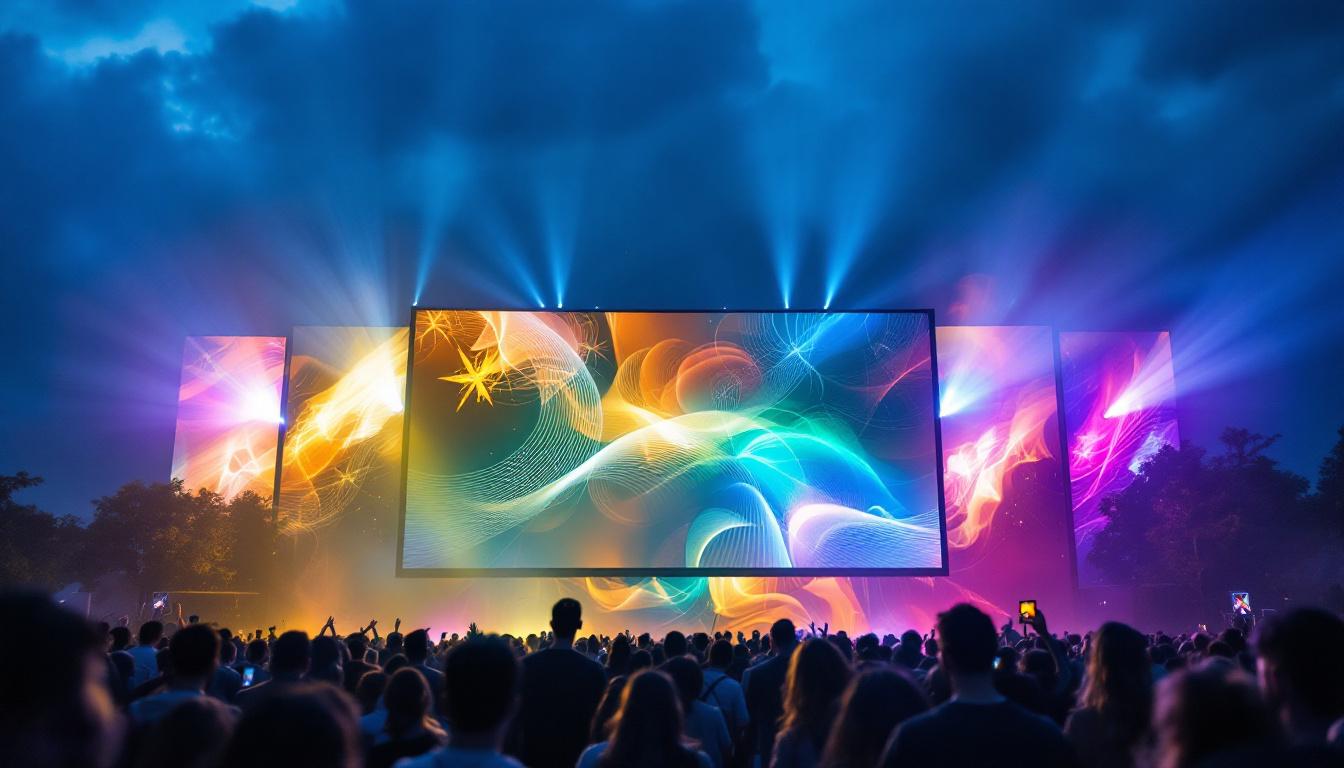
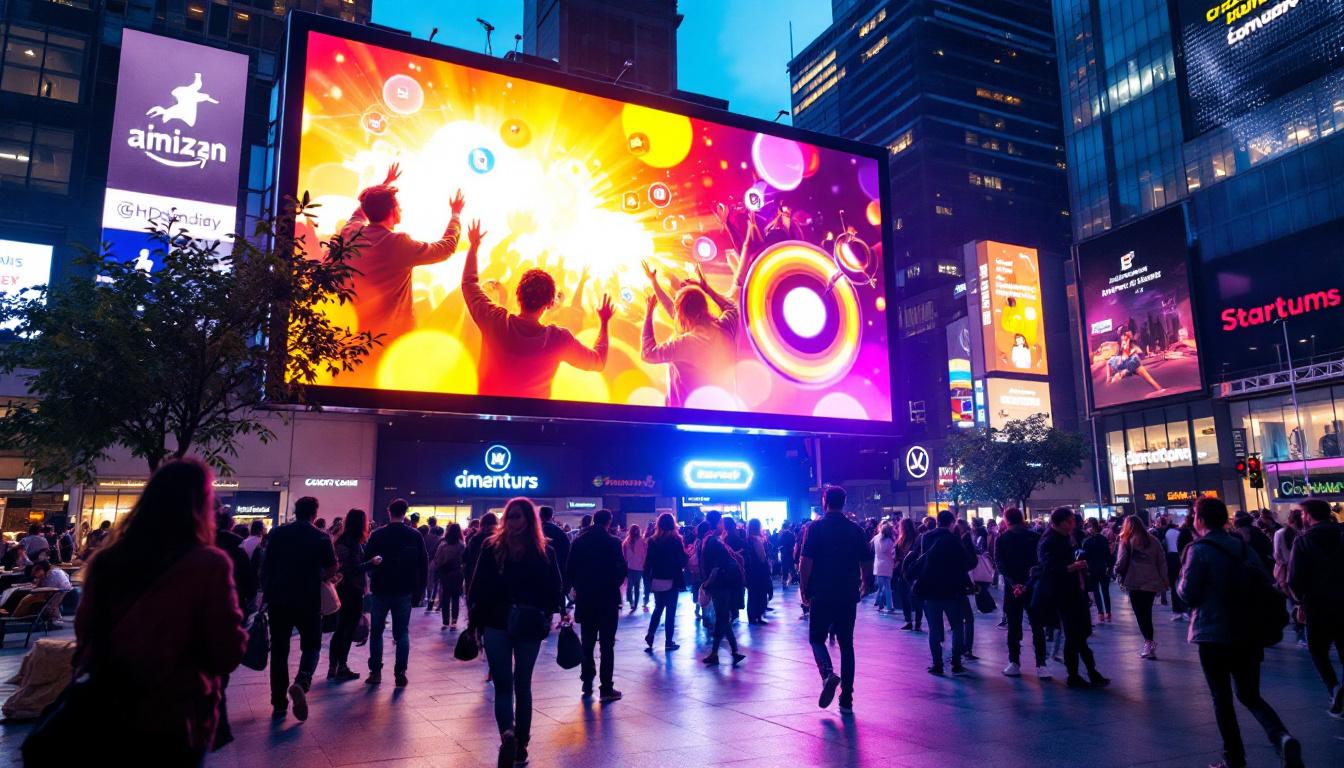
Large-scale concerts and music festivals also utilize Jumbotron screens to ensure that attendees far from the stage can see performers clearly. These displays often incorporate creative visual effects synchronized with the music, adding an immersive layer to the live experience.
In addition, Jumbotrons serve as platforms for sponsor advertisements and event information, generating additional revenue streams for organizers.
Advertising and Public Spaces
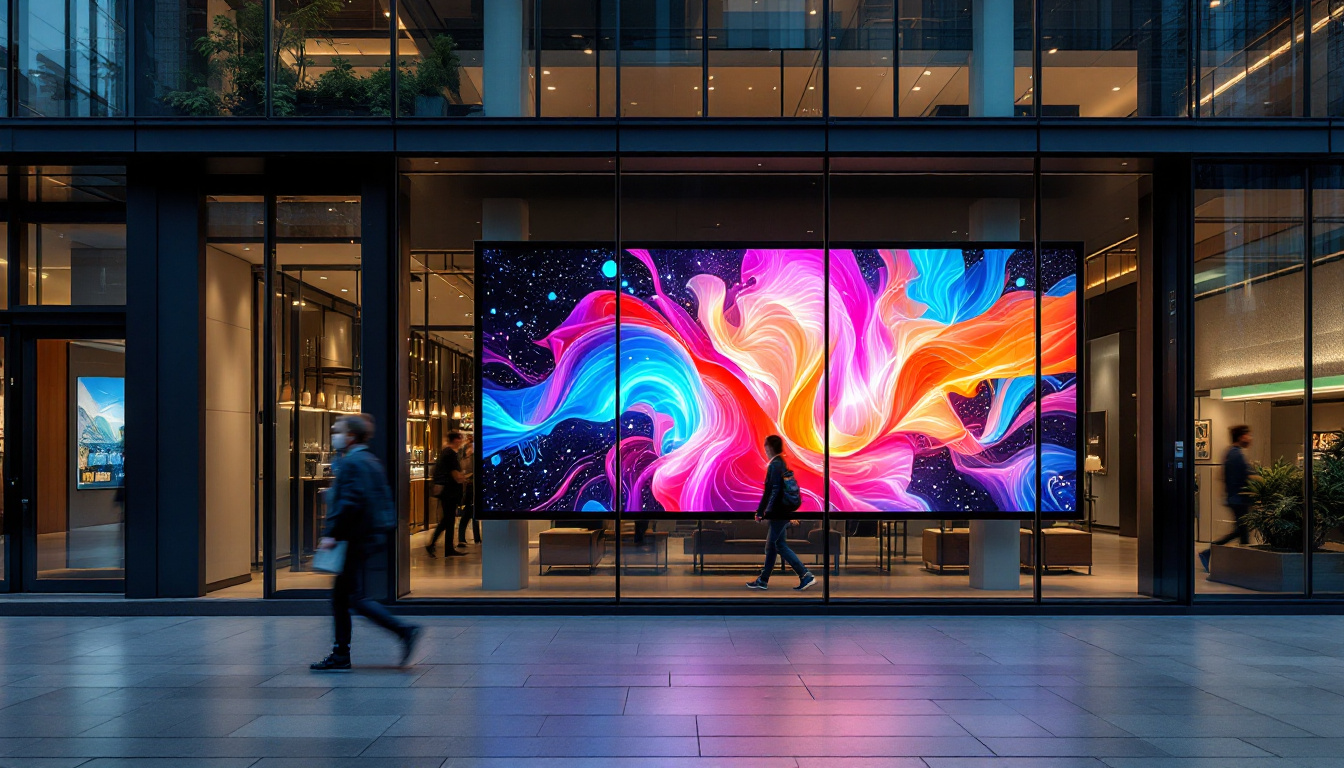
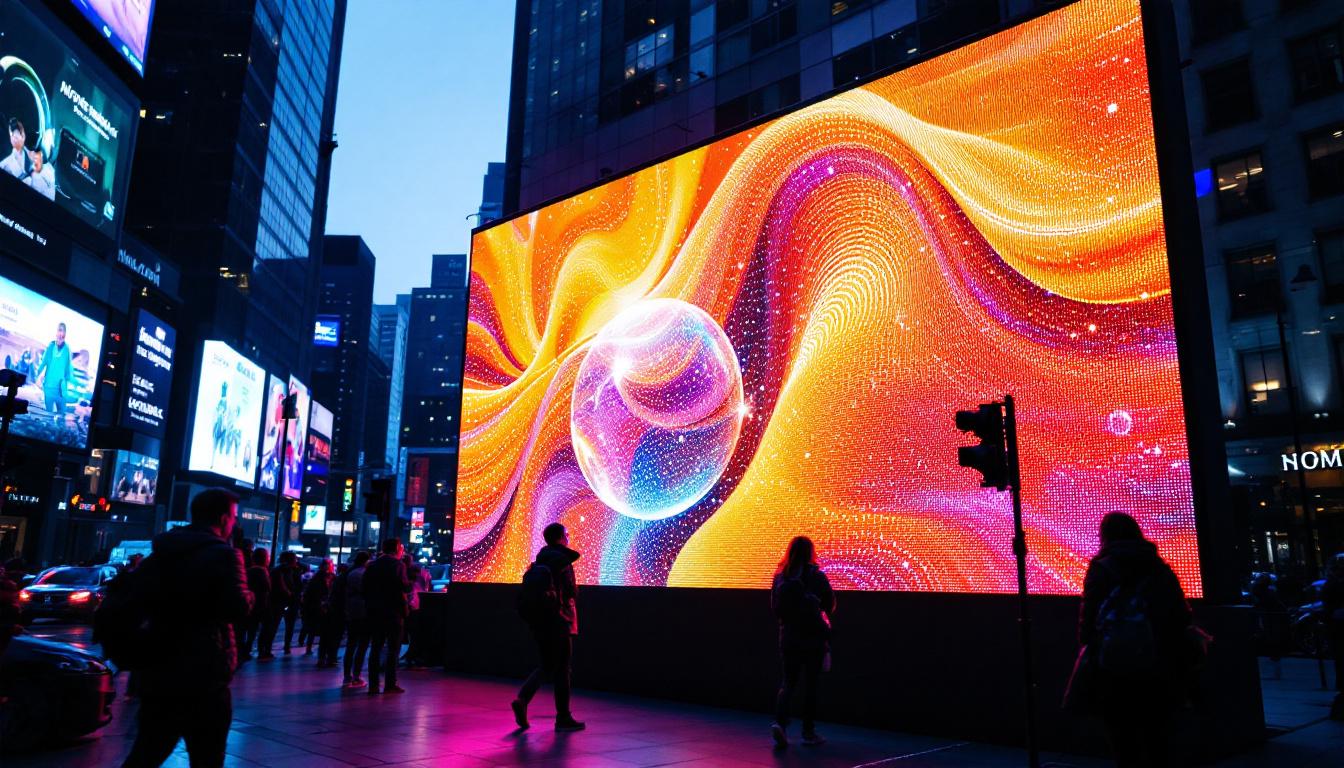
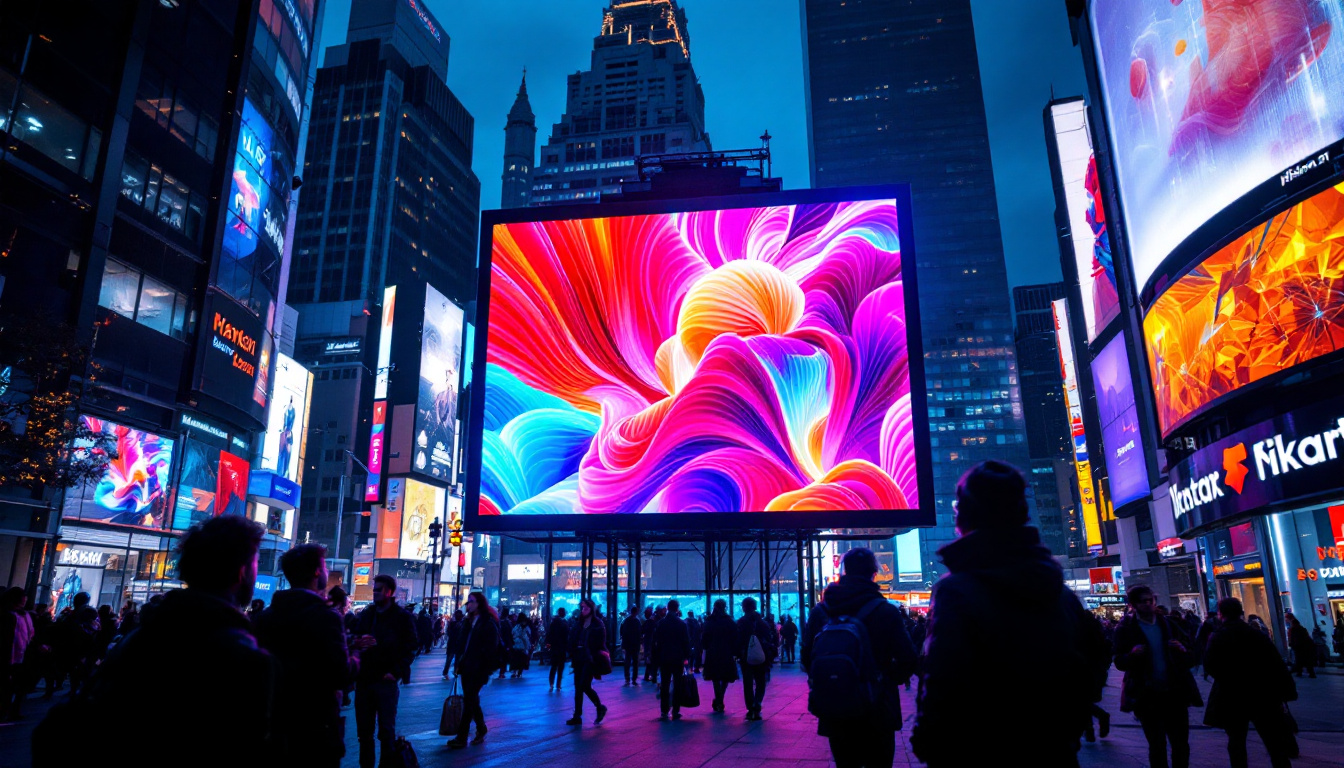
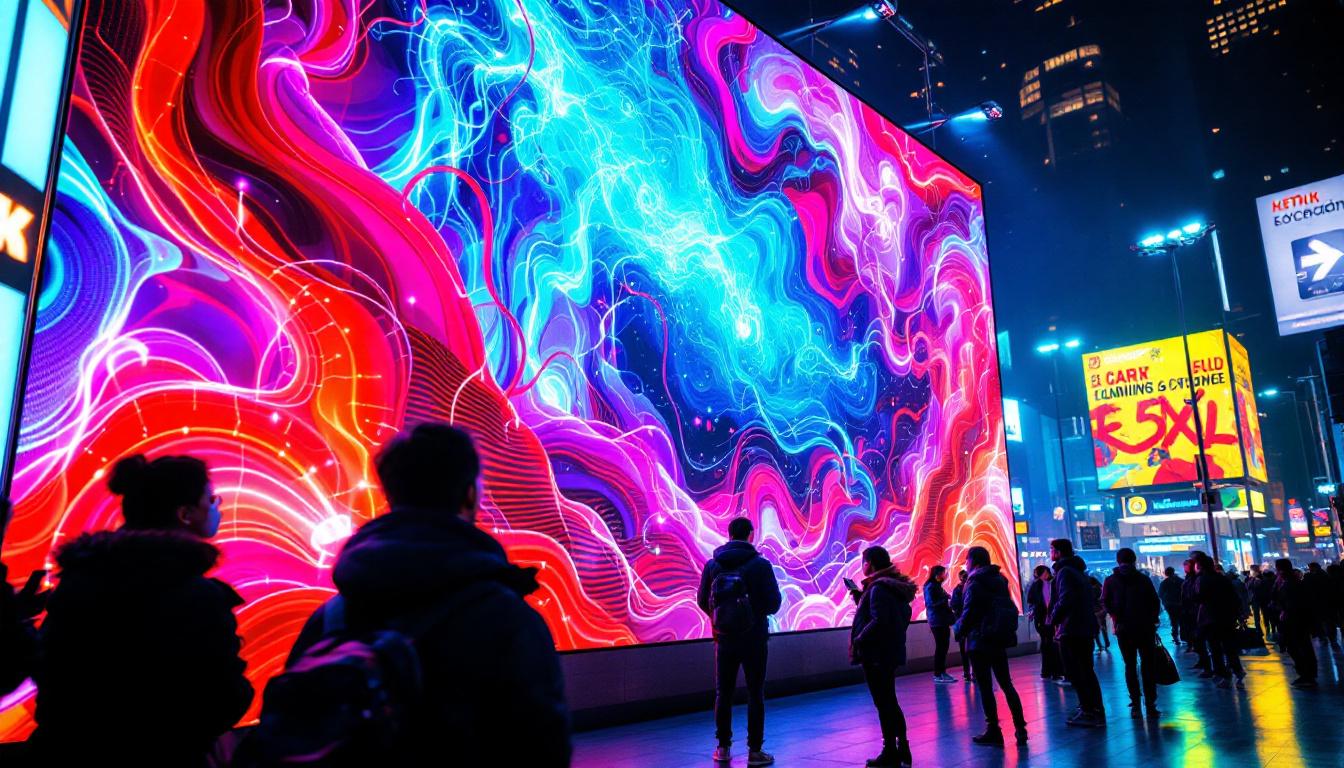
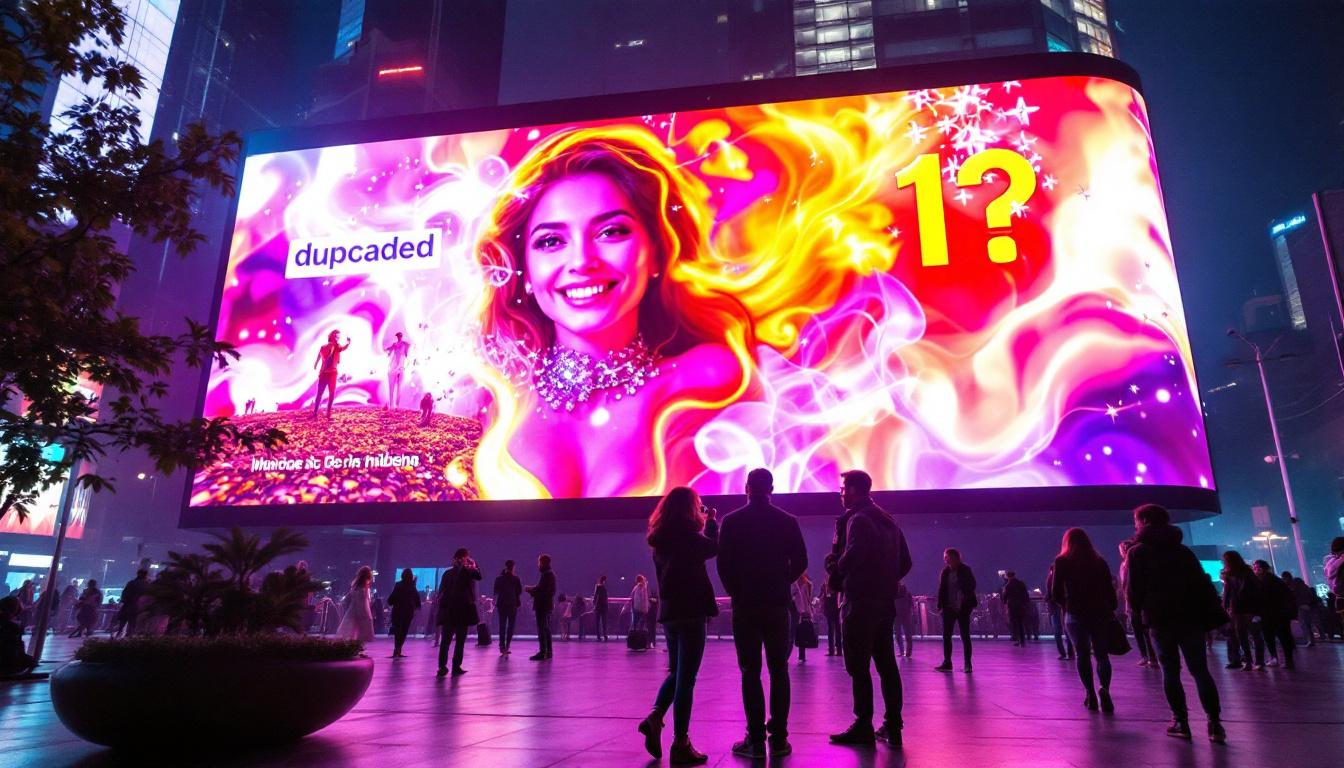
Beyond entertainment, Jumbotron LED displays are increasingly used in urban environments for advertising and public messaging. Times Square in New York City, Shibuya Crossing in Tokyo, and Piccadilly Circus in London are famous for their massive digital billboards, many of which are essentially Jumbotron-style LED screens.
These installations captivate audiences with dynamic, colorful advertisements and real-time information, transforming cityscapes into vibrant, interactive environments.
Choosing the Right Jumbotron for Your Needs
Assessing Viewing Distance and Pixel Pitch
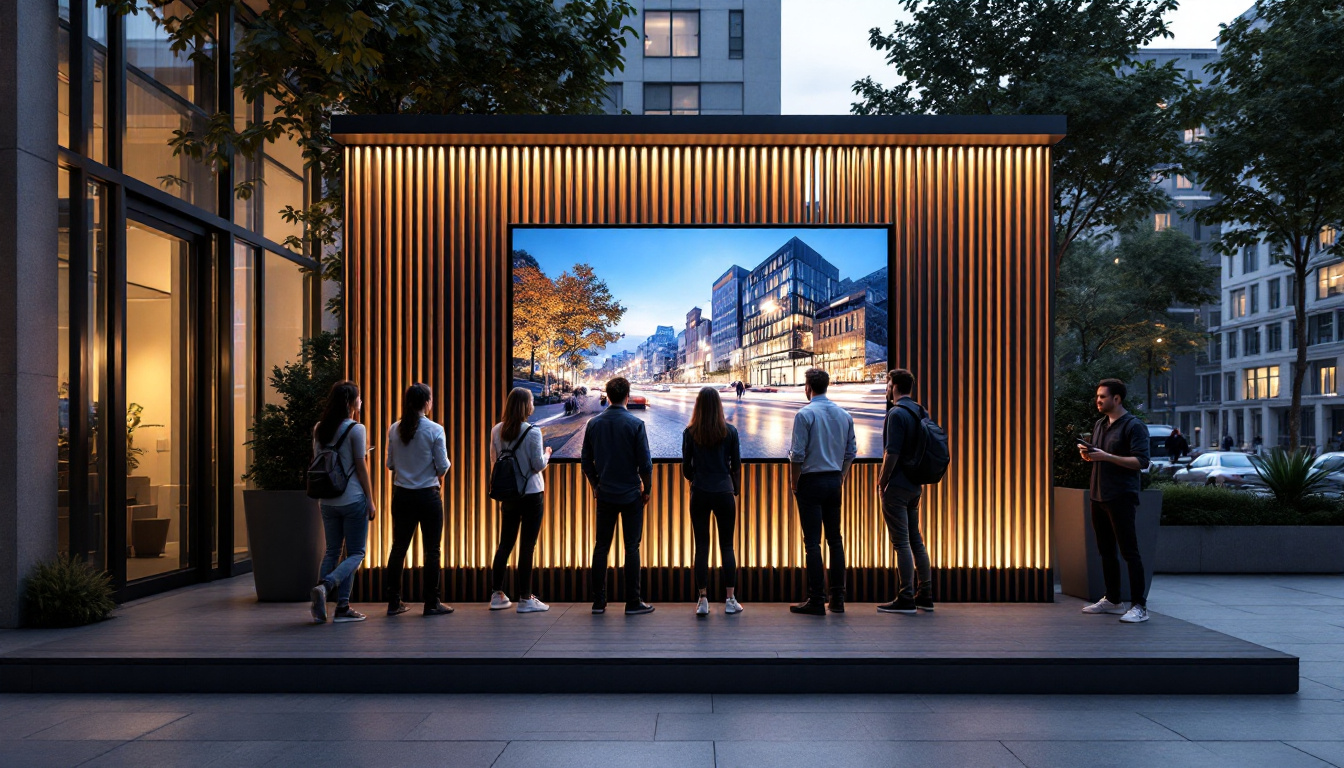
When selecting a Jumbotron display, understanding the typical viewing distance is critical. Larger pixel pitches may be acceptable for screens viewed from hundreds of meters away, while closer viewing requires finer pixel pitches to maintain image clarity.
For instance, a stadium might opt for a pixel pitch of 10mm or more, whereas a retail environment with closer viewers may require pitches as low as 2mm to ensure sharp visuals.
Installation Considerations
Installing a Jumbotron involves structural, electrical, and logistical planning. The weight and size of the screen must be supported by the venue’s infrastructure. Additionally, power requirements and data connectivity must be addressed to ensure consistent performance.
Some Jumbotrons are modular, allowing for flexible configurations and easier maintenance. This modularity also facilitates transportation and installation in temporary event settings.
Budget and Maintenance
Costs for Jumbotron displays vary widely depending on size, resolution, and additional features such as weatherproofing and smart control systems. While initial investment can be significant, the long lifespan and advertising revenue potential often justify the expense.
Regular maintenance is essential to keep the display functioning optimally. This includes cleaning, software updates, and occasional repairs to individual LED modules.
The Future of Jumbotron and LED Display Technology
Advancements in LED technology continue to push the boundaries of what Jumbotron displays can achieve. Innovations such as MicroLED and MiniLED promise even higher resolution, better energy efficiency, and thinner, lighter panels.
Moreover, integration with augmented reality (AR) and artificial intelligence (AI) is opening new possibilities for interactive and personalized content on large displays. For example, AI-driven analytics can tailor advertisements based on audience demographics in real-time.
As smart cities and digital experiences evolve, Jumbotron LED displays will play an increasingly vital role in communication, entertainment, and advertising, shaping how people engage with public spaces and events.
Conclusion
The Jumbotron represents a remarkable fusion of technology and entertainment, transforming how audiences experience live events and public messaging. From its origins as a groundbreaking Sony product to its current status as a generic term for massive LED screens, the Jumbotron has revolutionized visual communication on a grand scale.
Understanding the technology behind these displays, their key features, and their diverse applications helps stakeholders—from event organizers to advertisers—make informed decisions about incorporating Jumbotrons into their venues and campaigns. As LED technology continues to advance, the future of Jumbotron displays promises even more immersive and impactful visual experiences.
Explore Cutting-Edge Jumbotron Solutions with LumenMatrix
Ready to elevate your venue’s visual experience with the latest in LED display technology? LumenMatrix is at the forefront of innovation, offering a diverse range of LED display modules designed to captivate and engage your audience. From the immersive Indoor LED Wall Display to the dynamic Outdoor LED Wall Display, and from the mobile versatility of Vehicle LED Displays to the interactive Floor LED Displays, our solutions are tailored to meet your unique needs. Discover how LumenMatrix can transform your visual communication and enhance your brand’s presence. Check out LumenMatrix LED Display Solutions today and step into the future of digital signage.