In recent years, the demand for immersive and expansive display technology has surged, driven by advancements in gaming, professional design, and multimedia consumption. Giant curved monitors, particularly those featuring LED displays, have emerged as a popular solution to meet these needs. This article delves into the technology behind giant curved LED monitors, exploring their benefits, the science of curvature, and what makes them a compelling choice for various users.
Understanding LED Technology in Giant Curved Monitors
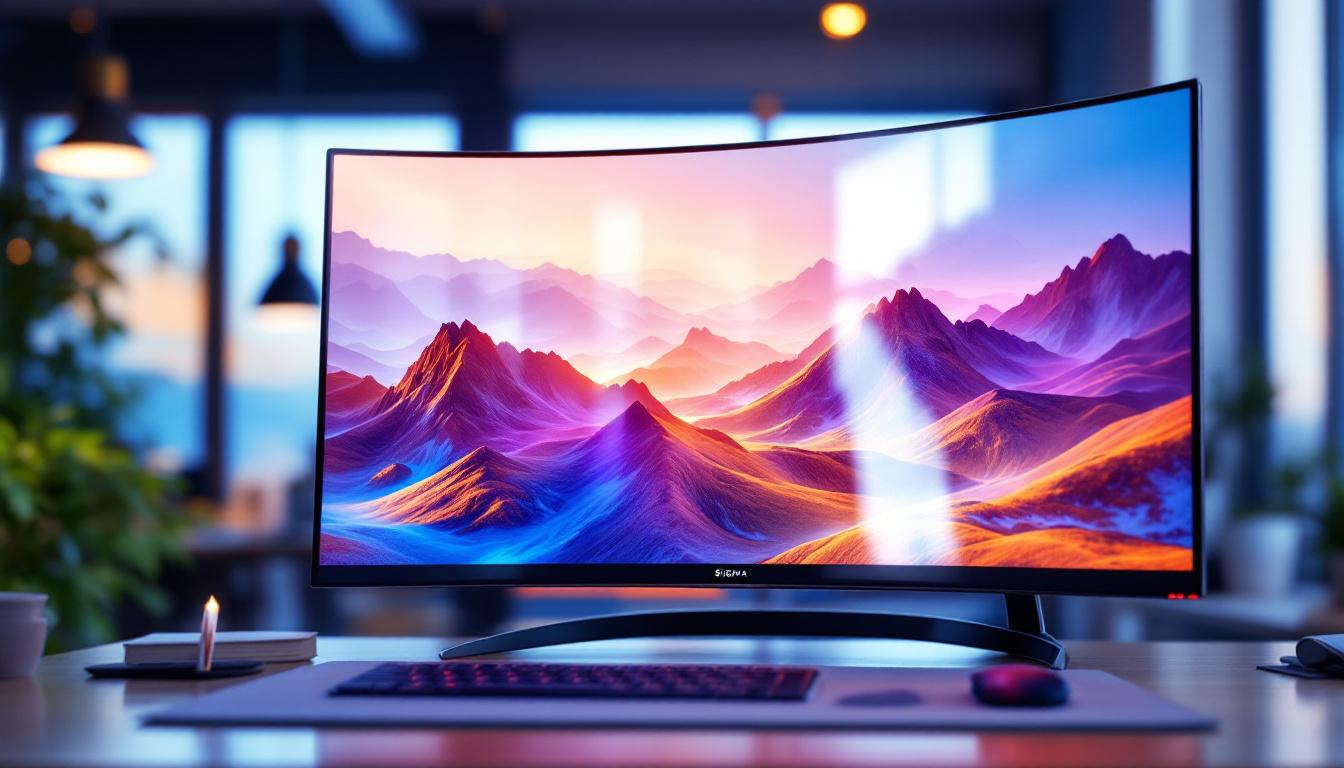
LED, or Light Emitting Diode, technology has revolutionized the display industry by offering brighter, more energy-efficient, and longer-lasting screens compared to traditional LCDs. In the context of giant curved monitors, LED backlighting plays a crucial role in delivering vivid colors and sharp images across large, sweeping displays. The immersive experience provided by these monitors is particularly appealing for gamers and professionals alike, as the curvature enhances depth perception and creates a more engaging viewing environment.
Unlike older CCFL (Cold Cathode Fluorescent Lamp) backlighting, LED backlights use an array of tiny diodes to illuminate the screen. This allows for better control over brightness and contrast, which is especially important for large displays where uniformity can be challenging. Additionally, LED technology supports thinner panels, enabling manufacturers to design sleek, curved forms without bulky hardware. The result is not only aesthetically pleasing but also functional, as these monitors can fit seamlessly into modern workspaces or entertainment setups without taking up excessive space.
Types of LED Backlighting
There are primarily two types of LED backlighting used in giant curved monitors: edge-lit and full-array. Edge-lit LED monitors position LEDs along the edges of the screen, using light guides to distribute illumination. This method allows for thinner displays but can sometimes result in uneven brightness, especially on larger screens. However, advancements in technology have led to improved edge-lit designs that minimize these issues, making them a viable option for users who prioritize sleekness and portability.
Full-array LED backlighting places LEDs directly behind the entire panel, providing more uniform brightness and enabling local dimming zones. Local dimming enhances contrast ratios by dimming dark areas while keeping bright sections illuminated, which is vital for delivering deep blacks and vibrant colors in cinematic and gaming content. This technology is particularly advantageous for HDR (High Dynamic Range) content, where the difference between the darkest and brightest parts of the image is crucial for a lifelike viewing experience. Furthermore, as content creators increasingly produce media that takes advantage of HDR, the demand for monitors with full-array backlighting continues to rise, pushing manufacturers to innovate and refine their offerings in this competitive market.
The Science and Benefits of Curvature in Giant Monitors
The defining feature of these giant monitors is their curved design, which is not merely aesthetic but serves functional purposes. The curvature is measured in radius (e.g., 1800R, 3000R), indicating how tight the curve is. A smaller radius number means a more pronounced curve, while a larger number implies a gentler curve.
Enhanced Immersion and Viewing Comfort
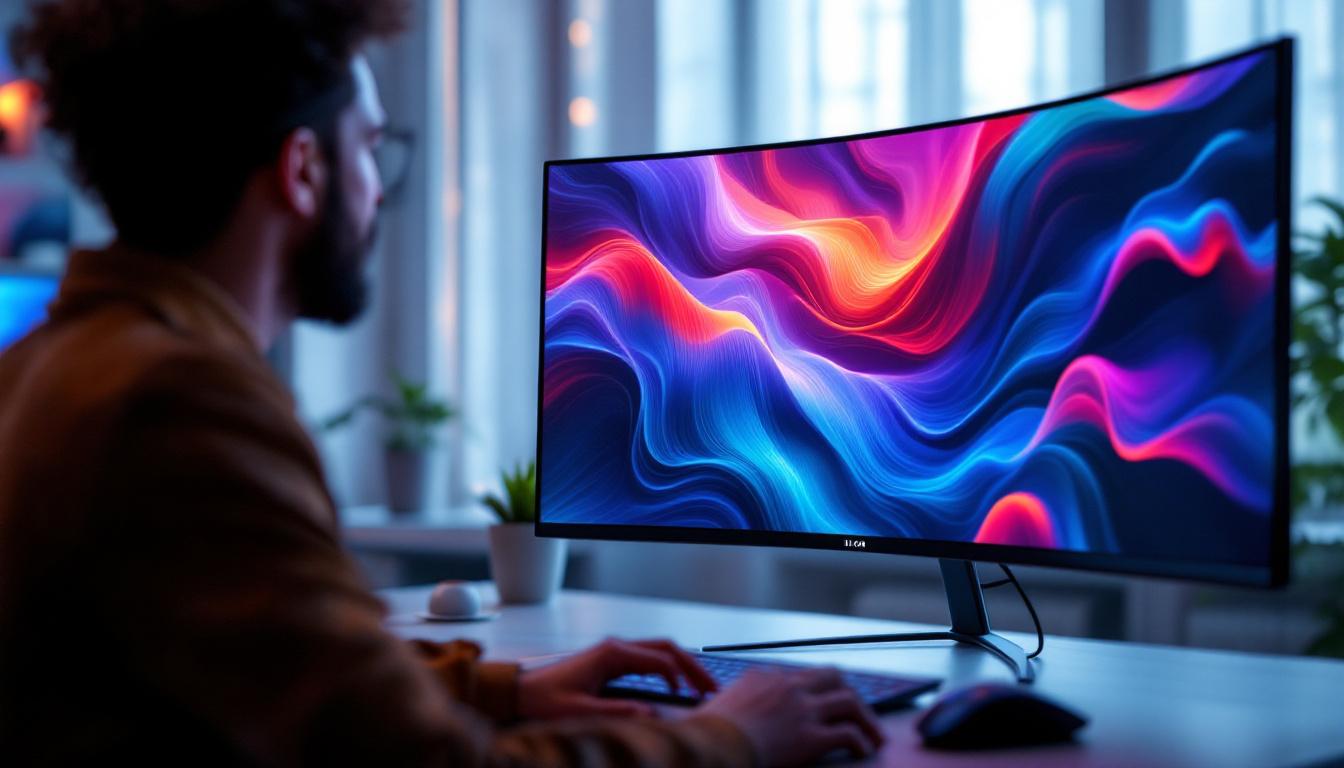
The curvature of giant monitors is designed to match the natural curvature of the human eye. This alignment reduces distortion and peripheral vision strain, creating a more immersive viewing experience. For gamers and multimedia enthusiasts, this means a wider field of view that feels more natural and engaging.
Studies have shown that curved monitors can reduce eye fatigue during extended use. By maintaining a consistent focal distance across the screen, users do not need to constantly refocus their eyes, which can happen with flat, expansive displays. This is particularly important in today’s fast-paced digital environment, where prolonged screen time is common. Furthermore, many users report that they feel less discomfort and strain after long gaming sessions or movie marathons, allowing them to enjoy their favorite content without the usual physical repercussions.
Improved Depth Perception and Reduced Glare
Curved screens can enhance depth perception by subtly wrapping the image around the viewer, adding a sense of dimensionality to games and videos. This effect is particularly beneficial in first-person shooters and simulation games where spatial awareness is crucial. The immersive experience is heightened as players feel as if they are truly inside the game world, rather than merely observing it from a distance.
Additionally, the curve helps to minimize reflections and glare from ambient light sources. Because the screen angles away from direct light sources, it reduces distracting reflections that are common on flat, glossy monitors. This feature is especially advantageous in brightly lit environments, where glare can significantly detract from the viewing experience. Moreover, many manufacturers have incorporated anti-glare coatings into the design, further enhancing visibility and comfort. As a result, users can enjoy their content with less interruption, whether they are working on creative projects, engaging in competitive gaming, or simply watching their favorite shows.
Size and Resolution: What to Expect from Giant Curved LED Monitors
Giant curved monitors typically range from 34 inches to over 49 inches diagonally, with ultrawide aspect ratios such as 21:9 or even 32:9 becoming increasingly popular. These dimensions provide expansive screen real estate, ideal for multitasking, immersive gaming, and detailed professional work.
Resolution and Pixel Density
Resolution is a critical factor in giant monitors to ensure sharp image quality. Common resolutions include 3440×1440 (UltraWide QHD) and 5120×1440 (Dual QHD), which provide ample pixel density to maintain clarity across wide screens. Higher resolution displays allow users to view multiple windows side-by-side without sacrificing detail.
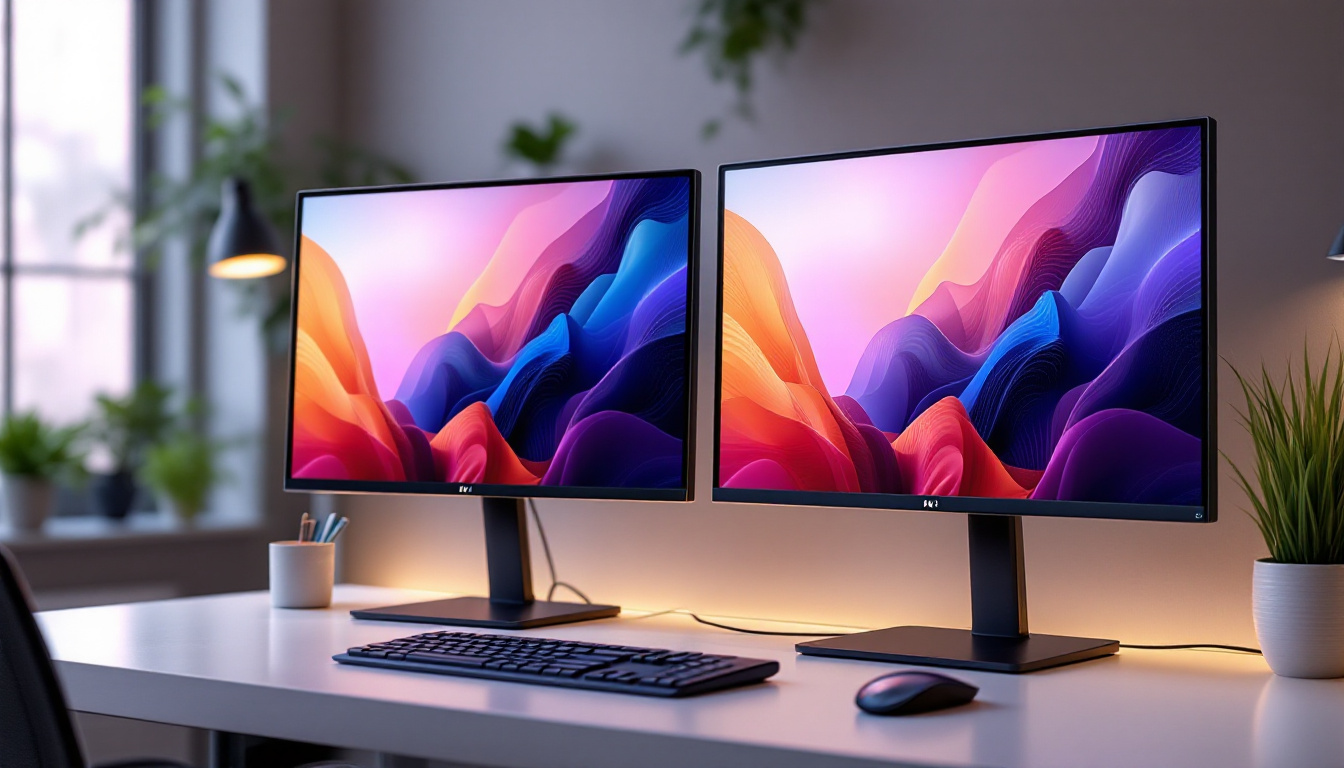
For example, a 49-inch 5120×1440 monitor effectively replaces a dual 27-inch QHD setup, eliminating bezels and providing a seamless workspace. This is particularly advantageous for professionals in video editing, CAD design, and financial trading who require extensive screen real estate.
Refresh Rates and Response Times
For gamers, refresh rate and response time are paramount. Many giant curved LED monitors offer refresh rates of 120Hz, 144Hz, or even 240Hz, delivering smooth motion and reducing input lag. Response times as low as 1ms help minimize ghosting and motion blur, essential for competitive gaming.
While professional users may prioritize resolution and color accuracy, gamers benefit from these high refresh rates combined with curved screens to enhance immersion and responsiveness.
Color Accuracy and HDR Capabilities
Color fidelity is a key consideration in giant curved LED monitors, especially for creative professionals who rely on precise color reproduction. Modern LED panels often support wide color gamuts such as DCI-P3 and Adobe RGB, ensuring vibrant and accurate colors.
HDR Support
High Dynamic Range (HDR) technology enhances the contrast and color range of displays, producing more lifelike images. Many high-end giant curved monitors support HDR10 or DisplayHDR standards, which provide brighter highlights and deeper shadows.
HDR is particularly impactful in gaming and video content, where the enhanced contrast can reveal subtle details and create a more cinematic experience. However, achieving true HDR performance requires a combination of high peak brightness, local dimming, and wide color gamut support.
Calibration and Professional Use
For professionals in photography, video production, and graphic design, factory calibration and the ability to fine-tune color settings are essential. Some giant curved LED monitors come with hardware calibration tools and support for colorimeters, allowing users to maintain consistent and accurate color output over time.
Connectivity and Additional Features
Giant curved LED monitors often come equipped with a variety of connectivity options to support diverse workflows and devices. Common ports include HDMI, DisplayPort, USB-C, and multiple USB hubs, enabling seamless integration with laptops, desktops, and peripherals.
USB-C and Thunderbolt Integration
USB-C ports with power delivery are increasingly common, allowing users to connect a single cable for video, data, and charging. This simplifies desk setups and is particularly beneficial for laptop users seeking a clean, efficient workspace.
Thunderbolt 3 and 4 support further extend connectivity options, offering high-speed data transfer and daisy-chaining capabilities for multiple monitors.
Ergonomics and Adjustability
Given the size of giant curved monitors, ergonomic features are vital to ensure comfortable use. Adjustable stands with height, tilt, and swivel options allow users to position the screen optimally. Some models also support VESA mounts for custom setups.
Additionally, blue light filters and flicker-free technology help reduce eye strain during long sessions, complementing the natural comfort benefits of the curved design.
Choosing the Right Giant Curved LED Monitor
Selecting the ideal giant curved monitor depends on individual needs, whether for gaming, professional work, or general productivity. Key considerations include screen size, resolution, curvature radius, refresh rate, and color accuracy.
For Gamers
Gamers should prioritize high refresh rates (120Hz or above), low response times, and adaptive sync technologies such as NVIDIA G-SYNC or AMD FreeSync. A curvature between 1800R and 1500R offers immersive viewing without overwhelming peripheral vision.
For Professionals
Creative professionals benefit from larger screens with high resolution (5120×1440 or higher), wide color gamut support, and factory calibration. A gentler curvature (3000R or above) can provide a balanced workspace without distortion.
For General Productivity
Users focused on multitasking and office work should look for ultrawide monitors with ample screen real estate and ergonomic adjustability. Mid-range curvature (1800R to 3000R) and solid connectivity options enhance daily usability.
Conclusion
Giant curved LED monitors represent a significant leap forward in display technology, combining the advantages of LED backlighting with the ergonomic and immersive benefits of curvature. Whether for gaming, professional applications, or enhanced productivity, these monitors offer expansive, vibrant, and comfortable viewing experiences.
As technology continues to evolve, features like higher refresh rates, improved HDR, and advanced connectivity will further enhance the value of giant curved monitors. Understanding the underlying technology and matching it to specific needs ensures users can make informed decisions and fully leverage the potential of these impressive displays.
Discover the Future of Display with LumenMatrix
Ready to elevate your visual experience with the latest in LED display technology? Look no further than LumenMatrix, a pioneer in crafting immersive LED solutions that transform any space. Whether you’re a gamer seeking the ultimate setup, a professional aiming for unparalleled precision, or simply looking to boost productivity, LumenMatrix has a tailored solution for you. From Indoor LED Walls to Custom Displays, our products are designed to captivate and engage. Check out LumenMatrix LED Display Solutions today and step into a world where your content comes to life with vibrancy and clarity.