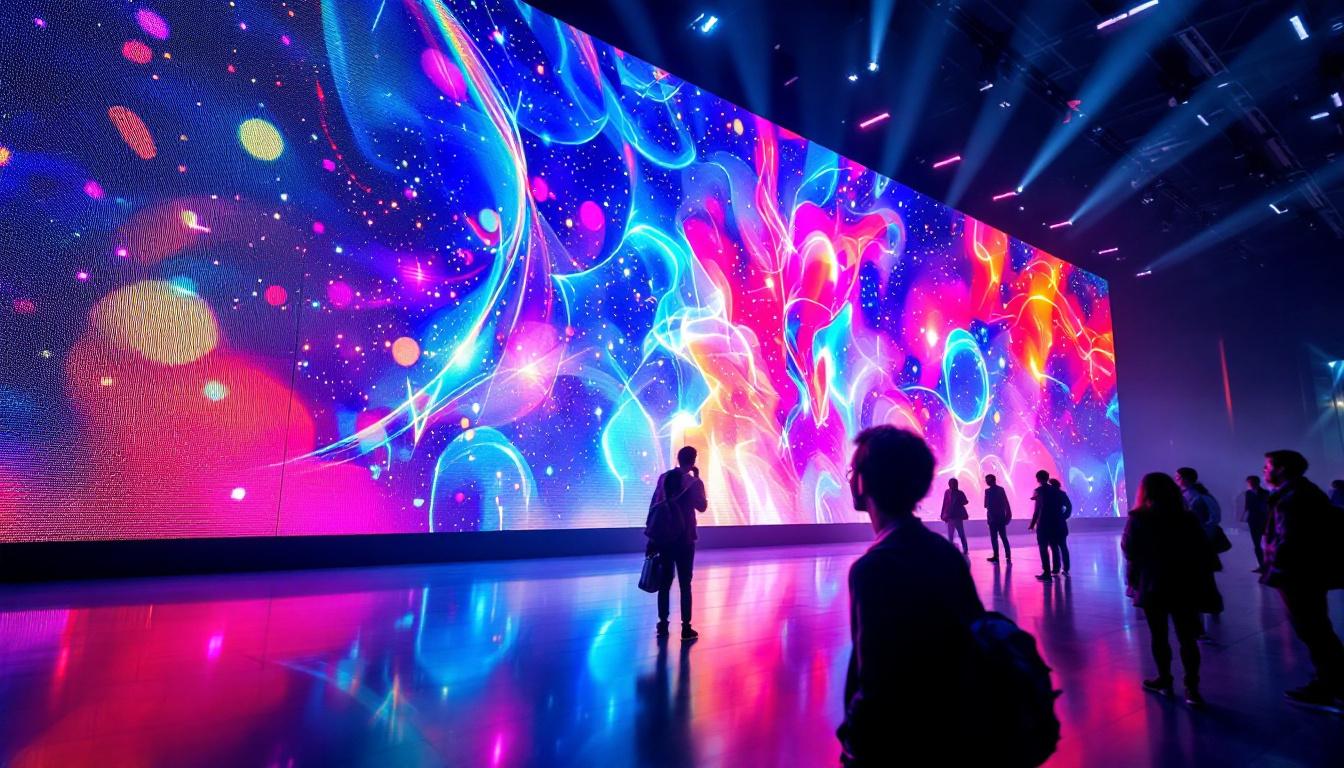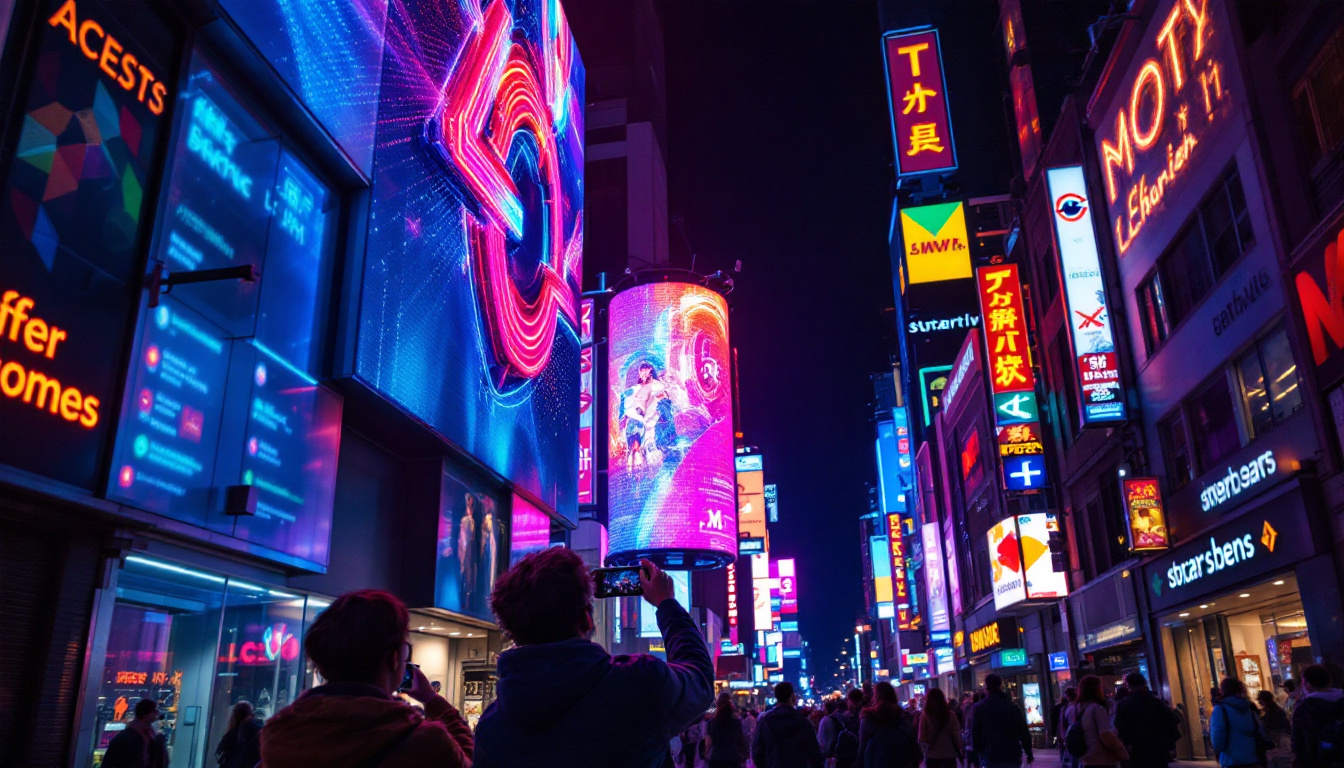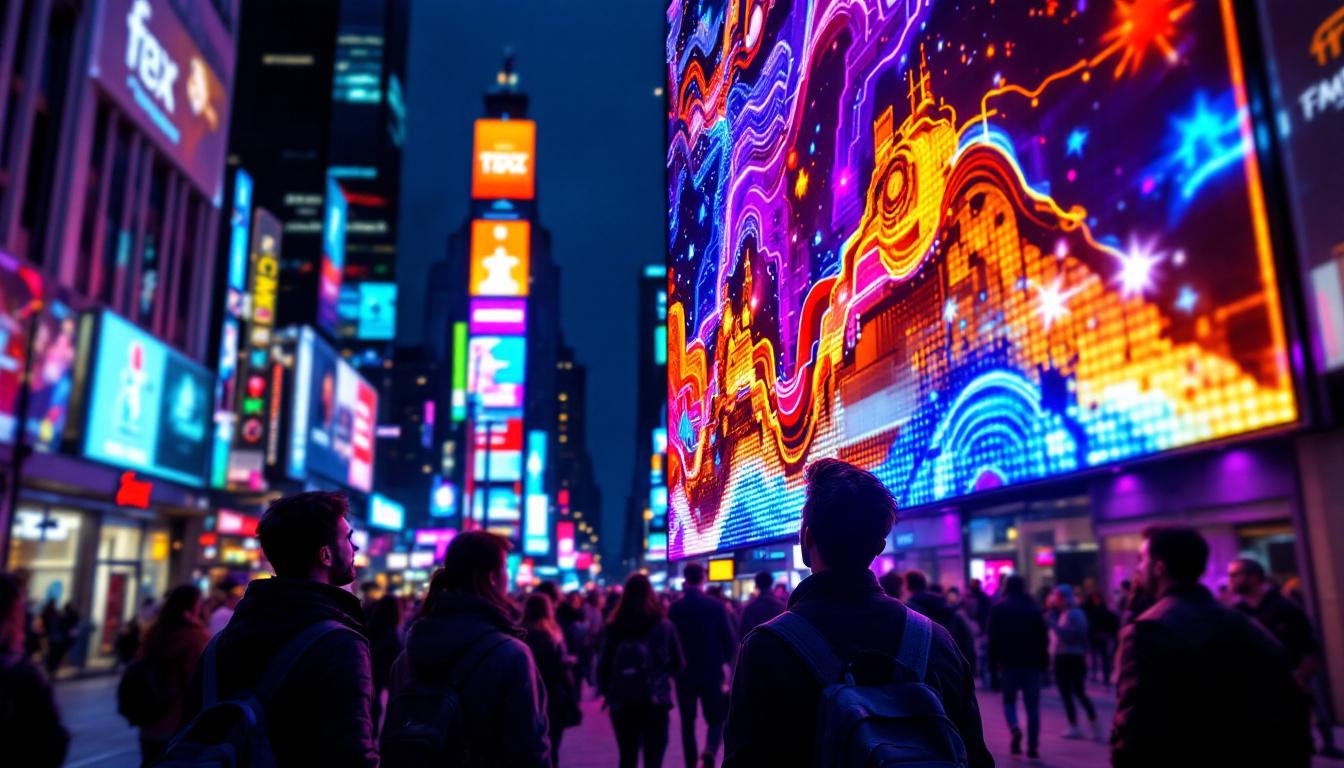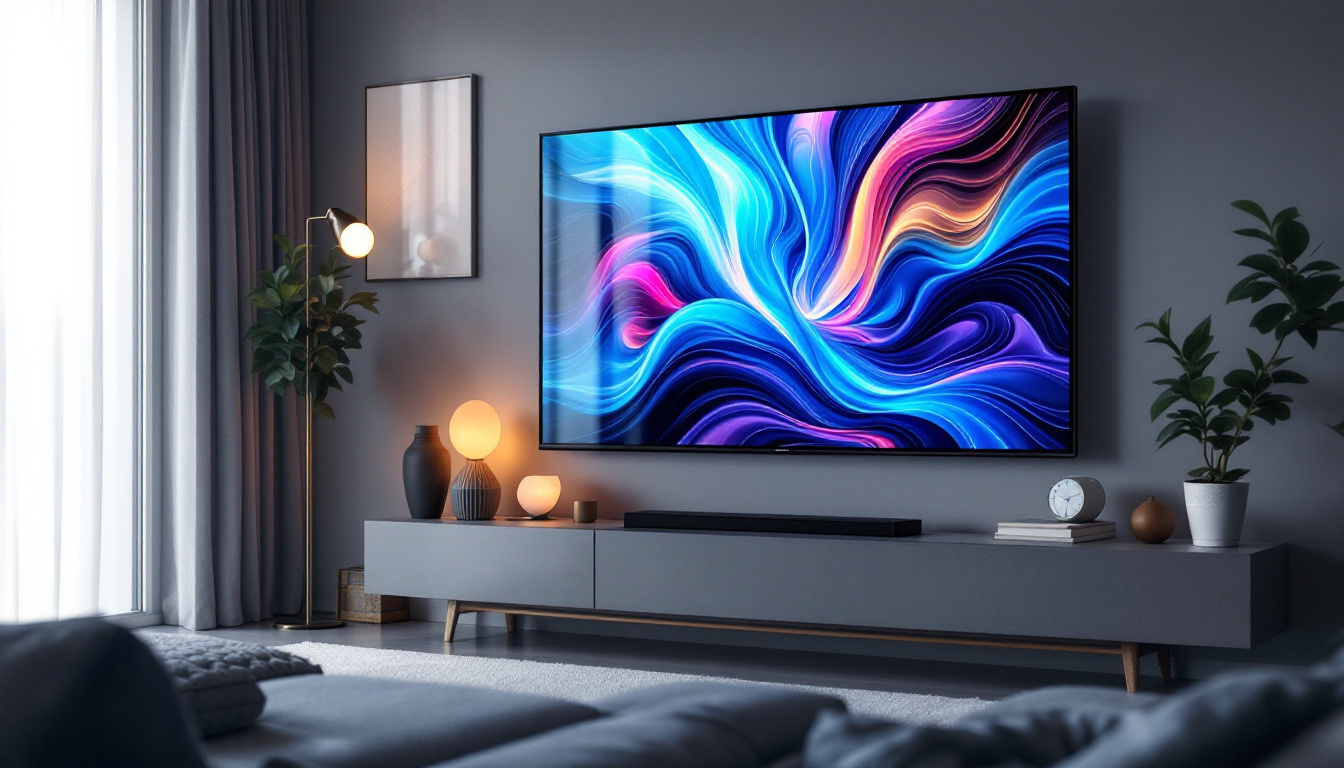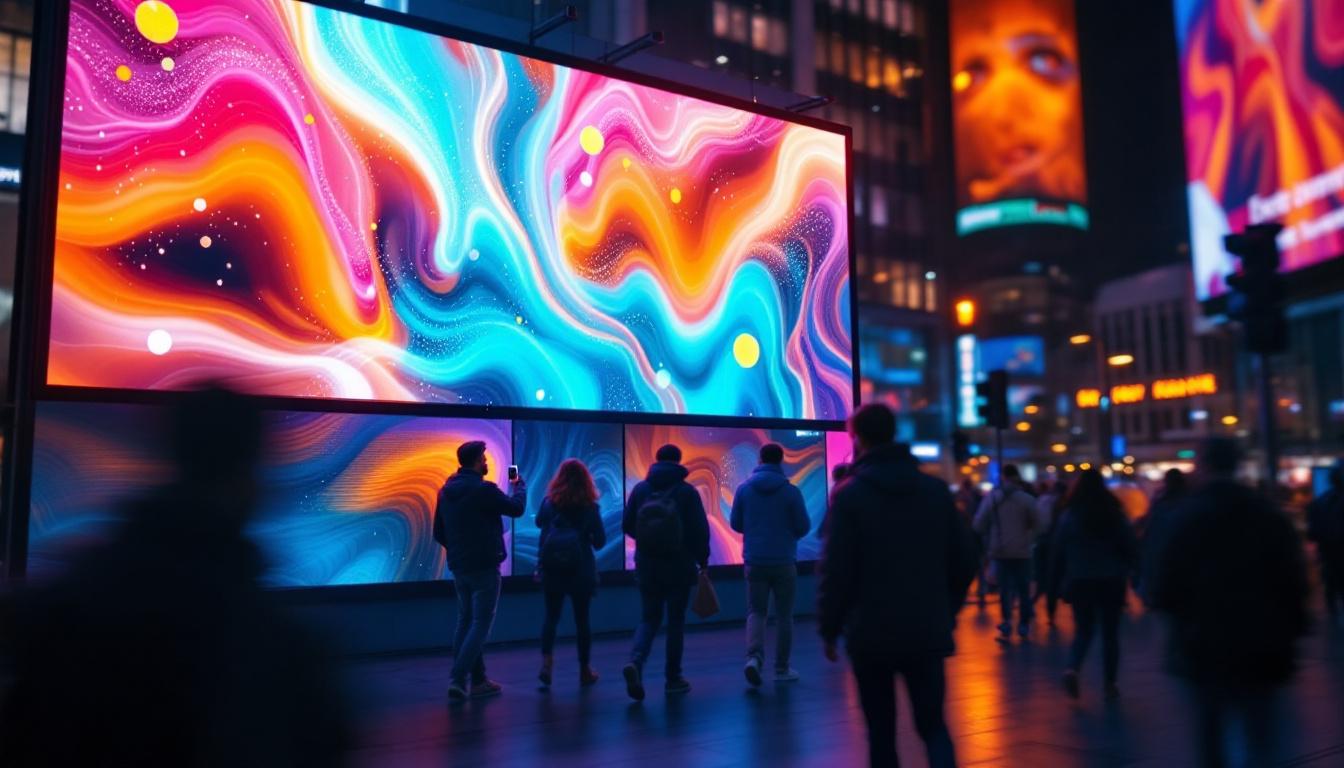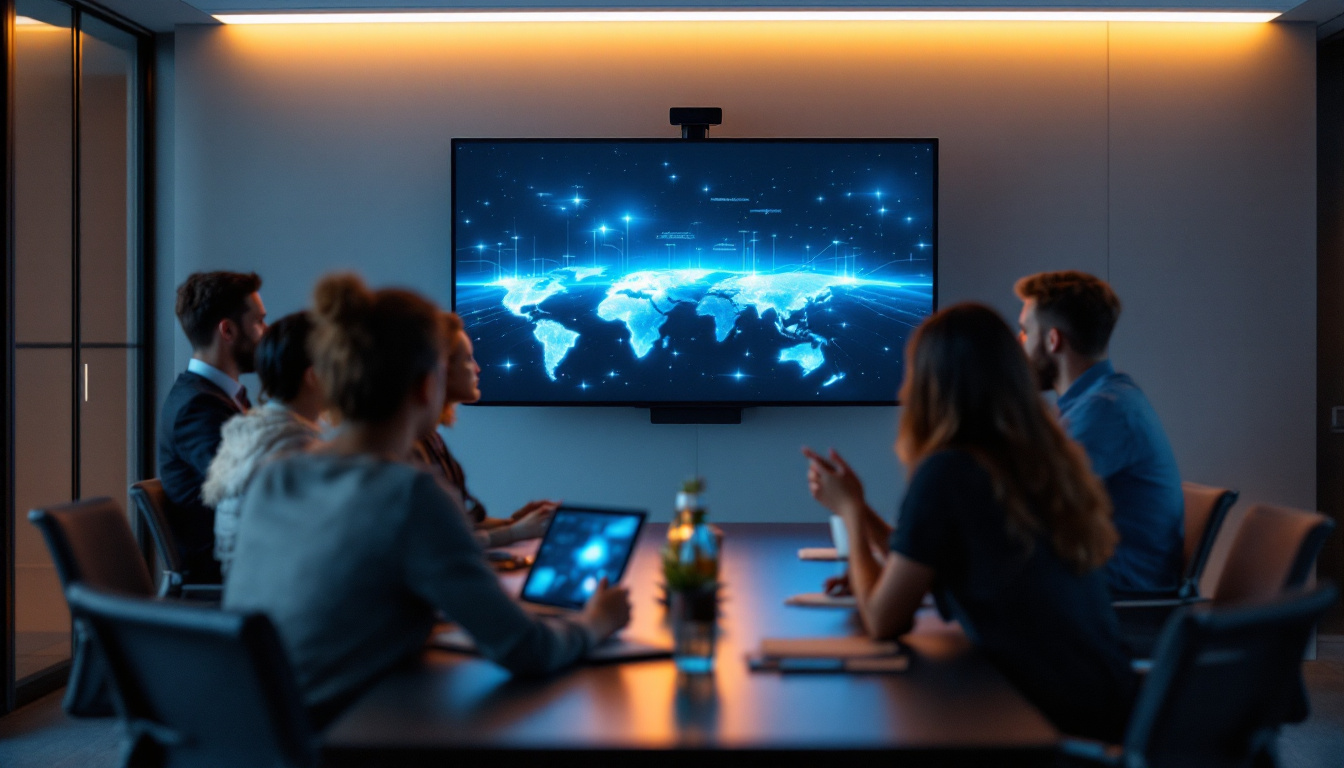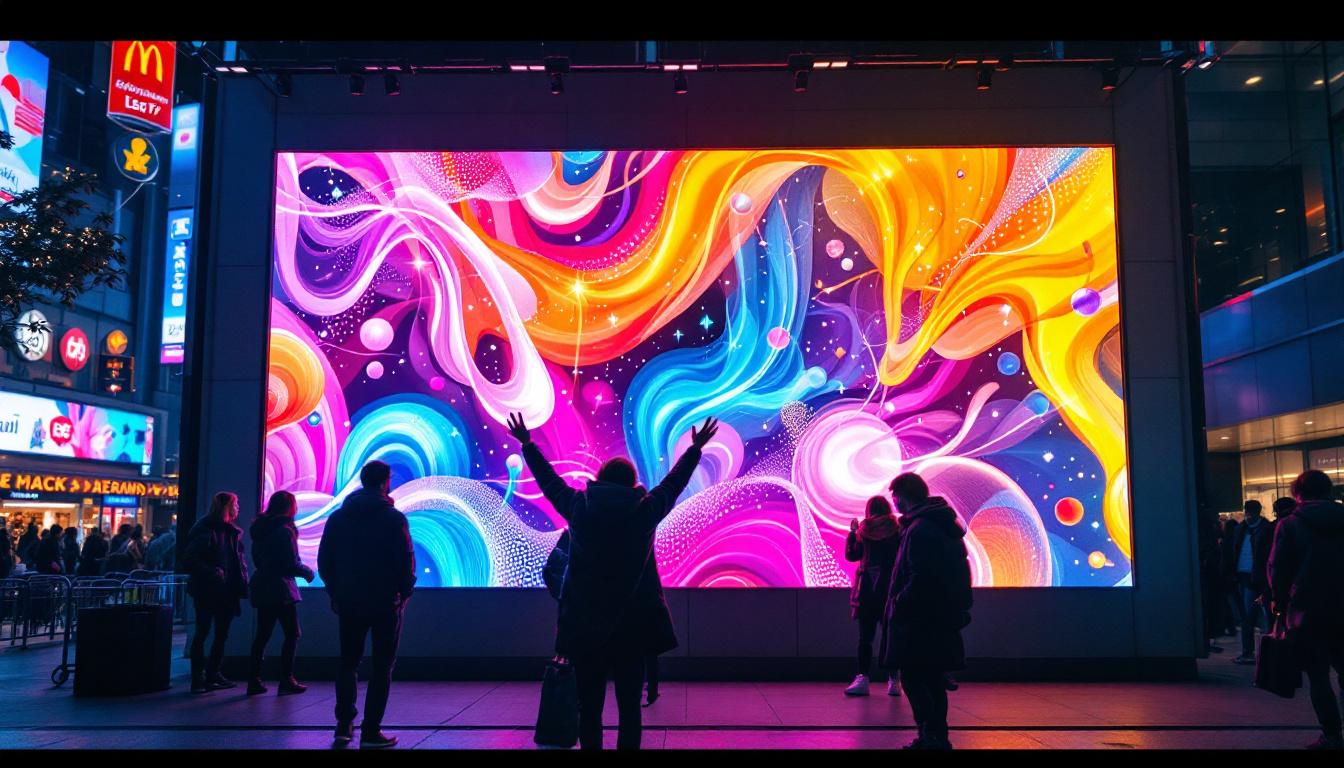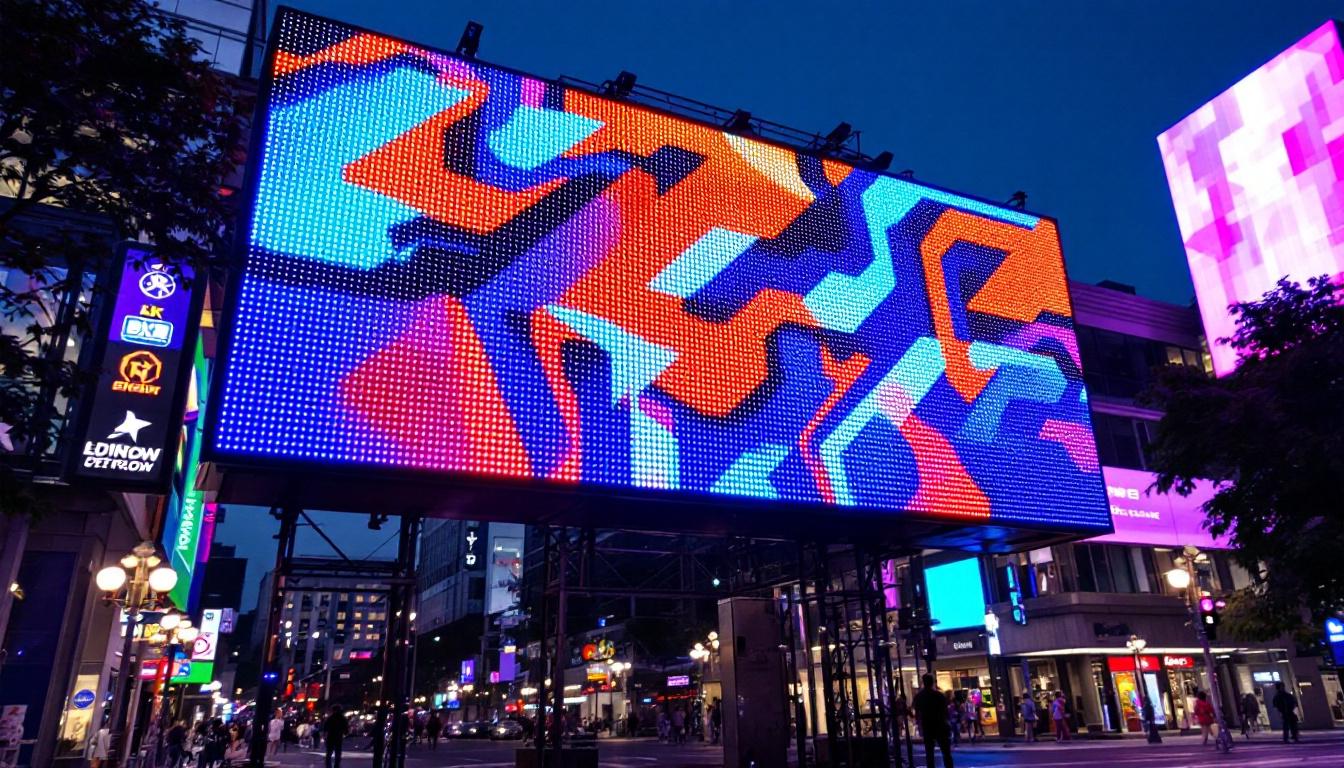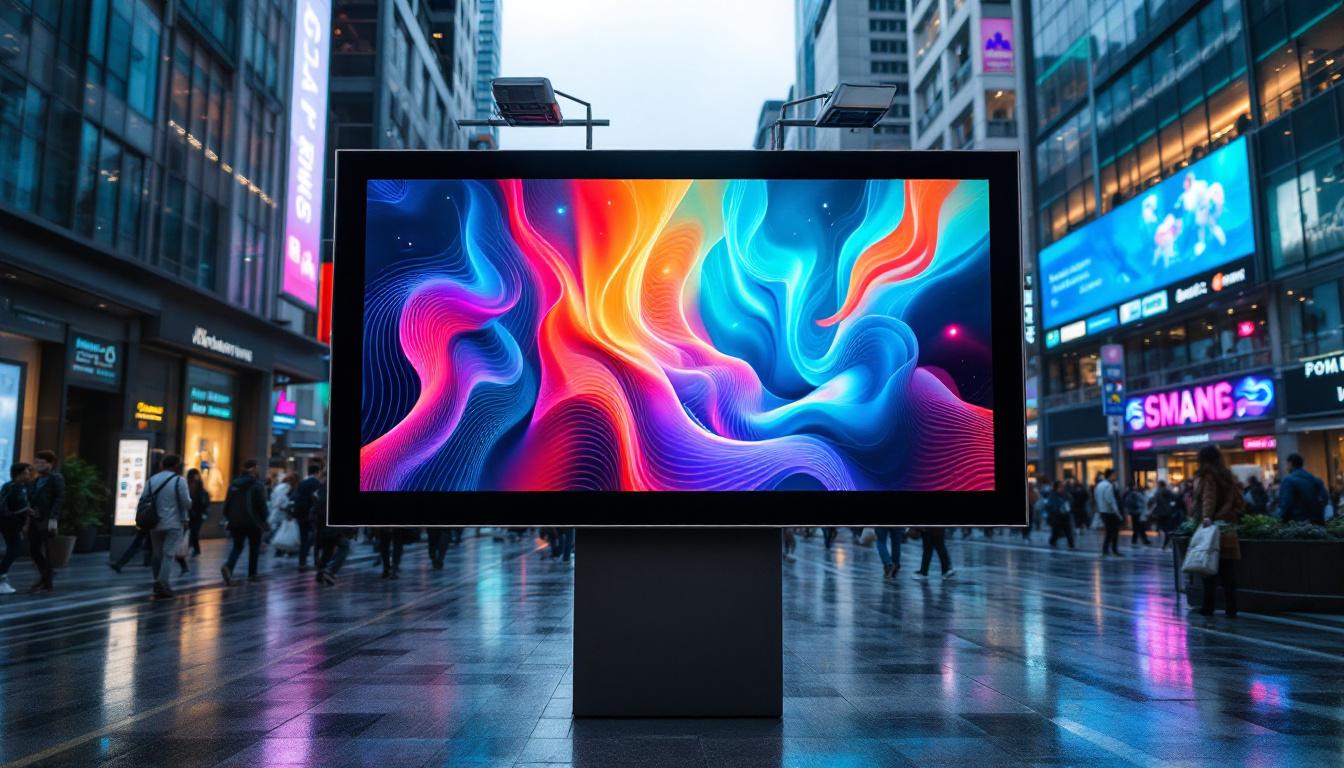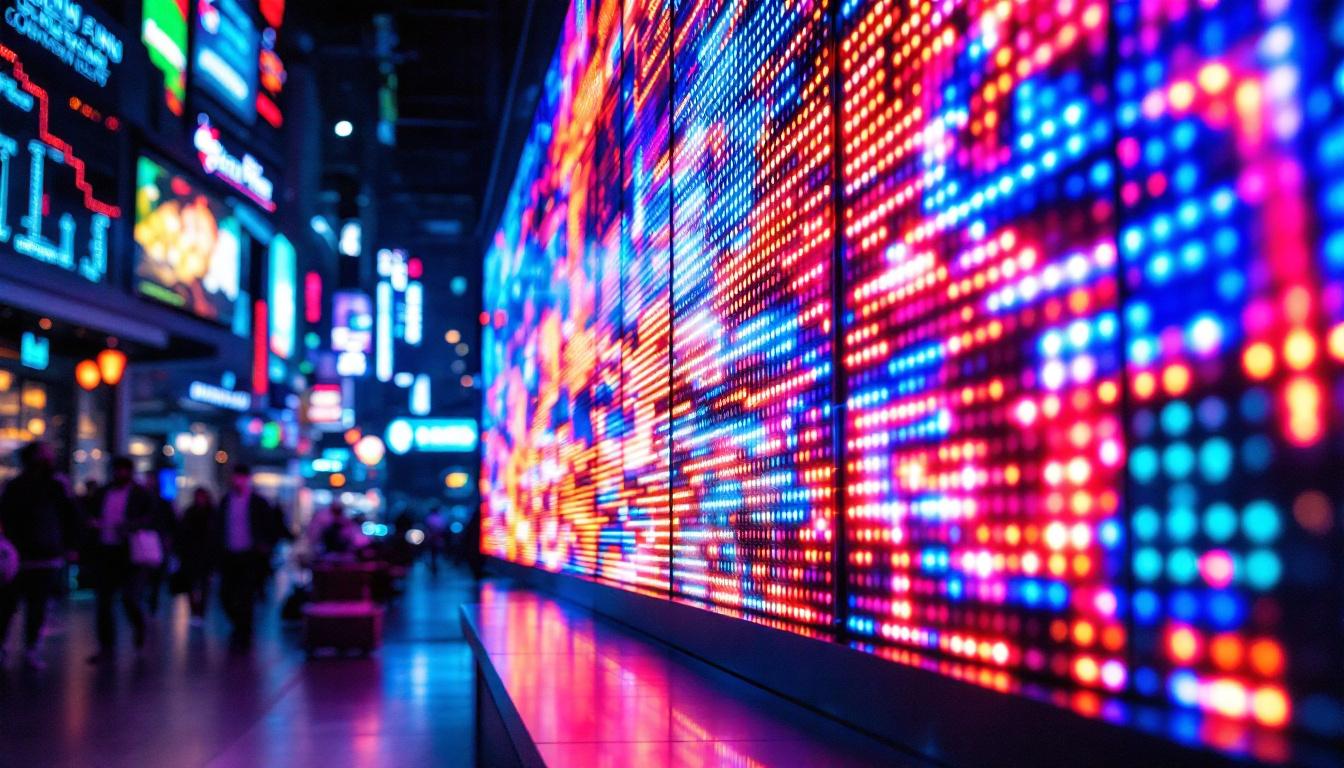
In an era where digital visuals dominate communication, LED displays have become a cornerstone technology across multiple industries. From vibrant advertising billboards to dynamic information screens in transportation hubs, LED displays offer unmatched brightness, flexibility, and energy efficiency. This article delves into the world of LED displays, explaining their technology, applications, benefits, and future trends, providing a comprehensive understanding for businesses, marketers, and technology enthusiasts alike.
What is an LED Display?
LED stands for Light Emitting Diode, a semiconductor device that emits light when an electric current passes through it. An LED display is essentially a flat panel that uses an array of these tiny diodes to create images, videos, and text. Unlike traditional LCD or plasma screens, LED displays use direct light emission, which results in brighter visuals and better contrast ratios. This technology not only enhances the viewing experience but also contributes to energy efficiency, making LED displays a popular choice for both commercial and residential applications.
These displays can vary in size from small indicators on electronic devices to massive outdoor billboards spanning several meters. The technology behind LED displays has evolved significantly over the past two decades, enabling higher resolutions, improved color accuracy, and enhanced durability. For instance, advancements in micro-LED technology have paved the way for ultra-thin displays that can be seamlessly integrated into various environments, from retail spaces to home theaters. Additionally, the lifespan of LED displays has increased, with many units lasting over 50,000 hours, which significantly reduces replacement costs and environmental impact.
How LED Displays Work
Each LED in the display acts as a pixel or part of a pixel. By controlling the intensity and color of each diode, the display can render complex images. Modern LED displays often use red, green, and blue diodes in close proximity to produce a full spectrum of colors through additive color mixing. This capability allows for vibrant and lifelike images, making LED displays a favored choice in settings like concerts, sports events, and advertising. Furthermore, the ability to create high dynamic range (HDR) visuals enhances the depth and realism of the content being displayed.
The control system sends signals to these diodes, adjusting their brightness in real-time to create moving images or static content. This precise control allows for high refresh rates and smooth video playback, making LED displays ideal for dynamic visual communication. Additionally, many modern LED displays incorporate smart technology, enabling features such as remote management and integration with content management systems. This means that users can easily update content, schedule advertisements, or even monitor performance metrics from virtually anywhere, enhancing the versatility and effectiveness of LED displays in various applications.
Types of LED Displays
LED displays come in various forms, each tailored to specific applications and environments. Understanding the different types helps businesses and consumers select the right display for their needs.
Indoor LED Displays
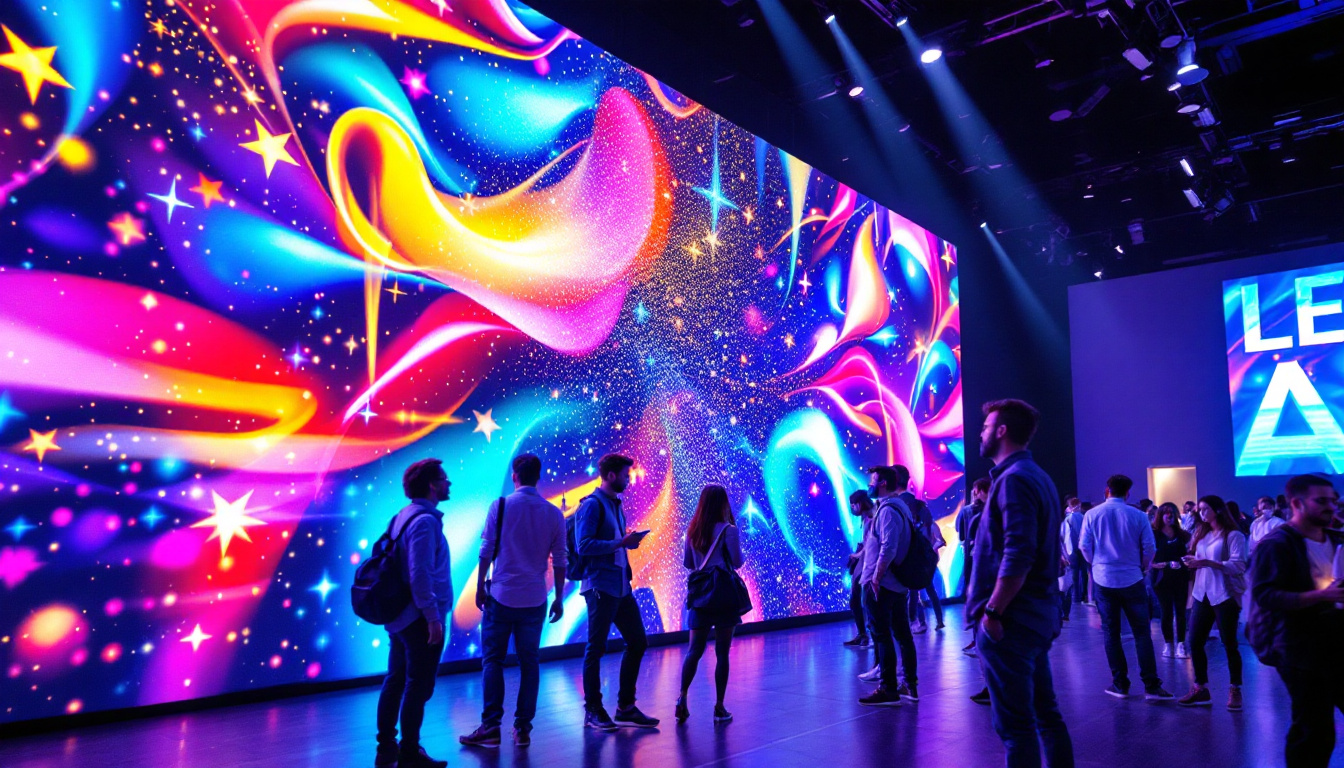
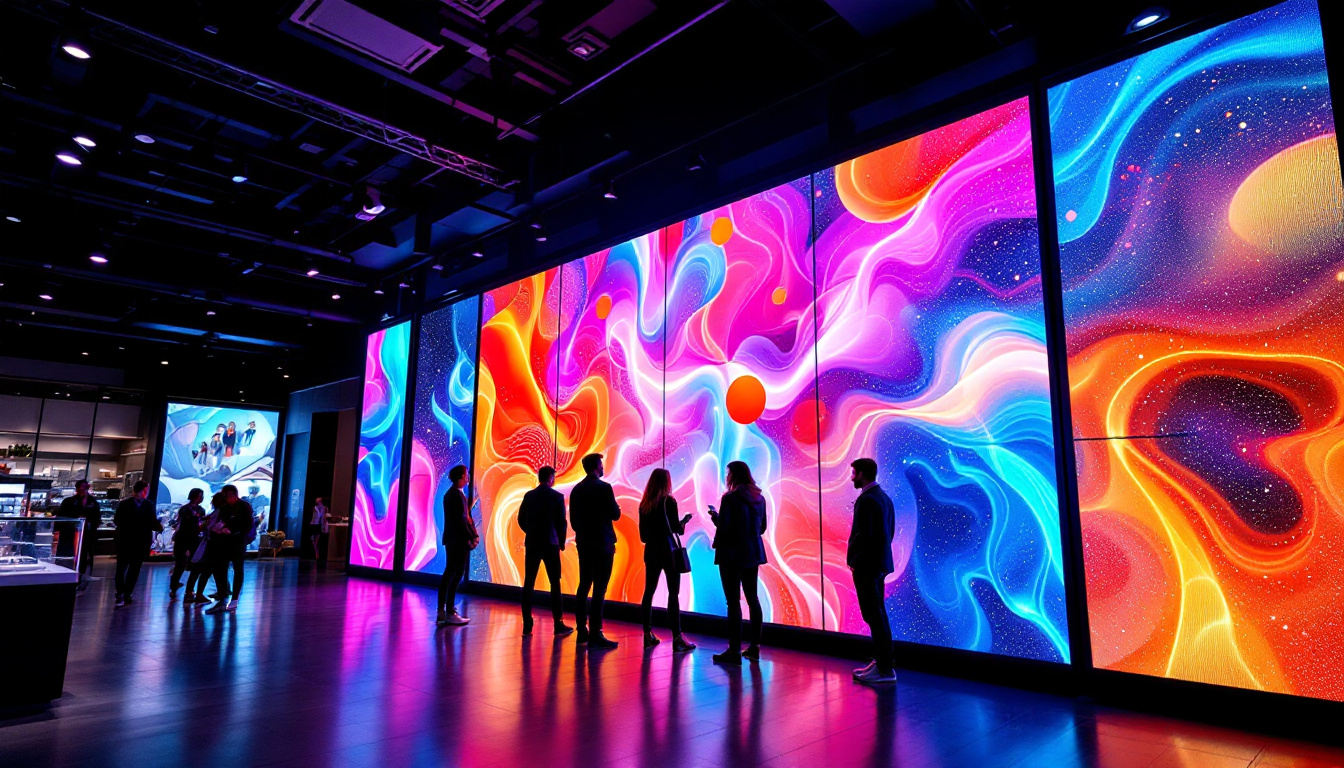
Indoor LED displays are designed for environments with controlled lighting and closer viewing distances. They typically feature smaller pixel pitches—meaning the LEDs are packed more densely—resulting in higher resolution and sharper images. Common uses include retail signage, conference rooms, digital art installations, and stage backdrops.
These displays prioritize color accuracy and viewing angles, ensuring that content looks vibrant and clear even from oblique angles. Additionally, indoor LED panels are optimized for lower brightness levels to avoid eye strain in enclosed spaces.
Outdoor LED Displays
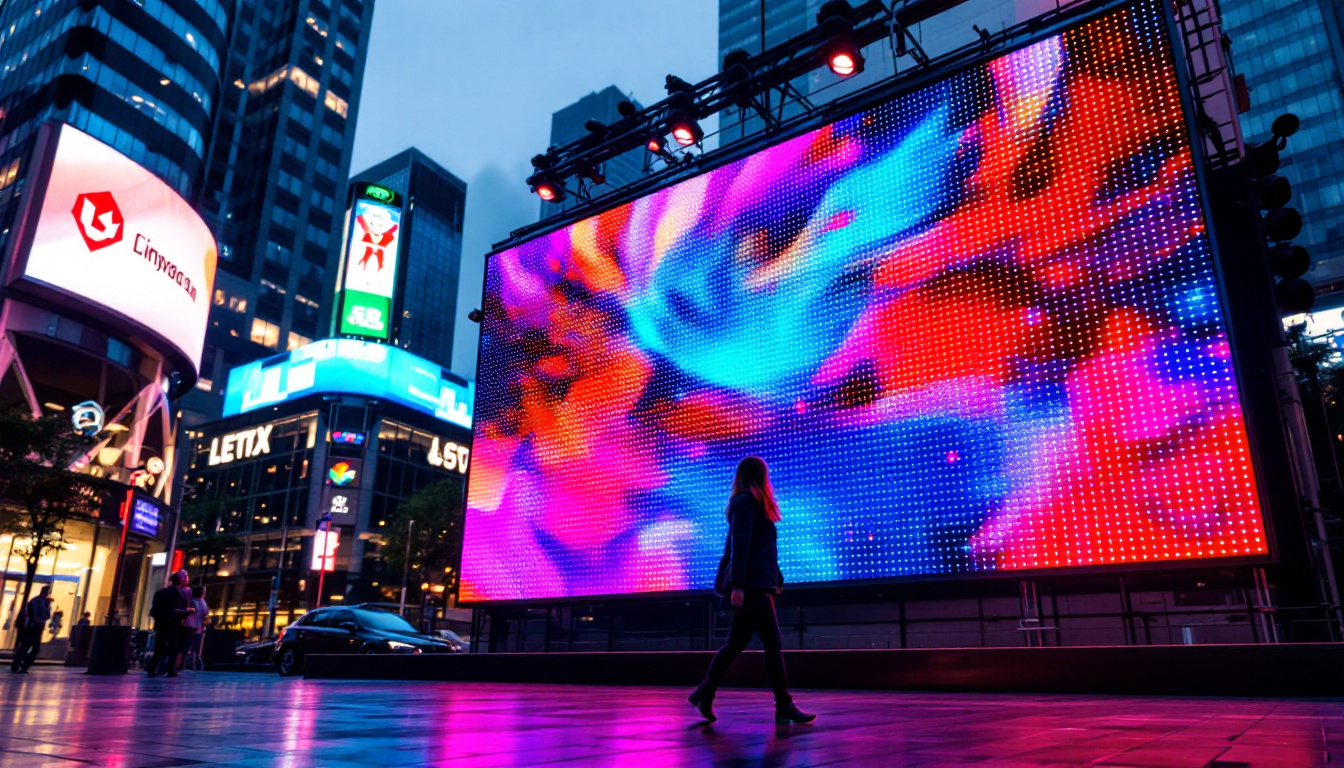
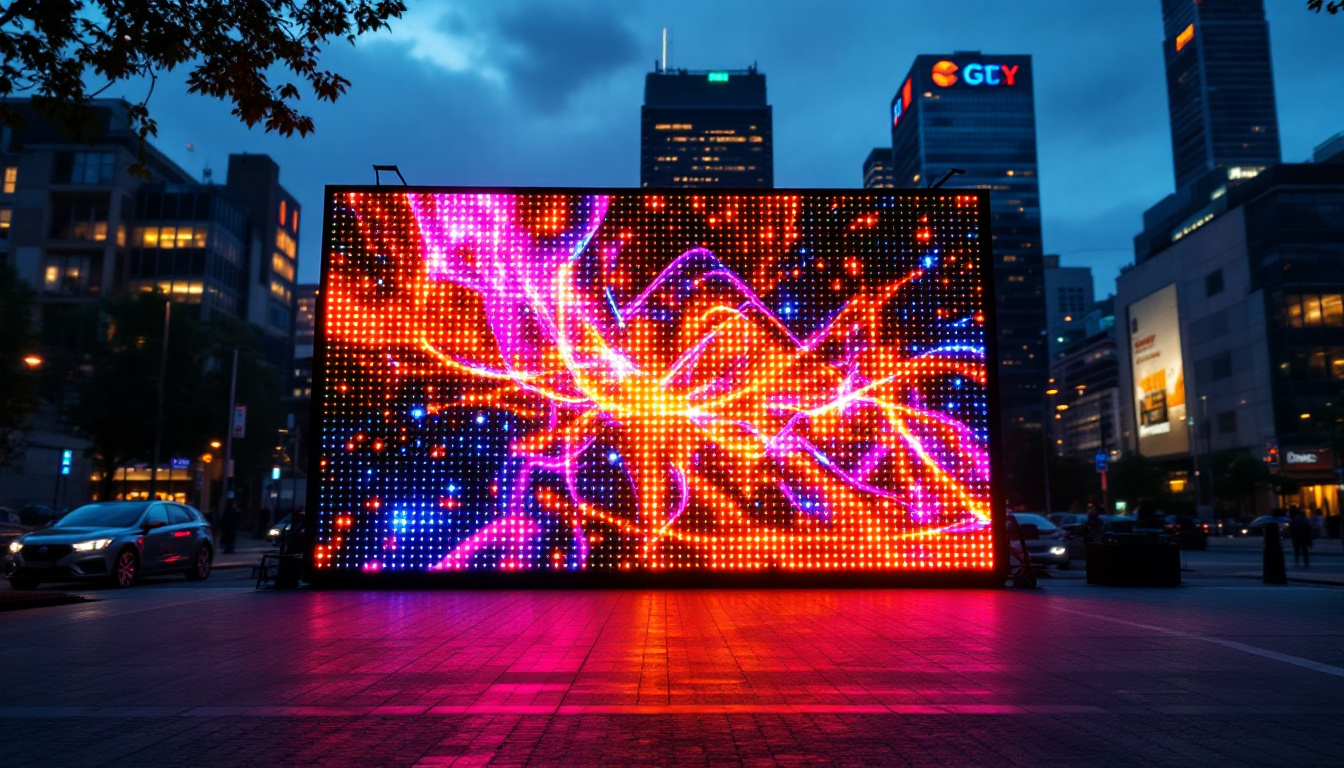
Outdoor LED displays are built to withstand harsh weather conditions such as rain, wind, and extreme temperatures. They feature higher brightness levels, often exceeding 5,000 nits, to remain visible under direct sunlight. The pixel pitch is generally larger compared to indoor models, as viewers tend to observe these displays from greater distances.
Applications include digital billboards, sports stadium screens, public transportation information boards, and event signage. These displays are also equipped with protective coatings and robust enclosures to ensure longevity and reliability.
Transparent LED Displays
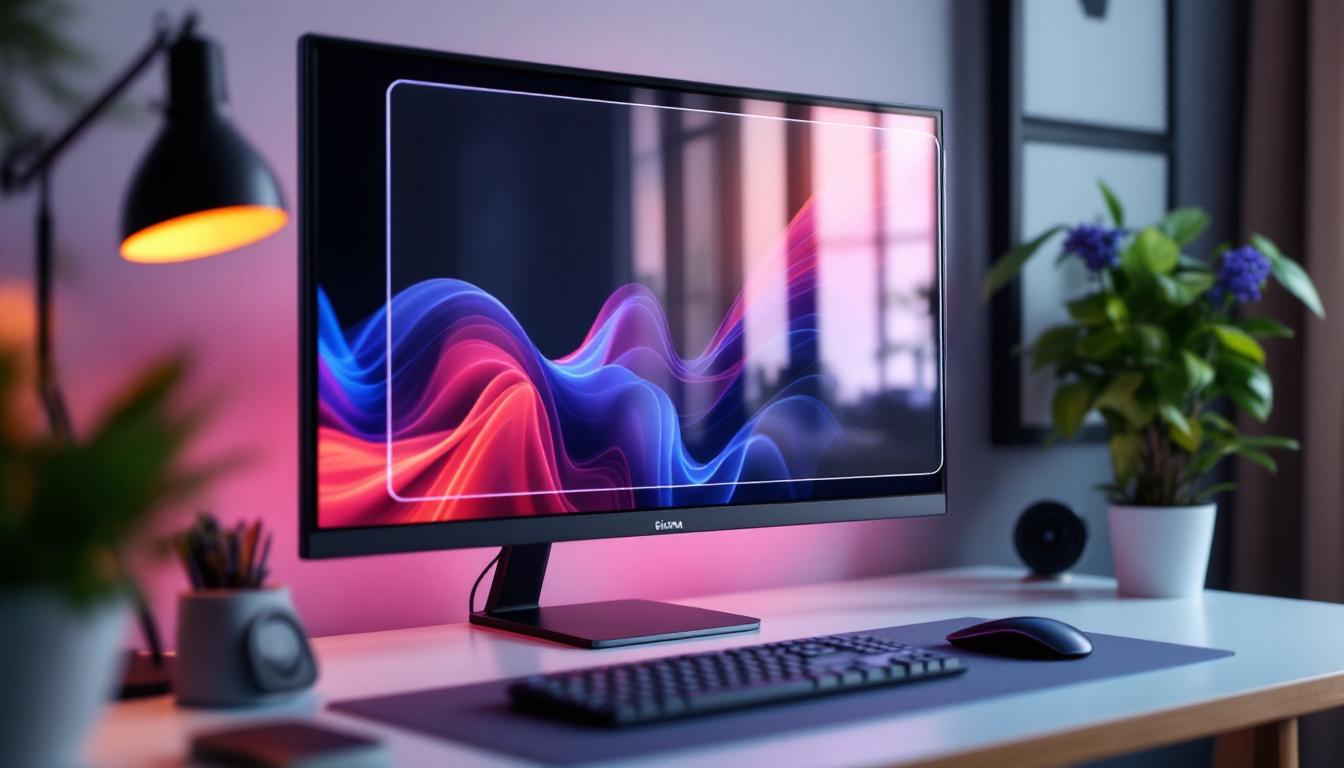
Transparent LED displays are an innovative variation that allows light to pass through the screen, making them ideal for storefront windows and architectural applications. These displays combine aesthetic appeal with functionality, enabling businesses to showcase dynamic content without obstructing natural light or visibility.
They use specially designed LED modules arranged on a transparent substrate, maintaining a high level of transparency—often between 60% and 90%. This technology is gaining traction in retail and corporate environments where design and branding are paramount.
Key Benefits of LED Displays
LED displays offer several advantages over traditional display technologies, making them a preferred choice in many sectors.
Superior Brightness and Visibility
One of the most significant benefits of LED displays is their exceptional brightness. With the ability to reach thousands of nits, LED screens remain visible even in direct sunlight, a critical factor for outdoor advertising and public information systems. This brightness also contributes to better contrast, making images more vivid and text easier to read.
Energy Efficiency
Compared to older technologies like LCD and plasma, LED displays consume less power. This energy efficiency translates into lower operating costs and a reduced environmental footprint, aligning with growing corporate sustainability goals. Advances in LED technology continue to improve power consumption, especially with the adoption of more efficient diodes and smarter control systems.
Durability and Longevity
LED displays are known for their robustness. The solid-state nature of LEDs means they are less prone to damage from shocks or vibrations. Additionally, they have a longer lifespan, often exceeding 100,000 hours of operation, which reduces maintenance costs and downtime.
Flexibility and Customization
LED displays can be manufactured in various shapes and sizes, including curved and flexible panels. This adaptability allows designers and advertisers to create unique installations that capture attention and enhance brand presence. Modular designs also facilitate easy repairs and upgrades.
Applications of LED Displays
The versatility of LED displays has led to widespread adoption across numerous industries. Each application leverages specific features of LED technology to meet unique demands.
Advertising and Marketing
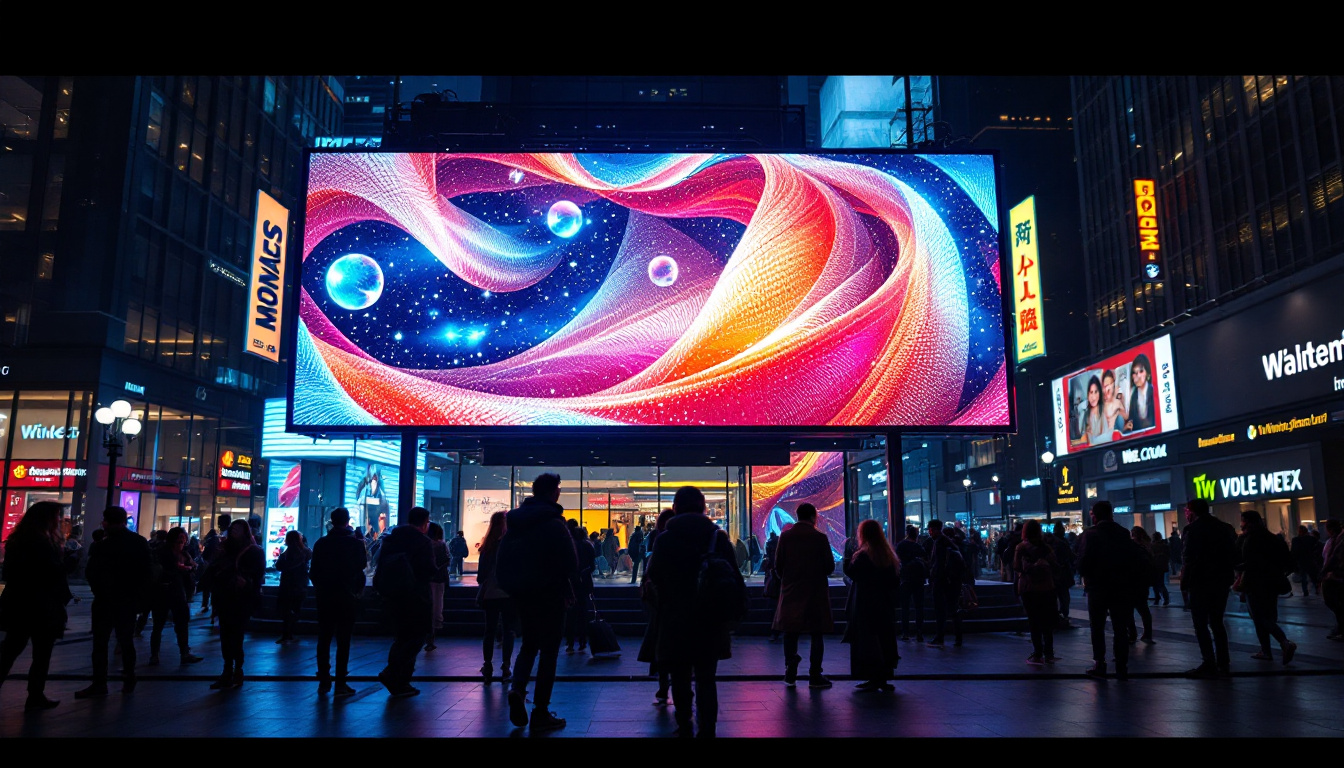
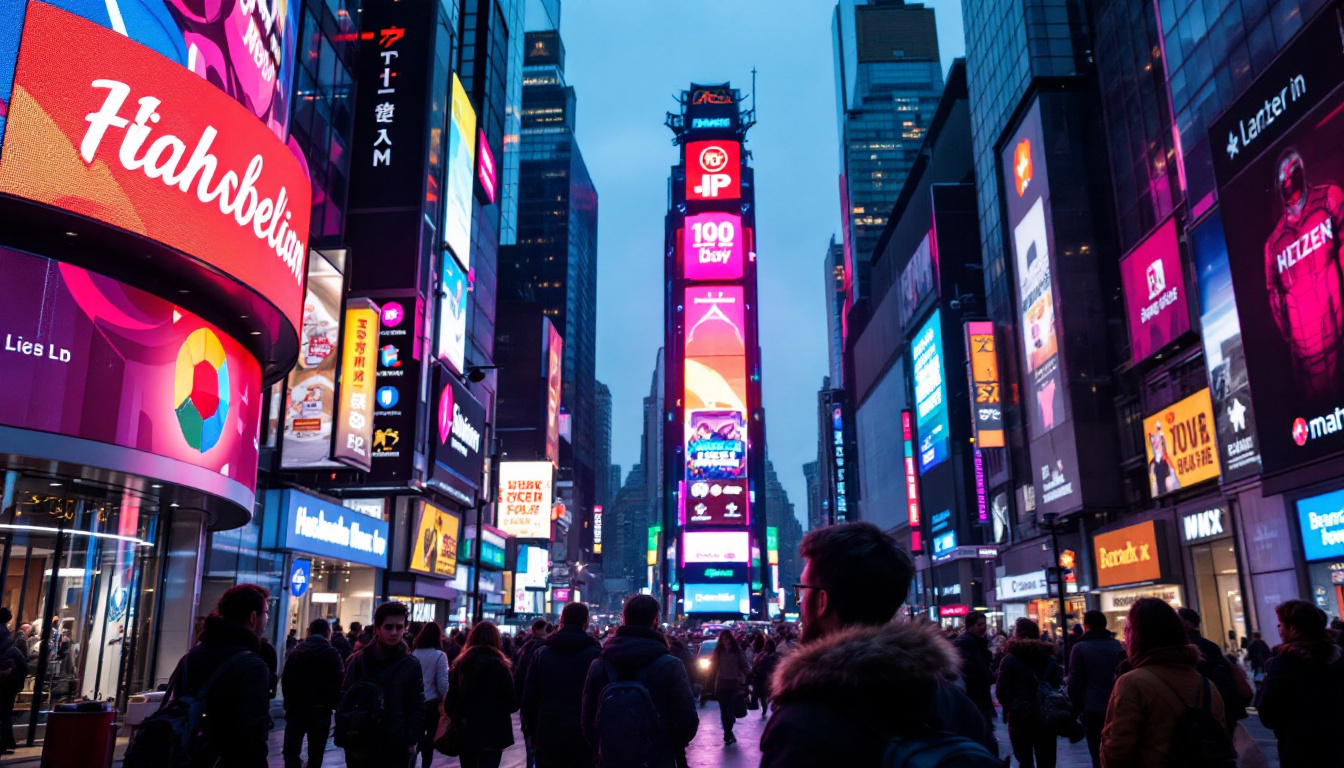
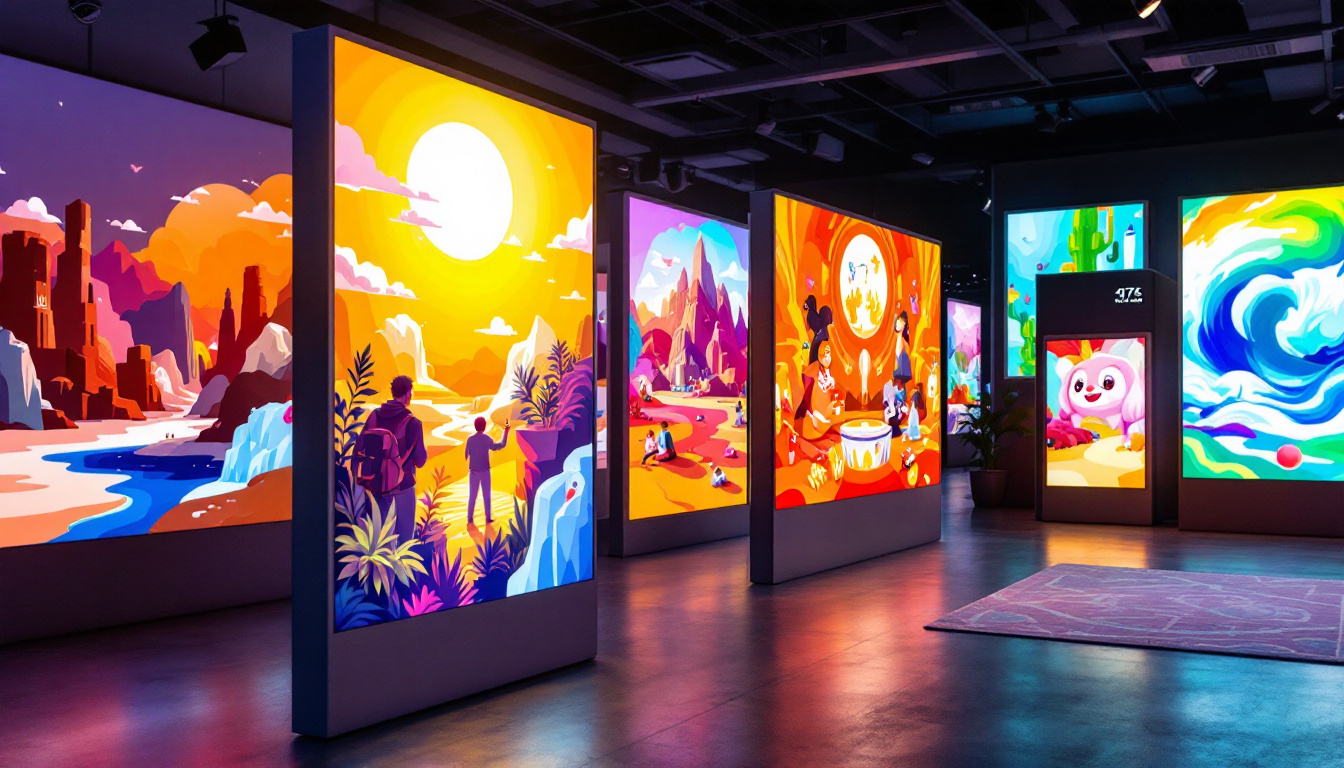
Digital billboards and signage are among the most visible applications of LED displays. Their ability to display dynamic, eye-catching content makes them invaluable for advertisers seeking to engage consumers effectively. According to recent market research, the global digital signage market is expected to grow at a CAGR of over 7% through 2028, driven largely by LED technology advancements.
Brands use LED displays in retail environments, shopping malls, and urban centers to showcase promotions, product launches, and interactive content, enhancing customer experience and driving sales.
Sports and Entertainment
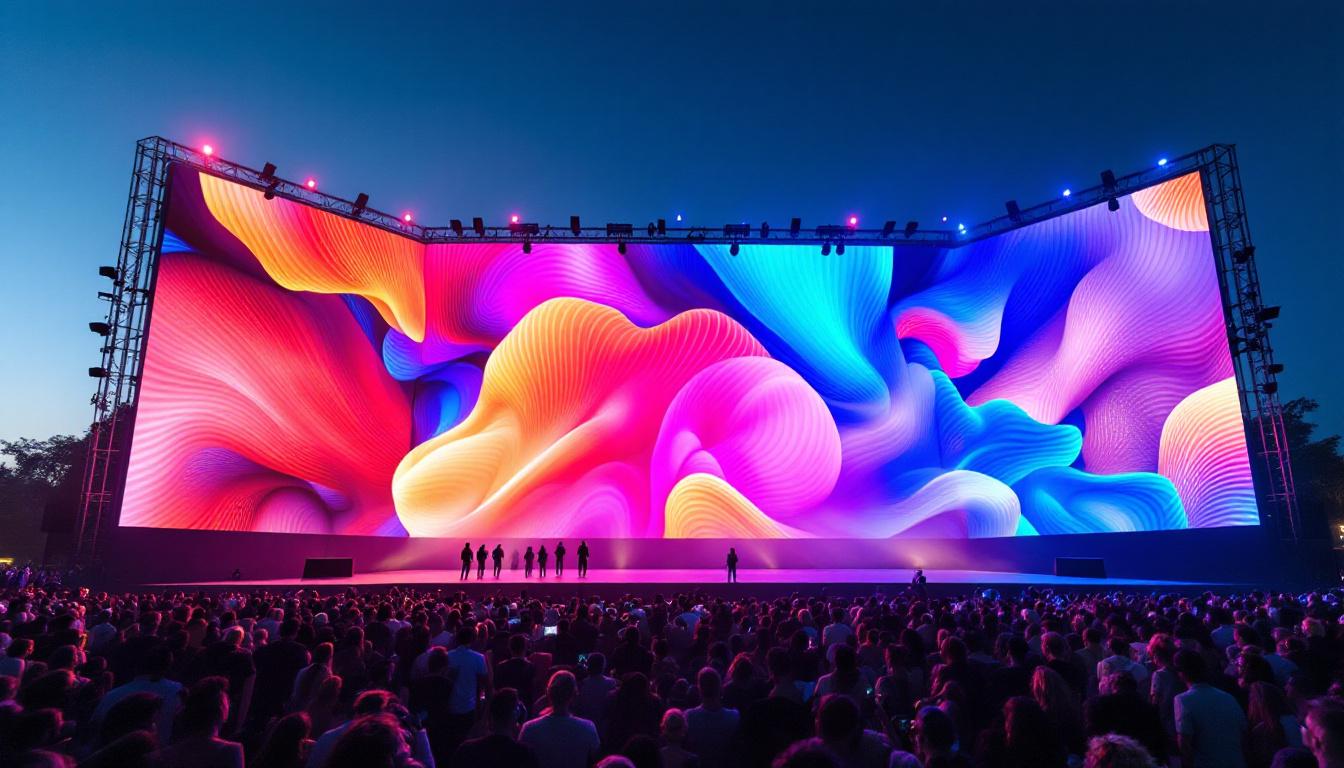
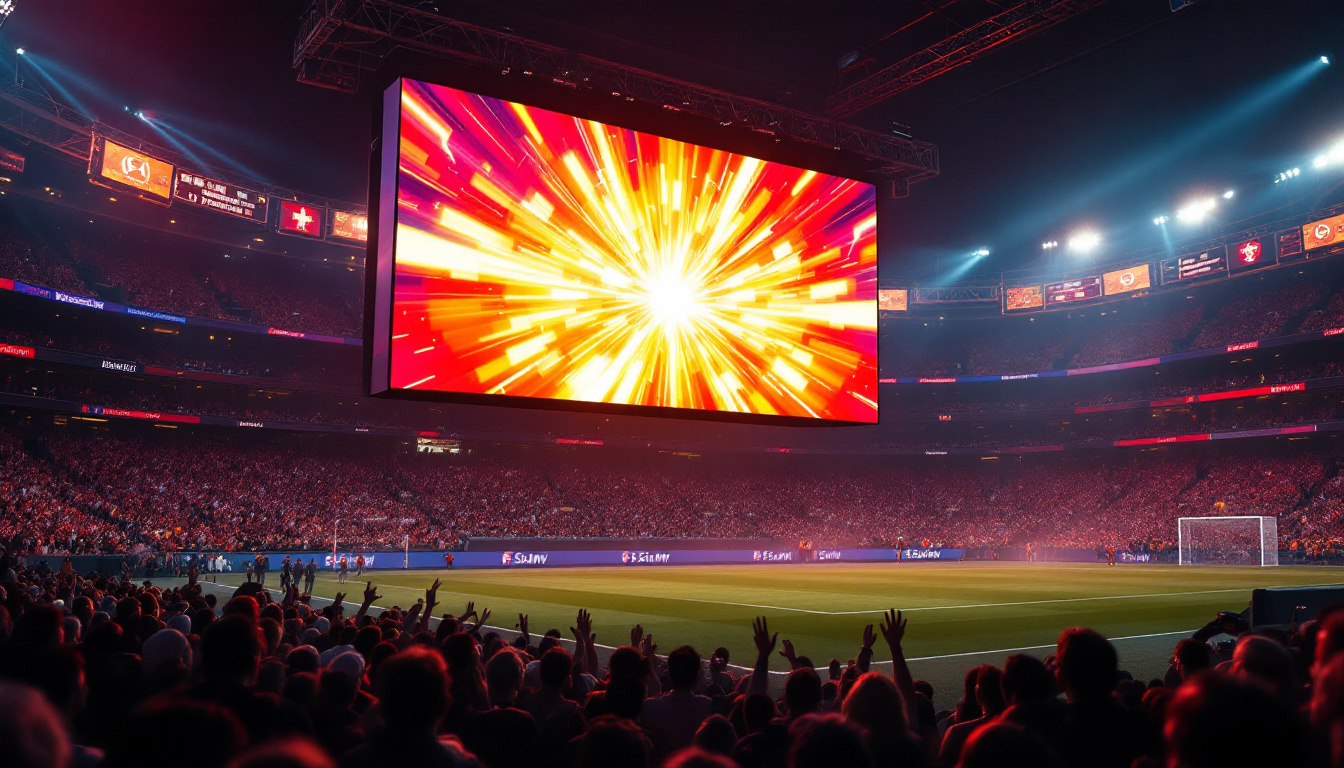
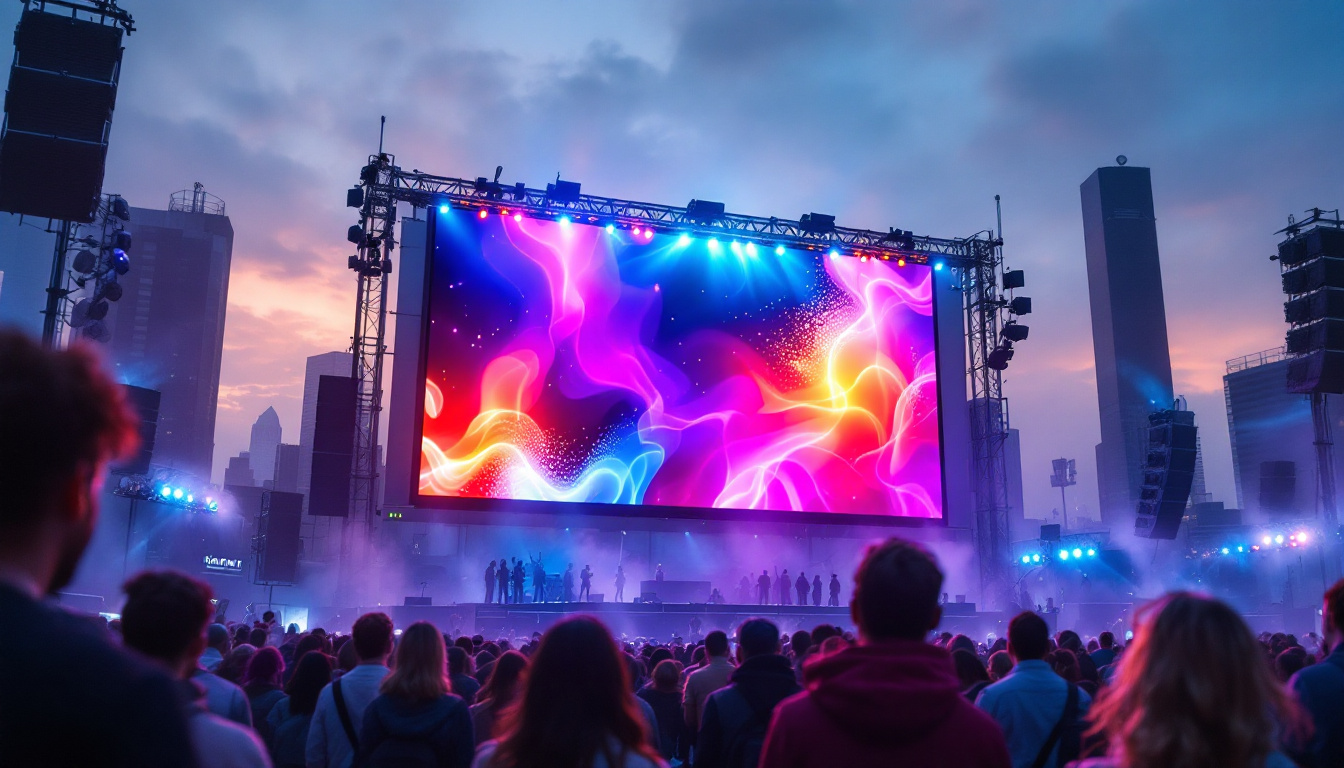
Stadiums and arenas utilize large-scale LED screens to provide spectators with live game footage, replays, and interactive content. These displays enhance the viewing experience and enable real-time engagement. Concerts and events also rely on LED walls for immersive visual effects and stage backdrops.
Transportation and Public Information
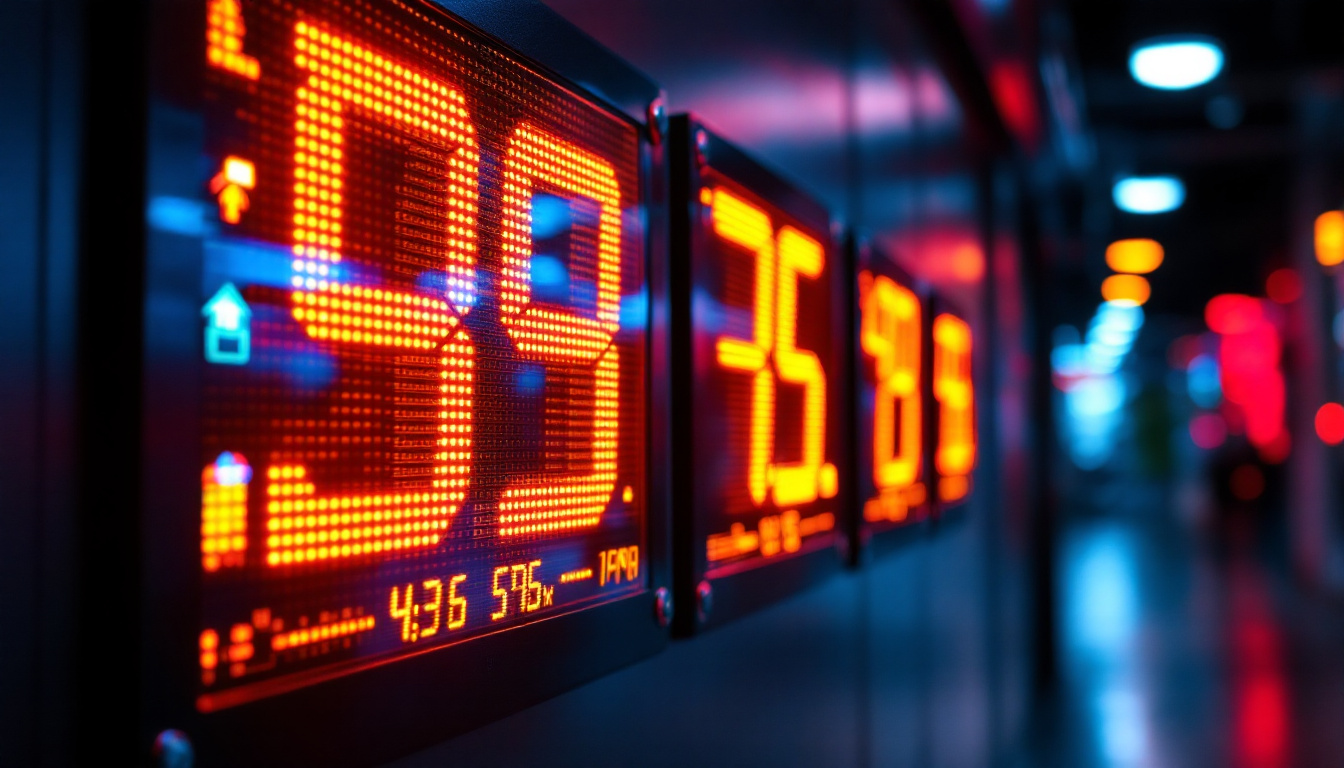
Airports, train stations, and bus terminals employ LED displays to deliver real-time schedules, alerts, and wayfinding information. The clarity and brightness of LED screens ensure that travelers receive timely updates regardless of lighting conditions.
Corporate and Educational Environments
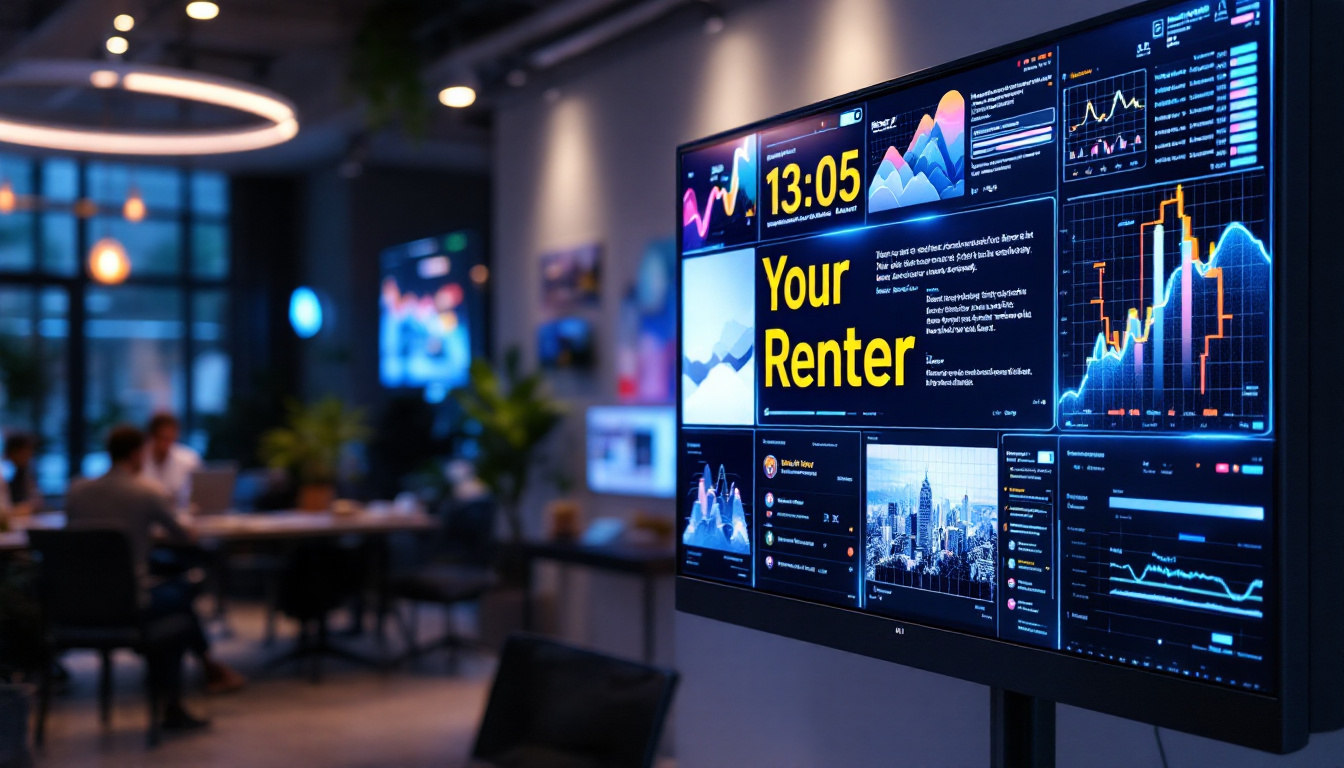
Businesses and educational institutions use LED displays for presentations, digital notice boards, and video conferencing. The high resolution and color fidelity support clear communication and collaboration.
Choosing the Right LED Display
Selecting the appropriate LED display requires consideration of several factors to ensure optimal performance and return on investment.
Pixel Pitch and Resolution
Pixel pitch—the distance between the centers of adjacent LEDs—directly affects image clarity. Smaller pixel pitches yield higher resolution but come at a higher cost. For close viewing distances, such as indoor applications, a pixel pitch of 1.5mm to 3mm is common. Outdoor displays typically have larger pitches ranging from 6mm to 20mm, balancing visibility and cost.
Brightness Requirements
Brightness should match the ambient lighting conditions. Indoor displays usually require 800 to 1,500 nits, while outdoor displays may need 5,000 nits or more to remain visible in sunlight. Adjustable brightness features can help optimize energy use and extend the display’s lifespan.
Installation Environment
Consider environmental factors such as weather exposure, temperature ranges, and potential physical impacts. Outdoor displays must have appropriate IP ratings for water and dust resistance. Indoor displays should be compatible with the room’s lighting and viewing angles.
Content Management and Connectivity
Modern LED displays often integrate with content management systems (CMS) that allow remote updates and scheduling. Connectivity options such as Wi-Fi, Ethernet, and USB support seamless content delivery and control, essential for dynamic advertising campaigns and real-time information dissemination.
Future Trends in LED Display Technology
The LED display industry continues to innovate, driven by advances in materials science, electronics, and software integration.
MicroLED and MiniLED Technologies
MicroLED and MiniLED represent the next generation of LED displays, offering even higher resolutions, improved brightness, and better energy efficiency. MicroLEDs are microscopic LEDs that can be densely packed to rival OLED displays in color accuracy and contrast while maintaining the durability and brightness advantages of traditional LEDs.
Flexible and Foldable Displays
Emerging flexible LED panels enable new form factors, including curved, foldable, and rollable screens. These innovations open up possibilities for creative architectural installations and portable display solutions.
Integration with AI and IoT
Artificial intelligence (AI) and the Internet of Things (IoT) are increasingly integrated with LED displays to enable smart content delivery, audience analytics, and interactive experiences. For example, AI-powered systems can tailor advertising content based on real-time demographic data collected via sensors, maximizing engagement and effectiveness.
Conclusion
LED displays have transformed the way information and advertising are presented across diverse sectors. Their superior brightness, energy efficiency, durability, and versatility make them indispensable tools for modern communication. As technology advances, LED displays will continue to evolve, offering even more immersive and intelligent visual experiences.
Understanding the fundamental technology, types, benefits, and applications of LED displays empowers businesses and organizations to make informed decisions that enhance visibility, engagement, and operational efficiency. Whether for indoor retail signage, massive outdoor billboards, or innovative transparent displays, LED technology remains the go-to solution for impactful digital communication.
Illuminate Your Space with LumenMatrix
Ready to elevate your visual communication with cutting-edge LED display technology? LumenMatrix offers a diverse range of solutions tailored to your needs, from Indoor and Outdoor LED Wall Displays to innovative Transparent and Custom LED Displays. Discover how our state-of-the-art modules can transform your brand visibility and create mesmerizing visual experiences. Check out LumenMatrix LED Display Solutions today and join the revolution in digital signage.