In today’s fast-evolving digital workspace, the importance of ergonomic setups cannot be overstated. One of the most impactful components of an ergonomic workstation is the computer monitor, particularly those with height adjustability and LED display technology. This article delves into the nuances of height adjustable computer monitors with LED displays, exploring their benefits, technology, and how they contribute to healthier and more productive work environments.
Understanding Height Adjustable Computer Monitors
What Are Height Adjustable Monitors?
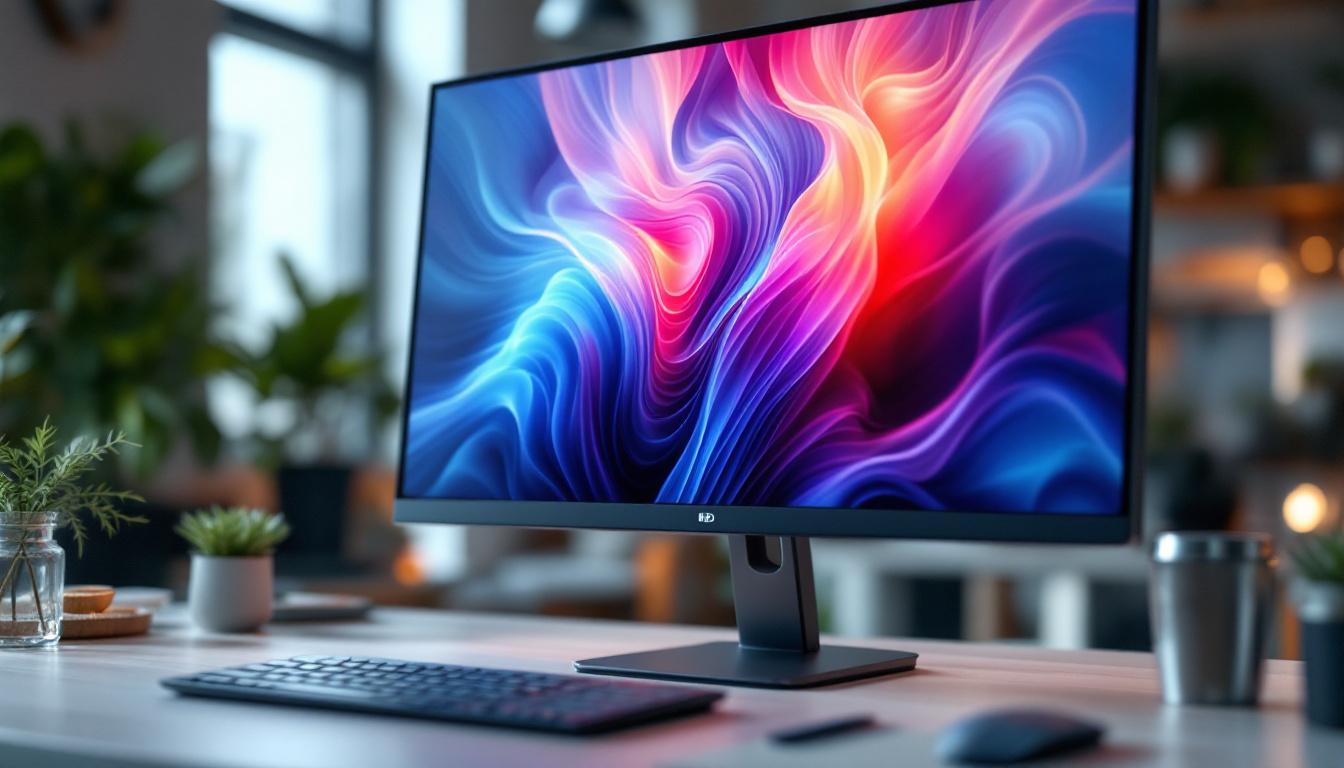
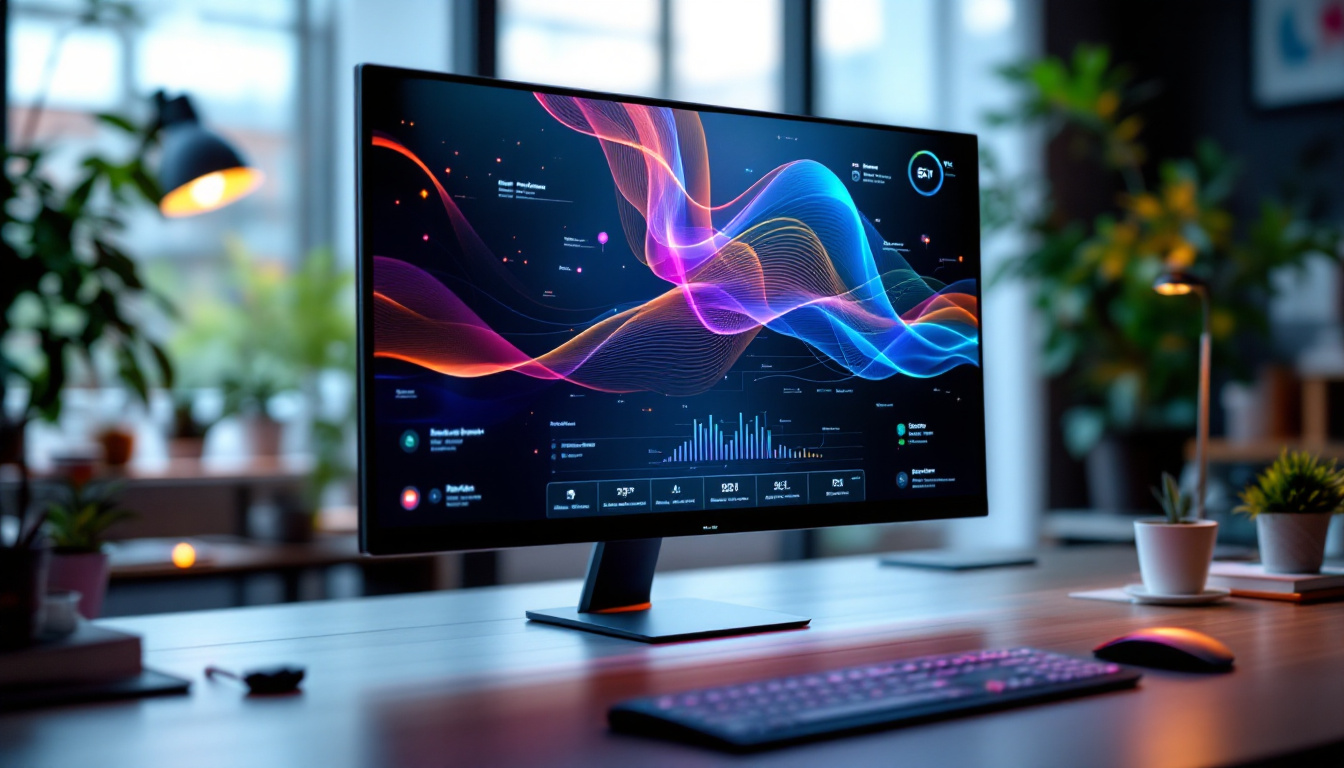
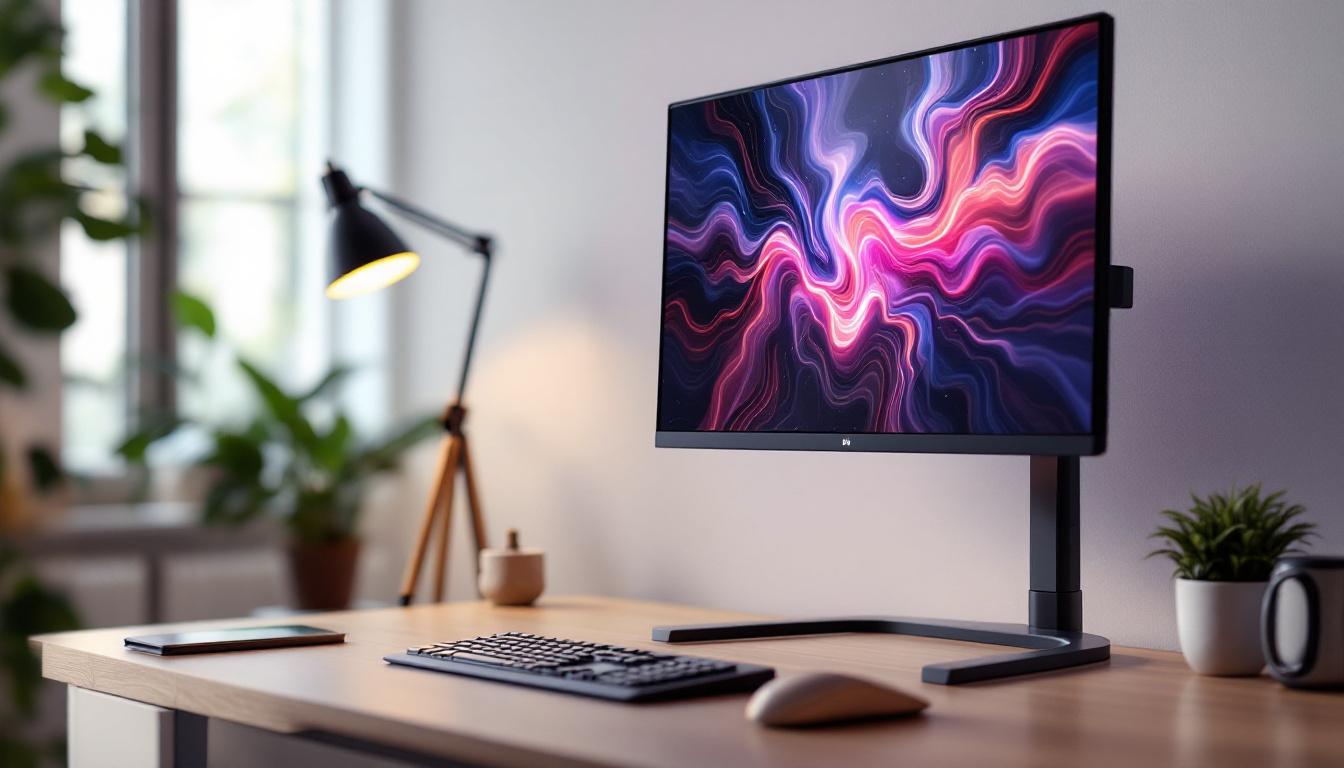
Height adjustable computer monitors are designed with stands or mounts that allow users to modify the vertical position of the screen. Unlike fixed monitors, these adjustable models enable users to raise or lower the display to eye level, reducing strain on the neck and shoulders. This flexibility is crucial for creating a personalized and comfortable workspace, especially for individuals who spend extended hours in front of screens.
These monitors often come with additional ergonomic features such as tilt, swivel, and pivot adjustments, but height adjustment remains the most critical for maintaining proper posture. According to a 2023 study by the Occupational Safety and Health Administration (OSHA), improper monitor height is a leading cause of musculoskeletal disorders among office workers, highlighting the importance of adjustable screens. Furthermore, many height adjustable monitors are now equipped with gas spring technology, which allows for smooth and effortless adjustments, making it easier for users to find their ideal viewing position throughout the day.
Why Height Adjustment Matters
Ergonomics is the science of designing workplaces to fit the user’s needs, and monitor height plays a pivotal role in this. When a monitor is too low or too high, users tend to adopt awkward postures—such as slouching or craning the neck—that can lead to discomfort and long-term health issues. The consequences of poor monitor placement can extend beyond physical discomfort; they can also impact productivity and focus, as users may find it difficult to concentrate when they are in pain or uncomfortable.
Proper monitor height ensures that the top of the screen is at or slightly below eye level, allowing the eyes to look slightly downward at the screen. This position minimizes eye strain and promotes a neutral neck position. The American Optometric Association recommends that the ideal viewing distance from the eyes to the screen should be between 20 and 28 inches, and height adjustment helps achieve this ergonomic sweet spot. Additionally, many modern height adjustable monitors feature built-in blue light filters and anti-glare screens, which further enhance the user experience by reducing eye fatigue and improving visual comfort during long working hours.
LED Display Technology: What Sets It Apart?
Basics of LED Displays
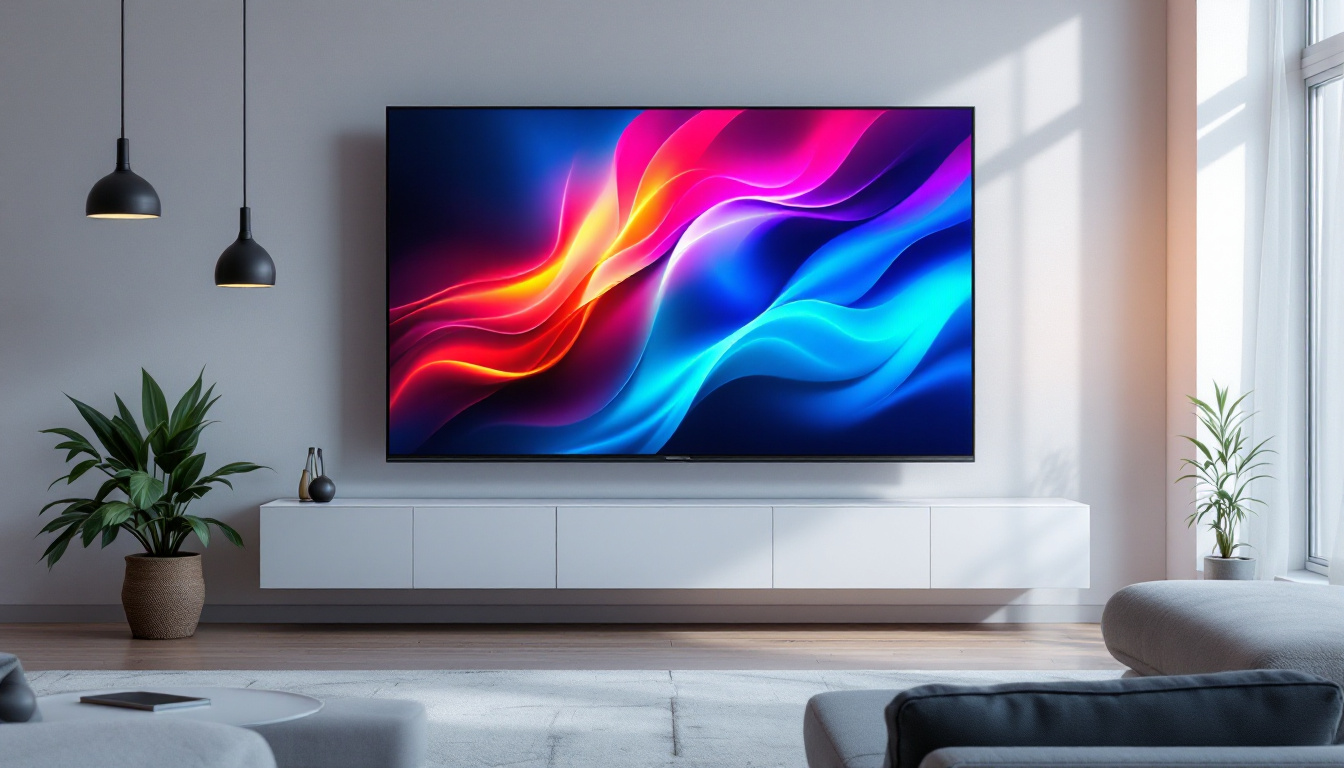
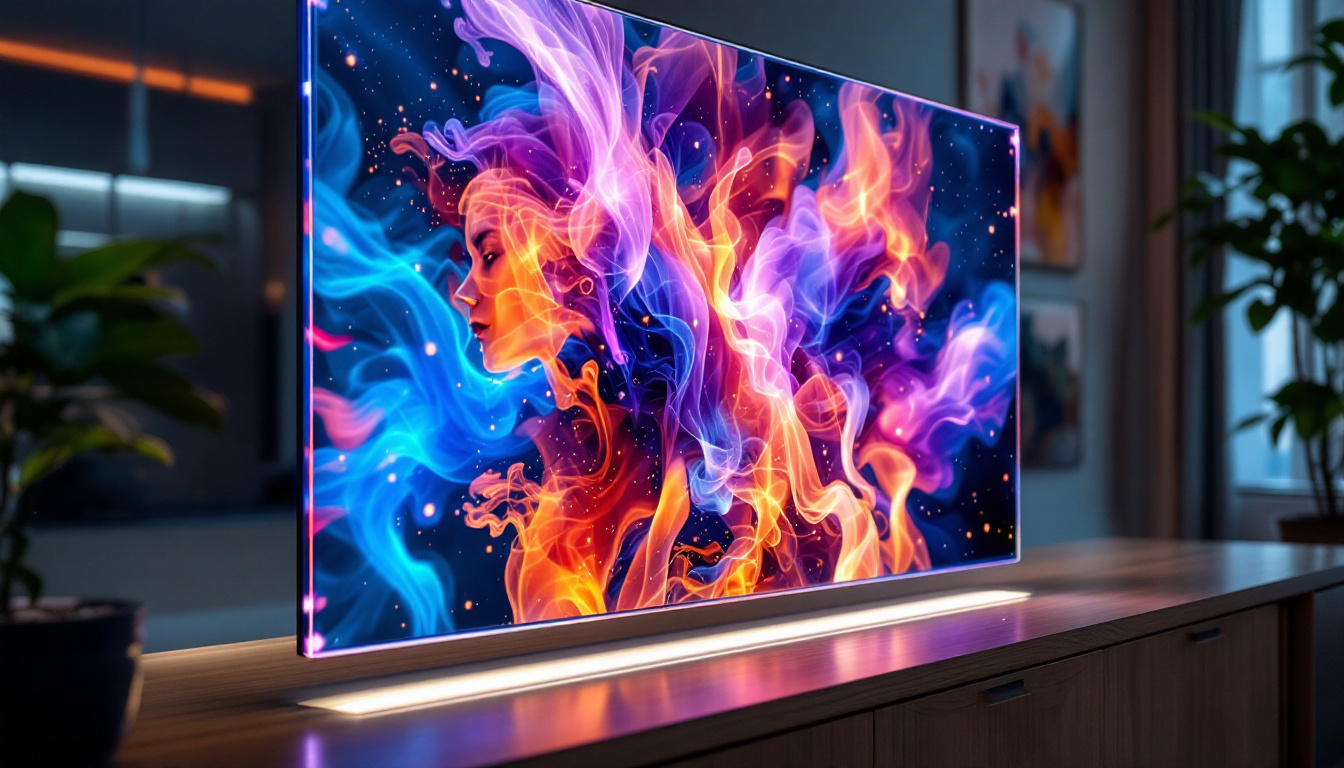
LED (Light Emitting Diode) display technology has become the standard in modern computer monitors due to its superior image quality, energy efficiency, and slim design. Unlike traditional LCD monitors that use cold cathode fluorescent lamps (CCFL) for backlighting, LED monitors use an array of light-emitting diodes to illuminate the screen.
This shift to LED backlighting has several advantages. LED displays offer better brightness and contrast ratios, which translates to sharper images and more vibrant colors. They also consume less power and generate less heat, making them more environmentally friendly and cost-effective over time. In addition to these benefits, LED technology is also more durable than traditional backlighting methods, resulting in longer lifespan and reduced maintenance costs for users.
Types of LED Displays in Monitors
There are primarily two types of LED backlighting used in monitors: edge-lit and full-array.
- Edge-lit LED: LEDs are placed along the edges of the screen, and light is diffused across the display. This design allows for thinner monitors but can sometimes result in uneven brightness.
- Full-array LED: LEDs are distributed evenly behind the entire screen. This provides superior brightness uniformity and enables local dimming, which enhances contrast by dimming dark areas of the screen independently.
For professionals requiring high color accuracy—such as graphic designers and video editors—full-array LED monitors are often preferred due to their improved image quality. Furthermore, the technology has advanced to include features like HDR (High Dynamic Range), which allows for a broader range of colors and brightness levels, resulting in a more lifelike viewing experience. This is particularly beneficial for content creators who need to ensure their work appears as intended across various devices and viewing conditions.
Additionally, as gaming continues to grow in popularity, the demand for high-performance LED displays has surged. Gamers often seek monitors with fast refresh rates and low response times, which are crucial for an immersive gaming experience. Many modern LED monitors now incorporate technologies such as G-Sync or FreeSync to eliminate screen tearing, further enhancing the visual experience. This evolution in LED display technology not only caters to gamers but also to anyone who values high-quality visuals, making it a versatile choice for a wide range of applications.
Benefits of Combining Height Adjustability with LED Displays
Enhanced Visual Comfort and Health
The synergy between height adjustability and LED display technology significantly improves user comfort. LED monitors’ superior brightness and reduced flicker help minimize eye strain, while height adjustment ensures that the screen is positioned to support proper posture.
Research published in the Journal of Occupational Health in 2022 found that workers using height adjustable LED monitors reported a 30% reduction in neck and shoulder discomfort compared to those using fixed monitors with older backlighting technology. This demonstrates how ergonomic design and advanced display technology work hand-in-hand to promote health.
Improved Productivity and Focus
Comfortable users are productive users. When the monitor is positioned correctly and the display is clear and vibrant, users can focus better and work longer without fatigue. A survey conducted by the Human Factors and Ergonomics Society in 2023 revealed that employees with ergonomic workstations, including height adjustable LED monitors, experienced a 15% increase in productivity and a 20% decrease in errors.
Moreover, LED displays support higher resolutions and faster refresh rates, which are beneficial for tasks ranging from detailed design work to fast-paced data analysis.
Energy Efficiency and Environmental Impact
LED monitors consume significantly less power than their CCFL counterparts. According to the U.S. Department of Energy, LED-backlit monitors use up to 40% less energy, which not only reduces electricity bills but also lowers carbon footprints. For businesses aiming to meet sustainability goals, investing in height adjustable LED monitors aligns with eco-friendly initiatives.
Choosing the Right Height Adjustable LED Monitor
Key Features to Consider
When selecting a height adjustable LED monitor, several factors should be evaluated to ensure it meets ergonomic and performance needs:
- Height Range: Check the maximum and minimum height adjustment to ensure it fits your workspace and personal comfort.
- Screen Size and Resolution: Larger screens (24 inches and above) with at least Full HD (1920×1080) resolution are standard, but higher resolutions like 4K are increasingly common for detailed work.
- Panel Type: IPS panels offer better color accuracy and viewing angles compared to TN panels, making them preferable for professional use.
- Refresh Rate and Response Time: Higher refresh rates (75Hz and above) and low response times improve visual smoothness, especially important for gaming and video editing.
- Connectivity: Multiple ports (HDMI, DisplayPort, USB-C) enhance compatibility with various devices.
- Ergonomic Adjustments: Beyond height, consider tilt, swivel, and pivot capabilities for maximum flexibility.
Popular Brands and Models in 2024
Several manufacturers have released highly rated height adjustable LED monitors in recent years. For example, Dell’s UltraSharp series combines excellent color performance with robust ergonomic stands. Similarly, LG’s Ergo monitors offer innovative arm mounts that free up desk space while providing extensive adjustability.
HP’s E-Series and ASUS ProArt lines are also notable for their balance of ergonomic features and high-quality LED displays, catering to both office and creative professionals. When choosing, it is advisable to read up-to-date reviews and consider warranty and customer support services.
Setting Up Your Height Adjustable LED Monitor for Optimal Ergonomics
Proper Monitor Positioning
After selecting a suitable monitor, correct setup is essential. The top of the screen should be at or slightly below eye level, with the monitor approximately an arm’s length away. The screen should be tilted slightly backward (10-20 degrees) to reduce glare and maintain a natural viewing angle.
It is also important to align the monitor directly in front of the user to avoid twisting the neck. If multiple monitors are used, they should be positioned so that the primary screen is centered, with secondary screens angled inward.
Adjusting Brightness and Color Settings
LED monitors often come with customizable brightness and color temperature settings. Adjusting these to comfortable levels can reduce eye fatigue. Generally, a brightness level between 120 and 150 cd/m² is recommended for office environments, with color temperature set to a neutral white (around 6500K).
Many modern monitors include blue light reduction modes or “reading modes” that further enhance visual comfort during prolonged use.
The Future of Height Adjustable LED Monitors
Emerging Trends
As technology advances, height adjustable LED monitors are evolving to incorporate smart features such as automatic brightness adjustment based on ambient light, eye-tracking for personalized ergonomics, and integration with AI-driven productivity tools.
Flexible and curved LED displays are also gaining traction, offering immersive viewing experiences while maintaining ergonomic benefits. Additionally, sustainability is becoming a key focus, with manufacturers exploring recyclable materials and energy-efficient designs.
Impact on Workplace Wellbeing
Height adjustable LED monitors are set to become a standard in ergonomic office design, driven by growing awareness of workplace health and the shift toward hybrid and remote work models. Companies investing in ergonomic equipment report lower absenteeism and higher employee satisfaction, underscoring the value of these technologies.
In conclusion, height adjustable computer monitors with LED displays represent a fusion of ergonomic design and cutting-edge technology. They not only enhance visual clarity and comfort but also contribute to healthier, more efficient work environments. Whether for professional or personal use, investing in a quality height adjustable LED monitor is a smart choice for anyone seeking to optimize their digital workspace.
Explore Cutting-Edge LED Display Solutions with LumenMatrix
Ready to elevate your workspace and enhance your visual experience? Discover LumenMatrix’s innovative LED display technology, designed to meet the dynamic needs of any professional environment. From captivating Indoor LED Walls to versatile All-in-One LED Displays, LumenMatrix offers a wide range of solutions that promise not only ergonomic comfort but also unparalleled brand visibility and audience engagement. Don’t miss the opportunity to transform your workspace and communication strategy. Check out LumenMatrix LED Display Solutions today and step into the future of digital display technology.