In an age where visual technology evolves at a breakneck pace, understanding the nuances of display technology has become essential. Whether you’re a tech enthusiast, a professional in the audiovisual industry, or simply a consumer looking to upgrade your screen, knowing what makes a high-resolution LED display tick can empower better decisions. This article delves into the intricacies of LED displays, exploring what defines their high resolution, how they compare to other technologies, and why they matter in today’s digital landscape.
Understanding LED Display Technology
What is an LED Display?
LED stands for Light Emitting Diode, a semiconductor device that emits light when an electric current passes through it. An LED display is a flat panel display technology that uses these diodes as pixels to create images. Unlike traditional LCDs that rely on backlighting, LED displays utilize these tiny light sources directly or as backlights, resulting in brighter, more vivid images with improved energy efficiency.
LED displays come in various forms, including direct-view LED panels, where each pixel is an individual LED, and LED-backlit LCDs, where LEDs provide the backlight behind an LCD panel. Direct-view LED displays are commonly used in large-scale applications such as stadium screens and digital billboards, while LED-backlit LCDs dominate consumer electronics like TVs, monitors, and smartphones.
How High Resolution is Defined in LED Displays
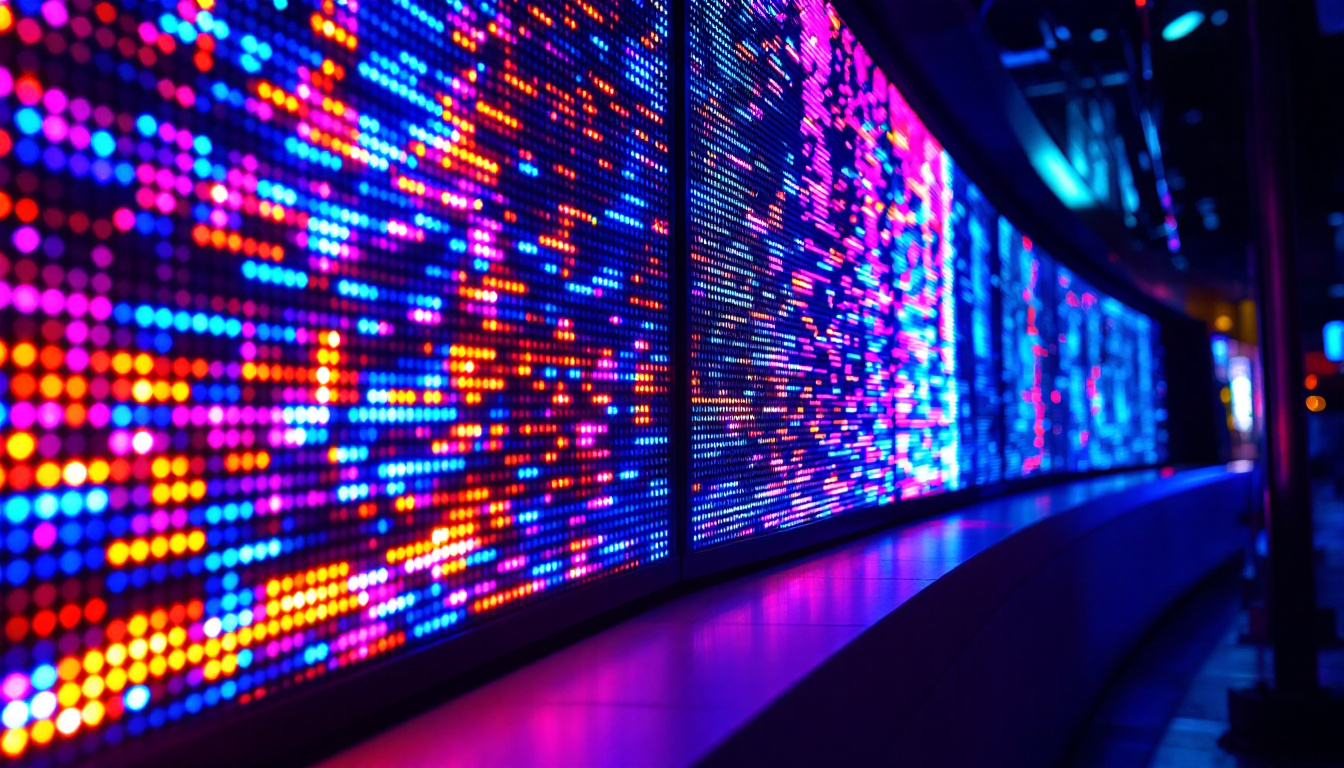
Resolution refers to the number of pixels displayed on the screen, typically expressed in width × height (e.g., 1920×1080). A high-resolution display packs more pixels into the same physical space, resulting in sharper, more detailed images. For LED displays, resolution is influenced by pixel pitch—the distance between the centers of two adjacent pixels. Smaller pixel pitches allow for higher pixel density and thus higher resolution.
Modern high-resolution LED displays often feature pixel pitches as small as 0.8mm or less, enabling ultra-fine image detail. For comparison, outdoor LED billboards may have pixel pitches of 10mm or more, which is sufficient for viewing at a distance but not close-up clarity. The trend towards micro-LED technology promises even smaller pixel pitches, pushing the boundaries of resolution and image quality.
The Advantages of High-Resolution LED Displays
Superior Image Quality and Brightness
One of the most compelling reasons to choose a high-resolution LED display is the exceptional image quality. LEDs produce vibrant colors with high contrast ratios, making images appear more lifelike. Their ability to achieve peak brightness levels far exceeding traditional displays ensures visibility even in bright ambient conditions, such as outdoor environments or well-lit rooms.
High resolution enhances this experience by delivering fine details and smooth gradients. This is particularly important for applications like digital signage, medical imaging, and professional video production, where clarity and color accuracy are paramount.
Energy Efficiency and Longevity
LED technology is inherently energy-efficient compared to older display types like CCFL-backlit LCDs or plasma screens. By using less power to achieve higher brightness, LED displays reduce operational costs and environmental impact. Additionally, LEDs have longer lifespans, often exceeding 50,000 hours of usage, which translates into lower maintenance and replacement expenses.
Energy efficiency combined with durability makes high-resolution LED displays an attractive choice for commercial installations that require continuous operation, such as airports, retail stores, and control rooms.
Flexibility in Design and Application
LED displays are highly versatile. They can be manufactured in various shapes and sizes, including curved, flexible, and transparent panels. This adaptability enables creative and functional installations that were previously impossible, such as wrap-around video walls, interactive kiosks, and architectural lighting integrated with display technology.
Furthermore, LED displays can be scaled seamlessly. From compact desktop monitors to massive outdoor screens spanning hundreds of square meters, the technology scales without compromising resolution or brightness, making it suitable for a broad spectrum of use cases.
Comparing LED Displays with Other Display Technologies
LED vs. OLED
Organic Light Emitting Diode (OLED) technology is often compared with LED due to its self-emissive pixels and excellent image quality. OLED displays offer perfect black levels and wide viewing angles because each pixel emits its own light and can be turned off individually. However, OLED panels are generally more expensive and can suffer from burn-in issues over time.
LED displays, especially direct-view LED, excel in brightness and longevity, making them more suitable for high-brightness environments and long-term use. For consumers seeking rich color and contrast in smaller devices like smartphones and TVs, OLED remains a popular choice, but for large-scale, high-brightness applications, LED displays hold the advantage.
LED vs. LCD
Traditional LCDs use liquid crystals to modulate light from a backlight source, which can be CCFL or LED. LED-backlit LCDs have largely replaced CCFL-backlit models due to better brightness, energy efficiency, and thinner designs. However, LCDs rely on a backlight and color filters, which can limit contrast and viewing angles compared to direct-view LED displays.
Direct-view LED displays eliminate the need for a backlight by using LEDs as pixels, resulting in superior contrast ratios and color vibrancy. While LCDs remain dominant in consumer electronics due to cost and manufacturing maturity, LED displays are increasingly preferred in professional and commercial contexts where image quality and brightness are critical.
LED vs. Micro-LED
Micro-LED is an emerging technology that uses microscopic LEDs to create pixels, combining the best features of OLED and traditional LED displays. Micro-LEDs offer self-emissive pixels with exceptional brightness, energy efficiency, and durability without the burn-in issues associated with OLED.
Though still in early stages of commercialization, micro-LED displays promise ultra-high resolution and unprecedented image quality. They are expected to revolutionize the display industry in the coming years, particularly for premium TVs, augmented reality devices, and large-scale digital signage.
Applications of High-Resolution LED Displays
Commercial and Advertising
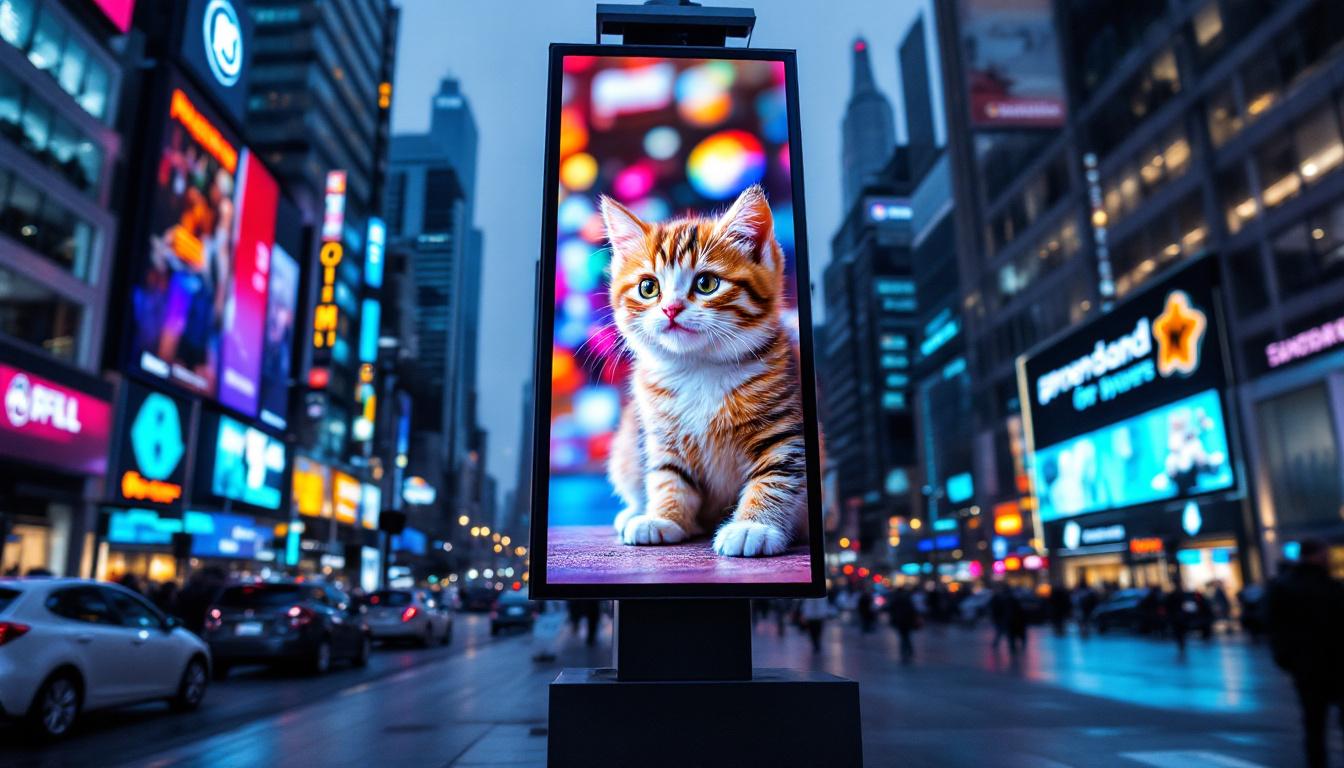
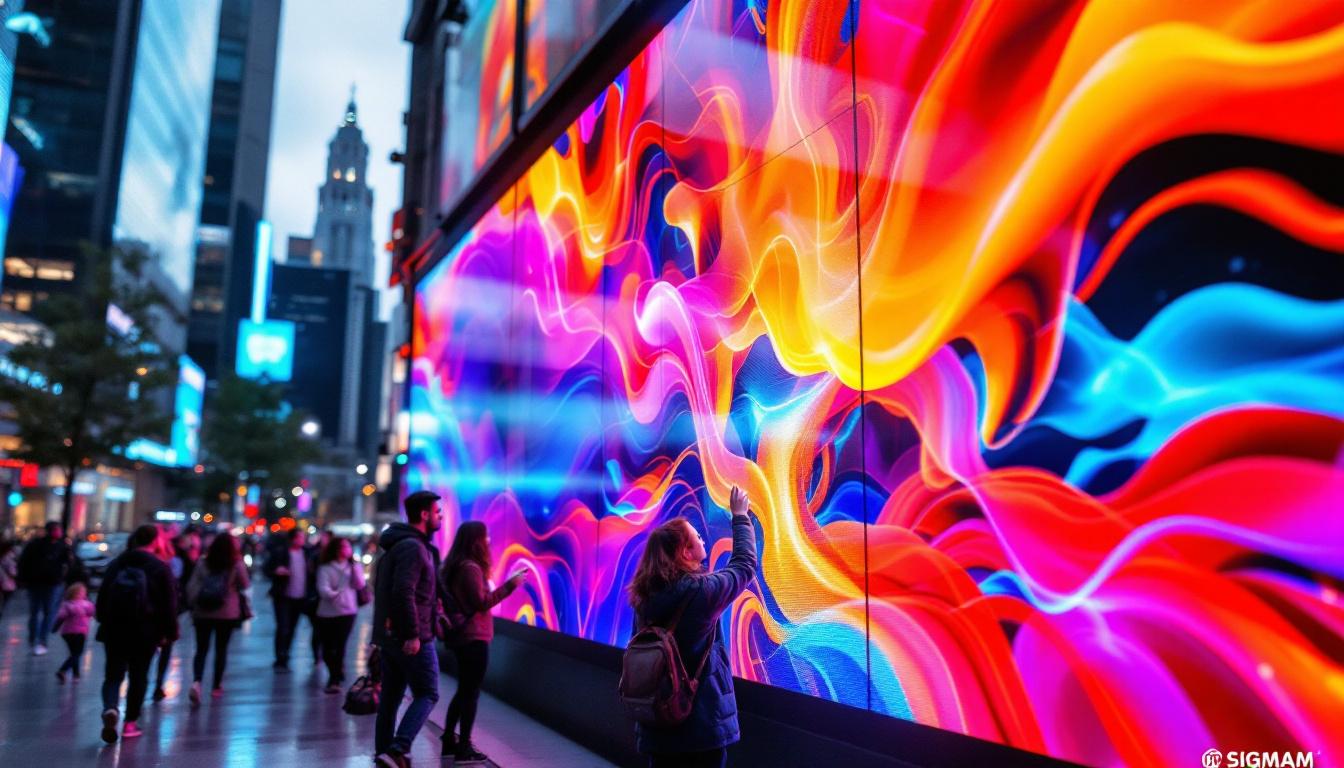
High-resolution LED displays have transformed the advertising landscape. Digital billboards and retail signage utilize these displays to deliver dynamic, eye-catching content that can be updated in real-time. The ability to render crisp images and videos with vivid colors enhances brand visibility and customer engagement.
According to recent market research, the global digital signage market is projected to grow at a CAGR of over 8% through 2028, driven largely by advances in LED display technology. Businesses are increasingly investing in high-resolution LED displays to differentiate themselves in competitive markets.
Entertainment and Events
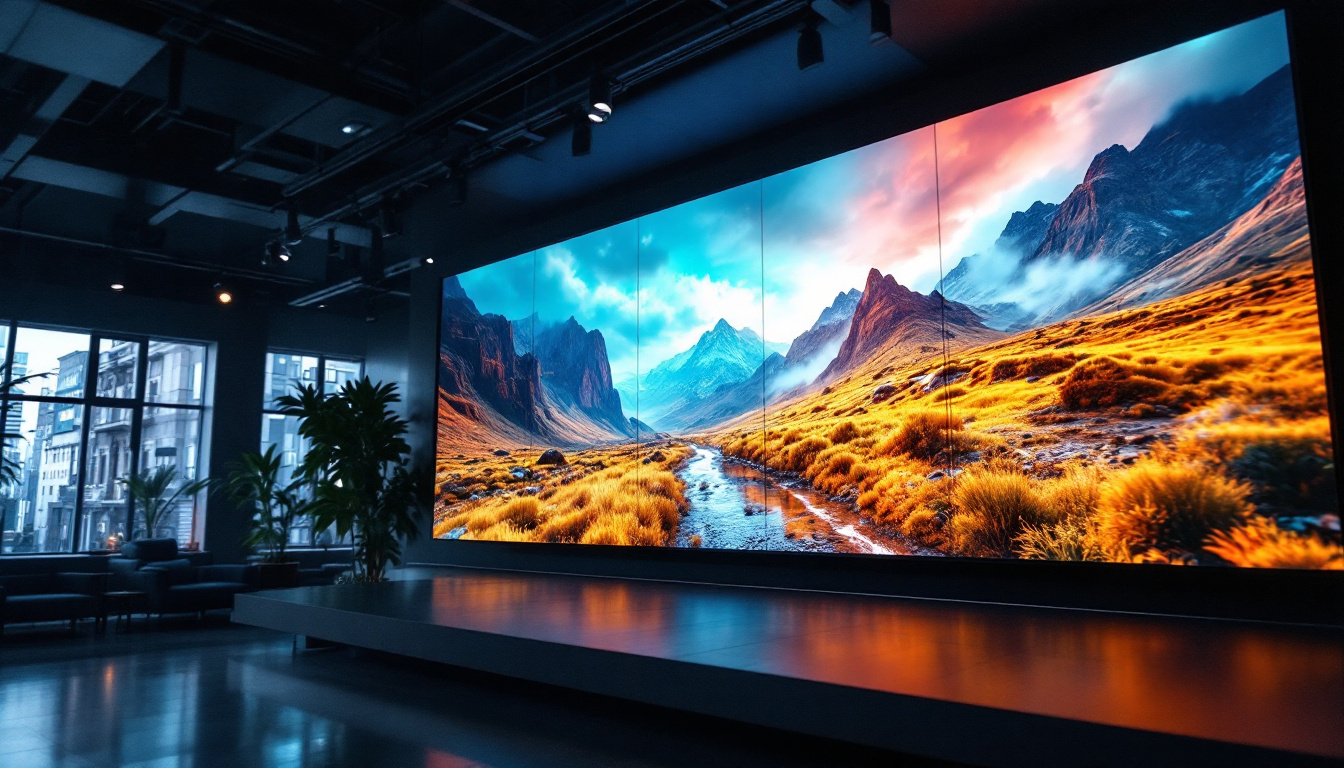
Concerts, sports arenas, and live events rely heavily on high-resolution LED displays to provide immersive experiences. Large LED video walls deliver clear visuals visible from great distances, ensuring every attendee has a front-row view of the action. The flexibility of LED panels allows for creative stage designs and interactive elements that enhance audience engagement.
Major events like the Olympics and international music festivals regularly feature cutting-edge LED display installations, showcasing the technology’s capabilities and setting new standards for live visual presentations.
Professional and Industrial Uses
In professional environments such as control rooms, broadcast studios, and medical imaging centers, high-resolution LED displays provide critical clarity and reliability. For instance, in medical diagnostics, the ability to display detailed images with accurate color reproduction can directly impact patient outcomes.
Industrial applications also benefit from LED displays’ robustness and brightness, enabling clear visualization of complex data in manufacturing plants, transportation hubs, and security monitoring centers.
Future Trends in LED Display Technology
Advancements in Pixel Density and Resolution
The push for higher pixel densities continues to drive innovation in LED display manufacturing. Emerging techniques in microfabrication and materials science are enabling pixel pitches below 0.5mm, which will bring unprecedented clarity to large-format displays. This trend will blur the lines between traditional television screens and massive digital signage, making ultra-high-resolution LED displays accessible for a wider range of applications.
Integration with Smart Technologies
LED displays are increasingly being integrated with smart technologies, including AI-driven content management, interactive touch capabilities, and IoT connectivity. These enhancements allow displays to adapt content dynamically based on audience demographics, environmental conditions, or real-time data inputs, creating more personalized and impactful experiences.
For example, retail stores can use smart LED displays to tailor advertisements based on customer behavior, while public spaces can provide real-time information such as transit updates or emergency alerts.
Sustainability and Eco-Friendly Innovations
As environmental concerns grow, manufacturers are focusing on making LED displays more sustainable. Innovations include using recyclable materials, reducing power consumption through advanced driver electronics, and improving manufacturing processes to minimize waste. Additionally, the long lifespan of LED displays contributes to lower electronic waste compared to other technologies.
These efforts align with global sustainability goals and appeal to environmentally conscious consumers and businesses seeking to reduce their carbon footprint.
Choosing the Right High-Resolution LED Display
Factors to Consider
Selecting the ideal LED display depends on several factors including intended use, viewing distance, ambient lighting conditions, and budget. For close-up viewing, such as in retail or control rooms, a smaller pixel pitch and higher resolution are essential. For outdoor or large venue applications, brightness and durability take precedence.
Other considerations include refresh rate, color accuracy, and connectivity options. Ensuring compatibility with existing systems and future scalability can also influence the choice.
Working with Professionals
Given the technical complexity and investment involved, consulting with display technology experts can be invaluable. Professionals can provide tailored recommendations, installation support, and maintenance plans to maximize the performance and lifespan of LED displays.
Many providers offer turnkey solutions that include content management software, calibration services, and warranty packages, ensuring a seamless user experience from purchase to operation.
Conclusion
High-resolution LED displays represent a pinnacle of modern visual technology, combining brightness, clarity, and versatility in ways that continue to expand the possibilities for digital communication. From vibrant advertising billboards to immersive entertainment venues and critical professional environments, the impact of LED technology is profound and far-reaching.
As advancements in pixel density, smart integration, and sustainability continue to evolve, LED displays will remain at the forefront of display innovation, offering sharper images and more dynamic experiences than ever before. Understanding the fundamentals of LED display technology empowers consumers and professionals alike to harness its full potential and make informed decisions in a rapidly changing digital world.
Discover LumenMatrix’s Advanced LED Display Solutions
Ready to experience the future of high-resolution visual technology? LumenMatrix is at the forefront of LED display innovation, offering a diverse range of solutions tailored to meet your unique needs. From Indoor and Outdoor LED Wall Displays to specialized options like Vehicle, Sports, and Floor LED Displays, our cutting-edge products are designed to captivate and engage your audience. Whether you’re looking to enhance brand visibility or create immersive experiences, LumenMatrix has the expertise to bring your vision to life. Check out LumenMatrix LED Display Solutions today and see how we can transform your digital communication.