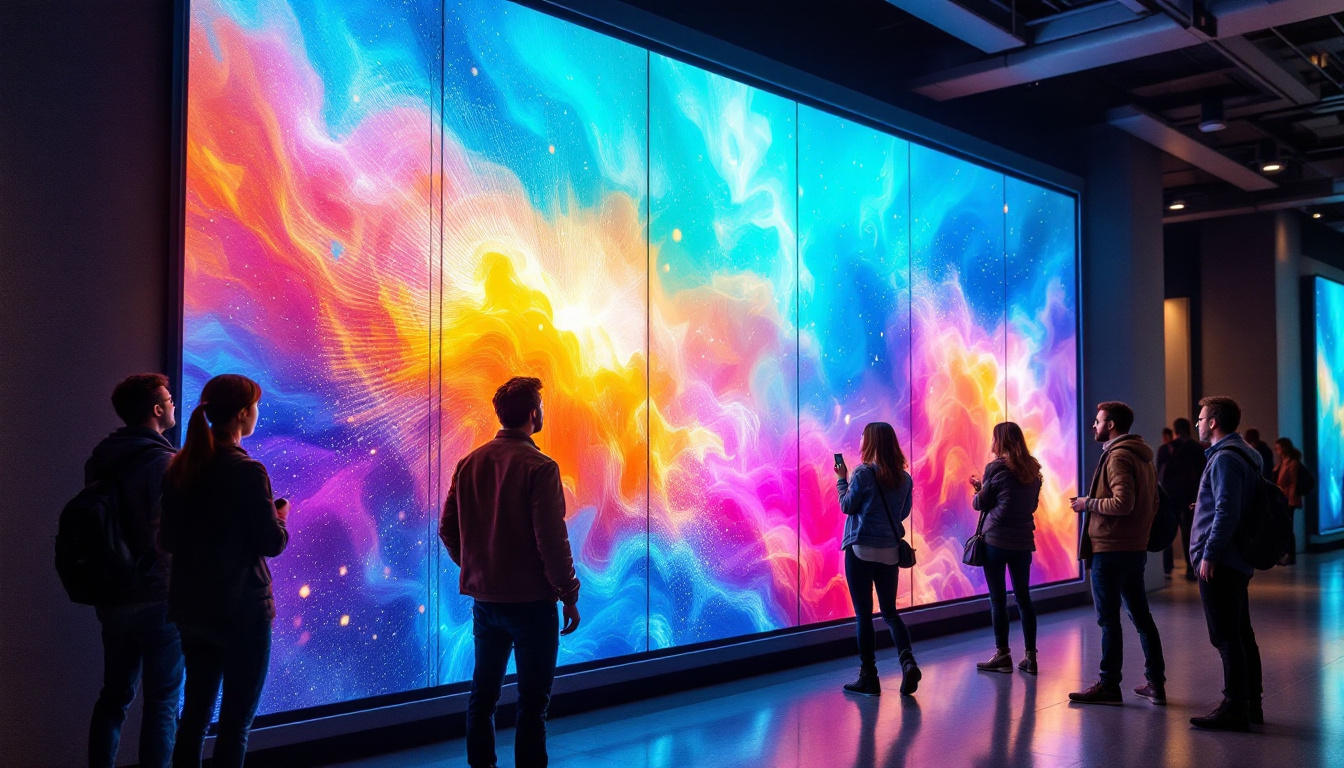
In recent years, LED walls have become a staple in various industries, from advertising and entertainment to corporate events and public information displays. Their vibrant colors, high brightness, and flexibility make them an attractive choice for many applications. However, one of the most common questions potential buyers and users ask is: how much does an LED wall cost? This article delves into the factors that influence the price of LED walls, explains the technology behind them, and offers guidance on budgeting for your LED display project.
Understanding LED Walls: What Are They?
LED walls, also known as LED video walls or LED displays, are large-scale screens composed of multiple LED panels tiled together to form a single, seamless display surface. Unlike traditional LCD or projection screens, LED walls use light-emitting diodes (LEDs) as their light source, which provides superior brightness, contrast, and color accuracy.
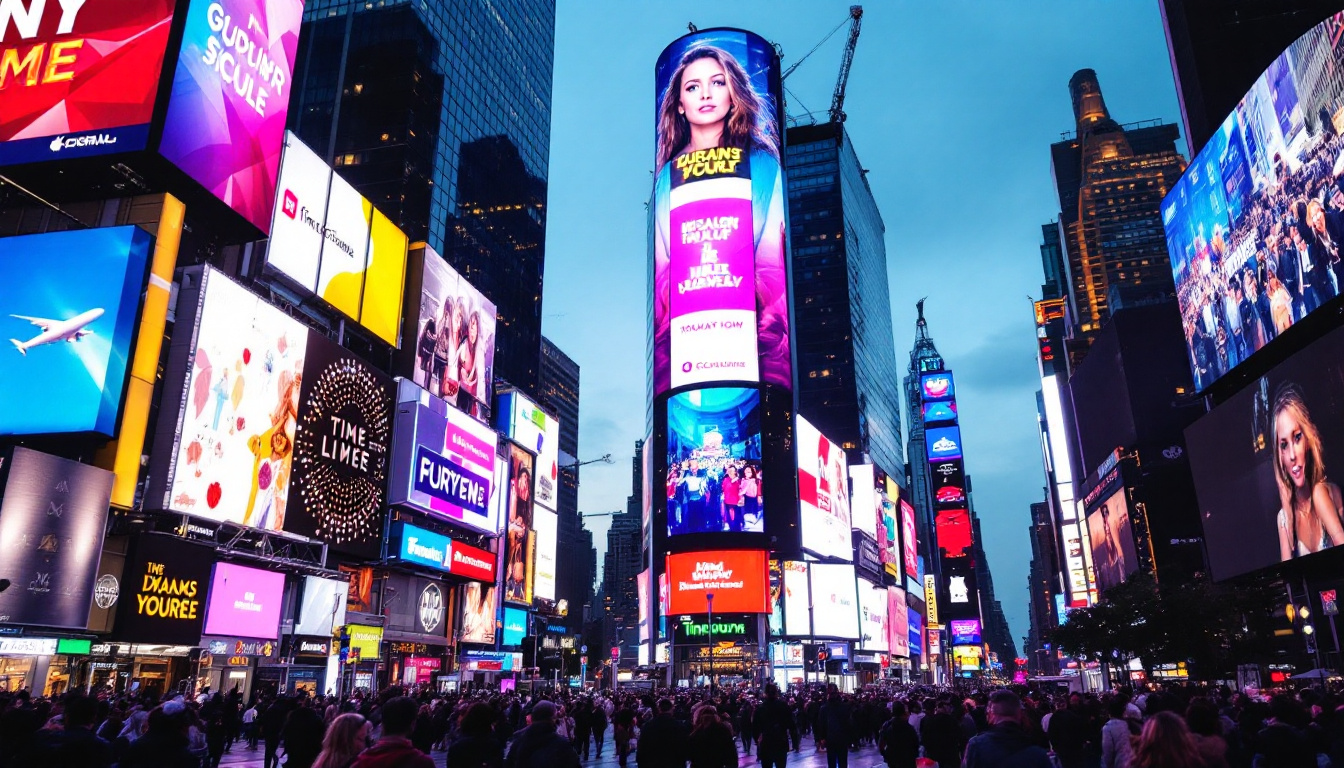
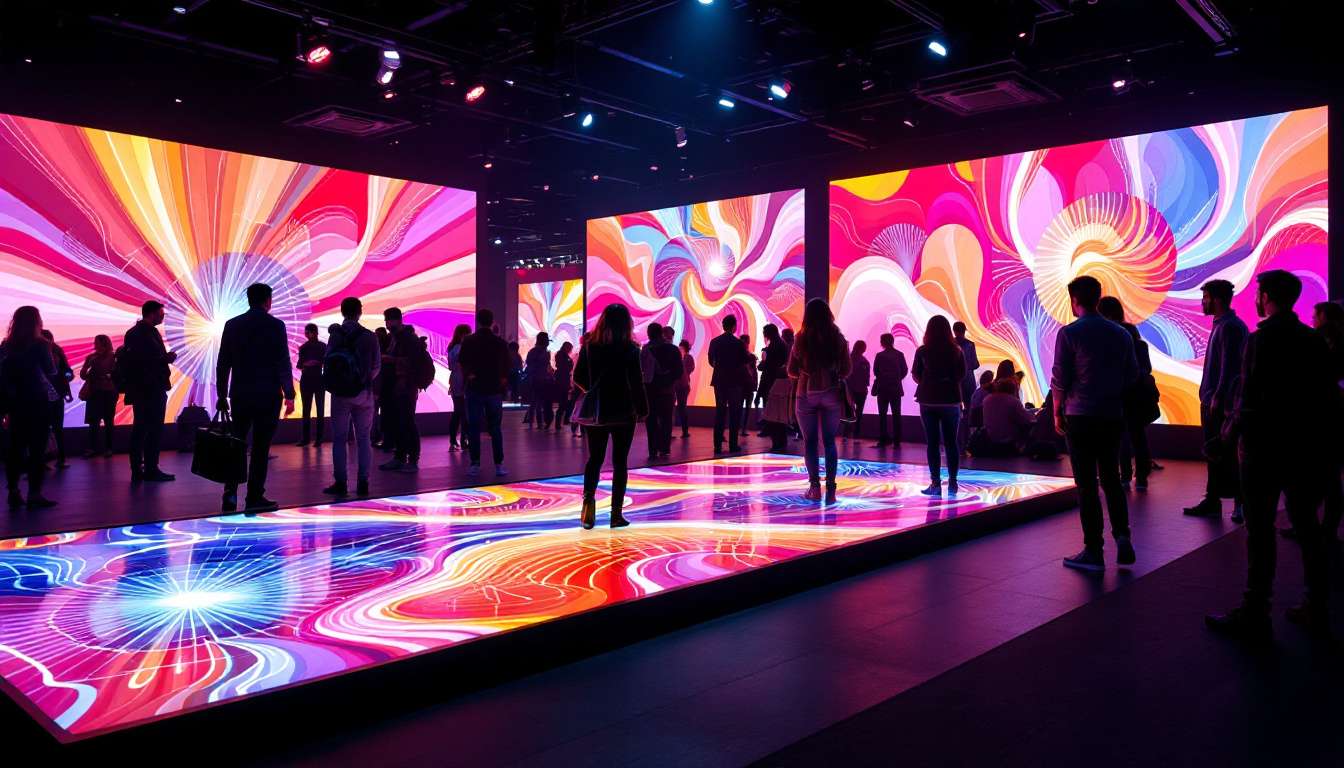
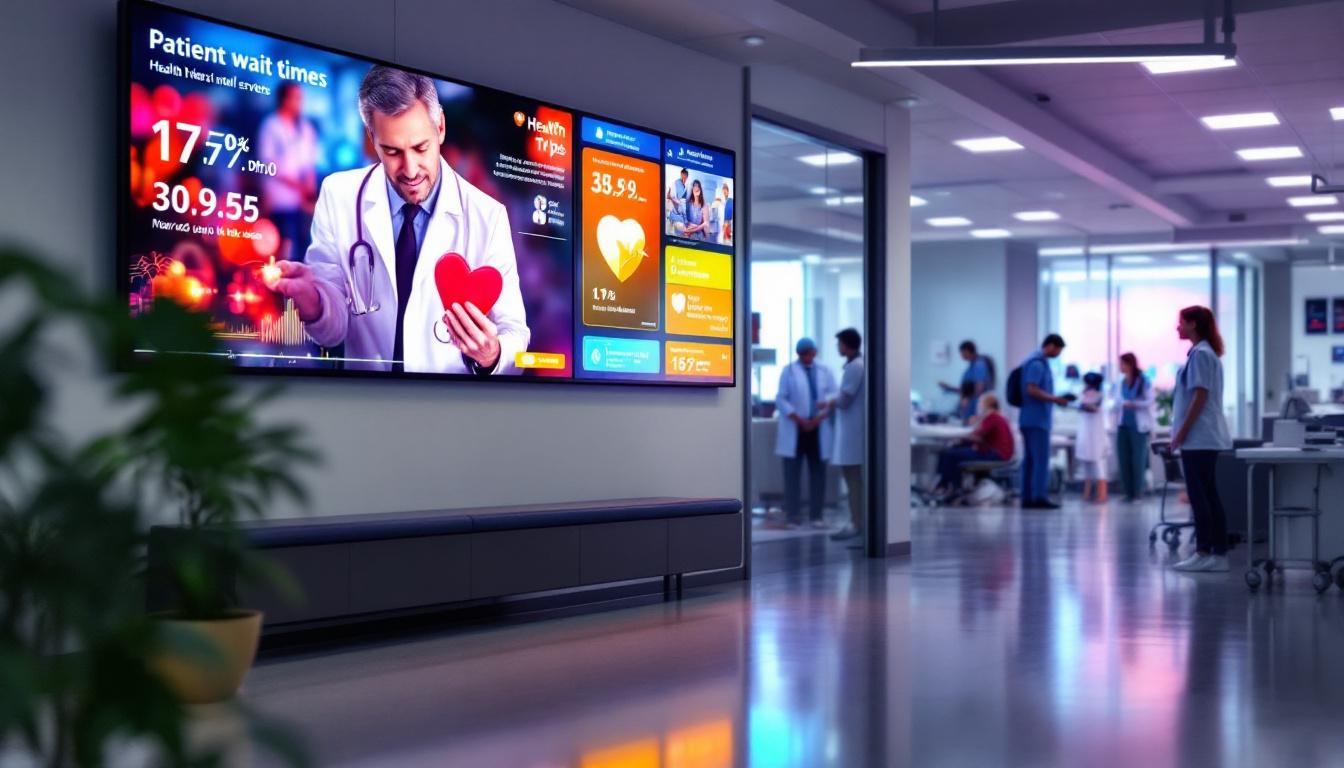
These walls are widely used in outdoor advertising billboards, concert backdrops, sports arenas, retail displays, and control rooms. Their modular nature allows for customization in size and shape, making them versatile for various environments and purposes.
How LED Walls Work
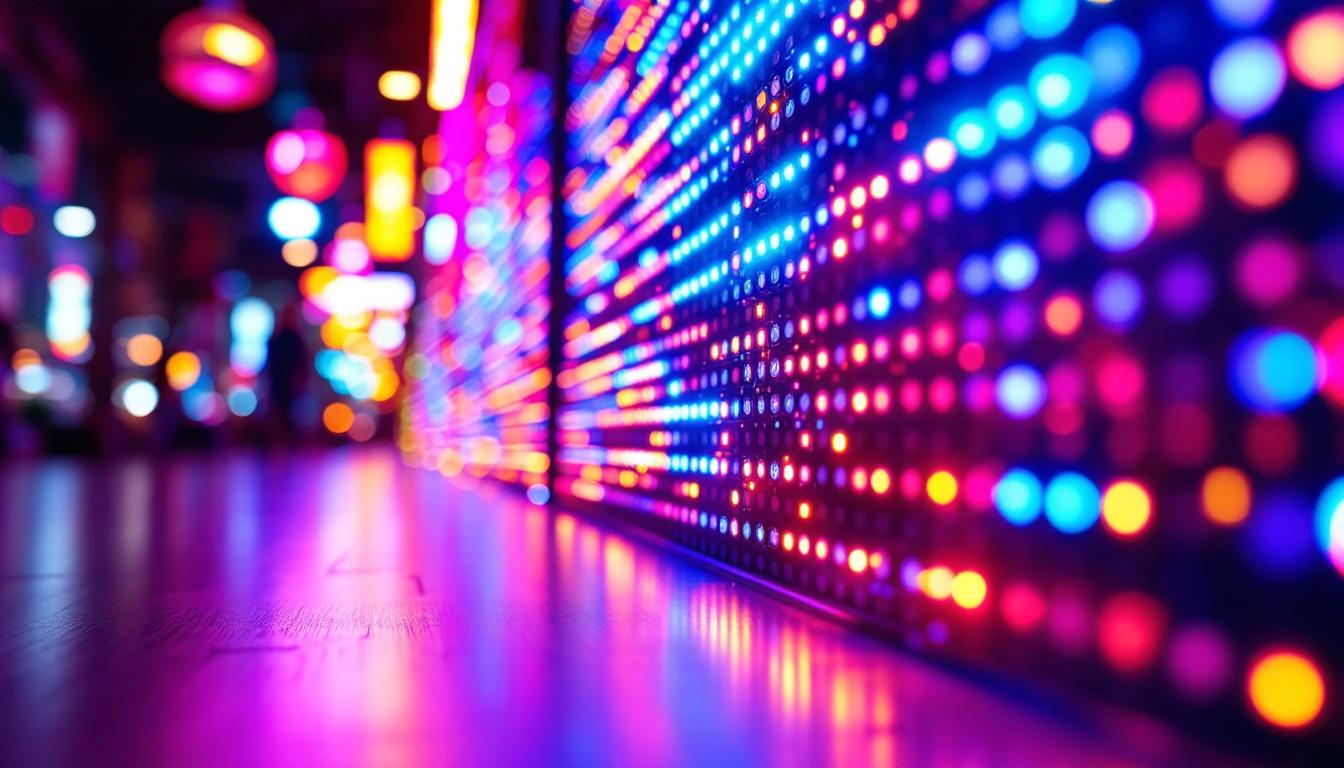
Each LED panel consists of thousands of tiny LEDs arranged in a grid. These LEDs emit light when an electric current passes through them. The panels are connected and controlled by a video processor that manages the input signal, ensuring the image is displayed correctly across the entire wall. The density of LEDs, measured in pixel pitch (the distance between the centers of two adjacent LEDs), determines the resolution and image clarity of the display.
Key Factors Influencing the Cost of LED Walls
When considering the price of an LED wall, it’s essential to understand that there is no one-size-fits-all answer. The cost depends on several technical and logistical factors that directly affect the quality and functionality of the display.
1. Pixel Pitch and Resolution
Pixel pitch is one of the most critical factors affecting LED wall cost. It is measured in millimeters and represents the distance between individual LEDs on a panel. A smaller pixel pitch means more LEDs per square meter, resulting in higher resolution and sharper images, especially at close viewing distances.
For example, a 1.5mm pixel pitch LED wall provides ultra-high definition suitable for indoor use where viewers are close to the screen, but it is significantly more expensive than a 10mm pixel pitch display designed for outdoor use where viewers are farther away.
As a rough guide:
- Outdoor LED walls typically have pixel pitches ranging from 6mm to 20mm.
- Indoor LED walls usually range from 1.2mm to 4mm pixel pitch.
The finer the pixel pitch, the higher the cost per square meter, sometimes exponentially so.
2. Size of the LED Wall
The overall size of the LED wall directly impacts the total cost. LED walls are priced per square meter, so the larger the display, the higher the total expenditure. However, larger walls often benefit from economies of scale, reducing the cost per square meter slightly.
For instance, a 10-square-meter LED wall might cost more per square meter than a 50-square-meter wall due to fixed setup and manufacturing costs.
3. Indoor vs. Outdoor Use
Outdoor LED walls require additional features such as weatherproofing, higher brightness levels to combat sunlight, and robust construction to withstand environmental conditions. These enhancements increase the cost compared to indoor LED walls, which can be lighter and less rugged.
Outdoor LED walls typically have brightness levels of 5,000 to 8,000 nits or more, while indoor LED walls usually range from 800 to 1,200 nits. Higher brightness requires more powerful LEDs and efficient heat dissipation systems, both adding to the price.
4. Refresh Rate and Color Quality
Refresh rate, measured in Hertz (Hz), indicates how many times per second the image on the LED wall is updated. Higher refresh rates reduce flickering and are essential for applications involving video recording or live broadcasts. LED walls with refresh rates of 3,000 Hz or higher tend to be more expensive.
Color quality, including color gamut and grayscale levels, also affects cost. Premium LED walls with superior color accuracy and HDR (High Dynamic Range) support command higher prices.
5. Installation and Maintenance Costs
Beyond the hardware, installation costs can be significant, especially for large or complex setups. Structural supports, mounting hardware, electrical wiring, and labor all add to the total project cost.
Maintenance is another ongoing expense. LED walls require periodic cleaning, software updates, and occasional repairs or module replacements. Some providers offer service contracts that can help manage these costs but increase upfront expenses.
6. Brand and Technology
Leading LED wall manufacturers often charge a premium for their products due to superior build quality, warranty terms, and customer support. Conversely, cheaper options from lesser-known brands may reduce upfront costs but could lead to higher maintenance costs or shorter lifespans.
Typical Price Ranges for LED Walls
To provide a clearer picture, here are some typical price ranges based on pixel pitch and usage type. These figures are approximate and can vary based on region, supplier, and project specifics.
Indoor LED Walls
| Pixel Pitch (mm) | Price per Square Meter (USD) | Typical Use Case |
|---|---|---|
| 1.2 – 1.5 | $3,000 – $5,000 | High-end retail, broadcast studios |
| 2.0 – 2.5 | $1,500 – $3,000 | Corporate events, conference rooms |
| 3.0 – 4.0 | $800 – $1,500 | Small venues, exhibitions |
Outdoor LED Walls
| Pixel Pitch (mm) | Price per Square Meter (USD) | Typical Use Case |
|---|---|---|
| 6 – 8 | $1,000 – $2,000 | Billboards, building facades |
| 10 – 12 | $600 – $1,000 | Sports arenas, outdoor events |
| 16 – 20 | $400 – $700 | Large distance viewing, highways |
These prices generally exclude installation, control systems, and content management software, which can add 20-40% to the overall budget.
Additional Costs to Consider
When budgeting for an LED wall, it’s important to factor in several additional costs beyond the display panels themselves.
Content Management System (CMS)
The CMS is the software platform used to manage and schedule content displayed on the LED wall. Some LED wall packages include basic CMS software, but advanced features such as real-time data integration, remote management, and multi-zone control often require additional licensing fees.
Structural and Electrical Work
Depending on the installation environment, structural reinforcements, custom mounts, or electrical upgrades may be necessary. For outdoor installations, weatherproof enclosures and cooling systems might also be required.
Transportation and Logistics
Shipping large LED panels, especially internationally, can be costly. Additionally, handling and storage costs should be considered if the installation timeline is extended.
Training and Support
Training staff to operate and maintain the LED wall is crucial for long-term success. Some suppliers offer training packages and ongoing technical support, which may be included or charged separately.
How to Choose the Right LED Wall for Your Budget
Choosing an LED wall that fits your budget while meeting your needs requires careful planning and understanding of your specific application.
Define Your Viewing Distance and Environment
The pixel pitch should be selected based on how close viewers will be to the screen. For example, a retail store where customers are within a few feet requires a high-resolution display with a small pixel pitch, whereas a billboard viewed from hundreds of feet can use a larger pixel pitch.
Prioritize Features Based on Use Case
Decide which features are essential. If your LED wall will be used primarily for static images or simple videos, you might not need the highest refresh rates or color accuracy. Conversely, for live events or broadcast applications, investing in premium specifications is worthwhile.
Consider Leasing or Renting
For short-term projects or events, leasing or renting an LED wall can be a cost-effective alternative to purchasing. This approach eliminates maintenance responsibilities and upfront capital expenditure.
Request Multiple Quotes and References
Engage with several reputable suppliers to compare pricing, warranties, and service offerings. Ask for case studies or references to ensure the supplier’s products meet your quality expectations.
Future Trends in LED Wall Technology and Pricing
LED wall technology continues to evolve, with trends that may influence future costs and capabilities.
MicroLED and MiniLED Advances
Emerging technologies such as MicroLED and MiniLED promise even higher resolutions and energy efficiency. While currently more expensive, these technologies are expected to become more affordable over the next five years, potentially disrupting traditional LED wall markets.
Improved Energy Efficiency
Manufacturers are focusing on reducing power consumption and heat generation, which can lower operating costs and extend the lifespan of LED walls.
Integration with Smart Technologies
Future LED walls may incorporate AI-driven content optimization, interactive touch capabilities, and seamless integration with IoT devices, adding value but also potentially increasing initial costs.
Conclusion
Determining how much an LED wall costs depends on a variety of factors including pixel pitch, size, indoor or outdoor use, and additional features. Prices can range from a few hundred to several thousand dollars per square meter. Beyond the display panels, installation, maintenance, and software costs must also be considered.
By understanding these factors and carefully assessing your needs, it is possible to select an LED wall that delivers the desired performance within your budget. As technology advances, LED walls will become more accessible and versatile, continuing to transform visual communication across industries.
Explore Cutting-Edge LED Wall Solutions with LumenMatrix
Ready to elevate your visual communication with a high-impact LED display? LumenMatrix is at the forefront of LED display innovation, offering a wide range of solutions tailored to your unique needs. Whether you’re looking for an Indoor LED Wall Display, a dynamic Outdoor LED Wall Display, or specialized options like Vehicle, Sports, or Floor LED Displays, LumenMatrix has the technology to bring your vision to life. Experience the difference in clarity, engagement, and brand visibility with our Custom and All-in-One LED Display solutions. Check out LumenMatrix LED Display Solutions today and start creating unforgettable visual experiences.