Understanding measurements and conversions is essential in many fields, from construction and design to technology and everyday life. One common question that arises is how to convert inches into feet, especially when dealing with specific measurements like 165 inches. This article delves into the conversion of 165 inches into feet and explores its relevance in the context of LED displays, a technology that often requires precise dimensional understanding for installation and usage.
Understanding the Basics: Inches and Feet
Before diving into the conversion, it’s important to understand the relationship between inches and feet. Both are units of length commonly used in the United States and other countries that follow the imperial system. These measurements are integral to various fields, including construction, manufacturing, and everyday life, where precise dimensions are crucial for functionality and aesthetics.
What is an Inch?
An inch is a unit of length equal to 1/12th of a foot. It is commonly used to measure smaller objects or shorter distances. One inch is equivalent to 2.54 centimeters in the metric system, which is widely used internationally. The inch is often represented by the symbol “in” and is frequently found in everyday measurements, such as the dimensions of a smartphone screen or the height of a book. Interestingly, the inch has a rich history, with origins tracing back to ancient civilizations, where it was defined based on the width of a human thumb.
What is a Foot?
A foot is a larger unit of length, consisting of 12 inches. It is often used to measure room dimensions, height, and other medium-range distances. In metric terms, one foot equals 30.48 centimeters. The foot has been a standard unit of measurement for centuries, with its name derived from the average length of a human foot. This unit is particularly prevalent in the construction industry, where blueprints and plans often specify dimensions in feet and inches to ensure accuracy in building projects. Additionally, the foot is commonly used in sports, such as track and field, where athletes’ heights and jumps are frequently recorded in feet.
Converting 165 Inches to Feet
To convert inches to feet, the process is straightforward: divide the number of inches by 12, since there are 12 inches in a foot.
Step-by-Step Conversion
Given: 165 inches
Calculation: 165 inches ÷ 12 inches per foot = 13.75 feet
Therefore, 165 inches is equal to 13.75 feet.
Understanding the Decimal Result
The decimal 0.75 feet can be further converted into inches for clarity. Since 0.75 feet is 75% of a foot, multiplying 0.75 by 12 inches gives:
0.75 × 12 = 9 inches
This means 165 inches equals 13 feet and 9 inches.
Practical Applications of Conversion
Understanding how to convert inches to feet is particularly useful in various fields such as construction, interior design, and even tailoring. For instance, when measuring the height of a room or the length of a piece of furniture, having the measurement in feet can provide a clearer perspective, especially when dealing with larger dimensions. In construction, accurate conversions can help ensure that materials fit properly and that structures are built according to specifications.
Common Conversion Scenarios
In everyday life, you might encounter situations where converting inches to feet is necessary. For example, if you’re purchasing a new carpet and the dimensions are given in inches, converting those dimensions to feet can help you visualize how much space the carpet will cover in your room. Similarly, when planning a garden layout, knowing the dimensions in feet can assist in making more informed decisions about spacing and plant arrangements. These practical applications highlight the importance of mastering unit conversions for effective communication and planning in various activities.
Why Does This Conversion Matter for LED Displays?
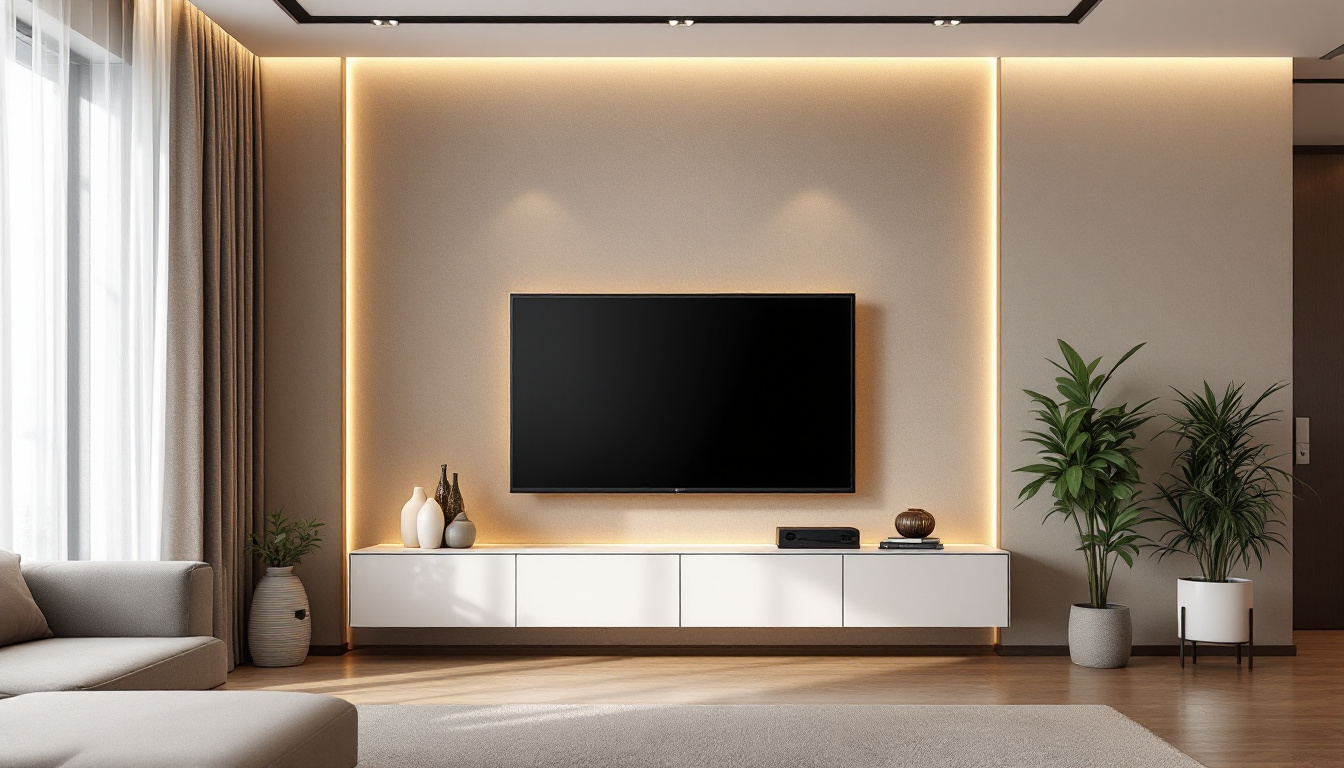
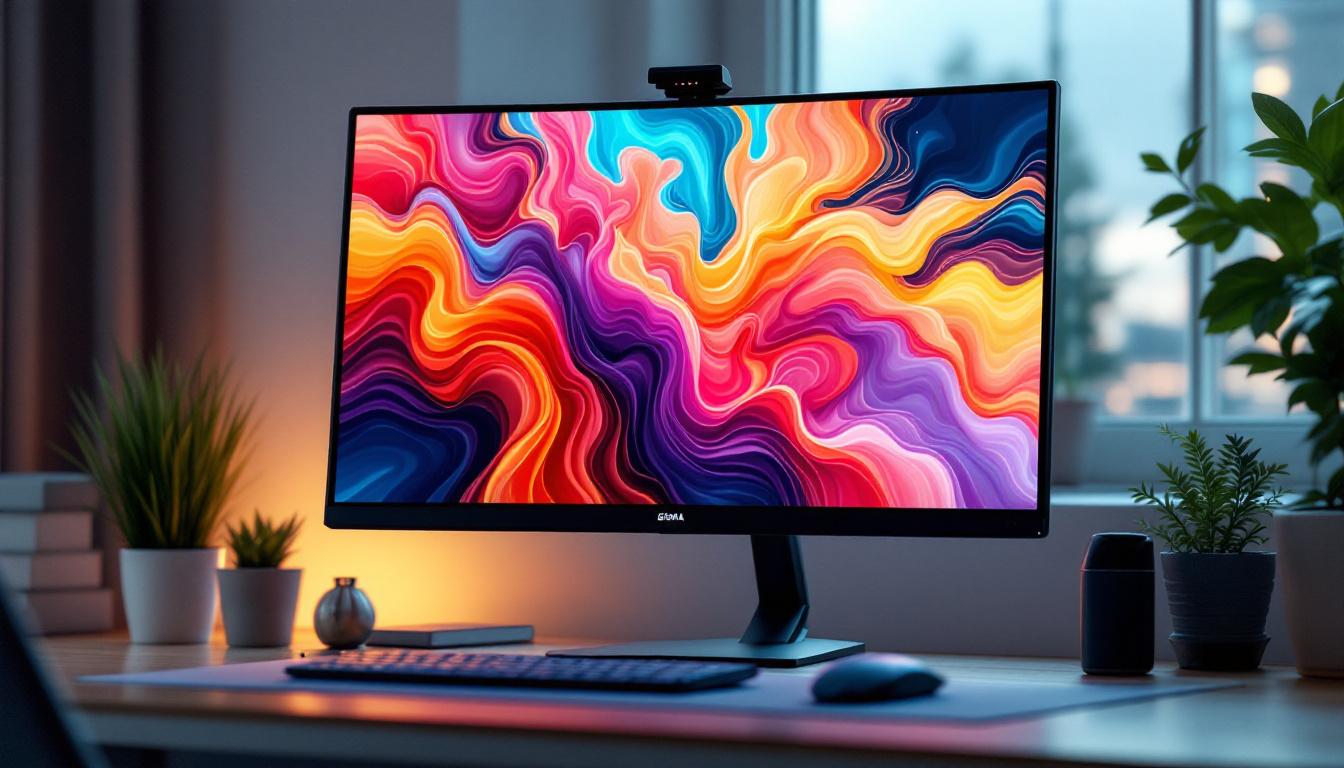
LED displays are increasingly prevalent in various industries, from advertising billboards to indoor event screens. Their sizes are often specified in inches, but understanding their dimensions in feet can provide a better spatial perspective, especially when planning installations or designing layouts. This conversion not only aids in visualizing the display’s size but also plays a critical role in ensuring that the display fits seamlessly into the intended environment, enhancing both functionality and aesthetics.
Common LED Display Sizes
LED displays come in a wide range of sizes. For example, a large outdoor billboard might measure over 165 inches in height or width. Knowing that 165 inches equals 13 feet 9 inches helps installers and designers visualize the actual scale of the display. Additionally, smaller LED screens, such as those used in retail environments, can range from 32 inches to 75 inches, translating to approximately 2.67 feet to 6.25 feet. Understanding these conversions is essential for creating effective marketing strategies that leverage the right display size for maximum impact.
Installation and Space Planning
When installing an LED display, precise measurements are crucial. The space where the display will be mounted must accommodate its dimensions comfortably, including clearance for ventilation and maintenance access. Converting inches to feet simplifies communication among teams, especially when architects and contractors typically work with feet and inches. Furthermore, considering the viewing distance is vital; larger displays may require more space to ensure that viewers can appreciate the content without straining their eyes. This aspect becomes particularly important in high-traffic areas where people will be viewing the display from various angles and distances.
Moreover, the integration of LED displays into existing structures can present unique challenges. For instance, when retrofitting an LED display into an older building, it is essential to assess the structural integrity and load-bearing capabilities of the installation site. This process often involves consulting with engineers to ensure that the display can be safely supported. The conversion of measurements from inches to feet can assist in creating detailed schematics that facilitate a smoother installation process, allowing for a more efficient collaboration between design and construction teams.
Applications of 165-Inch LED Displays
LED displays measuring around 165 inches are versatile and commonly used in various settings. Understanding their size in feet helps stakeholders make informed decisions about their placement and use.
Outdoor Advertising
Billboards and large outdoor screens often use panels that measure around 165 inches in one dimension. These displays attract attention due to their size and brightness, making them effective for advertising in high-traffic areas. With advancements in LED technology, these displays are now capable of producing vibrant colors and high-definition images, ensuring that advertisements are not only eye-catching but also convey messages with clarity. Furthermore, the ability to change content remotely allows advertisers to tailor their messages based on time of day or audience demographics, maximizing the impact of their campaigns.
Indoor Events and Venues
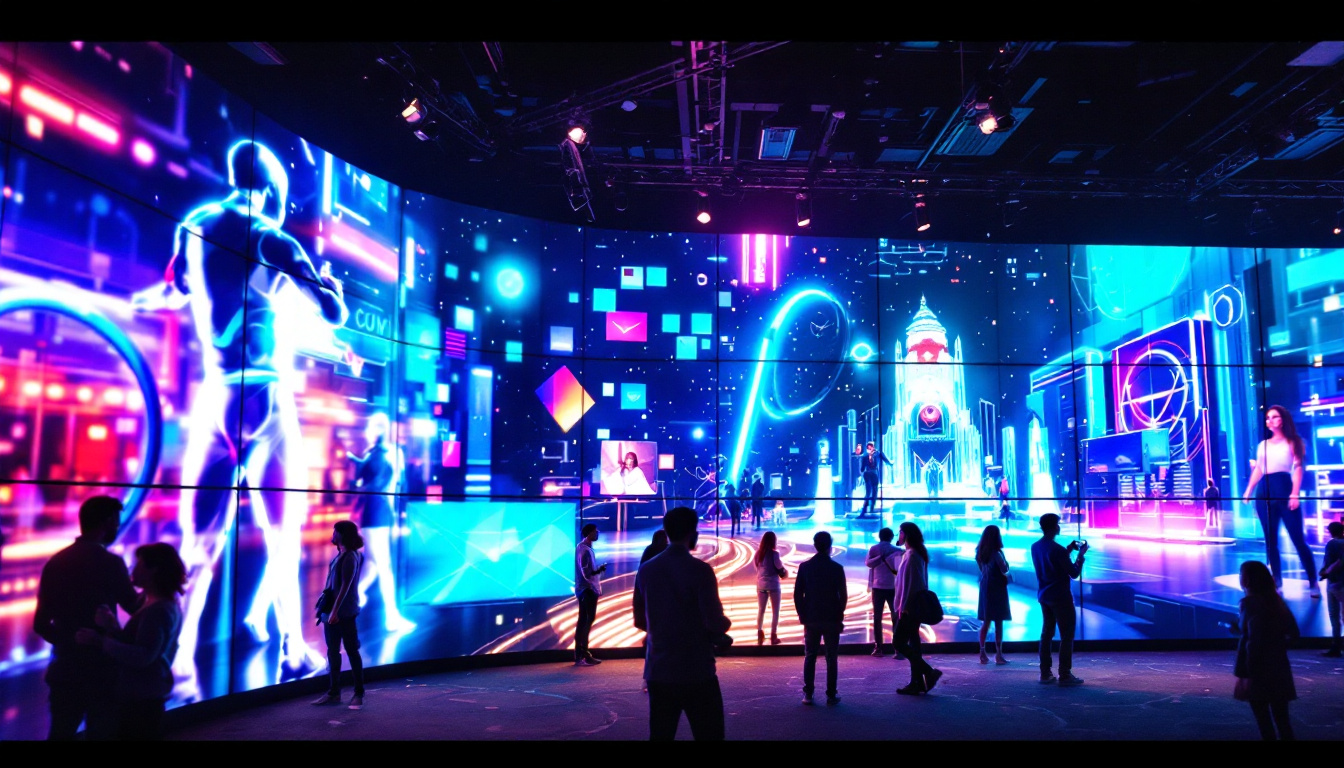
In concert halls, conference centers, and sports arenas, LED displays of this size are used to provide clear visuals to large audiences. Knowing the exact size in feet helps event planners ensure the screens fit within the venue’s spatial constraints. These displays can also be integrated with sound systems to create an immersive experience for attendees, whether it’s for live performances or corporate presentations. Additionally, the flexibility of LED displays allows for creative configurations, such as curved or multi-panel setups, which can enhance the visual experience and engage audiences in new ways.
Retail and Commercial Spaces
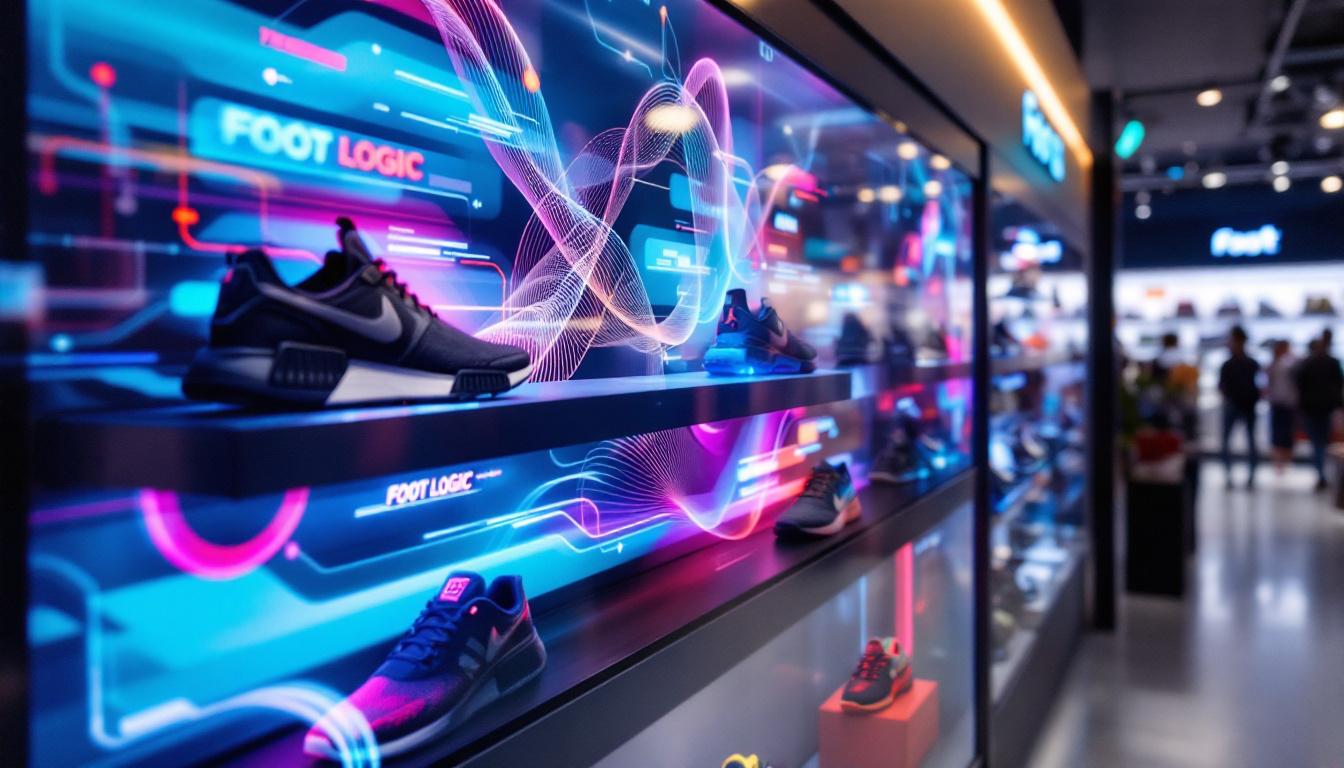
Retail stores and commercial buildings use LED displays for dynamic signage and promotions. A 165-inch screen (13 feet 9 inches) can serve as a focal point in a store window or lobby, enhancing customer engagement. These displays not only showcase products but can also be used to tell a brand’s story or highlight seasonal promotions, creating a more interactive shopping experience. The capability to display real-time information, such as inventory levels or customer reviews, further enriches the consumer’s journey. Moreover, with the rise of digital marketing, retailers are increasingly leveraging these screens for targeted advertising, ensuring that the right messages reach the right audience at the right time.
Technical Considerations for LED Displays of This Size
Beyond size, several technical factors influence the performance and suitability of a 165-inch LED display.
Resolution and Pixel Pitch
Resolution refers to the number of pixels on the display, affecting image clarity. Pixel pitch, the distance between pixels, is crucial for determining viewing distance and image sharpness. Larger displays like a 165-inch screen require careful selection of pixel pitch to ensure optimal viewing experience.
Brightness and Viewing Angle
Brightness levels must be sufficient for the display’s environment, especially outdoors where sunlight can impact visibility. Viewing angles are also important to ensure the image is clear from different positions.
Weight and Mounting
LED displays of this size can be heavy, requiring robust mounting solutions. Understanding the dimensions in feet helps engineers design appropriate support structures and plan for installation logistics.
How to Measure LED Displays Accurately
Accurate measurement of LED displays is essential for proper installation and integration into a space.
Measuring Diagonal Size
LED displays are often measured diagonally, similar to televisions. For a display that is 165 inches tall, the diagonal measurement will be larger depending on the width.
Height and Width Measurements
Knowing both height and width in feet allows for precise planning. For example, a 165-inch height equals 13 feet 9 inches, but the width could vary significantly depending on the aspect ratio.
Using Measurement Tools
Laser distance meters and tape measures are commonly used tools for measuring LED displays and their installation spaces. Ensuring measurements are accurate prevents costly errors during installation.
Conclusion: The Importance of Accurate Conversion and Understanding
Converting 165 inches to feet reveals that the measurement equals 13 feet 9 inches, a useful figure when visualizing size in practical terms. This conversion is particularly relevant in the context of LED displays, where understanding dimensions is critical for installation, design, and usage.
Whether planning an outdoor billboard, an indoor event screen, or a commercial display, knowing how to translate inches into feet provides clarity and facilitates better communication among professionals. Additionally, considering technical factors such as resolution, brightness, and mounting requirements ensures the LED display performs optimally in its intended environment.
In summary, mastering the conversion between inches and feet, especially for measurements like 165 inches, is a foundational skill that supports effective planning and deployment of LED display technology in various industries.
Discover the Perfect LED Display Solution with LumenMatrix
Now that you understand the importance of accurate measurement conversions for LED displays, take the next step with LumenMatrix. As a leader in innovative LED display technology, we offer a wide array of solutions tailored to your needs, from Indoor and Outdoor LED Wall Displays to specialized options like Vehicle, Sports, and Floor LED Displays. Our mission is to transform your visual communication, ensuring your message resonates with stunning clarity and impact. Don’t just imagine the possibilities—see them in action. Check out LumenMatrix LED Display Solutions today and elevate your space with captivating visual experiences.