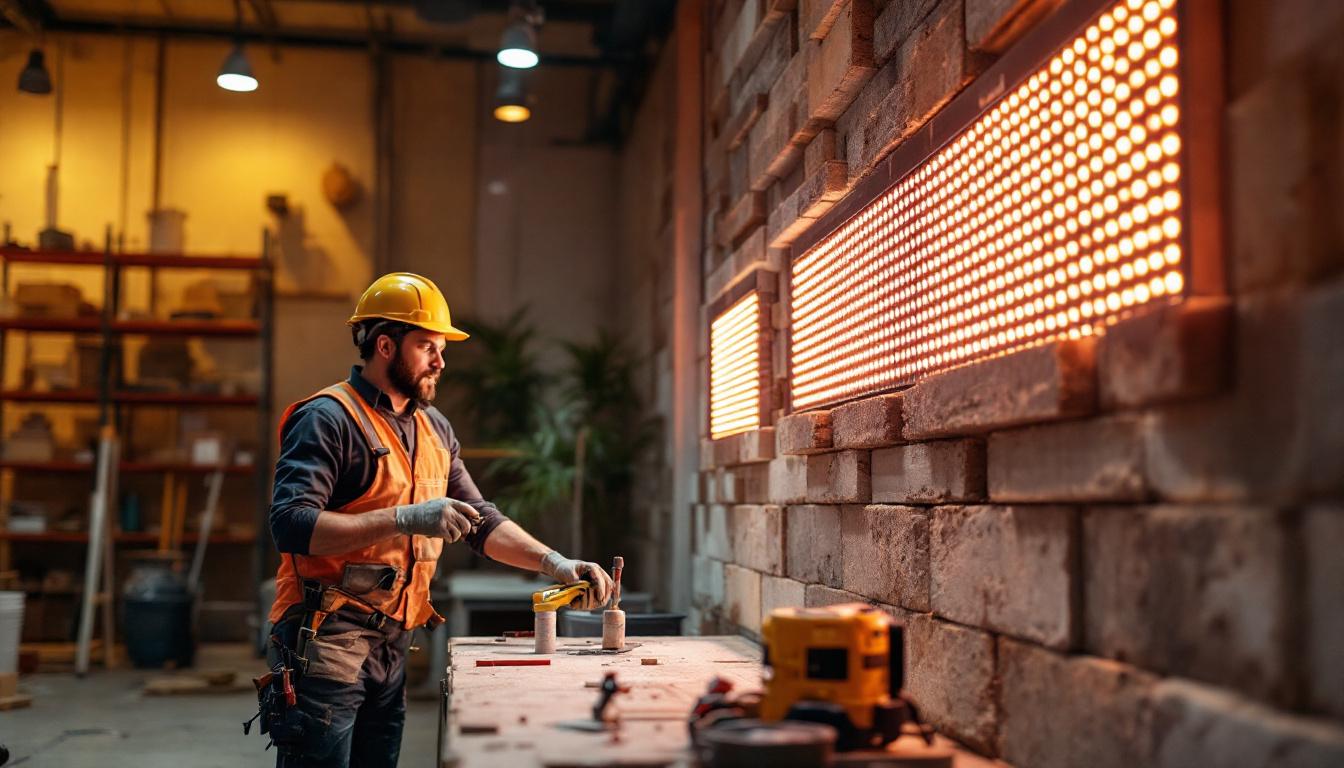
Constructing a block wall is a foundational skill in both residential and commercial building projects. When combined with modern technology such as LED displays, block walls can transform from simple structural elements into dynamic, interactive surfaces. This article explores the comprehensive process of building a block wall and explains how LED displays can be integrated seamlessly, offering both aesthetic appeal and functional advantages.
Understanding the Basics of Block Wall Construction
Before diving into the integration of LED displays, it’s essential to understand the fundamentals of building a sturdy and reliable block wall. Block walls are typically constructed using concrete masonry units (CMUs), which provide strength, durability, and versatility.
Materials and Tools Required
Building a block wall requires specific materials and tools to ensure the wall’s integrity and longevity. The primary materials include concrete blocks, mortar mix, rebar for reinforcement, and gravel or crushed stone for the foundation. Common tools include a trowel, level, masonry saw, string line, and a wheelbarrow for mixing mortar.
Choosing high-quality concrete blocks is crucial. Blocks vary in size, density, and finish, with some designed specifically for load-bearing walls and others for decorative purposes. Mortar, typically a mix of cement, sand, and water, acts as the adhesive binding the blocks together.
Step-by-Step Construction Process
The construction of a block wall follows a series of methodical steps, each critical to the wall’s stability:
- Foundation Preparation: Excavate the site and lay a solid concrete footing to support the wall’s weight.
- Setting the First Course: Lay the first row of blocks carefully, ensuring they are level and aligned using a string line.
- Mortar Application: Apply mortar evenly between blocks, maintaining consistent joint thickness for strength and aesthetics.
- Reinforcement: Insert rebar vertically and horizontally within the wall to enhance structural integrity, especially for taller walls.
- Building Up: Continue laying courses of blocks, staggering joints to improve stability, and checking alignment regularly.
- Finishing Touches: Once the wall reaches the desired height, finish the mortar joints with tooling to create a clean, weather-resistant surface.
Following these steps meticulously ensures the block wall will withstand environmental pressures and provide a reliable base for any additional installations, including LED displays.
Integrating LED Displays into Block Walls
LED displays have revolutionized how information and visuals are presented in public and private spaces. Integrating these displays into block walls requires careful planning and execution to maintain both the wall’s structural integrity and the display’s functionality.
Why Combine Block Walls with LED Displays?
Block walls offer a robust and durable surface that can support the weight and wiring of LED panels. When combined, the result is a visually striking and highly functional installation that can serve multiple purposes:
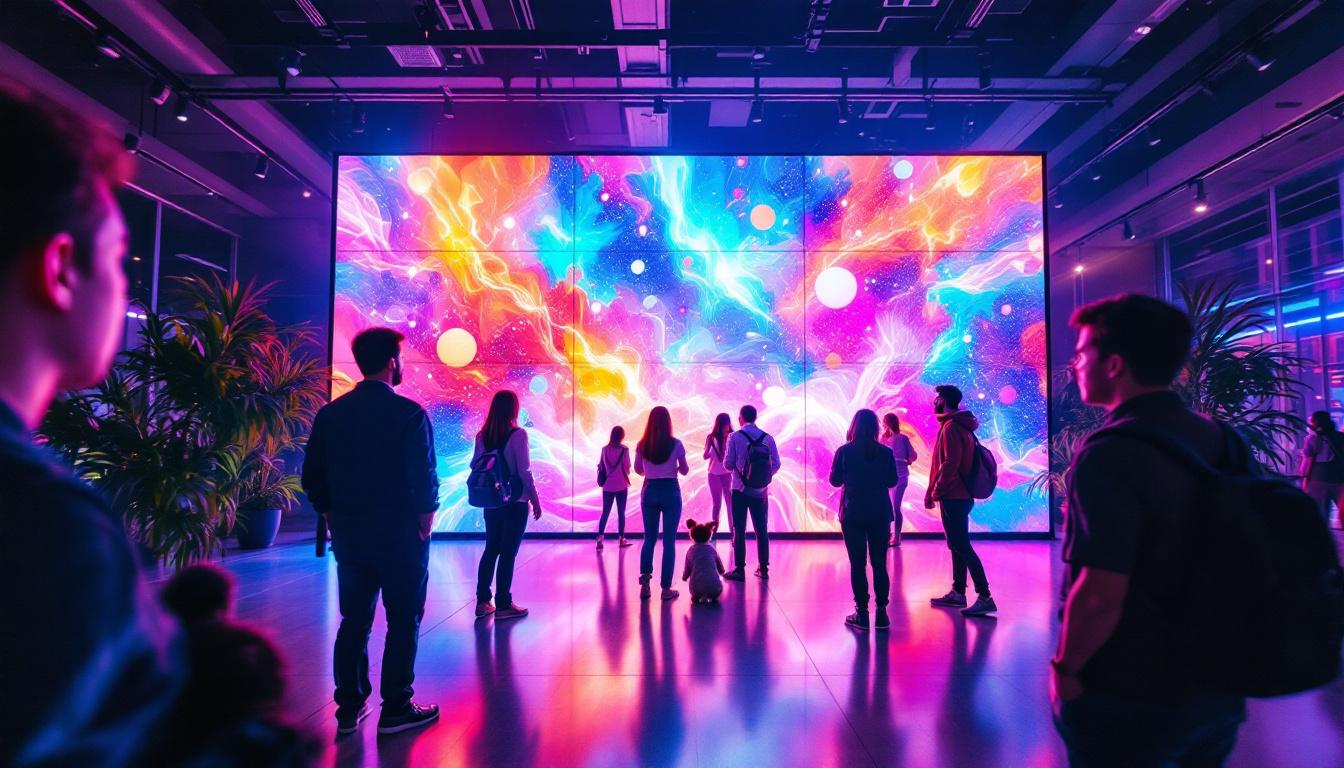
- Advertising and Marketing: Retailers and businesses use LED walls to attract customers with vibrant, dynamic content.
- Information Displays: Public spaces such as transportation hubs or stadiums benefit from real-time updates and announcements.
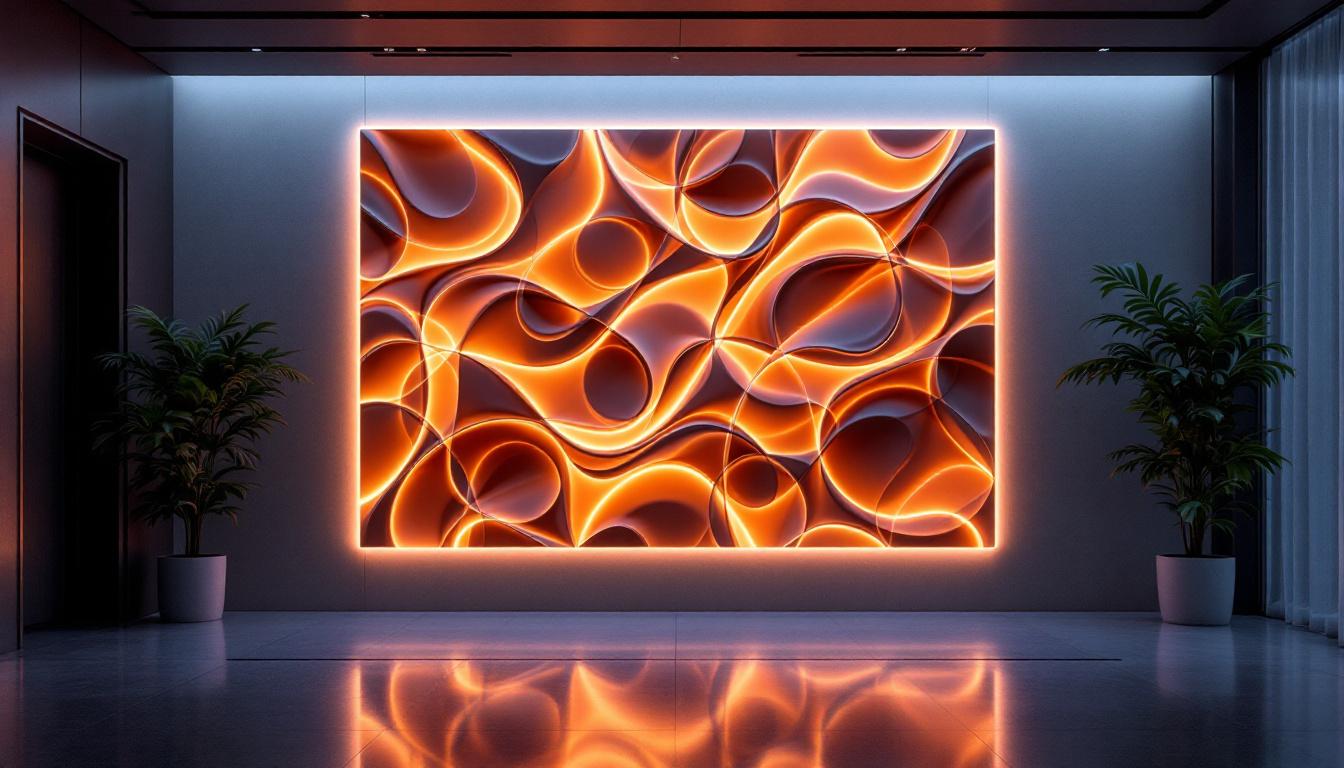
- Architectural Enhancement: LED walls can transform plain block walls into engaging art installations or ambient lighting features.
The durability of block walls ensures that the LED displays remain securely mounted and protected from environmental damage.
Types of LED Displays Suitable for Block Walls
Selecting the right type of LED display is critical for successful integration. The most common types include:
- Indoor LED Panels: Designed for controlled environments, these panels offer high resolution and brightness suitable for interior block walls.
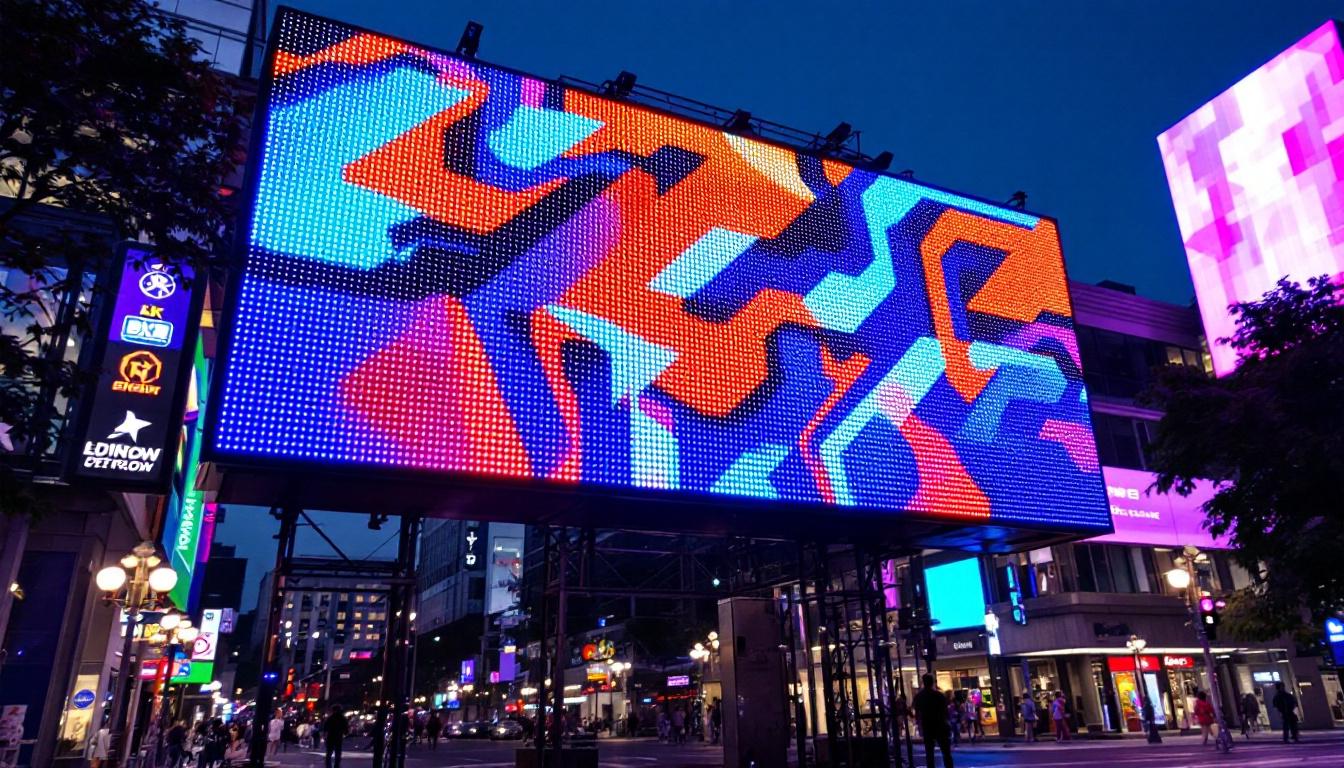
- Outdoor LED Displays: Built to withstand weather conditions, these displays are ideal for exterior block walls and public installations.
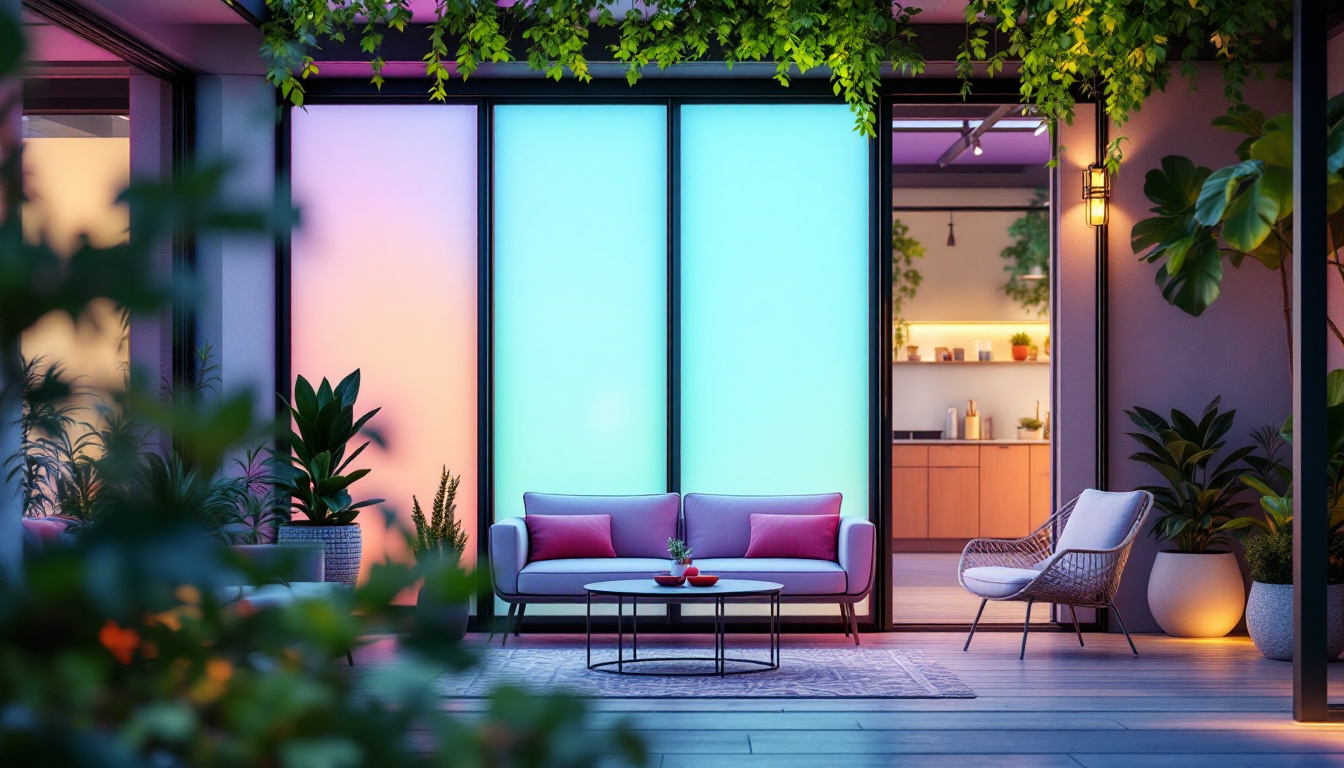
- Transparent LED Screens: These innovative displays allow light to pass through, making them suitable for decorative block walls with openings or glass elements.
Each type has specific mounting and wiring requirements that must be considered during the wall construction phase.
Planning and Installation Considerations
Integrating an LED display into a block wall is a multidisciplinary task involving structural engineering, electrical work, and digital technology. Key considerations include:
- Structural Support: The block wall must be engineered to support the weight of the LED panels and associated hardware. Reinforcement with steel framing or additional masonry may be necessary.
- Electrical Infrastructure: Proper conduits and wiring channels should be incorporated into the wall during construction to facilitate power supply and data transmission.
- Ventilation and Cooling: LED displays generate heat; adequate ventilation or cooling systems must be planned to prevent overheating and ensure longevity.
- Accessibility for Maintenance: Designing access panels or removable sections in the block wall allows for easy maintenance and repairs of the LED system.
Early collaboration between architects, engineers, and LED technology specialists is essential to address these factors effectively.
Technical Aspects of LED Display Installation on Block Walls
The successful installation of LED displays on block walls depends on both the physical mounting and the technological integration of the display system.
Mounting Techniques
There are several mounting methods to attach LED panels to block walls, each suited to different project requirements:
- Direct Mounting: Panels are fixed directly onto the block surface using anchors and brackets. This method is straightforward but requires a perfectly flat wall.
- Frame Mounting: A metal frame is constructed on the block wall, providing a level and stable surface for the LED panels. This approach allows for easier alignment and adjustment.
- Flush Mounting: The LED display is recessed into the block wall, creating a seamless appearance. This technique involves cutting into the wall and is more complex but offers superior aesthetics.
Choosing the appropriate mounting technique depends on the wall’s design, the LED display type, and aesthetic goals.
Electrical and Data Connectivity
LED displays require reliable power and data connections to operate effectively. When integrating these into block walls, consider the following:
- Power Supply: Ensure that the electrical wiring meets local codes and provides sufficient current for the LED panels. Surge protection and backup power options enhance reliability.
- Data Transmission: LED displays often rely on Ethernet or fiber optic cables for content delivery. Concealing these cables within the block wall protects them from damage and maintains a clean appearance.
- Control Systems: The display controller, often housed in a secure enclosure, manages the content and screen functionality. It should be easily accessible for updates and troubleshooting.
Proper planning of these systems during the block wall construction phase minimizes retrofitting challenges and ensures smooth operation.
Maintenance and Longevity of Block Wall LED Displays
Maintaining the integrity of both the block wall and the LED display is vital for long-term performance. Regular inspection and upkeep prevent costly repairs and downtime.
Routine Inspection and Cleaning
Dust, dirt, and moisture can degrade LED display performance over time. Routine cleaning with appropriate materials preserves brightness and color accuracy. Additionally, inspecting the block wall for cracks or mortar deterioration helps identify structural issues early.
Addressing Environmental Challenges
Outdoor block wall LED displays face environmental stressors such as UV exposure, rain, and temperature fluctuations. Protective coatings on the block wall and weatherproof LED panels extend the lifespan of the installation. Implementing drainage solutions around the wall prevents water accumulation that could damage both the masonry and electronics.
Repair and Replacement Strategies
Modular LED panels facilitate quick replacement of faulty sections without dismantling the entire display. Similarly, damaged blocks or mortar joints can be repaired with patching compounds or by replacing individual blocks, preserving the wall’s structural integrity.
Planning for maintenance access during the initial construction phase significantly reduces future repair costs and complexity.
Case Studies: Successful Block Wall LED Display Installations
Examining real-world examples highlights best practices and innovative approaches to combining block walls with LED technology.
Urban Advertising Facade in New York City
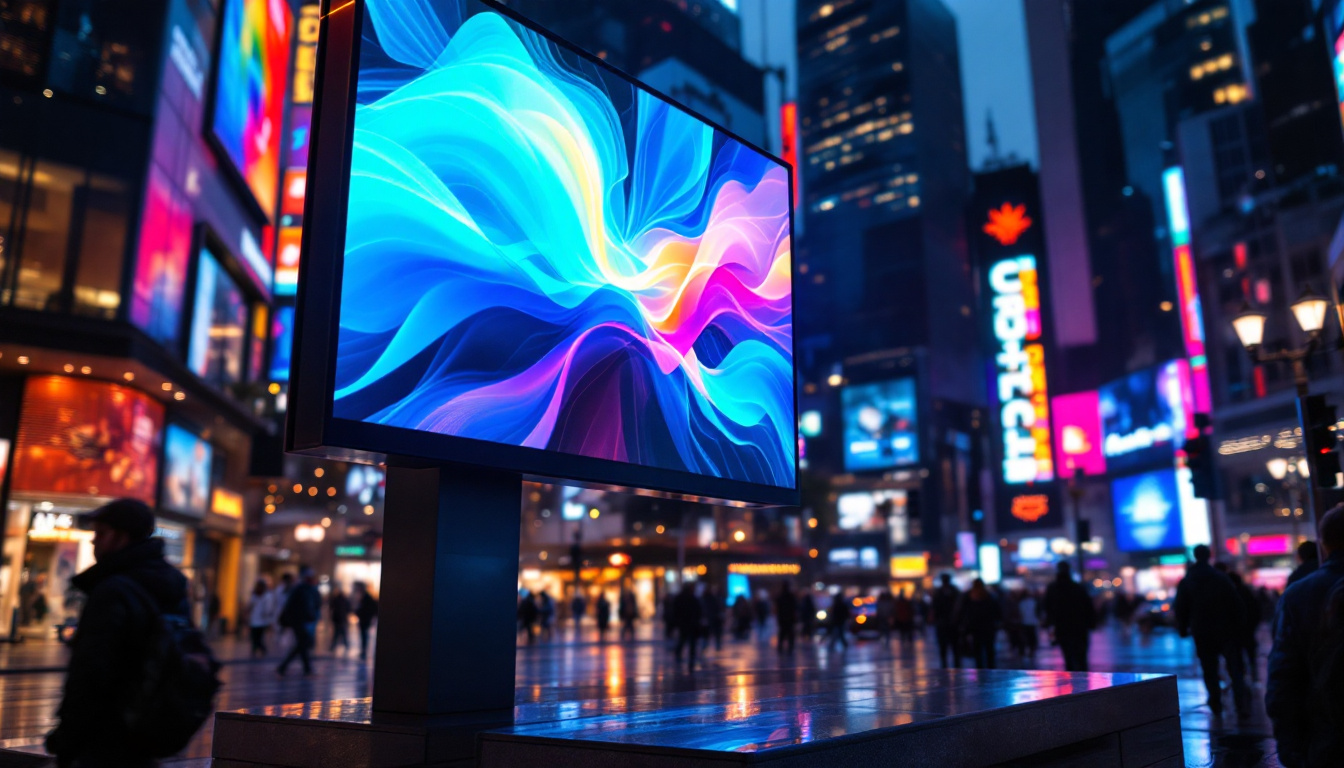
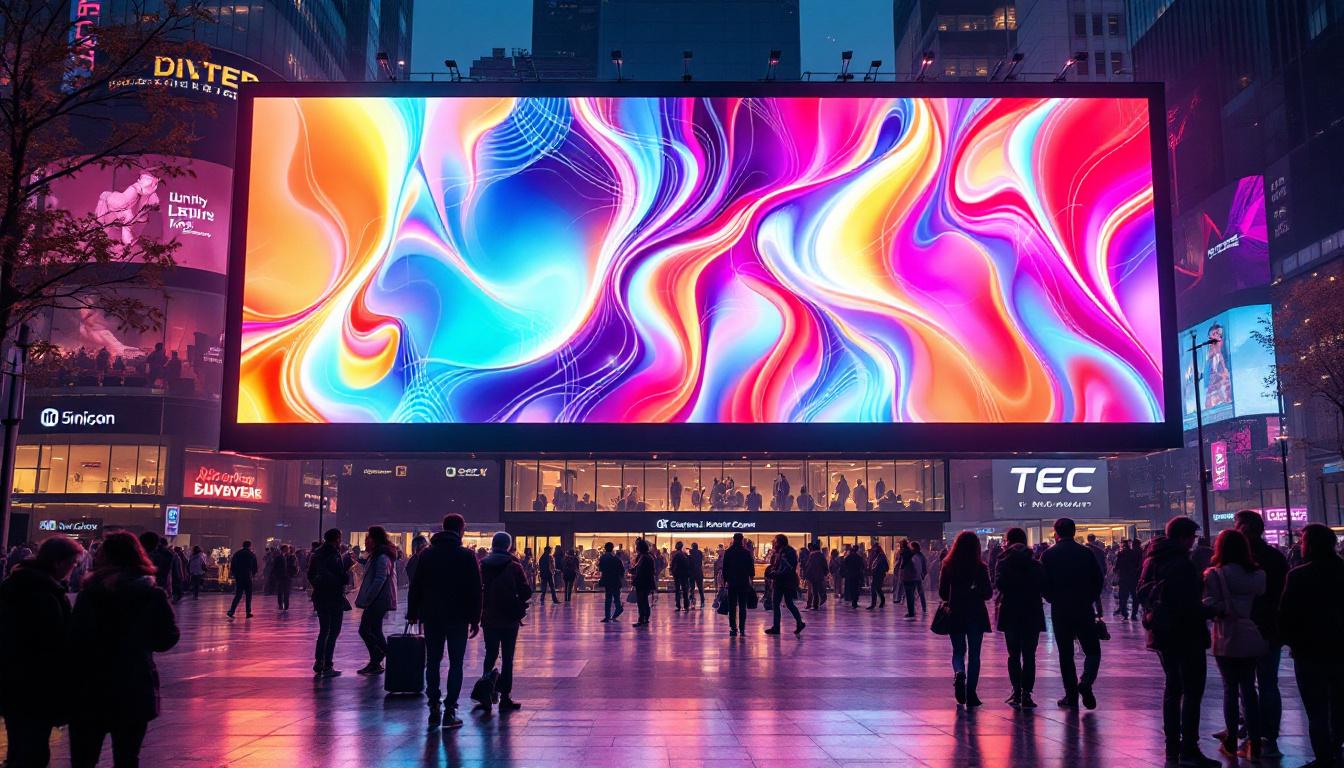
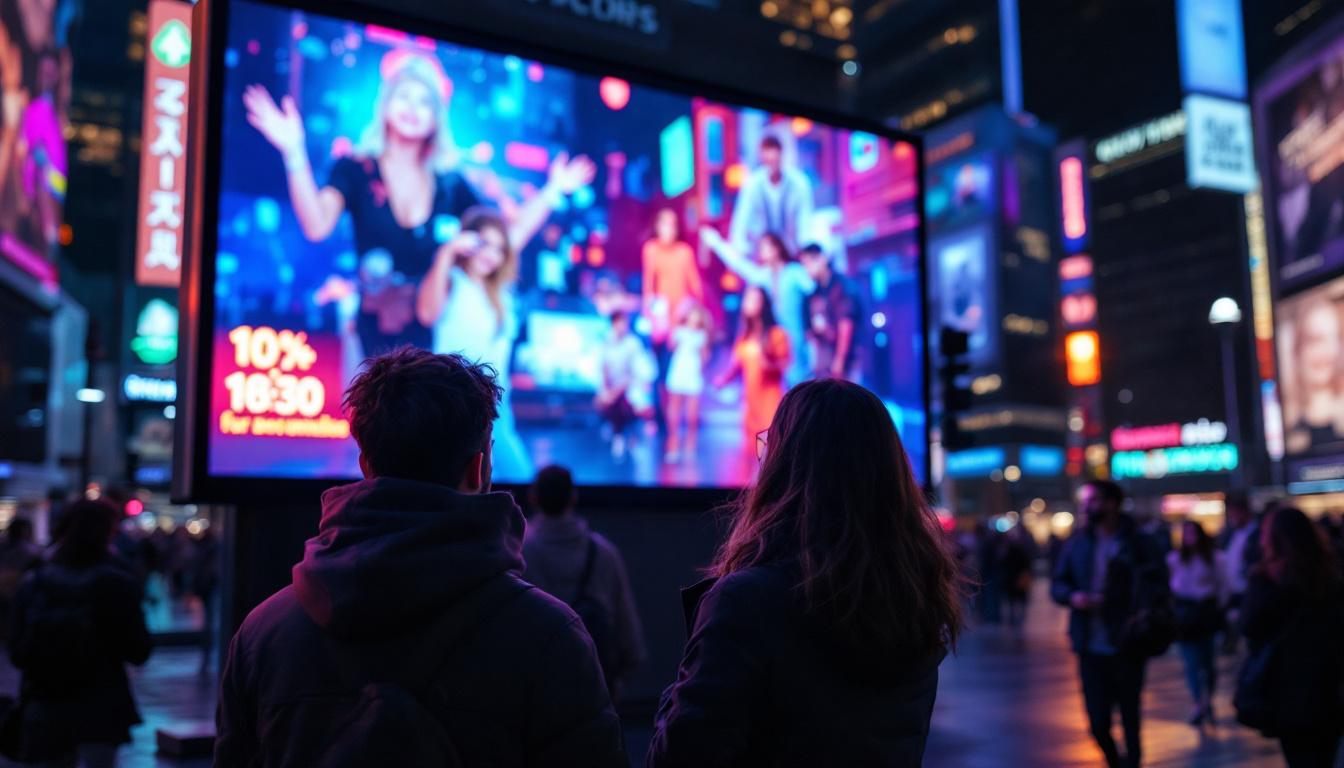
A commercial building in Manhattan integrated a large-scale LED display into its exterior block wall, creating a vibrant advertising facade. The project involved reinforcing the existing masonry with steel framing and installing weatherproof LED panels. The display operates 24/7, showcasing dynamic content that attracts thousands of viewers daily.
Interactive Public Information Wall in Tokyo
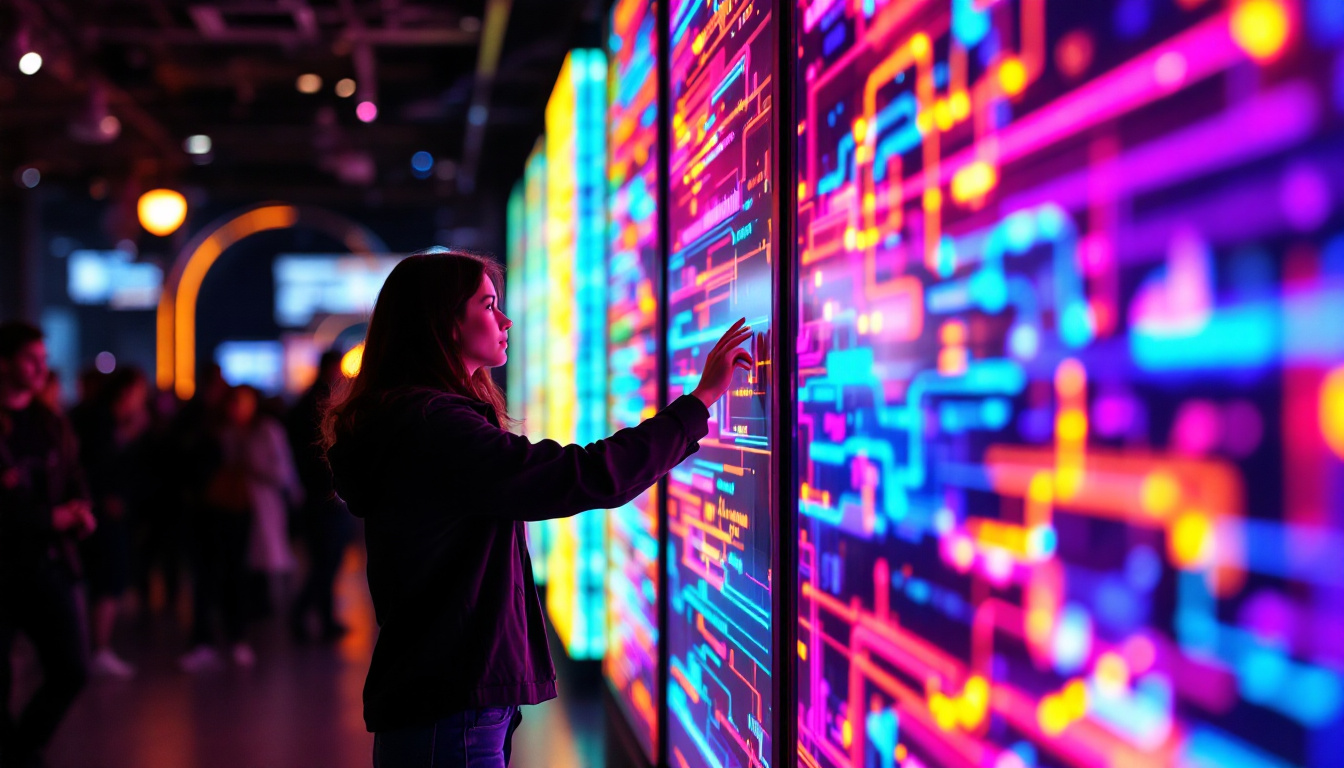
In Tokyo’s bustling Shibuya district, a block wall LED display serves as an interactive information hub. The wall features transparent LED panels embedded within the masonry, allowing natural light to pass through while displaying real-time transit updates and event information. The installation required precise coordination between structural engineers and digital content providers to achieve seamless integration.
Architectural Lighting Installation in Dubai
A luxury hotel in Dubai incorporated LED displays into its decorative block walls to create ambient lighting effects that change according to time of day and special events. The LED panels are flush-mounted within the walls, providing a sleek and modern aesthetic. The project demonstrates how block walls can be transformed into dynamic architectural elements using LED technology.
Conclusion: The Future of Block Walls and LED Displays
Combining traditional block wall construction with cutting-edge LED display technology opens new possibilities for architecture, advertising, and public communication. As LED technology continues to advance—becoming more energy-efficient, flexible, and high-resolution—the potential applications within masonry structures will expand.
Successful integration requires careful planning, collaboration across disciplines, and attention to both structural and technological details. By following best practices in block wall construction and LED display installation, builders and designers can create durable, visually compelling installations that stand the test of time.
For professionals and enthusiasts alike, understanding the synergy between these two elements is key to harnessing their full potential in future projects.
Explore Cutting-Edge LED Display Solutions with LumenMatrix
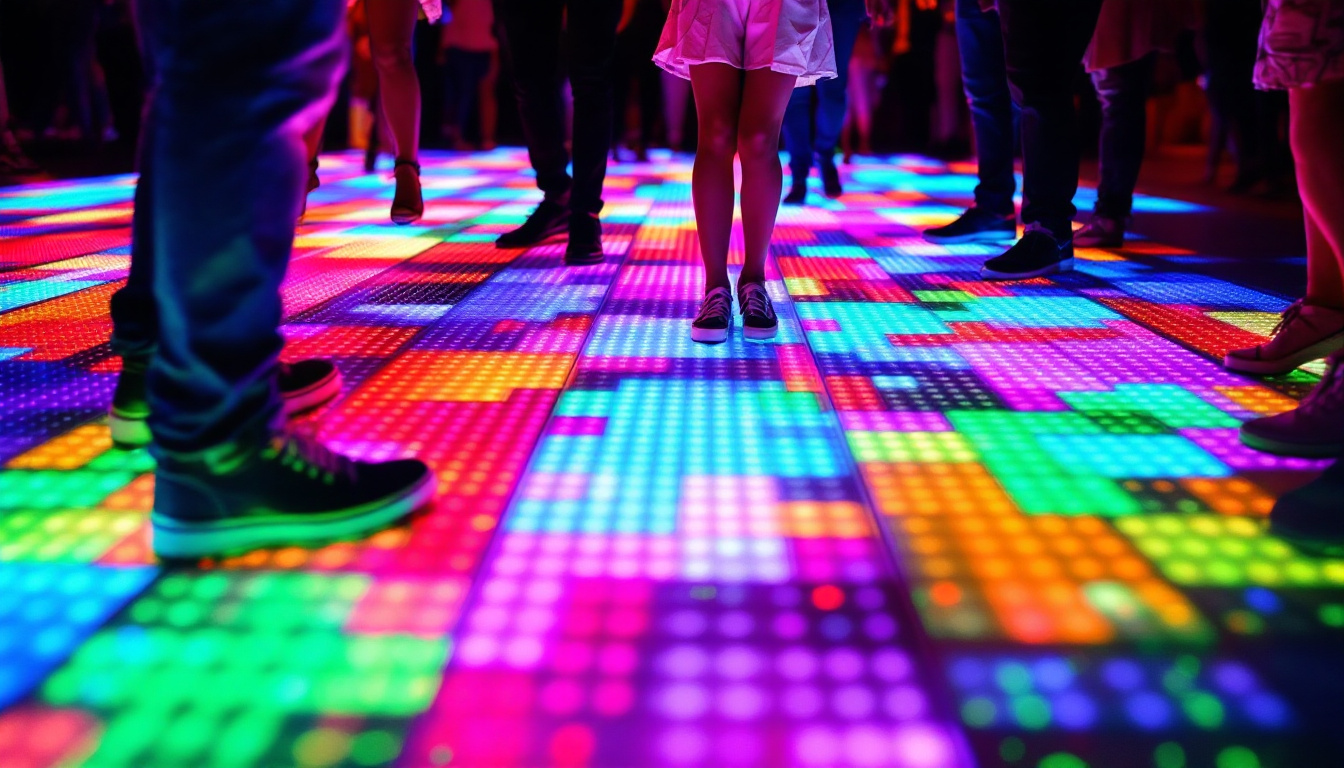
Ready to elevate your block wall projects with the latest in LED display technology? LumenMatrix is at the forefront of innovation, offering a diverse range of LED display solutions that bring walls to life. From Indoor and Outdoor LED Wall Displays to specialized options like Vehicle, Sports, and Floor LED Displays, our products are designed to captivate and engage. Discover how our Custom, All-in-One, and Transparent LED Displays can transform your space and communication. Check out LumenMatrix LED Display Solutions today and start creating unforgettable visual experiences.