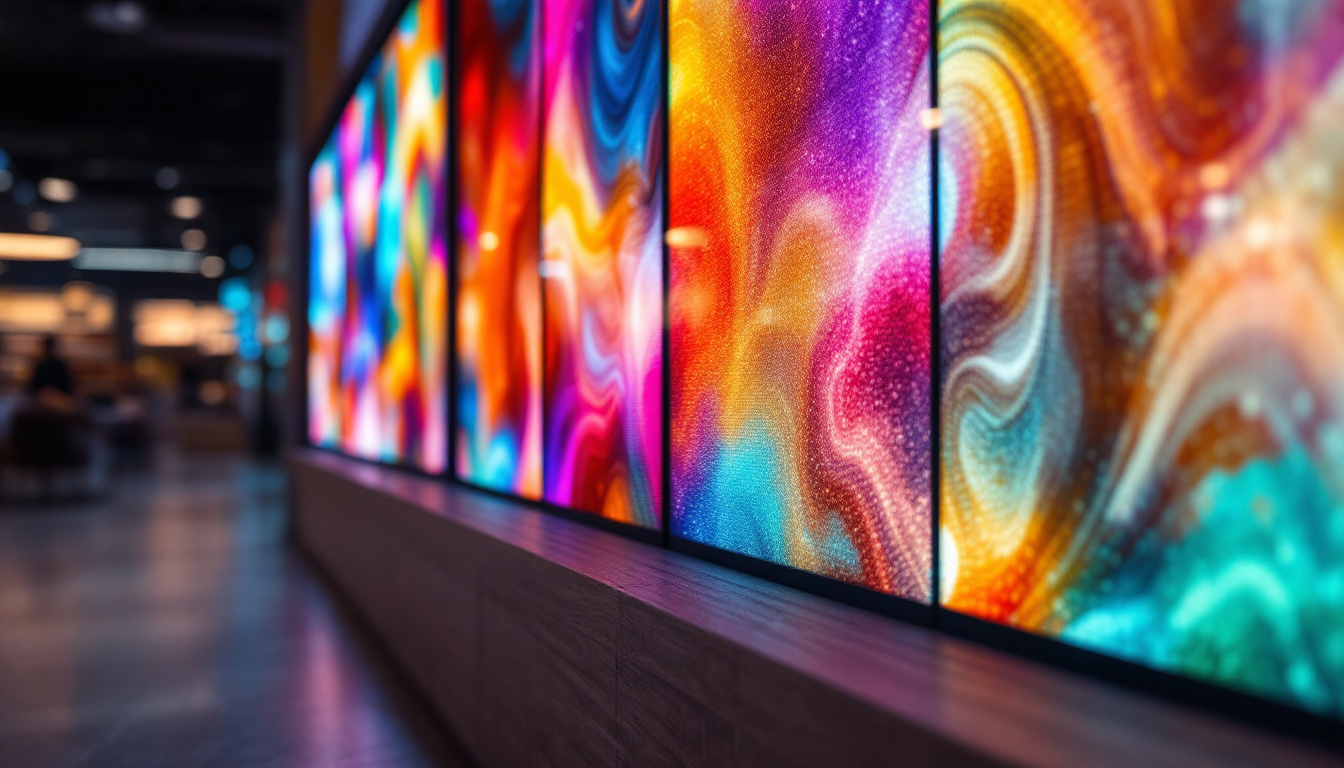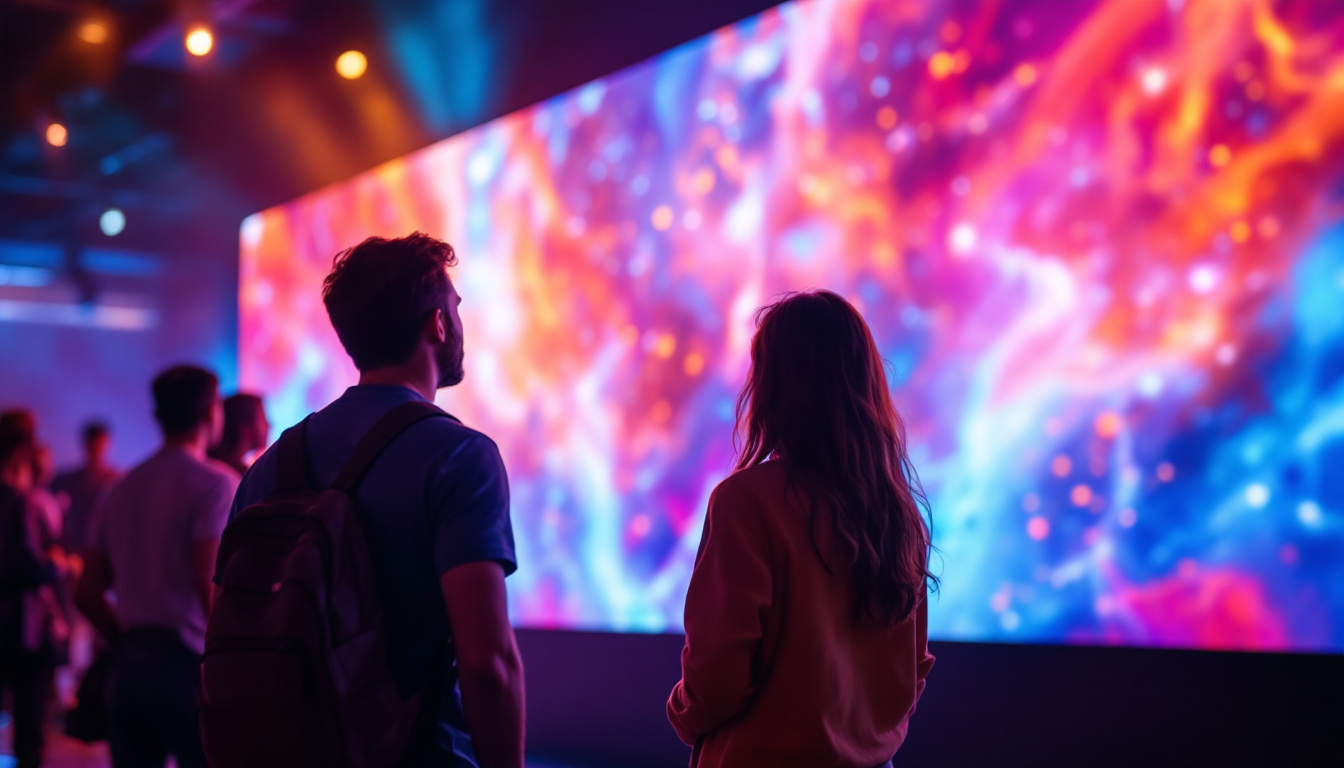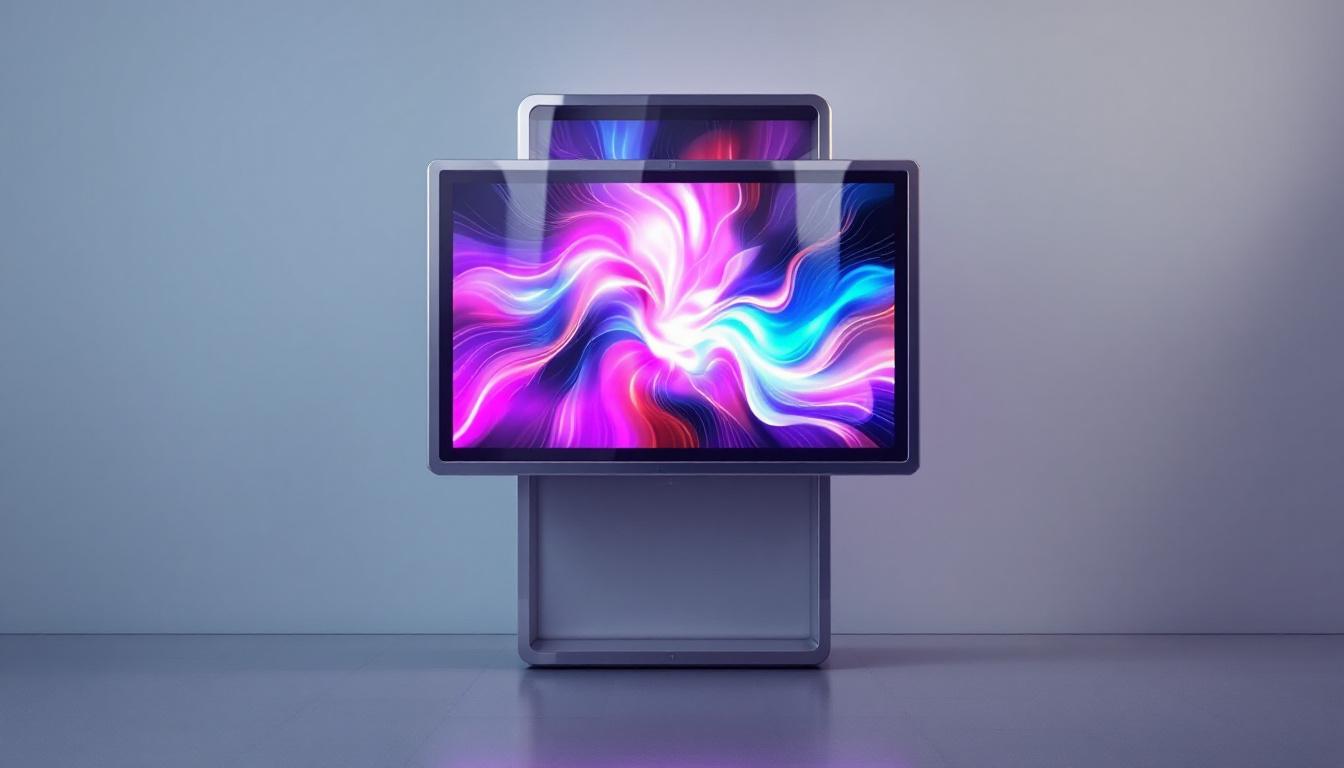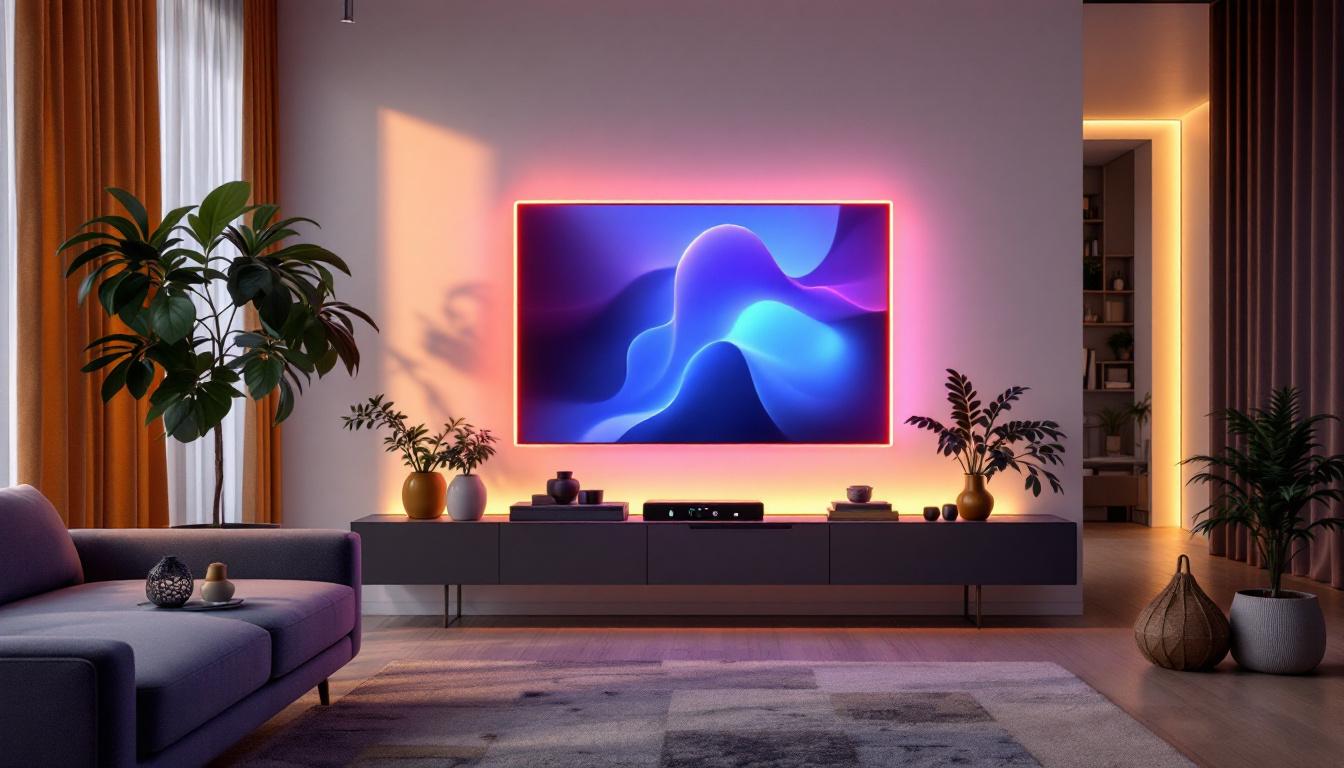
In modern interior design and commercial spaces, the concept of flexible room division has evolved beyond traditional walls and partitions. Indoor room separators equipped with LED displays are becoming increasingly popular as they combine functionality with dynamic visual appeal. This article delves into the technology behind LED display room separators, their applications, benefits, and considerations for choosing the right solution.
Understanding Indoor Room Separators with LED Displays
Indoor room separators are physical dividers used to partition a larger space into smaller, more manageable sections. Traditionally, these separators have been static panels made of wood, fabric, or glass. However, integrating LED display technology transforms these dividers into interactive, visually engaging elements that serve multiple purposes.
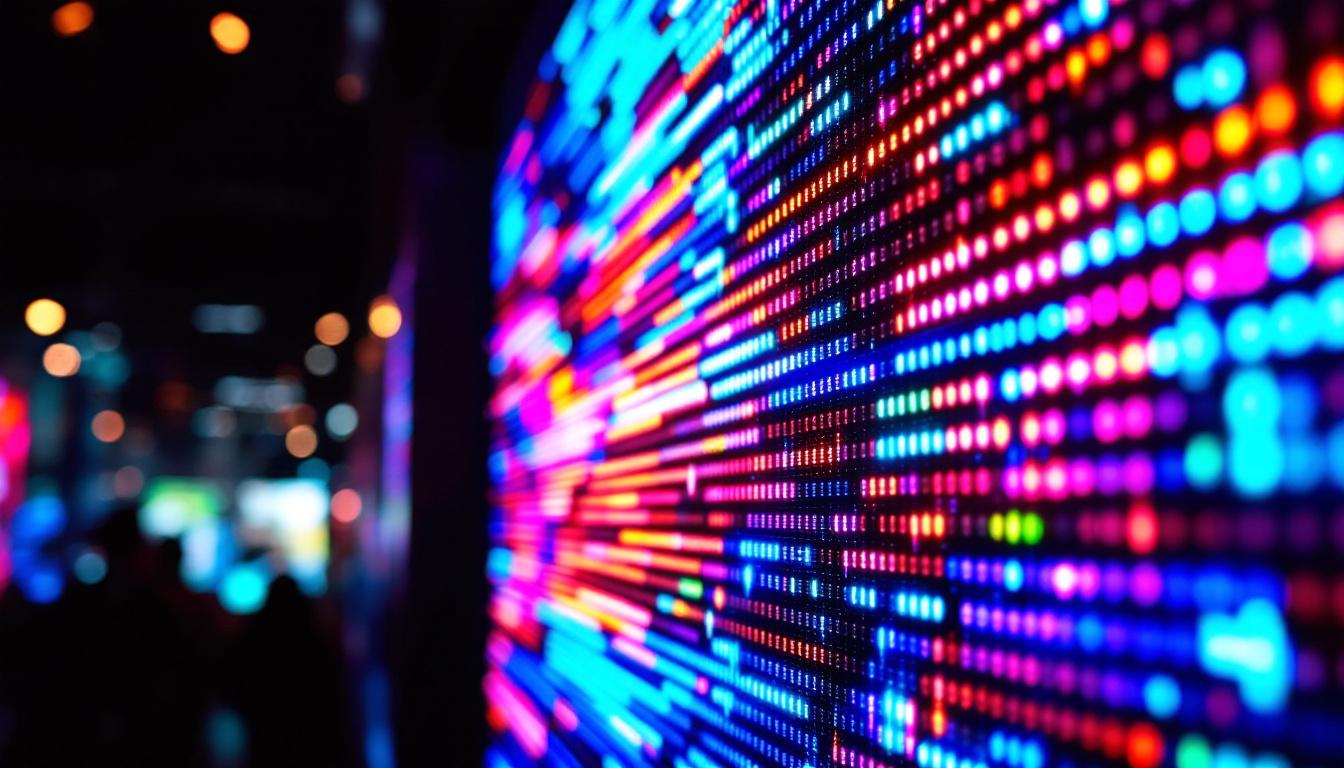
LED (Light Emitting Diode) displays consist of numerous tiny diodes that emit light when an electric current passes through them. These diodes can be arranged in various configurations to create high-resolution screens capable of displaying images, videos, and text. When embedded into room separators, LED displays enable the partition to become a digital canvas, enhancing the ambiance and functionality of the space.
How LED Room Separators Work
The core of an LED room separator is its modular LED panel system. These panels are designed to be lightweight and thin, allowing them to be integrated seamlessly into the frame of the separator. The panels connect to a control system that manages the content displayed, which can be updated in real-time through software interfaces.
Modern LED separators often use SMD (Surface-Mounted Device) technology, which provides excellent brightness, color accuracy, and viewing angles. This ensures that the display remains vivid and clear even in well-lit indoor environments. Additionally, the panels are designed to be energy-efficient and durable, suitable for continuous operation in commercial or residential settings.
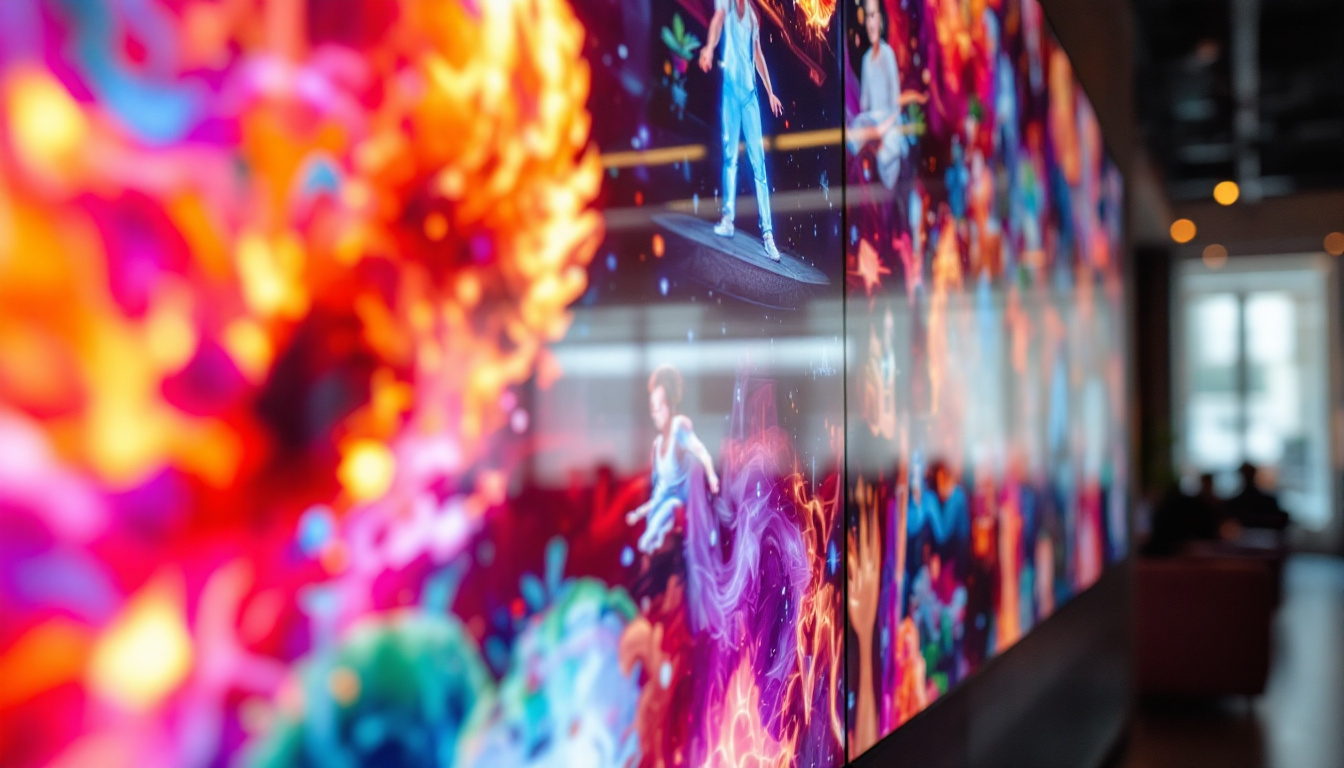
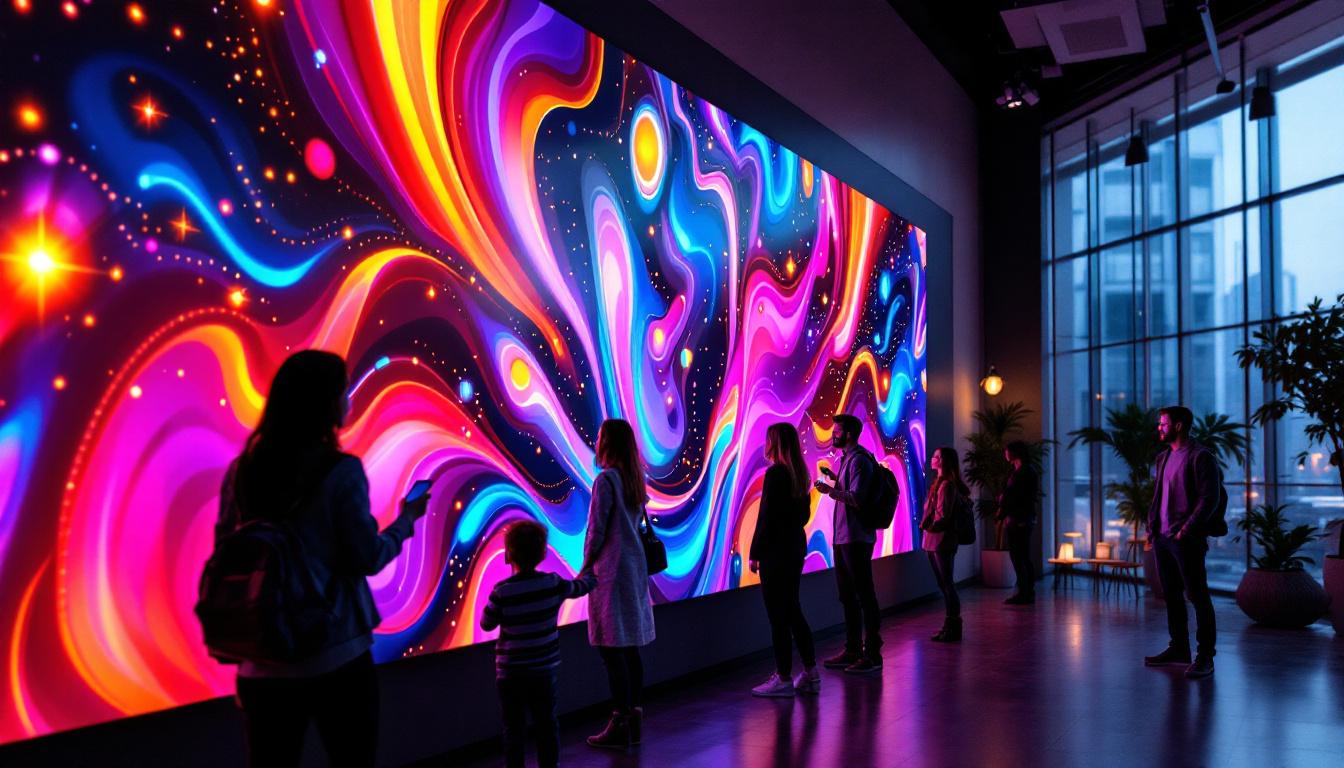
One of the most exciting aspects of LED room separators is their versatility. They can be programmed to display a variety of content, from dynamic visual art and branding messages to interactive presentations and wayfinding information. In corporate environments, for instance, these separators can be used to showcase company achievements, upcoming events, or even live social media feeds, fostering a more engaging atmosphere. In hospitality settings, they can transform a simple partition into an immersive experience, displaying themed visuals that match the mood of the event or the time of day.
Furthermore, the integration of smart technology allows these LED separators to respond to environmental cues. For example, they can adjust their brightness based on the ambient light in the room or switch content based on the time of day, creating a more personalized experience for users. This adaptability not only enhances the aesthetic appeal of a space but also contributes to energy savings, making LED room separators an eco-friendly choice for modern design.
Applications of LED Display Room Separators
The versatility of LED display room separators makes them suitable for a wide range of environments. Their ability to combine physical space division with digital communication opens up innovative possibilities across industries.
Corporate Offices and Meeting Spaces
In corporate environments, flexibility and communication are key. LED separators can divide open-plan offices into smaller work zones or meeting areas while simultaneously displaying important company messages, schedules, or branding elements. This dual functionality enhances both privacy and engagement.
For example, a tech company might use LED room separators to create impromptu collaboration zones that display live project updates or motivational content. This approach fosters a dynamic workspace that adapts to the needs of its users. Moreover, the ability to customize the displayed content allows companies to tailor their messaging to specific teams or projects, ensuring that employees remain informed and inspired throughout their workday.
Retail and Hospitality Settings
Retail stores and hotels benefit from LED separators by using them to guide customer flow, highlight promotions, or create immersive brand experiences. A retail boutique might partition sections of the store with LED panels showcasing seasonal collections or promotional videos, enticing shoppers and enhancing the shopping experience.
In restaurants or hotel lobbies, LED separators can create intimate dining or waiting areas while displaying ambient visuals or event information, contributing to a sophisticated atmosphere. Additionally, these displays can be programmed to change throughout the day, adapting to different customer demographics or events, such as transitioning from a relaxed morning vibe to a vibrant evening ambiance, thereby maximizing the establishment’s appeal at all hours.
Exhibitions and Events
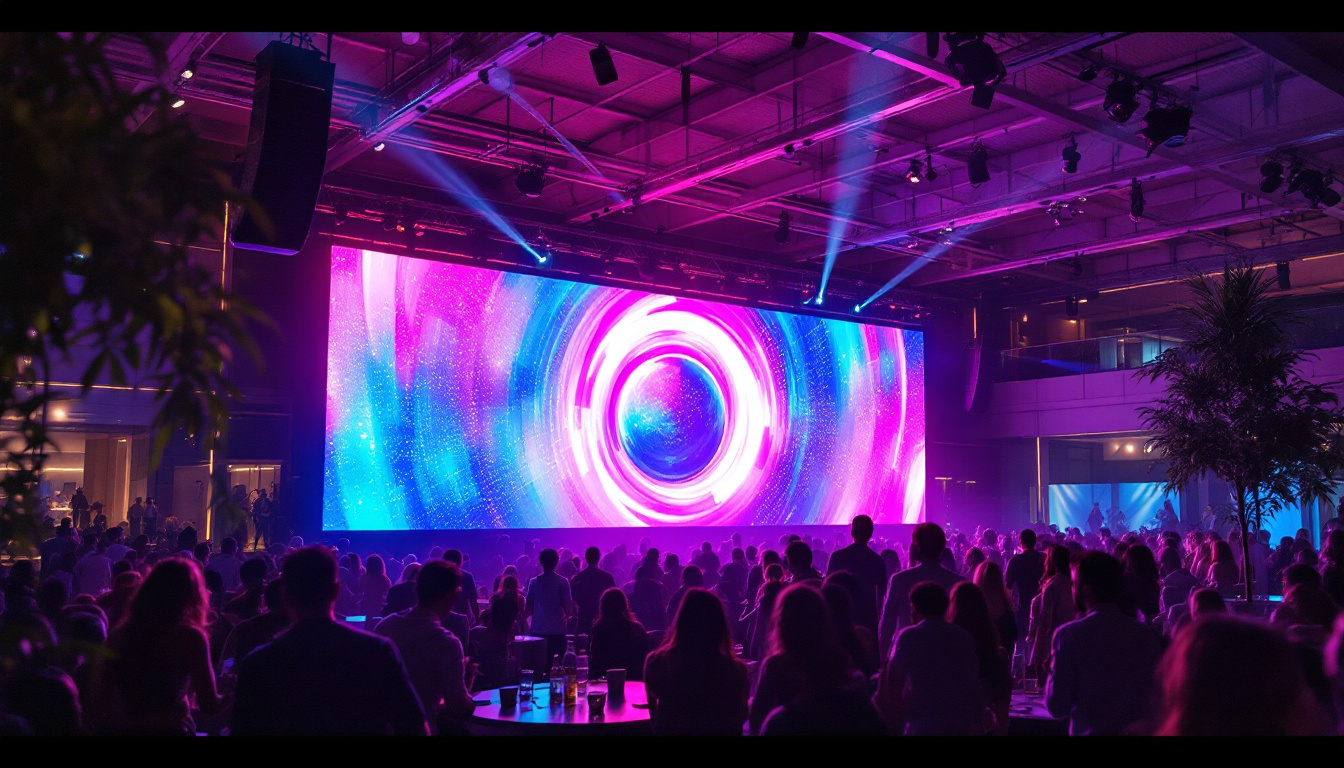
Trade shows, exhibitions, and event venues often require temporary yet impactful space division. LED display separators provide an eye-catching way to segment areas while broadcasting event schedules, sponsor advertisements, or interactive content. Their portability and ease of setup make them ideal for such transient environments.
Furthermore, the integration of interactive features, such as touchscreens or QR code scanning, can enhance visitor engagement, allowing attendees to access additional information or participate in live polls. This not only enriches the event experience but also provides valuable data for organizers, helping them understand attendee preferences and behaviors. As a result, LED separators not only serve a functional purpose but also contribute to a more immersive and memorable event atmosphere.
Benefits of Using LED Display Room Separators
Choosing an LED display separator offers several advantages over traditional static partitions, making them a compelling investment for businesses and designers alike.
Dynamic Content and Customization
Unlike fixed partitions, LED separators allow for real-time content updates. This flexibility means the same physical divider can serve multiple purposes throughout the day or event. For instance, a separator can display branding in the morning, transition to informational content during meetings, and switch to ambient visuals in the evening.
Space Optimization and Multifunctionality
LED separators maximize the utility of available space by combining division with communication. This multifunctionality reduces the need for additional signage or digital displays, streamlining the environment and potentially lowering costs.
Enhanced Aesthetic Appeal
The vibrant colors and motion capabilities of LED displays add a modern, high-tech aesthetic to any interior. This can elevate the perceived value of a space, impress clients, or create memorable experiences for visitors.
Energy Efficiency and Longevity
LED technology is known for its low power consumption and long lifespan. High-quality LED separators can operate continuously with minimal maintenance, making them a sustainable choice compared to other digital display technologies.
Key Considerations When Choosing an LED Display Room Separator
To ensure the LED room separator meets the specific needs of a space, several factors must be carefully evaluated.
Resolution and Pixel Pitch
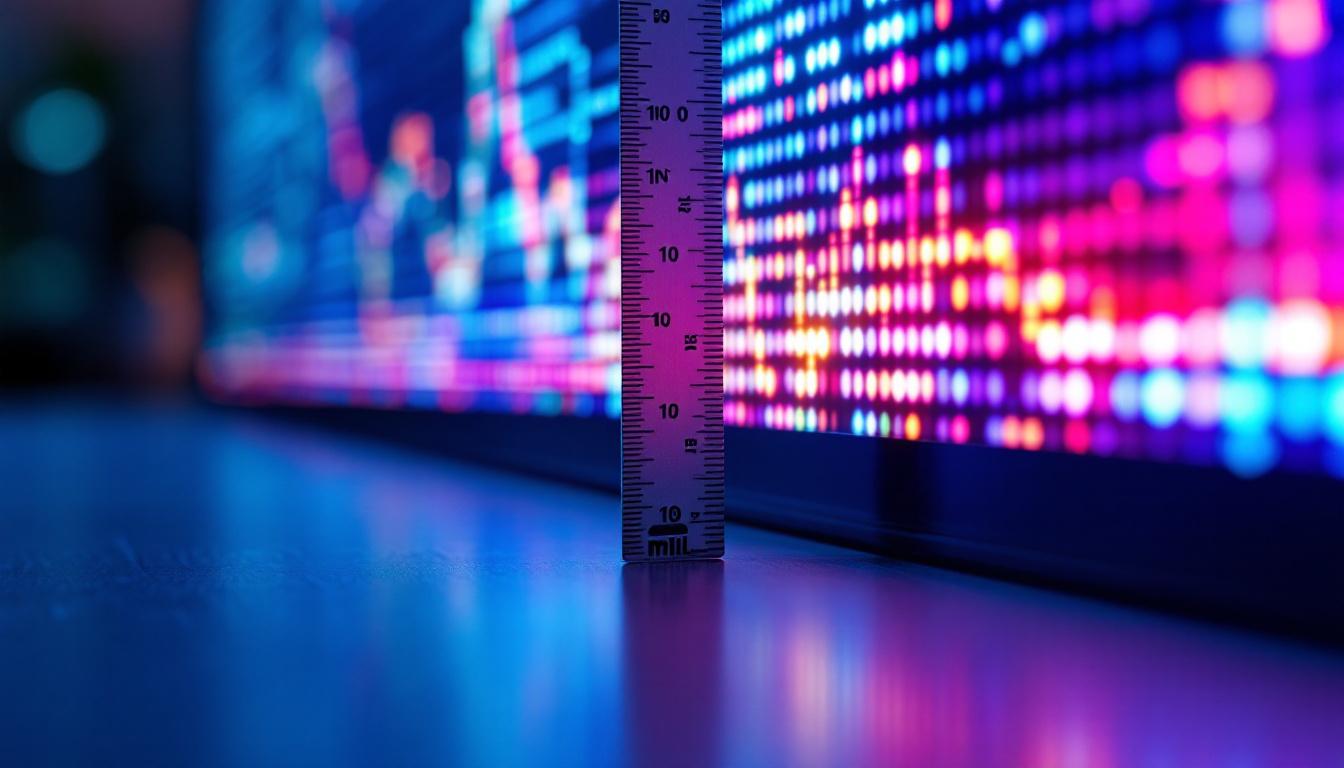
The resolution of an LED display is determined by its pixel pitch—the distance between individual LED diodes. A smaller pixel pitch means higher resolution and sharper images, which is crucial for close viewing distances typical of indoor environments. For indoor room separators, pixel pitches ranging from 1.5mm to 3mm are common, balancing clarity and cost.
Size and Modularity
Room separators come in various sizes, and LED panels are often modular, allowing customization of dimensions. It is important to consider the intended space and how the separator will fit within it. Modular designs also facilitate easier transportation, installation, and future upgrades.
Brightness and Viewing Angles
Indoor LED displays must be bright enough to remain visible under ambient lighting conditions without causing glare. Typical indoor LED brightness ranges from 800 to 1500 nits. Wide viewing angles ensure the content is visible from different parts of the room, enhancing usability.
Content Management System (CMS)
The ease of updating and managing content is critical. A robust CMS should support various media formats, scheduling, and remote control capabilities. Integration with existing IT infrastructure can further streamline operations.
Durability and Safety
Since room separators are often moved or adjusted, the LED panels and frames should be durable and resistant to damage. Additionally, safety features such as stable bases and protective casing are essential to prevent accidents.
Installation and Maintenance Insights
Proper installation and ongoing maintenance are vital to maximize the lifespan and performance of LED display room separators.
Professional Installation
Given the complexity of LED technology and electrical components, professional installation is recommended. Experts ensure correct assembly, secure mounting, and optimal wiring, reducing the risk of malfunction or damage.
Routine Maintenance
Regular cleaning of the LED panels and inspection of electrical connections help maintain display quality. Dust and fingerprints can degrade image clarity, so gentle cleaning with appropriate materials is advised.
Software Updates and Troubleshooting
Keeping the CMS and firmware up to date ensures compatibility with new media formats and security patches. Prompt troubleshooting of any display issues prevents downtime and preserves user experience.
Future Trends in LED Room Separators
The intersection of LED technology and interior design continues to evolve, with emerging trends shaping the future of indoor room separators.
Interactive and Touch-Enabled Displays
Advancements in touch-sensitive LED panels are enabling room separators to become interactive surfaces. This opens possibilities for collaborative workspaces, interactive advertising, and personalized experiences.
Integration with Smart Building Systems
LED separators are increasingly being integrated into smart building ecosystems, allowing automated content changes based on occupancy, time of day, or environmental conditions. This enhances energy efficiency and user convenience.
Eco-Friendly Materials and Designs
As sustainability becomes a priority, manufacturers are exploring recyclable materials and energy-saving technologies in LED separators. This aligns with corporate social responsibility goals and green building certifications.
Conclusion
Indoor room separators with LED displays represent a fusion of spatial functionality and digital innovation. Their ability to transform environments through dynamic content, flexible partitioning, and aesthetic enhancement makes them an attractive solution for a variety of settings. By understanding the technology, applications, and key considerations, businesses and designers can make informed decisions that elevate their spaces and engage their audiences effectively.
Discover LumenMatrix LED Display Solutions
Ready to redefine your space with unparalleled visual appeal and functionality? LumenMatrix is at the forefront of LED display innovation, offering a diverse range of solutions tailored to your unique needs. From captivating Indoor LED Wall Displays to versatile Outdoor LED Wall Displays and beyond, our technology is designed to make your brand stand out and your message resonate. Experience the transformative power of LED display technology and take the first step towards an engaging, dynamic environment. Check out LumenMatrix LED Display Solutions today and see your vision come to life.