In today’s fast-paced digital world, interactive displays have become an essential tool across various industries—from education and retail to corporate environments and public spaces. Among the many technologies powering these dynamic interfaces, LED displays stand out for their brightness, durability, and versatility. This article explores what LED displays are, how they work, their benefits, and their growing role in interactive display solutions.
Understanding LED Display Technology
What is an LED Display?
LED stands for Light Emitting Diode, a semiconductor device that emits light when an electric current passes through it. An LED display is a flat panel display that uses an array of LEDs as pixels to create images, videos, or text. Unlike traditional LCDs that rely on backlighting, LED displays produce their own light, resulting in higher brightness and better contrast.
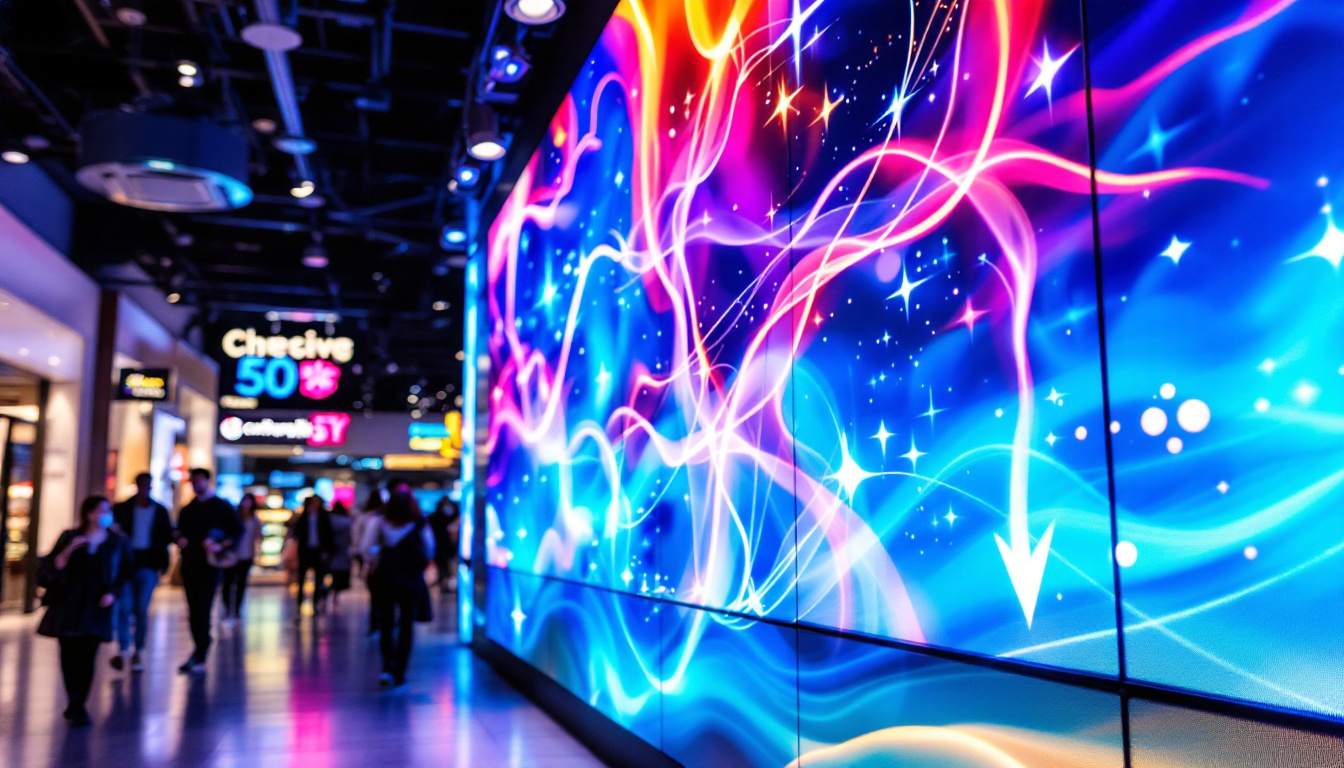
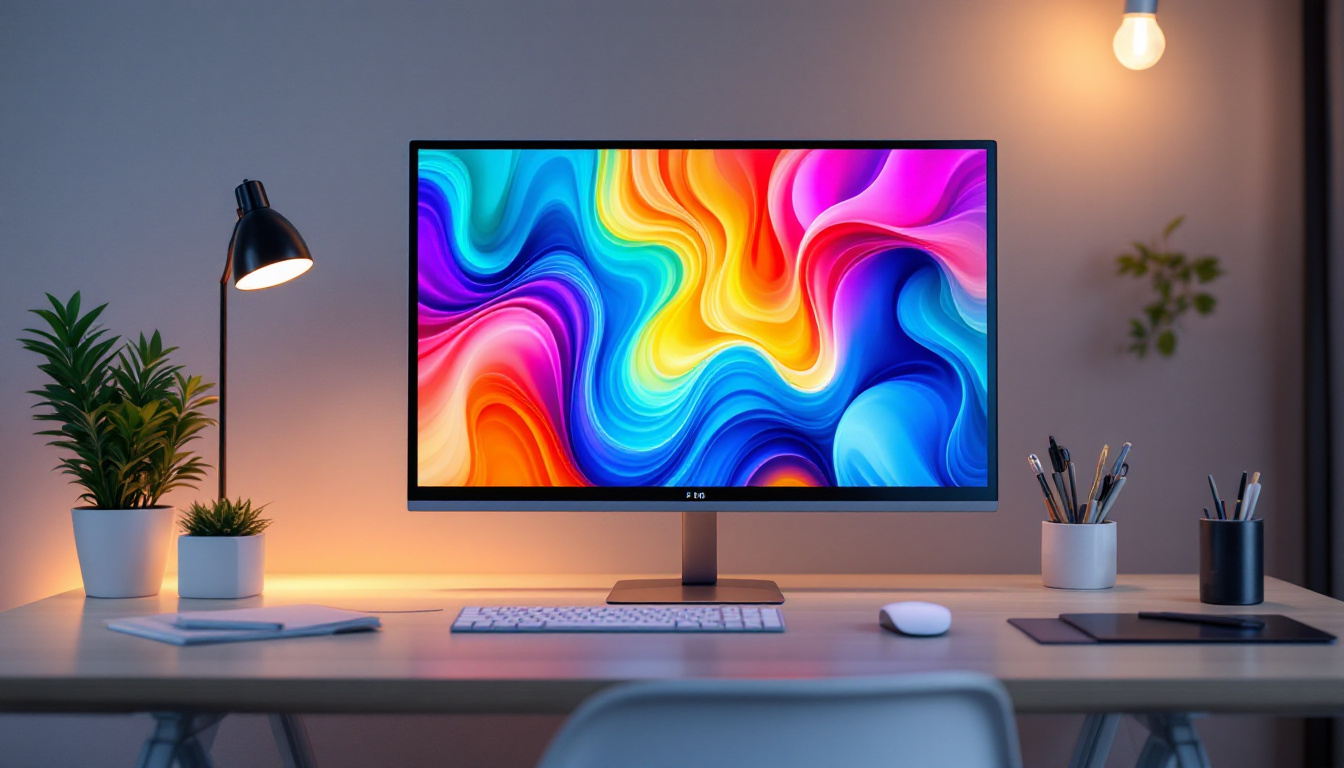
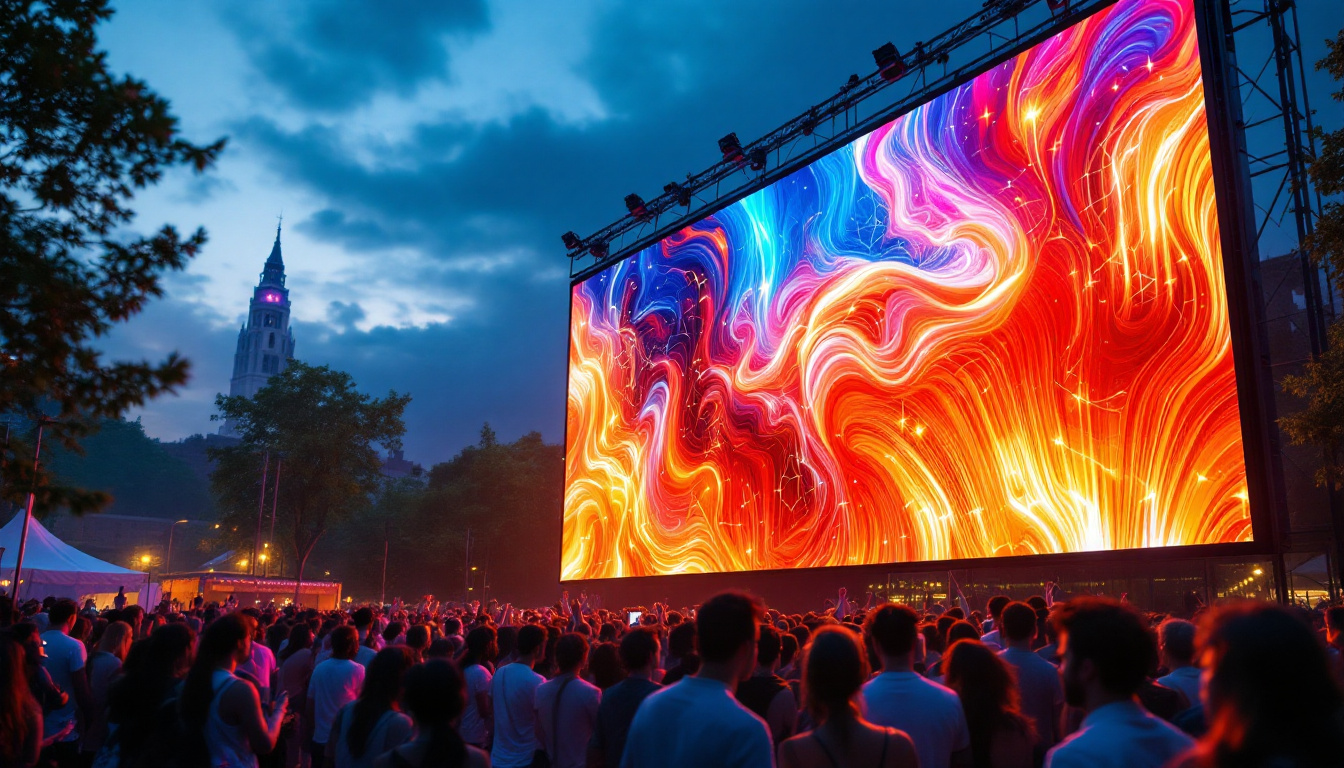
LED displays come in various forms, including direct-view LED panels and LED-backlit LCDs. Direct-view LED displays use individual LEDs as pixels, making them ideal for large-scale applications such as stadium screens, digital billboards, and interactive walls. In contrast, LED-backlit LCDs use LEDs as a backlight source behind an LCD panel, common in consumer electronics like televisions and monitors. The versatility of LED technology allows it to be used in a wide range of settings, from small indoor screens to massive outdoor installations, catering to both commercial and personal needs.
How Do LED Displays Work?
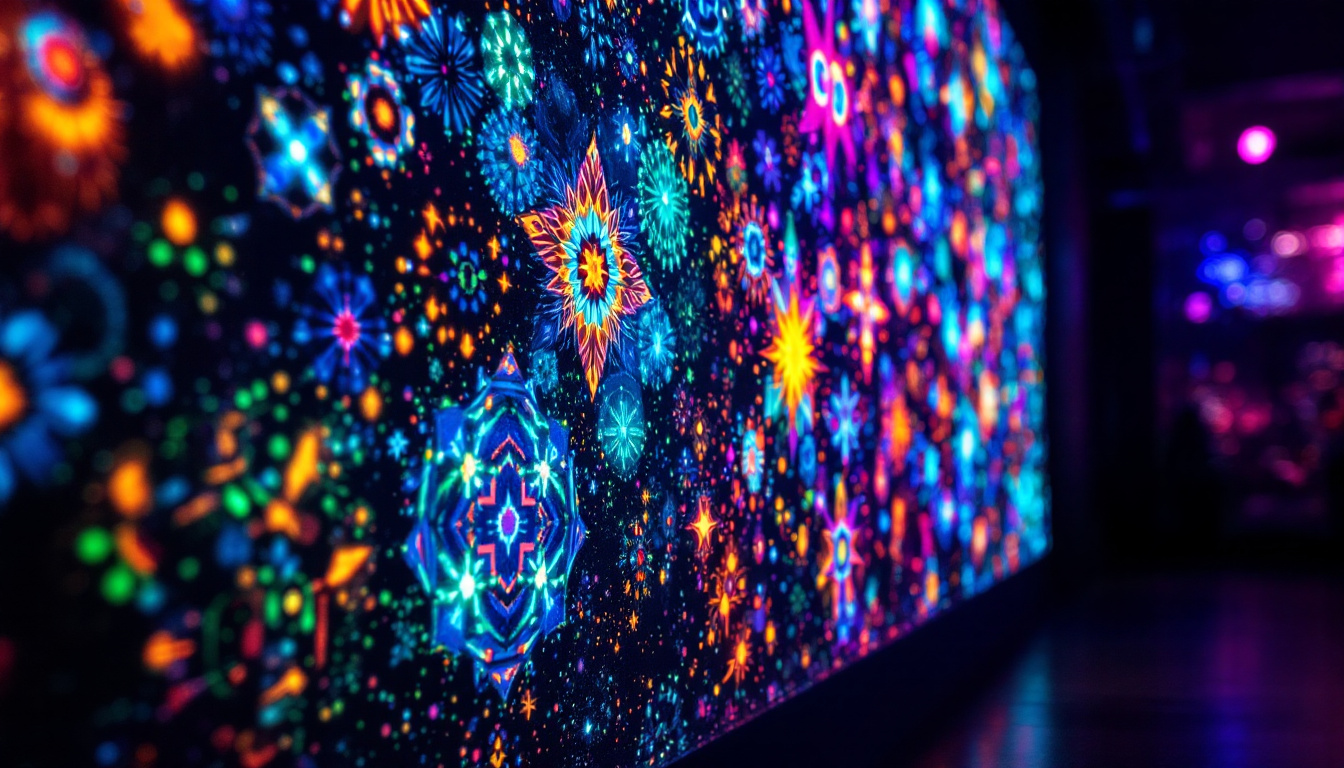
Each LED in a display emits light in one of three primary colors: red, green, or blue. By varying the intensity of these LEDs, the display can produce a wide spectrum of colors through additive color mixing. The LEDs are arranged in a grid pattern, and the resolution of the display depends on the number of LEDs per unit area, often referred to as pixel pitch. A smaller pixel pitch results in higher resolution, making it suitable for applications where close viewing is common, such as in retail displays or control rooms.
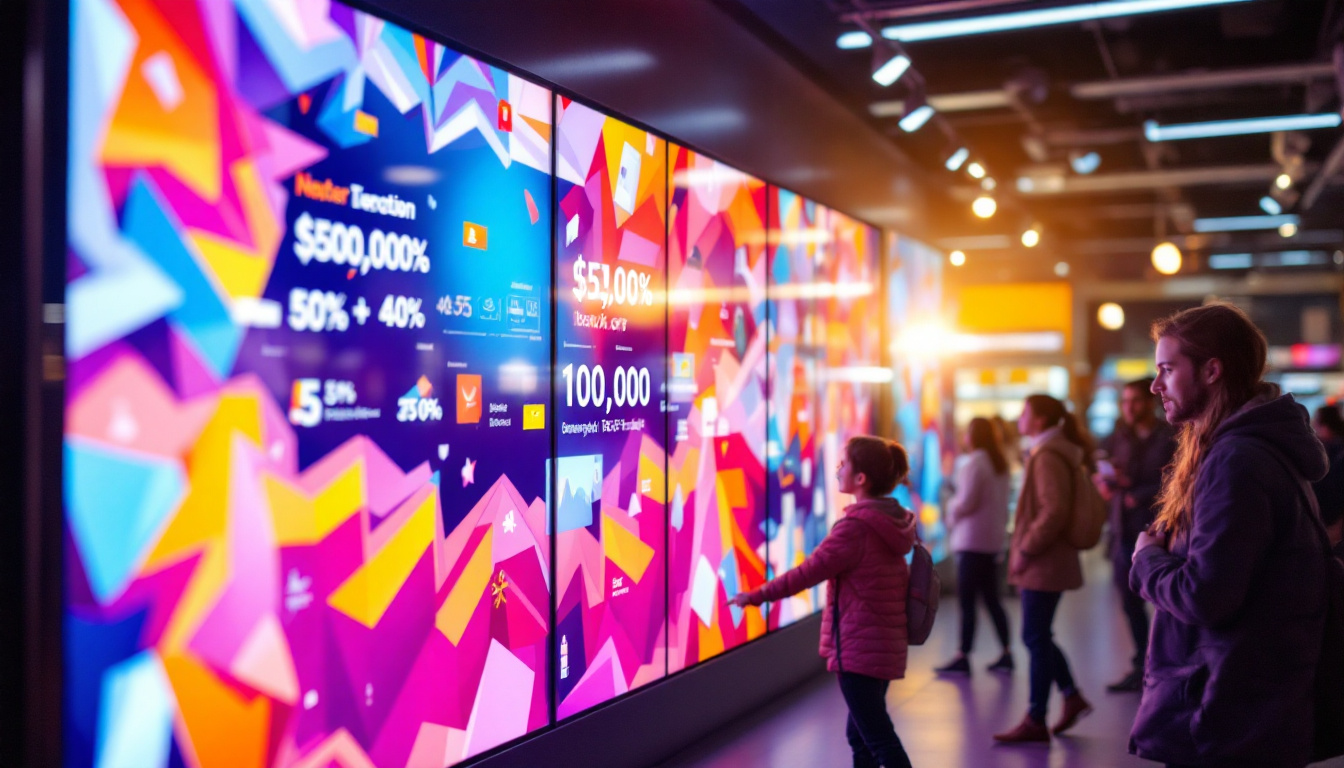
Interactive LED displays incorporate touch-sensitive technology, allowing users to engage directly with the content. Capacitive and infrared touch systems are commonly integrated, enabling multi-touch functionality and precise input. This combination of vibrant visuals and interactive capabilities makes LED displays highly effective for engaging audiences. Furthermore, advancements in LED technology have led to the development of flexible and transparent displays, expanding the possibilities for creative installations. These innovations not only enhance the aesthetic appeal but also offer new ways for businesses to communicate their messages in dynamic and captivating formats, pushing the boundaries of traditional advertising and information dissemination.
Key Advantages of LED Displays in Interactive Applications
Brightness and Visibility
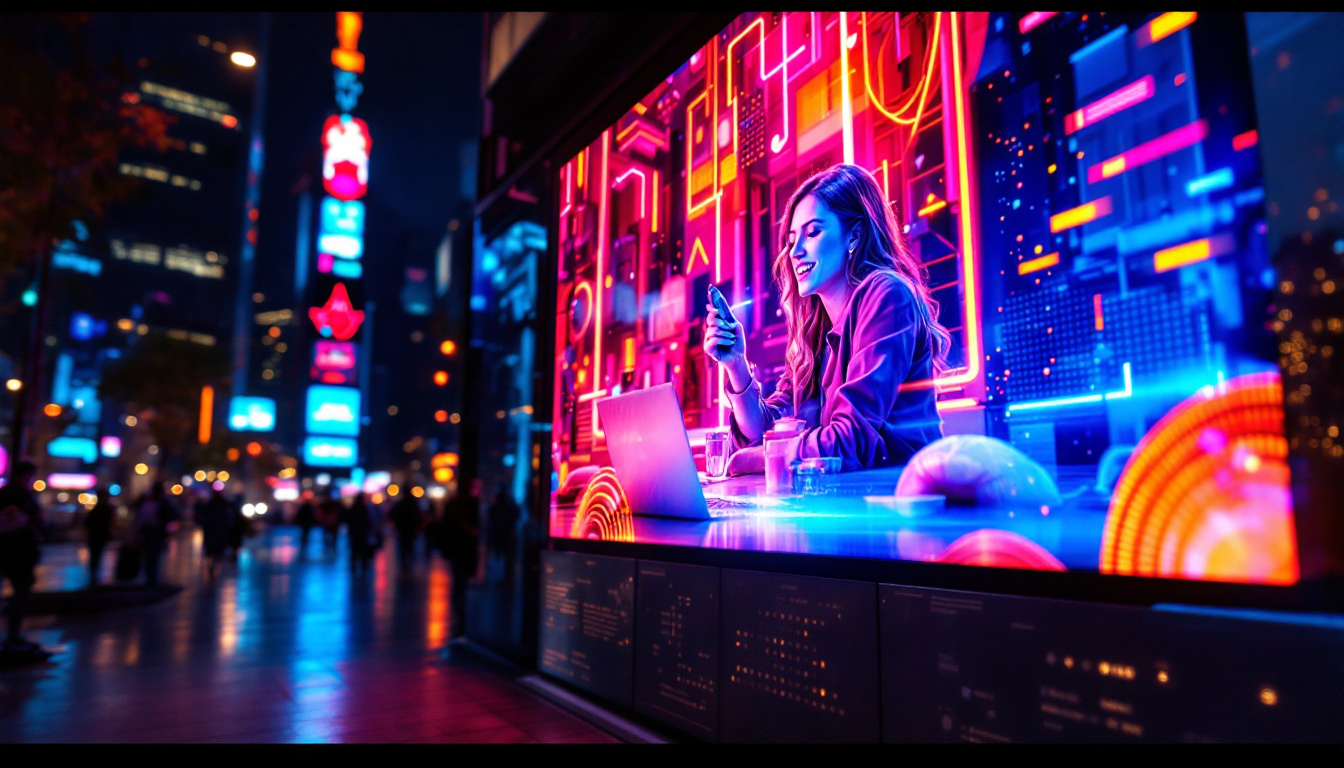
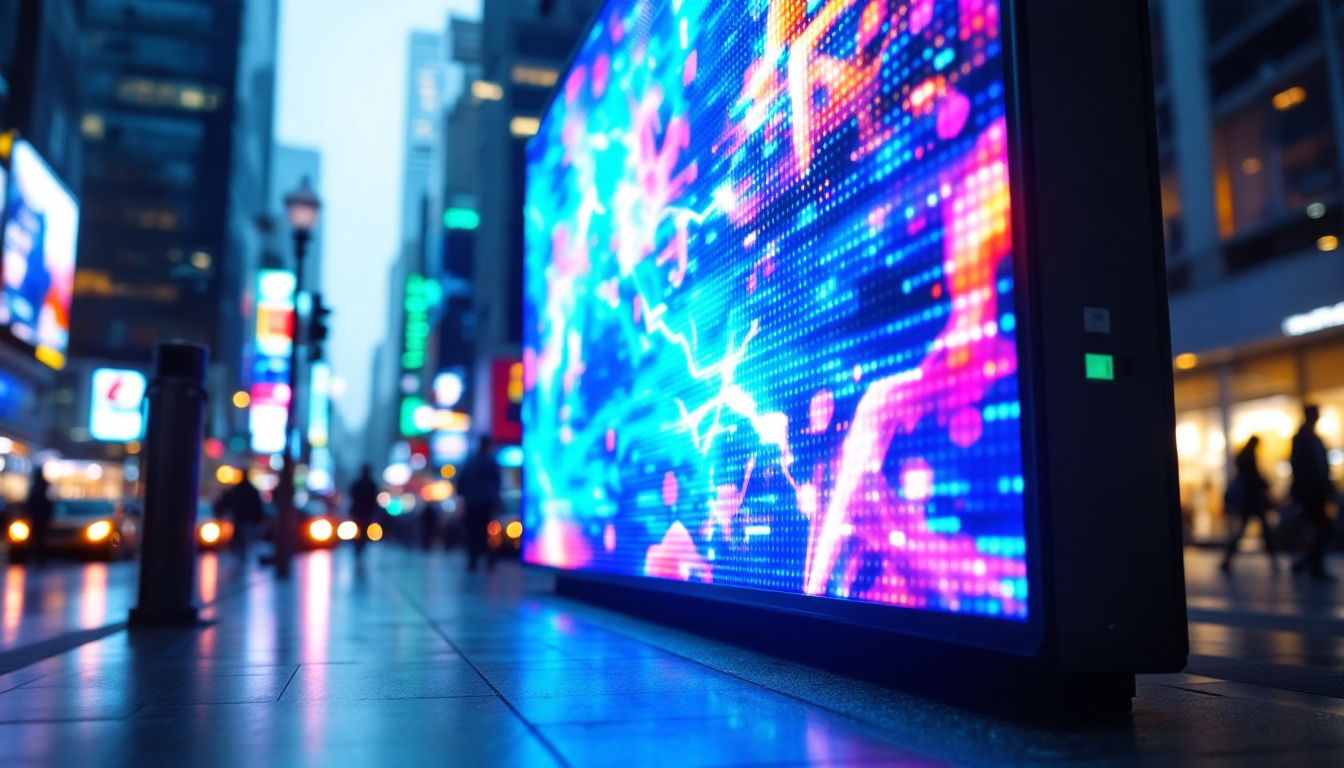
One of the most significant advantages of LED displays is their exceptional brightness. LEDs can achieve luminance levels far beyond those of conventional displays, often exceeding 1,000 nits, making them easily visible even in direct sunlight. This feature is crucial for outdoor advertising, public information boards, and interactive kiosks placed in brightly lit environments.
High brightness ensures that content remains clear and readable, enhancing user experience and engagement. For example, retail stores use bright LED displays to attract customers and provide interactive product information, even under strong lighting conditions.
Durability and Longevity
LED displays are known for their robustness and long lifespan. LEDs typically last between 50,000 to 100,000 hours, significantly longer than traditional display technologies. This durability reduces maintenance costs and downtime, making LED displays a cost-effective solution for businesses and public installations.
Moreover, LED panels are resistant to shock, vibration, and temperature fluctuations, allowing them to perform reliably in diverse environments—from busy transportation hubs to outdoor event venues.
Energy Efficiency
Energy consumption is a critical consideration for any digital display technology. LEDs are inherently energy-efficient, converting most of the electrical energy into light rather than heat. This efficiency translates into lower operating costs and a smaller carbon footprint.
For organizations aiming to meet sustainability goals, LED displays offer an environmentally friendly alternative without compromising performance or visual quality.
Applications of Interactive LED Displays
Education and Training
Interactive LED displays are transforming classrooms and training centers by fostering active learning and collaboration. Large LED touchscreens enable teachers to present multimedia content, annotate in real-time, and engage students through interactive exercises.
These displays support a variety of educational software and can connect with devices such as tablets and laptops, facilitating a blended learning environment. Their high brightness and wide viewing angles ensure that content is visible to everyone in the room, enhancing participation and comprehension.
Retail and Advertising
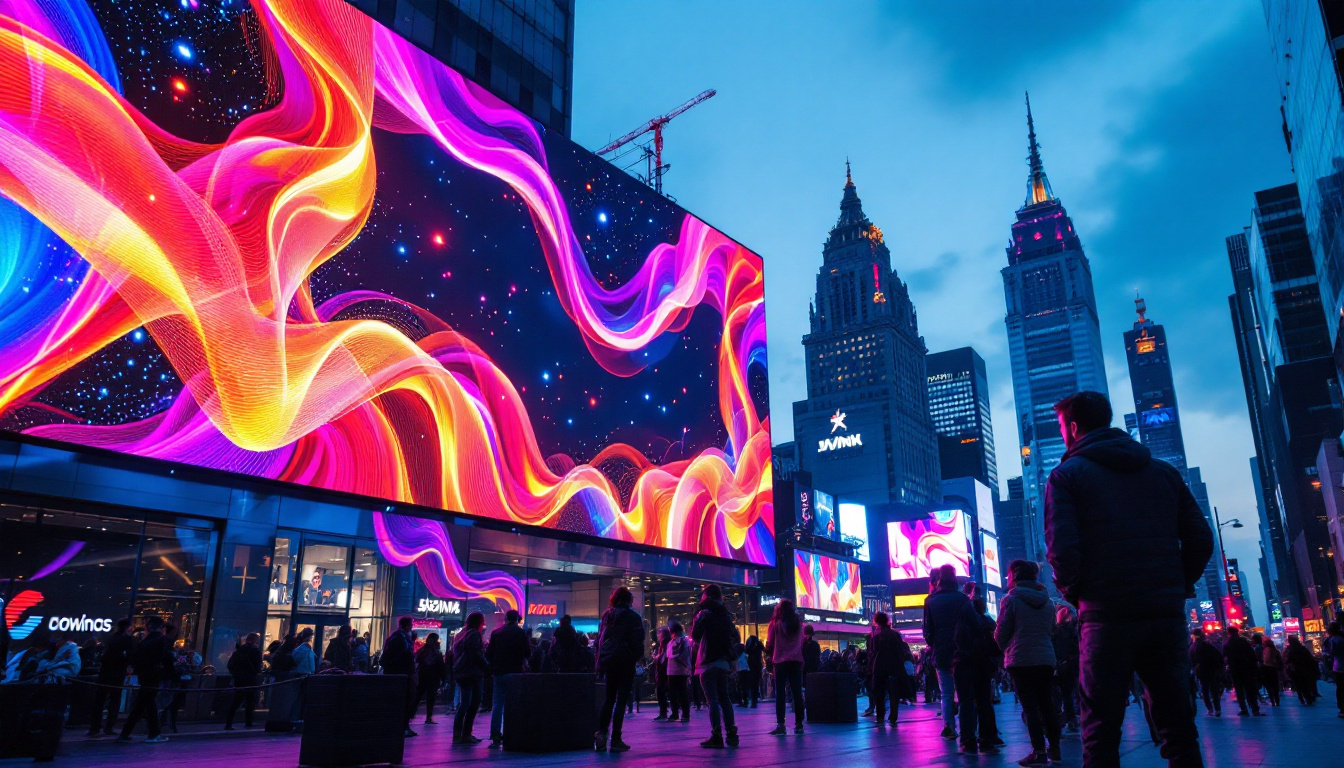
The retail sector has widely adopted interactive LED displays to enhance customer engagement and drive sales. Digital signage powered by LED technology offers vibrant, eye-catching visuals that can be updated instantly to reflect promotions, product launches, or seasonal campaigns.
Interactive kiosks equipped with LED displays allow shoppers to browse catalogs, customize products, and access personalized recommendations. This interactivity creates a memorable shopping experience and can increase conversion rates.
Corporate and Conference Environments
In corporate settings, LED displays serve as powerful tools for presentations, video conferencing, and collaborative work. Interactive LED walls can replace traditional whiteboards and projectors, offering seamless integration with digital content and real-time interaction.
These displays support multiple touch points, enabling teams to brainstorm, manipulate data, and share ideas more effectively. Their scalability allows them to fit various room sizes, from small meeting rooms to large auditoriums.
Public Spaces and Events
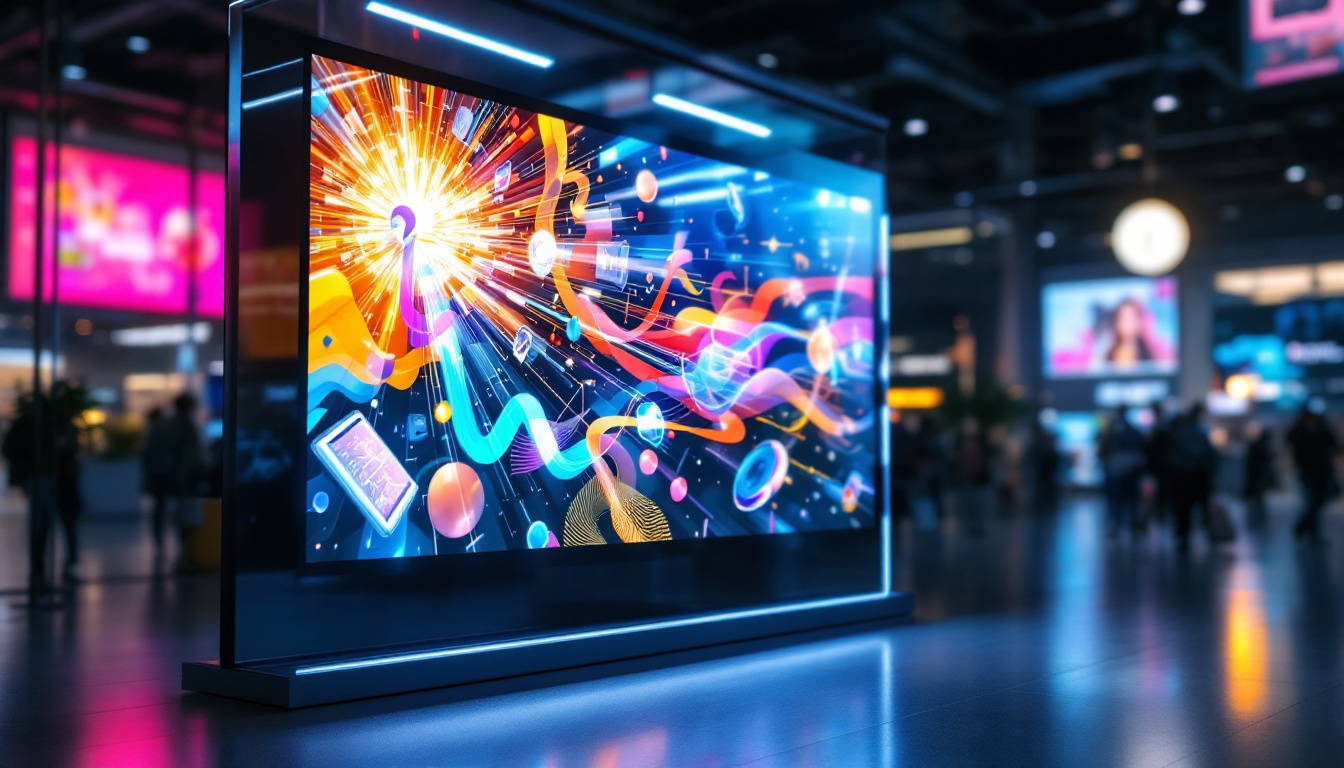
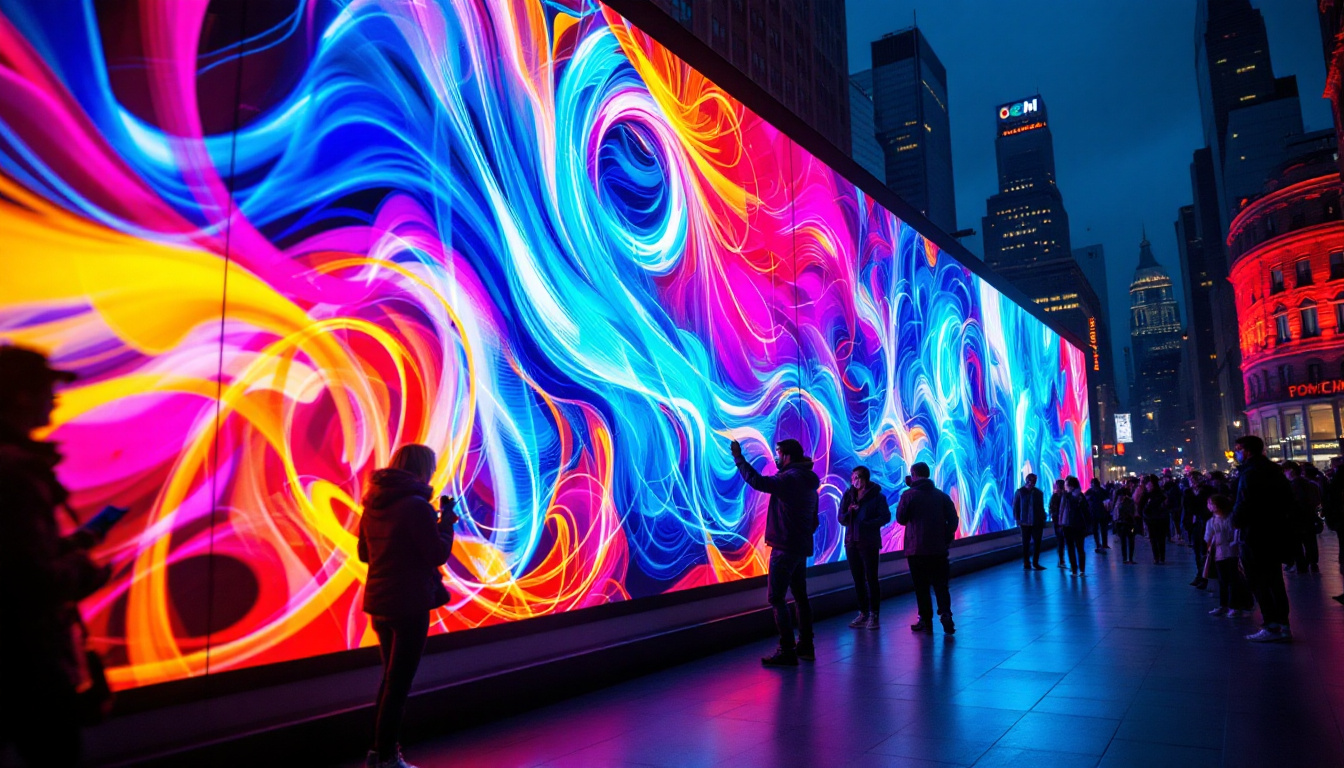
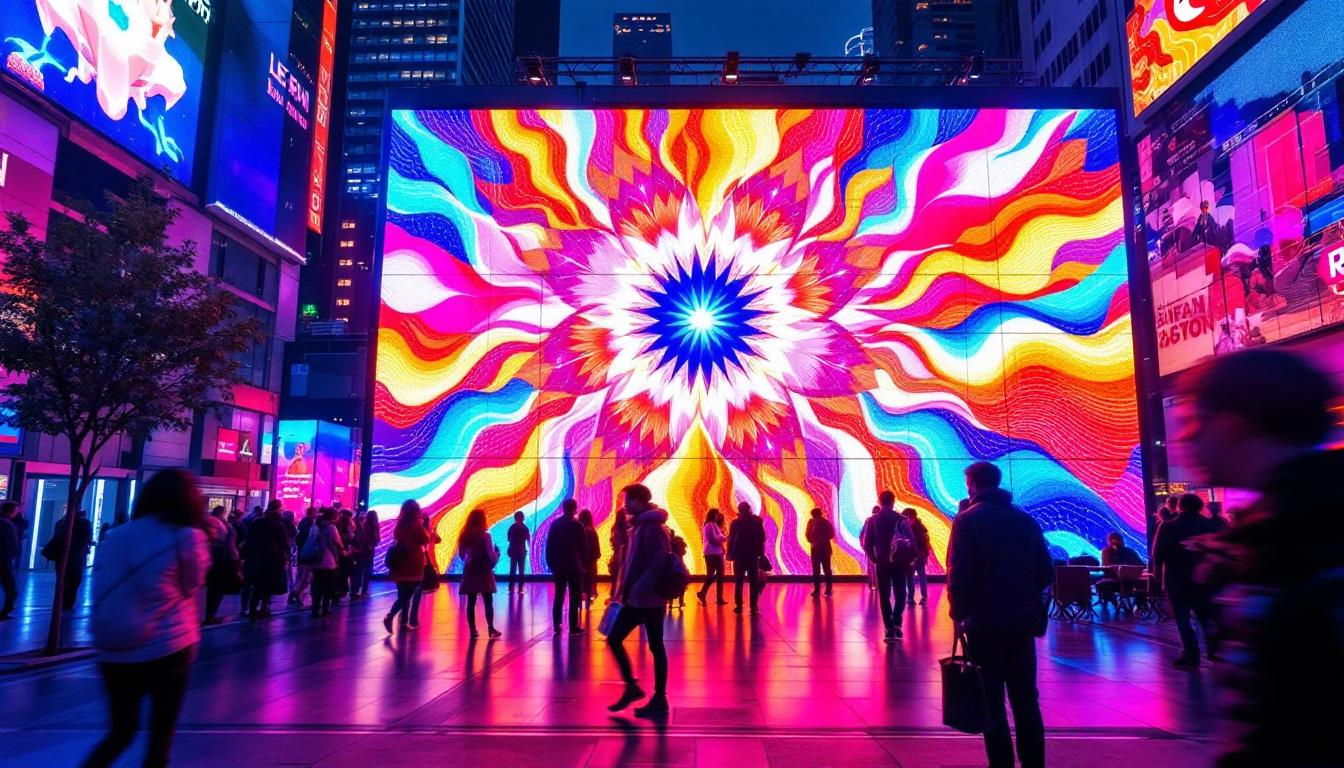
Interactive LED displays are increasingly common in public spaces such as airports, museums, and city centers. They provide dynamic information, wayfinding assistance, and engaging content that can be tailored to specific audiences.
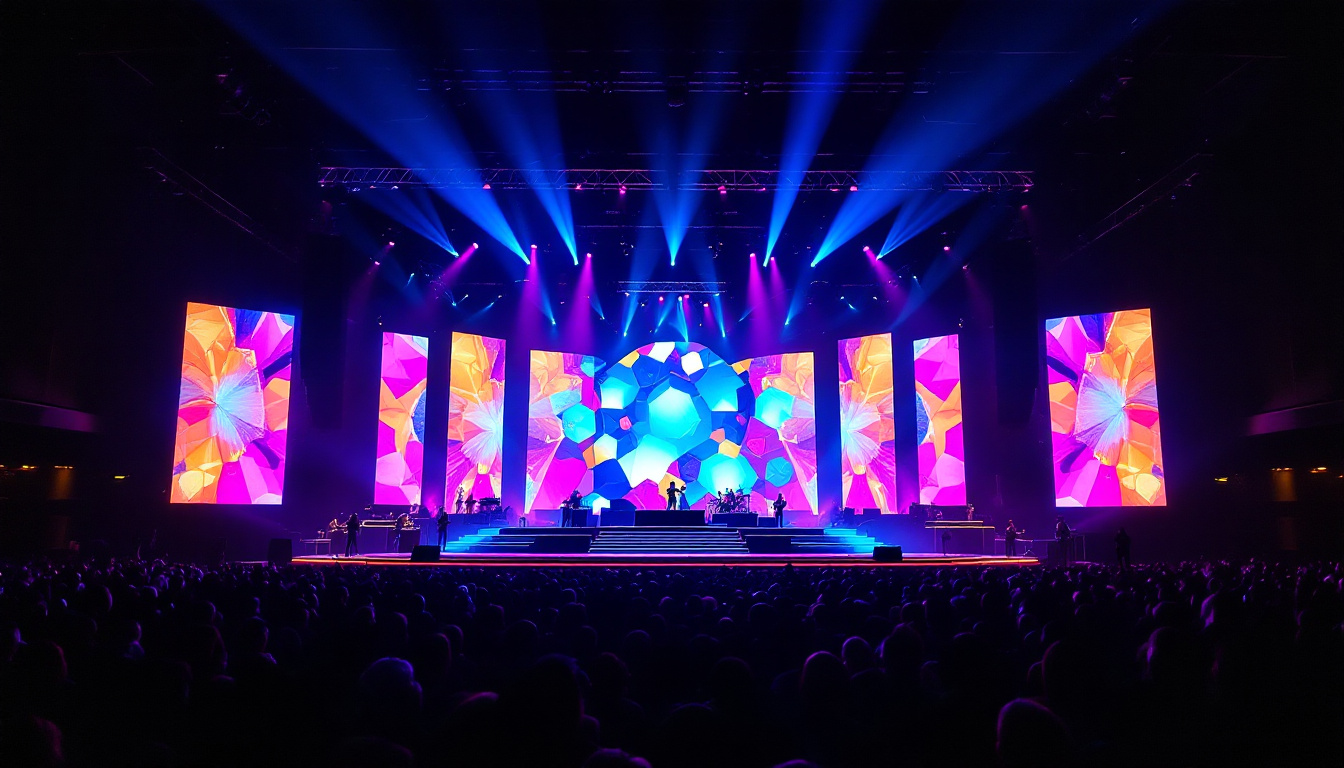
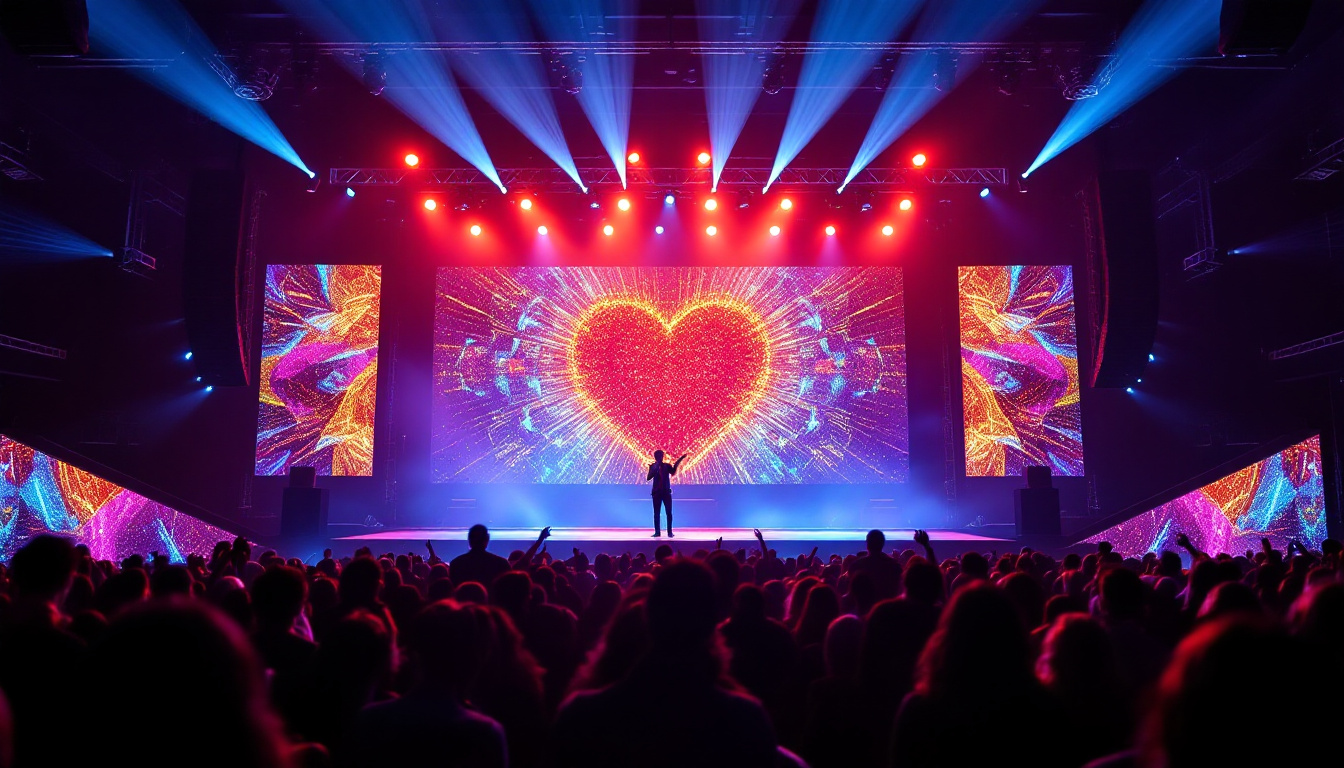
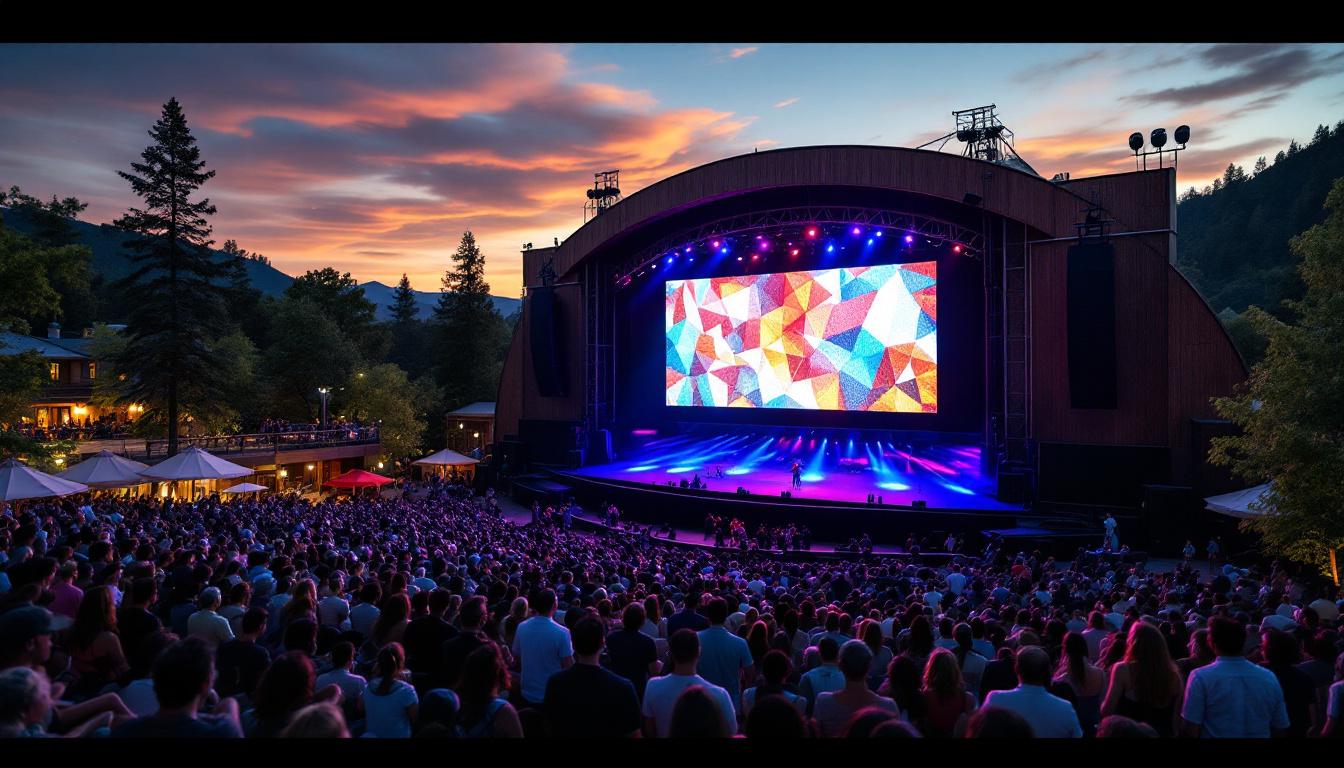
At events and exhibitions, LED walls create immersive experiences that captivate visitors. Their ability to display high-resolution video and interactive elements makes them ideal for product launches, concerts, and trade shows.
Choosing the Right LED Display for Your Needs
Resolution and Pixel Pitch
Resolution is a critical factor when selecting an LED display. It determines the clarity and detail of the images and text shown. Pixel pitch, the distance between the centers of adjacent LEDs, directly affects resolution—the smaller the pixel pitch, the higher the resolution.
For indoor interactive displays where viewers are close to the screen, a pixel pitch of 1.2mm to 2.5mm is common, delivering crisp visuals. Outdoor displays typically have larger pixel pitches (e.g., 4mm to 10mm) to accommodate longer viewing distances and ensure visibility.
Size and Aspect Ratio
The size of the LED display should align with the intended viewing environment and use case. Larger displays are suitable for audiences in spacious areas, while smaller screens work well for personal or small group interactions.
Aspect ratio, the proportional relationship between width and height, also matters. Standard ratios like 16:9 are common for video content, but custom ratios can be designed for specific applications, such as panoramic displays or multi-screen video walls.
Touch Technology and Interactivity Features
Interactive LED displays incorporate various touch technologies, including capacitive, infrared, and optical sensing. Capacitive touchscreens offer high accuracy and multi-touch support, ideal for detailed interactions. Infrared touch systems provide durability and work well in environments where users may wear gloves.
Additional features such as gesture recognition, pen input, and multi-user support can enhance the interactivity of LED displays, depending on the application requirements.
Installation and Maintenance Considerations
LED displays can be installed as wall-mounted panels, free-standing kiosks, or modular video walls. Installation complexity varies based on size, weight, and mounting method. It’s important to consider access for maintenance, ventilation needs, and environmental protection, especially for outdoor units.
Choosing displays with modular designs can simplify repairs and upgrades, reducing long-term operational costs.
Future Trends in Interactive LED Displays
Advancements in Mini-LED and Micro-LED Technologies
Emerging technologies like Mini-LED and Micro-LED promise even better performance for interactive displays. Mini-LEDs use thousands of tiny LEDs as backlighting, offering improved contrast and brightness over traditional LED-backlit LCDs. Micro-LEDs, with even smaller diodes, deliver superior color accuracy, energy efficiency, and scalability.
These innovations are expected to drive the next generation of interactive displays, enabling thinner, lighter, and more flexible screens with enhanced visual quality.
Integration with AI and IoT
Artificial intelligence (AI) and the Internet of Things (IoT) are increasingly integrated with interactive LED displays to create smarter, more responsive environments. AI-powered content management systems can tailor display content based on audience demographics, behavior, and preferences.
IoT connectivity allows displays to interact with other devices, gather data, and enable remote monitoring and control. This integration enhances the functionality and efficiency of interactive LED solutions across sectors.
Augmented Reality (AR) and Immersive Experiences
Combining interactive LED displays with augmented reality technologies opens new possibilities for immersive user experiences. For example, retail stores can use AR overlays on LED screens to showcase virtual try-ons or product demonstrations, enriching customer engagement.
In education and entertainment, AR-enabled LED displays can create interactive simulations and environments that blend digital content with the physical world, making learning and events more captivating.
Conclusion
Interactive LED displays represent a powerful convergence of visual technology and user engagement. Their superior brightness, durability, and energy efficiency make them ideal for a wide range of applications, from classrooms and boardrooms to retail spaces and public venues. As advancements in LED technology continue and integration with AI and AR evolves, the potential for interactive LED displays to transform how people interact with digital content is immense.
For organizations looking to enhance communication, collaboration, and customer experience, investing in interactive LED display technology offers a forward-looking solution that combines innovation with practicality.
Discover LumenMatrix LED Display Solutions
Ready to elevate your interactive display capabilities? LumenMatrix is at the forefront of LED display innovation, offering a comprehensive range of products designed to bring your visual communication to life. From Indoor and Outdoor LED Wall Displays to specialized solutions like Vehicle and Sports Displays, our technology is crafted to captivate and engage your audience. Embrace the future of digital signage with our All-in-One LED Displays, LED Transparent Displays, and more. Check out LumenMatrix LED Display Solutions today and experience the transformative power of advanced LED technology.