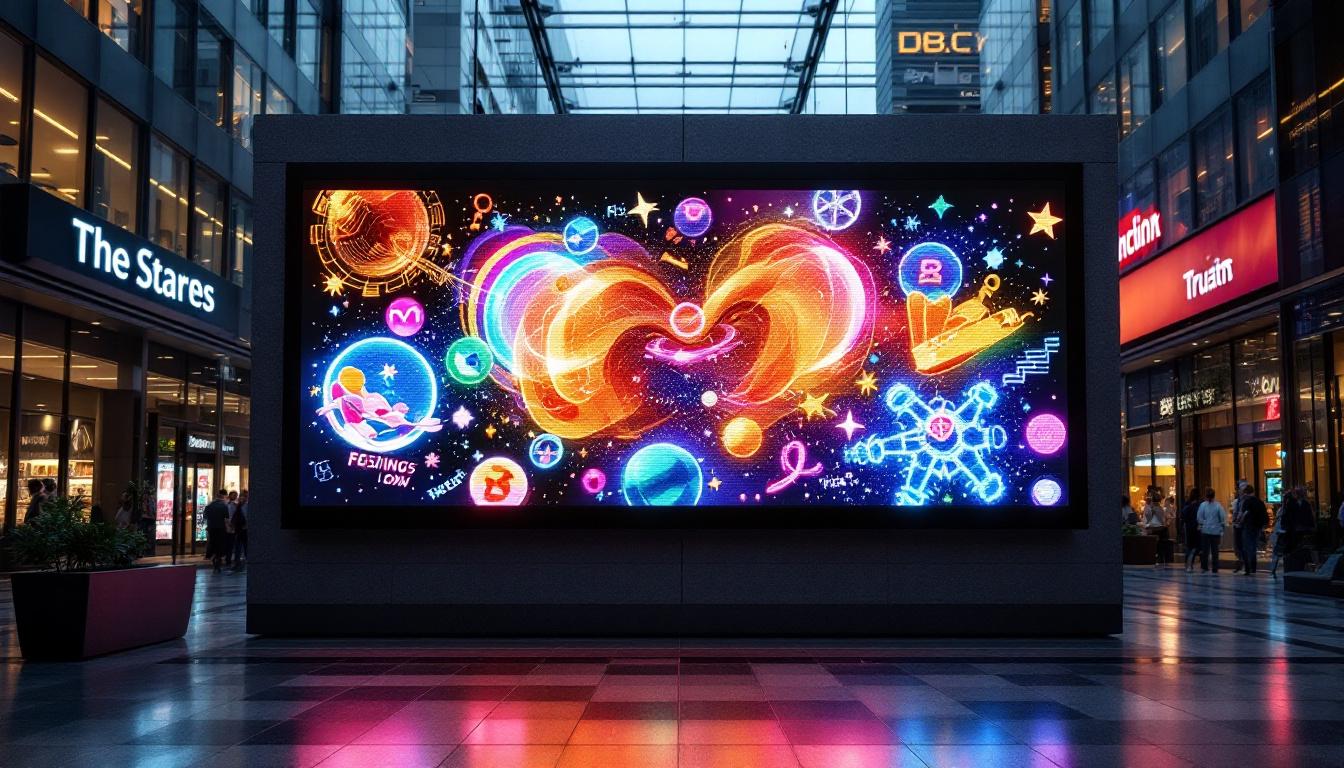
In today’s visually driven world, LED displays have become a cornerstone of communication, advertising, and entertainment across the globe. From bustling city centers illuminated by gigantic digital billboards to intimate conference rooms equipped with high-definition LED video walls, the technology behind LED displays continues to evolve and expand its reach. This article delves into the fundamentals of LED display technology, explores its international applications, and highlights why it remains a preferred choice for video display solutions worldwide.
Understanding LED Display Technology
What is an LED Display?
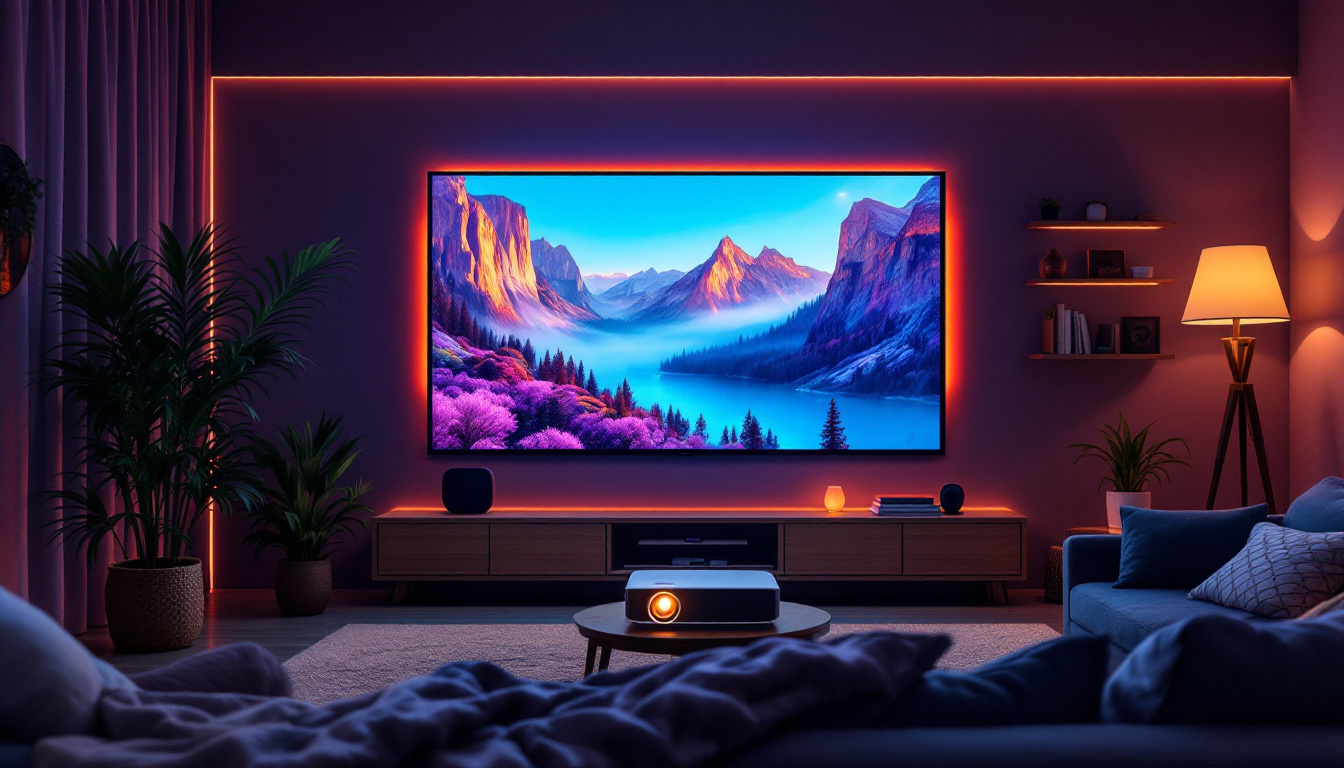
LED stands for Light Emitting Diode, a semiconductor device that emits light when an electric current passes through it. An LED display is a flat panel display that uses an array of these tiny LEDs as pixels to create images and videos. Unlike traditional LCD or plasma screens, LED displays rely on direct light emission from each pixel, resulting in brighter images, better contrast ratios, and superior energy efficiency.
LED displays are typically composed of thousands to millions of individual LEDs arranged in a grid. These LEDs can be red, green, and blue, which combine to produce a full spectrum of colors through a process called additive color mixing. The density and size of these LEDs determine the resolution and viewing distance of the display. This technology not only enhances visual experiences but also allows for dynamic content changes, making LED displays highly versatile for various applications, from advertising to entertainment.
Types of LED Displays
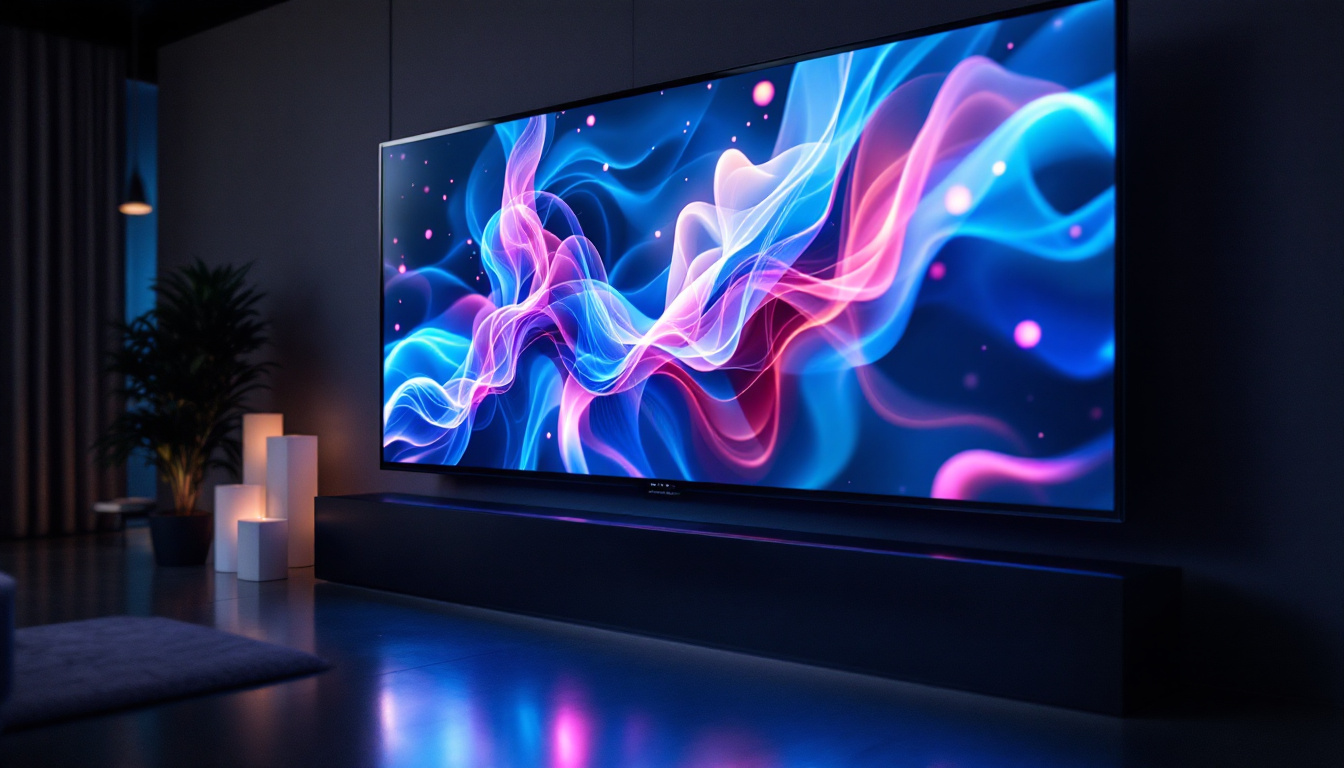
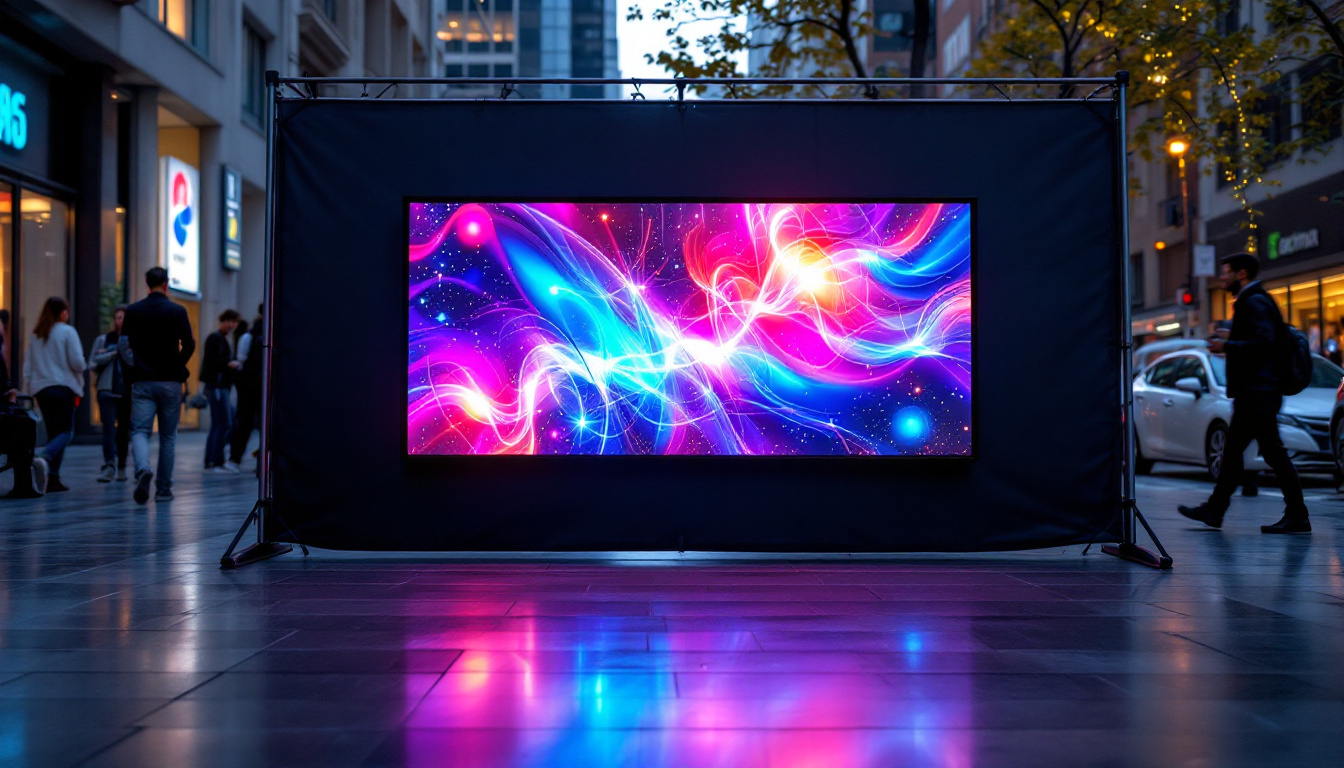
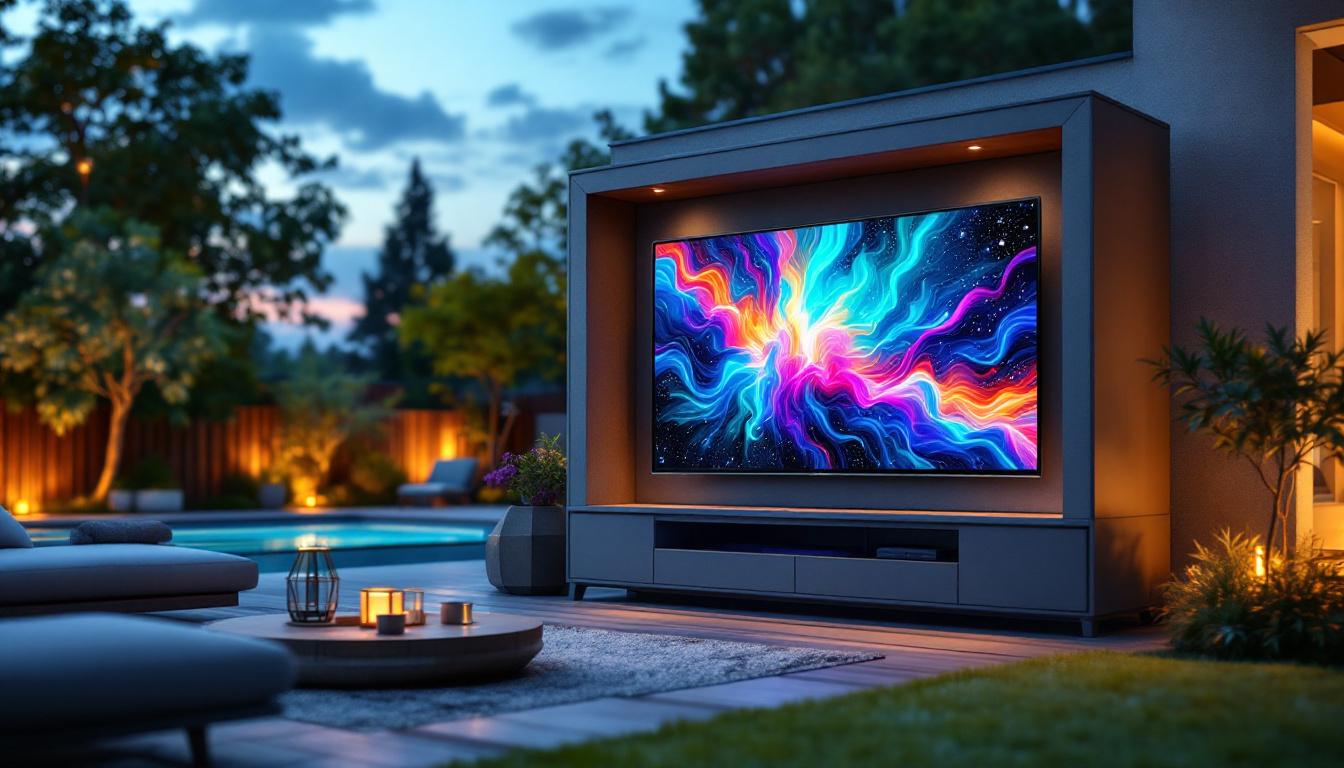
There are primarily two types of LED displays: indoor and outdoor. Indoor LED displays are designed for controlled environments and feature smaller pixel pitches (the distance between LEDs), enabling higher resolution and closer viewing distances. Outdoor LED displays, on the other hand, have larger pixel pitches to accommodate longer viewing distances and are built to withstand harsh weather conditions, including rain, dust, and extreme temperatures. The durability of outdoor displays is often enhanced with protective coatings and robust casing, ensuring they remain functional and visually appealing in all types of weather.
Another important classification is based on the LED packaging technology, such as Surface-Mounted Device (SMD) and Through-Hole LEDs. SMD LEDs are more compact and allow for higher pixel density, making them ideal for indoor applications. Through-Hole LEDs are typically larger and more durable, often used in outdoor displays. Additionally, advancements in technology have led to the development of flexible LED displays, which can bend and curve to fit unique spaces or designs, opening up new possibilities for creative installations in architecture and art. This flexibility not only enhances aesthetic appeal but also broadens the scope of where and how LED technology can be employed, from large-scale billboards to intricate light installations in public spaces.
Global Applications of LED Displays
Advertising and Digital Billboards
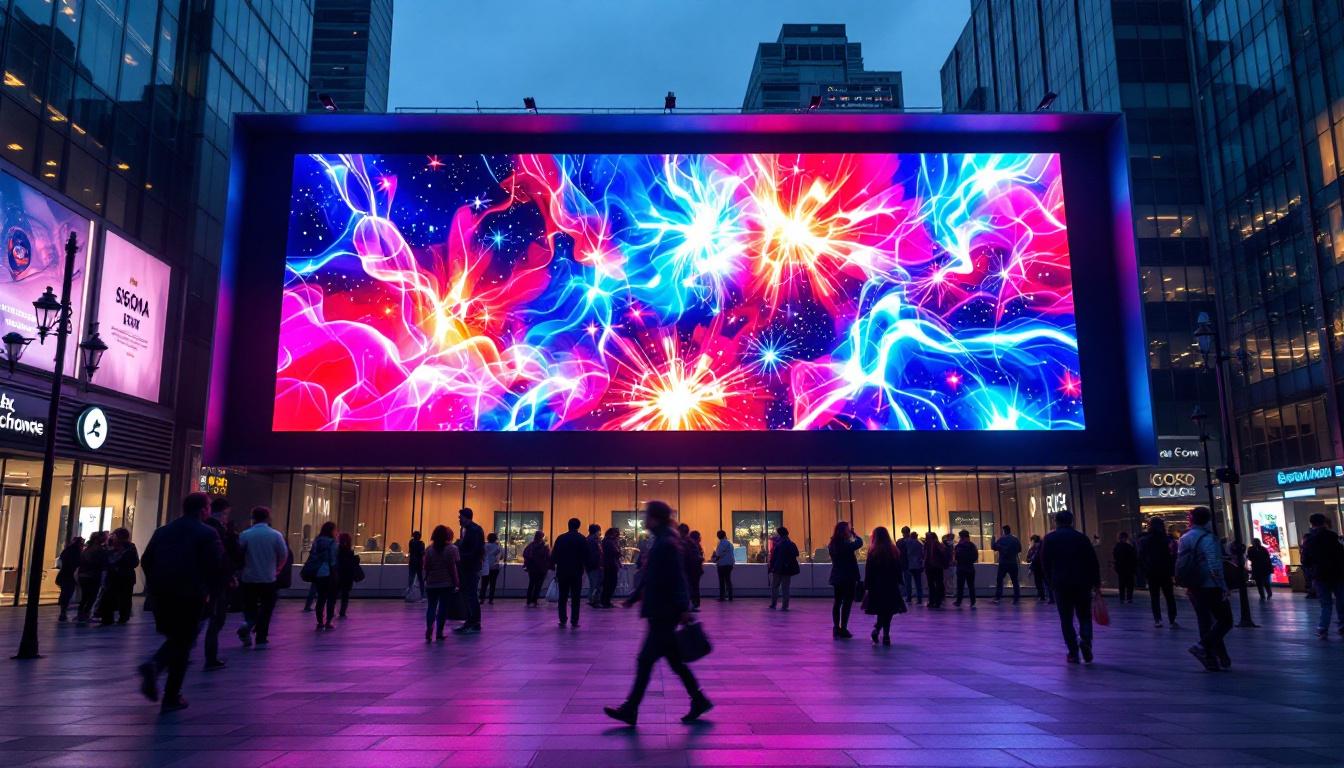
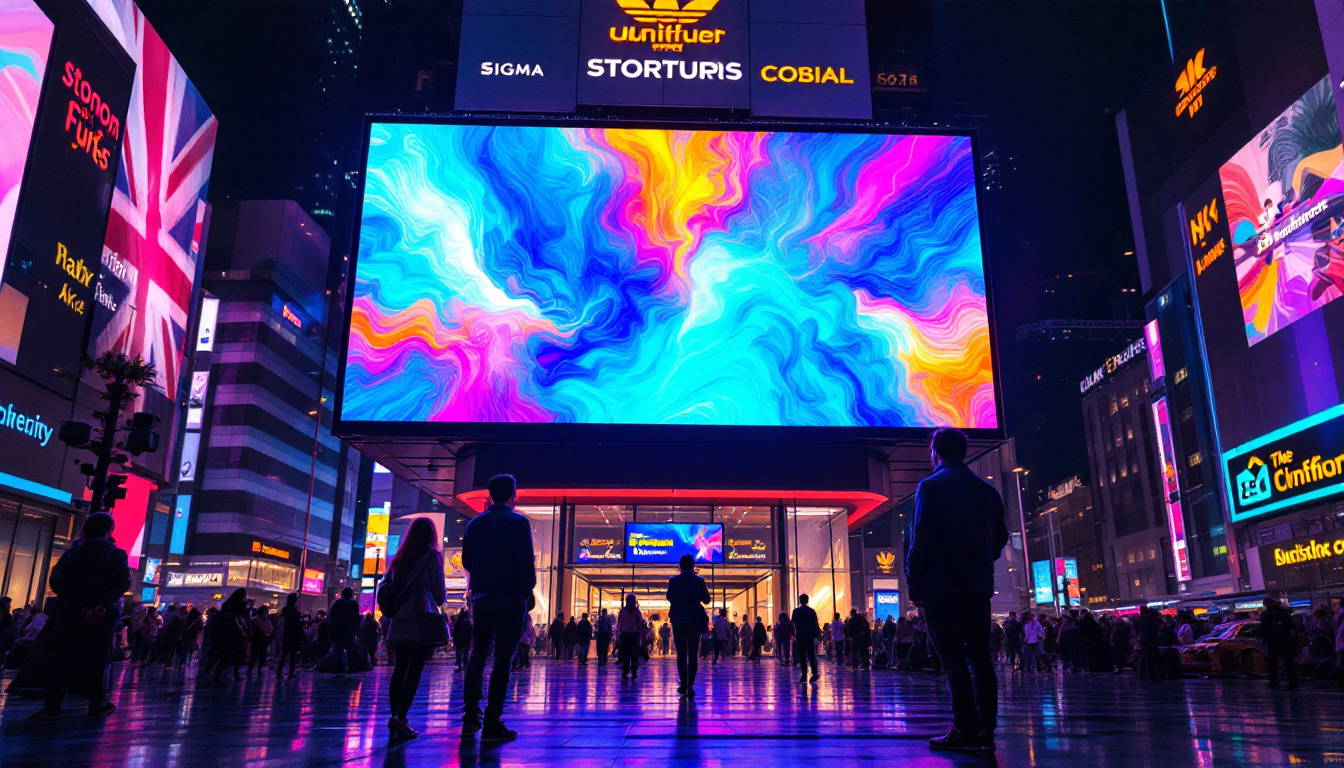
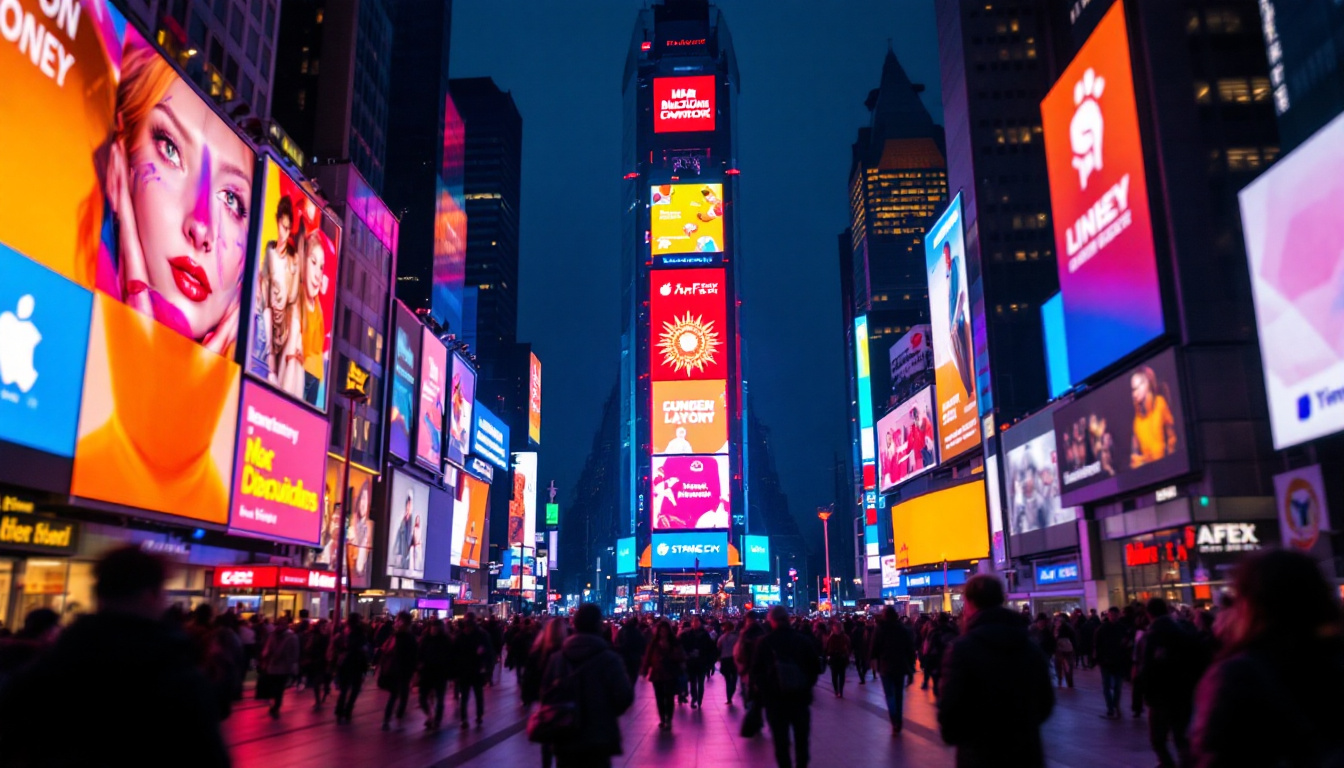
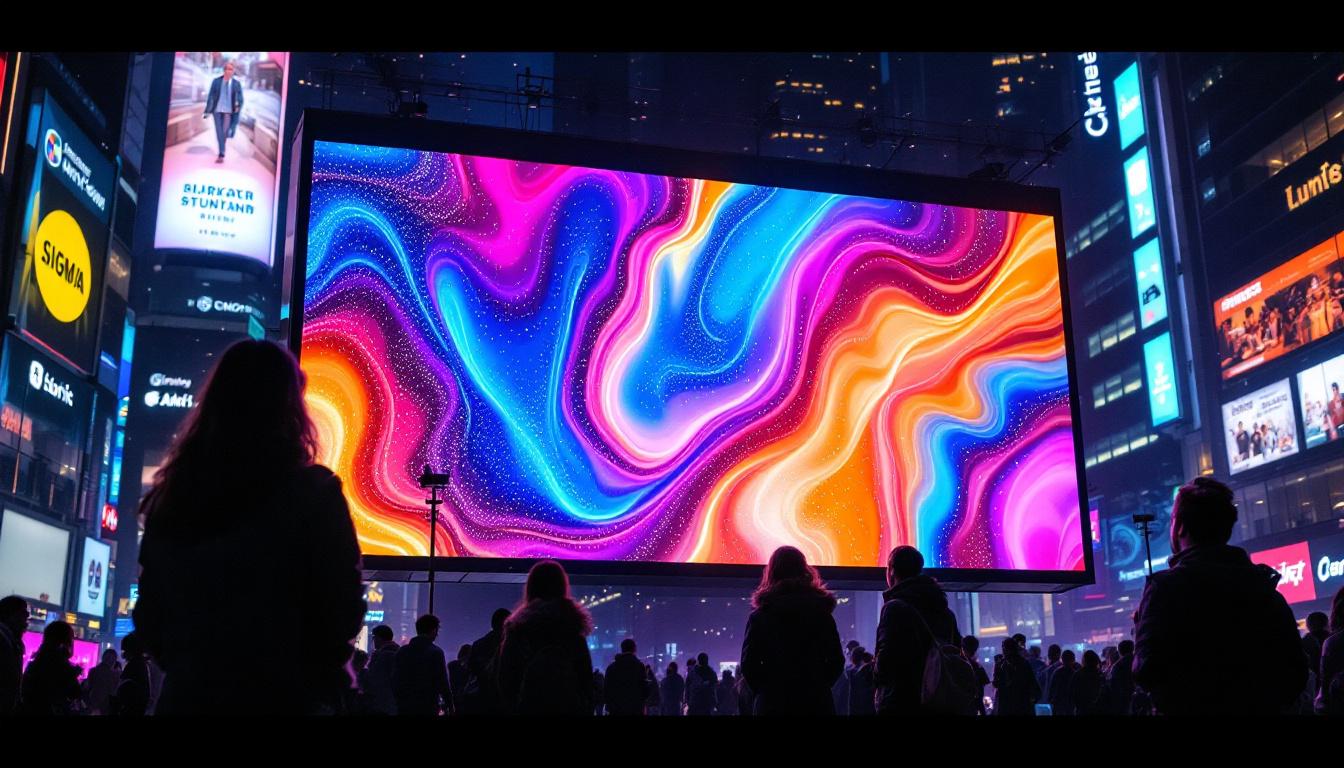
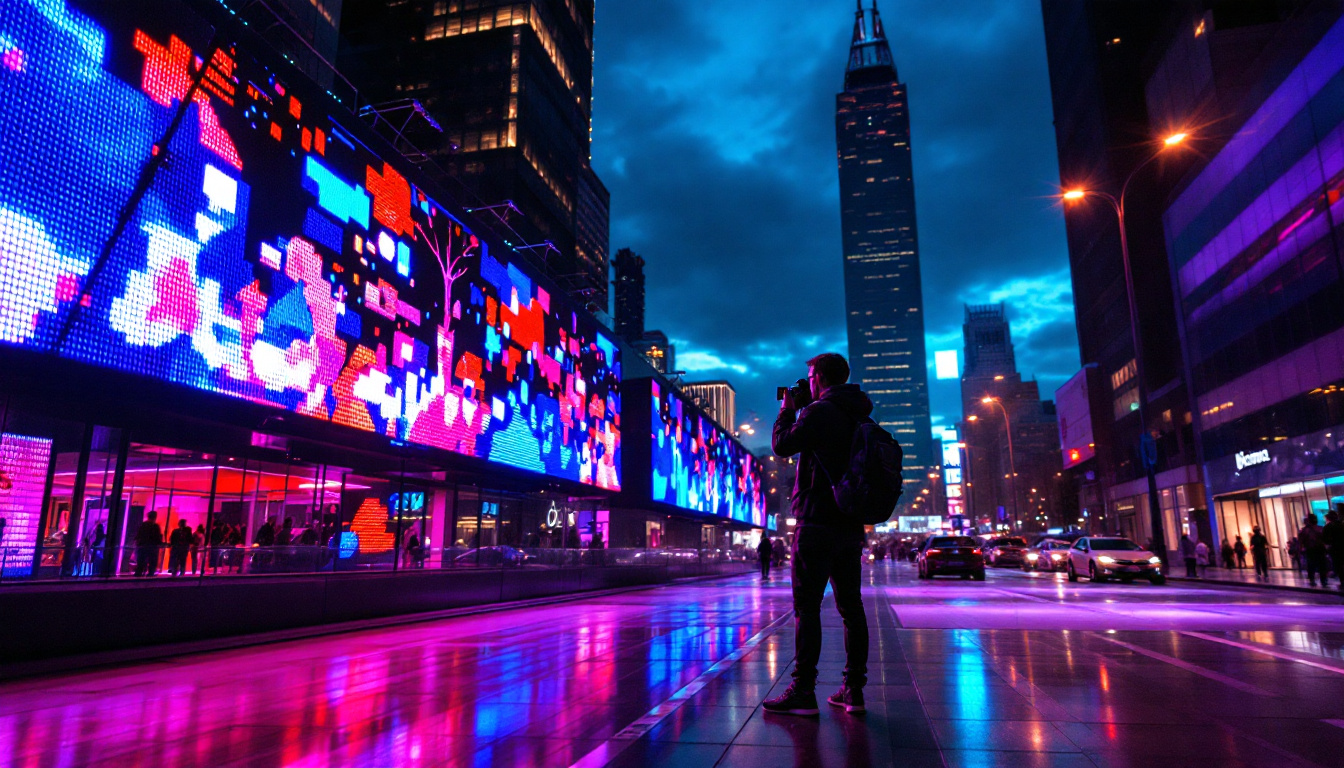
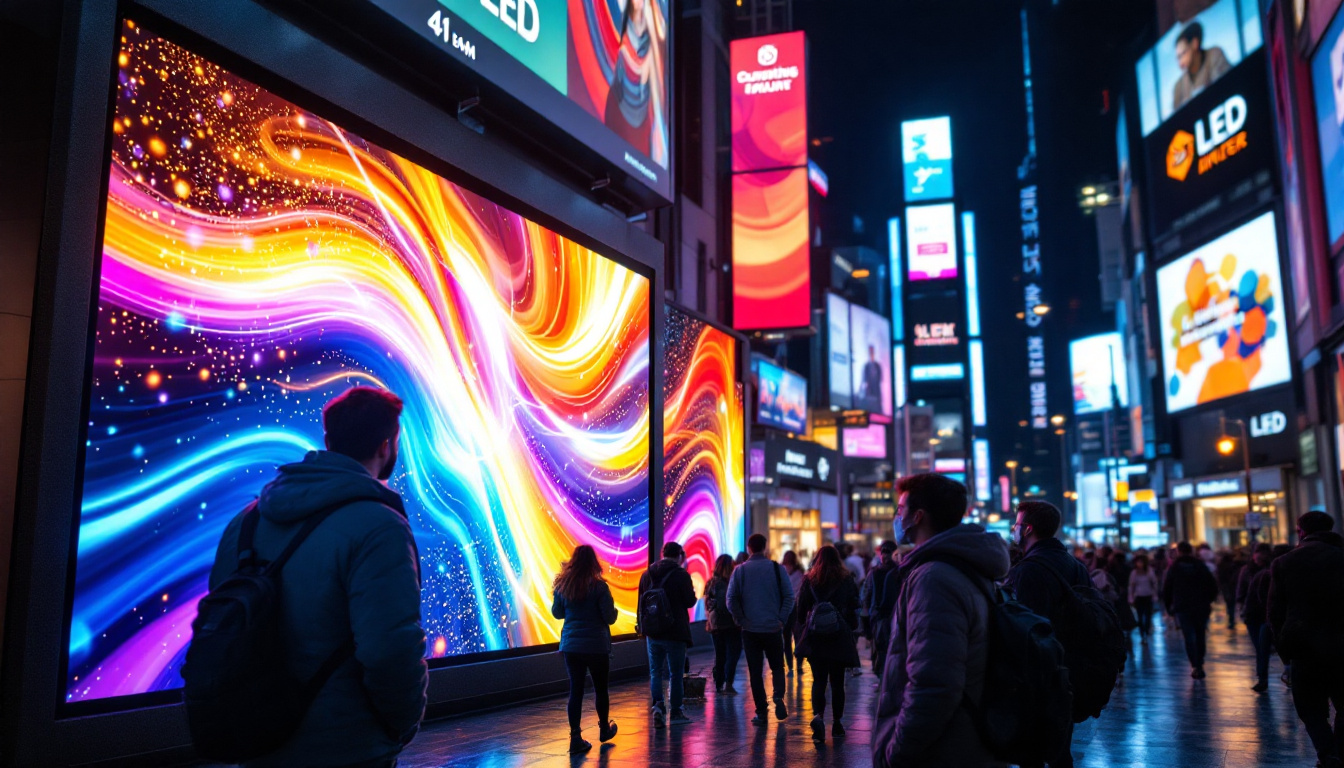
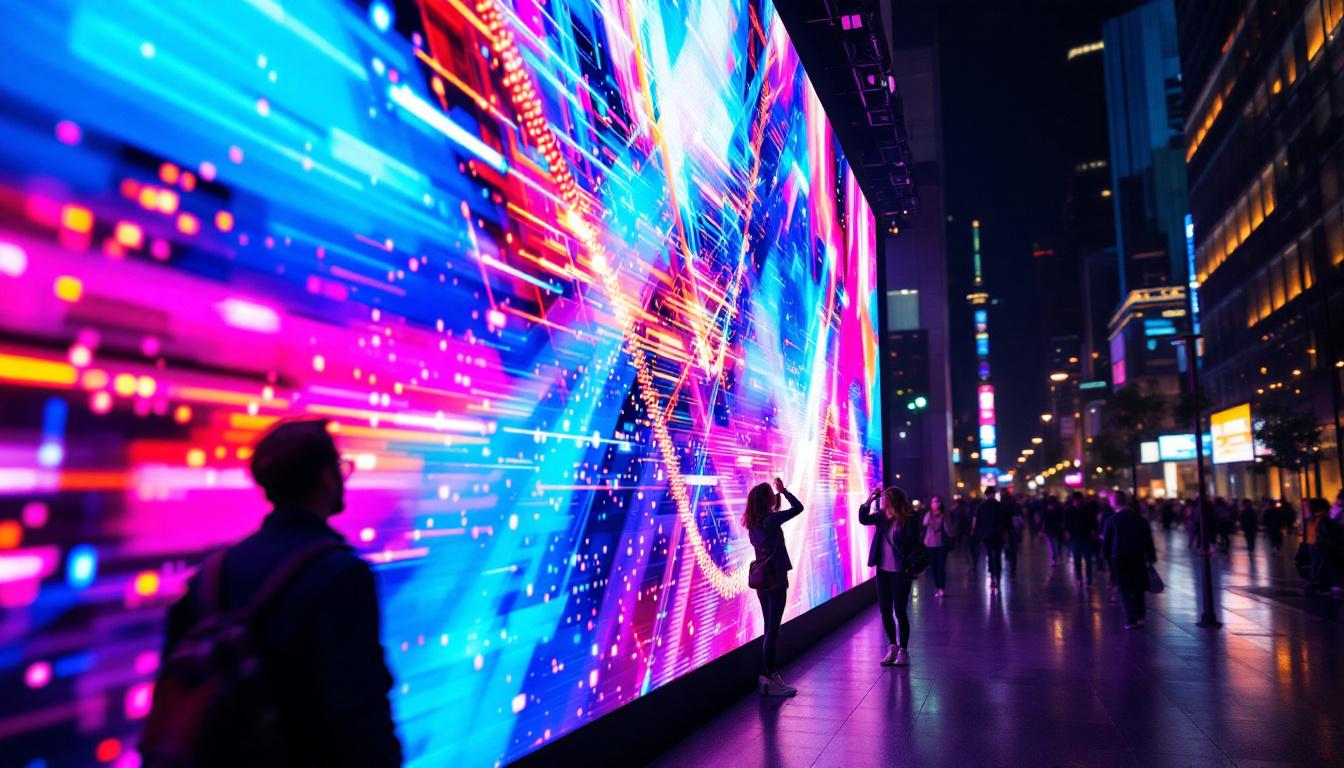
One of the most visible and widespread uses of LED displays is in outdoor advertising. According to a 2023 report by Grand View Research, the global digital signage market is projected to reach $31.71 billion by 2028, driven largely by demand for LED billboards. Cities like New York, Tokyo, London, and Dubai have iconic LED billboards that not only promote brands but also enhance urban aesthetics and provide dynamic information to the public.
LED billboards offer advertisers the flexibility to update content in real-time, target specific demographics, and display high-impact visuals that capture attention more effectively than static signs. Their energy efficiency and long lifespan also make them a cost-effective solution for outdoor advertising campaigns worldwide. Additionally, the integration of smart technology allows for data-driven advertising strategies, where content can be tailored based on factors such as time of day, weather conditions, and audience analytics, further increasing the effectiveness of campaigns.
Sports and Entertainment Venues
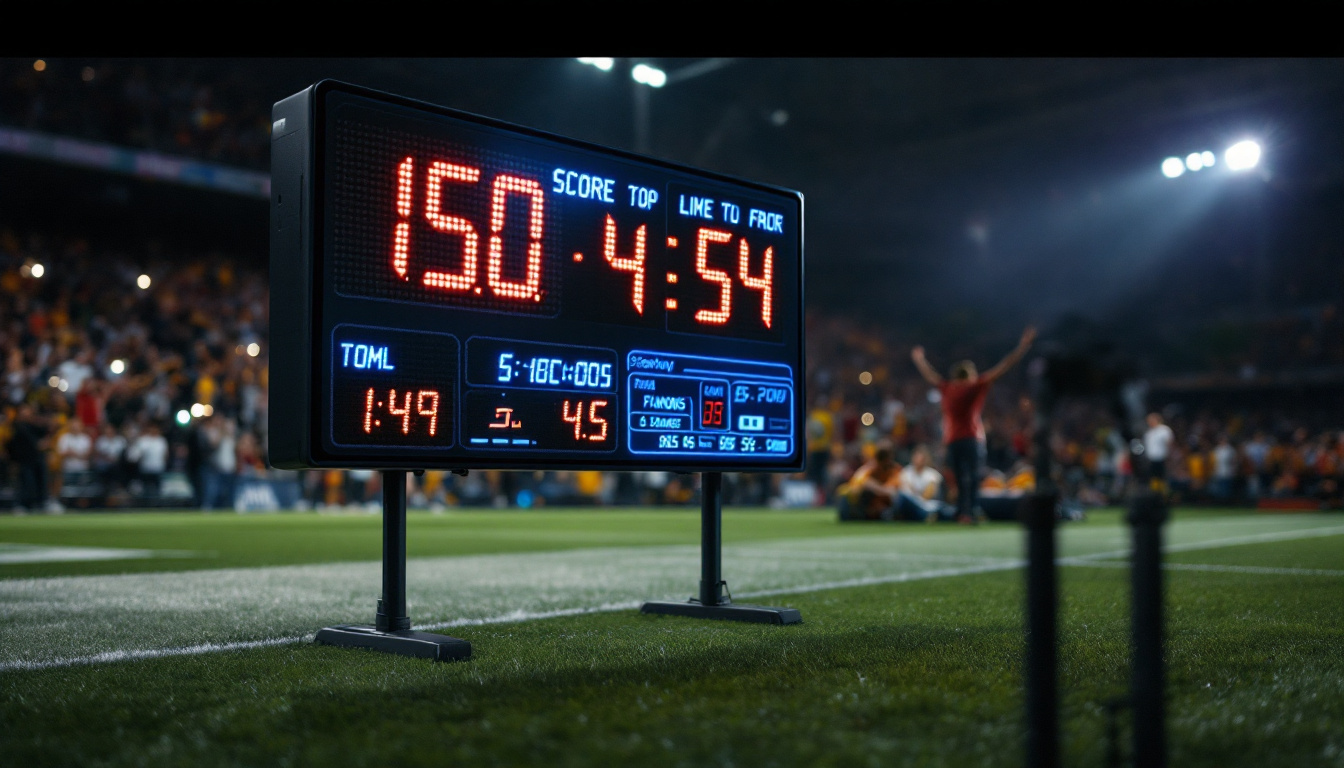
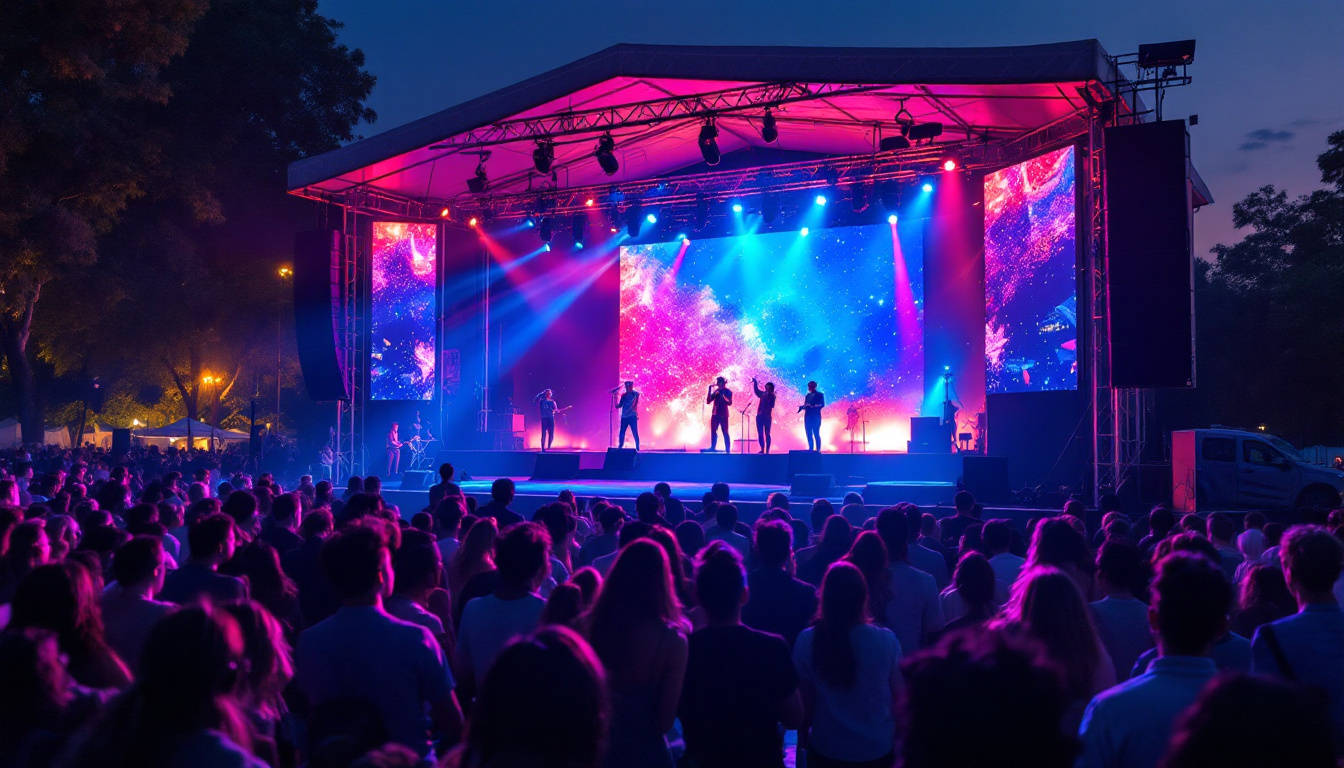
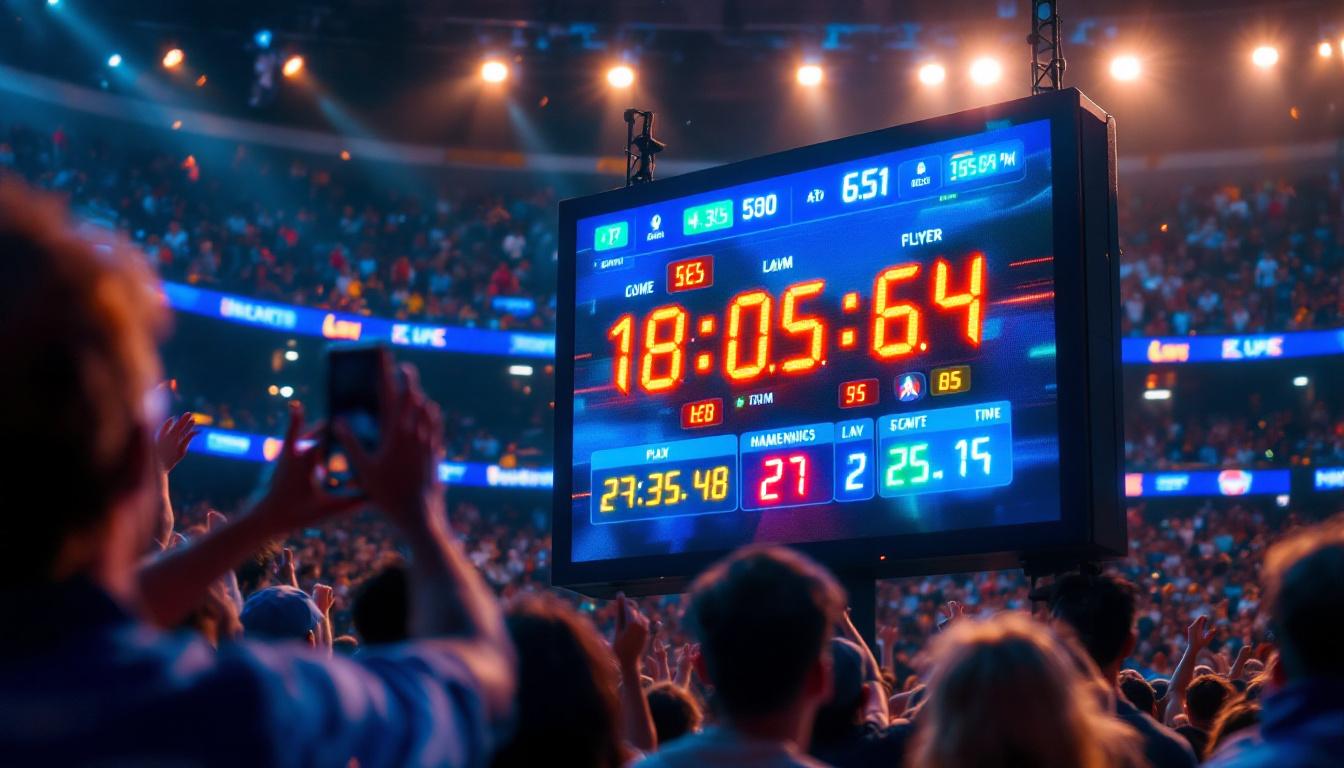
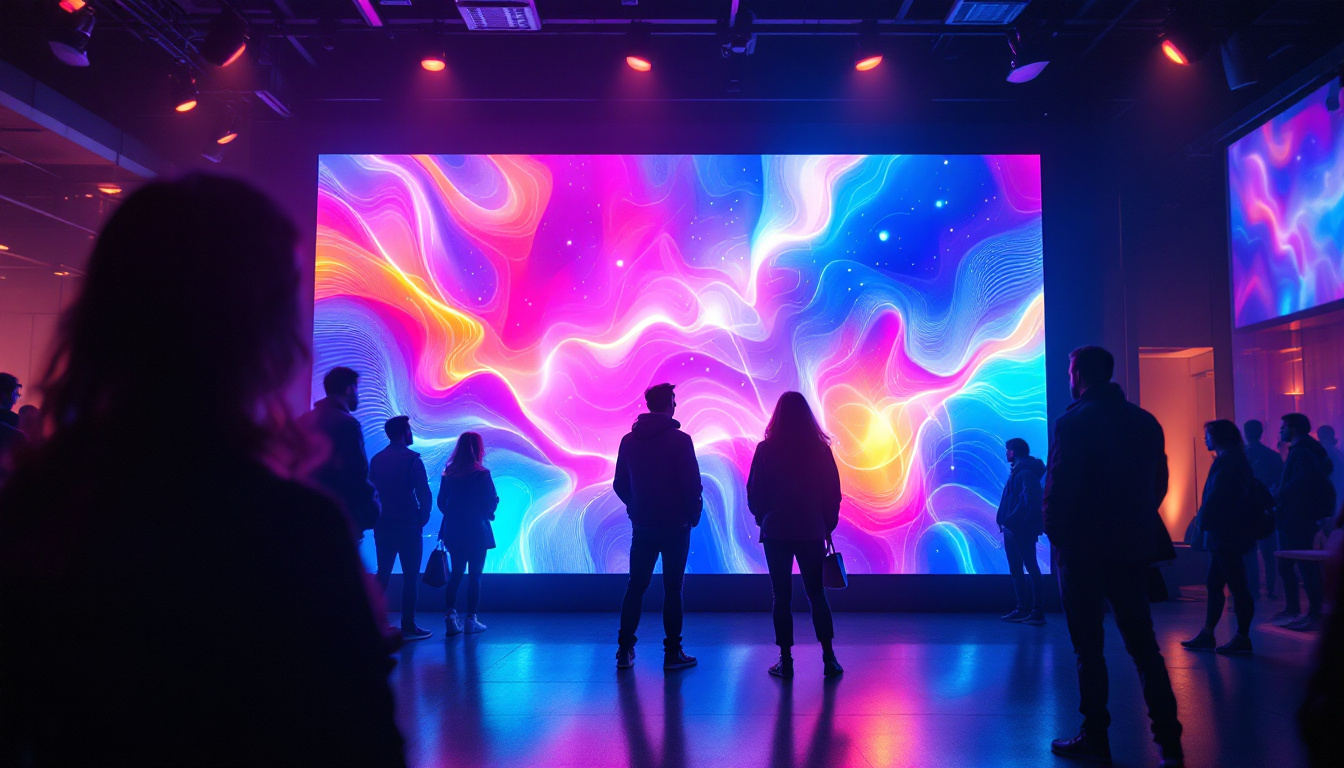
LED displays have revolutionized the experience of attending live sports events and concerts. Stadiums and arenas employ massive LED video walls to broadcast live action, instant replays, and interactive content, ensuring that every spectator, regardless of seating location, enjoys clear and engaging visuals.
For example, the AT&T Stadium in Texas features one of the largest high-definition LED video boards in the world, measuring 160 feet wide and 72 feet tall. This immersive display technology not only enhances fan engagement but also opens new revenue streams through advertising and sponsorships. Beyond just sports, LED displays are also utilized in concert venues, where they can create immersive environments through synchronized light shows and visual effects that complement live performances, transforming the audience’s experience into a multi-sensory event.
Corporate and Conference Solutions
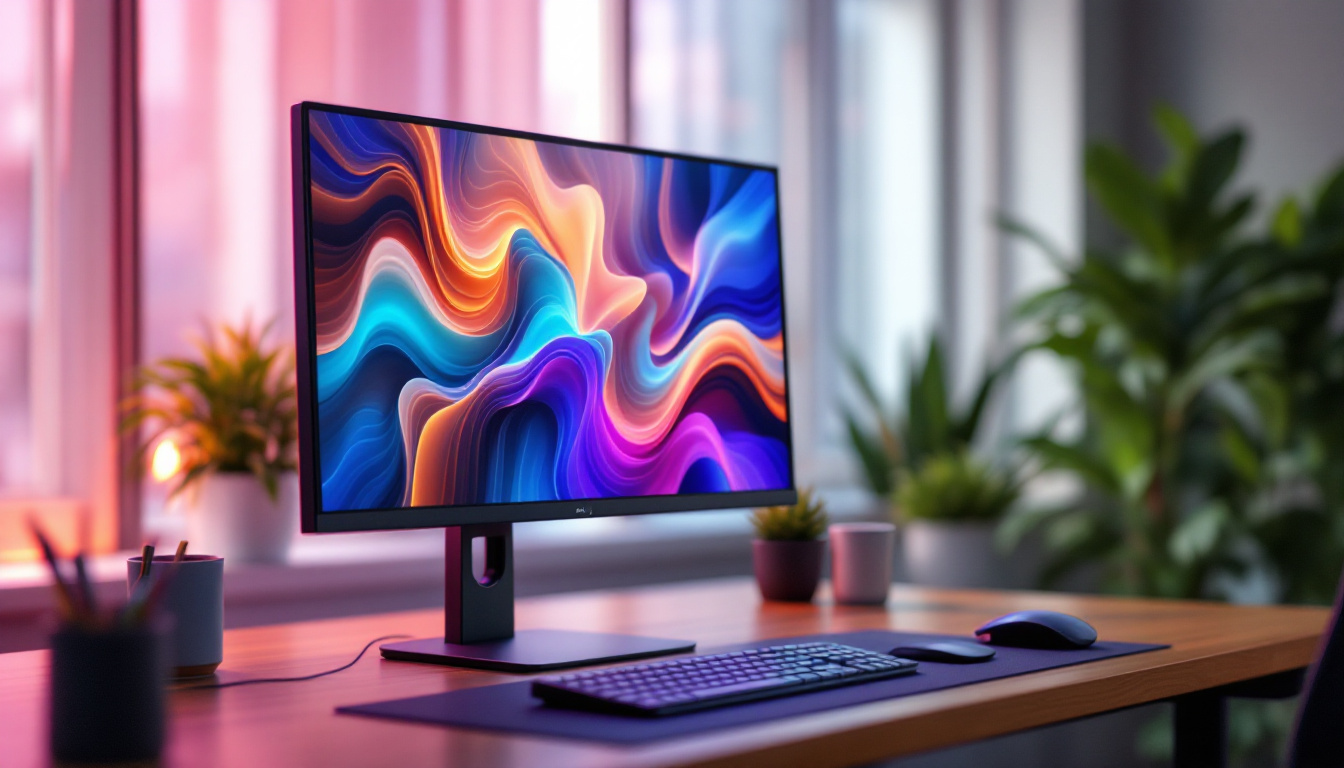
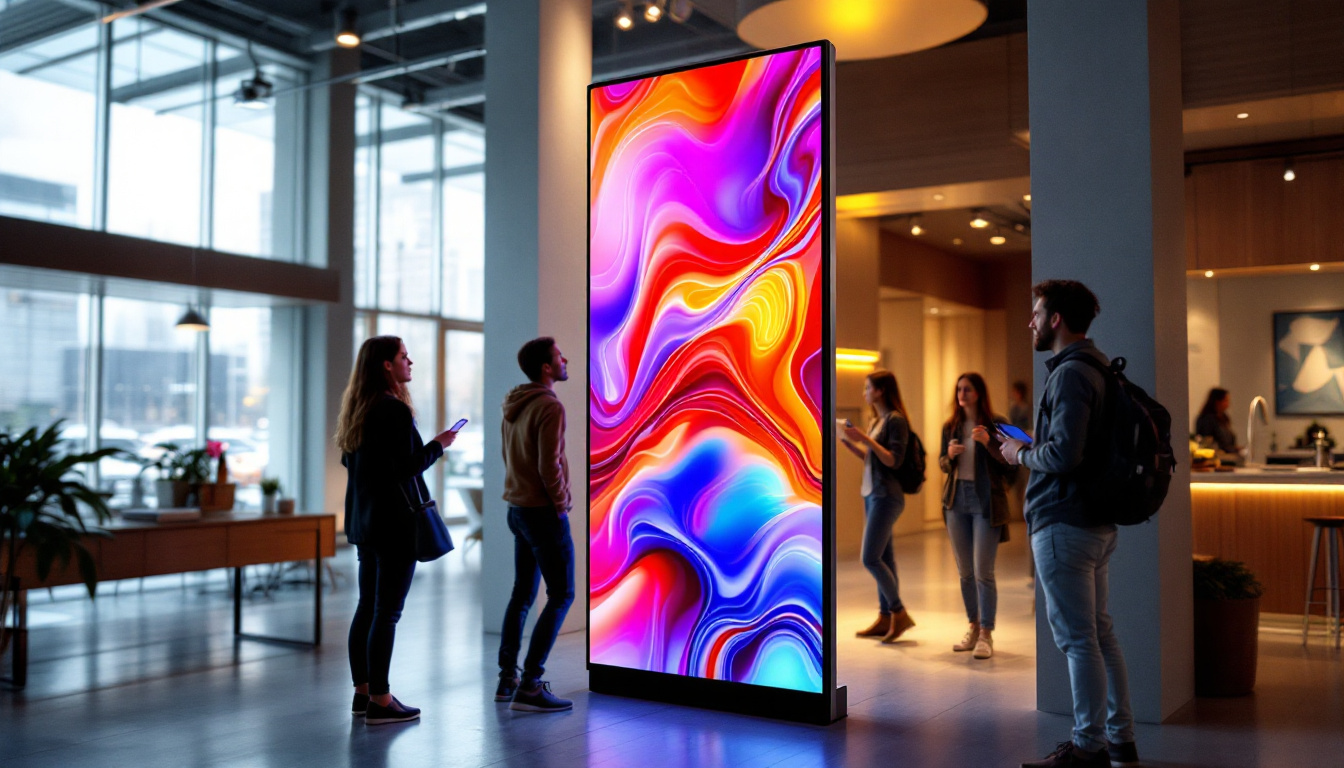
In the corporate world, LED displays are increasingly used for presentations, video conferencing, and digital signage within office environments. Their ability to deliver bright, crisp images in various lighting conditions makes them ideal for boardrooms, trade shows, and product launches.
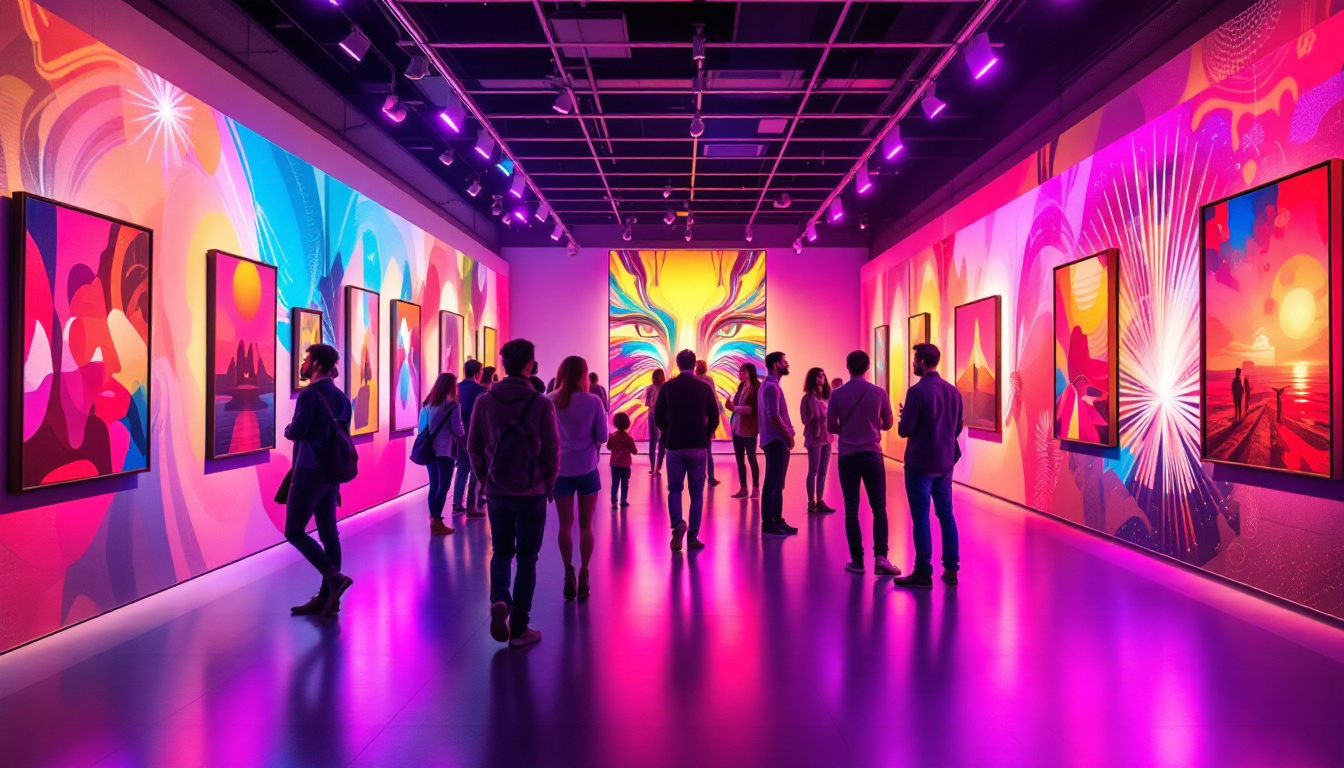
International companies leverage LED video walls to create impactful visual experiences that support communication and branding efforts. The modular nature of LED displays allows for customization in size and shape, adapting to diverse spatial and aesthetic requirements. Furthermore, the incorporation of interactive features, such as touch capabilities and augmented reality, enables companies to engage audiences in innovative ways, making presentations more memorable and effective. As remote work becomes more prevalent, these displays are also being integrated into virtual meeting platforms, enhancing collaboration and ensuring that all participants feel connected, regardless of their physical location.
Technical Considerations for International Deployments
Pixel Pitch and Viewing Distance
When selecting an LED display for international use, understanding pixel pitch is crucial. Pixel pitch, measured in millimeters, determines the resolution and optimal viewing distance of the display. Smaller pixel pitches provide higher resolution and are suited for close-range viewing, typical of indoor applications. Larger pixel pitches are designed for outdoor use where viewers are farther away.
For example, a pixel pitch of 1.5mm is common for indoor displays in conference rooms, whereas outdoor billboards may have pixel pitches ranging from 10mm to 20mm or more. Choosing the appropriate pixel pitch ensures that the image remains sharp and legible from the intended viewing distance.
Brightness and Contrast Ratios
Brightness is a critical factor for LED displays, especially in outdoor environments exposed to direct sunlight. Outdoor LED displays often feature brightness levels exceeding 5,000 nits (a measure of luminance), ensuring visibility even under intense daylight. Indoor displays typically operate at lower brightness levels, around 800 to 1,200 nits, to avoid eye strain in controlled lighting conditions.
Contrast ratio, the difference between the darkest black and the brightest white a display can produce, also affects image quality. LED displays generally offer superior contrast compared to LCDs due to their ability to turn off individual LEDs completely, resulting in true blacks and vibrant colors.
Durability and Environmental Resistance
International deployments must account for environmental factors such as temperature fluctuations, humidity, and exposure to dust or saltwater. Outdoor LED displays are engineered with robust enclosures, often rated with Ingress Protection (IP) standards like IP65 or higher, indicating resistance to water and dust ingress.
Additionally, thermal management systems, including heat sinks and cooling fans, are integrated to maintain optimal operating temperatures and prolong the lifespan of the LEDs. These features are especially important in regions with extreme climates, from the scorching deserts of the Middle East to the humid tropics of Southeast Asia.
Emerging Trends and Innovations in LED Display Technology
MicroLED and MiniLED Advances
Recent developments in MicroLED and MiniLED technologies promise to push the boundaries of LED display performance. MicroLEDs are significantly smaller than traditional LEDs, enabling even higher resolution and improved energy efficiency. This technology is gaining traction in premium consumer electronics, such as televisions and wearable devices, and is expected to influence large-scale commercial displays in the near future.
MiniLED technology uses smaller LEDs as backlighting for LCD panels, enhancing contrast and brightness while reducing power consumption. Both innovations contribute to sharper images, better color accuracy, and thinner, lighter display designs.
Flexible and Transparent LED Displays
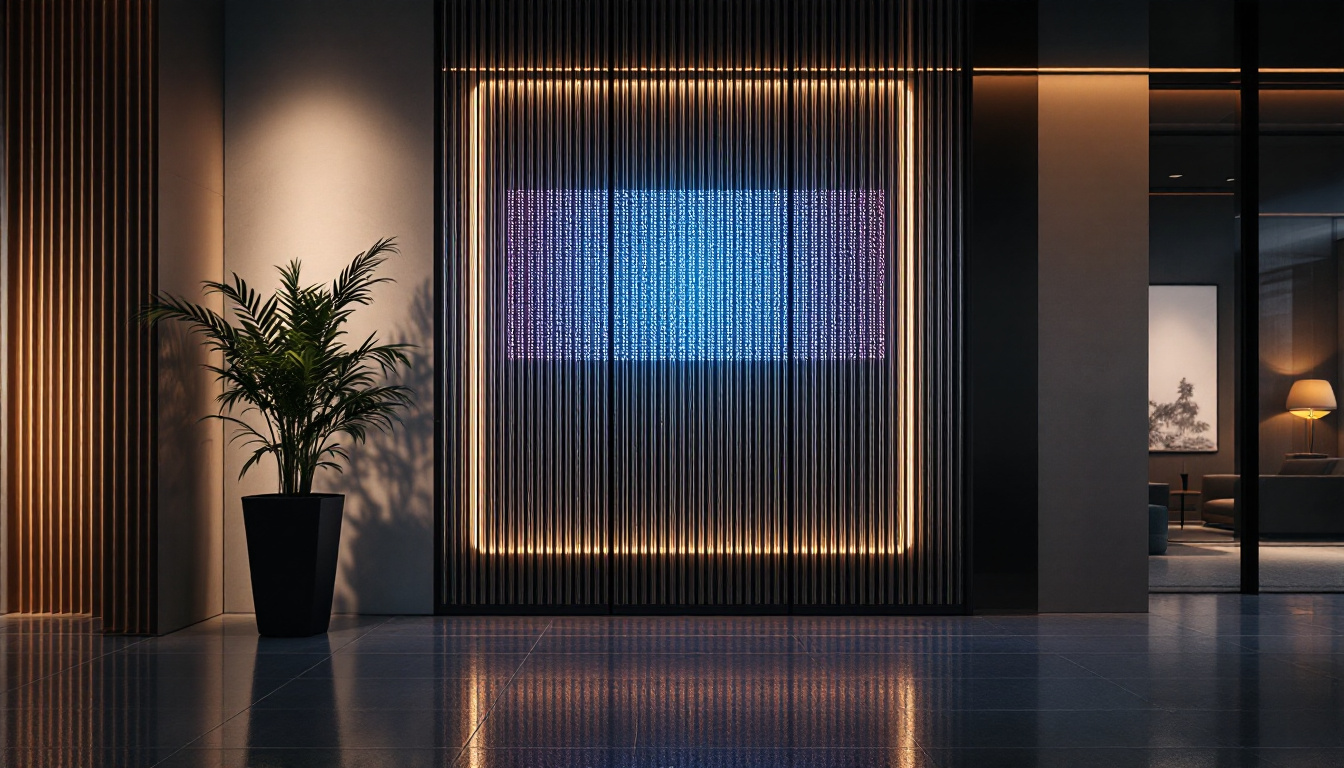
Flexible LED displays are emerging as a versatile solution for creative installations and unconventional spaces. These displays can bend or curve around surfaces, opening new possibilities for architectural integration and immersive experiences. Transparent LED displays, which allow light to pass through while displaying images, are increasingly used in retail storefronts and vehicle windows, blending digital content with real-world environments.
Integration with Smart Technologies
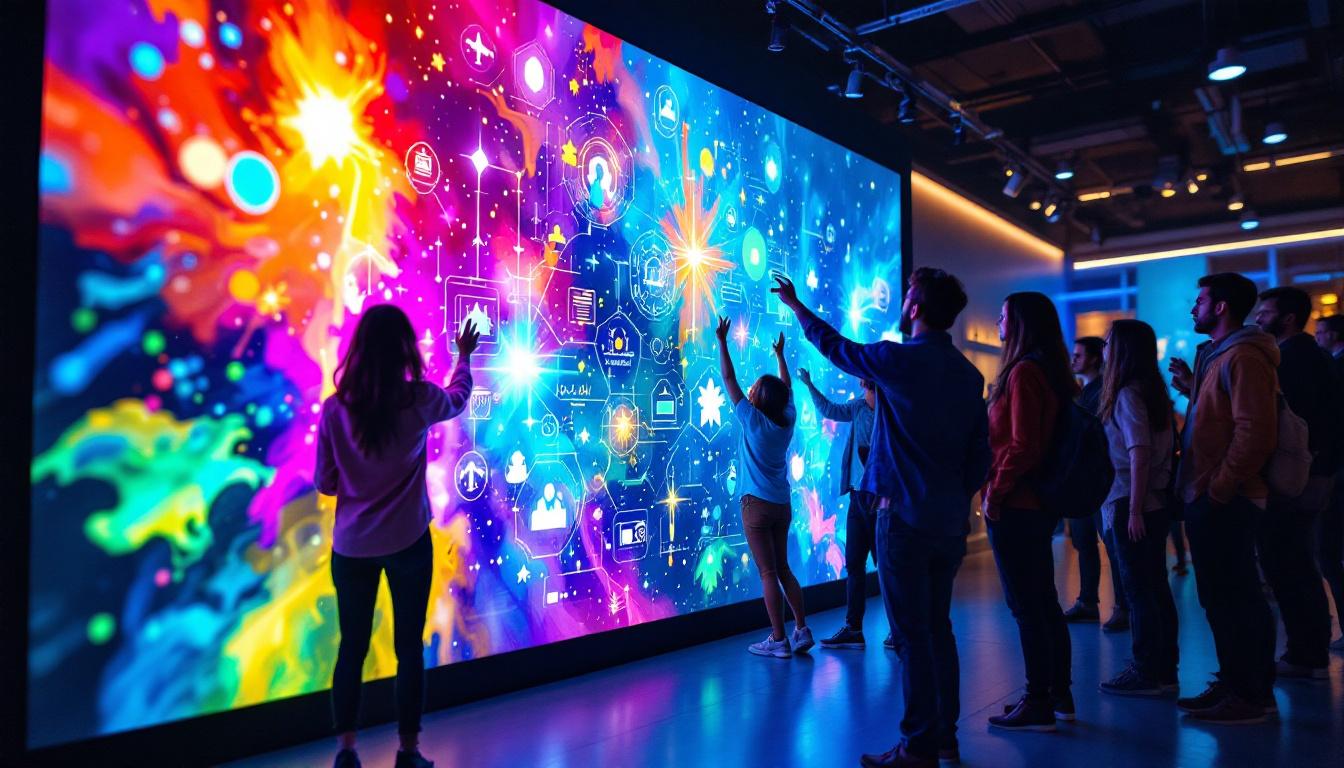
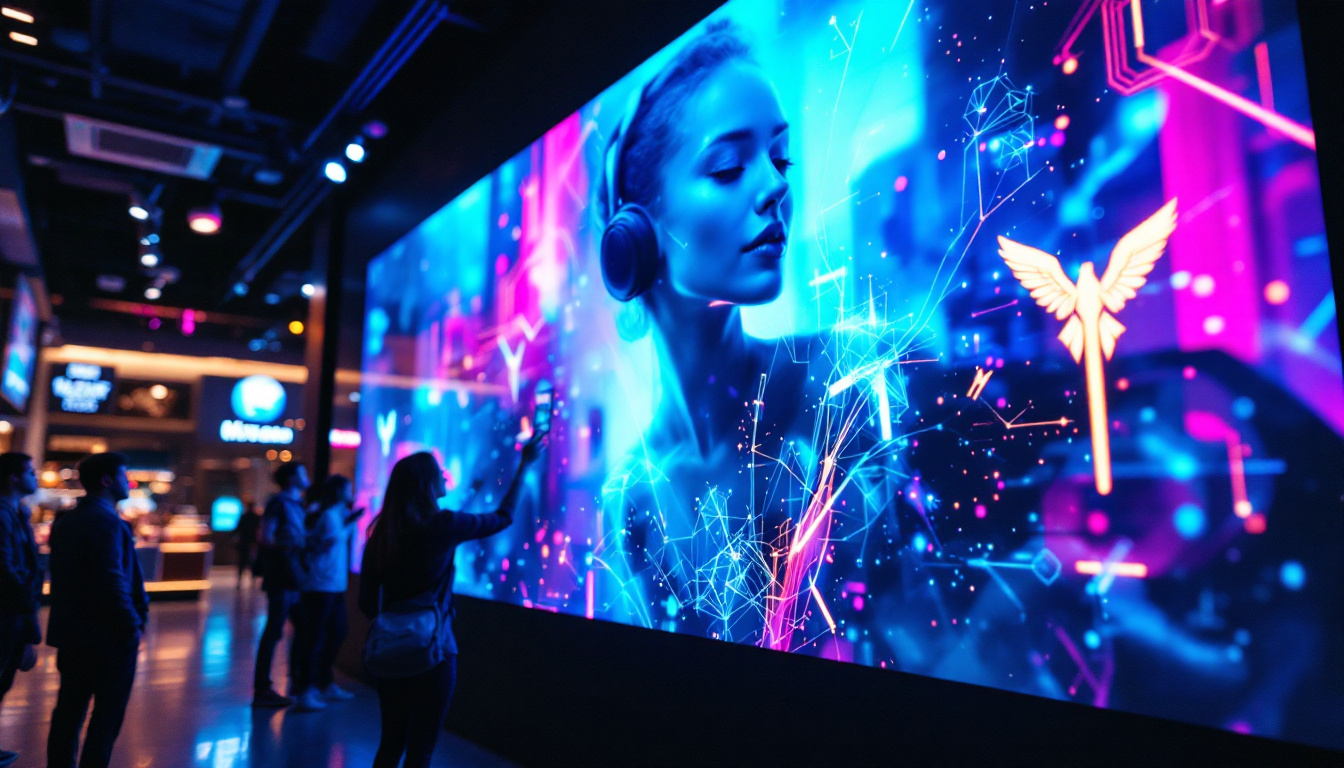
Integration with Internet of Things (IoT) and Artificial Intelligence (AI) is transforming LED displays into interactive and adaptive platforms. Smart LED displays can adjust brightness based on ambient light, tailor content dynamically according to audience demographics, and even respond to gestures or voice commands.
Such capabilities enhance user engagement and provide valuable data insights for marketers and event organizers. As 5G networks expand globally, real-time content updates and remote management of LED displays become more seamless and efficient.
Conclusion: The Future of International LED Video Displays
LED display technology continues to advance rapidly, driven by increasing demand for high-quality, versatile, and energy-efficient visual solutions worldwide. Its applications span diverse sectors—from advertising and entertainment to corporate communications and public information systems—demonstrating its adaptability and global appeal.
For businesses and organizations seeking impactful ways to communicate visually on an international scale, understanding the nuances of LED display technology is essential. Careful consideration of technical specifications, environmental conditions, and emerging trends ensures that investments in LED displays deliver maximum value and lasting impact.
As LED technology evolves, it will undoubtedly play an even more significant role in shaping the future of digital communication and visual storytelling across borders and cultures.
Discover LumenMatrix’s Advanced LED Display Solutions
As the world of digital displays continues to evolve, LumenMatrix stands at the forefront of this technological revolution. With a commitment to innovation and quality, LumenMatrix offers a wide range of LED display solutions tailored to meet the needs of any application. Whether you’re looking to enhance your brand’s visibility with an Indoor LED Wall Display, captivate passersby with an Outdoor LED Wall Display, or create a dynamic environment with a Custom LED Display, LumenMatrix has the technology to bring your vision to life. Experience the future of visual communication and engage your audience like never before. Check out LumenMatrix LED Display Solutions today and see how our cutting-edge displays can transform your space.