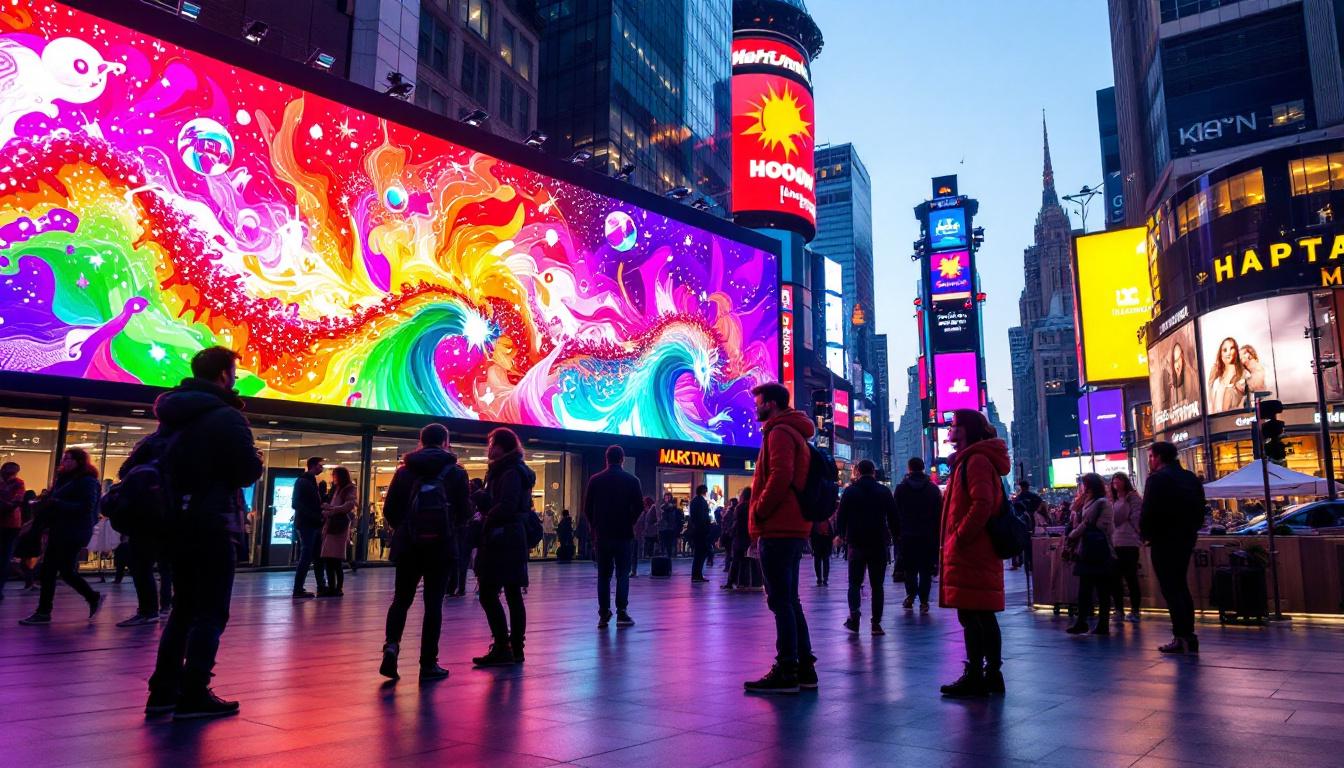
In the world of large-scale digital displays, the term “JumboTron” has become almost synonymous with massive LED screens that captivate audiences at sports arenas, concerts, and public events. But what exactly is a JumboTron, and how do LED displays work to create such vivid, dynamic visuals on a grand scale? This article delves into the technology behind JumboTrons, explores their applications, and highlights the latest advancements shaping the future of LED displays.
What is a JumboTron?
The JumboTron is a brand name originally coined by Sony in 1985 for their large-screen video displays used primarily in sports stadiums. Over time, the term has evolved into a generic descriptor for any large-scale LED display screen, regardless of manufacturer. These displays are designed to deliver high-resolution video and graphics to large audiences, often visible from hundreds of feet away.
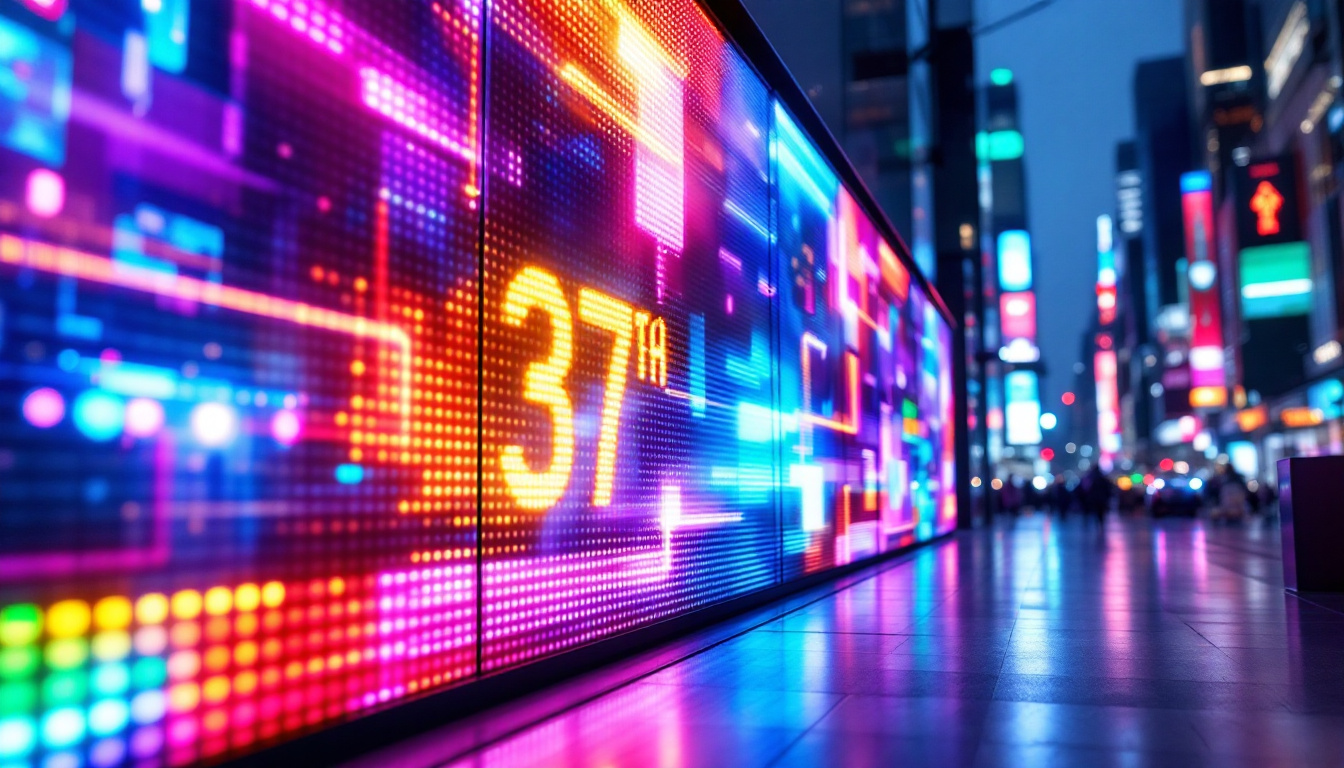
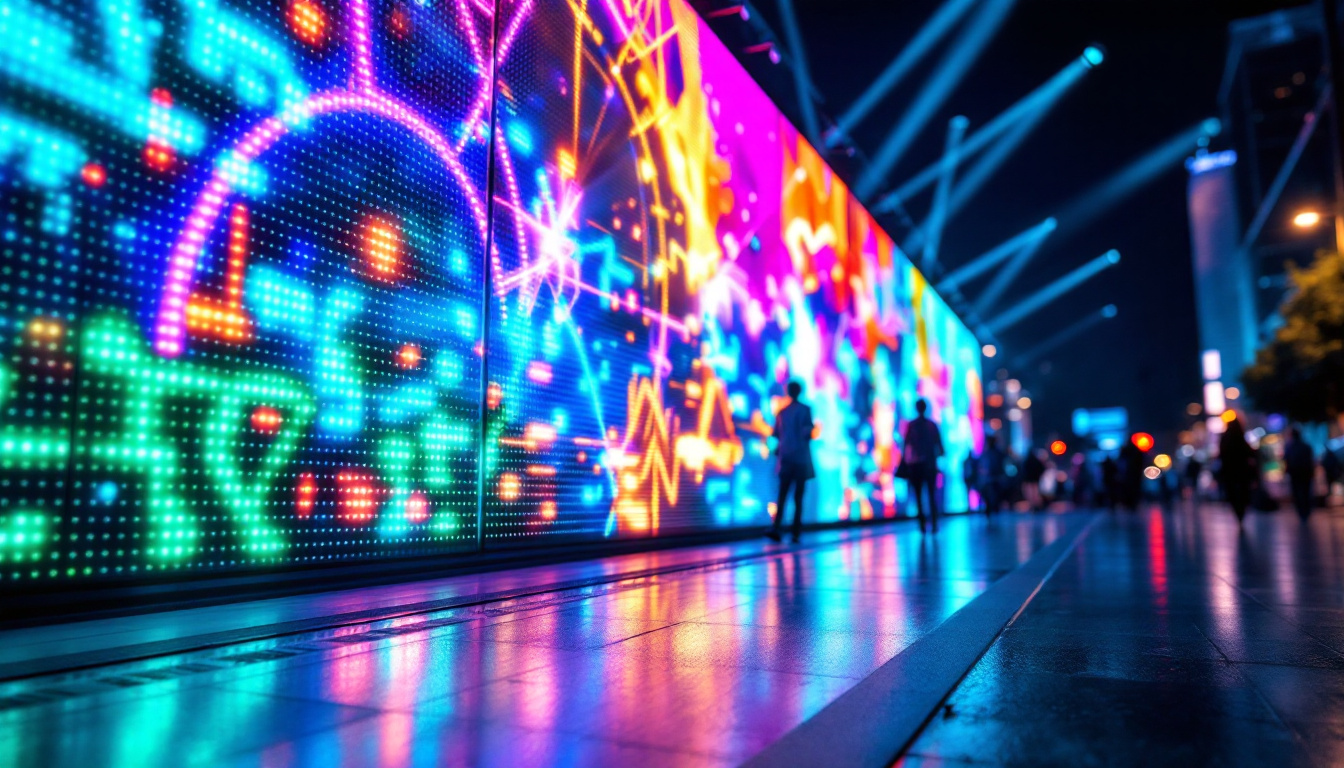
Typically, JumboTrons are composed of thousands of tiny light-emitting diodes (LEDs) arranged in a grid pattern. Each LED acts as a single pixel, capable of producing a specific color and brightness level. When combined, these pixels form the full image or video content displayed on the screen.
While the original JumboTron technology was based on cathode ray tube (CRT) displays, modern JumboTrons almost exclusively use LED technology due to its superior brightness, energy efficiency, and durability.
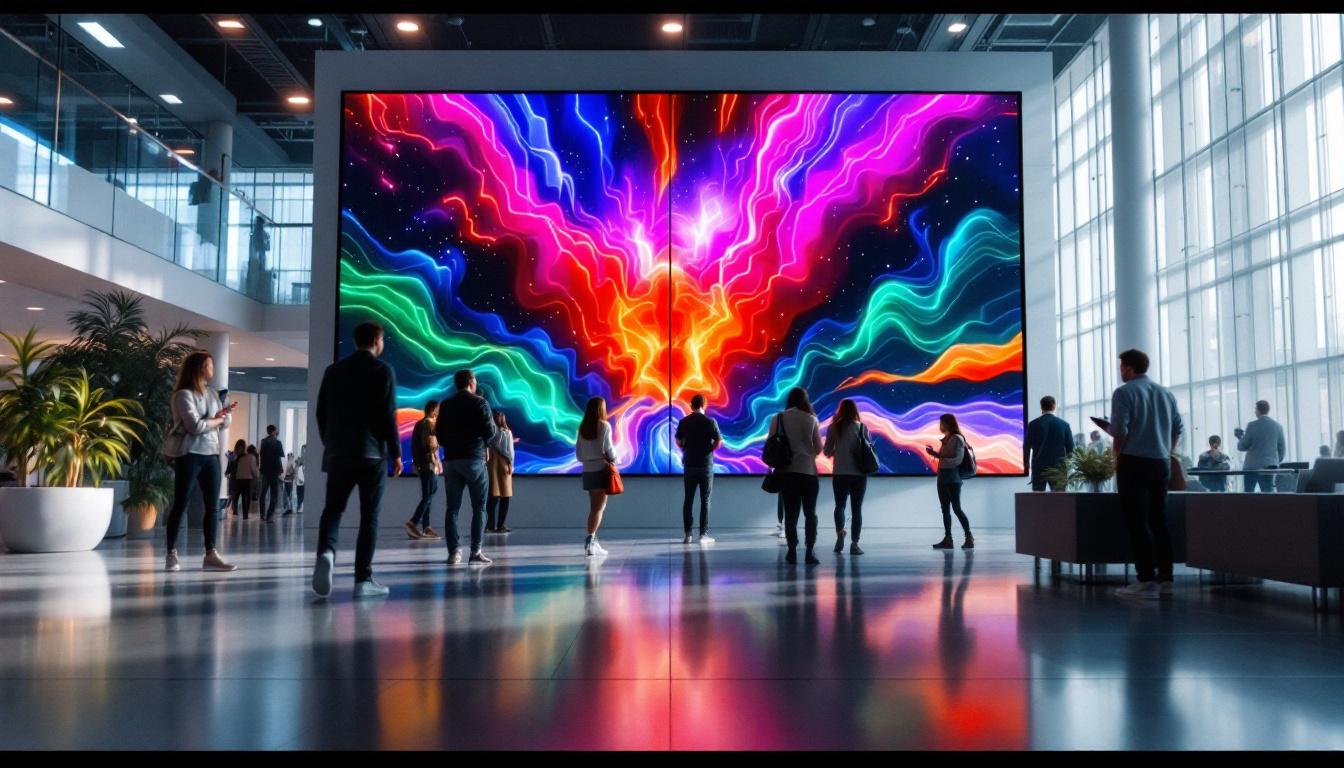
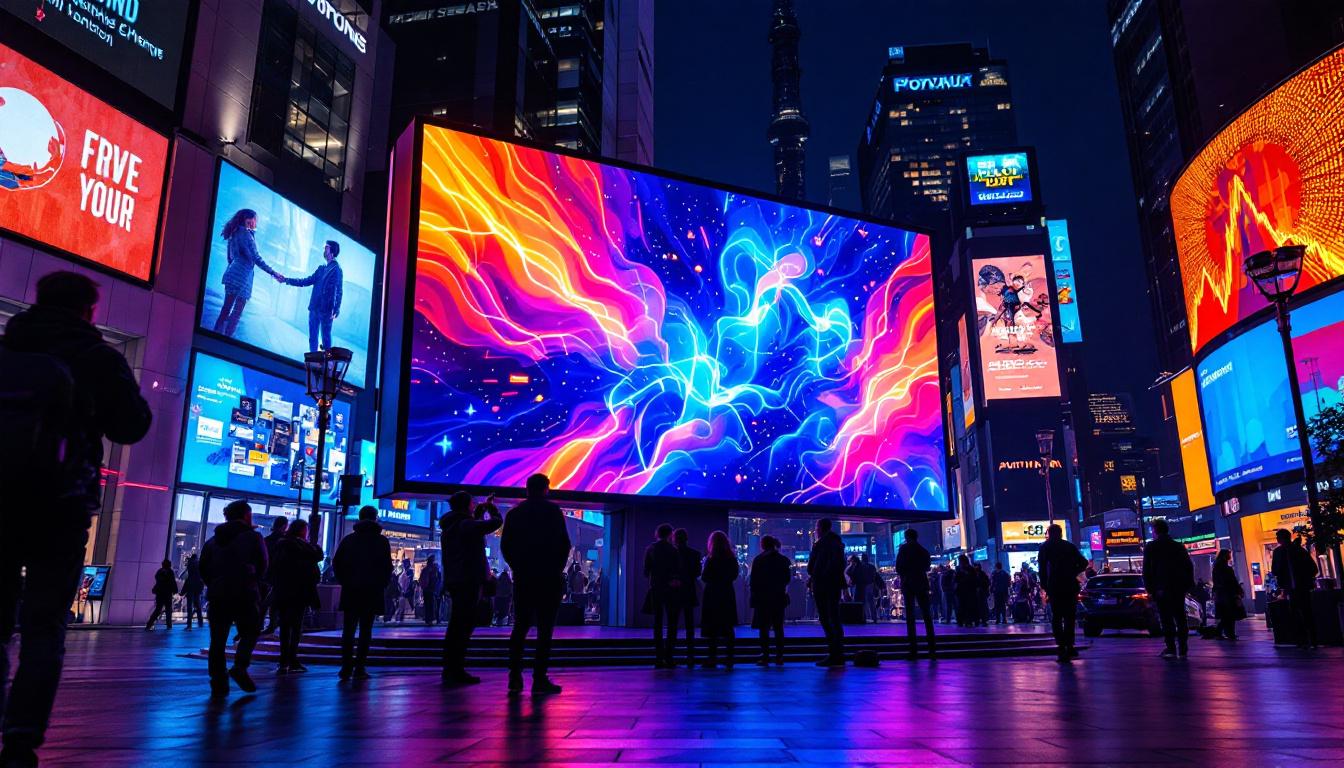
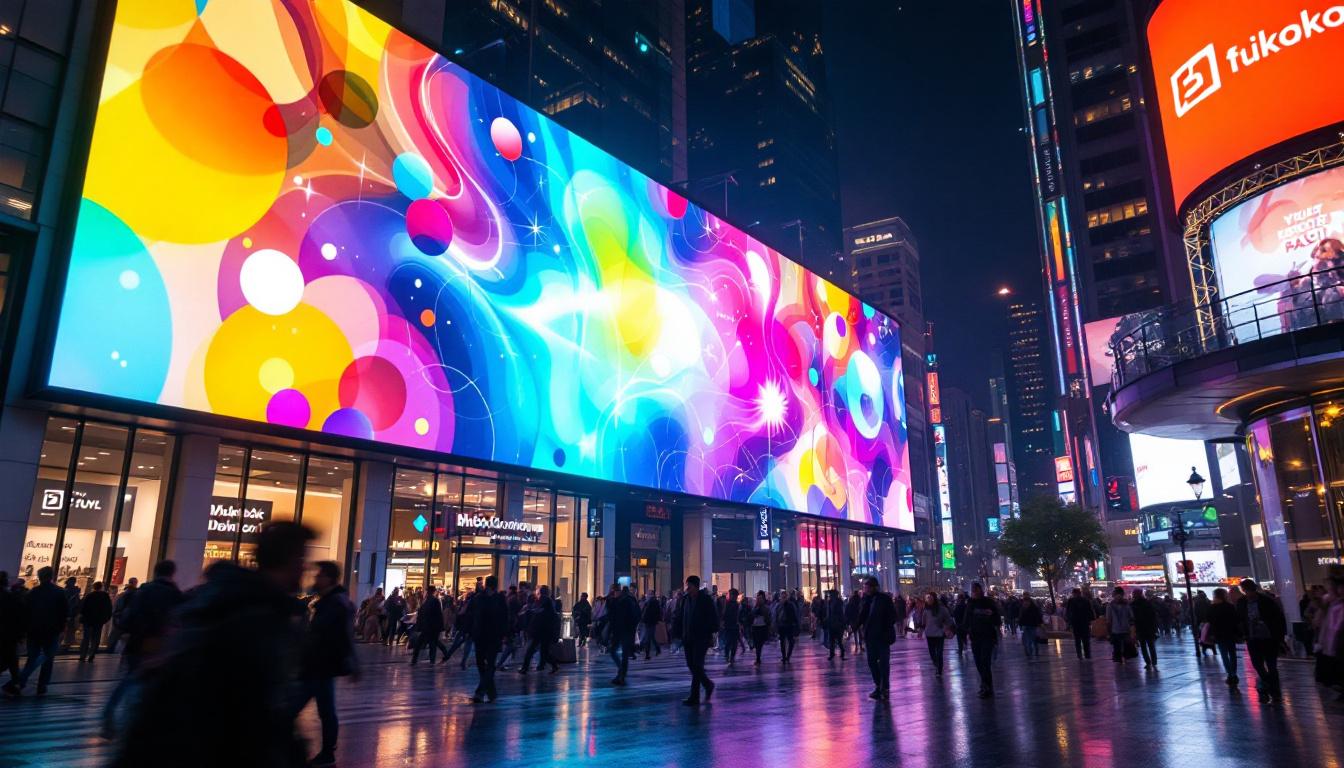
These large screens have become a staple not only in sports venues but also in concert arenas, public squares, and even shopping malls, where they serve as dynamic advertising platforms. The ability to display live feeds, replays, and interactive content has transformed the way audiences engage with events. For instance, during a live sporting event, a JumboTron can showcase instant replays, player statistics, and fan interactions, enhancing the overall spectator experience and keeping the energy levels high.
Furthermore, the advancements in JumboTron technology have led to the development of ultra-high-definition (UHD) displays, which provide even sharper images and more vibrant colors. This evolution has made JumboTrons an essential tool for event organizers looking to captivate audiences and create memorable experiences. As a result, many cities are now investing in larger and more sophisticated JumboTron installations to host public events, film screenings, and even art displays, showcasing the versatility and impact of these impressive screens in modern entertainment and communication.
How LED Displays Work
The Basics of LED Technology
LED stands for Light Emitting Diode, a semiconductor device that emits light when an electric current passes through it. Unlike traditional incandescent bulbs, LEDs are highly energy-efficient and have a long operational lifespan, making them ideal for continuous use in large-scale displays.
In LED displays, individual LEDs are grouped into pixels. Each pixel typically contains three LEDs: one red, one green, and one blue (RGB). By varying the intensity of each LED within the pixel, the display can produce a wide spectrum of colors through additive color mixing. This capability allows for the creation of dynamic visuals, from vibrant advertisements to intricate animations, enhancing the viewer’s experience significantly.
Moreover, the compact size of LEDs enables manufacturers to create ultra-thin displays that can be integrated into a variety of environments, from sleek storefronts to massive outdoor billboards. The versatility of LED technology is further exemplified by its ability to be molded into different shapes and sizes, accommodating creative designs that traditional displays cannot achieve.
Pixel Pitch and Resolution
One of the most critical factors in LED display quality is pixel pitch — the distance between the centers of two adjacent pixels, measured in millimeters. A smaller pixel pitch means more pixels per unit area, resulting in higher resolution and sharper images.
For instance, a pixel pitch of 2mm is considered very high resolution and is often used for indoor displays viewed from close distances. JumboTrons used in stadiums typically have pixel pitches ranging from 6mm to 20mm, balancing visibility from afar with cost and power consumption. The choice of pixel pitch directly impacts the overall viewing experience, as finer pitches provide more detail, making them suitable for applications like concerts and sports events where clarity is paramount.
Furthermore, advancements in technology have led to the development of fine-pitch LED displays, which are becoming increasingly popular in control rooms and high-end retail environments. These displays not only enhance the visual experience but also allow for the seamless integration of digital signage, providing businesses with an effective way to engage customers and convey information.
Brightness and Visibility
LED displays are known for their exceptional brightness, often exceeding 5,000 nits (a unit of luminance), which allows them to remain clearly visible even in direct sunlight. This high brightness is crucial for outdoor JumboTrons, ensuring that content remains vibrant and legible during daytime events.
Additionally, LED displays have wide viewing angles, often up to 160 degrees horizontally and vertically, enabling audiences to see the screen clearly from various positions within a venue. This feature is particularly beneficial in large arenas or public spaces, where viewers may be scattered across a wide area. The ability to maintain color consistency and brightness across these angles ensures that the message is effectively communicated, regardless of where the audience is positioned.
Moreover, the adaptability of LED displays extends to their brightness control capabilities. Many modern LED systems incorporate automatic brightness adjustment technology, which allows the display to modify its luminance based on ambient light conditions. This not only enhances visibility but also contributes to energy savings, making LED displays an environmentally friendly choice for businesses looking to reduce their carbon footprint while still delivering impactful visual content.
Applications of JumboTrons
Sports Arenas and Stadiums
Perhaps the most iconic use of JumboTrons is in sports stadiums. These massive screens provide live game footage, instant replays, player statistics, and advertisements, enhancing the fan experience. For example, the AT&T Stadium in Texas boasts one of the largest high-definition video screens globally, measuring approximately 160 feet wide and 72 feet tall.
JumboTrons help engage audiences by delivering immersive visuals that complement the live action on the field, making them an indispensable part of modern sports entertainment.
Concerts and Live Events
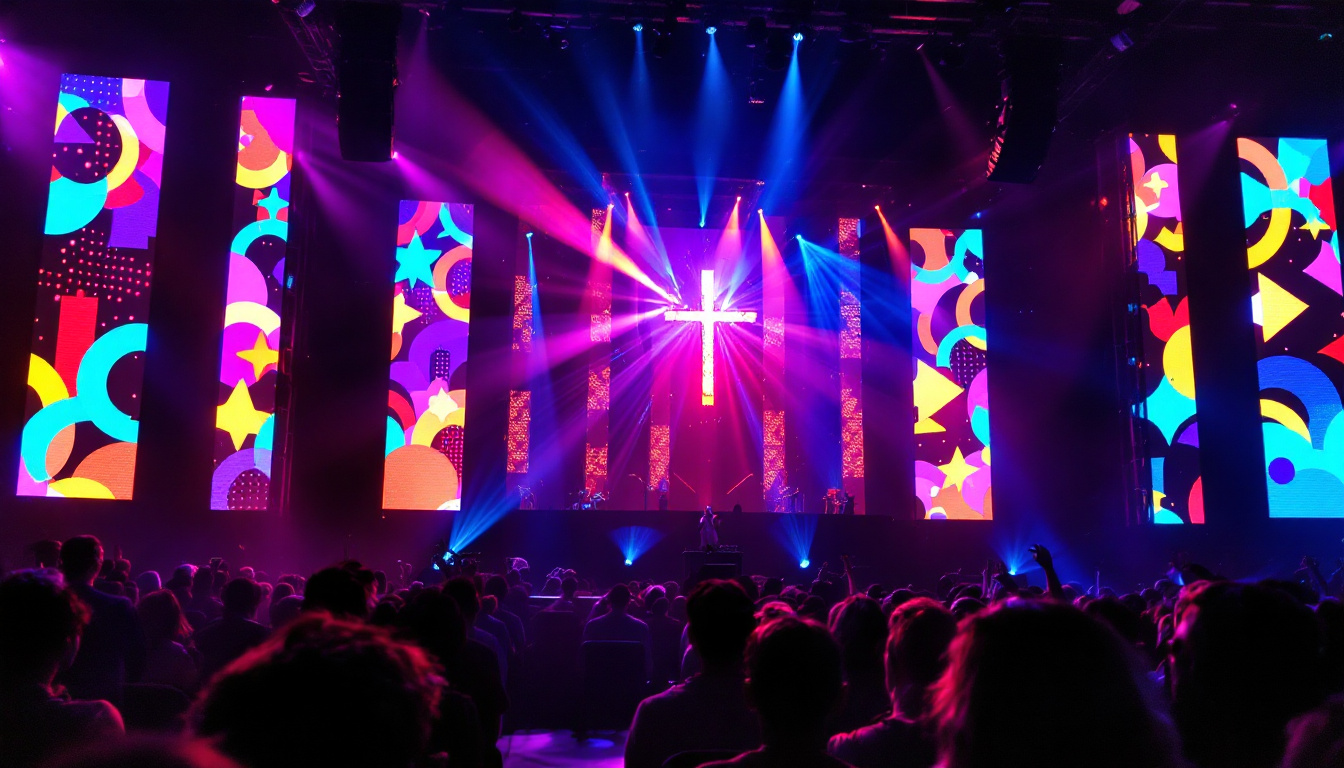
In the music and entertainment industry, JumboTrons are used to project live performances, graphics, and special effects to large crowds. This ensures that even attendees far from the stage can enjoy close-up views of performers and dynamic visual content, creating a more inclusive and engaging atmosphere.
Artists like Beyoncé and Coldplay have incorporated JumboTron displays into their tours, utilizing advanced LED technology to synchronize visuals with music and choreography.
Advertising and Public Information
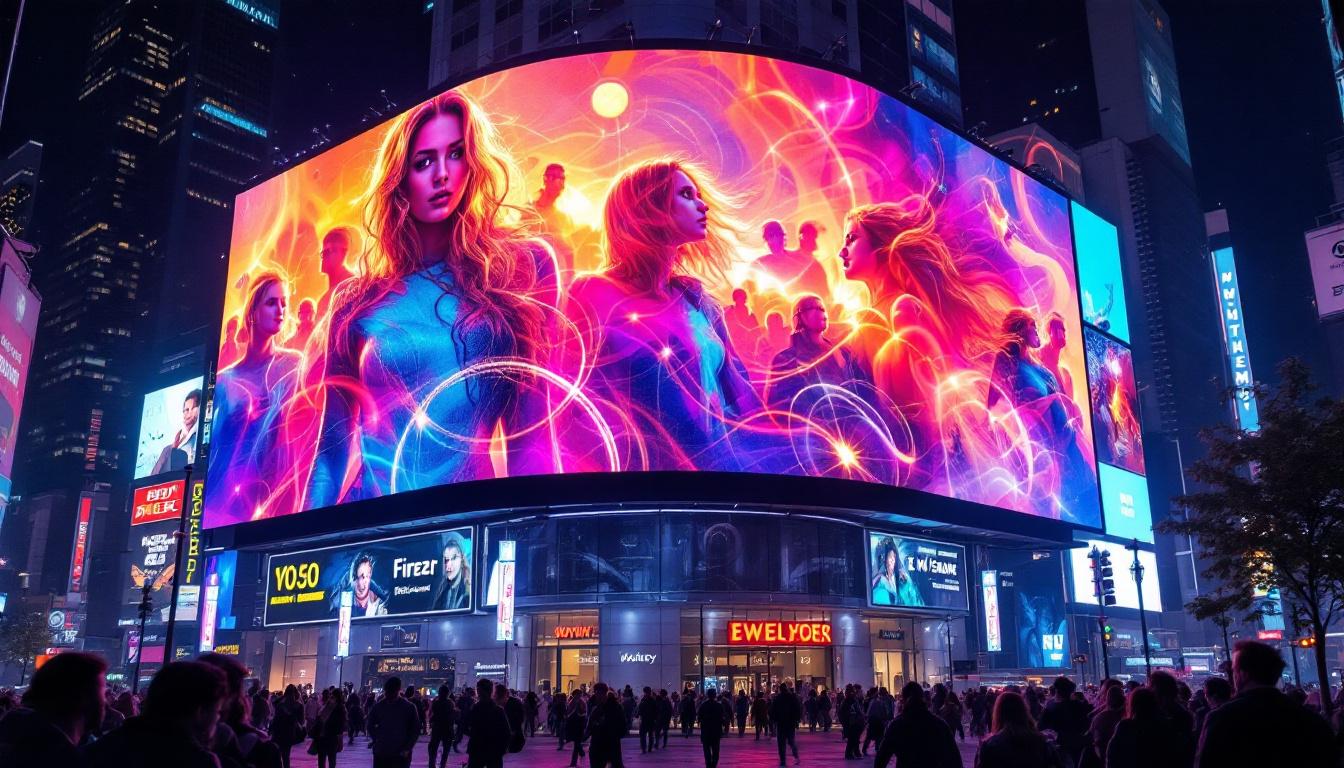
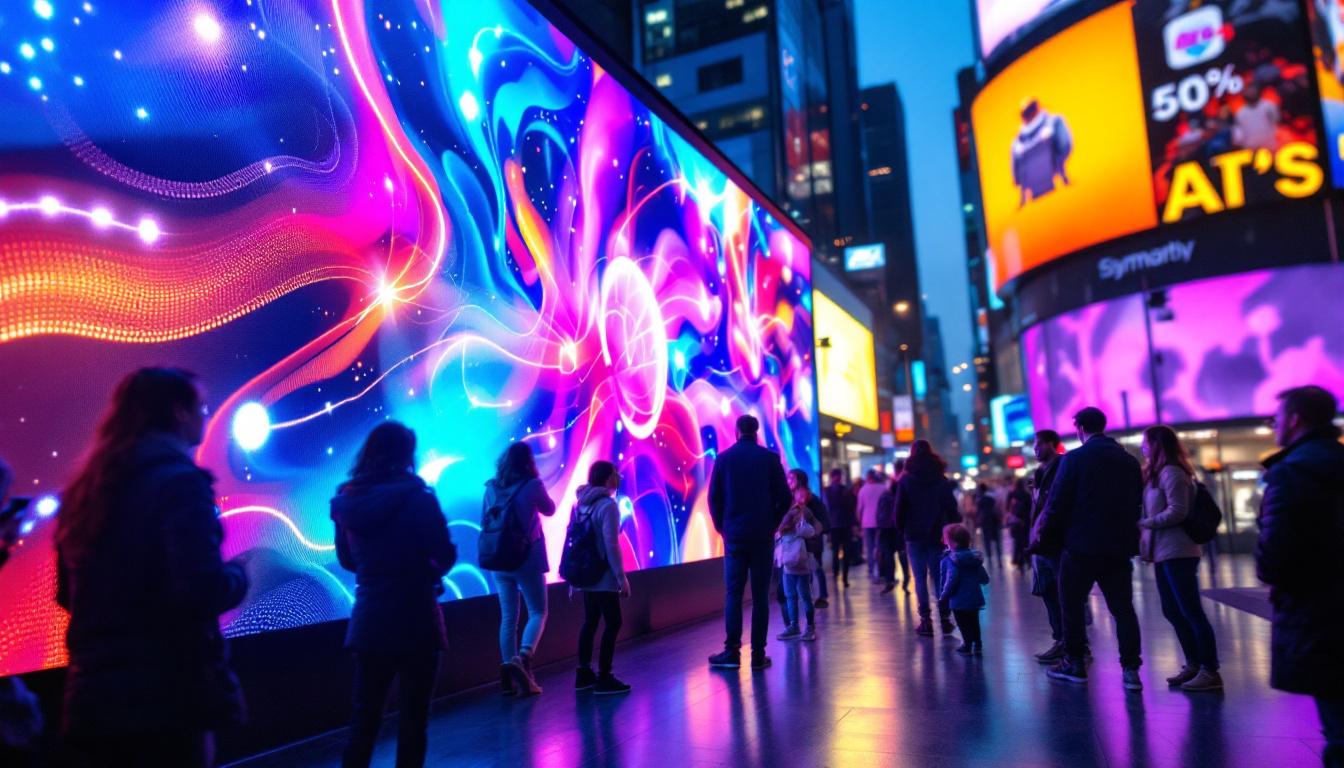
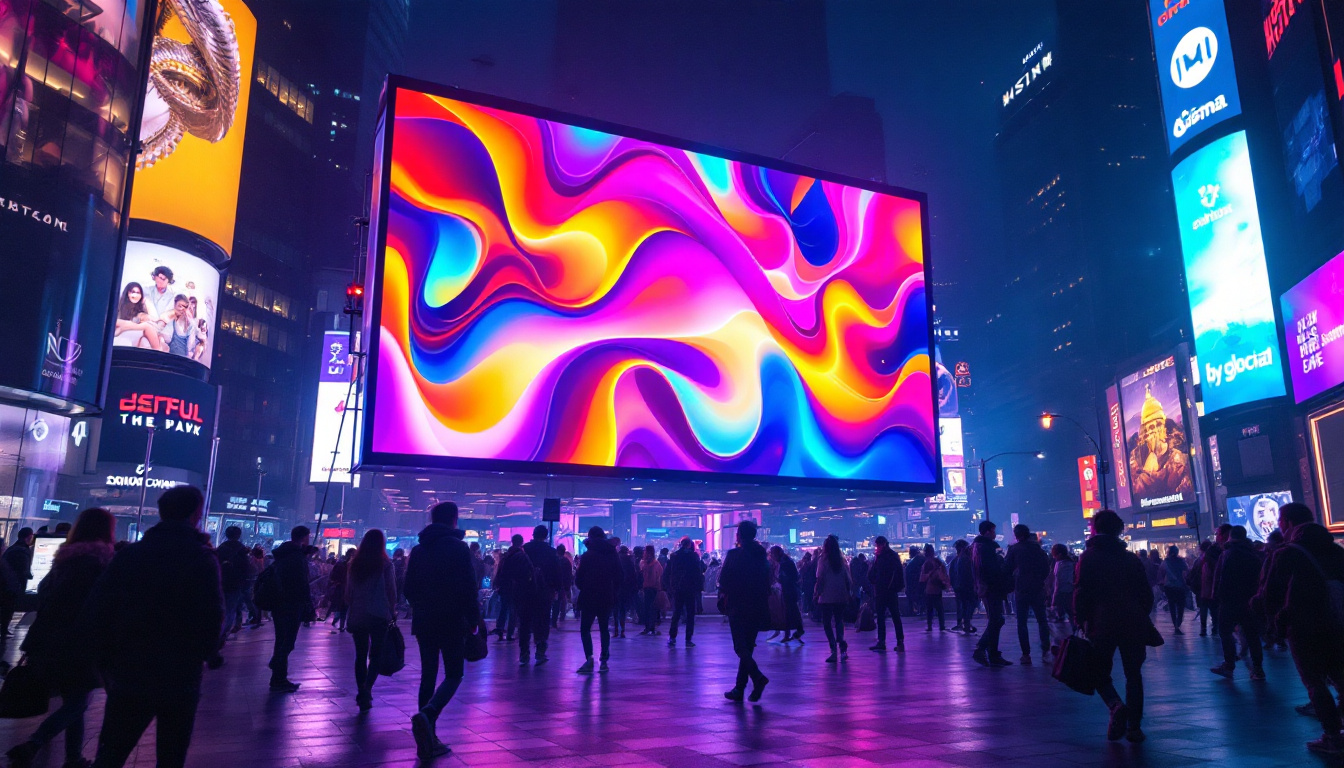
Beyond entertainment, JumboTrons serve as powerful advertising tools in urban centers, transportation hubs, and public squares. Their ability to display bright, colorful, and dynamic content attracts attention and effectively communicates messages to large audiences.
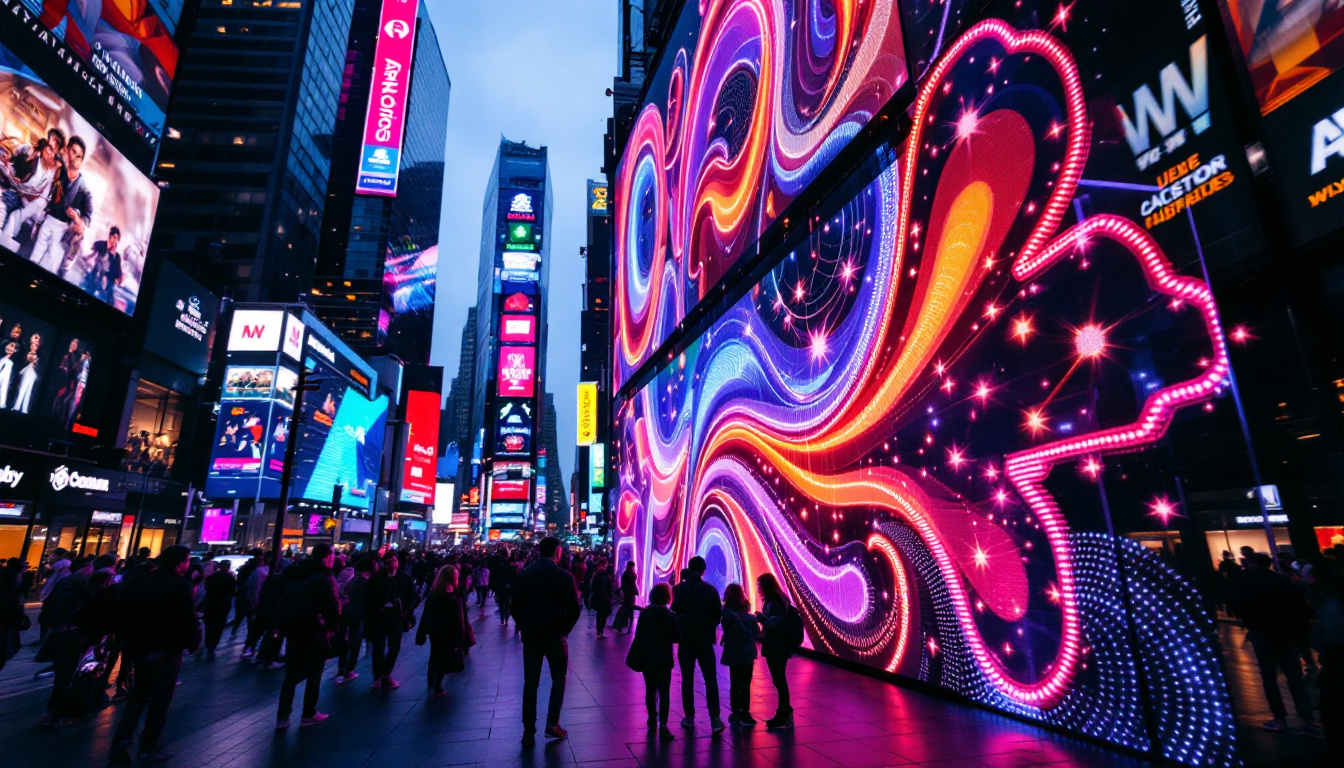
For example, Times Square in New York City features multiple JumboTron-style LED billboards that showcase advertisements, news, and public service announcements, contributing to the area’s vibrant visual culture.
Technological Advancements in JumboTron Displays
Improved Energy Efficiency
Recent developments in LED technology have focused on reducing energy consumption without compromising brightness or image quality. Advances in semiconductor materials and power management systems allow modern JumboTrons to operate more sustainably, lowering operational costs and environmental impact.
Some stadiums have integrated solar panels and smart energy systems to power their LED displays, further enhancing sustainability efforts.
Higher Resolution and Pixel Density
As manufacturing techniques improve, LED modules can be produced with finer pixel pitches, enabling JumboTrons to display ultra-high-definition (UHD) content. This trend is particularly noticeable in indoor arenas and event venues where audiences are closer to the screen.
Higher resolution displays allow for more detailed graphics, sharper text, and smoother video playback, elevating the overall viewer experience.
Flexible and Curved LED Screens
Innovations in LED panel design have led to the creation of flexible and curved displays. These can be shaped to fit unique architectural features or create immersive environments, such as wrap-around screens in arenas or curved walls in retail spaces.
Flexible LED technology expands creative possibilities for designers and event organizers, allowing for more engaging and visually striking installations.
Enhanced Control Systems and Interactivity
Modern JumboTrons are equipped with sophisticated control systems that enable real-time content management, remote operation, and integration with other audiovisual equipment. Some displays also support interactive features, such as touch sensitivity or audience participation through mobile devices.
This interactivity opens new avenues for engagement, making events more dynamic and personalized.
Challenges and Considerations When Using JumboTrons
Cost and Installation
While LED technology has become more affordable over the years, installing a JumboTron remains a significant investment. Costs include not only the display panels but also structural support, electrical infrastructure, and content management systems.
Proper installation requires careful planning to ensure safety, optimal viewing angles, and compliance with local regulations.
Maintenance and Durability
JumboTrons, especially those used outdoors, must withstand harsh weather conditions, including rain, wind, and temperature fluctuations. High-quality LED modules are designed to be weatherproof and durable, but regular maintenance is essential to preserve image quality and prevent failures.
Maintenance tasks include cleaning, module replacement, and software updates, which should be factored into the total cost of ownership.
Content Creation and Management
Displaying content on a JumboTron requires specialized software and skilled operators. Content must be optimized for the screen’s resolution and viewing distance to ensure clarity and impact.
Additionally, scheduling and managing diverse content streams—such as live video, advertisements, and informational graphics—can be complex, necessitating robust content management systems.
The Future of JumboTron LED Displays
Looking ahead, JumboTron technology is poised to become even more immersive and interactive. Emerging trends include the integration of augmented reality (AR) elements, AI-driven content personalization, and ultra-high-definition 8K displays.
Moreover, sustainability will continue to be a priority, with innovations aimed at reducing energy consumption and incorporating recyclable materials into LED modules.
As LED technology advances, JumboTrons will not only enhance entertainment and advertising but also transform public spaces into dynamic, engaging environments that connect communities in new and exciting ways.
Conclusion
JumboTrons represent a remarkable fusion of technology and creativity, delivering large-scale, high-impact visual experiences that captivate audiences worldwide. Understanding the fundamentals of LED display technology, their applications, and the latest innovations provides valuable insight into why these massive screens have become indispensable in sports, entertainment, advertising, and beyond.
As LED technology continues to evolve, JumboTrons will remain at the forefront of digital display innovation, shaping how people experience live events and public communications in the years to come.
Explore Cutting-Edge LED Displays with LumenMatrix
Ready to elevate your venue’s visual experience with the latest in LED display technology? LumenMatrix is at the forefront of innovation, offering a wide array of LED solutions tailored to your needs. From Indoor and Outdoor LED Wall Displays to immersive Floor and Custom LED Displays, our products are designed to captivate your audience and amplify your message. Discover how our LED Sports Displays and Transparent LED solutions can transform your events and spaces. Check out LumenMatrix LED Display Solutions today and join the revolution in visual communication.