In today’s world of digital screens, terms like LCD and LED are thrown around frequently, often interchangeably. However, understanding the fundamental differences between these technologies is crucial for making informed decisions, whether you’re buying a new television, monitor, or digital signage. This article delves deep into the world of LCD and LED displays, explaining how they work, their advantages and disadvantages, and why the distinction matters.
Understanding LCD Technology
What is an LCD?
LCD stands for Liquid Crystal Display. It’s a technology that has been widely used in screens for decades, from calculators and digital watches to laptops and televisions. The core principle behind LCD technology is the manipulation of liquid crystals to control light passage and create images.
Unlike traditional cathode ray tube (CRT) displays, LCDs do not emit light by themselves. Instead, they rely on a backlight to illuminate the screen. The liquid crystals act as shutters, blocking or allowing light to pass through colored filters to generate the desired image on the screen. This reliance on backlighting allows LCDs to be thinner and lighter than their CRT counterparts, making them more suitable for portable devices and modern flat-screen televisions.
Furthermore, the energy efficiency of LCD technology has contributed to its widespread adoption. Compared to CRTs, LCDs consume significantly less power, which is particularly beneficial for battery-operated devices like laptops and smartphones. This efficiency not only extends the battery life of portable devices but also reduces electricity costs for consumers using larger displays in their homes or offices.
How Does an LCD Work?
At the heart of an LCD panel are thousands to millions of tiny liquid crystal cells. These cells can be aligned in different ways by applying an electric current, which changes their orientation. This change controls the amount of light that passes through each cell.
The backlight, typically made of cold cathode fluorescent lamps (CCFLs) or LEDs in modern displays, shines light through the liquid crystal layer. The crystals modulate this light, and color filters add the red, green, and blue components necessary to produce a full-color image. The precision with which these liquid crystals can be manipulated allows for high-resolution displays that can render intricate details and vibrant colors, making them ideal for everything from gaming to graphic design.
Additionally, advancements in LCD technology have led to the development of various types of displays, such as IPS (In-Plane Switching) and TN (Twisted Nematic) panels. IPS panels are known for their superior color accuracy and wider viewing angles, making them a popular choice for professional photographers and designers. On the other hand, TN panels are often favored in gaming due to their faster response times, which minimize motion blur during fast-paced action. Each type of LCD panel offers unique advantages, catering to different user needs and preferences in the ever-evolving landscape of display technology.
What Is an LED Display?
LED: Light Emitting Diode Explained
LED stands for Light Emitting Diode, a semiconductor device that emits light when an electric current passes through it. In the context of displays, LED technology can refer to two things: the backlighting source used in LCD screens or the actual pixels made of LEDs, as in OLED or MicroLED displays.
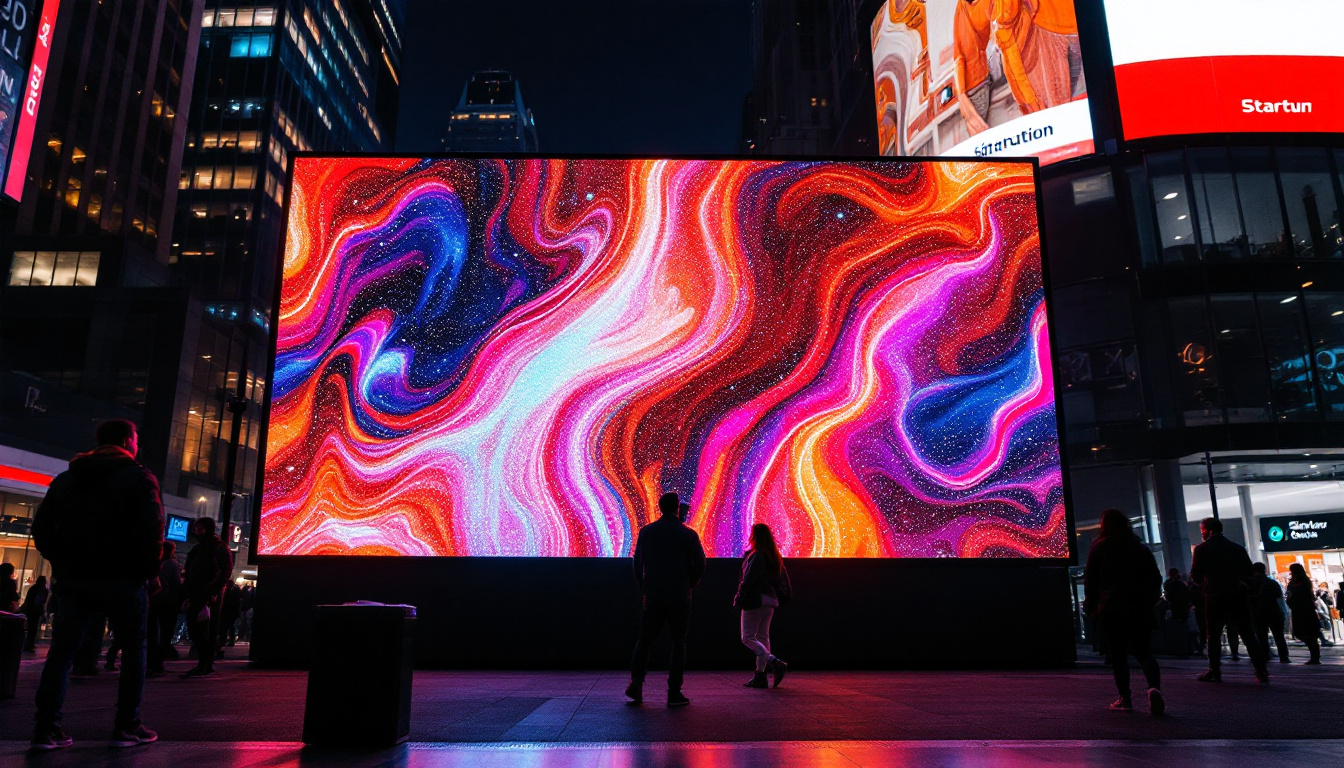
Most consumer “LED TVs” are actually LCD panels with LED backlighting, which is why the term can be confusing. True LED displays, where each pixel is an individual LED, are less common and are typically found in large outdoor screens or high-end displays. These true LED displays offer vibrant colors and deep blacks, making them ideal for high-definition video content and immersive gaming experiences.
LED Backlighting in LCD Displays
Modern LCD TVs and monitors often use LED backlighting instead of the older CCFL technology. LED backlights offer several advantages, including improved energy efficiency, thinner panels, and better color accuracy. This shift has led to a significant reduction in power consumption, making LED-backlit displays more environmentally friendly and cost-effective over time.
There are two main types of LED backlighting:
- Edge-lit LED: LEDs are placed around the edges of the screen, and light is spread across the display using light guides. This design allows for ultra-slim profiles, making these displays particularly popular in modern home entertainment setups.
- Full-array LED: LEDs are distributed evenly behind the entire screen, allowing for local dimming and better contrast. This technology enhances the viewing experience by providing deeper blacks and brighter whites, which is especially beneficial for watching movies or playing video games in darker environments.
Furthermore, advancements in LED technology have led to the development of HDR (High Dynamic Range) displays, which leverage the capabilities of full-array backlighting to deliver a wider range of colors and luminosity. This results in images that are not only more lifelike but also more engaging, as viewers can experience subtle details in shadows and highlights that were previously lost in standard displays. As a result, the demand for LED displays continues to grow, with manufacturers constantly innovating to improve picture quality and energy efficiency.
Comparing LCD and LED Displays
Picture Quality and Brightness
When comparing LCD displays with CCFL backlighting to those with LED backlighting, LED-backlit LCDs generally provide superior brightness and contrast. Full-array LED backlighting with local dimming can produce deeper blacks and more vivid colors, enhancing the overall viewing experience.
However, when comparing LCDs with LED backlighting to true LED displays (such as MicroLED or OLED), the latter often deliver better picture quality, with higher contrast ratios and more vibrant colors due to the self-emissive nature of the pixels.
Energy Efficiency and Lifespan
LED backlighting is more energy-efficient than CCFL backlights, consuming less power and generating less heat. This efficiency contributes to longer device lifespans and lower electricity costs.
True LED displays also tend to be more energy-efficient than traditional LCDs, especially OLEDs, which can turn off individual pixels to display true blacks, saving power during darker scenes.
Thickness and Design Flexibility
LED backlighting allows manufacturers to produce thinner and lighter displays compared to CCFL-backlit LCDs. This has led to sleek, modern designs that fit well in a variety of environments, from wall-mounted TVs to portable monitors.
True LED displays, especially OLEDs, offer even greater flexibility, enabling curved, foldable, and transparent screens that are impossible with traditional LCD technology.
Common Misconceptions About LCD and LED
“LED TVs” Are Not True LED Displays
One of the biggest sources of confusion is the marketing term “LED TV.” Most of these are actually LCD TVs that use LED backlighting. The screen itself is still an LCD panel, but the light source behind it is made up of LEDs rather than CCFLs.
True LED displays, where each pixel is an LED, are distinct and usually much more expensive. Examples include MicroLED and OLED technologies, which are gaining traction but are not yet as widespread as LCDs with LED backlighting.
LCD and LED Are Not Competing Technologies
Because LED backlighting is used in LCD displays, the terms are not mutually exclusive. Instead, LED refers to the light source, and LCD refers to the display technology that modulates that light.
This means that when choosing a display, it’s more relevant to consider the type of backlighting (LED vs. CCFL) and the panel quality rather than just the labels.
Emerging Display Technologies and the Future
OLED: The Next Step Beyond LCD and LED
Organic Light Emitting Diode (OLED) technology represents a significant leap forward. Unlike LCDs, OLED pixels emit their own light, eliminating the need for a backlight. This self-emissive property allows for perfect blacks, infinite contrast ratios, and vibrant colors.
OLED displays are increasingly common in smartphones, high-end TVs, and monitors, although they tend to be more expensive and can suffer from burn-in over time.
MicroLED and MiniLED Innovations
MicroLED technology uses microscopic LEDs as individual pixels, combining the benefits of OLED’s self-emission with higher brightness and longer lifespan. While still in the early stages of commercialization, MicroLED promises exceptional picture quality and durability.
MiniLEDs are a refinement of LED backlighting, using thousands of tiny LEDs for more precise local dimming. This technology enhances contrast and brightness in LCDs and is becoming popular in premium monitors and TVs.
Choosing the Right Display: What Consumers Should Know
Consider Your Usage and Environment
When selecting a display, consider how and where you will use it. For general home entertainment, LED-backlit LCD TVs offer excellent picture quality at a reasonable price. For professional photo or video editing, an OLED or high-end MiniLED display might be worth the investment.
Ambient lighting conditions also matter. LED-backlit LCDs with local dimming perform well in bright rooms, while OLEDs excel in dark environments due to their superior contrast.
Budget and Longevity
Price is often a deciding factor. LED-backlit LCDs are typically more affordable and have a longer proven track record. OLEDs and MicroLEDs, while offering superior image quality, come at a premium and may have different longevity considerations.
It’s also worth considering warranty and manufacturer support, as newer technologies may require more careful handling.
Conclusion
Understanding the differences between LCD and LED displays is essential in today’s technology landscape. While LCD refers to the display technology that manipulates liquid crystals to create images, LED primarily refers to the type of backlighting used or, in some cases, the actual light-emitting pixels themselves.
Most consumer displays today are LCD panels with LED backlighting, offering a balance of quality, efficiency, and affordability. Emerging technologies like OLED, MicroLED, and MiniLED are pushing the boundaries of what displays can achieve, promising even better picture quality and design flexibility.
By knowing the distinctions and capabilities of these technologies, consumers can make smarter choices tailored to their needs, ensuring the best viewing experience for years to come.
Discover Cutting-Edge LED Displays with LumenMatrix
Ready to elevate your visual experience with the latest in display technology? Look no further than LumenMatrix, a pioneer in LED innovation. From mesmerizing Indoor and Outdoor LED Wall Displays to dynamic Vehicle and Sports LED Displays, LumenMatrix offers a wide array of solutions to meet your specific needs. Whether you’re looking to captivate your audience with a Floor LED Display, make a statement with a Custom LED Display, or streamline your message with an All-in-One LED Display, LumenMatrix has you covered. Experience the future of visual communication with our LED Transparent Displays and revolutionize the way you engage with your audience. Check out LumenMatrix LED Display Solutions today and transform your space into a canvas of endless possibilities.