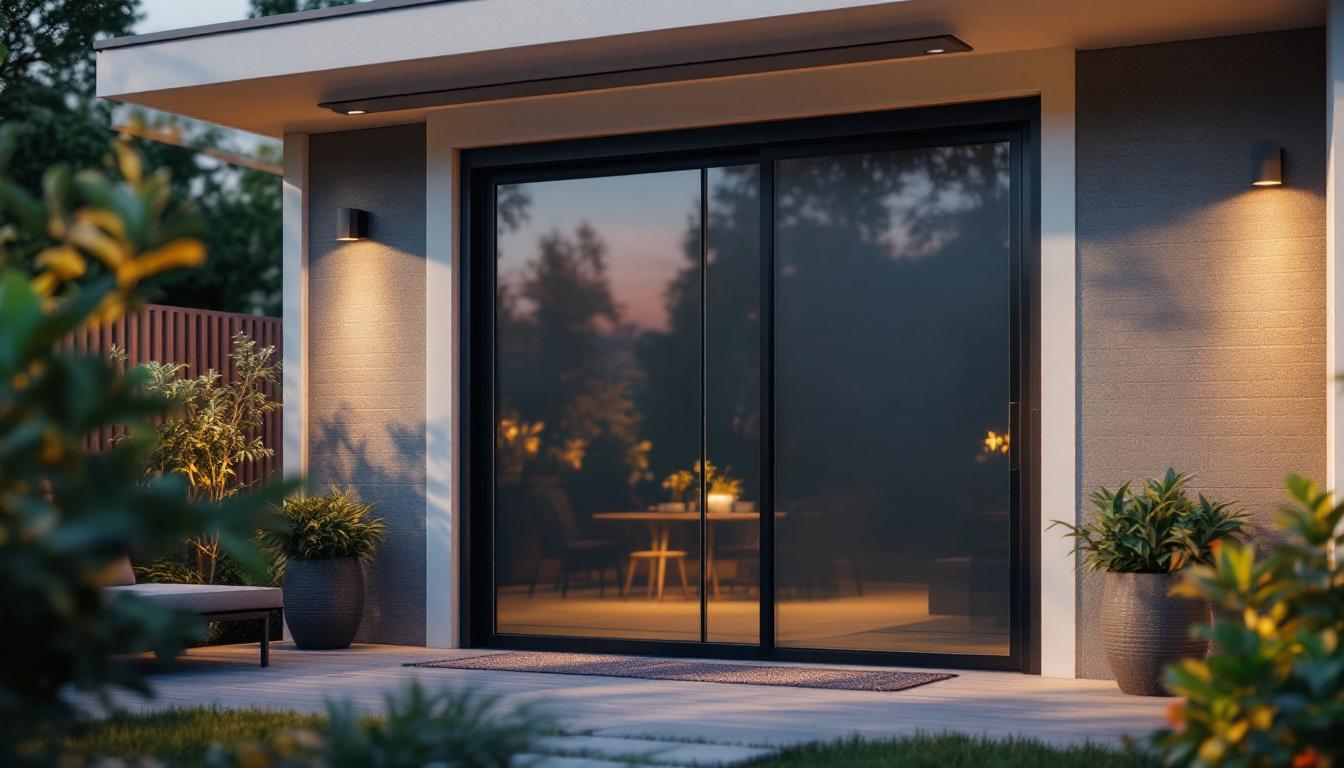
Screen enclosure doors are a vital component in both residential and commercial outdoor spaces, providing protection from insects, debris, and enhancing ventilation. In recent years, the integration of LED display technology with screen enclosures has introduced new possibilities for functionality and aesthetics. This article explores the intersection of screen enclosure doors and LED displays, explaining how these technologies work together, their benefits, and practical applications.
Understanding Screen Enclosure Doors
What Are Screen Enclosure Doors?
Screen enclosure doors are specially designed doors that fit into screen enclosures—structures typically built around patios, pools, or porches to keep out insects and debris while allowing airflow and natural light. These doors are constructed with durable frames and mesh screens that can withstand outdoor conditions. The mesh material varies in density and type, depending on the desired level of protection and visibility.
Common materials for screen enclosure doors include aluminum, fiberglass, and stainless steel frames, paired with fiberglass or stainless steel mesh screens. These materials provide durability, resistance to rust and corrosion, and ease of maintenance, making them ideal for outdoor environments. The choice of material can also affect the overall weight and ease of operation of the door, with lighter materials often being easier to handle while still providing robust protection.
Why Screen Enclosure Doors Matter
Screen enclosure doors serve multiple purposes beyond simply allowing entry and exit. They help maintain the integrity of the enclosure by preventing pests from entering, which is especially important in areas prone to mosquitoes and other insects that can carry diseases. Additionally, these doors contribute to the overall aesthetic of the outdoor space, often designed to blend seamlessly with the enclosure and home architecture. Many homeowners opt for custom designs that reflect their personal style, ensuring that the door enhances rather than detracts from their outdoor oasis.
Moreover, screen enclosure doors improve air circulation, enabling homeowners to enjoy fresh air without the nuisance of bugs. This is particularly beneficial in warm climates where outdoor living spaces are used extensively throughout the year. In addition to providing comfort, these doors can also help reduce energy costs by allowing natural ventilation, which can lessen the reliance on air conditioning systems. Some models even feature advanced technology, such as retractable screens or automated opening mechanisms, making them not only functional but also a modern convenience that enhances the overall user experience.
The Role of LED Displays in Screen Enclosures
What Are LED Displays?
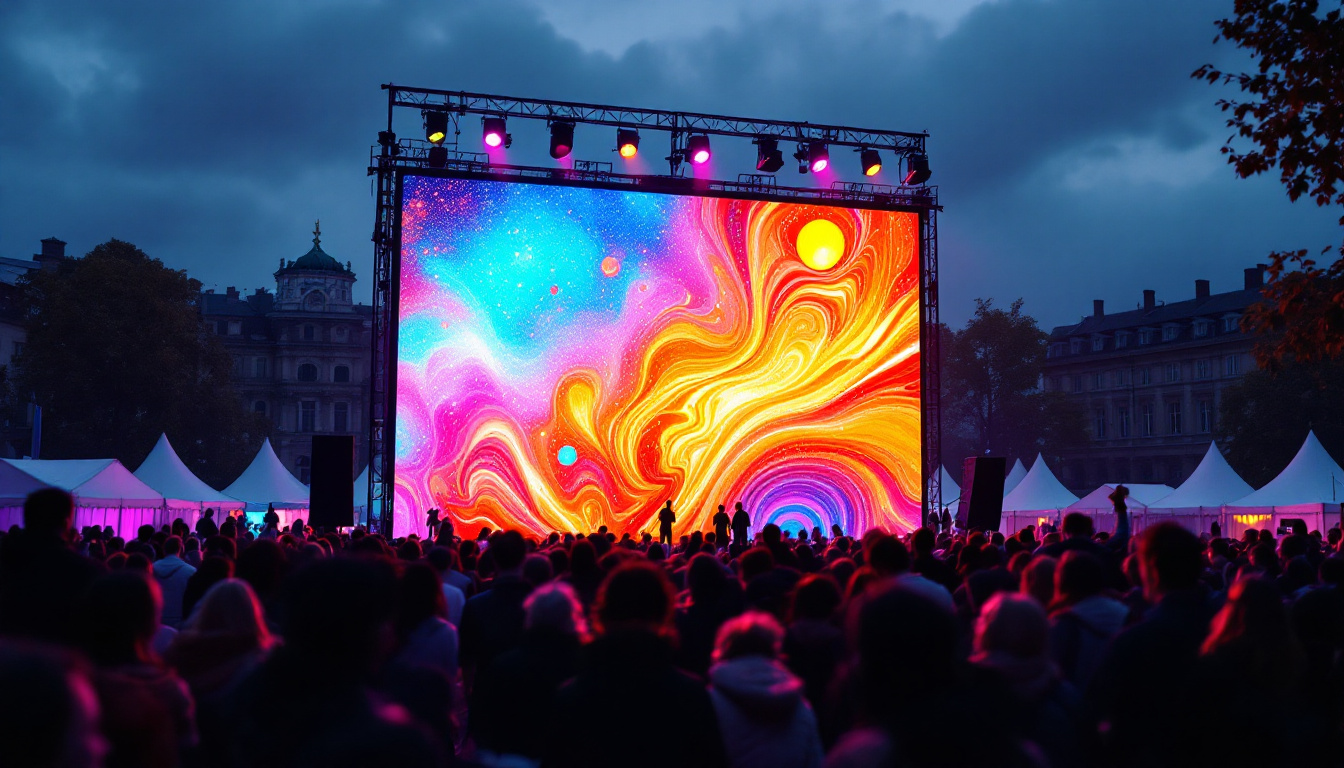
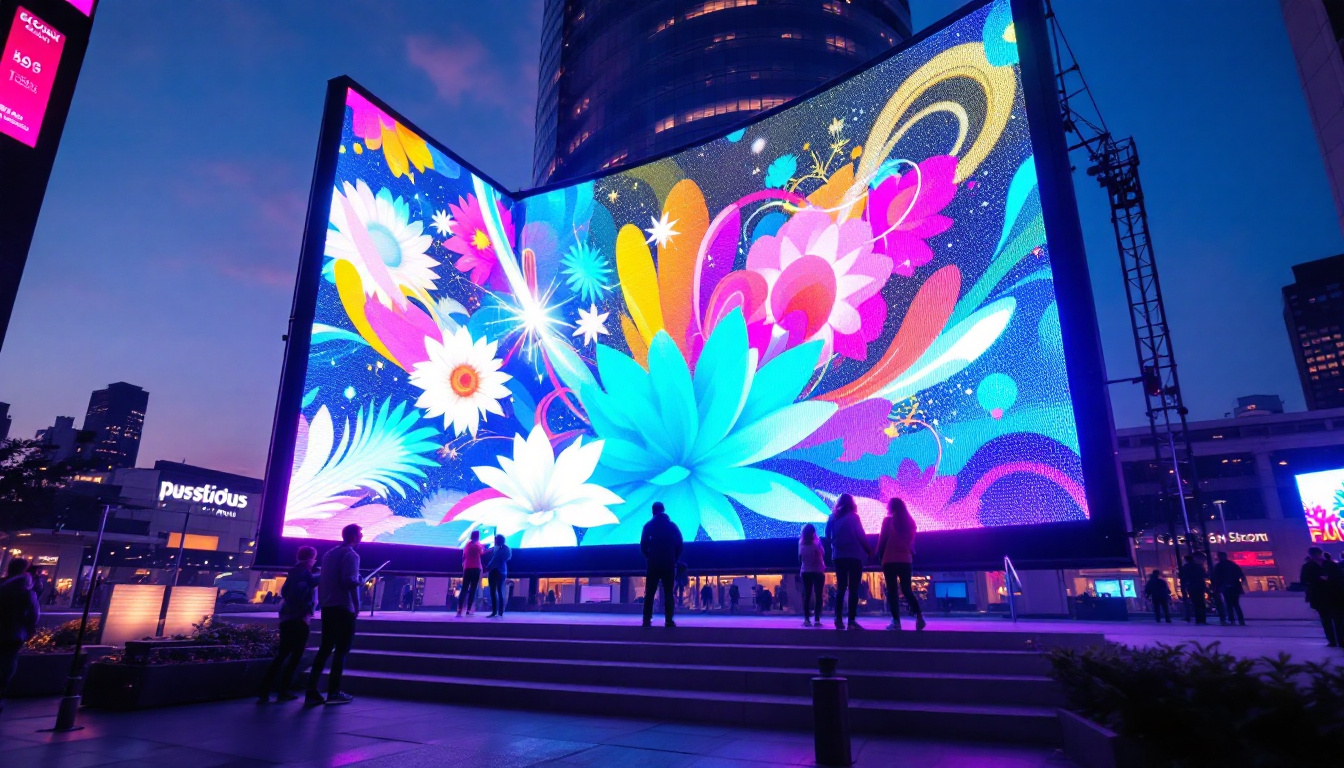
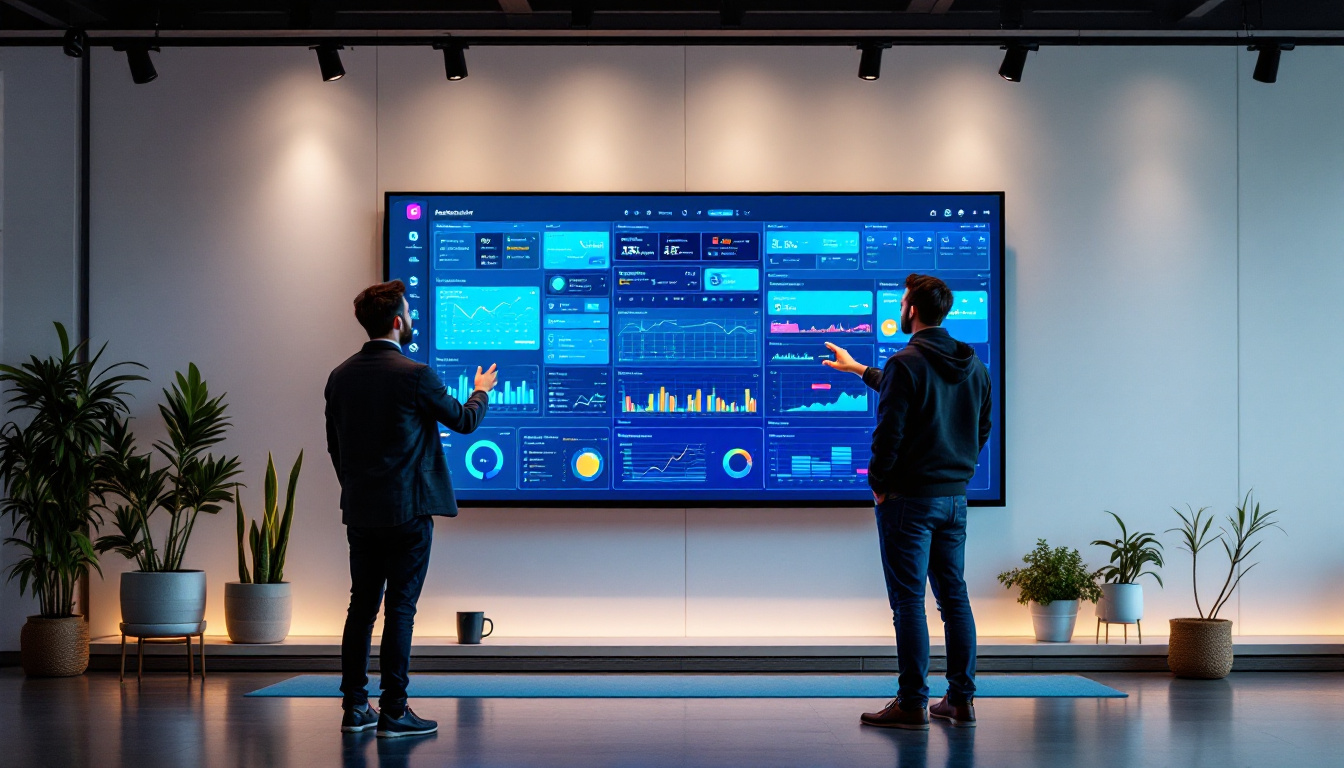
LED (Light Emitting Diode) displays are electronic screens made up of numerous tiny LEDs that emit light when an electric current passes through them. These displays are widely used in advertising, information dissemination, and decorative lighting due to their brightness, energy efficiency, and versatility.
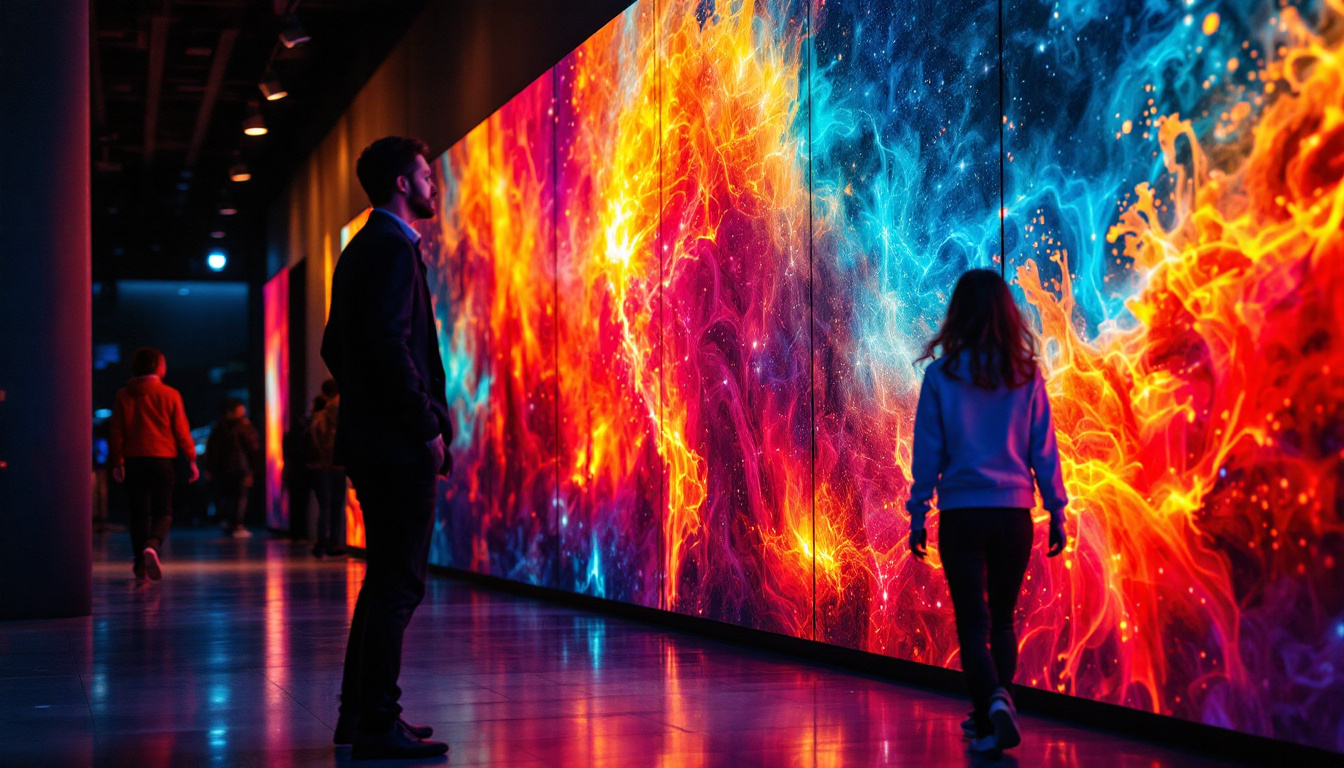
LED technology has evolved significantly, allowing for high-resolution displays that can show complex images, videos, and dynamic content. They come in various forms, including flexible panels, transparent screens, and modular tiles, making them adaptable to different surfaces and environments.
Integrating LED Displays with Screen Enclosure Doors
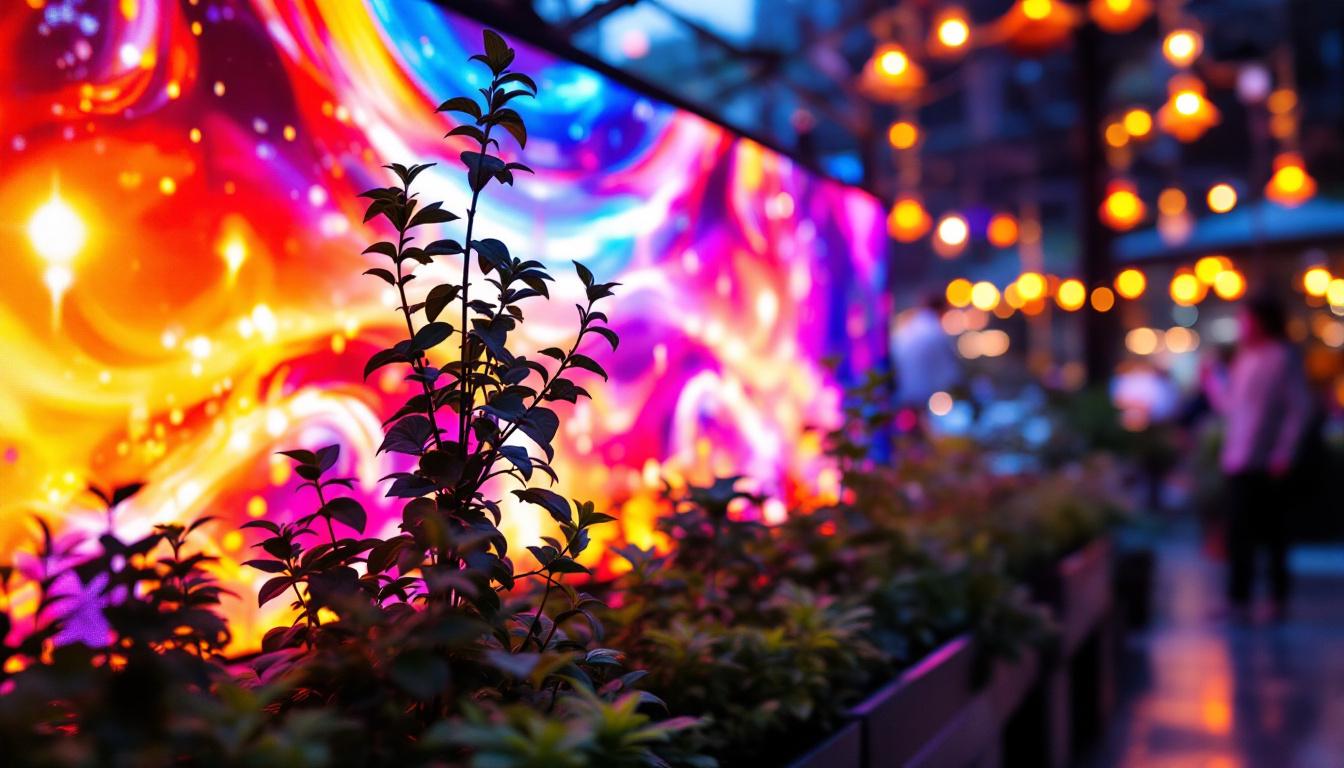
The integration of LED displays into screen enclosure doors is an innovative approach that combines functionality with modern technology. This integration typically involves embedding transparent or semi-transparent LED panels within the door’s frame or screen mesh. The result is a door that not only serves its traditional purpose but also acts as a digital display.
Such integration requires careful consideration of the door’s structural integrity, weather resistance, and visibility. Transparent LED displays are particularly suitable because they allow light and air to pass through while displaying vibrant digital content. This technology enables homeowners and businesses to customize their outdoor spaces with dynamic visuals without compromising the enclosure’s primary functions.
Benefits of LED Display Screen Enclosure Doors
Enhanced Aesthetic Appeal
One of the most compelling benefits of LED display screen enclosure doors is their ability to transform outdoor spaces visually. LED displays can showcase a wide range of content, from scenic landscapes and artwork to personalized messages and seasonal decorations. This capability allows for a highly customizable and engaging environment that can be updated easily.
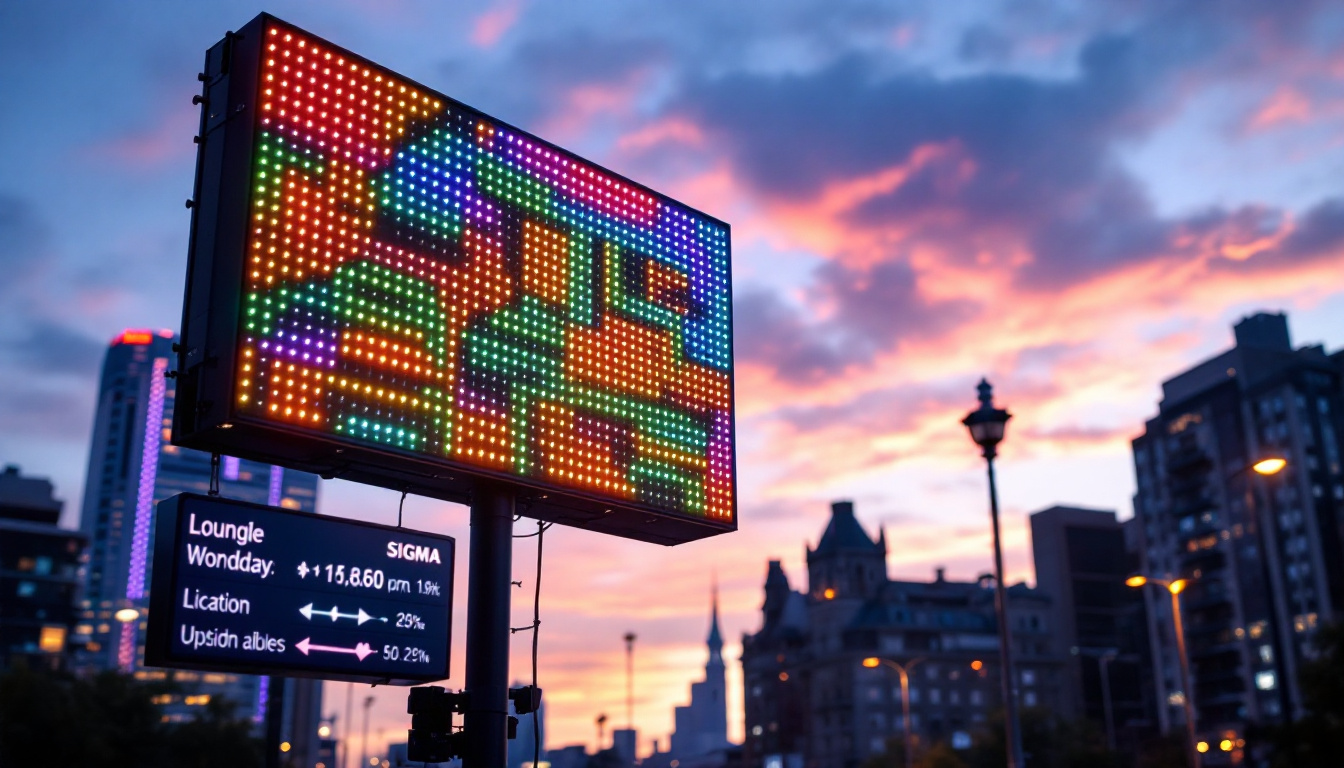
For commercial spaces, such as restaurants or event venues, LED-equipped screen doors can serve as eye-catching signage or promotional displays, attracting customers and enhancing brand presence. In residential settings, they add a modern touch that can increase property value and appeal.
Functional Advantages
Beyond aesthetics, LED displays integrated into screen enclosure doors offer practical advantages. They can be used to display weather updates, security alerts, or event schedules, providing useful information to residents or visitors. Additionally, these doors can incorporate smart technology, enabling remote control of the display content via smartphones or home automation systems.
Energy efficiency is another important factor. Modern LED displays consume significantly less power than traditional lighting or display systems, making them a sustainable choice for continuous outdoor use. Their long lifespan reduces maintenance costs and replacement frequency.
Privacy and Security Features
Transparent LED displays can also enhance privacy without sacrificing natural light. When the display is active, it can obscure the view into the enclosure, providing a degree of privacy for occupants. Some systems can adjust brightness or opacity based on ambient light conditions, optimizing both visibility and privacy.
In terms of security, LED display doors can be integrated with motion sensors or cameras, displaying alerts or deterring intruders through dynamic lighting effects. This adds an additional layer of protection to outdoor living areas.
Technical Considerations for LED Display Screen Enclosure Doors
Durability and Weather Resistance
Since screen enclosure doors are exposed to outdoor elements, the LED display components must be designed to withstand moisture, temperature fluctuations, UV radiation, and physical impacts. Manufacturers typically use waterproof and UV-resistant materials to protect the LEDs and electronic circuits.
Proper sealing and ventilation are essential to prevent condensation and overheating, which can damage the display or reduce its lifespan. Additionally, the door’s frame must support the added weight and wiring of the LED panels without compromising structural stability.
Visibility and Brightness
For LED displays on screen enclosure doors to be effective, they must be visible under various lighting conditions, including direct sunlight. High-brightness LEDs with adjustable luminance settings ensure clear visibility during the day and comfortable viewing at night.
The transparency of the LED panels also affects visibility. Advances in micro-LED and OLED technologies have enabled the production of displays with high transparency rates, sometimes exceeding 70%, allowing natural light to pass through while displaying vibrant images.
Installation and Maintenance
Installing LED display screen enclosure doors requires expertise in both construction and electronic systems. Proper wiring, power supply management, and integration with control systems are critical for reliable operation. Professional installation ensures that the door maintains its weatherproof qualities and structural integrity.
Maintenance involves regular cleaning of the LED panels, inspection of electrical components, and software updates for content management. Many modern systems are designed for easy access and modular replacement of LED modules, minimizing downtime and repair costs.
Applications and Use Cases
Residential Outdoor Living Spaces
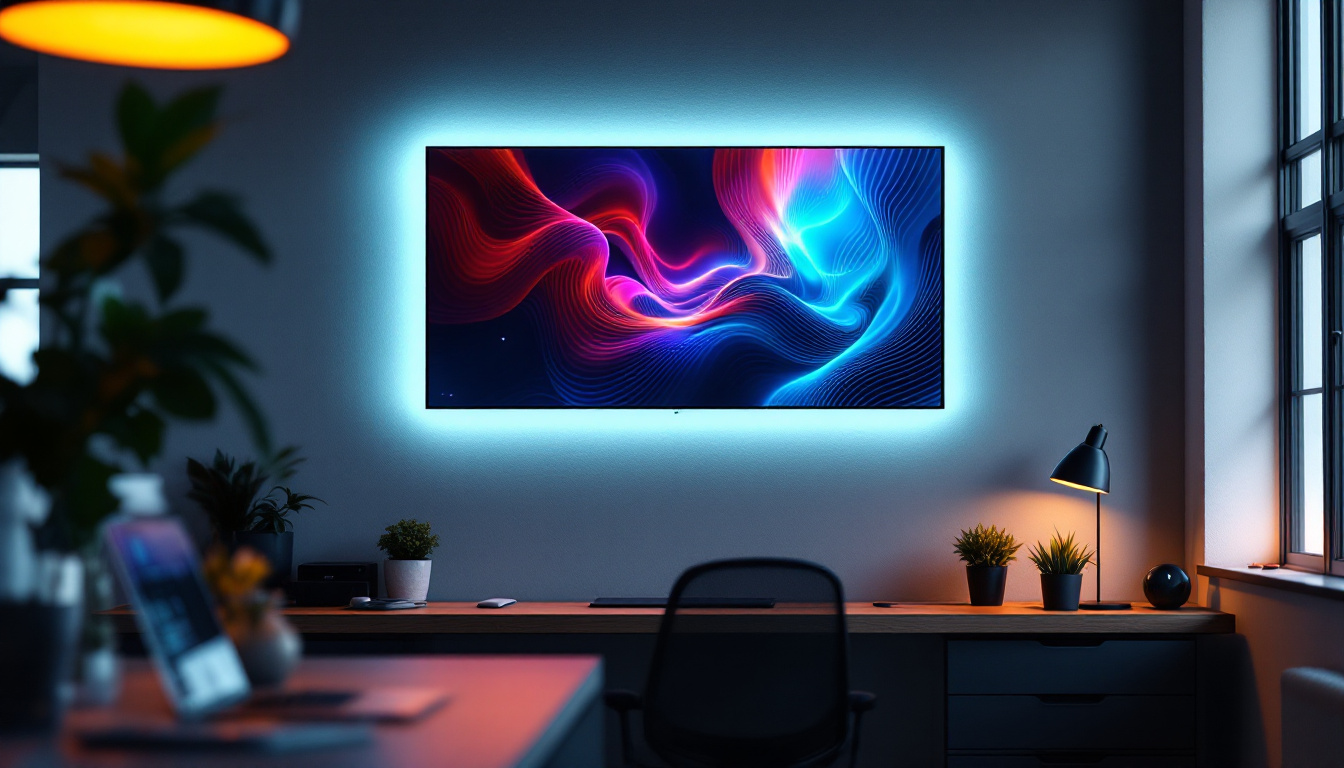
Homeowners looking to enhance their patios, pool areas, or garden enclosures can benefit from LED display screen enclosure doors. These doors can display calming visuals, such as nature scenes or ambient lighting effects, creating a relaxing atmosphere. They can also serve practical purposes, such as showing time, temperature, or security notifications.
For social gatherings or parties, the LED displays can be programmed to show music visualizers, themed decorations, or personalized messages, adding a dynamic element to outdoor entertainment.
Commercial and Hospitality Venues
Restaurants, cafes, and event spaces often use screen enclosures to expand their seating capacity while protecting guests from insects and weather. Incorporating LED displays into enclosure doors offers a unique marketing tool. Businesses can advertise daily specials, upcoming events, or brand messages directly on the doors, engaging customers even before they enter.
Event venues can use these doors to display schedules, directions, or sponsor information, improving guest experience and operational efficiency.
Retail and Advertising
Retailers with outdoor display areas or entrance enclosures can leverage LED display doors for promotional purposes. Dynamic content can attract passersby, highlight sales, or showcase new products. The combination of functional enclosure and advertising display maximizes the use of outdoor space.
Future Trends and Innovations
Smart Integration and IoT
The future of LED display screen enclosure doors lies in smart technology integration. Internet of Things (IoT) connectivity allows these doors to interact with other smart home or building systems. For example, LED displays can respond to environmental sensors, adjusting brightness or content based on weather or time of day.
Voice control and AI-driven content personalization are emerging features that will enable users to customize their outdoor environments effortlessly. Integration with security systems can enhance safety while providing real-time updates.
Advanced Materials and Flexible Displays
Ongoing research into flexible, transparent, and ultra-thin LED materials promises even more seamless integration into screen enclosure doors. Future doors may feature fully flexible displays that conform to curved surfaces or retract when not in use, offering unprecedented design freedom.
Materials that combine strength, transparency, and energy harvesting capabilities could enable self-powered LED displays, reducing the need for external power sources and enhancing sustainability.
Conclusion
Screen enclosure doors equipped with LED display technology represent a compelling fusion of traditional outdoor architecture and modern digital innovation. They offer enhanced aesthetics, functional benefits, and new opportunities for customization and communication in both residential and commercial settings.
As LED technology continues to advance and smart integration becomes more widespread, these doors will play an increasingly important role in outdoor living and business environments. Understanding their capabilities, benefits, and technical requirements is essential for anyone considering this innovative solution for their screen enclosure needs.
Whether enhancing a backyard retreat or elevating a commercial venue, LED display screen enclosure doors provide a versatile, durable, and visually striking option that merges protection with cutting-edge technology.
Discover the Future of Screen Enclosures with LumenMatrix
Ready to elevate your outdoor space with the latest in LED display technology? LumenMatrix is at the forefront of innovation, offering a wide array of LED display solutions that bring your screen enclosure doors to life. From mesmerizing Indoor LED Walls to dynamic Outdoor LED Displays and beyond, our products are designed to captivate and engage. Experience the transformative power of LED displays and take the first step towards a visually stunning environment. Check out LumenMatrix LED Display Solutions today and see your space in a new light.