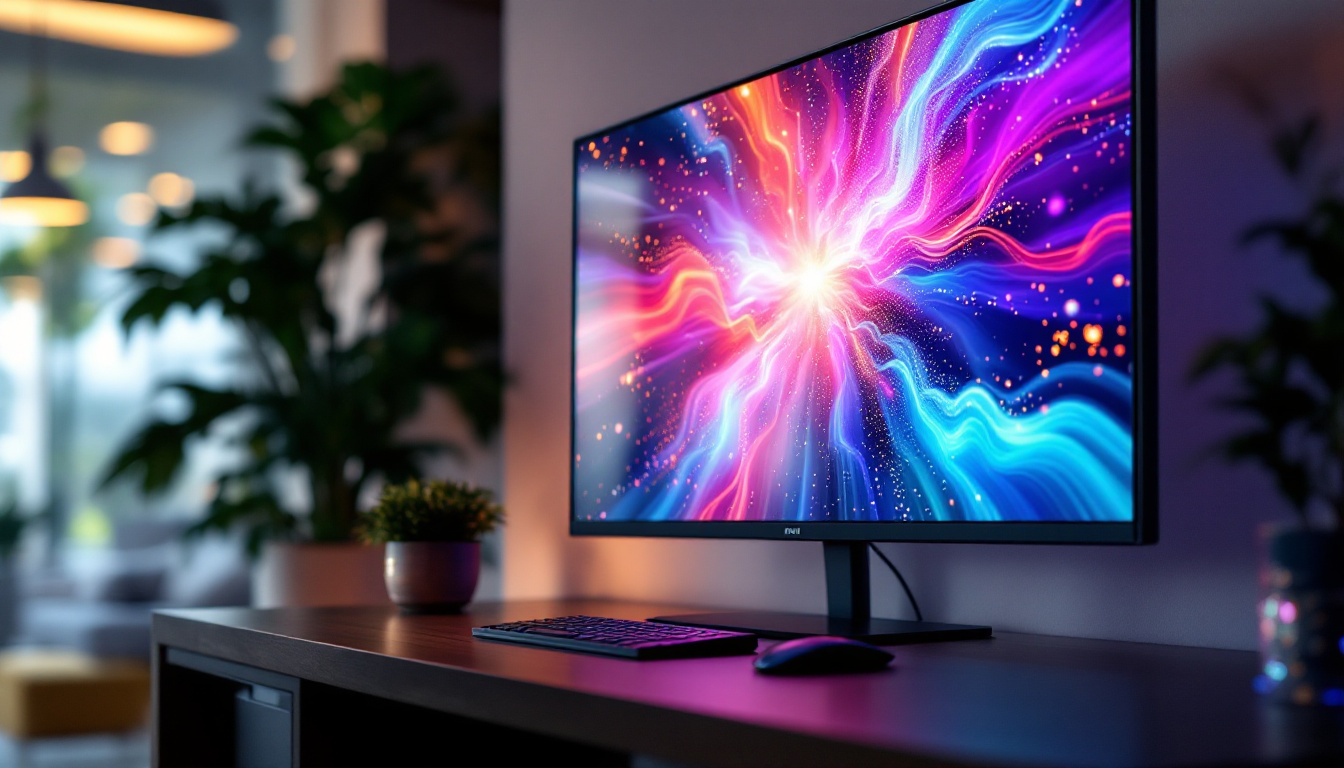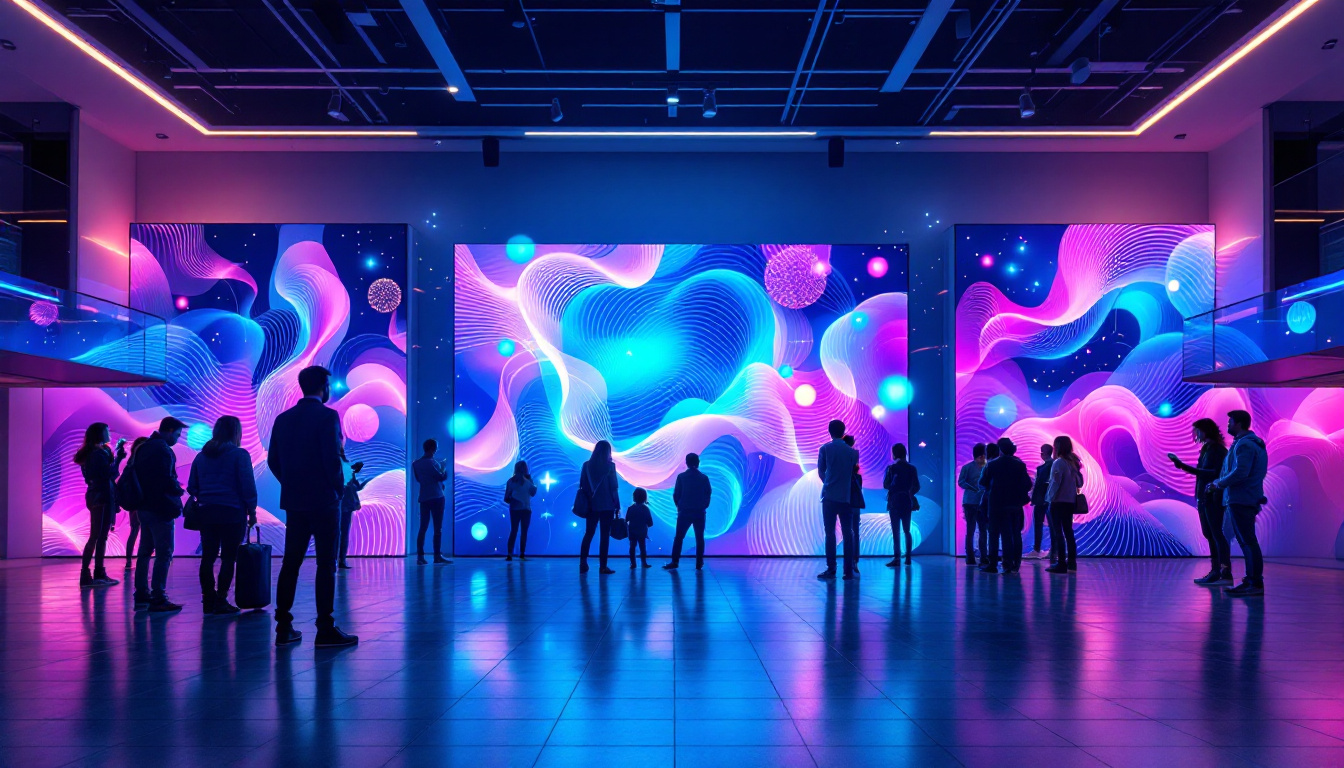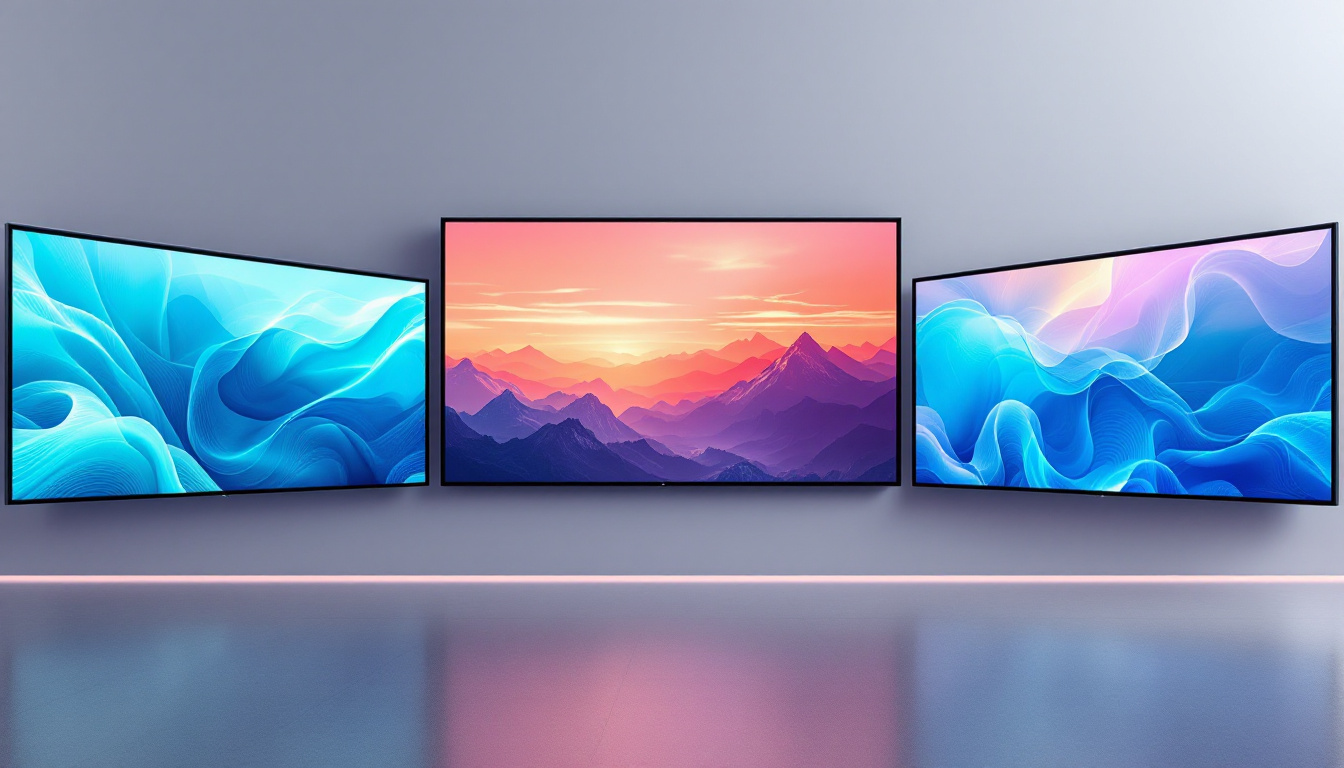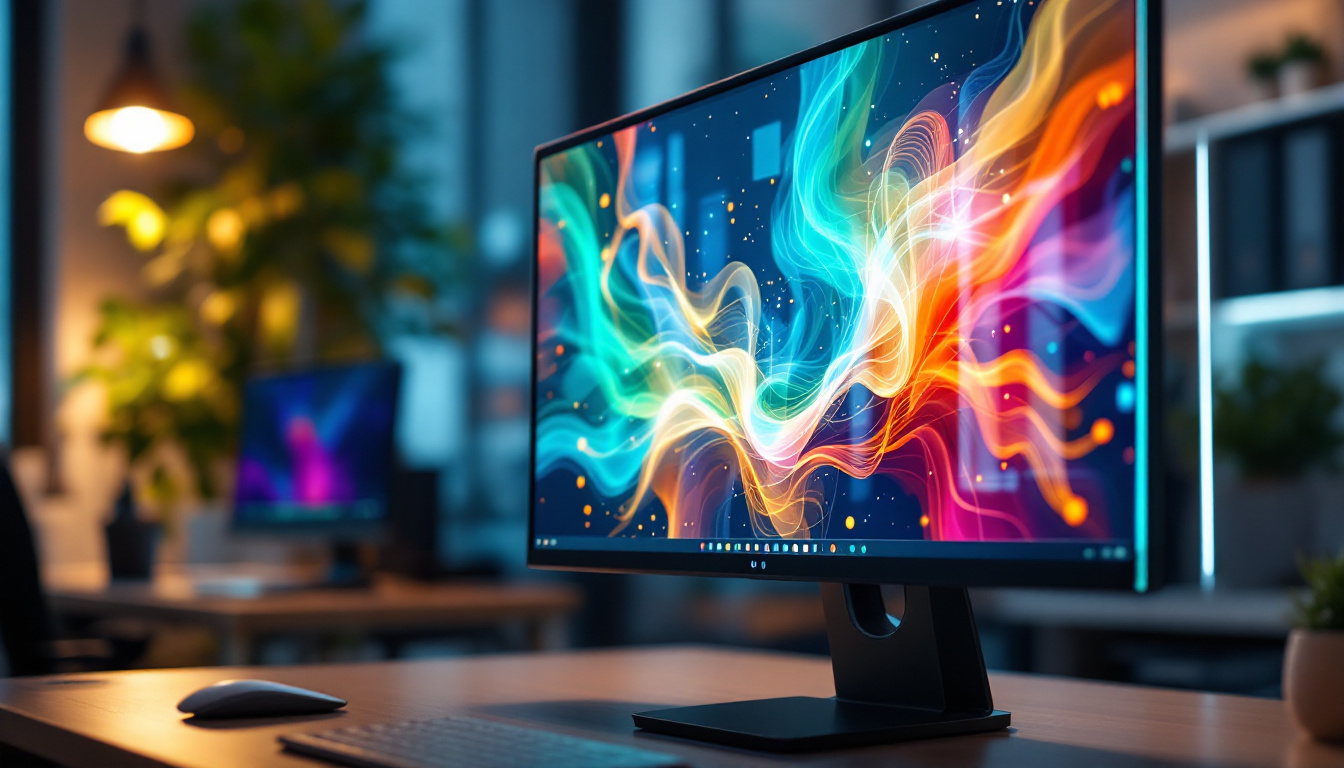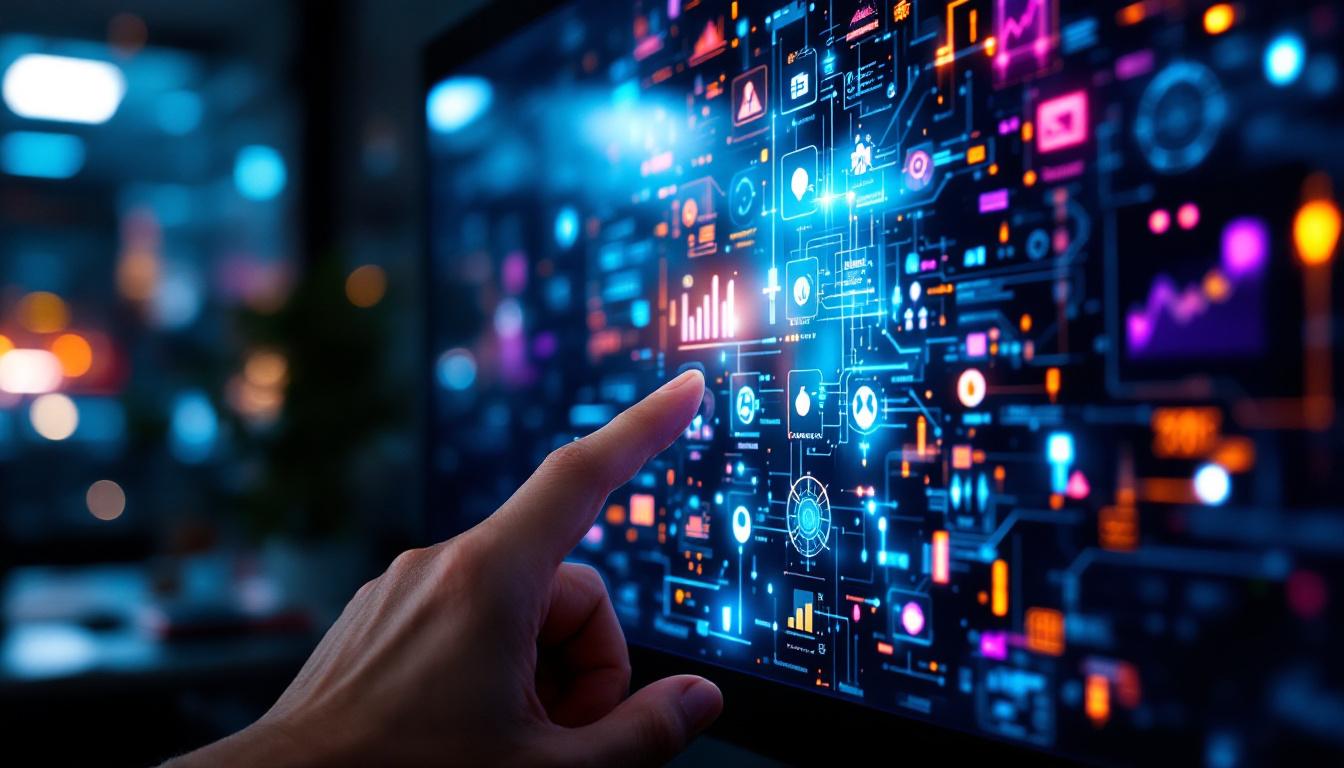
In the evolving landscape of digital interfaces, large Android touch screens with LED displays have become a cornerstone for various applications, from retail and education to corporate environments and smart homes. These devices combine the versatility of the Android operating system with the vivid, energy-efficient qualities of LED technology, delivering an interactive experience that is both engaging and reliable.
This article delves into the technology behind large Android touch screens featuring LED displays, exploring their components, advantages, and practical uses. Whether you are a business owner considering digital signage solutions or a technology enthusiast curious about display innovations, understanding these systems will help you make informed decisions and appreciate the technology powering modern interactive displays.
Understanding Large Android Touch Screen Displays
The Basics of Android Touch Screen Technology
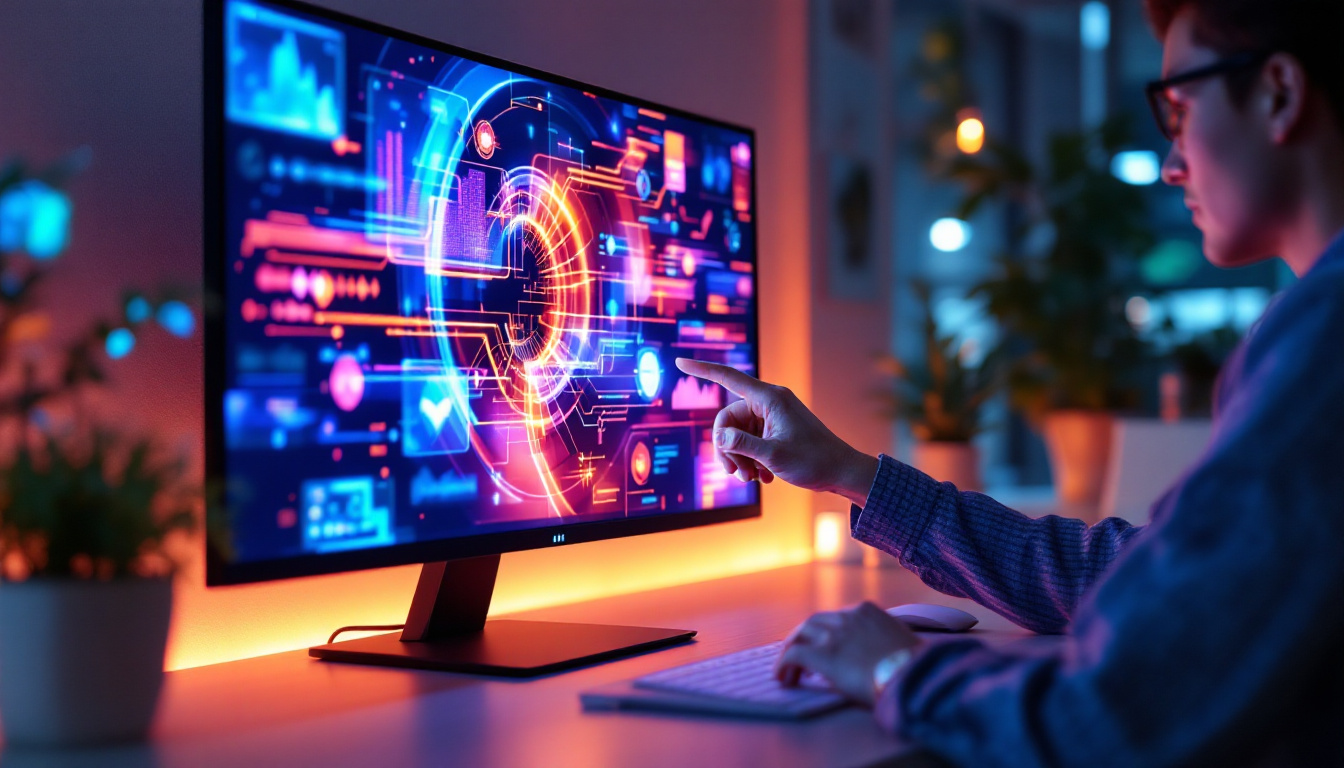
Android touch screens are devices that integrate the Android operating system with a touch-sensitive display, allowing users to interact directly with the content shown on the screen. The Android OS, developed by Google, is widely used due to its open-source nature, extensive app ecosystem, and flexibility in customization. This versatility makes it an ideal choice for various applications, from personal devices to large-scale interactive displays in public spaces.
Large Android touch screens typically range from 32 inches to over 85 inches diagonally, providing ample space for multi-touch gestures, collaborative work, and immersive content presentation. These screens are designed to support multiple simultaneous touch points, enabling complex interactions such as pinch-to-zoom, swipe, and multi-user input. The large surface area encourages group participation, making them popular in educational settings, corporate environments, and even in art installations where audience interaction is key.
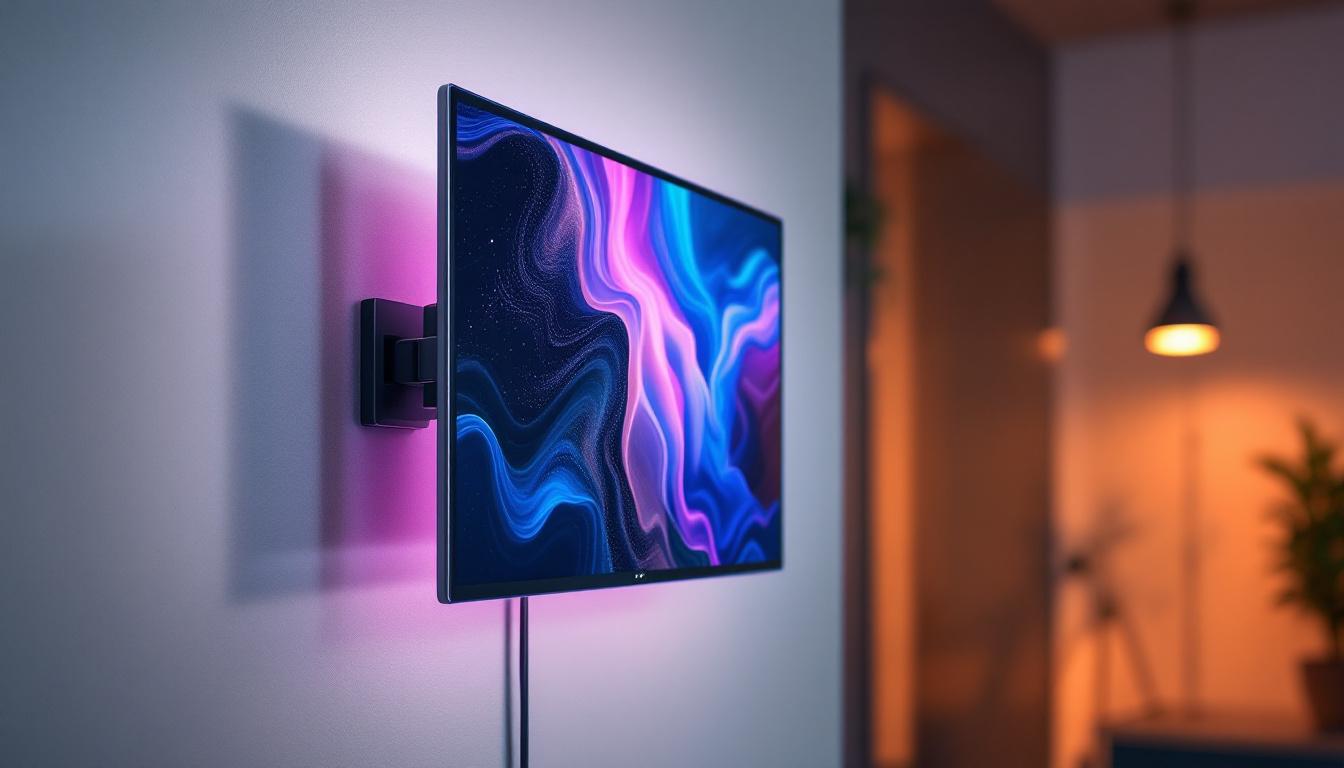
Moreover, the adaptability of the Android platform allows developers to create tailored applications that can take full advantage of the touch capabilities. For instance, businesses can deploy custom interfaces for digital signage, interactive kiosks, or point-of-sale systems, enhancing customer engagement and streamlining operations. This flexibility extends to the hardware as well, with options for various mounting solutions, including wall mounts, stands, and even mobile configurations, ensuring that large Android touch screens can fit seamlessly into any environment.
LED Display Technology Explained
LED, or Light Emitting Diode, displays are a type of flat-panel display that uses an array of light-emitting diodes as pixels to produce images. Unlike traditional LCDs that rely on backlighting, LED displays use LEDs either as a backlight source or as the actual pixel elements in the case of OLED and microLED technologies. This fundamental difference in technology results in displays that are thinner, lighter, and capable of producing more vibrant colors.
In large Android touch screens, LED technology is favored for its superior brightness, color accuracy, energy efficiency, and longevity. LED displays can achieve higher contrast ratios and better visibility in various lighting conditions, including bright ambient light environments such as retail stores or conference rooms. Additionally, the durability of LED technology makes it suitable for high-traffic areas where screens may be subject to frequent use and potential wear and tear.
Furthermore, advancements in LED technology, such as the development of HDR (High Dynamic Range) capabilities, have enhanced the viewing experience by providing deeper blacks and more vivid colors. This is particularly beneficial for applications that require high-quality visual content, such as presentations, video conferencing, or interactive gaming. As a result, large Android touch screens equipped with LED displays are increasingly being utilized in a variety of sectors, including education, entertainment, and corporate communications, where visual clarity and user engagement are paramount.
Key Components of Large Android LED Touch Screens
Touch Panel Technology: Capacitive vs. Infrared
The touch panel is the interface layer that detects user input. Two primary technologies dominate the market for large touch screens: capacitive and infrared.
Capacitive touch panels use the electrical properties of the human body to detect touch. They offer high sensitivity and support multi-touch capabilities, making them ideal for interactive applications. However, capacitive screens can be more expensive and sometimes less effective when used with gloves or styluses.
Infrared touch panels use an array of IR light beams across the screen surface. When a finger or object interrupts these beams, the system registers the touch. Infrared panels are durable and can detect any input type, including gloved fingers or styluses, but they may be more susceptible to interference from ambient light.
Display Panels: LED vs. LCD with LED Backlighting
While many large Android touch screens use LCD panels with LED backlighting, true LED displays, such as OLED or microLED panels, are emerging in the market. LCD panels rely on liquid crystals to modulate light, with LEDs providing the backlight source. This combination offers good color reproduction and brightness at a competitive price point.
OLED (Organic LED) and microLED displays, on the other hand, use individual LEDs as pixels, delivering superior contrast, deeper blacks, and wider viewing angles. These technologies are still more expensive but are gaining traction in high-end commercial and professional applications.
Processing Hardware and Android OS Integration
Large Android touch screens incorporate embedded processors, often ARM-based, optimized for multimedia and interactive applications. The hardware must support smooth multitasking, high-resolution graphics rendering, and seamless touch input processing.
Integration with the Android OS allows these devices to run a vast array of applications, from custom business software to popular apps available on the Google Play Store. Manufacturers often provide customized firmware to optimize performance and security for commercial use cases.
Advantages of Large Android Touch Screen LED Displays
Enhanced User Engagement and Interactivity
Large touch screens foster an engaging user experience by enabling intuitive interaction. In retail environments, for example, customers can browse product catalogs, customize options, or access detailed information with simple gestures. Educational institutions leverage these displays for interactive lessons, boosting student participation and retention.
The combination of Android’s app ecosystem and LED display quality ensures that content is not only interactive but also visually compelling, which is crucial in capturing and maintaining user attention.
Energy Efficiency and Longevity
LED technology is renowned for its energy efficiency compared to older display technologies like CCFL-backlit LCDs. This efficiency translates into lower operating costs, especially important for installations running for extended hours daily.
Moreover, LED displays have longer lifespans, often exceeding 50,000 hours of use, reducing maintenance and replacement costs. This durability makes them a cost-effective choice for businesses and institutions investing in digital infrastructure.
Scalability and Customization
Large Android touch screens are highly scalable, with sizes and configurations adaptable to different environments. Modular designs allow for video walls or multi-screen setups, expanding the interactive surface area and creating immersive experiences.
Customization options extend beyond hardware to software, where businesses can deploy tailored applications, branding, and user interfaces that align with their specific needs and workflows.
Applications of Large Android Touch Screen LED Displays
Digital Signage and Retail Solutions
Retailers use large Android touch screens with LED displays to transform traditional signage into dynamic, interactive experiences. These displays can showcase promotions, provide product information, and even facilitate self-service checkout, enhancing customer convenience and boosting sales.
According to recent market research, the global digital signage market is projected to grow at a CAGR of over 8% through 2027, driven by increasing adoption of interactive displays in retail and hospitality sectors.
Education and Collaborative Workspaces
In education, large touch screens serve as digital whiteboards, enabling teachers to present multimedia lessons, annotate content in real-time, and engage students with interactive activities. The Android platform supports a wide range of educational apps, further enriching the learning experience.
Corporate environments benefit from these displays in meeting rooms and collaborative spaces, where teams can brainstorm, share documents, and conduct video conferences seamlessly.
Healthcare and Public Information Kiosks
Healthcare facilities utilize large Android touch screens for patient check-in, wayfinding, and information dissemination. The clarity and responsiveness of LED displays ensure accessibility for users of all ages and abilities.
Public information kiosks in airports, museums, and government buildings also rely on these technologies to provide real-time updates, interactive maps, and service directories, improving user experience and operational efficiency.
Choosing the Right Large Android Touch Screen LED Display
Considerations for Screen Size and Resolution
Selecting the appropriate screen size depends on the intended use case and viewing distance. For instance, a 55-inch display may suffice for a small conference room, while a 75-inch or larger screen is better suited for auditoriums or retail storefronts.
Resolution is equally important; full HD (1920×1080) is standard, but 4K (3840×2160) displays offer sharper images and finer detail, which can be critical for design, medical imaging, or high-impact advertising.
Touch Technology and Responsiveness
Evaluate the touch technology based on the environment and user interaction style. Capacitive screens provide a smooth, smartphone-like experience but may be less effective in harsh environments or when users wear gloves. Infrared touch screens offer versatility but can be affected by external light sources.
Connectivity and Software Support
Ensure the device supports necessary connectivity options such as Wi-Fi, Bluetooth, HDMI, and USB ports to integrate with other systems and peripherals. Software support, including compatibility with Android versions and availability of remote management tools, is crucial for maintaining and updating the device efficiently.
Future Trends in Large Android Touch Screen LED Displays
Advancements in Display Technology
The future points toward wider adoption of OLED and microLED technologies, which promise even better color accuracy, contrast, and energy savings. These advancements will enable thinner, lighter, and more flexible displays, opening new possibilities for installation and design.
Integration with AI and IoT
Artificial intelligence and Internet of Things (IoT) integration will enhance the functionality of large Android touch screens. Features like facial recognition, voice control, and contextual content delivery will create more personalized and efficient user experiences.
Expanded Use Cases and Market Growth
As costs decrease and technology matures, large Android touch screen LED displays will penetrate new markets such as smart cities, transportation hubs, and interactive entertainment. The global push toward digital transformation ensures sustained growth and innovation in this sector.
Conclusion
Large Android touch screens with LED displays represent a powerful convergence of interactive technology and vivid visual performance. Their versatility, energy efficiency, and scalability make them ideal for a wide range of applications, from retail and education to healthcare and public information.
Understanding the underlying technologies and market trends helps stakeholders select the right solutions tailored to their needs, ensuring maximum engagement and return on investment. As display and touch technologies continue to advance, these devices will play an increasingly central role in shaping how people interact with digital content in everyday environments.
Discover LumenMatrix’s Innovative LED Display Solutions
Ready to elevate your interactive digital experience with the latest in LED display technology? Look no further than LumenMatrix, a pioneer in creating visually stunning and technologically advanced LED display modules. From engaging Indoor LED Wall Displays to dynamic Outdoor LED Wall Displays, and from versatile Vehicle LED Displays to eye-catching LED Poster Displays, LumenMatrix offers a comprehensive range of solutions tailored to your unique needs. Embrace the future of visual communication with our LED Sports Displays, Floor LED Displays, Custom LED Displays, All-in-One LED Displays, and LED Transparent Displays. Check out LumenMatrix LED Display Solutions today and transform how your audience connects with your brand.