In today’s visually-driven world, LED displays have become a cornerstone technology for everything from smartphones and televisions to large-scale digital billboards and stadium screens. Understanding display resolution is essential for anyone involved in selecting, using, or designing LED displays. This comprehensive guide will explain what display resolution means in the context of LED technology, explore different resolution standards, and provide a detailed resolution chart to help you make informed decisions.
What Is Display Resolution?
Display resolution refers to the number of distinct pixels that can be displayed on a screen. It is typically expressed as width × height, representing the number of pixels horizontally and vertically. For example, a resolution of 1920 × 1080 means the display has 1,920 pixels horizontally and 1,080 pixels vertically, totaling over 2 million pixels.
Pixels, or picture elements, are the smallest units of a digital image displayed on a screen. The more pixels a display has, the sharper and more detailed the image will appear. This is particularly important for LED displays, where pixel density directly impacts image clarity and viewing experience.
Why Resolution Matters for LED Displays
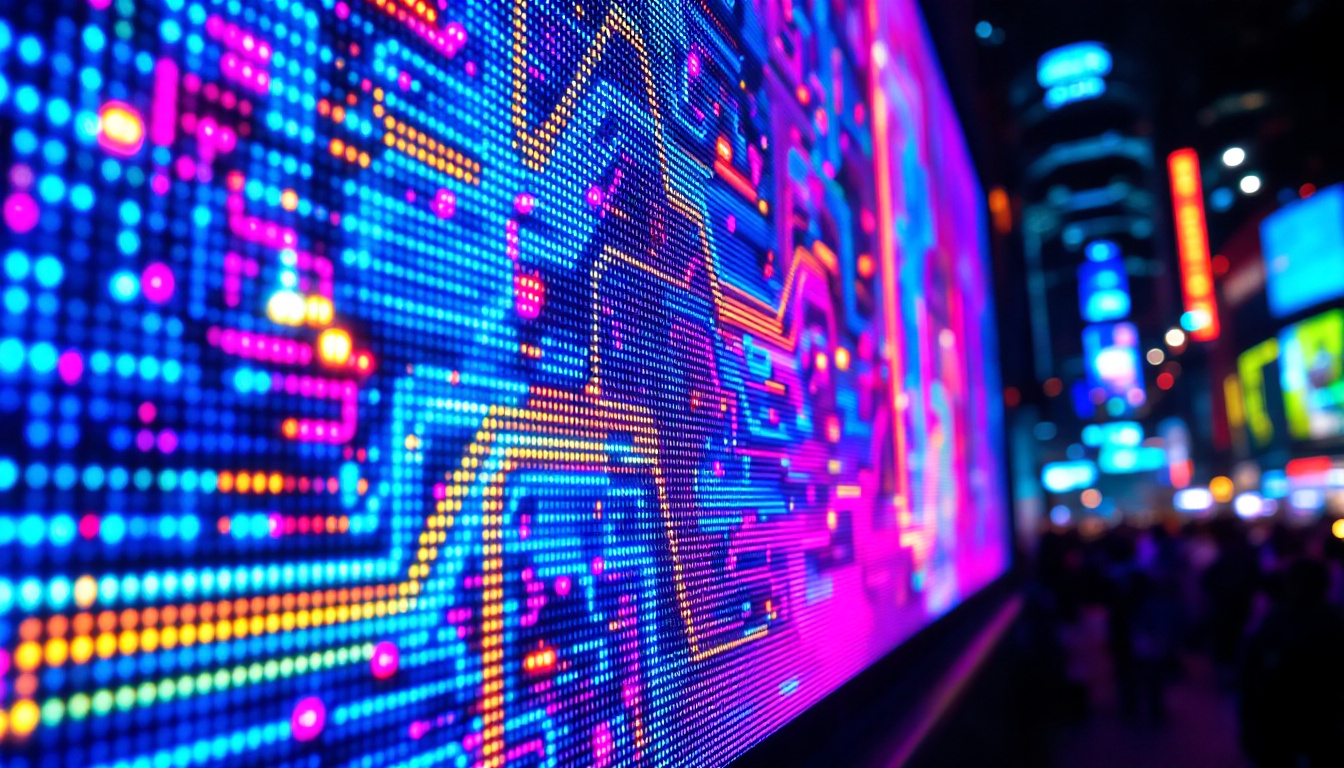
LED displays are composed of tiny light-emitting diodes arranged in a grid. Each diode or group of diodes corresponds to a pixel. The resolution determines how many of these pixels fit into the display area. Higher resolution means more pixels, which generally translates to better image quality and finer detail.
For applications such as digital signage, video walls, or broadcast screens, the resolution affects not only image clarity but also the viewing distance and content adaptability. A low-resolution LED display might look acceptable from afar but will appear pixelated up close. Conversely, a high-resolution display can deliver crisp images even at close range, but it often comes at a higher cost.
Common LED Display Resolutions and Their Uses
LED displays come in a variety of resolutions tailored to different uses and environments. Understanding these common resolutions helps in selecting the right display for a specific purpose.
Standard Definition (SD) Resolutions
Standard Definition resolutions, such as 640 × 480 (VGA) or 720 × 480 (DVD quality), are considered low by modern standards. These resolutions are rarely used for LED displays today except for very small or budget-friendly applications where high detail is not critical.
For example, small LED message boards or basic information displays in industrial settings might still use SD resolutions due to cost constraints and limited viewing distance requirements.
High Definition (HD) Resolutions
HD resolutions, including 1280 × 720 (720p) and 1920 × 1080 (1080p), are widely used in consumer electronics and many LED display applications. Full HD (1080p) is particularly popular for indoor LED screens such as retail displays, conference rooms, and broadcast studios.
These resolutions offer a good balance between image quality and cost, making them suitable for environments where viewers are relatively close to the screen and expect clear, sharp images.
Ultra High Definition (UHD) and 4K Resolutions
UHD resolutions like 3840 × 2160 (4K) and even 7680 × 4320 (8K) are becoming increasingly common in LED displays, especially for premium applications. 4K LED displays provide four times the pixel count of Full HD, resulting in incredibly detailed and vibrant images.
These high resolutions are ideal for large-format LED walls used in arenas, concerts, and outdoor advertising where viewers may be close enough to appreciate the enhanced detail. However, they require advanced processing power and higher costs, so they are typically reserved for high-end installations.
Understanding Pixel Pitch and Its Relationship to Resolution
While resolution is a critical factor in display quality, it is closely linked with another important specification: pixel pitch. Pixel pitch is the distance between the centers of two adjacent pixels, usually measured in millimeters.
Pixel pitch affects the perceived resolution and image sharpness, especially at different viewing distances. A smaller pixel pitch means pixels are packed more tightly, resulting in higher pixel density and better image quality.
How Pixel Pitch Influences Viewing Distance
For LED displays, the optimal viewing distance is often determined by pixel pitch. For example, a display with a 1.5 mm pixel pitch is best viewed from about 1.5 meters or more. If viewed from closer than this, individual pixels may become visible, reducing image quality.
Conversely, displays with larger pixel pitches (e.g., 10 mm or more) are designed for long-distance viewing, such as outdoor billboards or stadium screens. At these distances, the human eye cannot distinguish individual pixels, so a lower resolution is acceptable.
Balancing Resolution, Pixel Pitch, and Cost
Choosing the right LED display involves balancing resolution, pixel pitch, and budget. Higher resolution and smaller pixel pitch generally mean higher costs due to more complex manufacturing and increased power consumption.
For instance, an indoor LED video wall with a 1.2 mm pixel pitch and 4K resolution will be significantly more expensive than an outdoor LED billboard with a 10 mm pixel pitch and HD resolution. Understanding the intended use case and viewing environment is key to making the right choice.
Display Resolution Chart for LED Screens
The following chart summarizes common LED display resolutions, pixel pitches, typical applications, and recommended viewing distances. This can serve as a quick reference when evaluating LED display options.
| Resolution | Pixel Count (Pixels) | Typical Pixel Pitch (mm) | Recommended Viewing Distance | Common Applications |
|---|---|---|---|---|
| 640 × 480 (VGA) | 307,200 | >10 mm | 10 m or more | Basic message boards, industrial displays |
| 1280 × 720 (HD 720p) | 921,600 | 6–10 mm | 5–10 m | Small outdoor billboards, indoor signage |
| 1920 × 1080 (Full HD 1080p) | 2,073,600 | 1.5–4 mm | 1.5–5 m | Indoor video walls, retail displays, broadcast |
| 3840 × 2160 (4K UHD) | 8,294,400 | ≤1.2 mm | 1–3 m | High-end indoor video walls, control rooms |
| 7680 × 4320 (8K UHD) | 33,177,600 | ≤0.9 mm | Less than 1 m | Specialized applications, premium displays |
Factors Affecting LED Display Resolution Beyond Pixel Count
While resolution and pixel pitch are fundamental, several other factors influence the overall visual quality of an LED display.
Color Depth and Bit Depth
The number of colors a display can reproduce is determined by its color depth, often measured in bits per pixel. Most modern LED displays support 24-bit color depth (16.7 million colors), which provides smooth gradients and realistic images.
Higher bit depths, such as 30-bit or 36-bit, allow for even more precise color representation, which can be crucial in professional video production and medical imaging.
Refresh Rate and Response Time
Refresh rate, measured in hertz (Hz), indicates how many times per second the display updates its image. A higher refresh rate reduces flicker and motion blur, enhancing the viewing experience, particularly for video content and gaming.
LED displays typically offer refresh rates ranging from 60 Hz to over 240 Hz. For outdoor LED billboards, a high refresh rate also helps reduce flicker when viewed through cameras.
Brightness and Contrast Ratio
Brightness, measured in nits, affects visibility, especially in outdoor environments with direct sunlight. LED displays can range from 500 nits for indoor use to over 5,000 nits for outdoor applications.
Contrast ratio, the difference between the darkest black and the brightest white, impacts image depth and realism. High contrast ratios are essential for displays used in environments with varied lighting conditions.
Future Trends in LED Display Resolution
As LED technology continues to evolve, resolution standards are advancing rapidly. The push towards higher pixel densities and more immersive visual experiences is driving innovation in several areas.
MicroLED and MiniLED Technologies
MicroLED and MiniLED are emerging technologies that enable even smaller pixel pitches and higher resolutions. MicroLED displays, for example, can achieve pixel pitches below 1 mm, allowing for ultra-high-definition images on relatively small screens.
These technologies also offer improved brightness, contrast, and energy efficiency compared to traditional LED displays, making them promising for future consumer electronics and professional displays.
Flexible and Transparent LED Displays
Innovations in flexible and transparent LED panels are expanding the possibilities for display placement and design. These displays maintain high resolution while allowing for curved surfaces or see-through applications, such as retail windows or automotive heads-up displays.
AI-Enhanced Image Processing
Artificial intelligence is increasingly being integrated into LED display systems to optimize image quality. AI algorithms can upscale lower-resolution content, adjust brightness and color dynamically, and reduce artifacts, enhancing the perceived resolution without changing the hardware.
Conclusion
Understanding LED display resolution is essential for selecting the right display for any application, whether it’s a small indoor signage screen or a massive outdoor billboard. Resolution, pixel pitch, and related factors like color depth and refresh rate all contribute to the final image quality and viewer experience.
The display resolution chart provided offers a practical guide to common LED resolutions and their typical uses, helping to navigate the complex landscape of LED display technology. As advancements like MicroLED and AI-driven enhancements continue to emerge, the future promises even more impressive and versatile LED displays.
By considering resolution alongside other technical specifications and the intended environment, users and professionals can ensure optimal performance, cost-effectiveness, and visual impact from their LED display investments.
Explore Cutting-Edge LED Display Solutions with LumenMatrix
Ready to elevate your visual experience with the latest in LED display technology? LumenMatrix is at the forefront of innovation, offering a diverse range of LED display modules tailored to your unique needs. From mesmerizing Indoor LED Wall Displays to dynamic Outdoor LED Wall Displays, and from versatile Vehicle LED Displays to sleek LED Poster Displays, our solutions are designed to captivate and engage. Discover how our LED Sports Displays, interactive Floor LED Displays, and Custom LED Display options can transform your space. Embrace the future with our All-in-One LED Display and LED Transparent Display solutions. Don’t just share your message—make an unforgettable impact. Check out LumenMatrix LED Display Solutions today and revolutionize your visual communication.