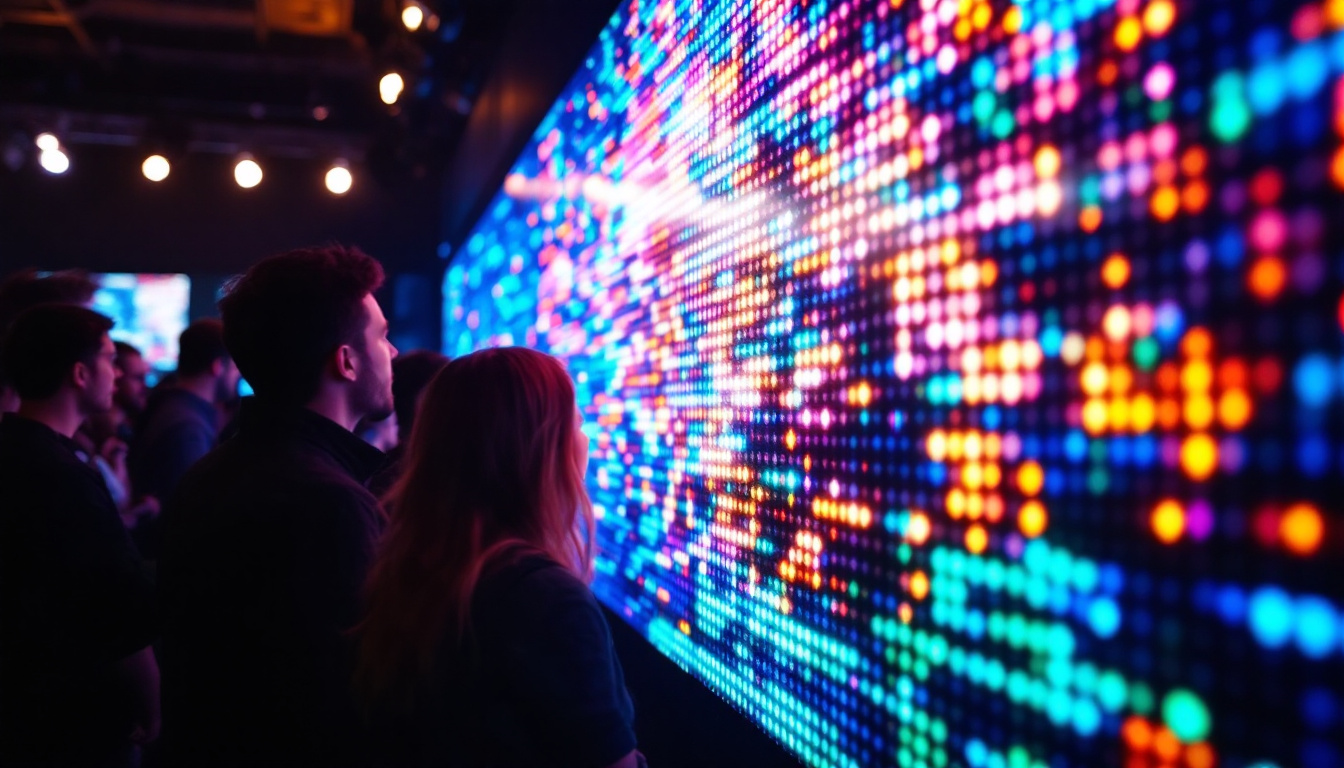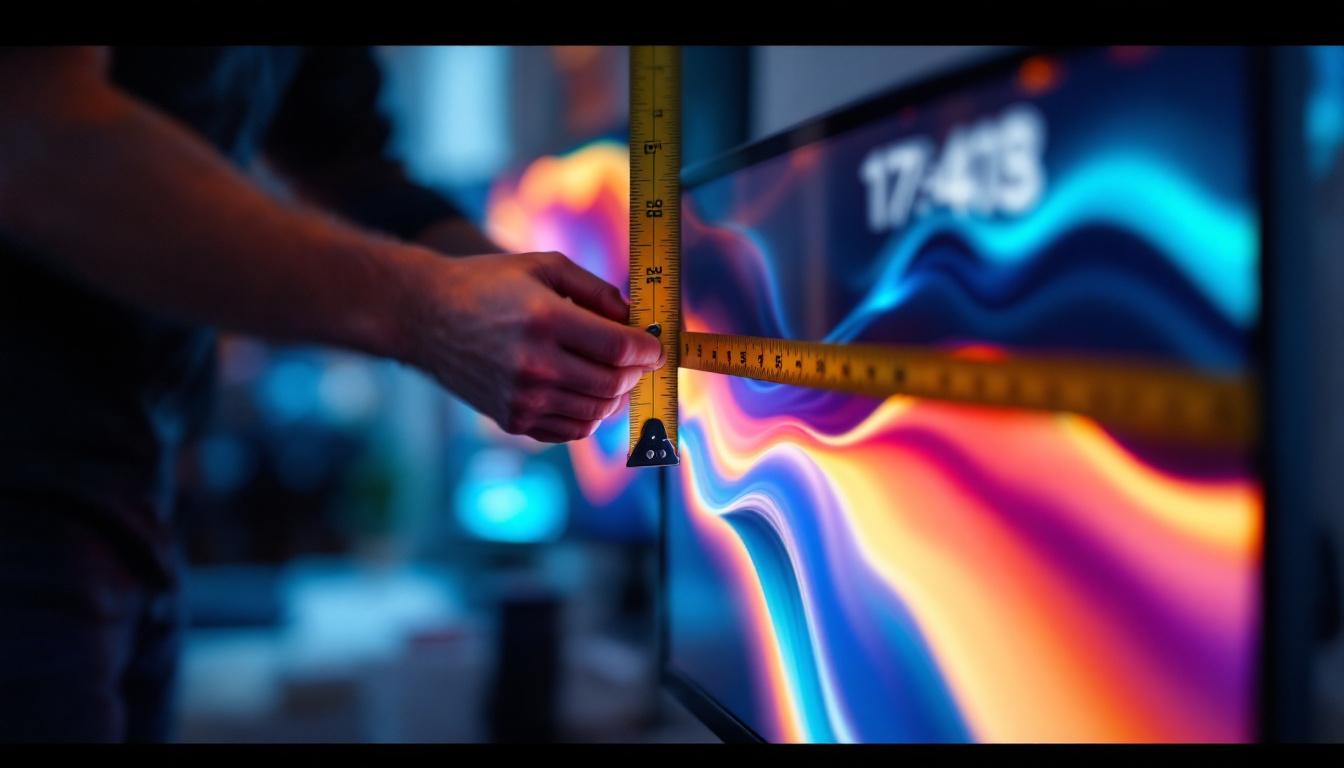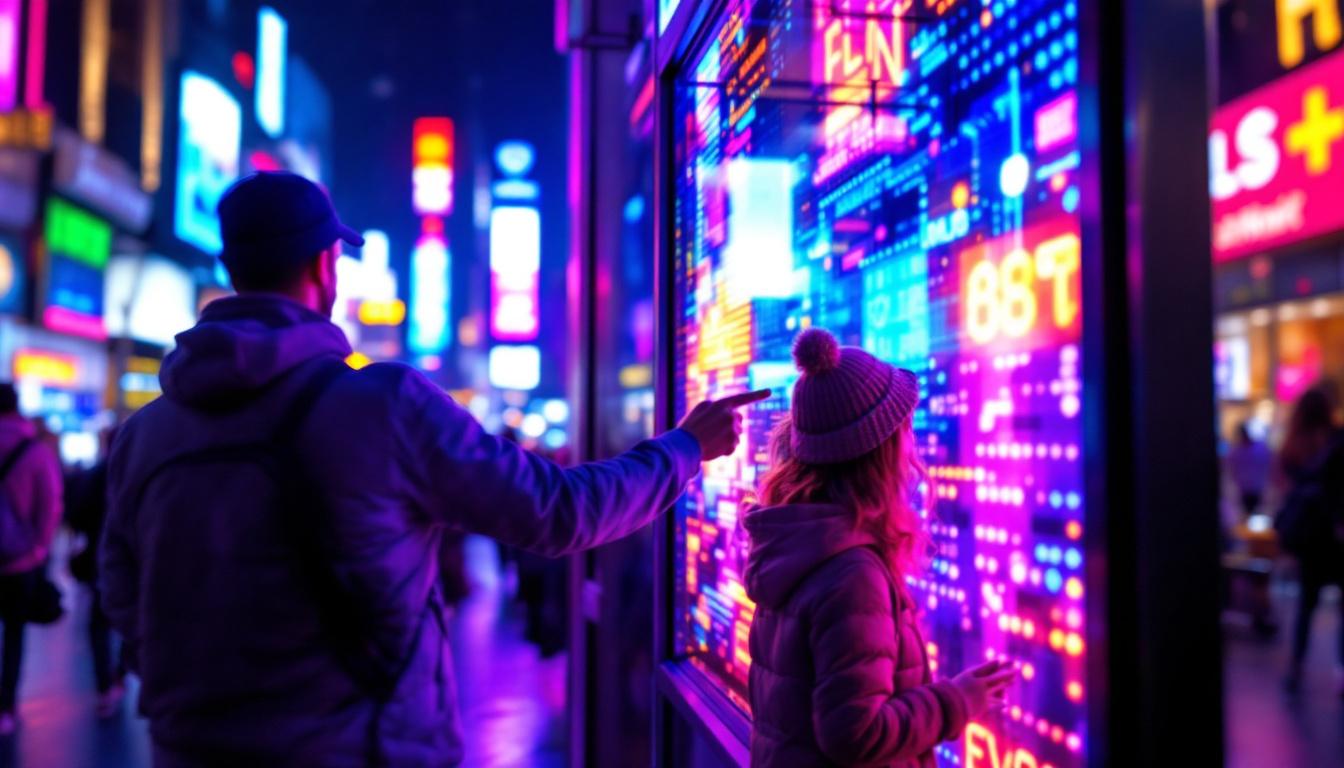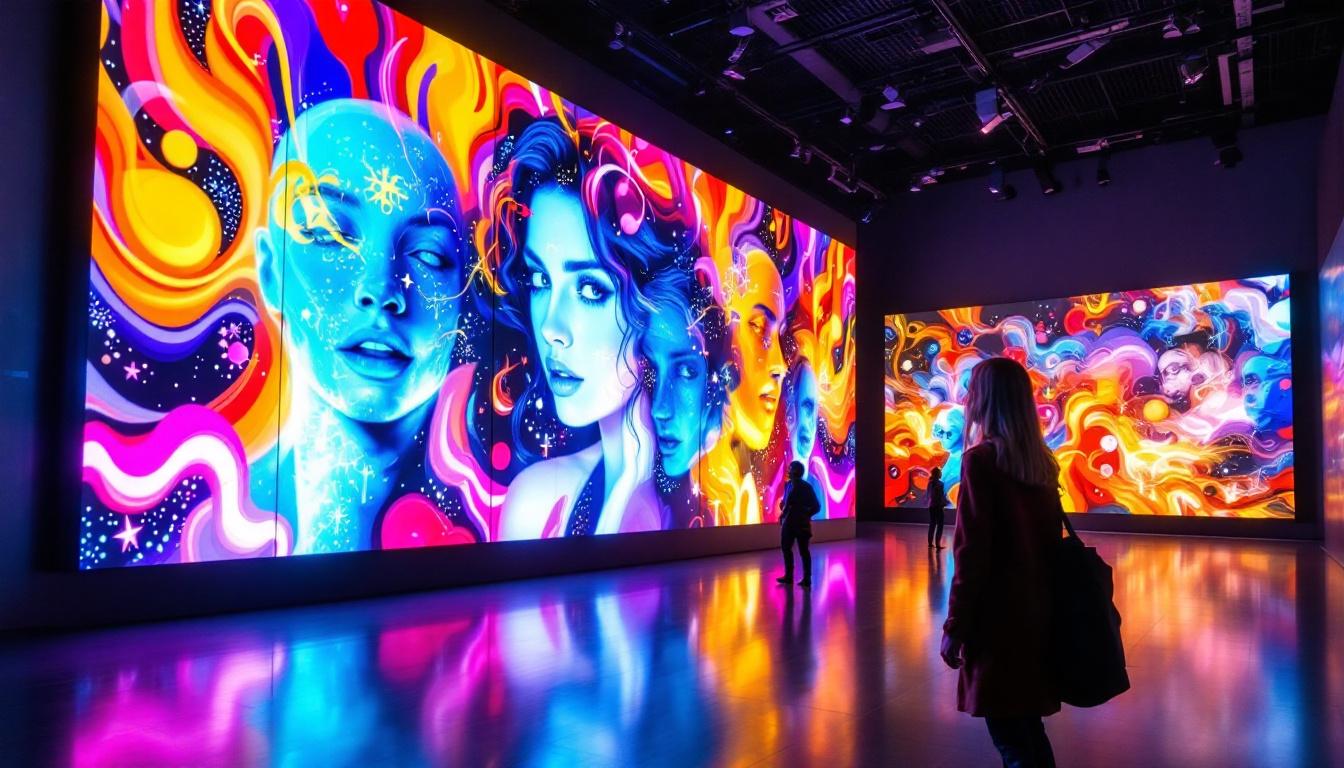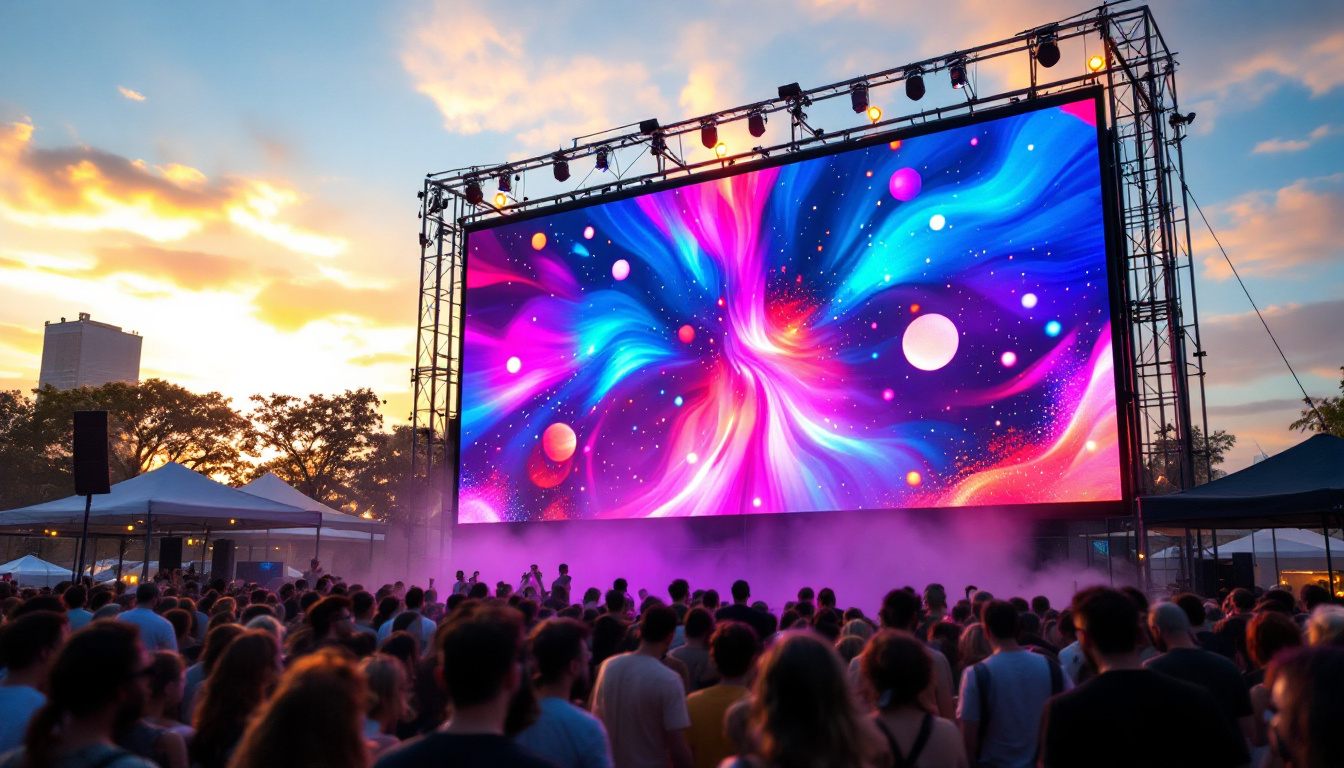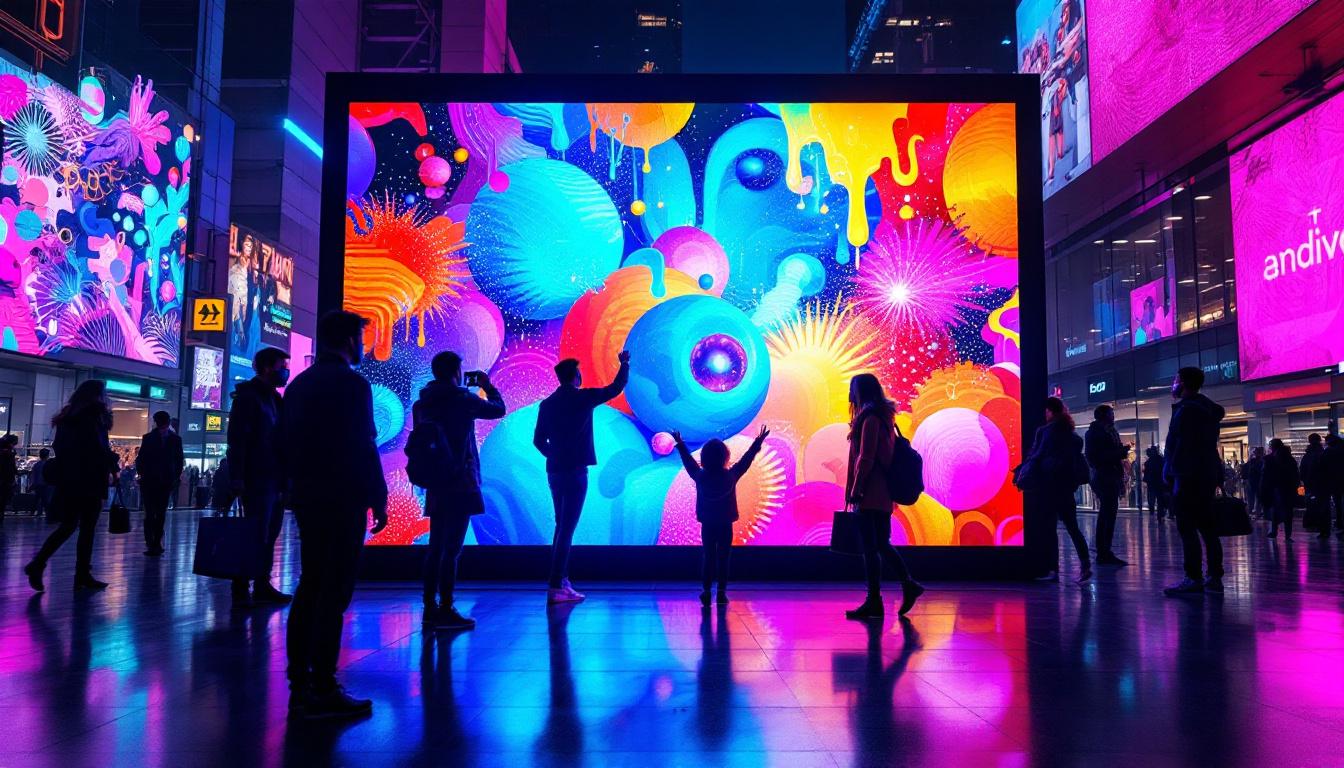
In recent years, flexible LED displays have revolutionized the way businesses, advertisers, and designers approach digital signage and visual communication. These innovative screens offer unparalleled versatility, enabling curved, bendable, and even foldable digital displays that were once considered futuristic. However, understanding the pricing of flexible LED screens can be complex due to the variety of factors involved. This comprehensive article unpacks the technology behind flexible LED displays, explores the key elements influencing their price, and provides insights to help buyers make informed decisions.
Understanding Flexible LED Display Technology
Flexible LED displays differ significantly from traditional rigid LED panels. Their unique construction allows them to bend and conform to various shapes without compromising image quality or durability. This section delves into the technology that makes these displays possible and why it matters for pricing.
What Makes an LED Display Flexible?
At the core of flexible LED screens is the use of ultra-thin, lightweight materials combined with advanced manufacturing techniques. Unlike conventional LED panels mounted on rigid circuit boards, flexible LEDs use substrates such as polyimide or other flexible polymers. These substrates can bend while maintaining electrical connections and pixel integrity.
Additionally, the LED modules themselves are smaller and more densely packed, often employing surface-mount technology (SMT) to reduce thickness. This design allows the screen to curve around surfaces or even roll up for transport and storage. The flexibility of these displays opens up a world of creative possibilities for designers and advertisers, enabling them to create immersive environments that were previously unattainable with traditional displays.
Types of Flexible LED Displays
Flexible LED displays come in several forms, including:
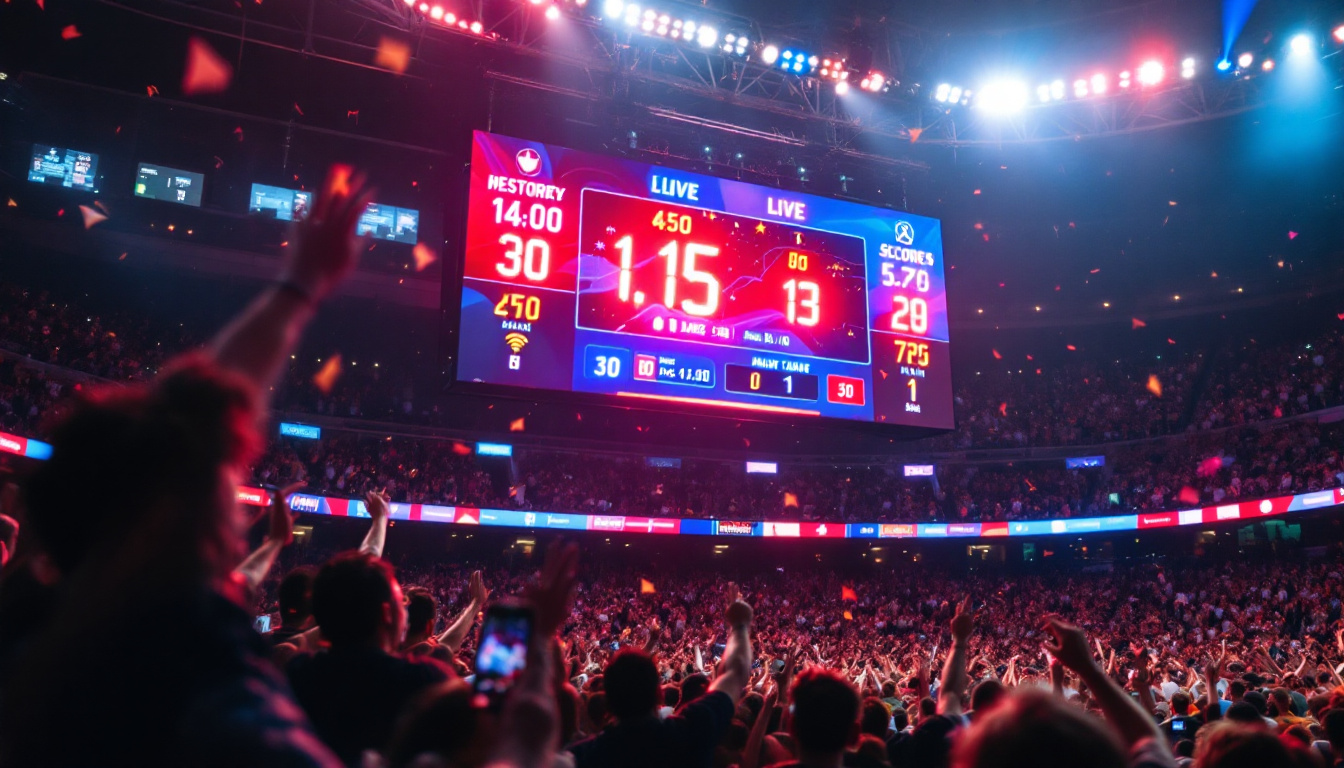
- Curved LED Screens: Designed to fit concave or convex surfaces, commonly used in stadiums, retail, and event venues.
- Bendable LED Screens: Can be bent to varying degrees but retain a fixed shape once installed.
- Rollable LED Screens: Ultra-thin displays that can be rolled up for portability and easy installation.
Each type requires different materials and engineering, which directly impacts manufacturing complexity and cost. For instance, curved LED screens often involve intricate designs that must account for the viewing angles and brightness uniformity across the surface, making them more expensive to produce. Meanwhile, rollable LED screens, while offering unparalleled convenience, necessitate advanced engineering to ensure that the display maintains its performance over repeated use. As the technology continues to evolve, we can expect innovations that will further enhance the versatility and affordability of these displays, making them accessible to a broader range of applications.
The applications for flexible LED displays are vast and varied. In addition to their use in advertising and entertainment, they are also being integrated into architectural designs, allowing buildings to feature dynamic facades that can change appearance based on the time of day or specific events. Furthermore, in the realm of wearable technology, flexible LED displays are paving the way for smart clothing and accessories that can display information or graphics, merging fashion with functionality in exciting new ways. As industries continue to explore the potential of this technology, the future of flexible LED displays looks promising, with endless possibilities for innovation and creativity.
Key Factors Influencing Flexible LED Screen Prices
Flexible LED displays are premium products, and their prices reflect the sophisticated technology and manufacturing processes involved. Several critical factors determine the final cost of these screens.
Resolution and Pixel Pitch
The resolution of an LED screen is determined by its pixel pitch — the distance between the centers of two adjacent pixels. A smaller pixel pitch means higher resolution and sharper images, which is essential for close-viewing applications such as indoor advertising or control rooms.
Flexible LED displays typically feature pixel pitches ranging from 1.2 mm to 10 mm. Screens with finer pixel pitches require more LEDs per square meter, increasing both material costs and production complexity. For example, a 1.5 mm pixel pitch flexible LED screen can cost upwards of $4,000 to $6,000 per square meter, whereas a 6 mm pitch screen might be priced around $1,200 to $2,000 per square meter.
Display Size and Customization
Size is a straightforward but significant factor. Larger flexible LED displays require more LED modules and supporting electronics, naturally increasing the price. However, customization plays an equally important role. Because flexible screens are often tailored to fit unique architectural features or specific design requirements, custom shapes and sizes can add to engineering and manufacturing expenses.
For instance, a curved LED wall designed to wrap around a column or a rollable display that must fit into a compact space will incur additional costs for design, prototyping, and specialized assembly.
Brightness and Color Quality
Brightness levels for flexible LED displays vary depending on their intended use. Outdoor flexible LED screens need to be extremely bright (often exceeding 5,000 nits) to remain visible under direct sunlight, whereas indoor screens typically require 800 to 1,500 nits.
Higher brightness demands more powerful LEDs, which consume more energy and generate more heat, necessitating advanced cooling solutions. These factors contribute to higher prices. Similarly, displays with enhanced color accuracy and wider color gamuts — important for branding and high-end visual presentations — use more sophisticated LED chips and calibration processes, adding to cost.
Durability and Environmental Protection
Flexible LED screens used outdoors or in harsh environments must be rugged and weatherproof. This involves applying protective coatings, using waterproof connectors, and designing for resistance to dust, humidity, and temperature fluctuations.
Such environmental protections increase manufacturing complexity and material costs. For example, an IP65-rated flexible LED display designed for outdoor use will be more expensive than an indoor-only model without weatherproofing.
Control Systems and Software Integration
The quality and sophistication of the control systems used to manage flexible LED displays also impact pricing. Modern flexible LED screens often come with advanced video processors, wireless connectivity, and user-friendly software for content management.
Integration with existing digital signage networks, real-time content updates, and remote diagnostics can add value but also increase upfront costs. Buyers should consider the total cost of ownership, including software licenses and maintenance agreements.
Market Trends and Pricing Examples
Understanding current market trends can help contextualize flexible LED screen prices and anticipate future developments.
Price Ranges in 2024
As of mid-2024, flexible LED screen prices have become more competitive due to advances in manufacturing and increased demand. Typical price ranges include:
- Entry-level flexible LED panels: $1,000 to $2,000 per square meter, suitable for large-pitch displays in less demanding environments.
- Mid-range flexible LED displays: $2,000 to $4,000 per square meter, offering moderate pixel pitch and brightness for indoor and semi-outdoor use.
- High-end flexible LED screens: $4,000 to $7,000+ per square meter, featuring ultra-fine pixel pitch, high brightness, and robust environmental protection.
These prices are indicative and vary by manufacturer, region, and specific project requirements.
Examples of Flexible LED Display Applications
Several industries have embraced flexible LED technology, demonstrating its versatility and value:
- Retail and Advertising: Curved LED walls in flagship stores create immersive brand experiences, often installed on complex surfaces like pillars or curved facades.
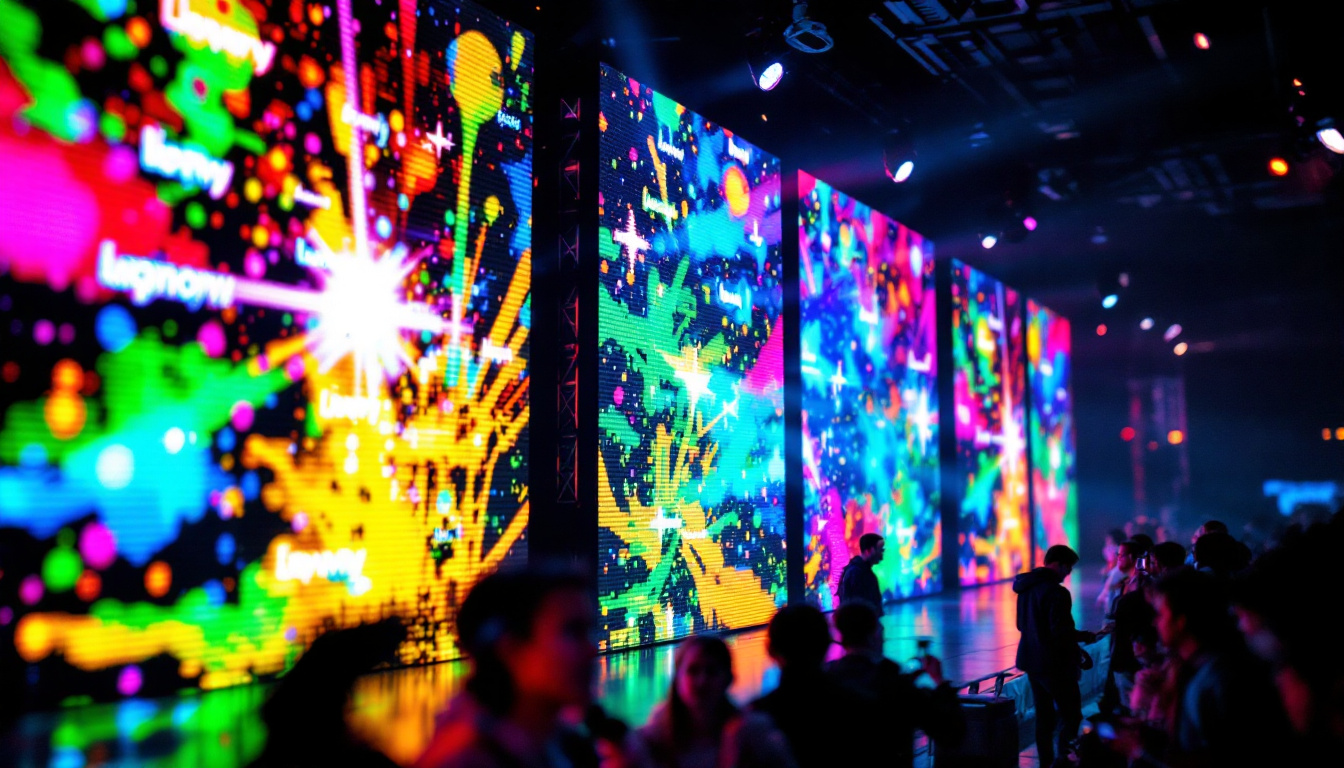
- Events and Entertainment: Rollable LED screens enable quick setup and teardown for concerts, exhibitions, and trade shows.
- Transportation Hubs: Flexible LED displays provide dynamic information on curved surfaces in airports and train stations.
- Architectural Integration: Buildings incorporate flexible LED facades for aesthetic and functional lighting effects.
These applications highlight why investing in flexible LED displays can offer significant returns despite higher initial costs.
How to Evaluate Flexible LED Display Costs Effectively
When considering a flexible LED display purchase, several strategies can help ensure a cost-effective investment.
Assessing Total Cost of Ownership
Beyond the initial purchase price, buyers should consider installation, maintenance, energy consumption, and potential upgrades. Flexible LED displays with advanced energy-saving features or modular designs might have higher upfront costs but lower operational expenses.
For example, LED chips with higher efficiency reduce power bills, and modular panels simplify repairs, minimizing downtime and service costs.
Comparing Suppliers and Technologies
Not all flexible LED displays are created equal. Comparing product specifications, warranties, and customer support is crucial. Some manufacturers specialize in certain types of flexible displays or offer proprietary technologies that enhance durability or image quality.
Requesting samples or pilot installations can help evaluate performance before committing to large-scale purchases.
Understanding Installation and Infrastructure Requirements
Flexible LED displays often require specialized mounting systems and control hardware. Installation complexity can add significant cost, especially for custom shapes or large-scale projects.
Planning for infrastructure needs, such as power supply, cooling, and data connectivity, ensures the display performs optimally and avoids unexpected expenses.
The Future of Flexible LED Displays and Pricing Outlook
Flexible LED technology continues to evolve rapidly, with promising innovations on the horizon that could influence pricing and adoption.
Emerging Technologies
Advances in micro-LED and mini-LED technologies promise even thinner, brighter, and more energy-efficient flexible displays. These developments may reduce manufacturing costs over time while improving performance.
Additionally, integration with smart technologies such as IoT sensors and AI-driven content management is expected to enhance user experience and operational efficiency.
Market Growth and Economies of Scale
The flexible LED display market is projected to grow at a compound annual growth rate (CAGR) of over 15% through the late 2020s. As production volumes increase and supply chains mature, prices are likely to become more accessible to a broader range of customers.
This growth is fueled by expanding applications in automotive displays, wearable devices, and consumer electronics, alongside traditional signage and architectural uses.
Conclusion
Flexible LED displays represent a cutting-edge solution for dynamic, visually striking digital signage that adapts to diverse environments and creative visions. While their pricing can be higher than traditional LED panels, understanding the factors that influence cost—such as resolution, size, brightness, durability, and software integration—enables buyers to make informed choices tailored to their needs.
As technology advances and market demand grows, flexible LED displays are becoming more affordable and versatile, opening new possibilities for innovation in visual communication. Careful evaluation of total cost of ownership, supplier capabilities, and installation requirements will ensure that investments in flexible LED technology deliver maximum value and impact.
Discover LumenMatrix’s Innovative LED Display Solutions
Ready to elevate your visual communication with the latest in flexible LED display technology? LumenMatrix is at the forefront of creating immersive and dynamic digital signage that captivates and engages. From Indoor and Outdoor LED Wall Displays to specialized solutions like Vehicle, Sports, and Floor LED Displays, our products are designed to revolutionize your brand’s presence. Embrace the future of advertising and design with our Custom, All-in-One, and Transparent LED Displays. Check out LumenMatrix LED Display Solutions and start transforming your space into a visually stunning experience today.