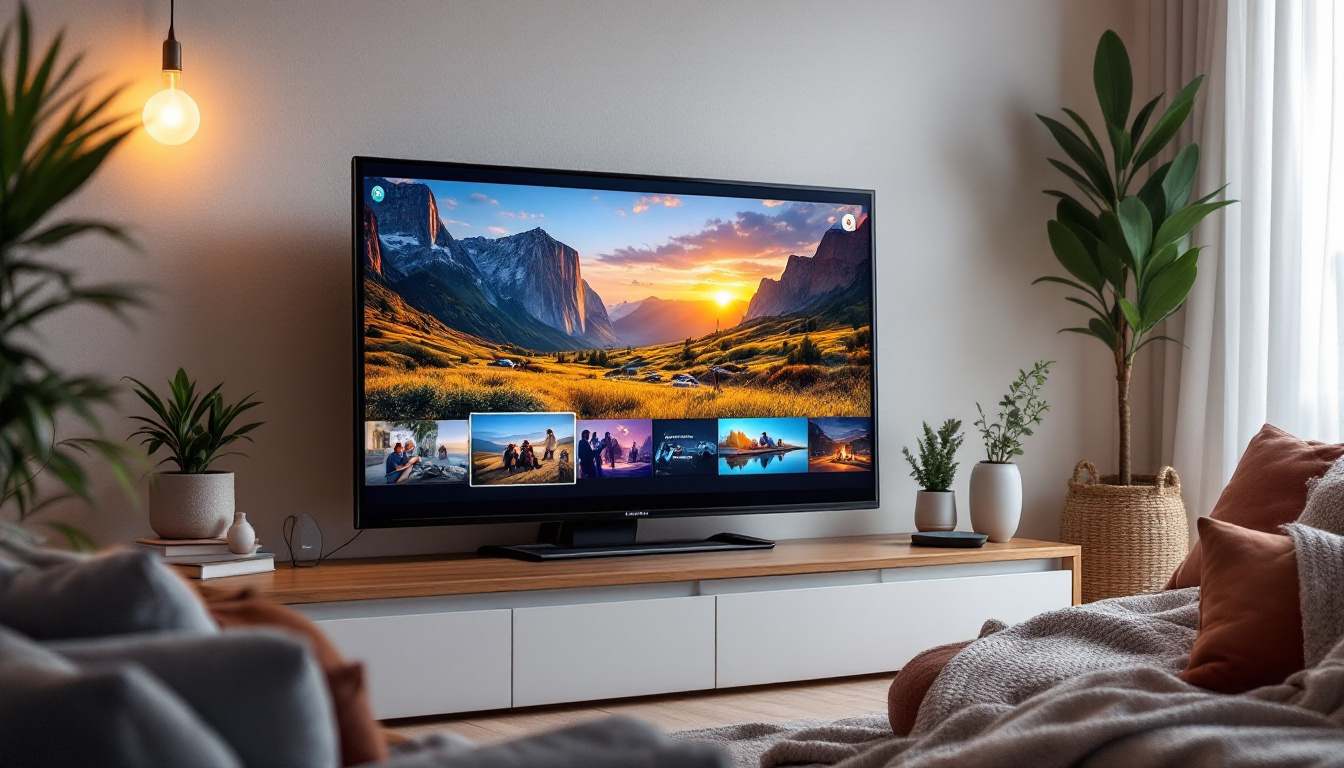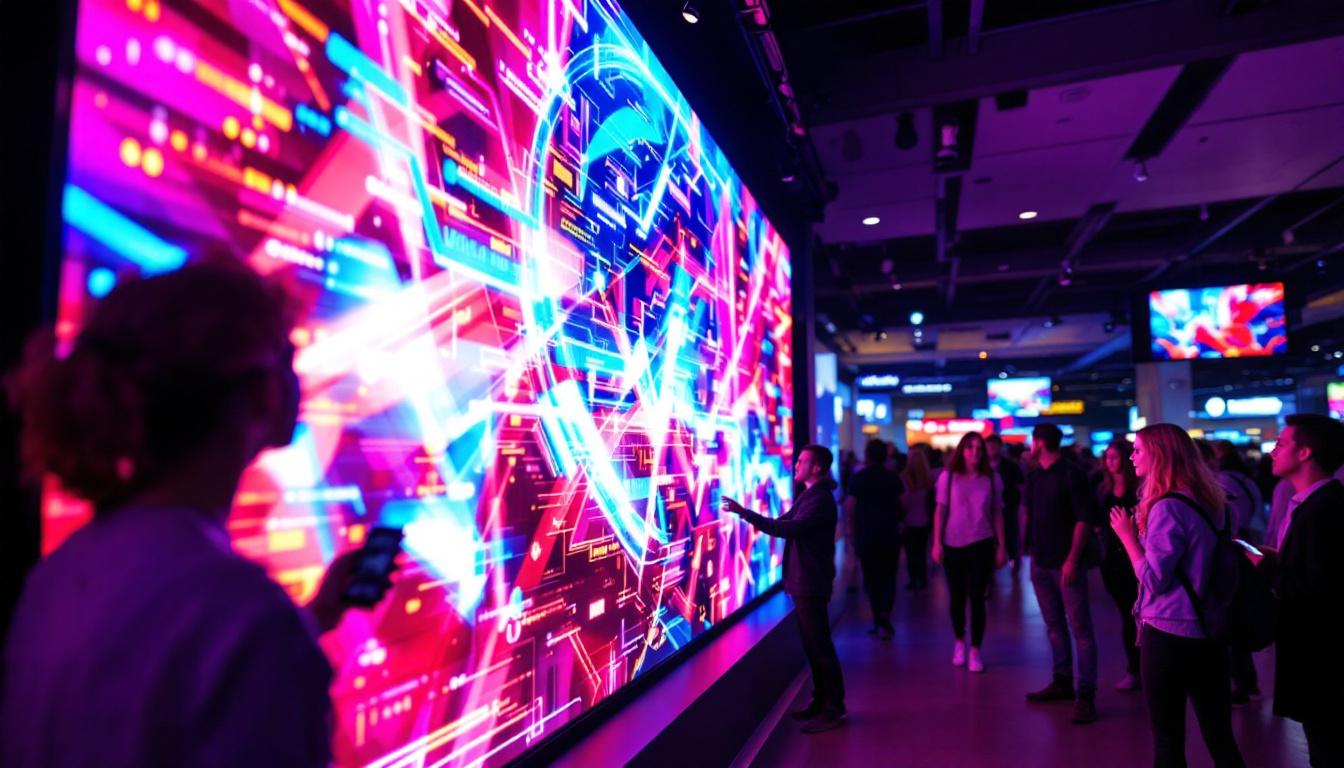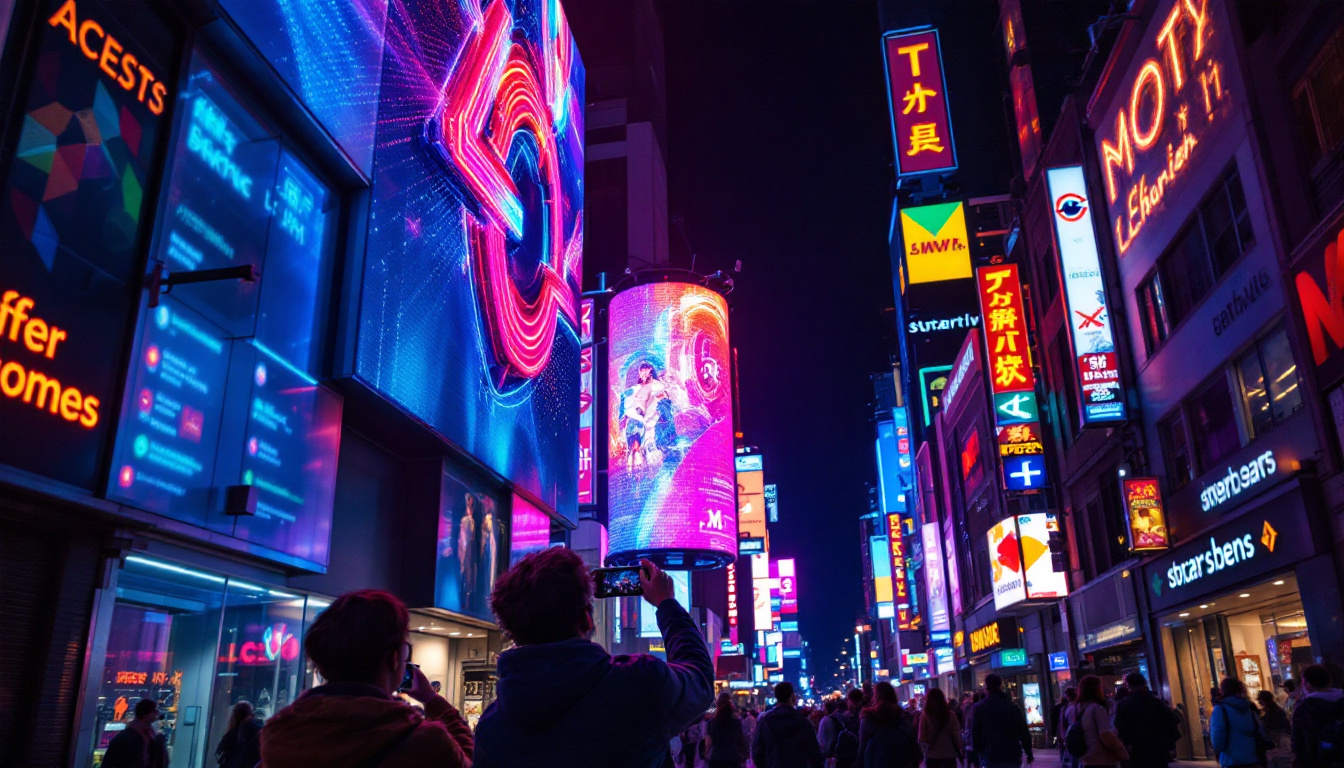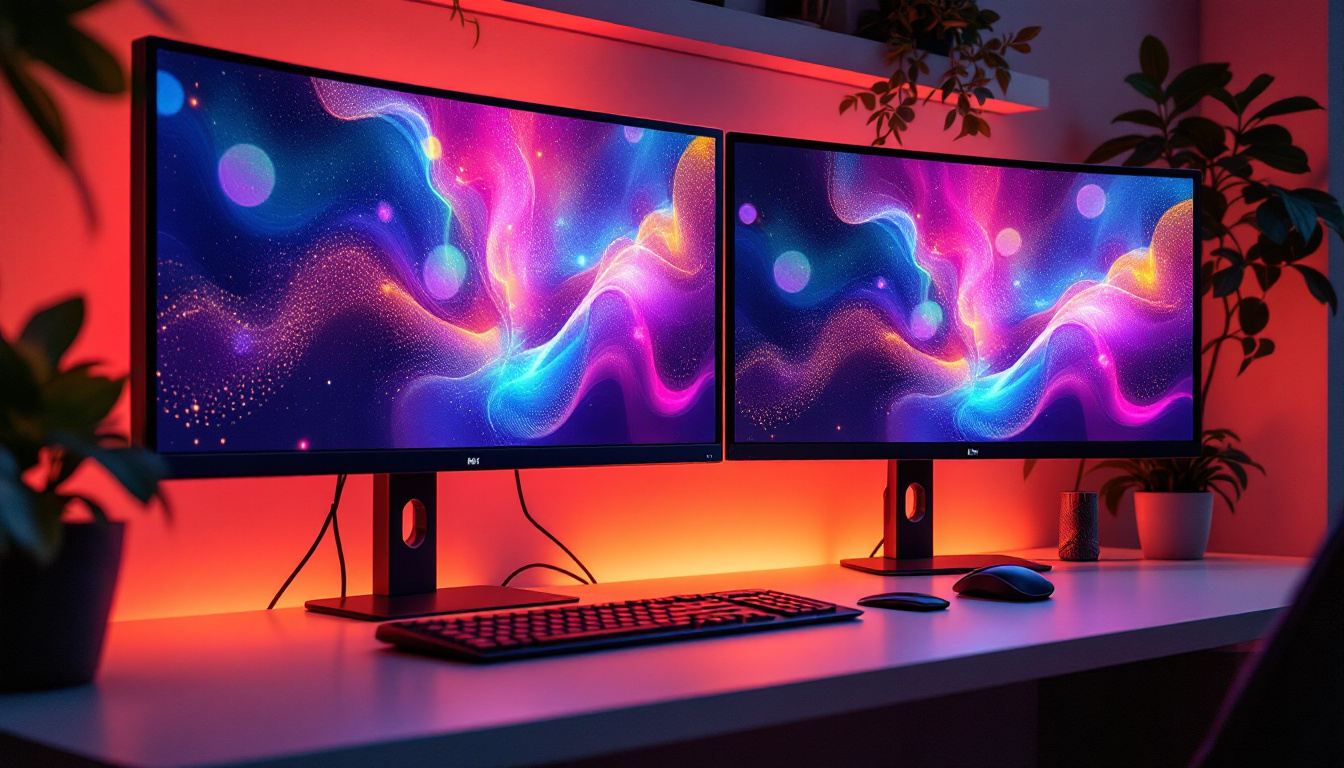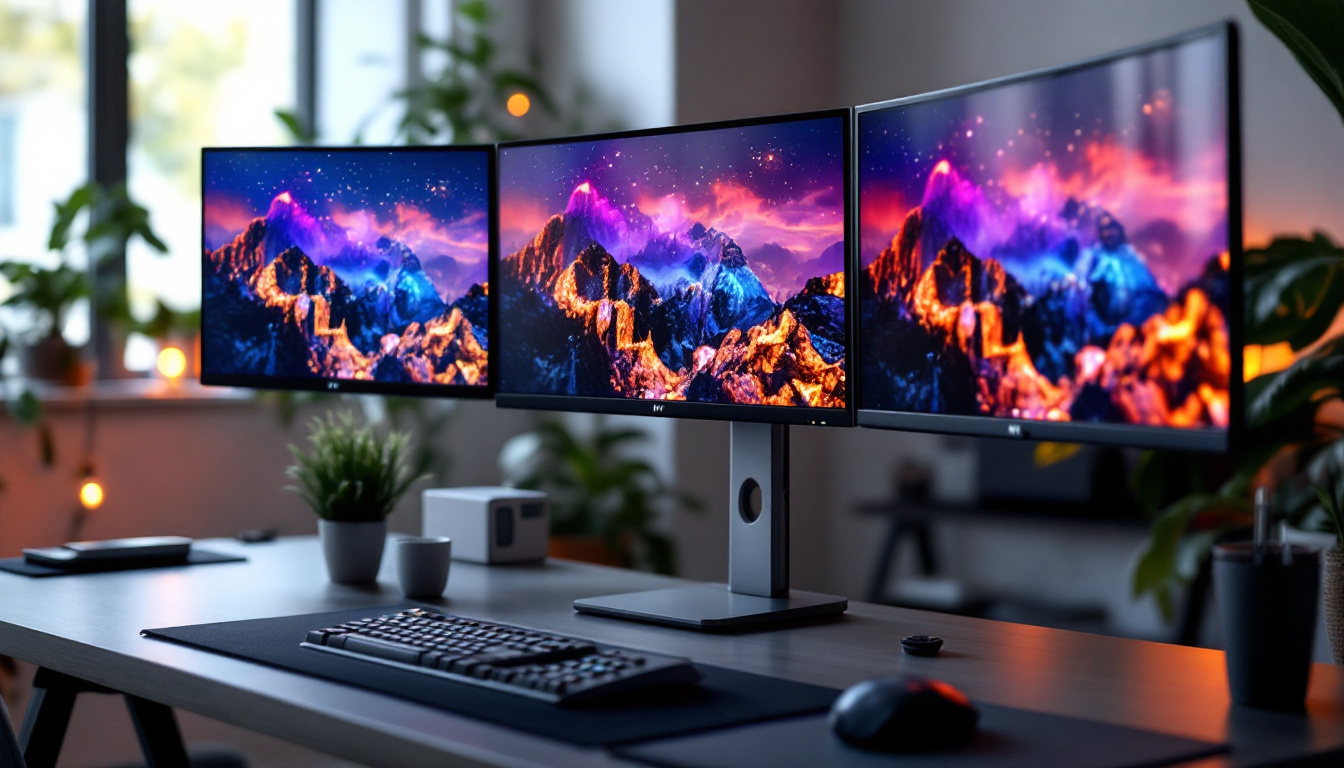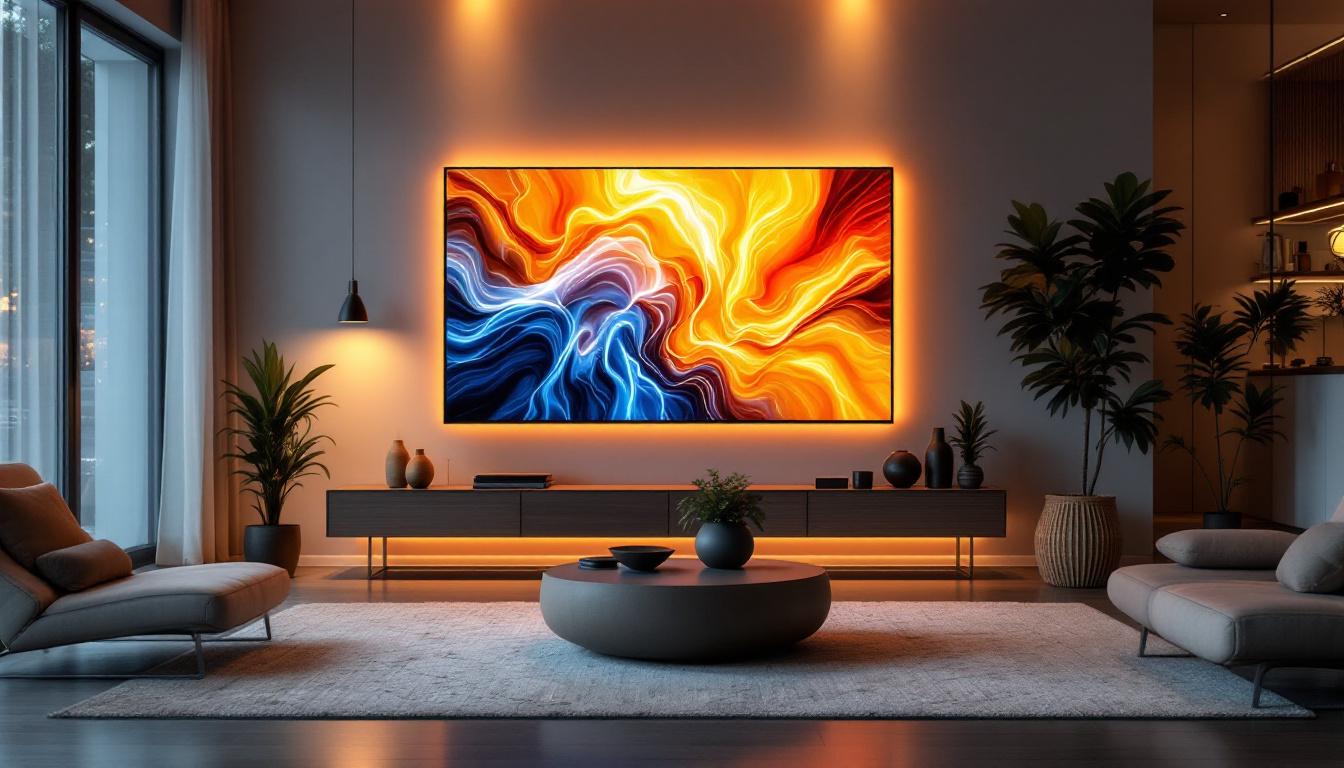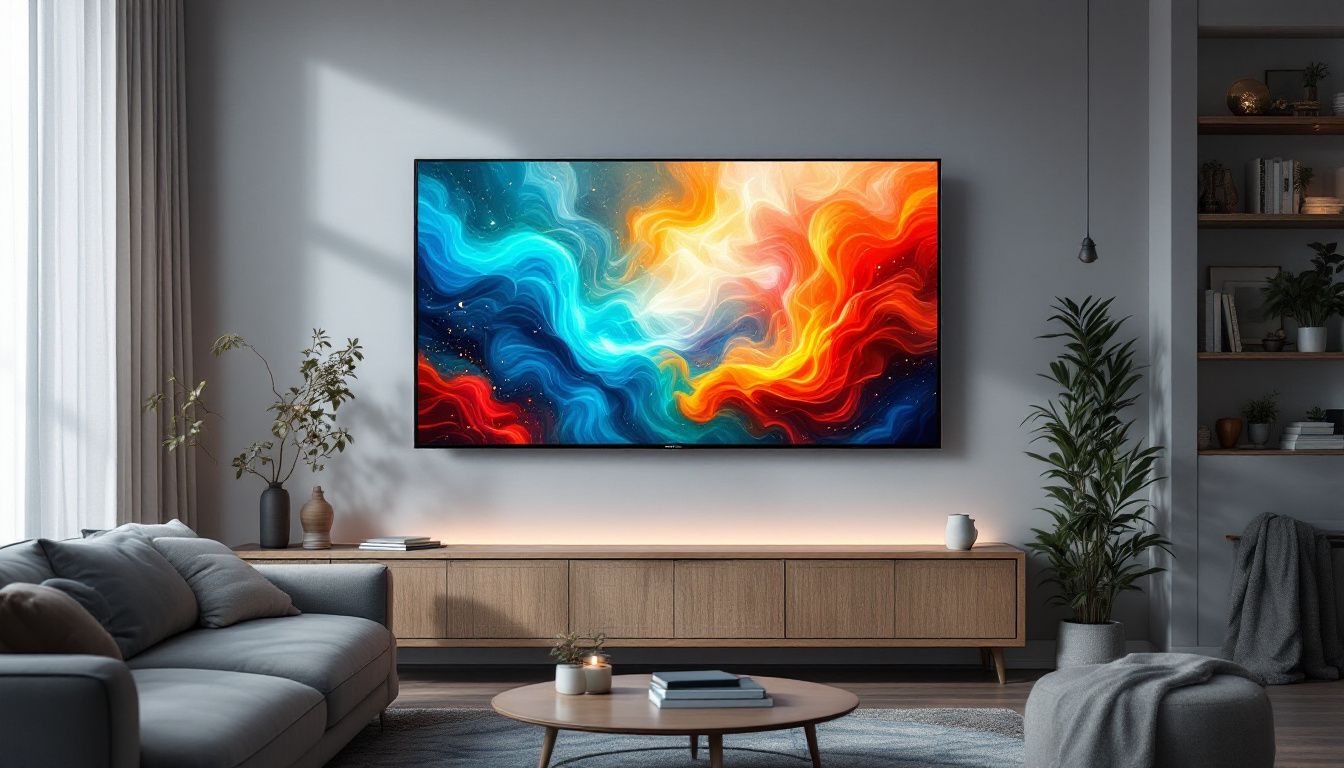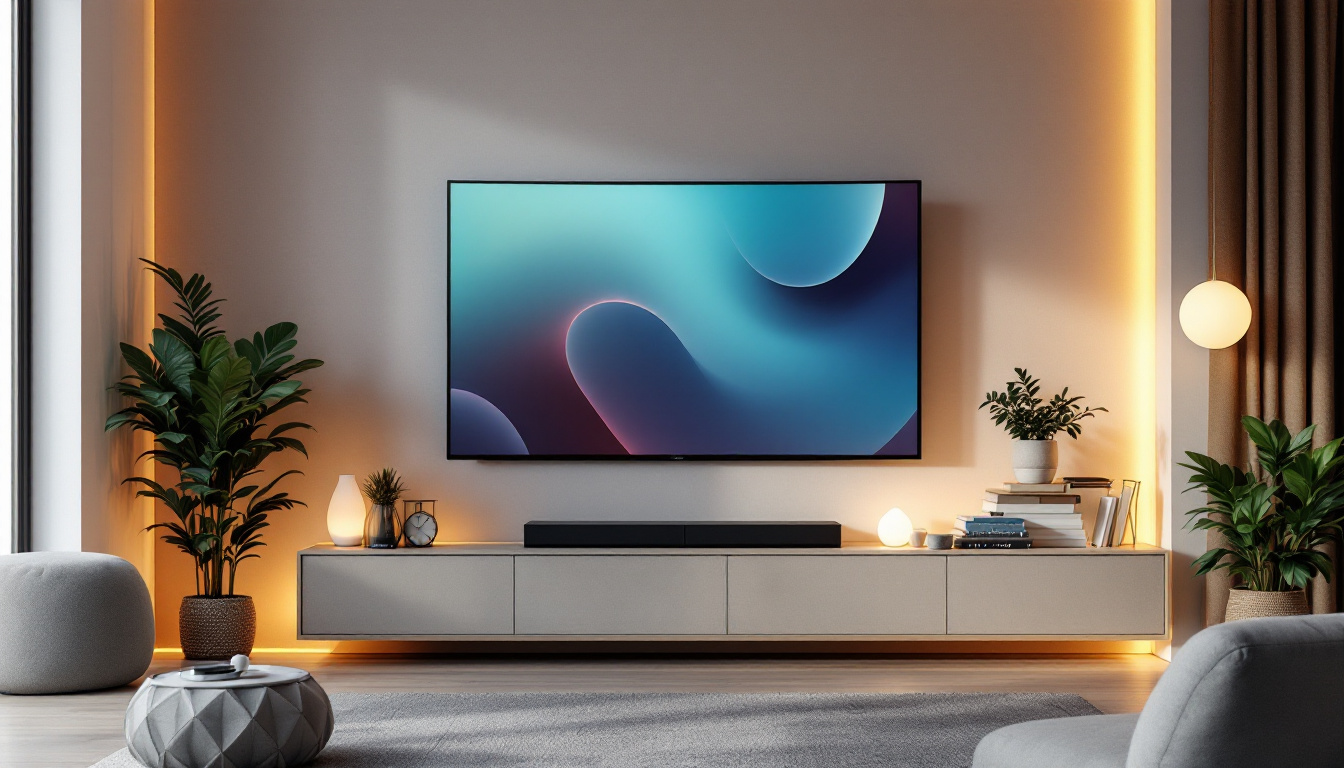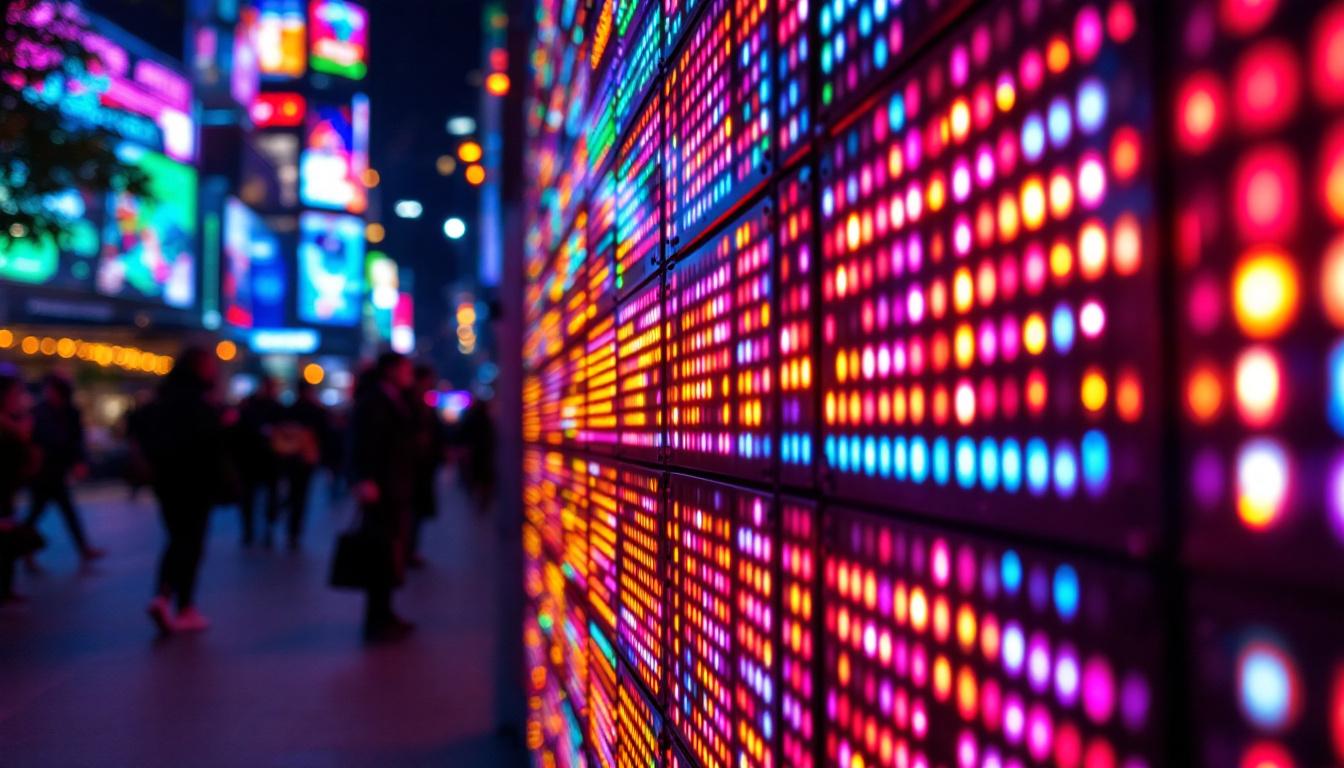
In the rapidly evolving world of display technology, LED displays have emerged as a dominant force, revolutionizing how we consume visual content across various industries. From vibrant advertising billboards to immersive home entertainment systems, LED displays offer unparalleled brightness, color accuracy, and energy efficiency. This article delves deep into the fundamentals of LED displays, exploring their technology, advantages, applications, and future trends.
Understanding LED Display Technology
What is an LED Display?
LED stands for Light Emitting Diode, a semiconductor device that emits light when an electric current passes through it. An LED display is a flat panel display that uses an array of light-emitting diodes as pixels to create images and videos. Unlike traditional LCDs, which rely on backlighting, LED displays produce light directly from each pixel, enabling superior brightness and contrast.
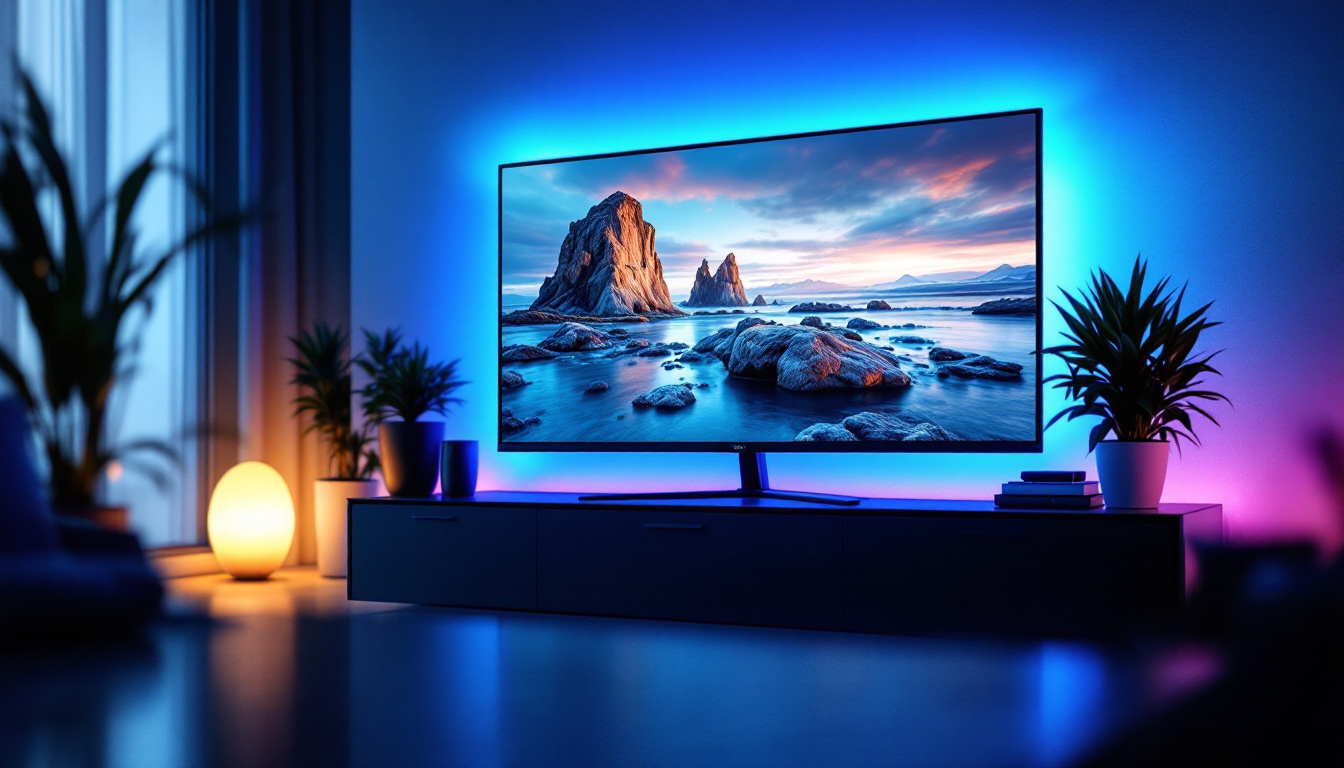
LED displays can be categorized into two main types: direct-view LED displays and LED-backlit LCDs. Direct-view LED displays consist of individual LEDs forming the image, commonly used in large-scale outdoor screens and digital signage. On the other hand, LED-backlit LCDs use LEDs as a backlight source behind an LCD panel, prevalent in consumer televisions and monitors. The versatility of LED technology has led to its adoption in various applications, from billboards to smartphones, showcasing its adaptability and efficiency in different environments.
How Do LED Displays Work?
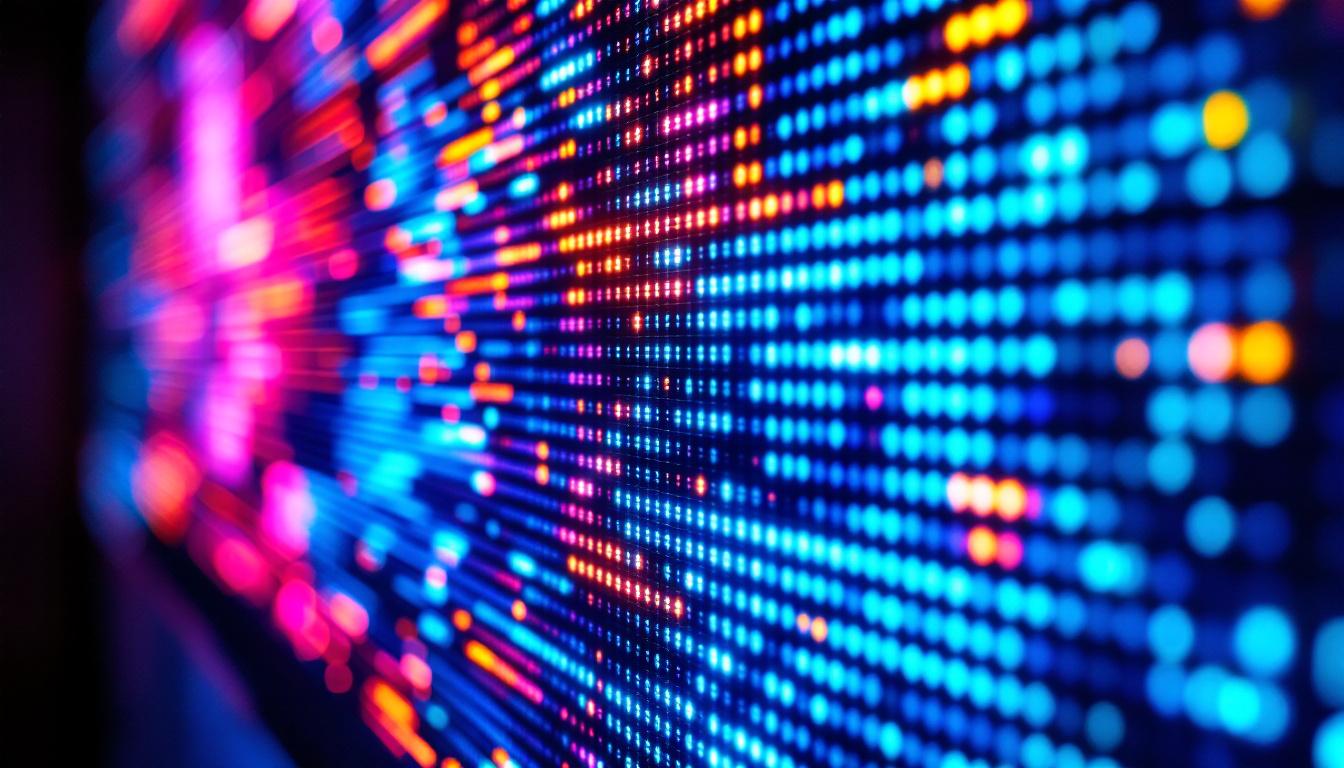
The core principle behind LED displays lies in the ability of LEDs to emit light in different colors. Typically, each pixel on an LED display comprises three sub-pixels: red, green, and blue (RGB). By varying the intensity of these sub-pixels, the display can render a full spectrum of colors. This RGB color model is foundational to all digital displays. The precision with which these colors can be mixed allows for an extensive range of hues, making LED displays particularly appealing for vibrant graphics and video content.
In direct-view LED displays, tiny LEDs are arranged in a grid, and each LED functions as an individual pixel or part of a pixel. The display controller modulates the current to each LED, controlling its brightness and color output. This precise control enables high-resolution images with vivid colors and deep blacks, as LEDs can be turned off completely to produce true black levels. Furthermore, advancements in technology have led to the development of flexible LED displays, which can be bent or shaped to fit unconventional surfaces, paving the way for innovative design possibilities in advertising and architecture. As a result, LED displays are not only functional but also serve as an artistic medium that can enhance the visual landscape of urban environments.
Advantages of LED Displays Over Other Technologies
Superior Brightness and Visibility
One of the most significant advantages of LED displays is their exceptional brightness. LEDs can achieve luminance levels far exceeding those of traditional LCD or plasma screens, making them ideal for outdoor environments where sunlight can wash out other displays. For example, modern outdoor LED billboards can reach brightness levels of over 5,000 nits, ensuring clear visibility even in direct sunlight.
This high brightness also contributes to better visibility from wide viewing angles, a critical factor for public displays, stadium screens, and transportation hubs where audiences view screens from various positions. Furthermore, the rapid response time of LEDs allows for dynamic content that can capture attention more effectively than static displays. This capability is particularly advantageous in advertising, where the ability to showcase vibrant, eye-catching visuals can significantly increase audience engagement and retention.
Energy Efficiency and Longevity
LED technology is inherently energy-efficient because LEDs convert a higher percentage of electrical energy into light compared to other display technologies. This efficiency translates into lower power consumption and reduced operational costs, especially important for large-scale displays operating continuously. Additionally, many LED displays are designed with smart technology that allows for automatic brightness adjustments based on ambient light conditions, further optimizing energy use and extending the life of the display.
Moreover, LEDs have a longer lifespan, often exceeding 100,000 hours of operation. This durability reduces maintenance frequency and costs, making LED displays a cost-effective solution over the long term. The robust nature of LED technology also means that these displays are less susceptible to damage from environmental factors, such as humidity or temperature fluctuations, making them suitable for a variety of settings, from bustling urban centers to remote locations.
Enhanced Color Accuracy and Contrast
LED displays offer superior color reproduction due to their ability to produce pure red, green, and blue light. This capability enables a wider color gamut and more precise color rendering, which is essential for applications like digital advertising, broadcasting, and professional content creation. The advanced color management systems integrated into many LED displays allow for fine-tuning of color settings, ensuring that the displayed content remains true to the creator’s intent, whether it’s a vibrant advertisement or a subtle artistic piece.
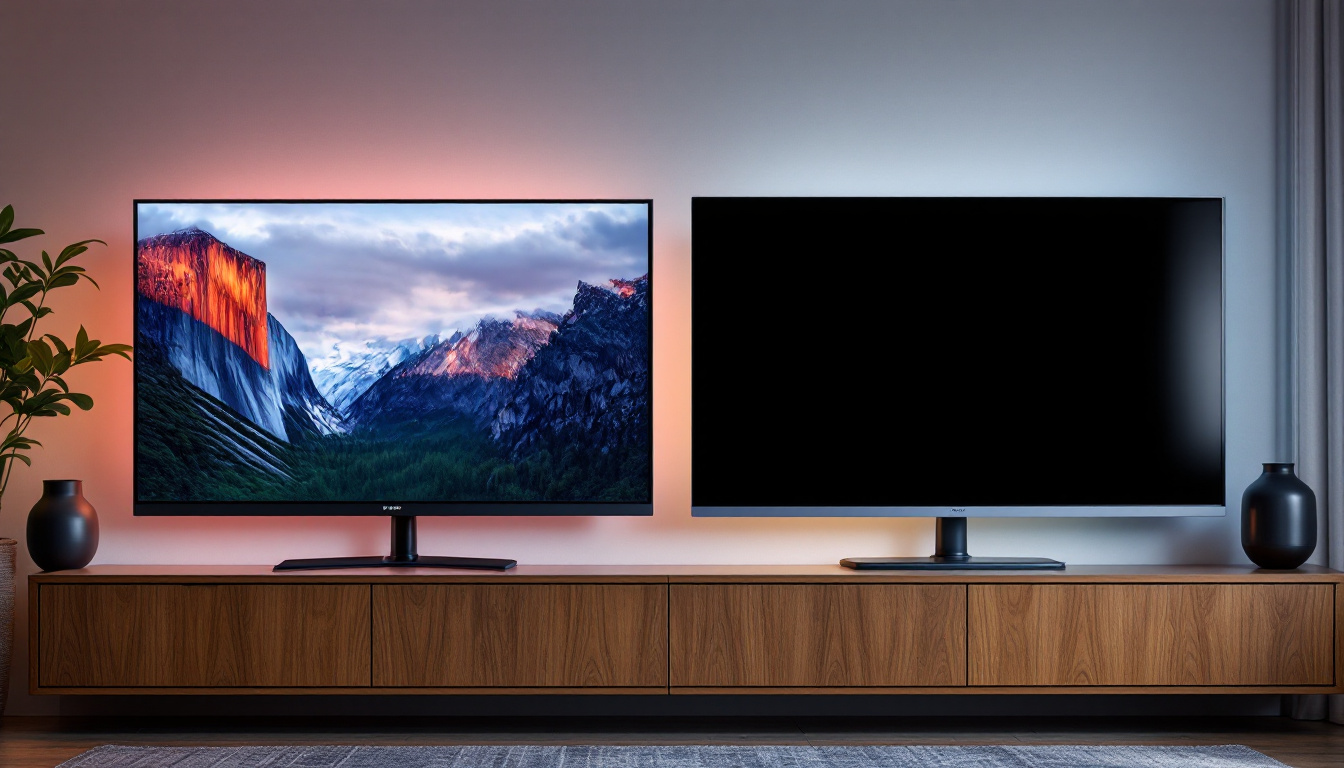
Additionally, the ability to turn off individual LEDs results in true blacks and high contrast ratios, enhancing image depth and detail. This feature is particularly beneficial for cinematic experiences and high-end visualization applications. As a result, filmmakers and graphic designers increasingly prefer LED technology for its ability to deliver stunning visuals that captivate audiences. The combination of high dynamic range (HDR) capabilities with LED technology further elevates the viewing experience, allowing for a more immersive interaction with the content displayed, whether in a theater or a home environment.
Applications of LED Displays Across Industries
Advertising and Digital Signage
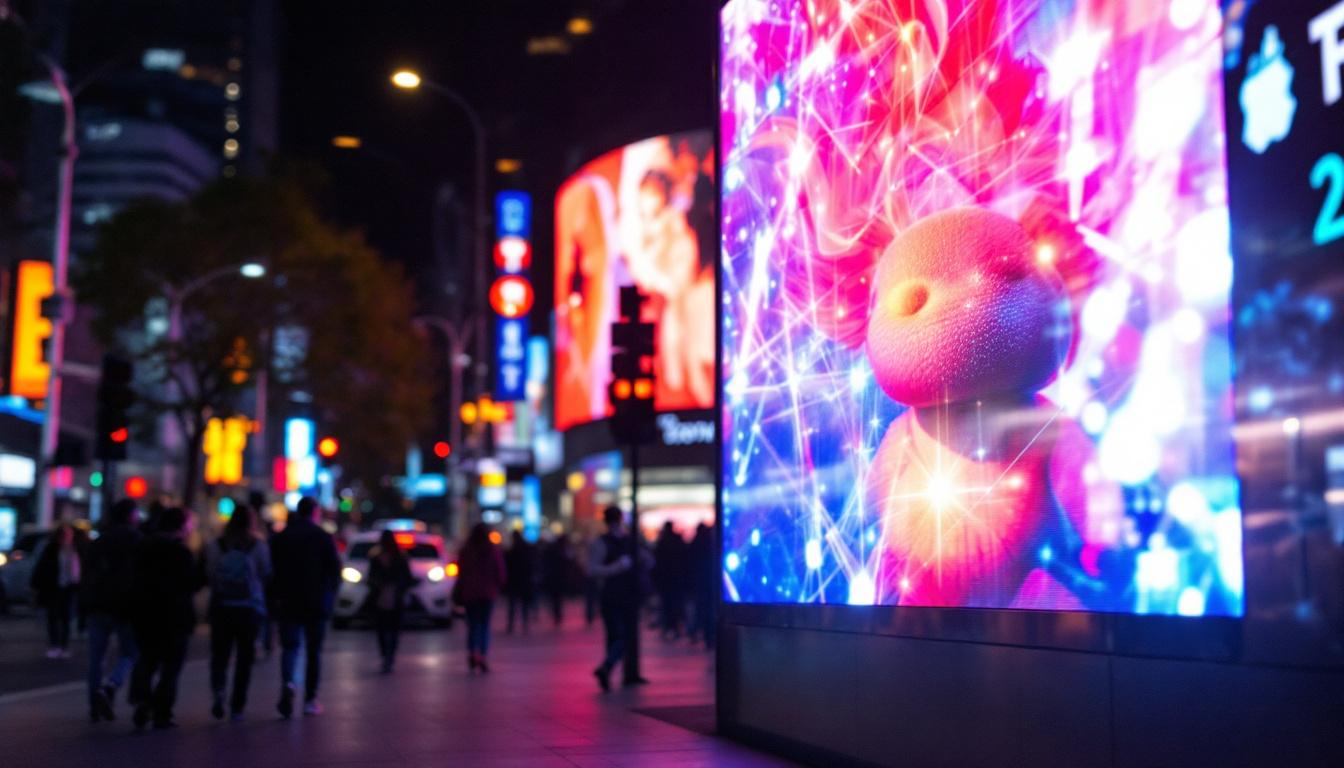
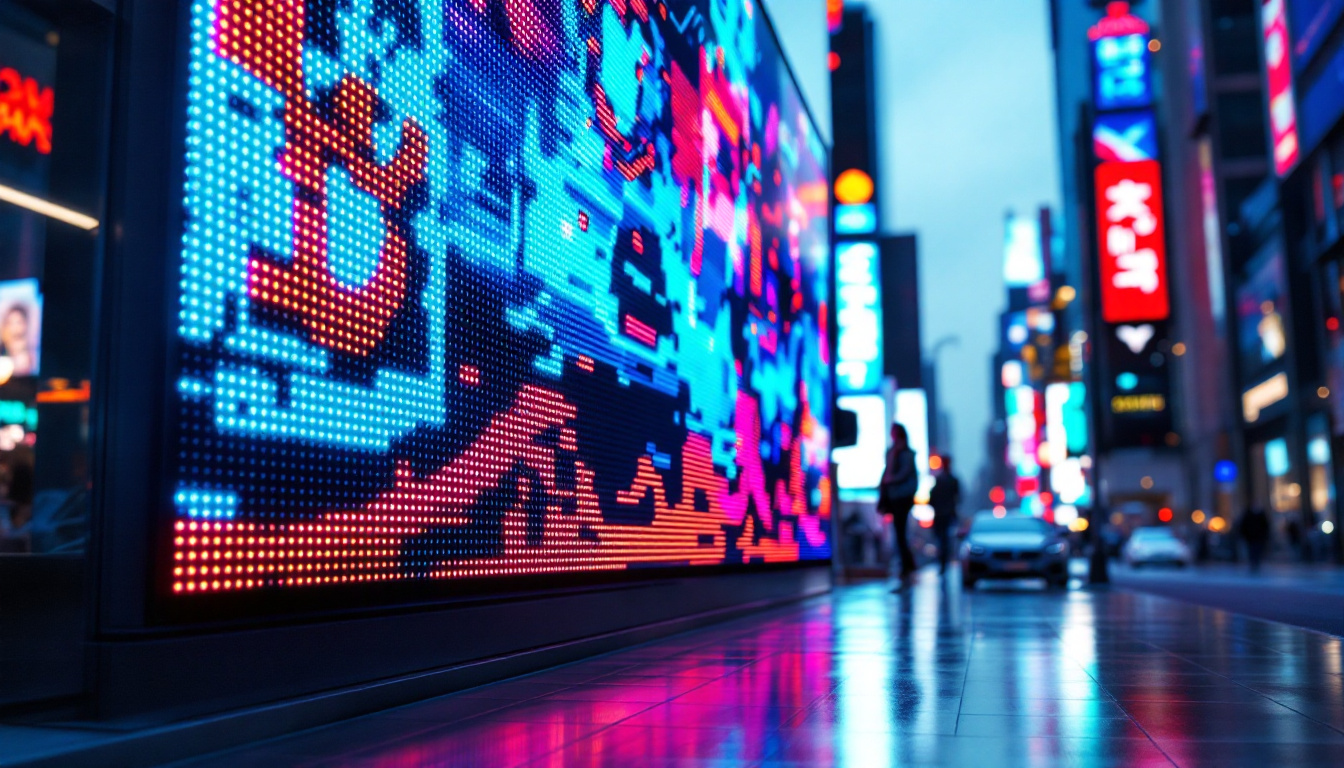
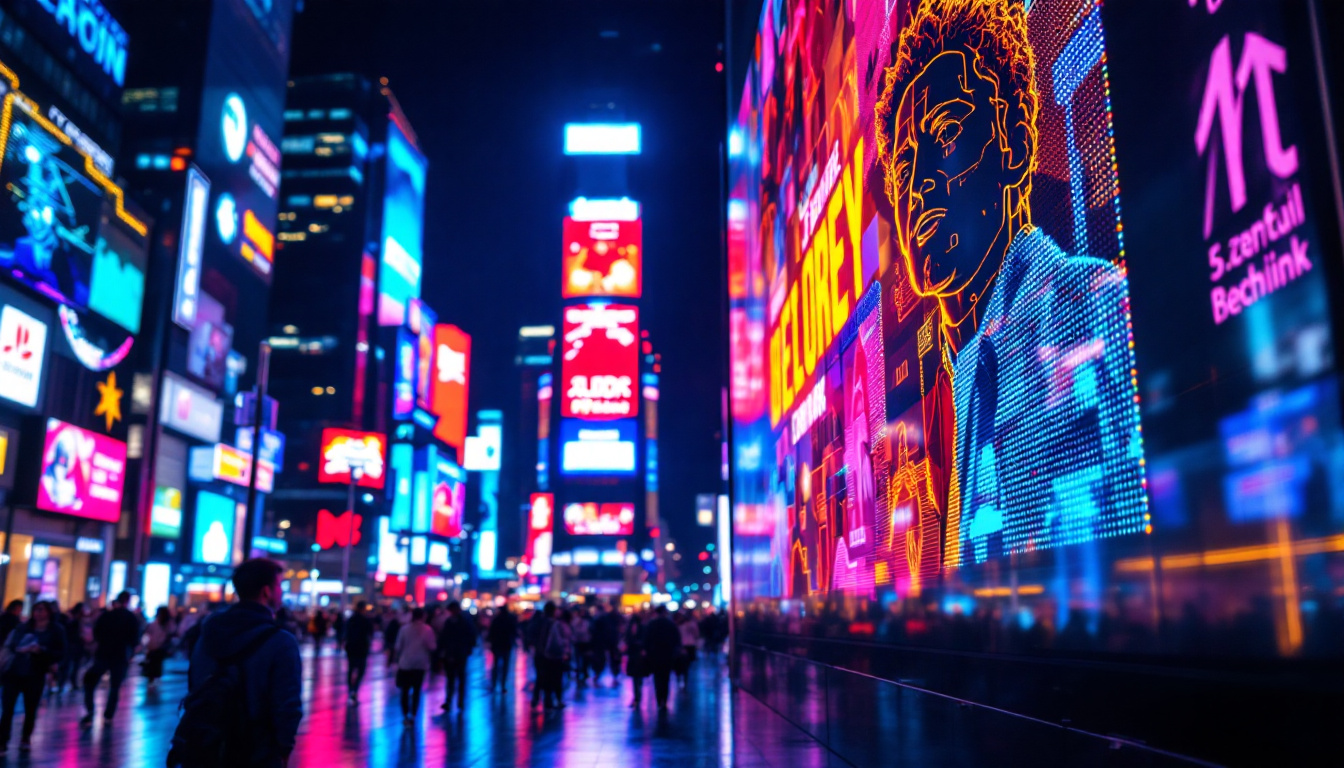
LED displays have transformed the advertising landscape by enabling dynamic, eye-catching content that can be updated in real-time. Digital billboards, retail window displays, and transit advertising leverage LED technology to capture consumer attention effectively. For instance, Times Square in New York City is renowned for its massive LED billboards that combine high resolution and brightness to create unforgettable visual experiences.
Beyond static advertisements, LED displays support interactive content, allowing brands to engage audiences through touchscreens and motion sensors. This interactivity enhances customer engagement and provides valuable data insights.
Entertainment and Sports Venues
Stadiums and arenas widely adopt LED displays for scoreboards, video walls, and immersive fan experiences. These displays provide real-time game updates, replays, and dynamic graphics, enhancing spectator enjoyment. The flexibility of LED panels allows for custom shapes and sizes, fitting unique architectural designs and maximizing visibility.
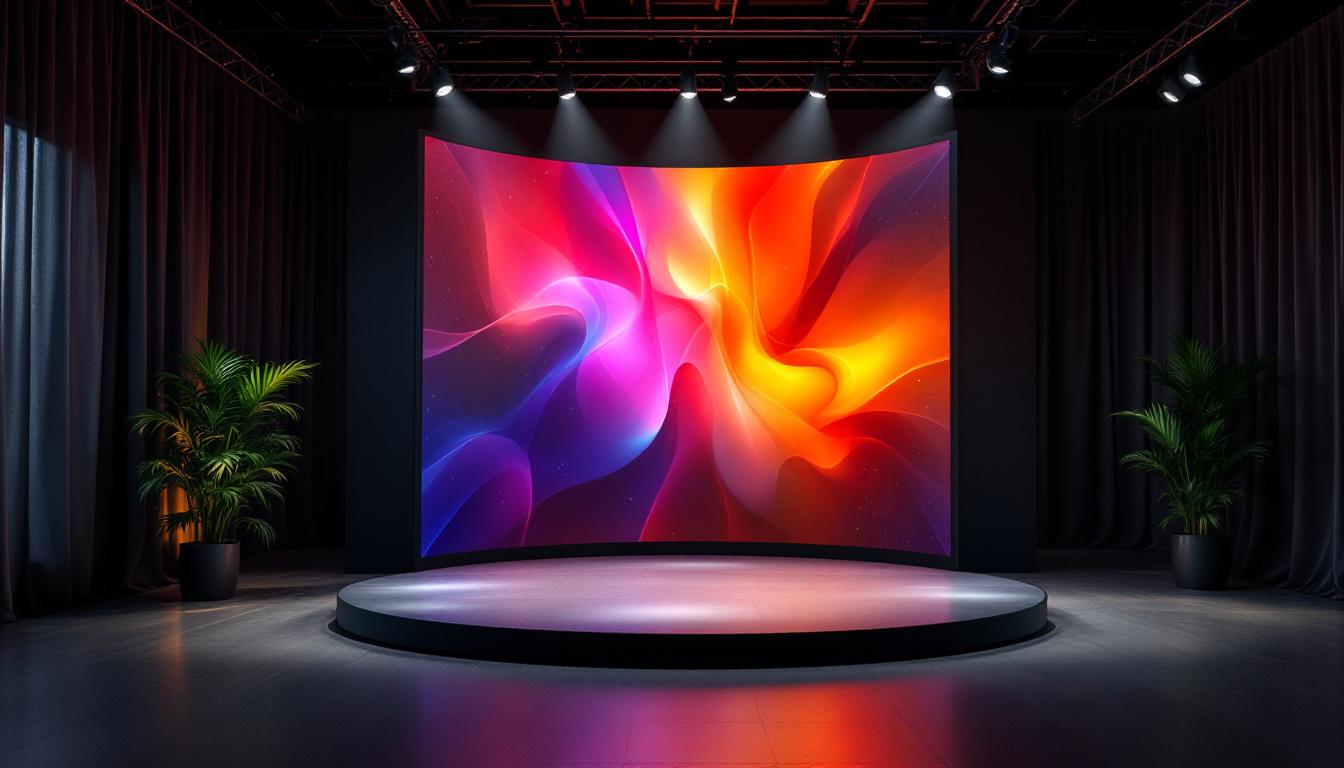
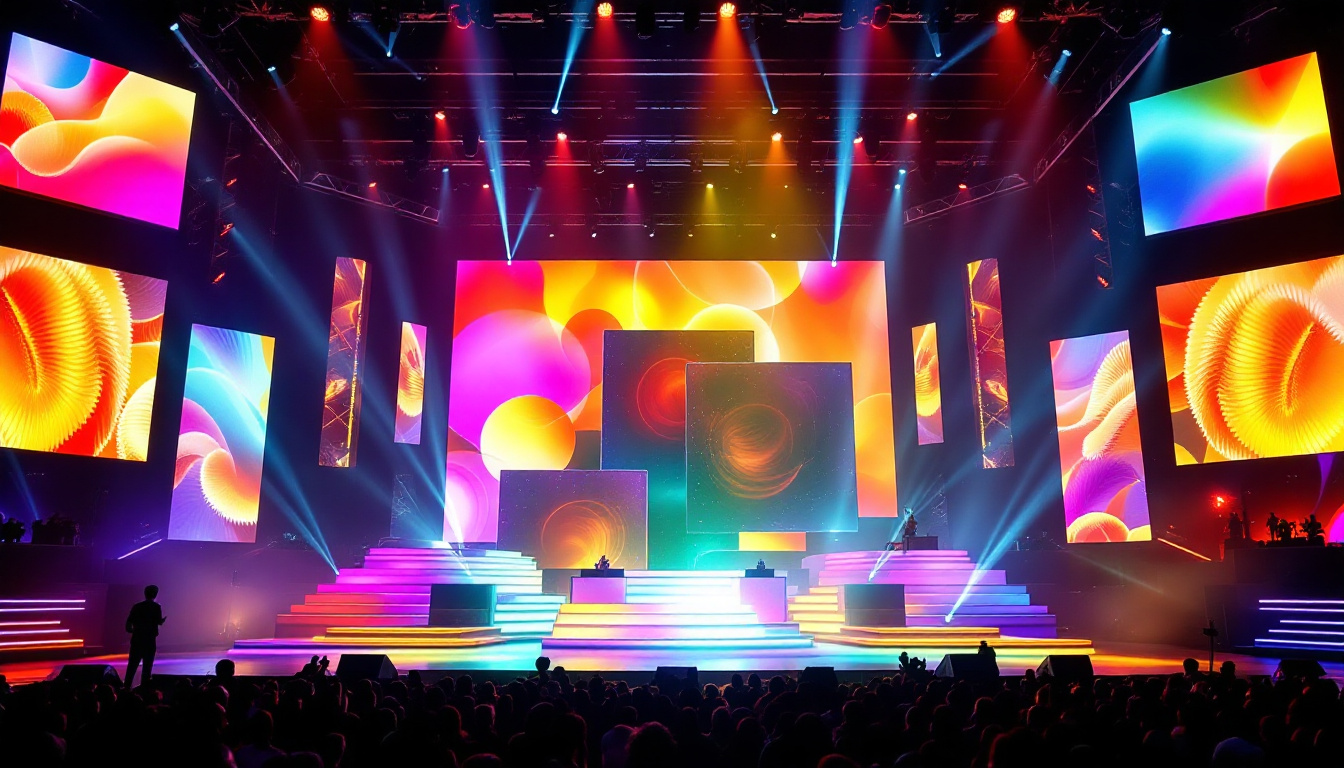
In theaters and concert venues, LED walls serve as vibrant backdrops, enabling creative stage designs and special effects. Their high brightness and color fidelity ensure that performances are visually striking, even in large venues.
Corporate and Educational Environments
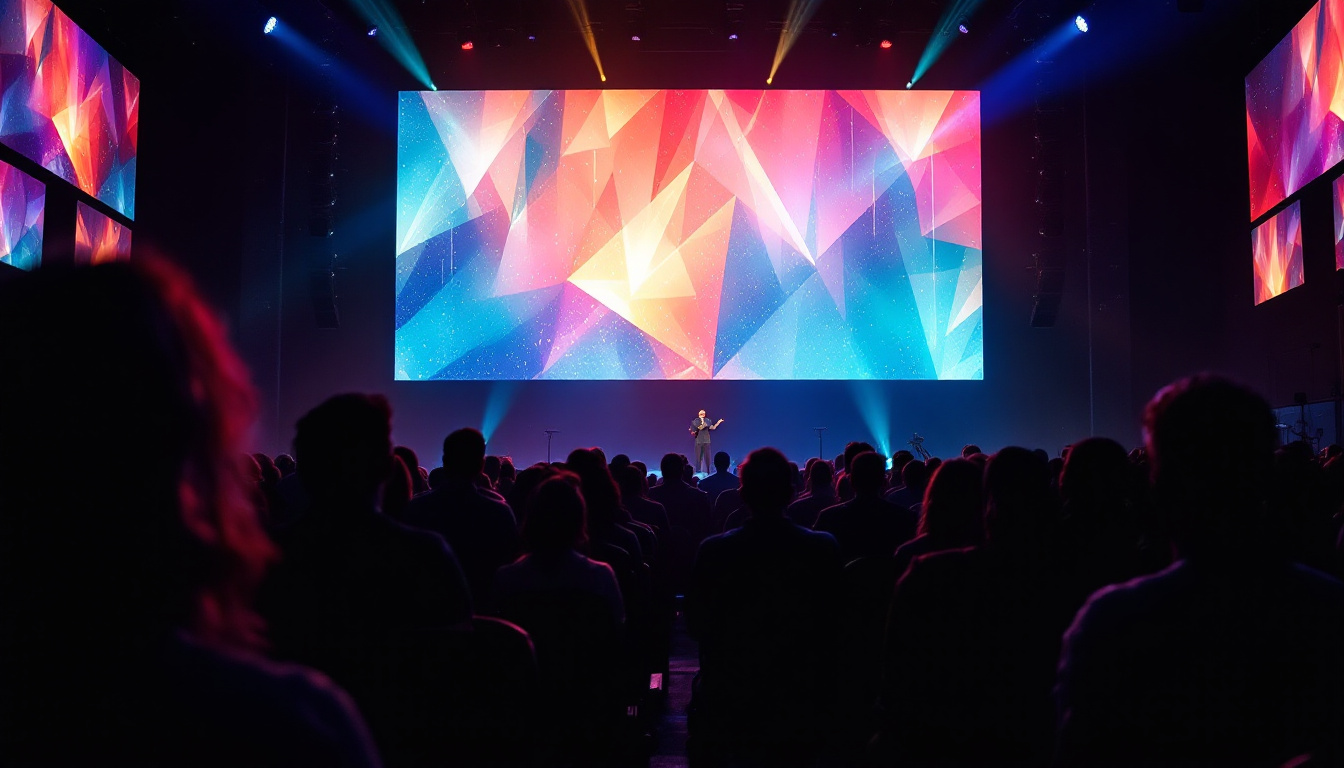
In corporate settings, LED displays facilitate impactful presentations, video conferencing, and digital collaboration. Large LED video walls in boardrooms and lobbies convey professionalism and technological sophistication, while smaller LED panels improve communication in meeting rooms.
Educational institutions utilize LED displays for digital signage, interactive learning, and campus information systems. The clarity and brightness of LED screens support diverse content types, from text announcements to multimedia presentations.
Technical Considerations When Choosing LED Displays
Resolution and Pixel Pitch
Resolution refers to the number of pixels displayed on the screen, directly affecting image sharpness. Pixel pitch, the distance between the centers of adjacent LEDs, is a critical factor determining resolution and viewing distance. Smaller pixel pitches yield higher resolution and are suited for close-up viewing, such as indoor displays and control rooms.
For outdoor and large-scale displays, a larger pixel pitch is acceptable because viewers typically observe the screen from greater distances. Selecting the appropriate pixel pitch ensures optimal image quality without unnecessary costs.
Brightness and Contrast Ratios
Brightness levels must align with the intended environment. Indoor LED displays generally require brightness between 800 to 1,500 nits, while outdoor displays may need 5,000 nits or more to combat sunlight glare. Contrast ratio, the difference between the darkest black and brightest white, influences image depth and clarity. High contrast ratios are essential for environments with variable lighting conditions.
Durability and Weather Resistance
Outdoor LED displays must withstand harsh weather conditions, including rain, dust, temperature fluctuations, and UV exposure. Look for displays with an IP65 or higher rating, indicating protection against water and dust ingress. Robust enclosures and cooling systems also contribute to the longevity and reliability of outdoor LED installations.
Emerging Trends and the Future of LED Displays
MicroLED and MiniLED Innovations
Recent advancements in microLED and miniLED technologies promise to push LED displays to new heights. MicroLEDs are tiny LEDs measuring less than 100 micrometers, enabling ultra-high resolution, improved energy efficiency, and superior contrast. These displays combine the best qualities of OLED and traditional LEDs without the drawbacks like burn-in issues.
MiniLED technology uses smaller LEDs for backlighting LCD panels, significantly enhancing brightness and contrast compared to conventional LED-backlit LCDs. These innovations are already making their way into premium televisions, monitors, and mobile devices.
Flexible and Transparent LED Displays
Flexible LED displays offer new possibilities in design and application, allowing screens to bend, curve, or fold without compromising image quality. This flexibility is ideal for wearable devices, automotive dashboards, and architectural installations.
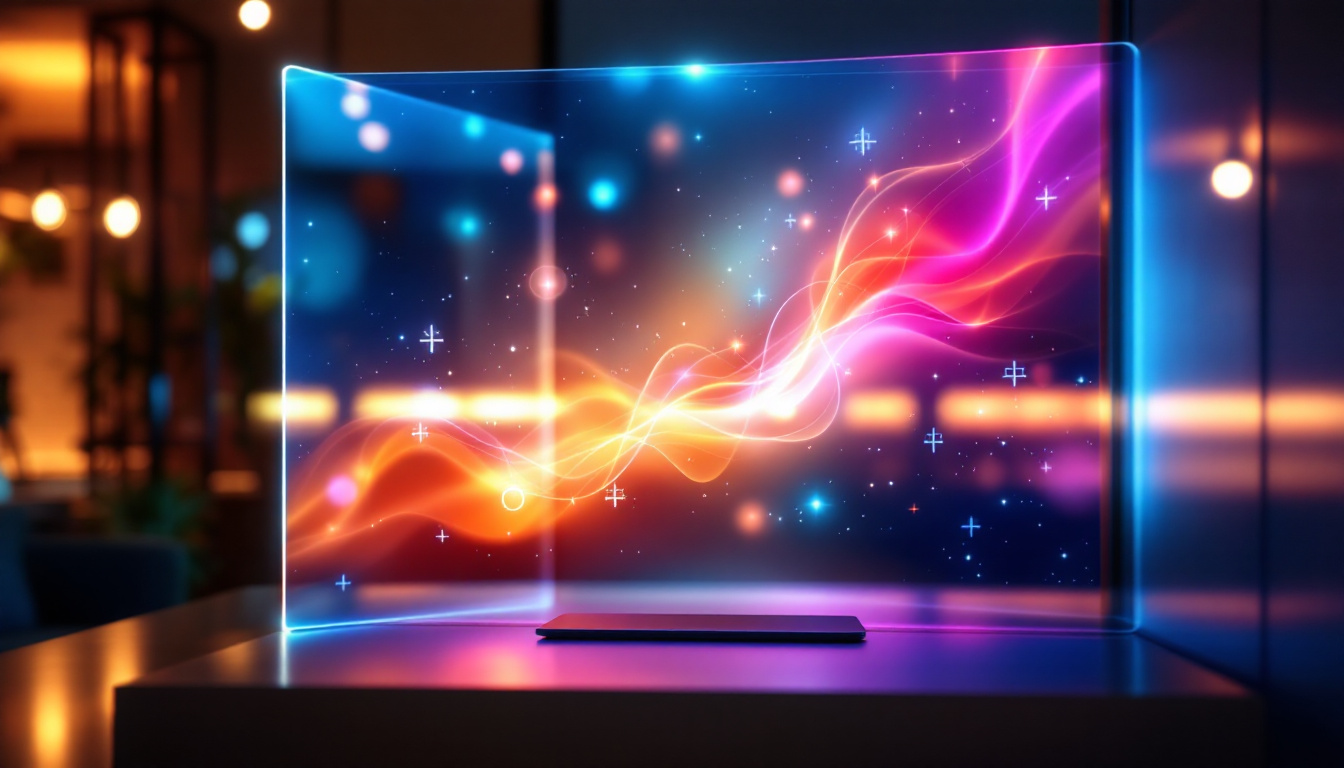
Transparent LED displays enable content to be displayed on glass surfaces without obstructing the view, perfect for retail windows, museum exhibits, and smart glass applications. These displays blend seamlessly into environments, offering futuristic aesthetics and functionality.
Integration with Artificial Intelligence and IoT
Smart LED displays integrated with artificial intelligence (AI) and the Internet of Things (IoT) are transforming how content is managed and personalized. AI algorithms can analyze audience behavior and environmental factors to optimize display content dynamically. IoT connectivity allows remote monitoring, diagnostics, and content updates, enhancing operational efficiency.
This convergence of technologies is driving more interactive, adaptive, and context-aware display solutions across industries.
Conclusion
LED display technology has fundamentally changed the way visual content is presented and consumed. Its advantages in brightness, energy efficiency, color accuracy, and versatility make it an indispensable tool across advertising, entertainment, corporate, and educational sectors. As innovations like microLED, flexible displays, and AI integration continue to evolve, LED displays will become even more immersive, adaptive, and widespread.
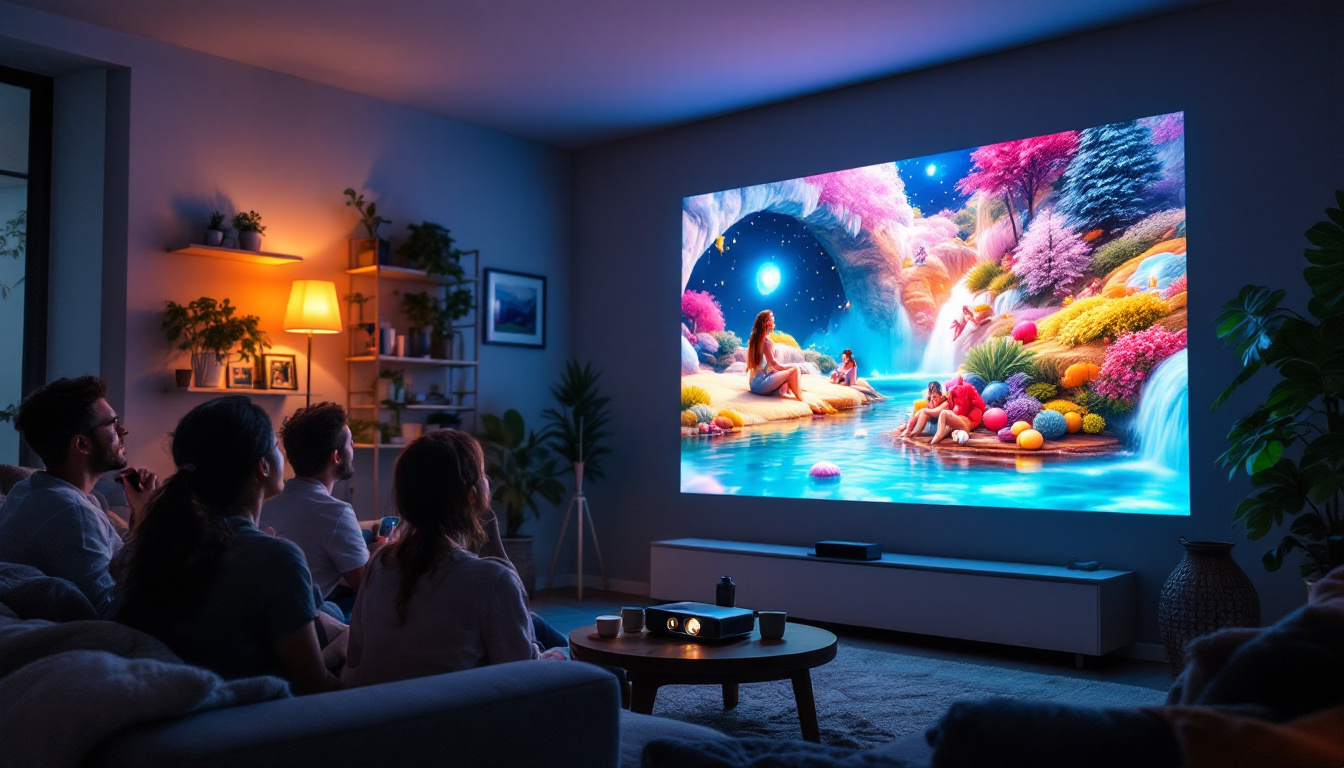
Understanding the technical aspects and applications of LED displays empowers businesses and consumers to make informed decisions, ensuring they leverage this technology’s full potential. Whether for captivating outdoor billboards or cutting-edge home theaters, LED displays represent the future of vibrant, dynamic visual communication.
Explore the Future of Visual Communication with LumenMatrix
Ready to elevate your visual presence and captivate your audience like never before? LumenMatrix is at the forefront of LED display innovation, offering a comprehensive range of solutions tailored to your unique needs. From Indoor and Outdoor LED Wall Displays to specialized options like Vehicle, Sports, and Floor LED Displays, our products are designed to make your brand shine. Discover the transformative power of our Custom, All-in-One, and LED Transparent Displays, and join the revolution in dynamic visual communication. Check out LumenMatrix LED Display Solutions today and see your message come to life with unparalleled clarity and impact.