Choosing the right monitor is crucial for an immersive and responsive gaming experience. With a myriad of display technologies available, understanding the differences between LCD and LED monitors can help gamers make informed decisions. This article delves into the technical aspects, performance metrics, and practical implications of LCD and LED monitors in gaming, providing a comprehensive guide to selecting the optimal display for your setup.
Understanding the Basics: What Are LCD and LED Monitors?
The Foundation: LCD Technology
Liquid Crystal Display (LCD) monitors have been a staple in the display market for decades. These monitors use liquid crystals sandwiched between two layers of glass or plastic. When an electric current passes through, the crystals align to allow varying levels of light to pass through, creating images on the screen. However, LCD panels themselves do not emit light; they require a backlight to illuminate the display.
Traditionally, LCD monitors used Cold Cathode Fluorescent Lamps (CCFL) as their backlighting source. These lamps provided uniform lighting but were bulkier, consumed more power, and had limitations in brightness and color accuracy compared to newer technologies. The reliance on CCFL technology also meant that LCD monitors were often thicker and less portable, making them less appealing to users who sought sleek and lightweight designs for their workspaces or gaming setups.
Moreover, the color reproduction of traditional LCDs was often constrained by the capabilities of the CCFLs, which could struggle to display the full spectrum of colors accurately. This limitation became increasingly apparent as multimedia content evolved, demanding displays that could deliver vibrant and true-to-life images. As a result, manufacturers began exploring alternative technologies to meet consumer expectations for higher quality visuals.
LED Monitors: An Evolution in Backlighting
Light Emitting Diode (LED) monitors are essentially LCD monitors that utilize LED backlighting instead of CCFLs. This shift to LED backlighting has brought significant improvements in display quality, energy efficiency, and design flexibility. LEDs are smaller, more energy-efficient, and can be arranged in different configurations, such as edge-lit or full-array backlighting, to enhance brightness and contrast.
It’s important to note that LED monitors are not a separate display technology but rather a subtype of LCD monitors with advanced backlighting. This distinction often causes confusion, but understanding it is key to evaluating their performance in gaming contexts. Full-array LED backlighting, for instance, allows for local dimming, which can significantly improve the contrast ratio by dimming specific areas of the screen while keeping others bright. This feature is particularly beneficial for watching films or playing video games, where dark scenes can appear more detailed and immersive.
Furthermore, LED technology has paved the way for ultra-thin monitors, allowing manufacturers to produce sleek designs that save space and enhance aesthetic appeal. Many modern LED monitors also incorporate features such as higher refresh rates and faster response times, making them ideal for competitive gaming. With advancements in color accuracy and support for high dynamic range (HDR), LED monitors are increasingly capable of delivering stunning visuals that captivate users, whether they’re working on creative projects or enjoying the latest blockbuster films.
Key Differences Between LCD and LED Monitors for Gaming
Brightness and Contrast
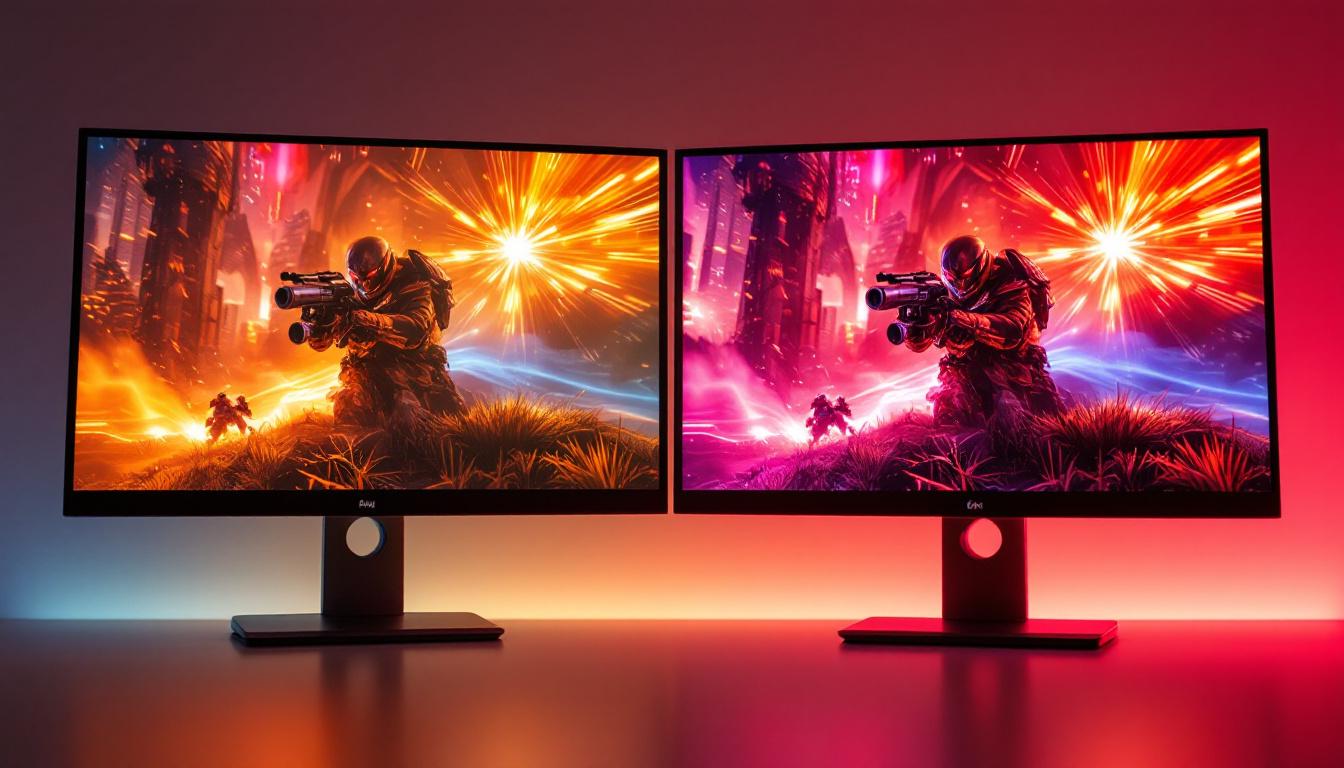
LED backlighting generally offers higher brightness levels and better contrast ratios compared to traditional CCFL-backlit LCDs. For gamers, this means more vivid and lifelike visuals, especially in dark scenes where contrast is critical. Full-array LED backlighting with local dimming can significantly enhance black levels, reducing the “washed-out” effect sometimes seen in older LCDs.
For example, a typical CCFL LCD monitor might have a brightness of around 250 to 300 nits, whereas LED-backlit monitors can easily exceed 350 nits, with some gaming monitors reaching upwards of 600 nits or more. Higher brightness is particularly beneficial for HDR (High Dynamic Range) gaming, which demands a wider luminance range for realistic imagery.
Color Accuracy and Gamut
LED monitors often provide better color accuracy and a wider color gamut than their CCFL counterparts. This is partly due to the ability to fine-tune LED backlighting and incorporate advanced color filters. For gamers who value rich and accurate colors, especially in titles with detailed environments and vibrant graphics, LED monitors offer a noticeable advantage.
Modern LED gaming monitors frequently support color spaces such as DCI-P3 or Adobe RGB, which cover a broader range of colors than the standard sRGB used by many older LCDs. This capability enhances the depth and realism of game visuals.
Response Time and Refresh Rate
Response time and refresh rate are critical parameters for gaming monitors, affecting motion clarity and input responsiveness. While these factors are more dependent on the LCD panel type (such as TN, IPS, or VA) than the backlighting technology, LED monitors often incorporate newer panel technologies that improve these metrics.
For instance, many LED gaming monitors feature IPS panels with response times as low as 1ms and refresh rates up to 240Hz or higher. This combination helps reduce motion blur and screen tearing, providing a smoother gaming experience, especially in fast-paced genres like first-person shooters and racing games.
Energy Efficiency and Heat Generation
LED backlighting is significantly more energy-efficient than CCFLs, which translates into lower power consumption and less heat generation. For gamers who engage in extended sessions, this can contribute to a cooler and quieter gaming environment. Additionally, the reduced power draw aligns with eco-friendly practices and can lower electricity costs over time.
Practical Considerations for Gamers
Price and Availability
LED monitors have become the industry standard, and CCFL-backlit LCD monitors are increasingly rare in the market. As a result, LED monitors are widely available across various price points, from budget to premium gaming displays. While older LCD models with CCFL backlighting may be found at discounted prices, their performance limitations often make them less appealing for gaming.
Gamers should consider investing in LED monitors that balance cost with features such as high refresh rates, low response times, and adaptive sync technologies like G-Sync or FreeSync, which are crucial for reducing screen tearing and stuttering.
Screen Size and Resolution
The choice between LCD and LED backlighting does not directly impact screen size or resolution, but LED technology enables thinner and lighter monitor designs, allowing for larger screens without added bulk. For gaming, larger screens with higher resolutions (such as 1440p or 4K) enhance immersion and detail, but also demand more from the graphics card.
LED monitors are available in a wide range of sizes and resolutions, giving gamers flexibility to choose based on their hardware capabilities and gaming preferences.
Viewing Angles and Panel Types
Panel technology plays a significant role in viewing angles and color consistency. TN panels, often found in budget gaming monitors, offer fast response times but suffer from narrow viewing angles and poorer color reproduction. IPS panels provide superior color accuracy and wider viewing angles but traditionally had slower response times.
LED backlighting complements IPS and VA panels by enhancing brightness and contrast, making these panels more viable for gaming. Many modern LED gaming monitors feature IPS panels with improved response times, offering a balanced experience for competitive and casual gamers alike.
Advanced Features in LED Gaming Monitors
Adaptive Sync Technologies
Adaptive sync technologies such as NVIDIA G-Sync and AMD FreeSync synchronize the monitor’s refresh rate with the graphics card’s frame rate, minimizing screen tearing and input lag. These technologies are predominantly available in LED monitors, enhancing the gaming experience by providing smoother visuals and more responsive gameplay.
When selecting an LED gaming monitor, ensuring compatibility with your GPU’s adaptive sync technology is essential for maximizing performance.
High Dynamic Range (HDR) Support
HDR enhances the contrast and color range of games, delivering more realistic and immersive visuals. LED monitors, particularly those with full-array local dimming, are better equipped to support HDR standards such as HDR10 and Dolby Vision.
While HDR implementation varies widely among monitors, gamers seeking the best visual fidelity should prioritize LED monitors with certified HDR capabilities and high peak brightness levels.
Curved and Ultrawide Displays
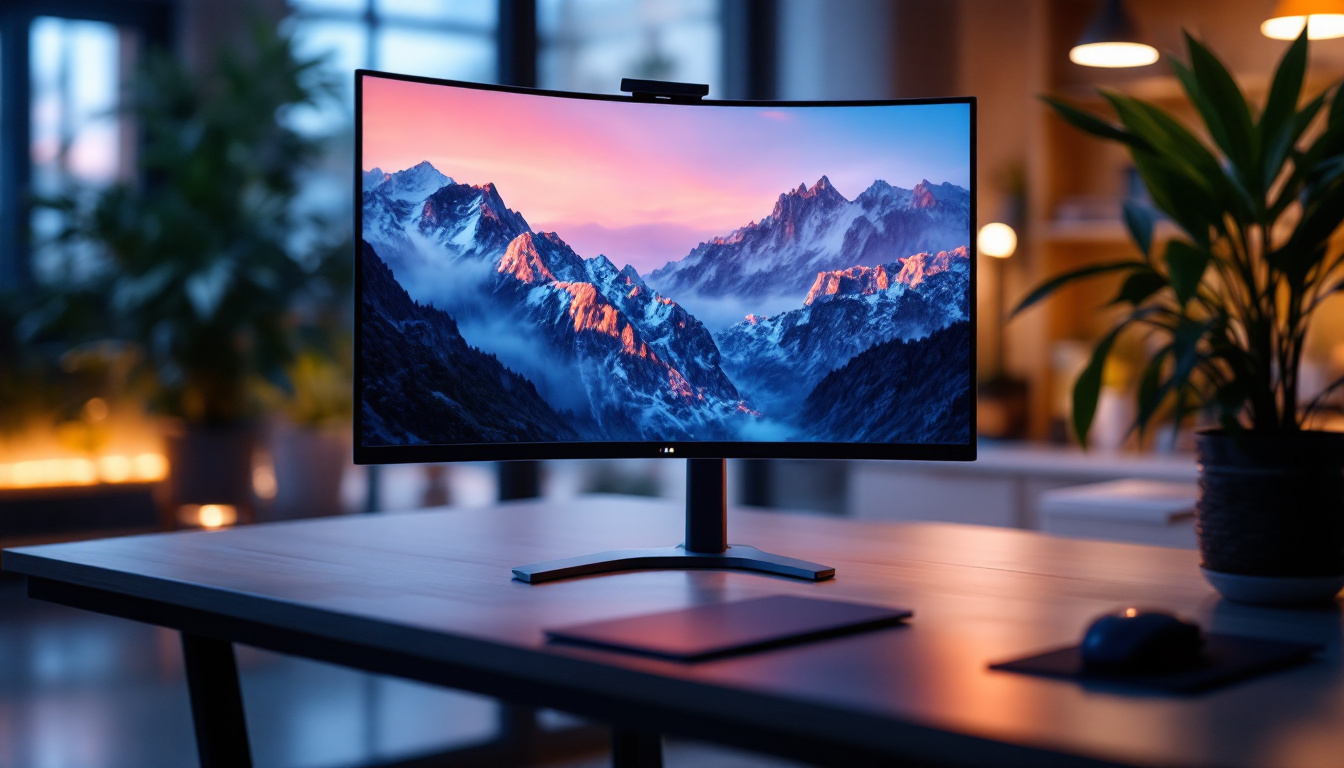
LED technology facilitates the production of curved and ultrawide monitors, which can significantly enhance gaming immersion by expanding the field of view. Curved LED monitors reduce distortion and glare, making them popular choices for simulation and racing games.
Ultrawide monitors with aspect ratios like 21:9 or 32:9 provide additional horizontal screen real estate, allowing gamers to see more of the game world and multitask more efficiently.
Conclusion: Which Monitor Should Gamers Choose?
In the current market landscape, the distinction between LCD and LED monitors primarily hinges on backlighting technology, with LED monitors offering clear advantages for gaming. Enhanced brightness, better contrast, improved color accuracy, and energy efficiency make LED monitors the superior choice for most gamers.
However, the overall gaming experience depends on a combination of factors including panel type, refresh rate, response time, and adaptive sync support. Gamers should evaluate these specifications alongside their budget and gaming preferences.
For competitive gaming, prioritizing fast response times and high refresh rates on an LED-backlit IPS or TN panel is advisable. For immersive single-player experiences, LED monitors with superior color accuracy, HDR support, and larger ultrawide screens provide exceptional visual quality.
Ultimately, LED monitors represent the evolution of LCD technology, delivering performance and features that align with the demands of modern gaming. Investing in a quality LED gaming monitor ensures a responsive, vibrant, and enjoyable gaming experience for years to come.
Discover the Future of Gaming Displays with LumenMatrix
Ready to elevate your gaming experience with the latest in LED display technology? LumenMatrix offers a comprehensive range of cutting-edge LED display solutions tailored to meet the needs of gamers seeking superior brightness, contrast, and color accuracy. From immersive Indoor LED Wall Displays to dynamic Outdoor LED Wall Displays, and even specialized solutions like Vehicle LED Displays and LED Sports Displays, LumenMatrix is at the forefront of visual innovation. Embrace the future of gaming and check out LumenMatrix LED Display Solutions today to transform your gaming setup into a captivating visual journey.