In the rapidly evolving world of digital signage and display technology, LED displays have emerged as one of the most versatile and widely adopted solutions. From vibrant billboards to immersive video walls and even wearable tech, LED displays are everywhere. But what exactly makes LED displays so popular, and how do they work? This article delves into the fundamentals of LED display technology, explores its various types and applications, and discusses the latest advancements shaping the future of visual communication.
Understanding LED Display Technology
What is an LED Display?
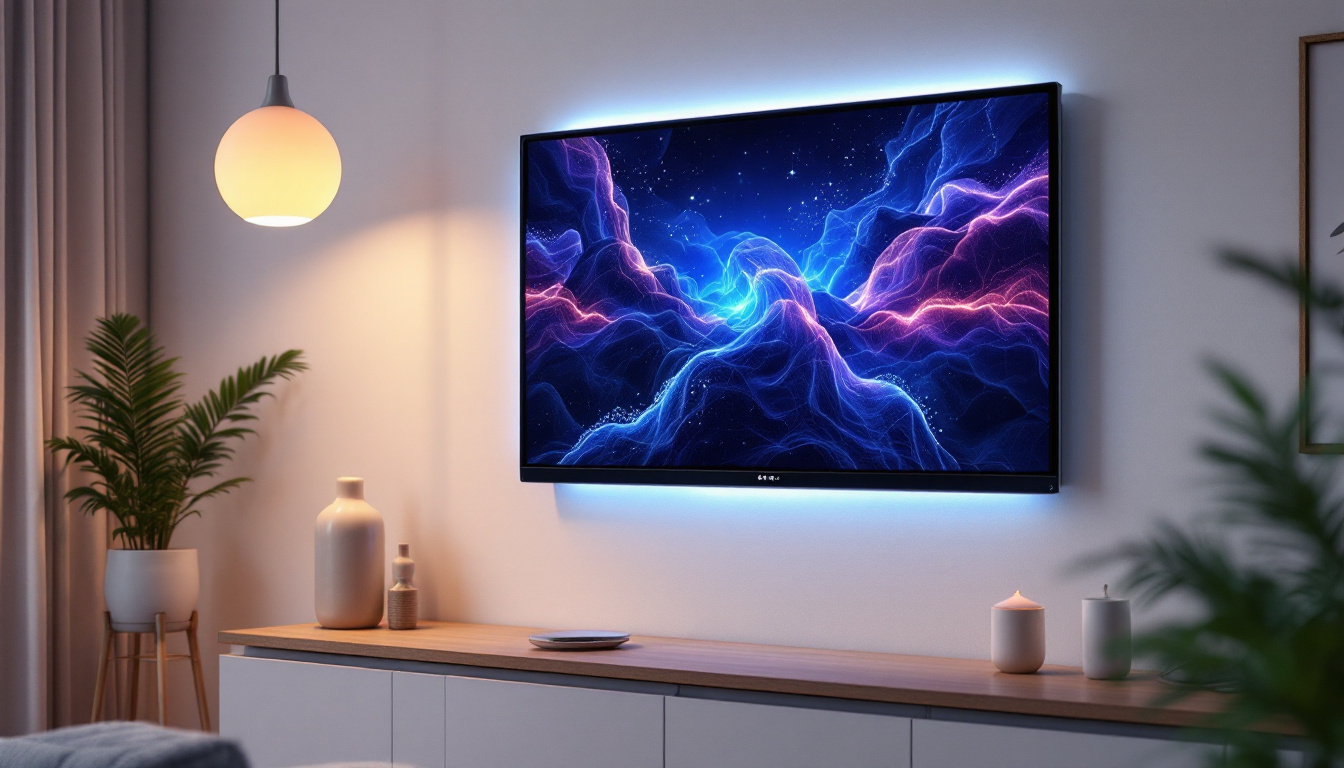
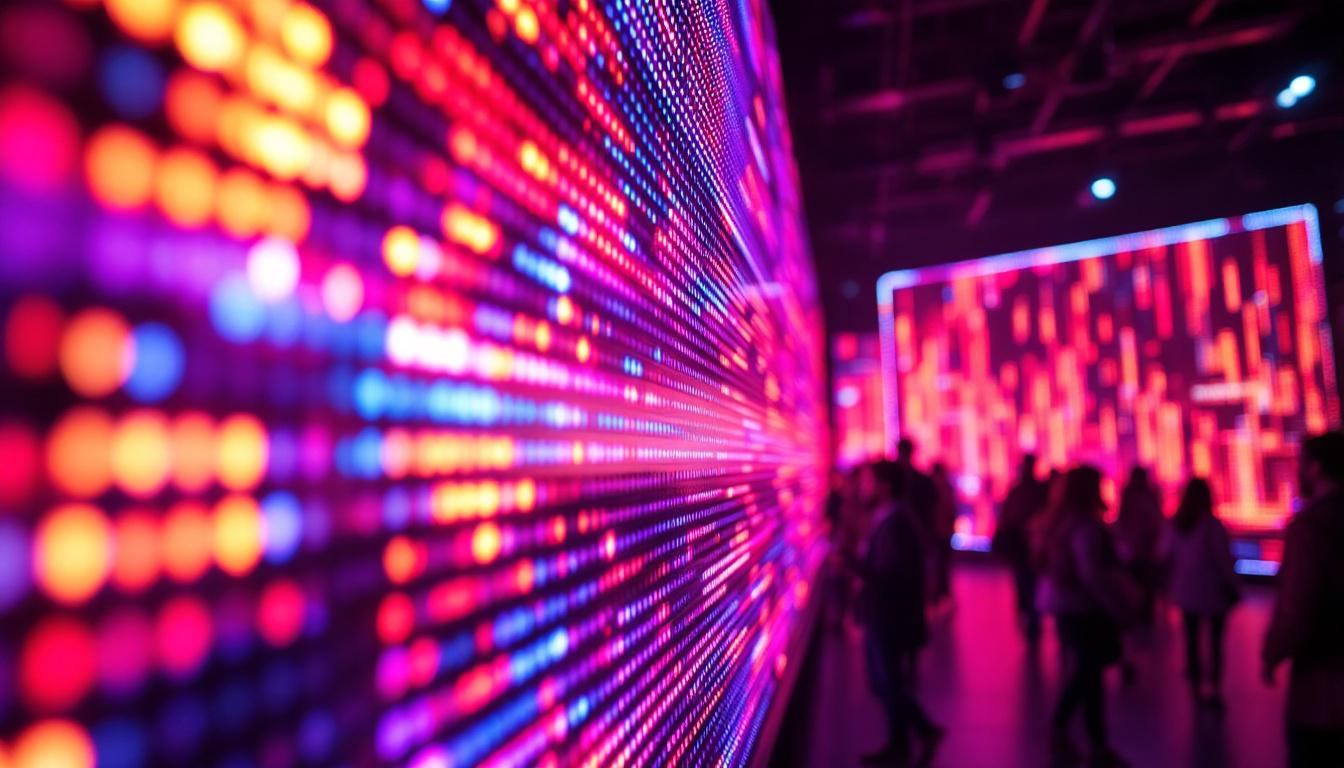
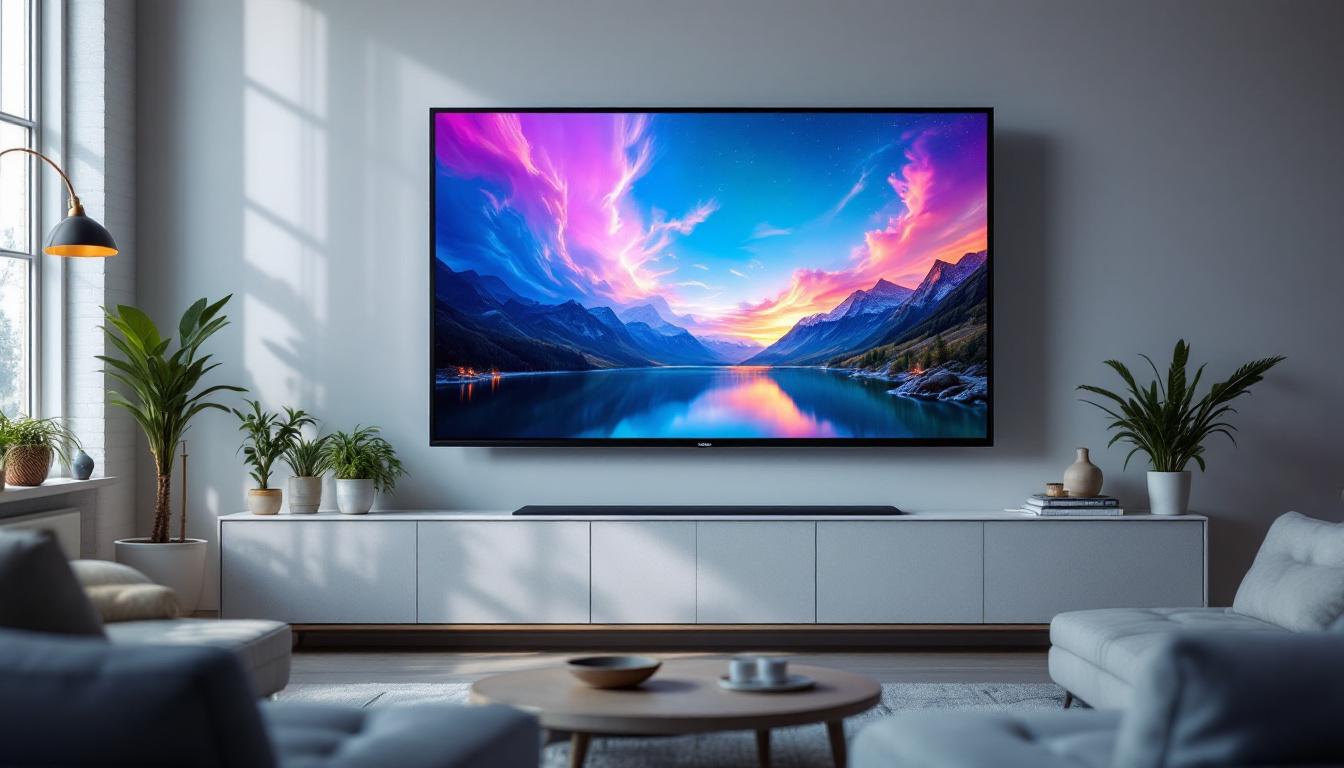
LED stands for Light Emitting Diode, a semiconductor device that emits light when an electric current passes through it. An LED display is essentially a flat panel or screen that uses an array of these tiny LEDs to produce images, videos, and text. Unlike traditional LCD or plasma displays, LED displays rely on these individual light sources to create bright, high-contrast visuals.
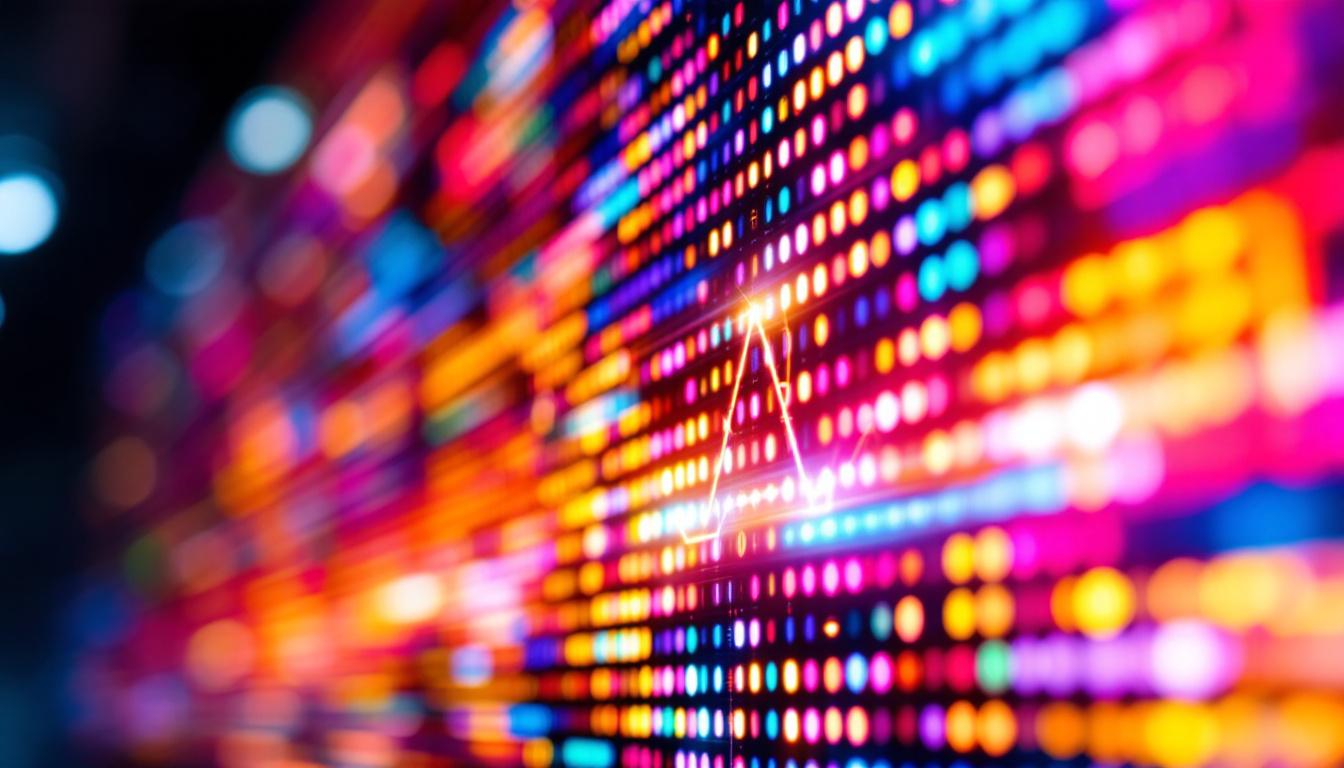
Each LED in the display acts as a pixel or part of a pixel, and by controlling the intensity and color of each LED, the display can render complex images with remarkable clarity. The ability to control light at such a granular level is what makes LED displays exceptionally bright and vibrant, even in challenging lighting conditions.
How Do LED Displays Work?
At the core of an LED display is a matrix of LEDs arranged in rows and columns. These LEDs can be monochromatic (single color) or full-color, typically combining red, green, and blue (RGB) diodes to produce a wide color gamut. The display’s controller sends electrical signals to each LED, adjusting its brightness and color to form the desired image.
Modern LED displays use sophisticated driving electronics and software to manage millions of LEDs simultaneously. This enables smooth video playback, dynamic content updates, and precise color calibration. The refresh rate, pixel pitch, and resolution are critical parameters that influence the display’s performance and image quality.
Types of LED Displays
Indoor vs. Outdoor LED Displays
One of the primary distinctions in LED displays is their intended environment. Indoor LED displays are designed for controlled lighting conditions, such as conference rooms, retail stores, or event venues. They typically have a smaller pixel pitch (distance between LEDs), ranging from 0.9mm to 4mm, which allows for higher resolution and closer viewing distances.
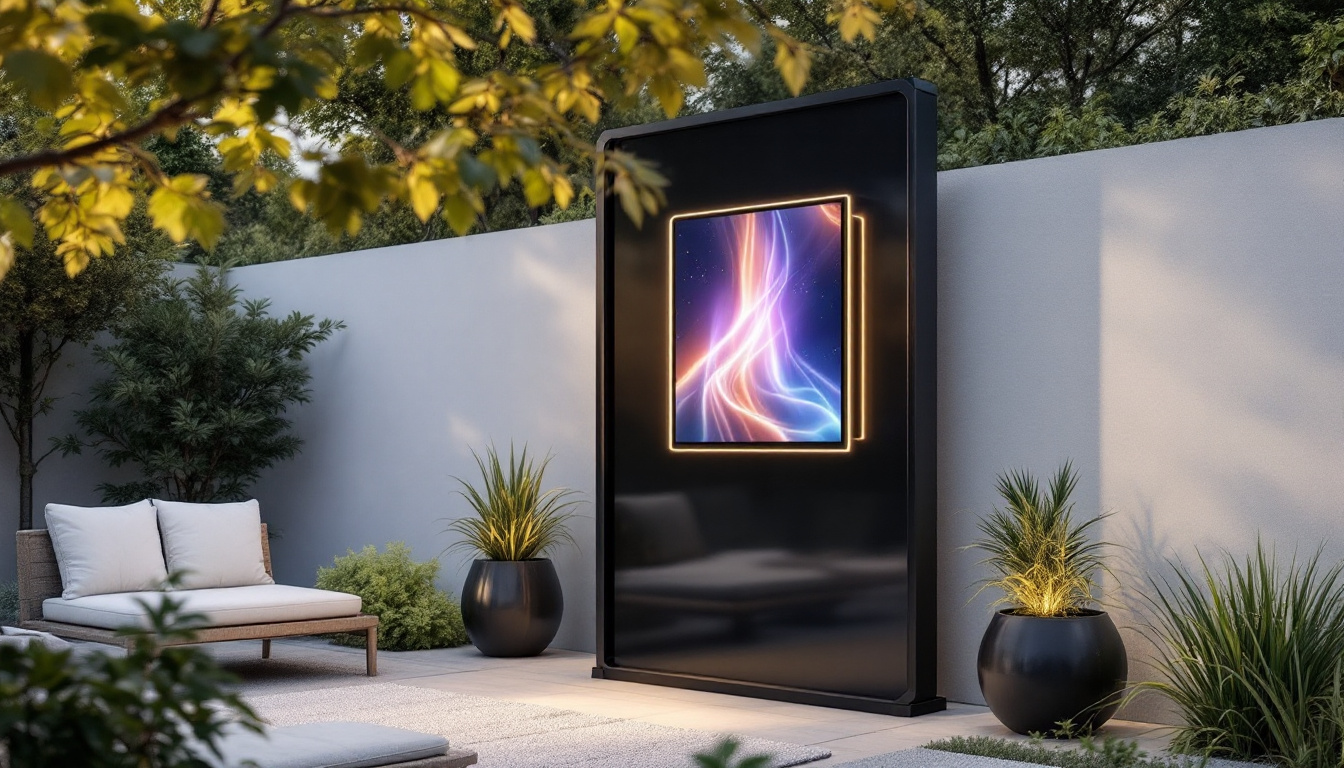
Outdoor LED displays, on the other hand, must withstand harsh weather conditions, direct sunlight, and greater viewing distances. These displays have larger pixel pitches, often between 4mm and 20mm, to maintain visibility from afar. They also feature robust enclosures with waterproof and dustproof ratings (IP65 or higher) to ensure durability.
Fixed vs. Rental LED Displays
Fixed LED displays are permanently installed in a specific location, such as stadium scoreboards, retail signage, or corporate lobbies. These installations prioritize longevity, high resolution, and seamless integration with the environment. They often incorporate advanced calibration systems to maintain consistent image quality over time.
Rental LED displays are designed for temporary setups, such as concerts, trade shows, and outdoor events. They emphasize portability, quick assembly, and modularity. Rental panels are lightweight and feature locking mechanisms for fast installation and dismantling, making them ideal for dynamic event environments.
Transparent and Flexible LED Displays
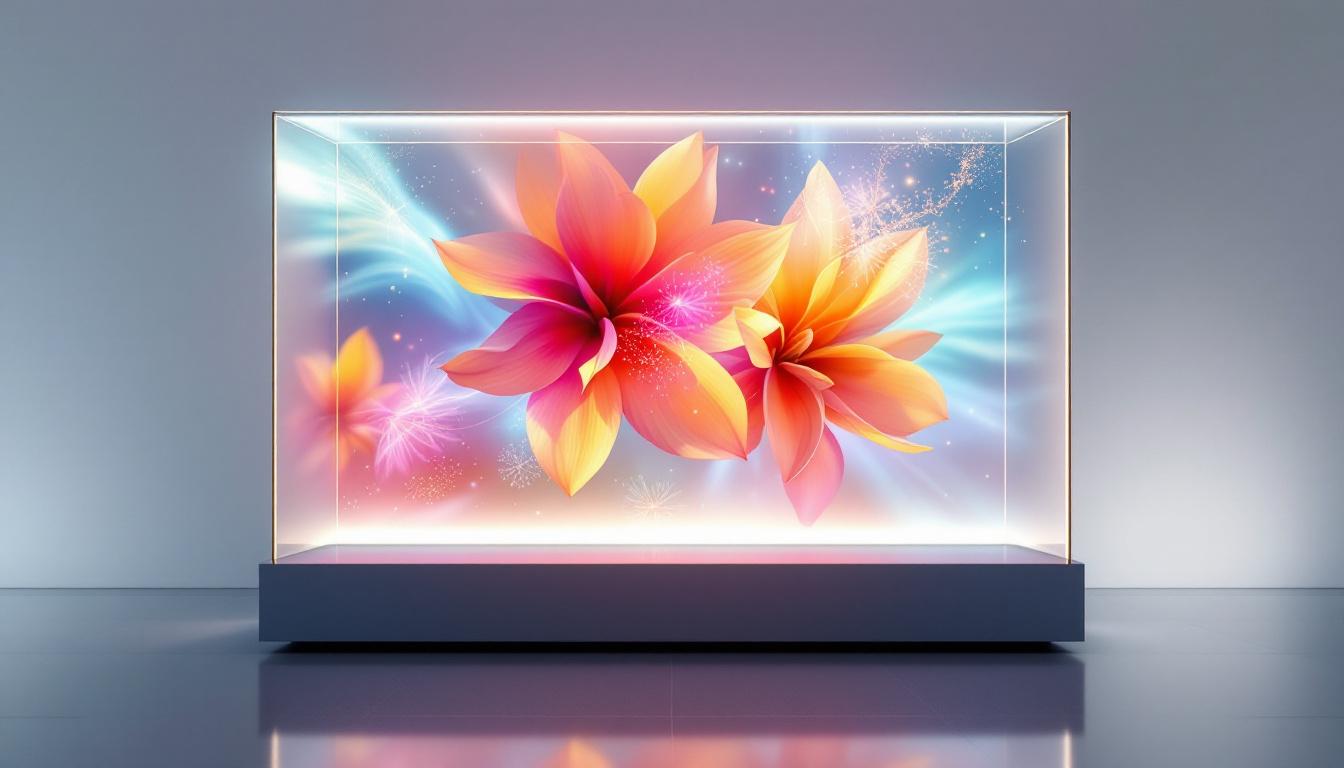
Innovations in LED technology have led to the development of transparent LED displays, which allow light to pass through the screen. These are commonly used on storefront windows or architectural facades, enabling businesses to display digital content without obstructing natural light or visibility.
Flexible LED displays represent another breakthrough, utilizing bendable substrates that can conform to curved surfaces. This flexibility opens new possibilities for creative installations in automotive interiors, wearable devices, and immersive environments.
Key Features and Performance Metrics
Pixel Pitch and Resolution
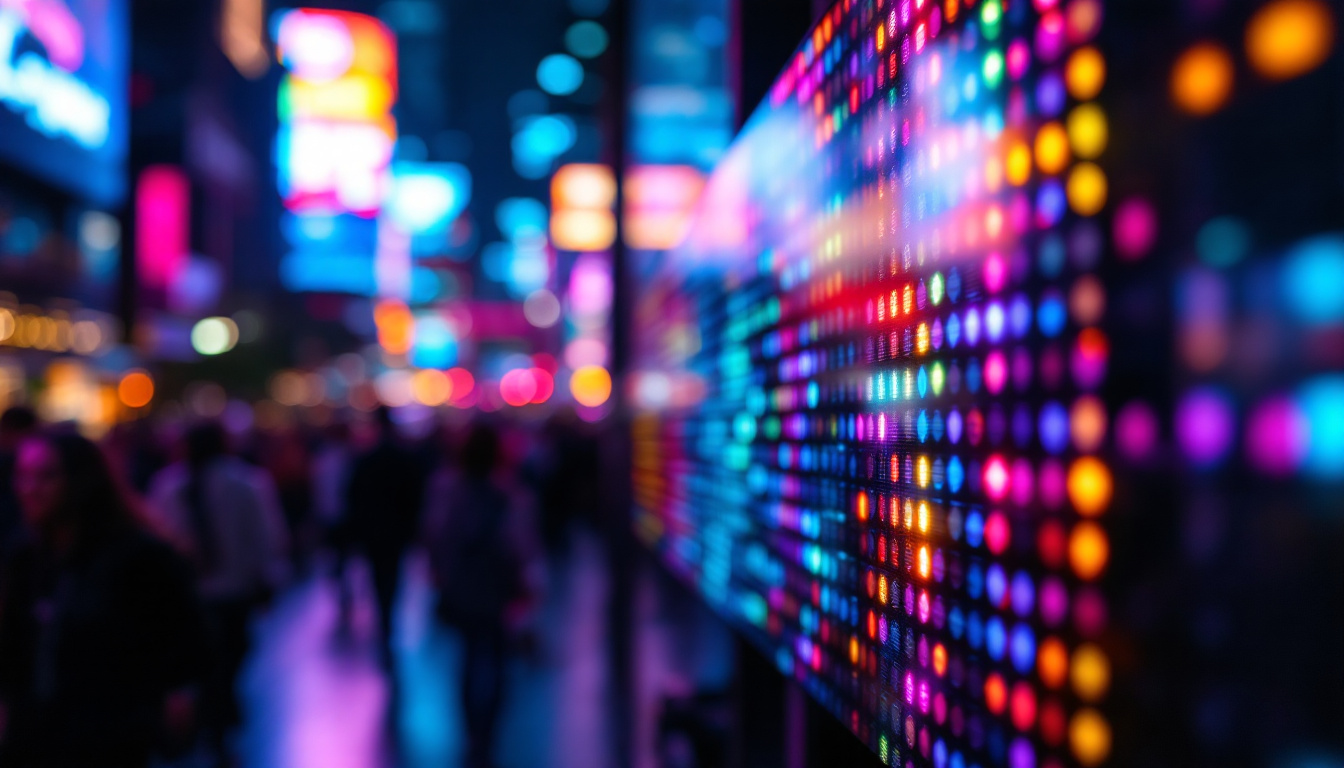
Pixel pitch is one of the most important factors determining an LED display’s image quality. It measures the distance between the centers of two adjacent LEDs, typically expressed in millimeters. A smaller pixel pitch means more LEDs per unit area, resulting in higher resolution and sharper images.
For example, a 1.2mm pixel pitch display is suitable for close-up viewing in conference rooms or control centers, while a 10mm pixel pitch display is better for large outdoor billboards viewed from a distance. When selecting an LED display, understanding the viewing distance and environment helps determine the optimal pixel pitch.
Brightness and Contrast Ratio
Brightness is measured in nits (candelas per square meter) and indicates how luminous the display can get. Outdoor LED displays often exceed 5,000 nits to remain visible under direct sunlight, whereas indoor displays typically range from 800 to 1,500 nits.
Contrast ratio refers to the difference in luminance between the brightest white and the darkest black the display can produce. High contrast ratios enhance image depth and color richness, crucial for delivering vivid and engaging visuals.
Viewing Angle and Color Accuracy
LED displays offer wide viewing angles, often exceeding 140 degrees horizontally and vertically, ensuring consistent image quality from different perspectives. This is particularly important in public spaces where audiences view the display from various positions.
Color accuracy and gamut are essential for applications requiring precise color reproduction, such as retail advertising, broadcasting, and control rooms. Advances in LED chip technology and calibration techniques have significantly improved color fidelity in recent years.
Applications of LED Displays
Advertising and Digital Signage
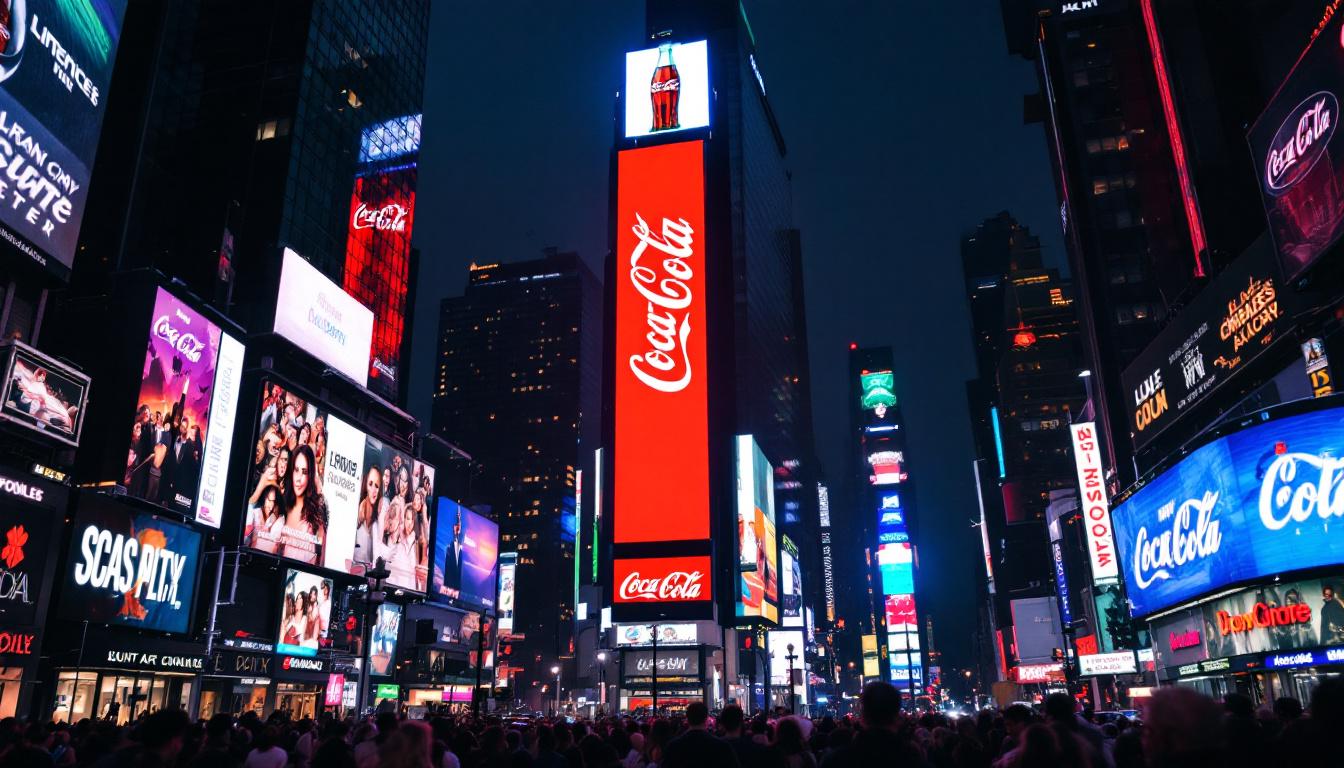
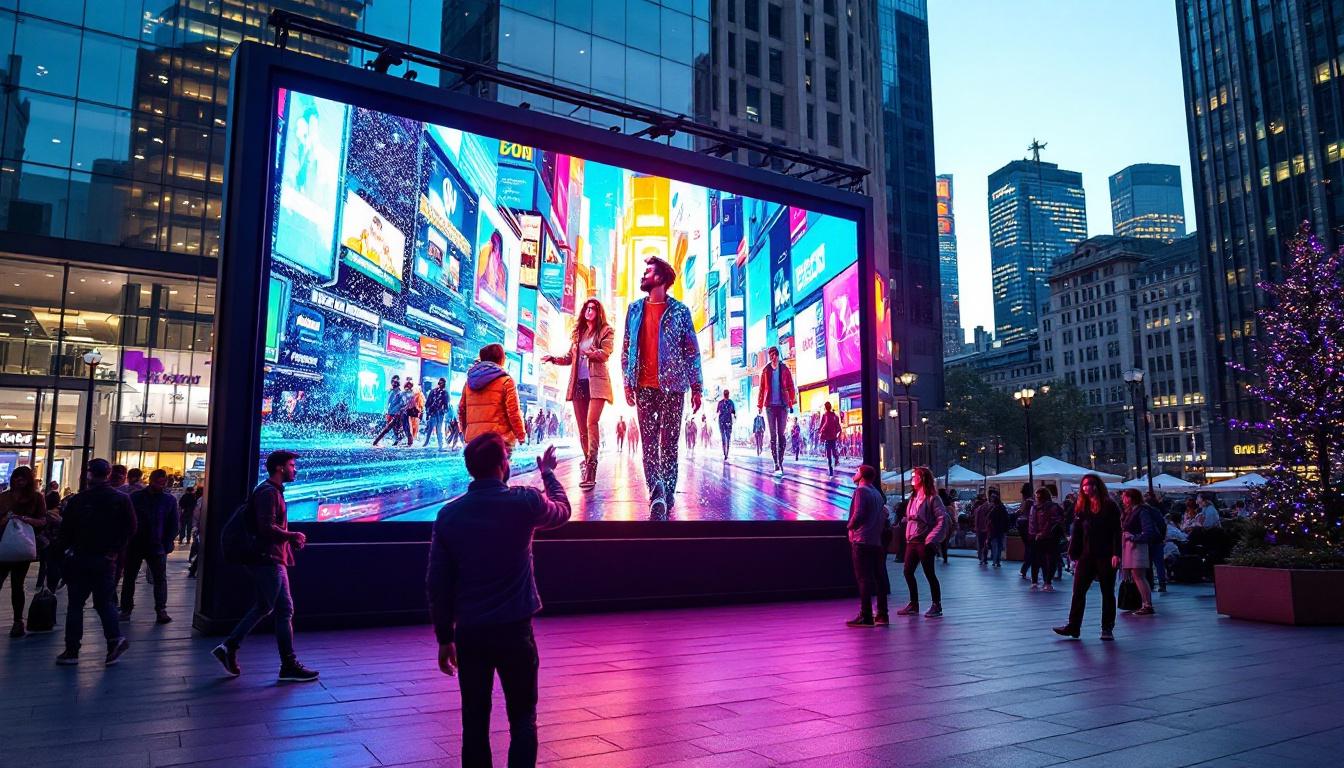
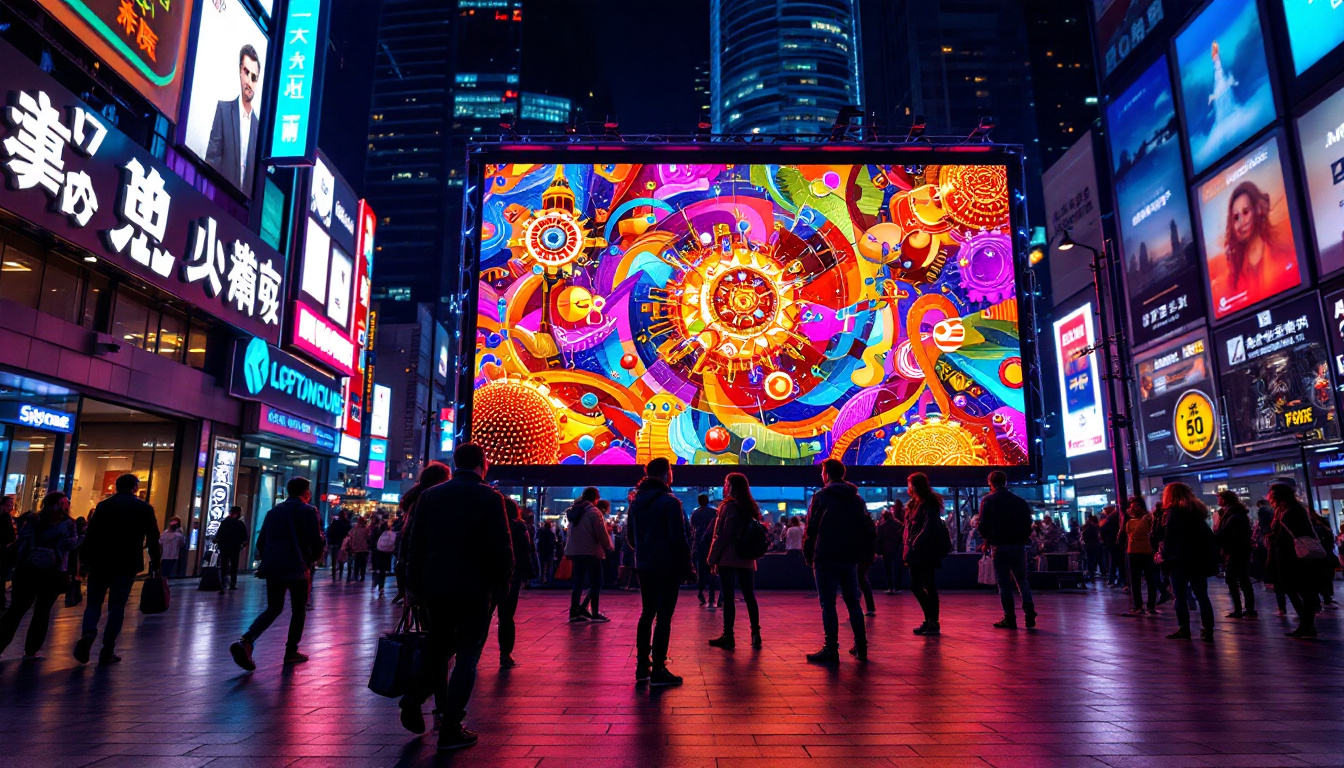
LED displays have revolutionized outdoor advertising by enabling dynamic, eye-catching content that can be updated remotely in real time. Iconic locations like Times Square and Piccadilly Circus showcase massive LED billboards that attract millions of viewers daily.
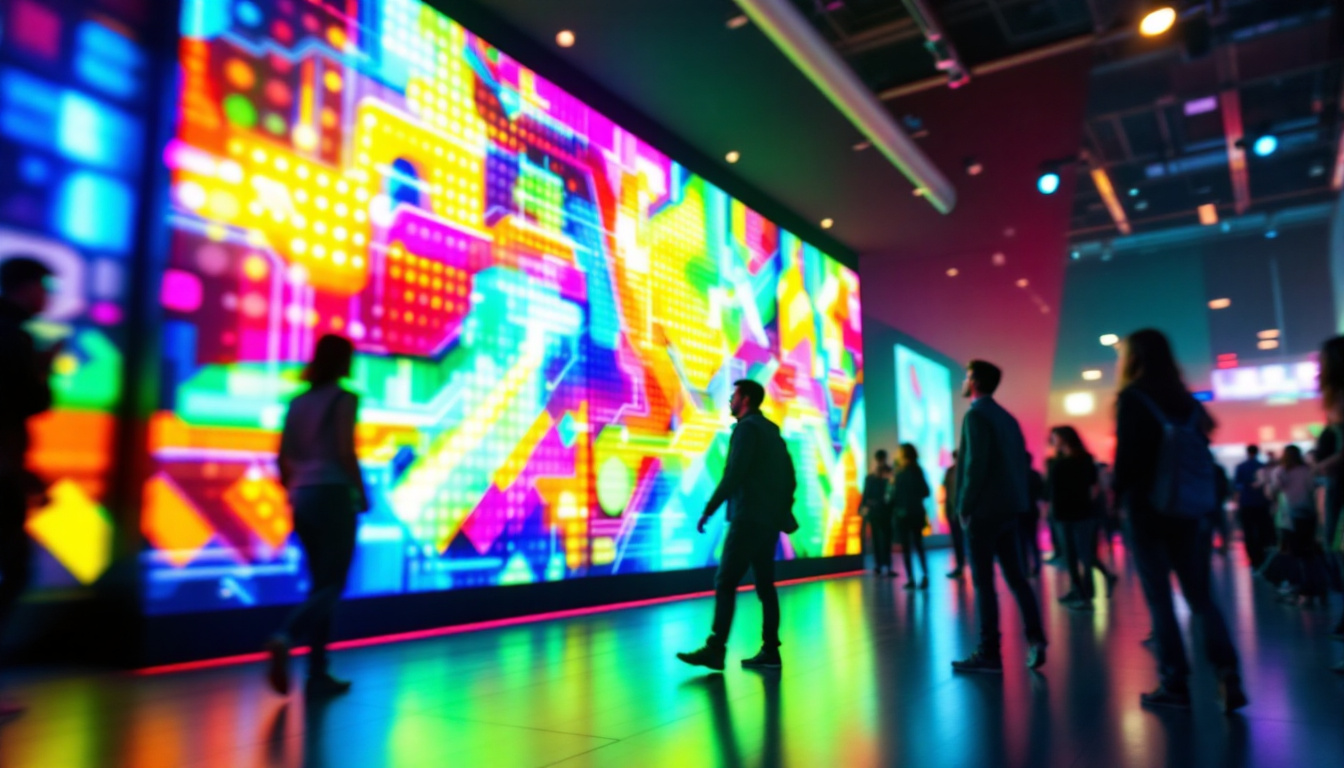
Retail environments leverage LED displays to enhance customer engagement through vibrant product promotions, interactive signage, and immersive brand experiences. The flexibility of LED technology allows for creative installations that blend seamlessly with store architecture.
Sports and Entertainment Venues
Stadiums and arenas use large-scale LED video walls and scoreboards to provide spectators with instant replays, live stats, and interactive content. These displays must be ultra-bright and durable to perform under varied weather conditions and intense usage.
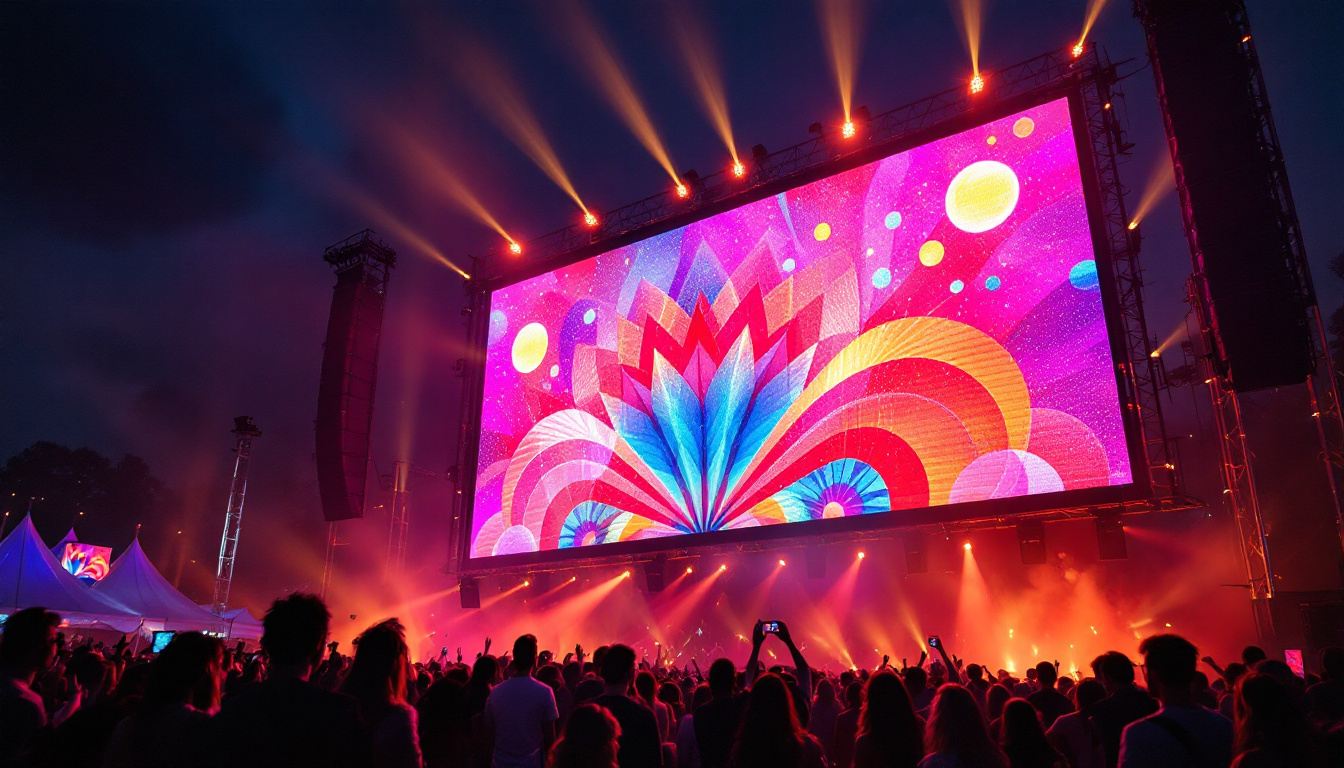
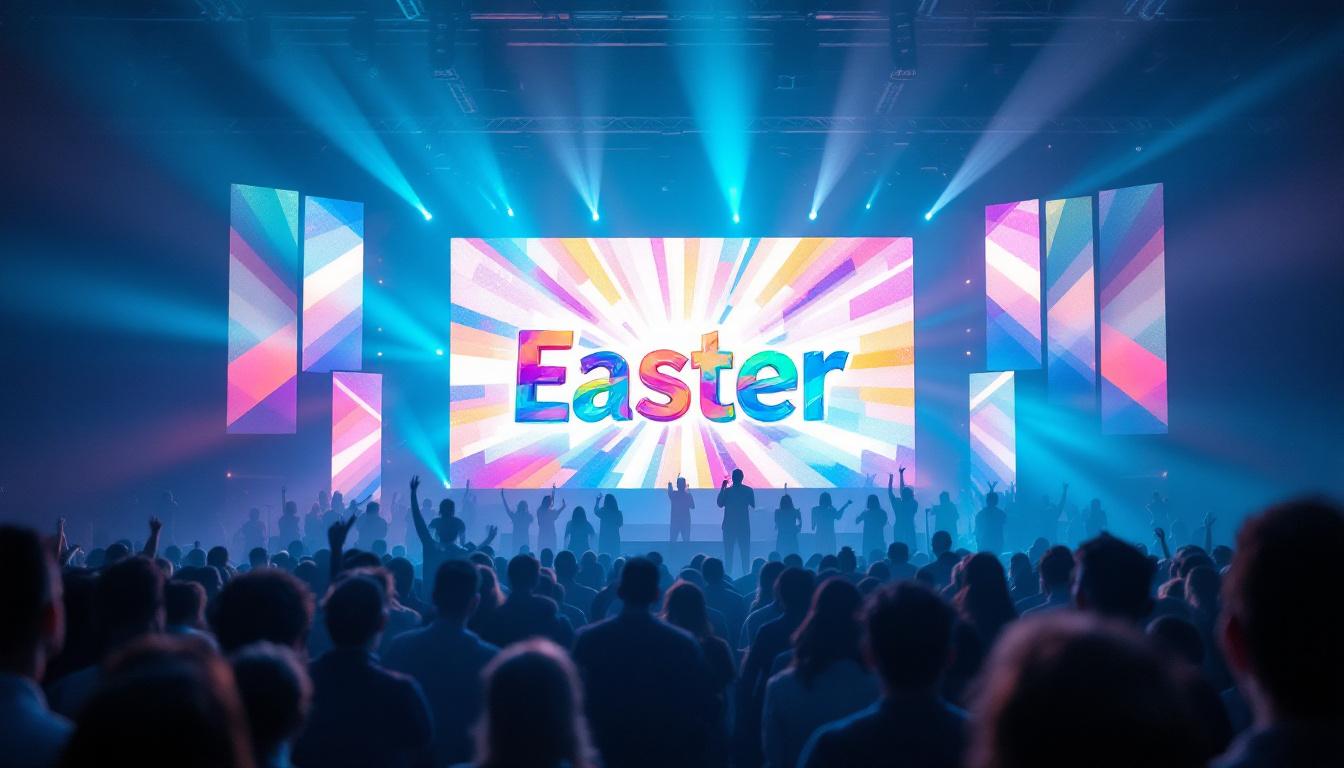
Concerts and festivals utilize rental LED displays to create dynamic stage backdrops and immersive visual effects. The modular nature of rental panels allows event organizers to customize screen size and shape according to production needs.
Corporate and Control Rooms
In corporate settings, LED displays serve as digital notice boards, video conferencing screens, and presentation tools. Their high resolution and color accuracy facilitate clear communication and professional aesthetics.
Control rooms and command centers rely on LED video walls for monitoring critical operations, displaying real-time data, and coordinating responses. The ability to seamlessly combine multiple input sources on a large, high-resolution screen enhances situational awareness.
Transportation and Public Spaces
LED displays are increasingly used in airports, train stations, and bus terminals to provide travelers with real-time information, wayfinding assistance, and emergency alerts. Their brightness and visibility ensure messages are clear even in crowded or brightly lit environments.
Public art installations and interactive exhibits also employ LED technology to engage communities and enhance urban spaces. These displays often incorporate sensors and interactivity to create memorable experiences.
Recent Innovations and Future Trends
Mini-LED and Micro-LED Technologies
Mini-LED and Micro-LED represent the next generation of LED display technology, offering significant improvements in brightness, contrast, and energy efficiency. Mini-LEDs are smaller than traditional LEDs, allowing for higher pixel densities and better local dimming control.
Micro-LEDs take this further by using microscopic LEDs that can be individually controlled, enabling displays with exceptional resolution and color accuracy rivaling OLED technology. Although still emerging, Micro-LEDs are poised to transform premium displays in TVs, smartphones, and augmented reality devices.
Energy Efficiency and Sustainability
As LED displays become more widespread, energy consumption and environmental impact have come into focus. Manufacturers are developing more efficient LED chips and power management systems to reduce electricity usage without compromising brightness or performance.
Recycling programs and sustainable materials are also gaining traction, addressing the lifecycle impact of LED panels. These efforts align with global sustainability goals and the increasing demand for eco-friendly technology solutions.
Integration with AI and IoT
Artificial intelligence (AI) and the Internet of Things (IoT) are enhancing LED display capabilities by enabling smarter content management, predictive maintenance, and interactive experiences. AI algorithms can analyze audience behavior and optimize displayed content for maximum engagement.
IoT connectivity allows LED displays to integrate with other smart devices and systems, creating cohesive digital ecosystems in smart cities, retail environments, and transportation hubs. This connectivity facilitates real-time data exchange and adaptive content delivery.
Choosing the Right LED Display for Your Needs
Assessing Your Environment and Viewing Distance
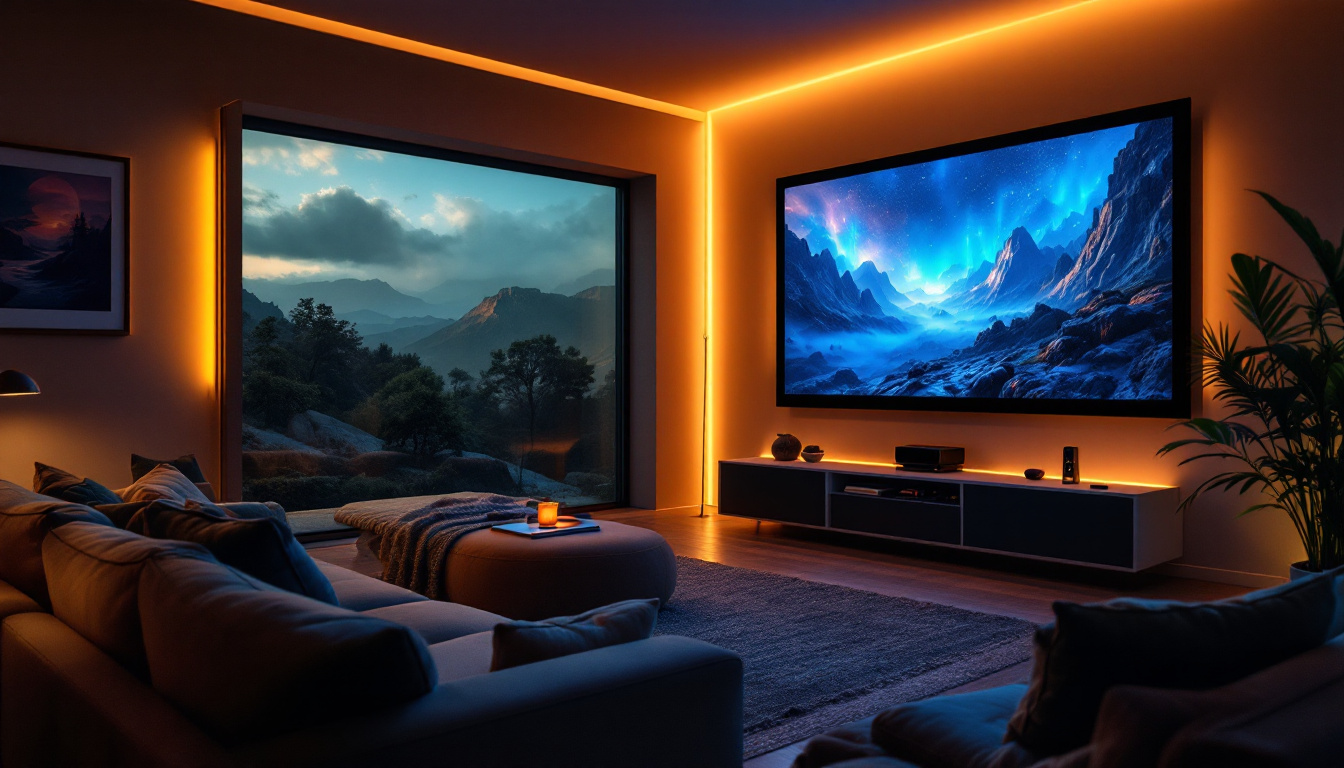
Before investing in an LED display, it is crucial to evaluate the installation environment and typical viewing distances. Indoor spaces with close viewers require high-resolution panels with small pixel pitches, while outdoor or large venue applications benefit from higher brightness and larger pixel pitches.
Environmental factors such as ambient light, weather exposure, and mounting options also influence the choice of display type and protective features.
Budget Considerations and Total Cost of Ownership
LED displays vary widely in price depending on size, resolution, brightness, and additional features. While upfront costs can be significant, it is important to consider the total cost of ownership, including installation, maintenance, energy consumption, and potential content management services.
Choosing a reputable manufacturer and ensuring proper installation and calibration can extend the lifespan of the display and optimize return on investment.
Future-Proofing and Scalability
Technology evolves quickly, so selecting an LED display system that supports scalability and upgrades is beneficial. Modular designs allow for easy expansion or replacement of components as needs change.
Compatibility with emerging content formats, control software, and integration platforms ensures the display remains relevant and functional over time.
Conclusion
LED display technology has transformed the way information and entertainment are presented across industries and public spaces. Its combination of brightness, versatility, and durability makes it an ideal choice for a wide range of applications, from advertising and sports to corporate communications and public infrastructure.
Understanding the technical aspects, types, and performance metrics of LED displays empowers businesses and organizations to make informed decisions tailored to their specific needs. With ongoing innovations like Mini-LED, Micro-LED, and AI integration, the future of LED displays promises even more immersive and efficient visual experiences.
Whether upgrading an existing installation or planning a new digital signage project, investing in the right LED display technology is key to delivering impactful, high-quality content that captivates audiences and drives engagement.
Discover LumenMatrix LED Display Solutions
Ready to elevate your visual communication and captivate your audience with unparalleled clarity? LumenMatrix is at the forefront of LED display innovation, offering a comprehensive range of solutions tailored to your unique needs. From Indoor and Outdoor LED Wall Displays to specialized options like Vehicle, Sports, and Floor LED Displays, our products are designed to make your brand shine. Embrace the future with our Custom, All-in-One, and Transparent LED Displays. Check out LumenMatrix LED Display Solutions today and transform your space into a dynamic visual experience.