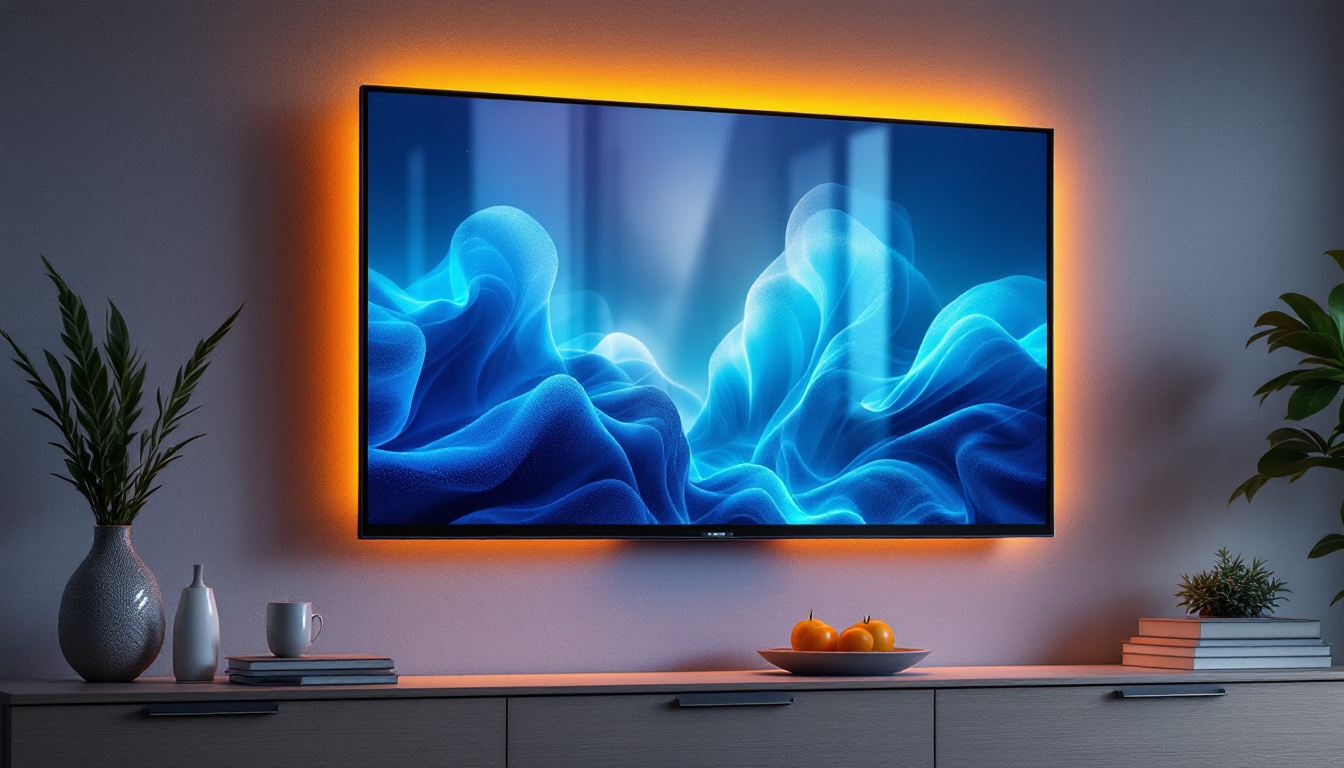
In today’s digital age, display technology plays a pivotal role in how we interact with information, entertainment, and communication devices. Among the myriad of display types, LCD and LED displays stand out as the most prevalent technologies powering screens of all sizes—from smartphones and laptops to televisions and large-scale digital signage. Understanding the nuances of LCD technology and how LED displays work is essential for consumers, professionals in the tech industry, and enthusiasts alike.
Understanding LCD Technology: The Foundation of Modern Displays
Liquid Crystal Display (LCD) technology has been a cornerstone of visual display innovation for decades. At its core, an LCD screen uses liquid crystals that modulate light to produce images. These crystals do not emit light themselves but manipulate light passing through them to create visible pictures.
The basic structure of an LCD panel consists of several layers, including two polarized glass substrates, liquid crystal molecules sandwiched between them, and a backlight source. When an electric current is applied, the liquid crystals align in such a way that they either block or allow light to pass through, forming images pixel by pixel.
One of the key advantages of LCDs is their energy efficiency compared to older technologies like cathode ray tubes (CRT). They are also thinner, lighter, and capable of producing sharp, high-resolution images, making them ideal for a wide range of applications. Furthermore, advancements in LCD technology have led to the development of various types of displays, such as IPS (In-Plane Switching) and TN (Twisted Nematic), each offering unique benefits in terms of color accuracy, viewing angles, and response times. This versatility has enabled LCDs to dominate markets ranging from televisions and computer monitors to smartphones and tablets.
How LCDs Work: The Role of Polarization and Liquid Crystals
Polarization is fundamental to LCD operation. Each layer of the LCD contains polarizing filters oriented perpendicularly. The liquid crystals in between can twist the polarization of light when an electric field is applied. By controlling this twist, the display can regulate how much light passes through each pixel.
This precise control allows for the creation of detailed images with varying brightness and color. However, since LCDs rely on an external light source, the quality and type of backlighting significantly affect the display’s overall performance. For instance, LED backlighting has become increasingly popular due to its ability to provide brighter images and deeper blacks compared to traditional fluorescent backlighting. Additionally, innovations such as local dimming and edge-lit designs enhance contrast ratios and energy efficiency, further pushing the boundaries of what LCD technology can achieve. As a result, LCDs continue to evolve, integrating features that cater to the demands of both casual users and professional applications, ensuring their relevance in an ever-changing technological landscape.
LED Displays: Illuminating the Future of LCD Technology
While LCDs provide the structural basis for many screens, the integration of LED technology as a backlight source has revolutionized display quality. LED stands for Light Emitting Diode, a semiconductor device that emits light when an electric current passes through it.
LED displays are essentially LCD panels that use LEDs for backlighting instead of traditional cold cathode fluorescent lamps (CCFLs). This shift has brought numerous benefits, including improved brightness, contrast, energy efficiency, and thinner screen profiles. The transition from CCFL to LED has not only enhanced the visual experience but has also paved the way for innovations in display technology, such as 4K and 8K resolutions, which demand higher quality backlighting for optimal performance.
Types of LED Backlighting: Edge-lit vs. Direct-lit
There are two primary methods for LED backlighting in LCD displays: edge-lit and direct-lit (also called back-lit).
- Edge-lit LED: LEDs are placed along the edges of the screen, and light is distributed across the panel using light guides. This design allows for ultra-thin displays and is common in laptops, monitors, and slim televisions. The edge-lit design is particularly appealing for consumers seeking sleek aesthetics in their devices, as it allows manufacturers to produce lightweight and stylish products.
- Direct-lit LED: LEDs are positioned directly behind the LCD panel, offering more uniform lighting and better control over brightness. This method is often used in larger TVs and high-end monitors. Direct-lit displays can provide a more immersive viewing experience, especially in dark environments, where the precision of backlighting can significantly influence the overall picture quality.
Direct-lit LED displays can also incorporate local dimming technology, where individual LED zones dim or brighten independently, enhancing contrast ratios and producing deeper blacks. This feature is particularly beneficial for watching movies or playing video games, where shadow detail is crucial for an engaging experience. As the demand for high dynamic range (HDR) content grows, local dimming becomes an essential aspect of modern display technology.
Advantages of LED-Backlit LCDs Over Traditional LCDs
Replacing CCFL backlights with LEDs has transformed LCD displays in several ways:
- Energy Efficiency: LEDs consume less power, contributing to longer battery life in portable devices and reduced energy costs for larger displays. This energy efficiency is not only beneficial for consumers but also aligns with global efforts to reduce carbon footprints and promote sustainable technology.
- Improved Brightness and Contrast: LEDs can achieve higher brightness levels and better contrast ratios, resulting in more vivid and lifelike images. This improvement is particularly noticeable in brightly lit environments, where traditional LCDs often struggle to maintain clarity and color accuracy.
- Thinner and Lighter Panels: LED backlighting enables slimmer designs, which are highly valued in consumer electronics. The reduction in thickness has allowed manufacturers to create ultra-slim televisions that can be mounted flush against walls, enhancing the aesthetic appeal of modern living spaces.
- Environmental Benefits: LEDs do not contain mercury, unlike CCFLs, making them safer and more eco-friendly. Additionally, the longevity of LED technology means that devices require less frequent replacements, further reducing electronic waste.
Furthermore, the advancements in LED technology have led to the development of OLED (Organic Light Emitting Diode) displays, which offer even greater color accuracy and flexibility in screen design. OLED technology, while distinct from traditional LED-backlit LCDs, has benefited from the innovations in LED technology, pushing the boundaries of what is possible in display technology. As the industry continues to evolve, the integration of LED technology will likely play a crucial role in shaping the future of visual media, from smartphones to large-scale digital signage.
LED Display Variants: From Standard LCDs to Advanced Technologies
While LED-backlit LCDs are widespread, the term “LED display” can also refer to distinct display technologies that use LEDs as the actual pixels rather than just backlighting. It’s important to distinguish between these to avoid confusion.
Mini-LED and Micro-LED: The Next Generation
Recent advancements have led to mini-LED and micro-LED technologies, which use thousands to millions of tiny LEDs as the light source behind the LCD panel or as individual pixels themselves.
Mini-LED technology enhances traditional LED backlighting by using much smaller LEDs, allowing for finer local dimming zones and superior contrast. This technology is gaining traction in premium TVs and professional monitors.
Micro-LED displays take this further by utilizing microscopic LEDs as individual pixels. Unlike LCDs, micro-LEDs emit their own light, eliminating the need for backlighting and offering exceptional brightness, contrast, and color accuracy. However, micro-LED displays are currently expensive and complex to manufacture, limiting their availability.
OLED vs. LED: Understanding the Differences
Organic Light Emitting Diode (OLED) displays are often compared with LED-backlit LCDs because both offer high-quality visuals. However, OLEDs differ fundamentally as they do not require backlighting; each pixel emits its own light.
This self-emissive nature allows OLEDs to achieve perfect blacks and infinite contrast ratios, as pixels can be turned off completely. LED-backlit LCDs, by contrast, rely on blocking or allowing light through liquid crystals, which can lead to some light bleed and less perfect blacks.
Despite OLED’s superior image quality, LED-backlit LCDs remain popular due to their lower cost, longer lifespan, and resistance to burn-in issues.
Applications of LCD and LED Display Technologies
The versatility of LCD and LED technologies has led to their widespread adoption across various industries and devices.
Consumer Electronics
Smartphones, tablets, laptops, and televisions predominantly use LED-backlit LCD panels due to their balance of image quality, power efficiency, and cost. High-end smartphones increasingly incorporate OLED or AMOLED displays, but LED-backlit LCDs remain common in mid-range devices.
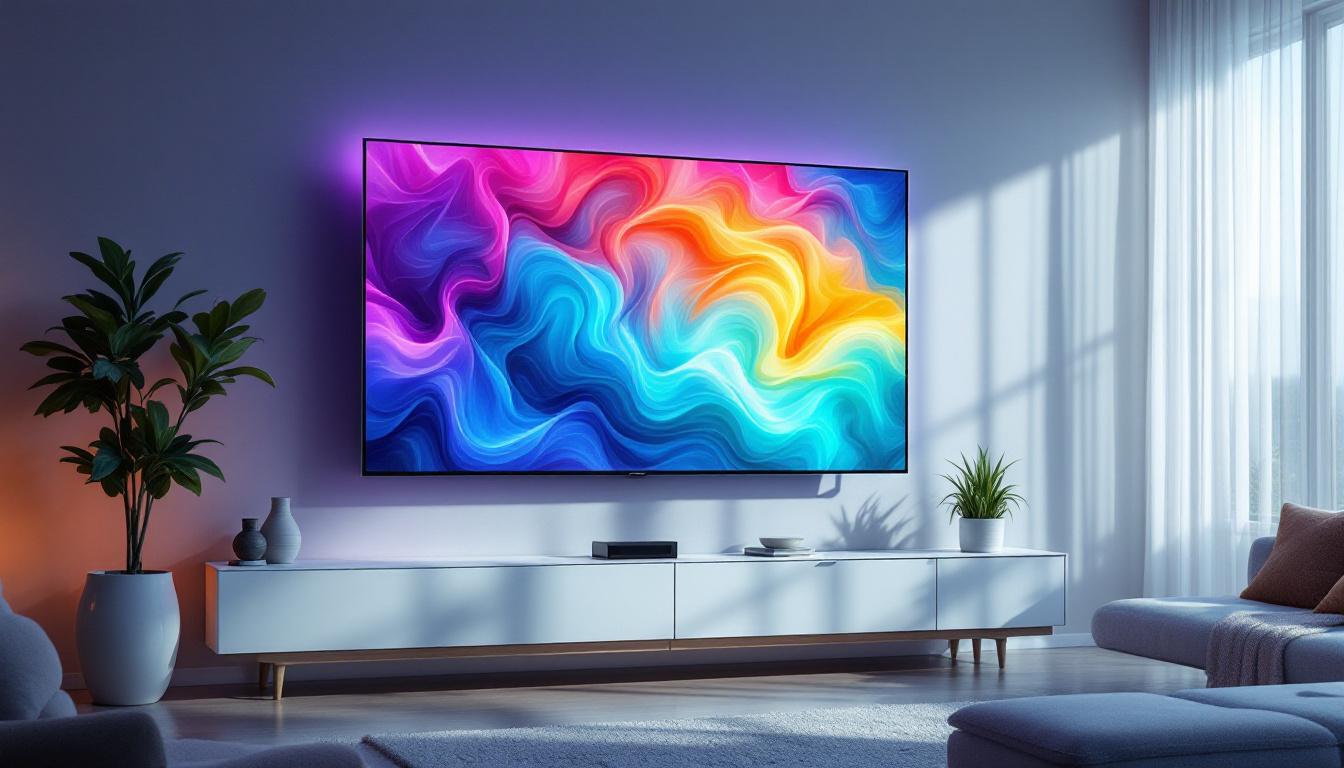
In televisions, LED-backlit LCDs dominate the market, with mini-LED models emerging as premium options. These displays offer consumers brighter screens suitable for viewing in well-lit environments and enhanced HDR (High Dynamic Range) performance.
Commercial and Industrial Displays
Large digital signage, information kiosks, and control room monitors often utilize LED-backlit LCDs for their reliability and brightness. Additionally, true LED displays—where LEDs form the pixels—are widely used for outdoor advertising, stadium screens, and event displays due to their scalability and visibility in direct sunlight.
Automotive and Aerospace
Modern vehicles and aircraft increasingly incorporate LCD and LED display technologies for dashboards, infotainment systems, and heads-up displays. The robustness, clarity, and energy efficiency of these technologies make them suitable for demanding environments.
Future Trends in LCD and LED Display Technologies
The display industry continues to evolve rapidly, driven by consumer demand for better picture quality, thinner devices, and energy efficiency.
Integration with AI and Smart Features
Emerging displays are integrating AI to optimize brightness, color calibration, and power consumption dynamically based on ambient conditions and content type. This enhances user experience while extending device longevity.
Flexible and Transparent Displays
Advances in materials and manufacturing are enabling flexible LCD and LED displays that can bend or fold without damage. Transparent displays are also becoming feasible, opening new possibilities for augmented reality and innovative user interfaces.
Sustainability and Eco-Friendly Manufacturing
With environmental concerns rising, manufacturers are focusing on reducing hazardous materials, improving recyclability, and lowering energy consumption in display production and operation.
Conclusion: Choosing the Right Display Technology
Understanding the fundamentals of LCD and LED display technologies is crucial for making informed decisions, whether purchasing consumer electronics or designing professional visual systems. LED-backlit LCDs offer an excellent balance of performance, cost, and efficiency, making them the dominant choice across many applications.
As innovations like mini-LED and micro-LED mature, consumers can expect even greater image quality and energy savings. Meanwhile, OLED remains a strong contender for those prioritizing perfect blacks and vibrant colors.
Ultimately, the best display technology depends on specific needs, including budget, usage environment, and desired visual performance. Staying informed about these technologies ensures optimal choices that enhance viewing experiences now and in the future.
Discover Cutting-Edge LED Displays with LumenMatrix
Ready to elevate your visual experience with the latest in LED display technology? Look no further than LumenMatrix, a pioneer in crafting LED display modules that transform any space into a dynamic visual spectacle. Whether you’re in need of an Indoor LED Wall Display for your business, an Outdoor LED Wall Display for advertising, or any of our specialized solutions like Vehicle LED Displays, LED Sports Displays, or even Custom LED Displays, LumenMatrix has you covered. Embrace the future of visual communication and captivate your audience with unparalleled clarity and impact. Check out LumenMatrix LED Display Solutions today and see your message come to life like never before.