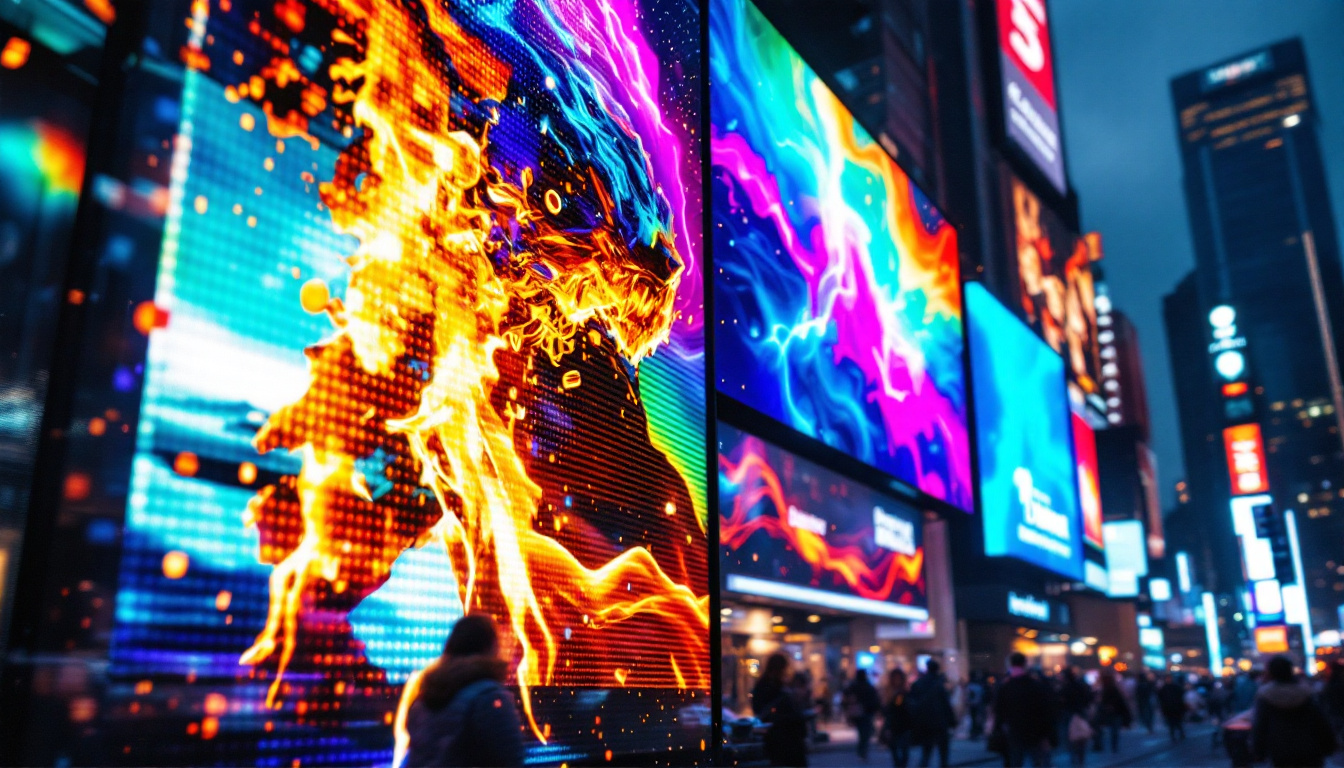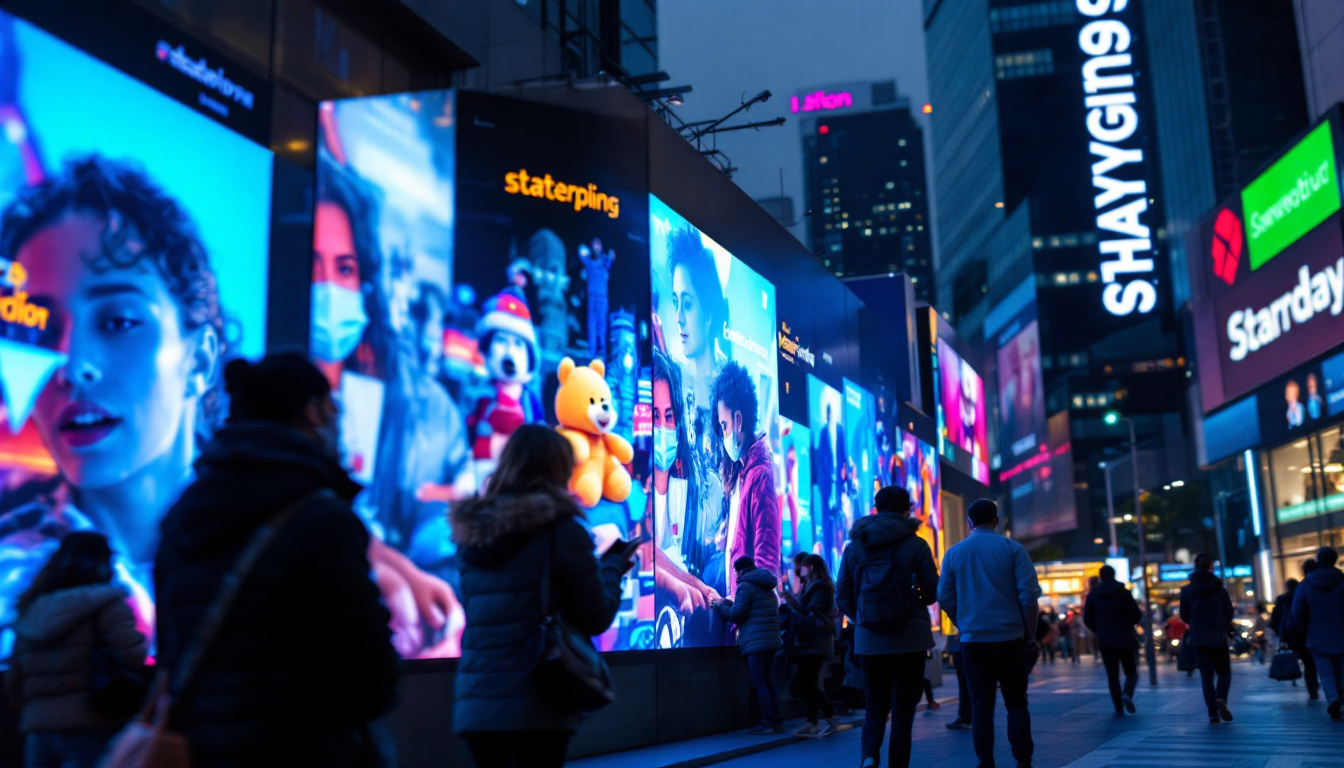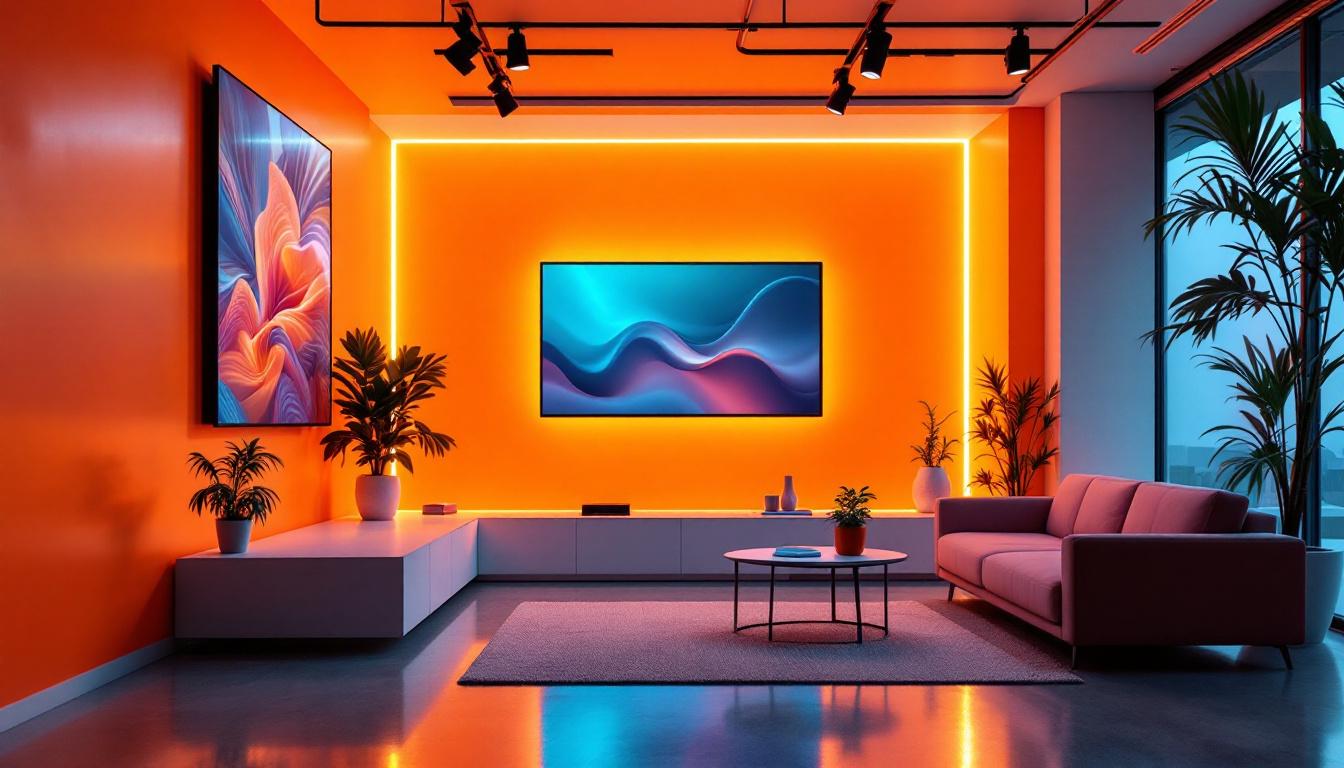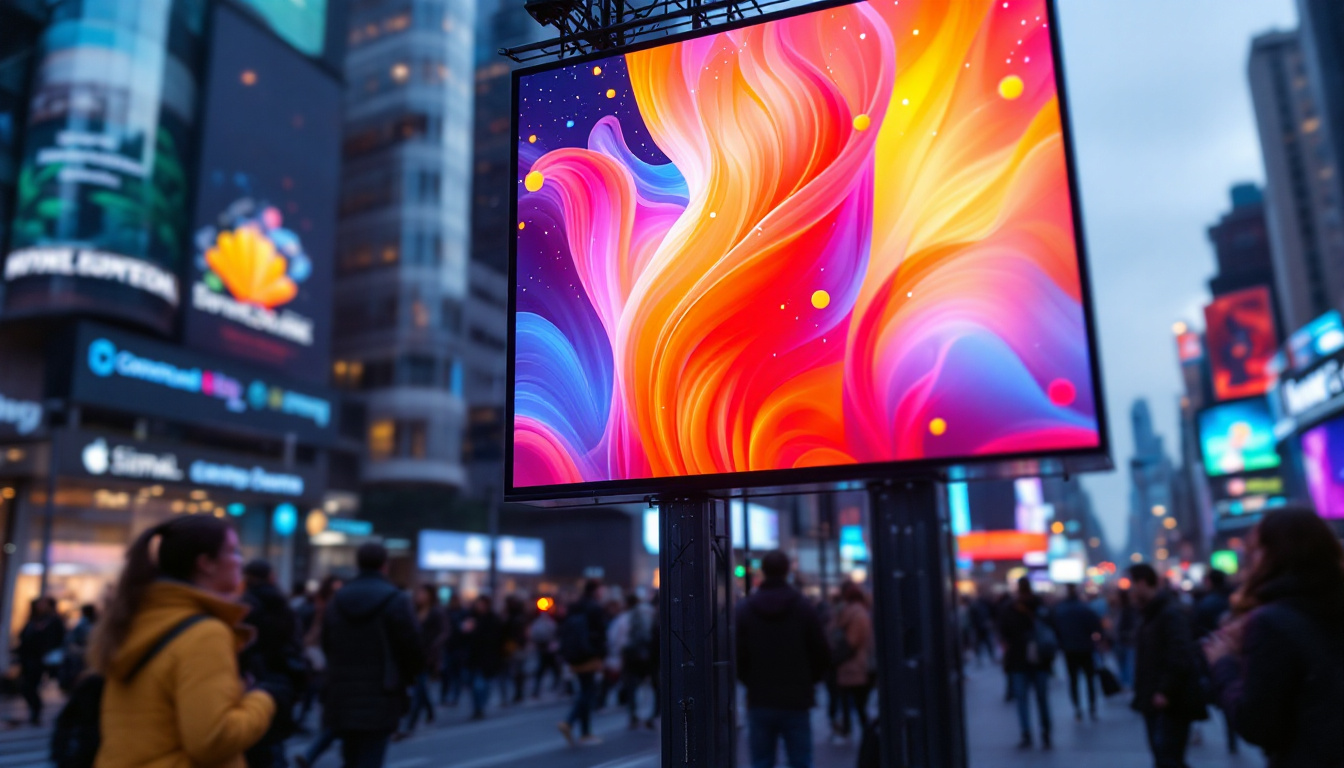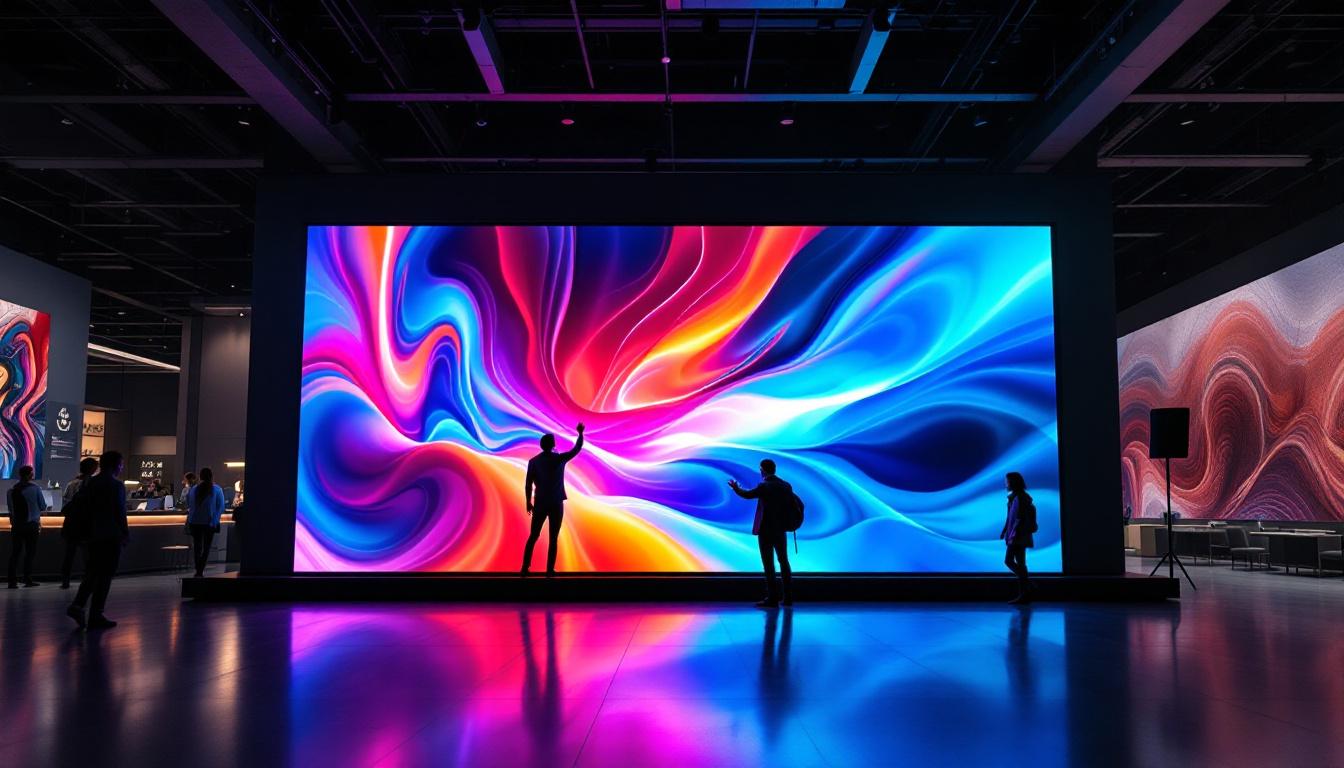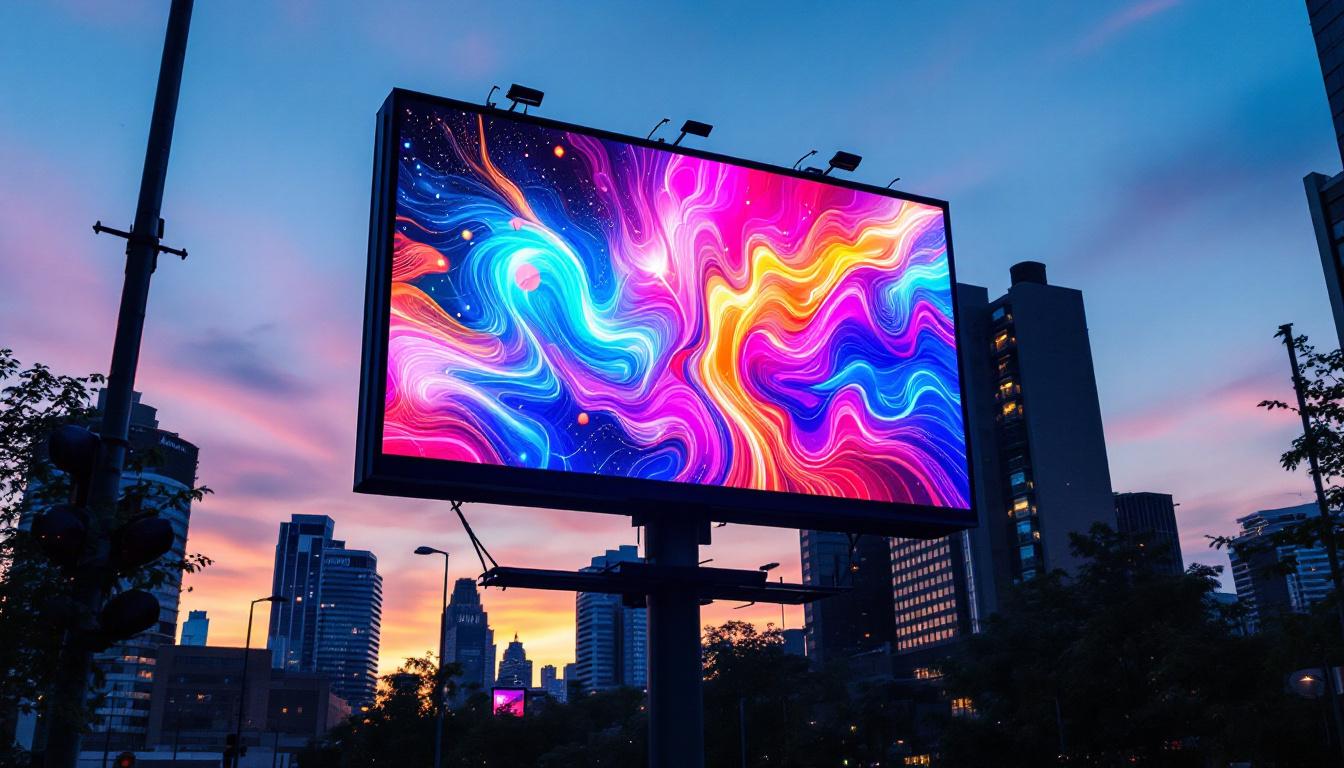
In today’s fast-paced digital world, LED ads boards have become a cornerstone of modern advertising. Their vibrant colors, dynamic content capabilities, and high visibility make them an indispensable tool for businesses aiming to capture attention and communicate effectively. This article explores the technology behind LED displays, their applications, benefits, and considerations for choosing the right LED advertising board.
Understanding LED Display Technology
What is an LED Display?
LED stands for Light Emitting Diode, a semiconductor device that emits light when an electric current passes through it. An LED display is a flat panel that uses an array of these tiny LEDs to create images and videos. These displays are composed of thousands, sometimes millions, of individual LEDs arranged in a grid, each acting as a pixel to produce bright, colorful visuals.
The technology behind LED displays differs from traditional LCD or plasma screens primarily in how the light is generated. Unlike LCDs, which rely on a backlight, LED displays produce their own light, resulting in superior brightness and contrast. This makes LED boards especially effective for outdoor advertising where visibility under direct sunlight is crucial. Additionally, the energy efficiency of LED technology means that these displays consume less power compared to their predecessors, making them a more sustainable choice for businesses looking to reduce their carbon footprint.
Types of LED Displays
LED displays come in several types, each suited for different environments and purposes:
- Indoor LED Displays: These are designed for environments with controlled lighting, such as shopping malls, airports, and conference halls. They offer high resolution and fine pixel pitch for close viewing distances. Indoor displays often feature advanced technologies such as high refresh rates, which enhance the viewing experience for fast-moving content like sports or live events.
- Outdoor LED Displays: Built to withstand weather conditions, these displays are brighter and more durable. They are commonly used for billboards, stadium screens, and roadside advertising. Outdoor LED displays are engineered with protective coatings and robust enclosures to guard against rain, dust, and extreme temperatures, ensuring longevity and consistent performance.
- Transparent LED Displays: These innovative screens allow light to pass through, making them ideal for storefront windows and glass facades without obstructing the view. This technology opens up new avenues for creative advertising, allowing businesses to engage customers with dynamic content while maintaining visibility into their physical space.
- Flexible LED Displays: Utilizing bendable panels, these displays can conform to curved surfaces, expanding creative possibilities for advertising. They are increasingly popular in modern architecture and design, allowing for seamless integration into building structures and unique installations that captivate audiences.
In addition to these types, LED displays are also categorized based on their pixel pitch, which refers to the distance between the centers of two adjacent pixels. A smaller pixel pitch results in higher resolution and is ideal for applications where viewers are close to the screen, such as in retail environments or exhibitions. Conversely, larger pixel pitches are suitable for viewing from a distance, making them perfect for large outdoor billboards or stadium displays. The versatility of LED technology allows for a wide range of applications, from advertising and entertainment to information dissemination and artistic installations, showcasing its adaptability in various industries.
Applications of LED Ads Boards
Outdoor Advertising and Billboards
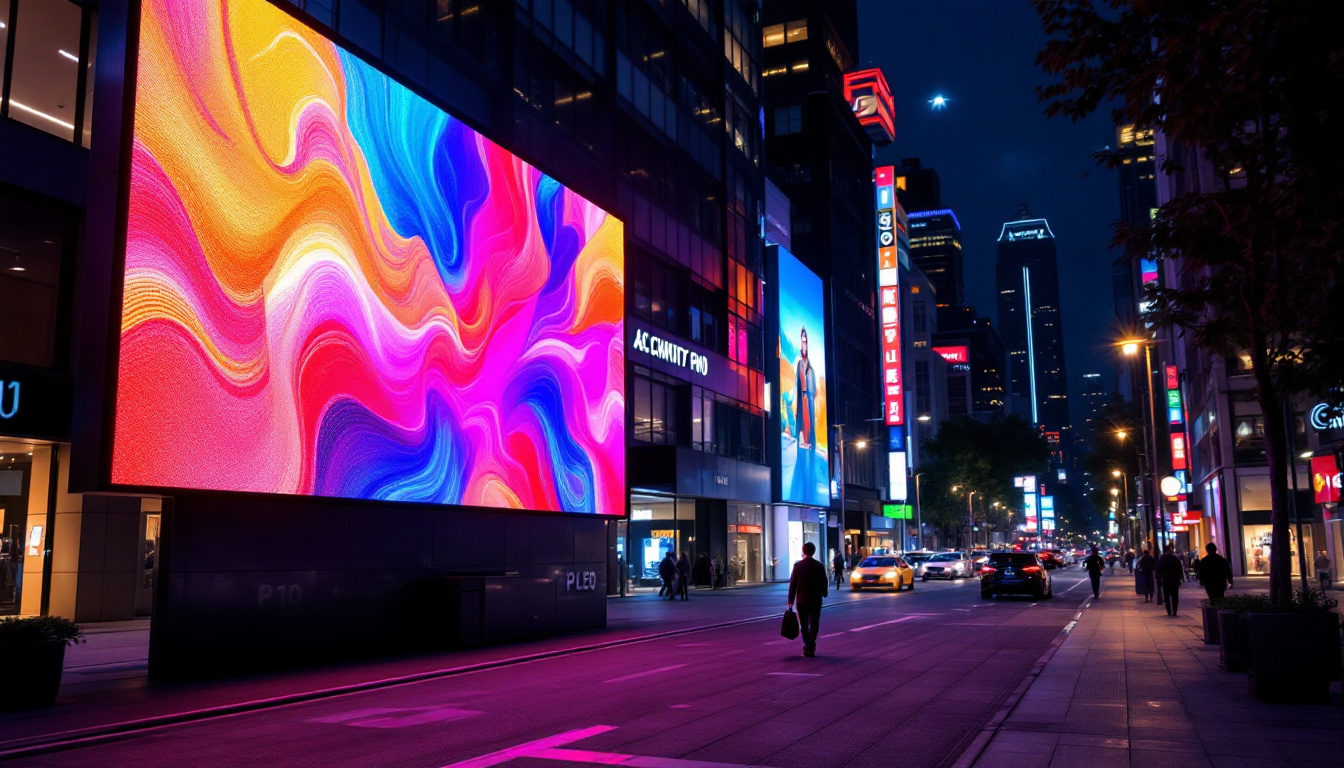
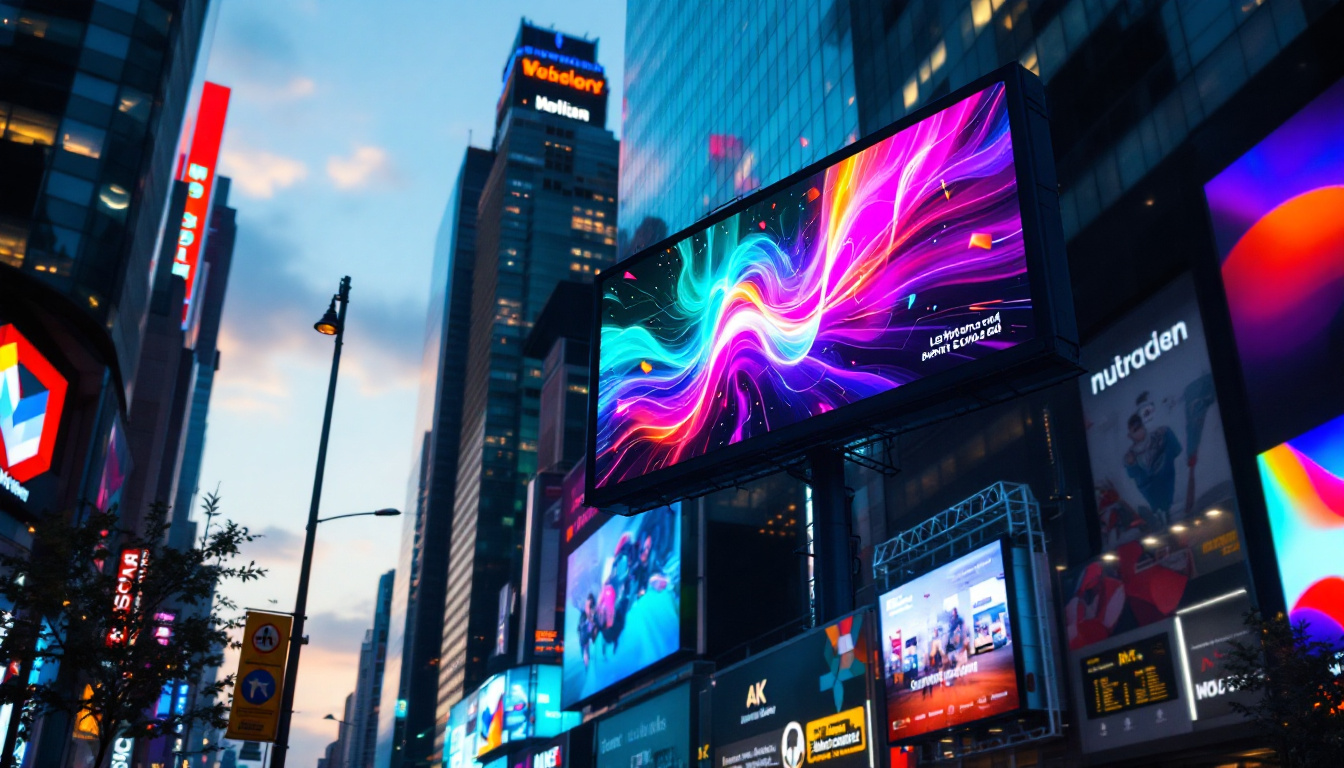
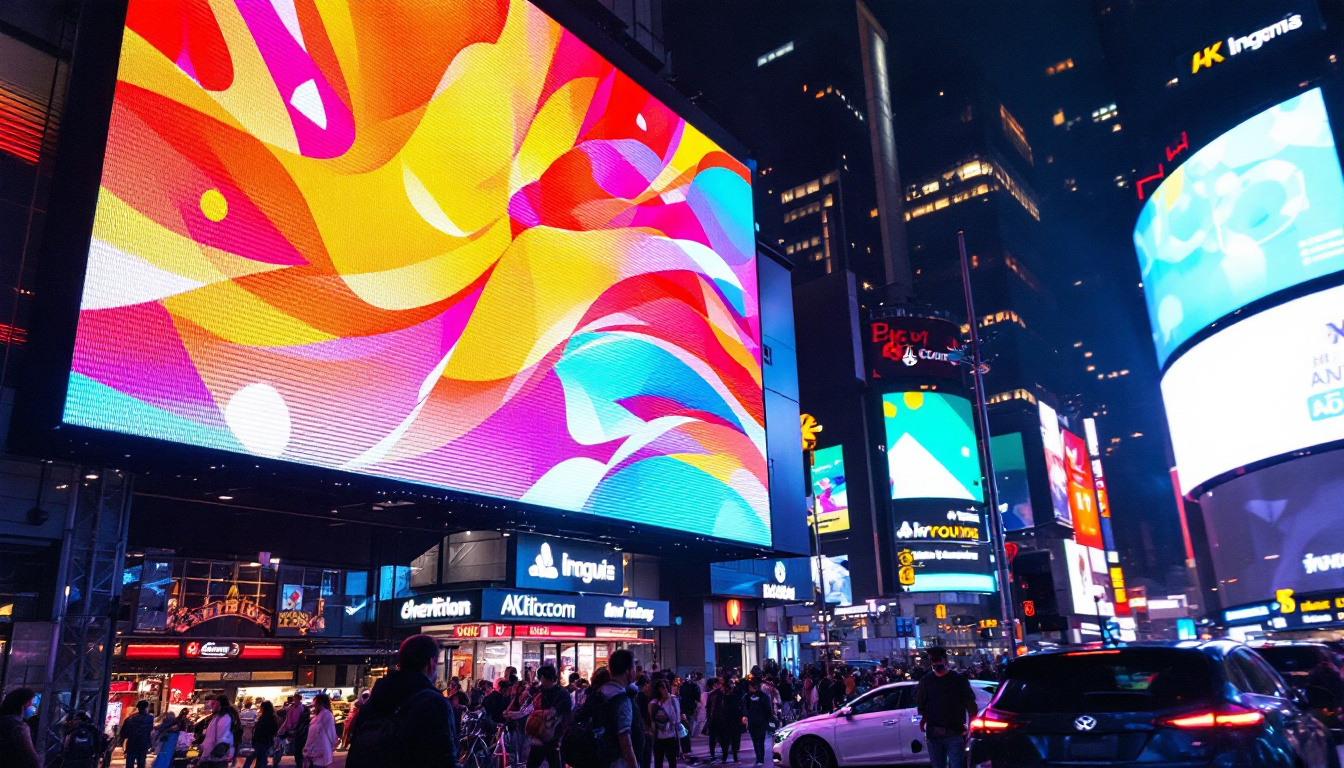
Outdoor LED ads boards have revolutionized billboard advertising by enabling dynamic, eye-catching content that can be updated in real time. According to a report by Grand View Research, the global digital signage market, which includes LED displays, is expected to reach $32.84 billion by 2028, growing at a CAGR of 7.5%. This growth is driven largely by the demand for outdoor digital billboards.
LED billboards can display multiple advertisements on rotation, incorporate animations, and even interact with mobile devices. This flexibility enhances engagement and makes outdoor advertising more measurable and adaptable to changing marketing strategies. Advertisers can use data analytics to determine the best times to display specific ads based on traffic patterns, weather conditions, or local events, ensuring that their messages reach the right audience at the right time. Additionally, the ability to integrate QR codes and links allows potential customers to engage with brands directly from their smartphones, bridging the gap between physical and digital marketing.
Retail and Point of Sale Displays
Retailers leverage LED ads boards to attract customers and promote products within stores. Bright, vibrant displays placed near entrances or checkout areas can influence purchasing decisions by showcasing promotions, new arrivals, or brand messages.
Studies show that digital signage in retail can increase sales by up to 31.8%, according to a report by Digital Signage Today. The ability to tailor content based on time of day, customer demographics, or inventory levels makes LED displays a powerful tool for driving revenue. Furthermore, retailers can utilize these displays to create immersive shopping experiences, combining visuals with sound and interactive elements that engage customers on a deeper level. For instance, a clothing store might use LED screens to showcase a fashion show or styling tips, creating a narrative that encourages shoppers to explore and purchase items featured on-screen.
Events, Sports, and Entertainment Venues
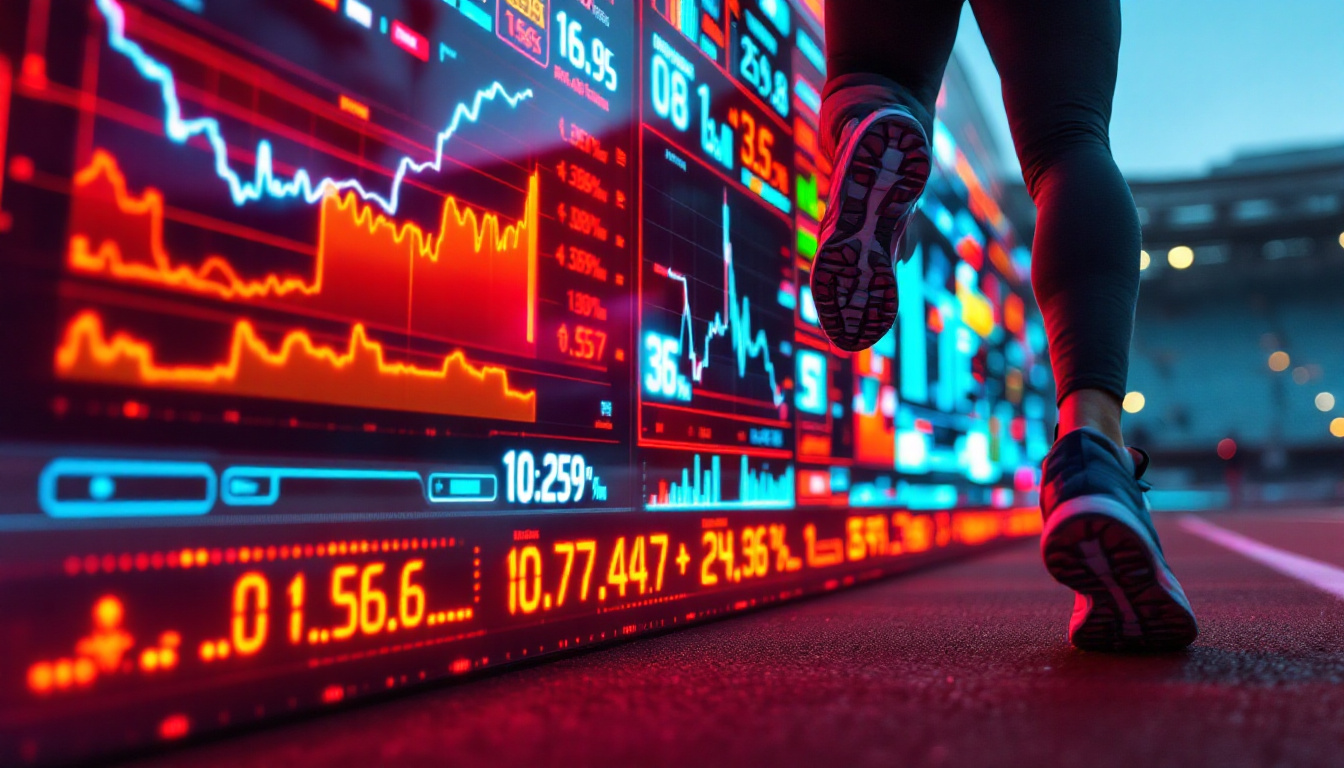
LED displays are ubiquitous in stadiums, concert halls, and event spaces. Their large size and high brightness ensure visibility even in vast arenas. Beyond advertising, these boards provide live event coverage, scores, and interactive content, enhancing the overall spectator experience.
For example, during major sporting events like the FIFA World Cup or the Super Bowl, LED screens are used not only to broadcast live footage but also to display sponsor advertisements, social media feeds, and fan messages, creating a multi-dimensional engagement platform. Moreover, the integration of augmented reality (AR) features into LED displays allows fans to experience events in innovative ways, such as viewing player stats or replays from different angles through their mobile devices. This technological advancement not only captivates audiences but also fosters a sense of community among fans, as they share their experiences and reactions in real-time across social media platforms, amplifying the event’s reach beyond the physical venue.
Benefits of LED Ads Boards
High Visibility and Brightness
One of the most significant advantages of LED ads boards is their exceptional brightness. Outdoor LED displays can reach brightness levels of up to 8,000 nits, making them clearly visible even under direct sunlight. This ensures that advertisements remain impactful regardless of environmental lighting conditions.
Energy Efficiency and Longevity
LED technology is inherently energy-efficient compared to other lighting and display technologies. LEDs consume less power while delivering superior brightness, which translates into lower operating costs for businesses. Additionally, LED displays have a long lifespan, often exceeding 100,000 hours, reducing the need for frequent replacements or maintenance.
Dynamic and Flexible Content
Unlike static billboards, LED ads boards allow advertisers to change content instantly. Whether it’s updating a promotion, displaying time-sensitive information, or running multiple ads in rotation, LED displays offer unmatched flexibility. This dynamic capability helps brands stay relevant and responsive to market trends.
Enhanced Engagement Through Interactivity
Modern LED displays can integrate with sensors, cameras, and mobile devices to create interactive advertising experiences. For instance, facial recognition technology can tailor ads based on viewer demographics, while QR codes and NFC tags enable direct customer interaction. This level of engagement drives higher conversion rates and brand loyalty.
Key Considerations When Choosing an LED Ads Board
Resolution and Pixel Pitch
The clarity of an LED display depends largely on its resolution and pixel pitch—the distance between individual LEDs. A smaller pixel pitch means higher resolution and sharper images, which is essential for displays viewed at close range, such as indoor retail screens. Conversely, outdoor billboards typically have larger pixel pitches since they are viewed from greater distances.
Choosing the right pixel pitch balances cost and image quality. For example, a 2.5mm pixel pitch is ideal for indoor use, while a 10mm or larger pitch is suitable for outdoor billboards.
Brightness and Weather Resistance
Outdoor LED ads boards must deliver high brightness to combat sunlight glare and feature robust weatherproofing to withstand rain, wind, and temperature extremes. Look for displays with an IP65 or higher rating, indicating protection against dust and water ingress.
Control Systems and Software
The ease of managing content on LED displays depends on the control system and software used. Modern LED boards come with user-friendly interfaces that support scheduling, remote updates, and real-time monitoring. Some platforms also offer analytics to measure audience engagement and optimize campaigns.
Installation and Maintenance
Proper installation is critical for maximizing the lifespan and performance of LED ads boards. This includes secure mounting, electrical safety, and adequate ventilation. Maintenance considerations, such as ease of access for repairs and cleaning, should also factor into the decision-making process.
The Future of LED Advertising Boards
Advancements in LED Technology
Emerging innovations continue to push the boundaries of LED display capabilities. MicroLED technology, for instance, promises even higher resolution, improved energy efficiency, and longer lifespan. These advances will enable ultra-thin, flexible, and more immersive displays.
Integration with Smart Cities and IoT
LED ads boards are increasingly integrated into smart city infrastructure, connecting with sensors and data networks to deliver context-aware advertising. For example, displays can adjust content based on weather conditions, traffic flow, or nearby events, creating a seamless and personalized urban experience.
Sustainability and Environmental Impact
As sustainability becomes a priority, manufacturers are developing eco-friendly LED displays that minimize energy consumption and use recyclable materials. Solar-powered LED boards and energy management systems are gaining traction, aligning advertising with environmental responsibility.
Conclusion
LED ads boards represent a powerful fusion of technology and marketing, offering unparalleled visibility, flexibility, and engagement. Understanding the fundamentals of LED display technology, the diverse applications, and critical factors for selection empowers businesses to make informed decisions that maximize their advertising impact.
As LED technology continues to evolve, it will unlock new creative possibilities and smarter advertising solutions, solidifying its role as a vital medium in the digital advertising landscape.
Discover LumenMatrix’s Innovative LED Solutions
Ready to elevate your advertising strategy with cutting-edge LED technology? Look no further than LumenMatrix, a pioneer in crafting visually stunning LED display modules tailored for any application. From vibrant Indoor and Outdoor LED Wall Displays to dynamic Vehicle and Sports LED Displays, LumenMatrix offers a comprehensive range of solutions designed to captivate your audience and amplify your message. Embrace the future of visual communication with our All-in-One LED Displays, LED Posters, and revolutionary Transparent LED Displays. Don’t just take our word for it; check out LumenMatrix LED Display Solutions today and experience the transformative power of advanced LED signage.