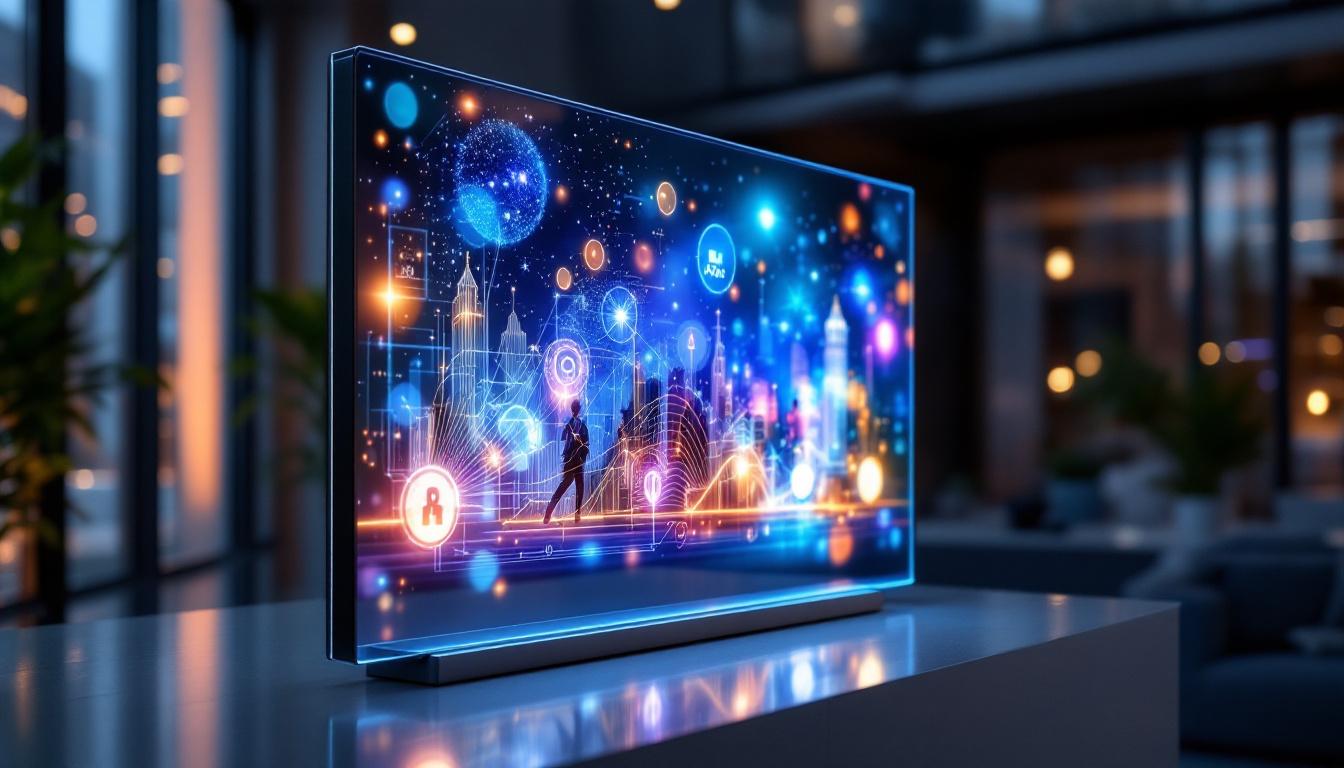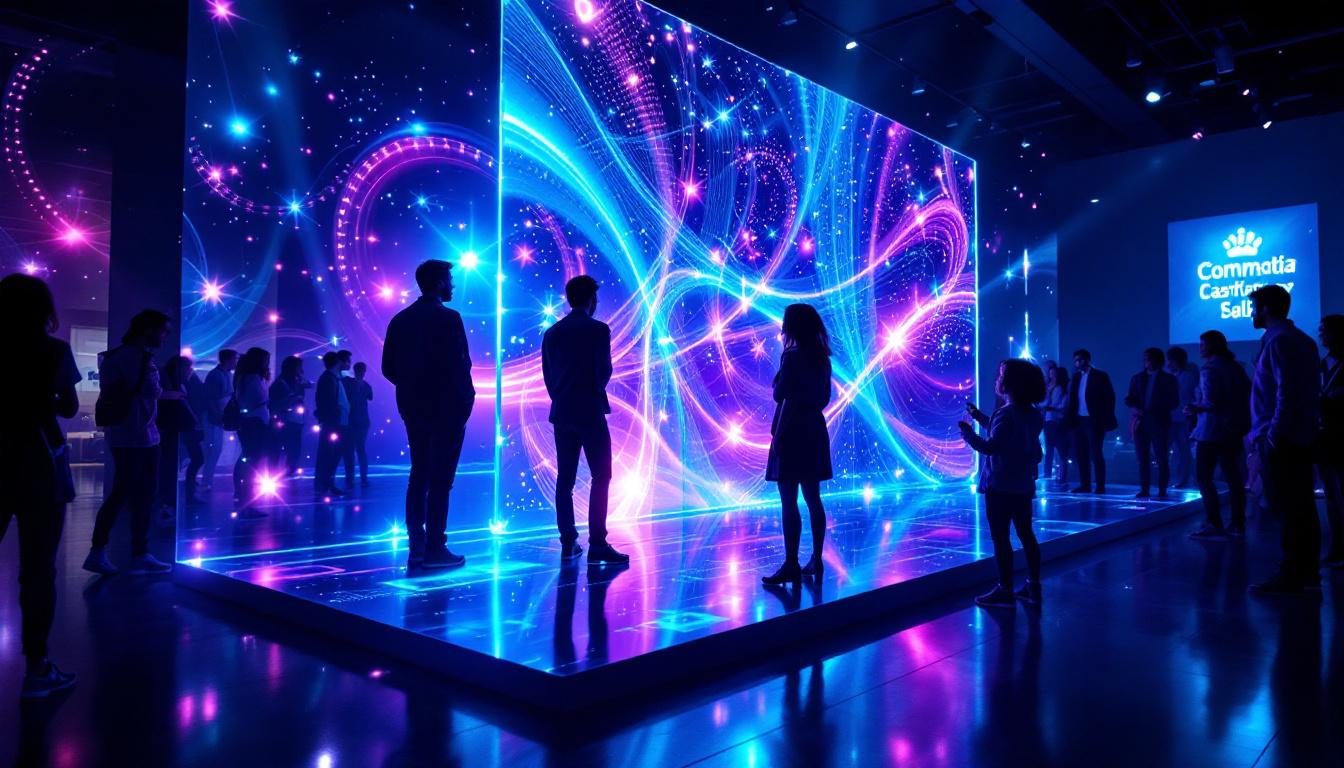
In recent years, the convergence of LED technology and holography has sparked a revolution in visual display systems. Holographic LED displays are transforming the way information and imagery are presented, offering immersive and dynamic experiences across various industries. This article delves deep into the technology behind holographic LED displays, exploring their principles, applications, advantages, and future potential.
Understanding LED Display Technology
Light Emitting Diode (LED) displays have become ubiquitous in modern digital signage, televisions, and large-scale screens. At their core, LEDs are semiconductor devices that emit light when an electric current passes through them. Their efficiency, brightness, and longevity have made them the preferred choice for many display applications. The technology has evolved significantly over the years, leading to innovations such as organic LEDs (OLEDs) and microLEDs, which offer even greater performance and versatility.
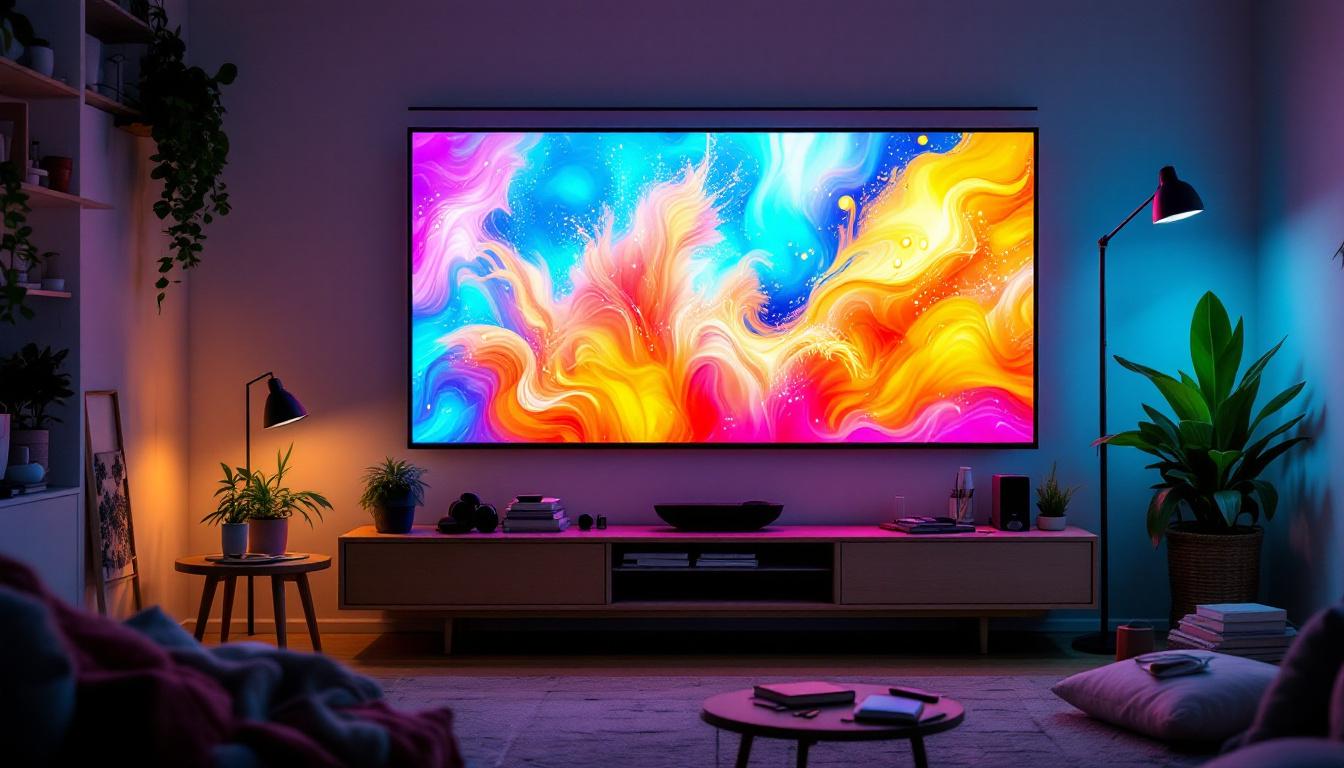
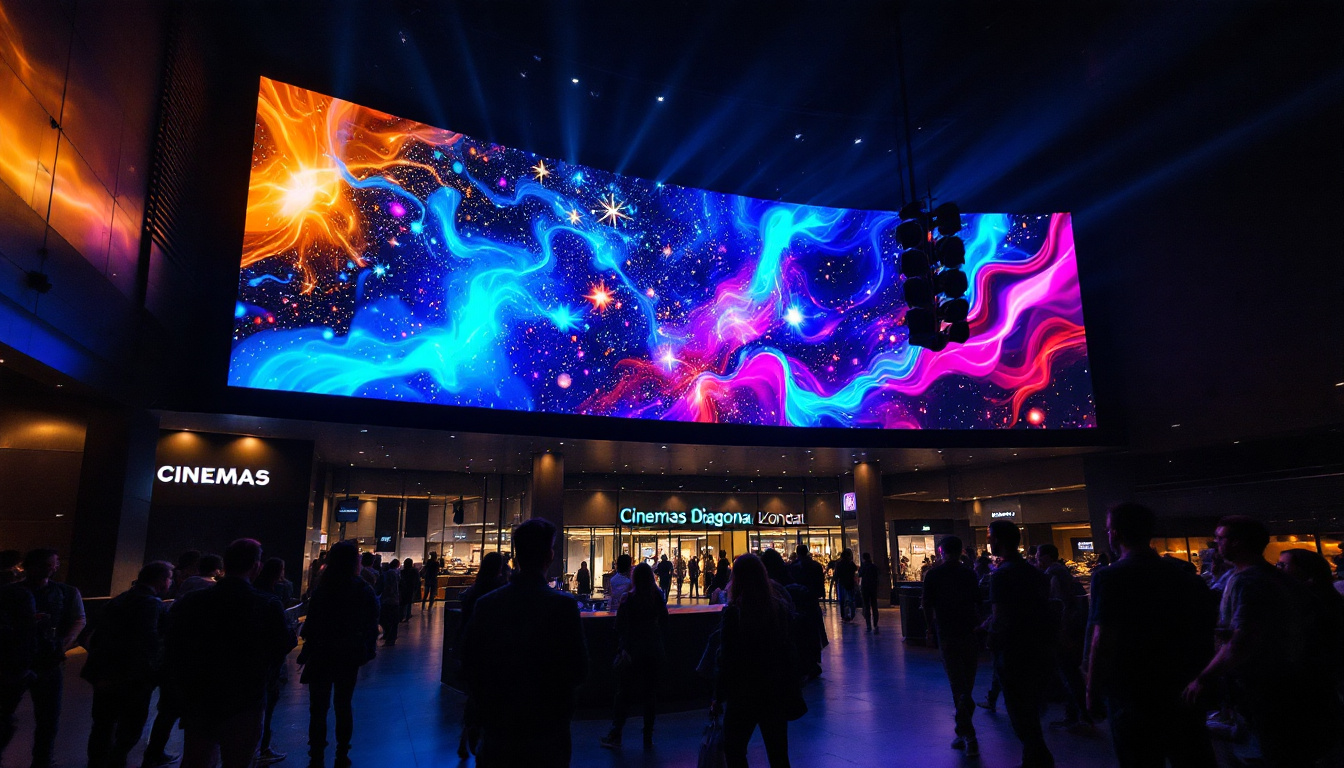
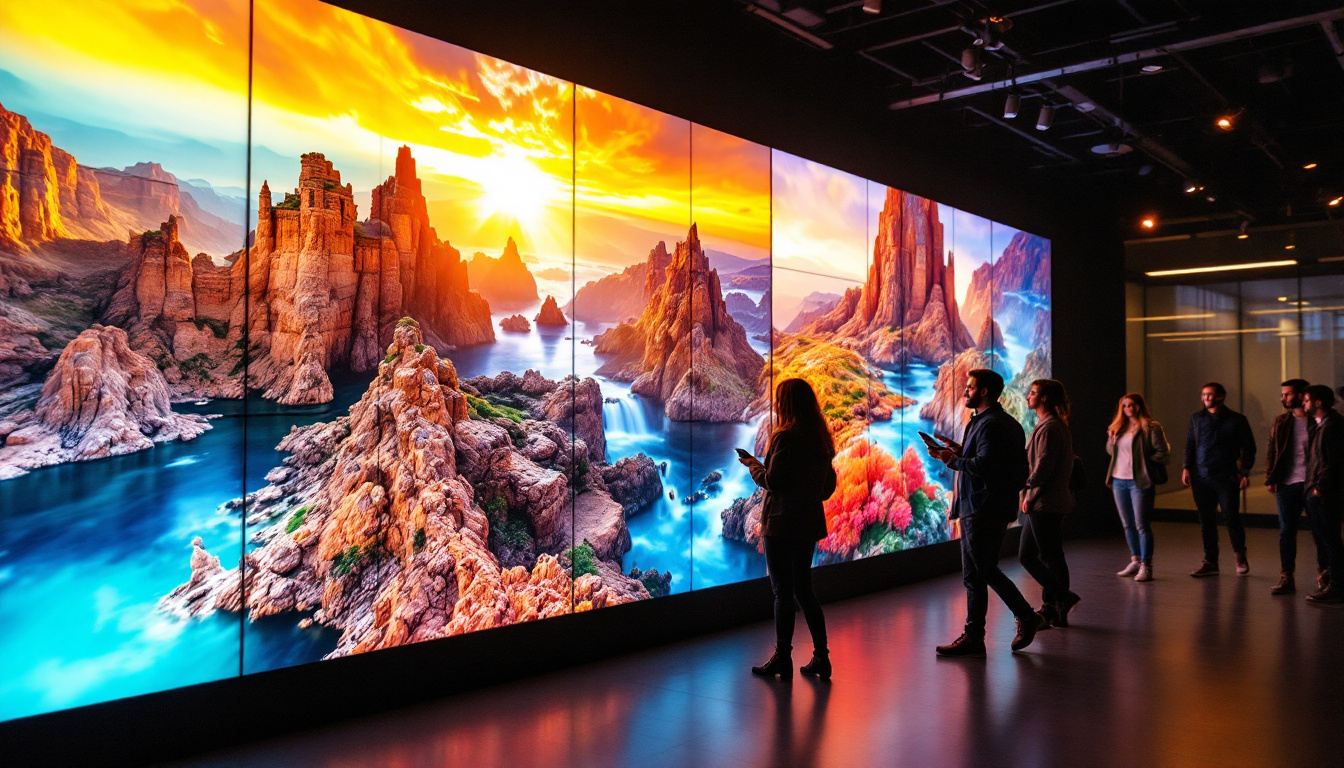
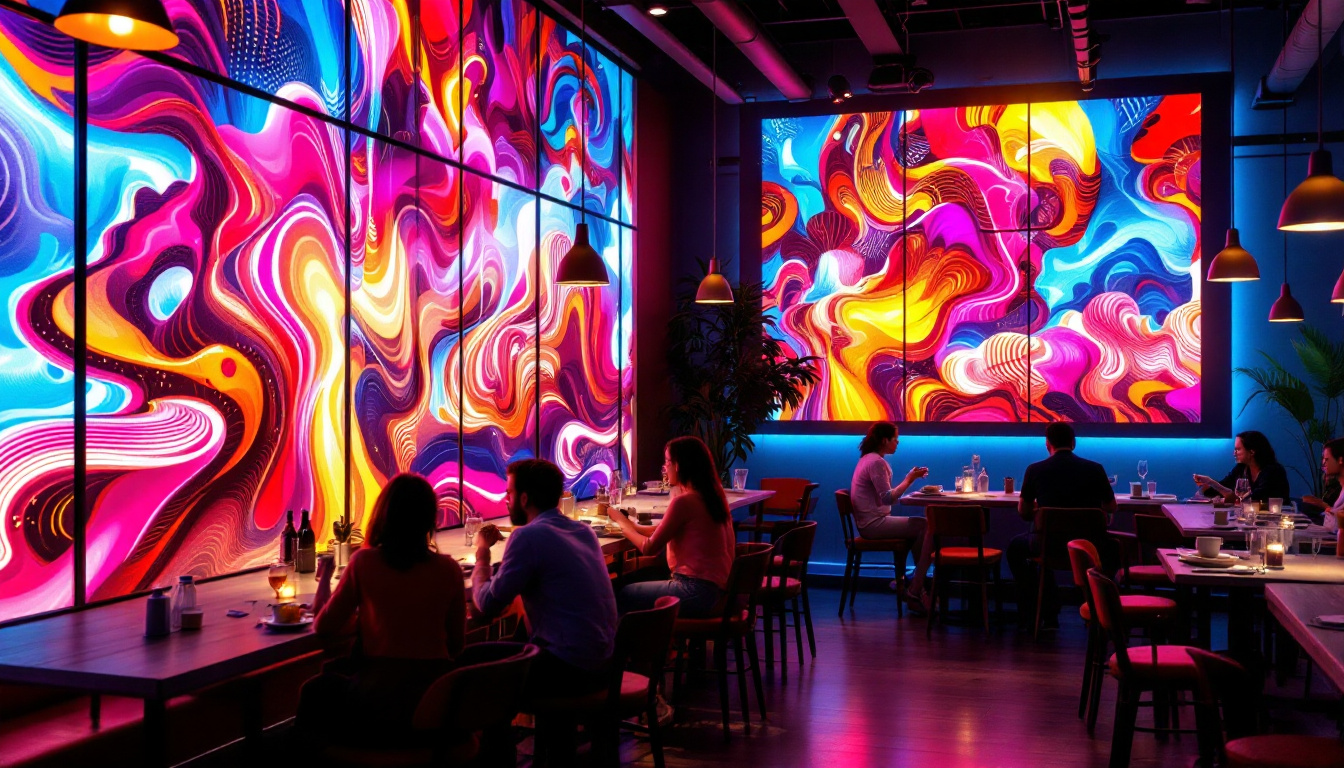
Traditional LED displays consist of arrays of red, green, and blue LEDs arranged in pixels. By adjusting the intensity of each LED, these pixels can produce a wide spectrum of colors, enabling the display of detailed images and videos. The modularity of LED panels allows for scalable screen sizes, from small handheld devices to massive stadium screens. Furthermore, advancements in control systems and software have enhanced the ability to synchronize multiple displays, creating immersive experiences for viewers, whether at a concert, sporting event, or advertising campaign.
Key Characteristics of LED Displays
LED displays are celebrated for several critical features:
- Brightness: LEDs can achieve luminance levels exceeding 1,000 nits, making them visible even in direct sunlight.
- Energy Efficiency: Compared to traditional display technologies like LCDs and plasma, LEDs consume less power.
- Durability: LEDs have a long operational lifespan, often exceeding 50,000 hours.
- Color Accuracy: Advanced LED displays can reproduce a wide color gamut with high fidelity.
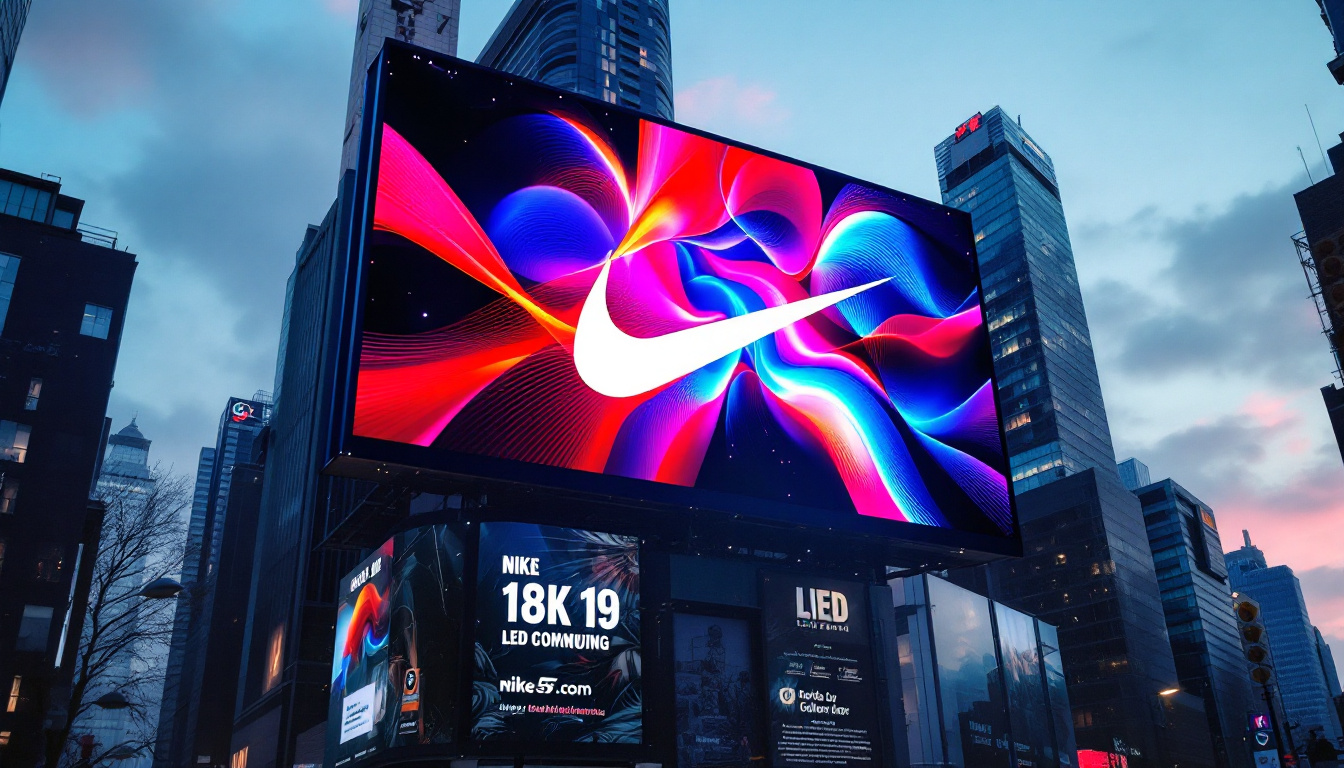
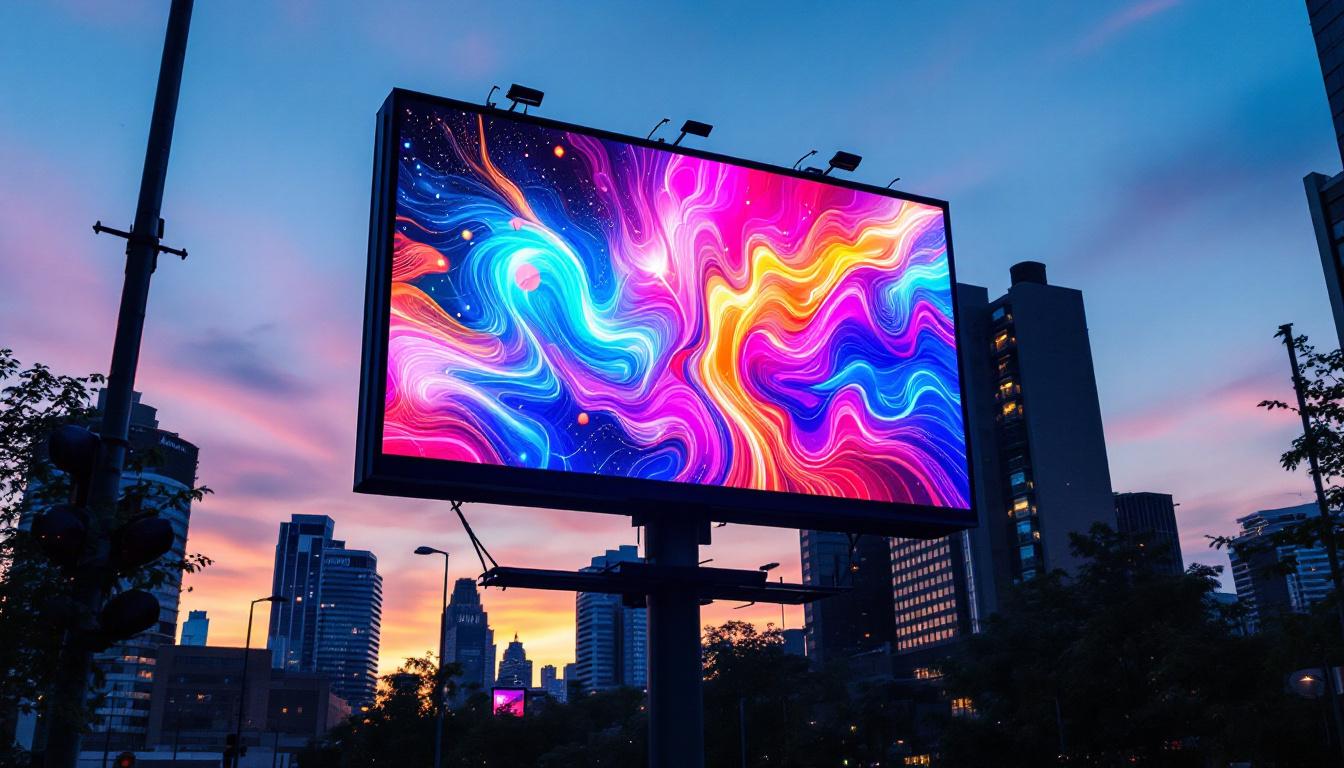
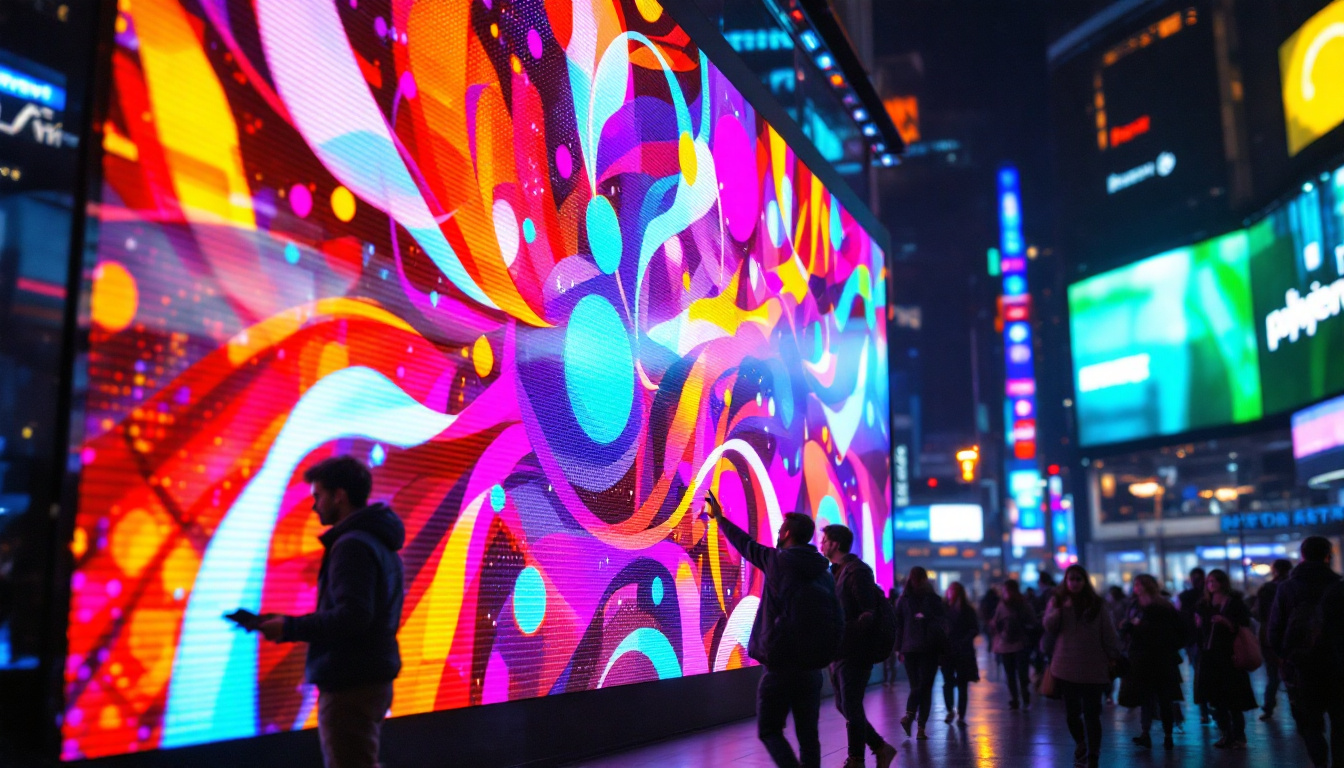
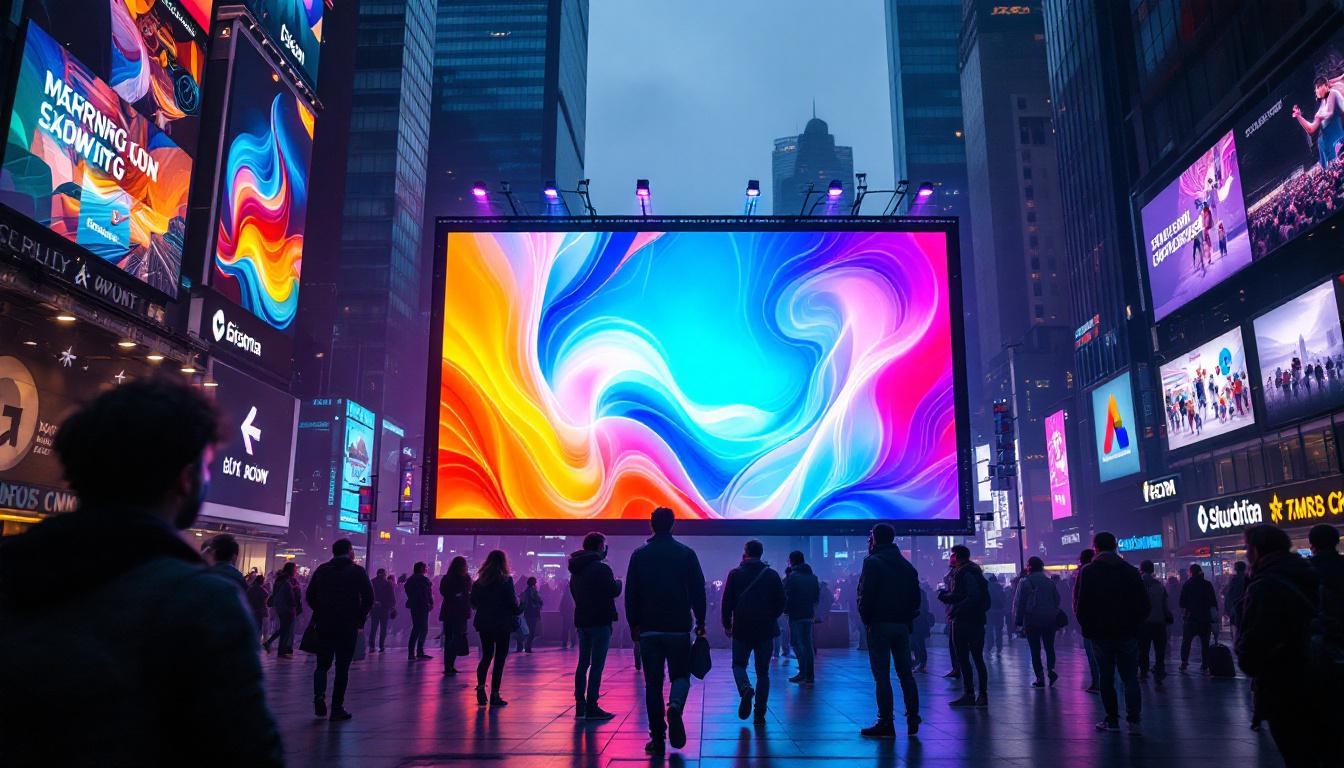
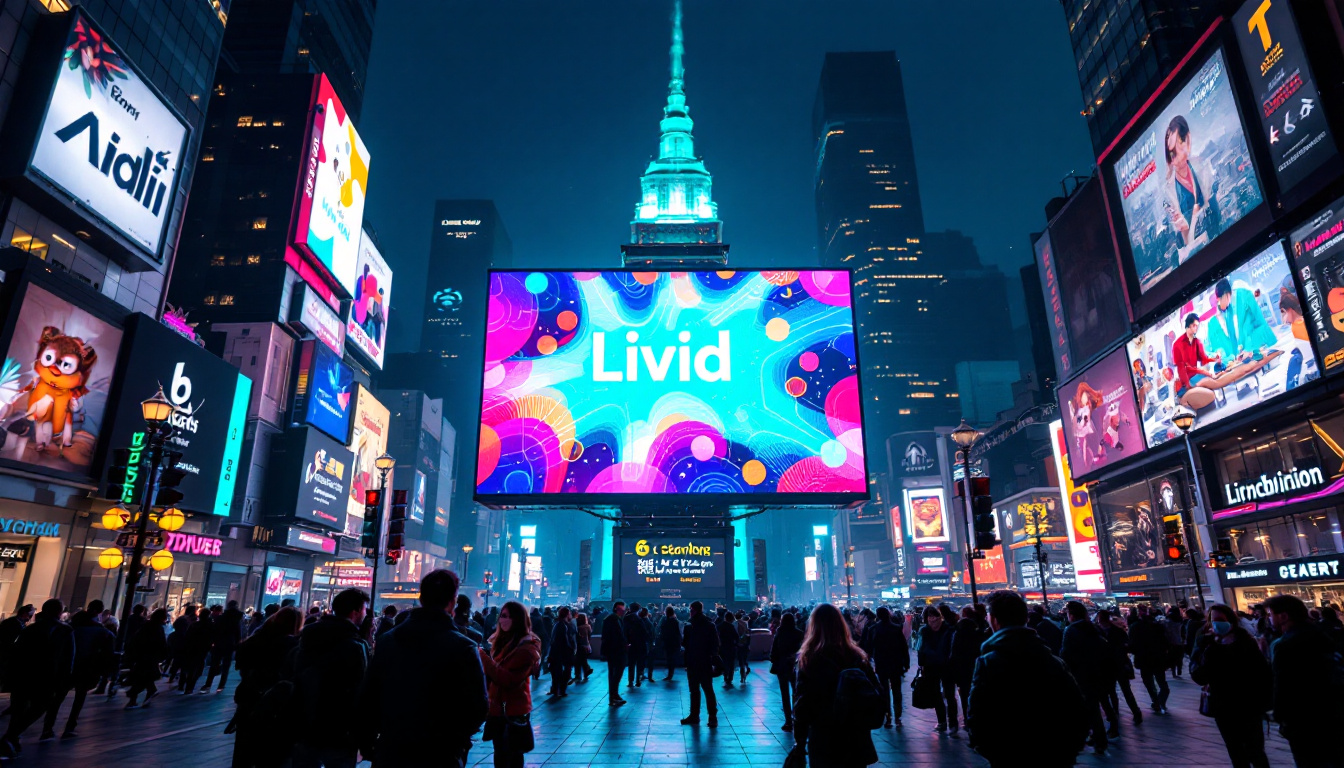
These attributes have made LED displays the backbone of outdoor advertising, sports arenas, and public information systems worldwide. Additionally, the rapid development of smart LED technology has enabled features such as dynamic content management, allowing advertisers to change messages in real-time based on audience demographics or environmental factors. This adaptability not only enhances engagement but also maximizes the effectiveness of advertising campaigns, making LED displays an invaluable tool for businesses looking to capture consumer attention in an increasingly competitive landscape.
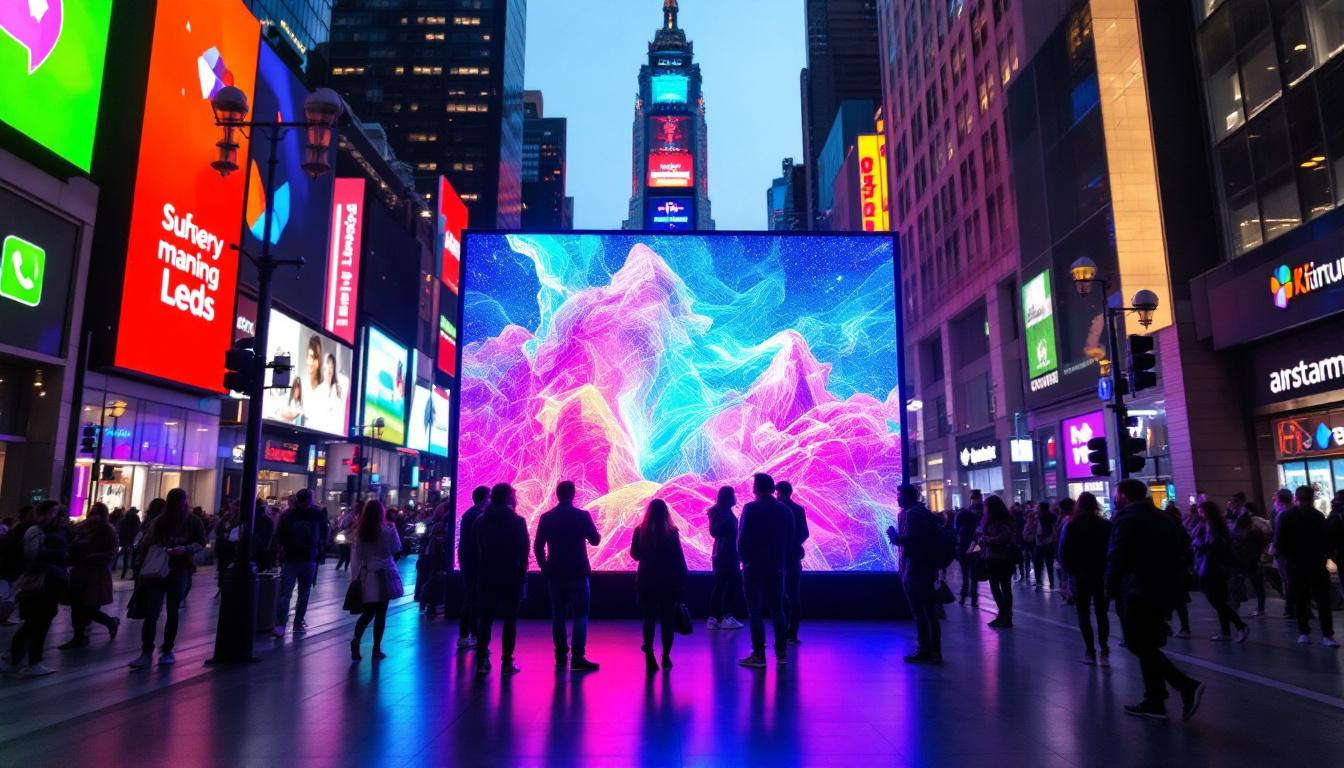
Moreover, the integration of LED technology into architectural designs has transformed urban landscapes. Buildings adorned with LED facades can display animated graphics, art installations, and even informative content, turning cityscapes into vibrant canvases. This trend reflects a growing recognition of the role that visual technology plays in enhancing public spaces, fostering community interaction, and promoting cultural events. As cities continue to embrace smart technology, the potential applications of LED displays will only expand, paving the way for innovative solutions that blend functionality with aesthetic appeal.
The Science Behind Holographic Displays
Holography is a technique that records and reconstructs the light field emitted by an object, creating a three-dimensional image that appears to float in space. Unlike traditional 2D images, holograms provide depth perception and parallax, allowing viewers to see different perspectives as they move around the display.
Creating a hologram involves capturing the interference pattern between a reference light beam and light reflected from the object. When illuminated appropriately, this pattern reconstructs the original light waves, rendering a lifelike 3D image.
Types of Holographic Displays
Holographic displays can be broadly categorized into several types:
- Reflection Holograms: These use reflective materials to display holograms viewable under specific lighting conditions.
- Transmission Holograms: These transmit light through the hologram, requiring a laser or coherent light source behind the display.
- Electroholography: This digital approach uses spatial light modulators (SLMs) to dynamically generate holographic images.
- Volumetric Displays: These create 3D images within a volume of space, often using rotating LED arrays or laser-induced plasma.
Among these, electroholography combined with LED technology is gaining traction for its potential to produce vivid, dynamic holograms without the need for lasers.
Holographic LED Displays: How They Work
Holographic LED displays integrate the principles of LED lighting with holographic projection techniques to create three-dimensional images visible to the naked eye. Unlike conventional LED screens that display flat images, these systems manipulate light to simulate depth and spatial positioning.
One common approach involves using a transparent LED panel combined with a holographic film or optical waveguide. The LED panel emits light that is modulated by the holographic layer to form 3D images that appear to float in front of or within the display surface.
Technical Components and Mechanisms
Key components of holographic LED displays include:
- High-Resolution LED Panels: These provide the light source with precise color control and brightness.
- Holographic Optical Elements (HOEs): These diffract and direct light to create the desired 3D effect.
- Spatial Light Modulators (SLMs): Devices like liquid crystal on silicon (LCoS) modulate the phase and amplitude of light waves digitally.
- Image Processing Units: Advanced algorithms convert 3D models into holographic interference patterns in real-time.
By synchronizing these components, holographic LED displays can render images with realistic depth cues, including shading, occlusion, and parallax.
Applications of Holographic LED Displays
The unique capabilities of holographic LED displays have opened new frontiers across multiple sectors. Their ability to capture attention and convey complex information in an engaging format makes them highly valuable.
Advertising and Retail
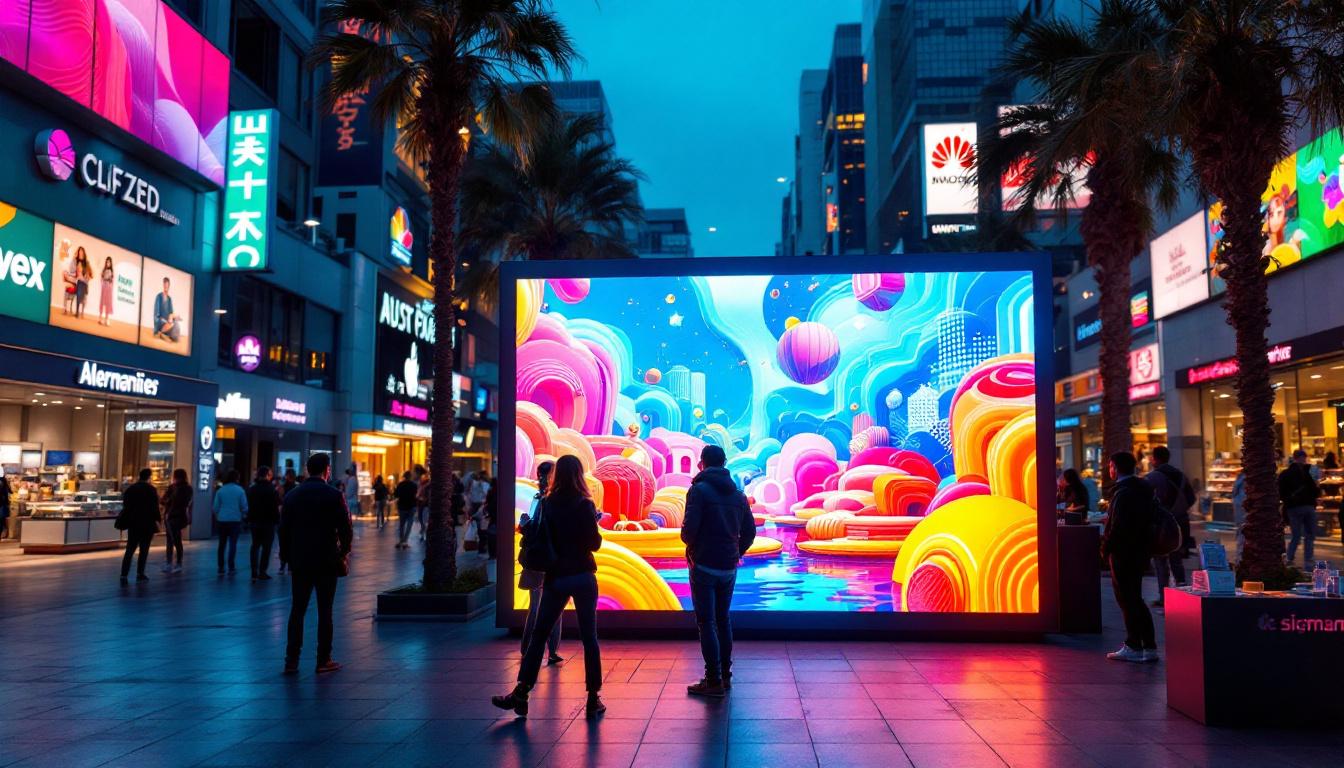
Retailers and advertisers are increasingly adopting holographic LED displays to create eye-catching storefronts and promotional installations. These displays can showcase products in 3D, allowing customers to view items from various angles without physical interaction. This immersive experience enhances brand engagement and can significantly boost sales conversion rates.
Medical and Scientific Visualization
In healthcare, holographic LED displays facilitate detailed visualization of anatomical structures and surgical planning. Surgeons can examine 3D models of organs or tumors, improving precision and outcomes. Similarly, scientific research benefits from holographic displays by enabling interactive exploration of complex data sets, such as molecular structures or astronomical phenomena.
Entertainment and Events
Concerts, exhibitions, and theme parks utilize holographic LED displays to create captivating visual effects. From virtual performers appearing on stage to immersive storytelling environments, these displays enhance audience experiences. Additionally, museums employ holographic displays to bring historical artifacts and narratives to life.
Education and Training
Educational institutions leverage holographic LED technology to provide interactive learning experiences. Students can engage with 3D models in subjects like biology, engineering, and architecture, fostering deeper understanding. Training programs in aviation, military, and industrial sectors use holographic simulations to replicate real-world scenarios safely and effectively.
Advantages of Holographic LED Displays Over Traditional Displays
While traditional LED displays have served well for decades, holographic LED displays offer several compelling advantages that justify their growing adoption.
Enhanced Visual Engagement
The three-dimensional nature of holographic displays captures viewer attention more effectively than flat screens. Depth perception and parallax create a sense of realism that is difficult to achieve with conventional displays, making content more memorable and impactful.
Space Efficiency and Versatility
Holographic LED displays can project images that appear to float in mid-air or within transparent surfaces, reducing the need for bulky screens. This flexibility allows for innovative design integration in retail spaces, public venues, and even wearable technologies.
Interactivity and Real-Time Rendering
Modern holographic LED systems support interactive content, responding to viewer movements or inputs. Real-time rendering capabilities enable dynamic presentations, simulations, and personalized experiences, enhancing user engagement.
Energy Efficiency and Sustainability
By combining efficient LED lighting with advanced optics, holographic displays often consume less power than comparable large-format projection systems. Their long lifespan and reduced material usage contribute to lower environmental impact.
Challenges and Limitations
Despite their promise, holographic LED displays face several technical and practical challenges that currently limit widespread adoption.
High Production Costs
The sophisticated components and manufacturing processes involved in holographic LED displays contribute to elevated costs. This can be a barrier for small businesses or budget-conscious applications.
Viewing Angle and Brightness Constraints
Maintaining consistent image quality across wide viewing angles remains a technical hurdle. Additionally, ambient lighting conditions can affect hologram visibility, necessitating controlled environments or higher brightness levels.
Content Creation Complexity
Developing holographic content requires specialized skills and software to generate accurate 3D models and interference patterns. This complexity can slow content production and increase costs.
Hardware Limitations
Current spatial light modulators and optical elements have limitations in resolution, refresh rate, and color fidelity, impacting the overall image quality of holographic LED displays.
The Future of Holographic LED Displays
Research and development in holographic LED technology are advancing rapidly. Innovations in materials science, computational optics, and artificial intelligence are poised to overcome current limitations and unlock new possibilities.
Emerging Trends
- Metasurfaces and Nanophotonics: These enable ultra-thin, flexible holographic elements with improved light manipulation capabilities.
- AI-Driven Content Generation: Artificial intelligence can automate and optimize holographic content creation, reducing costs and turnaround times.
- Integration with Augmented Reality (AR): Combining holographic LED displays with AR glasses or devices could create seamless mixed-reality experiences.
- Higher Resolution and Refresh Rates: Advances in spatial light modulators will enhance image quality and enable smoother animations.
Market Outlook
According to recent market analyses, the global holographic display market is projected to grow at a compound annual growth rate (CAGR) of over 30% between 2023 and 2030. This growth is driven by increasing demand in advertising, healthcare, entertainment, and education sectors. As technology matures and costs decline, holographic LED displays are expected to become a mainstream medium for visual communication.
Conclusion
Holographic LED displays represent a significant leap forward in display technology, merging the brightness and efficiency of LEDs with the captivating depth of holography. While challenges remain, ongoing innovations are rapidly expanding their capabilities and applications. From immersive advertising campaigns to advanced medical visualizations, holographic LED displays are redefining how audiences interact with digital content, heralding a new era of visual storytelling and information sharing.
Discover the Future of Visual Engagement with LumenMatrix
Ready to elevate your visual storytelling and captivate your audience like never before? Explore LumenMatrix’s comprehensive range of LED display solutions, where innovation meets impact. From the dynamic Indoor LED Wall Display to the robust Outdoor LED Wall Display, and from the versatile Vehicle LED Display to the sleek LED Poster Display, LumenMatrix is at the forefront of creating immersive environments that resonate with viewers. Whether you’re looking to dazzle with an LED Sports Display, engage with a Floor LED Display, or customize your message with a Custom LED Display, LumenMatrix has the technology to bring your vision to life. Embrace the revolution in visual communication with our All-in-One LED Display and LED Transparent Display options. Don’t just share your message—make it unforgettable. Check out LumenMatrix LED Display Solutions today and step into the future of digital engagement.