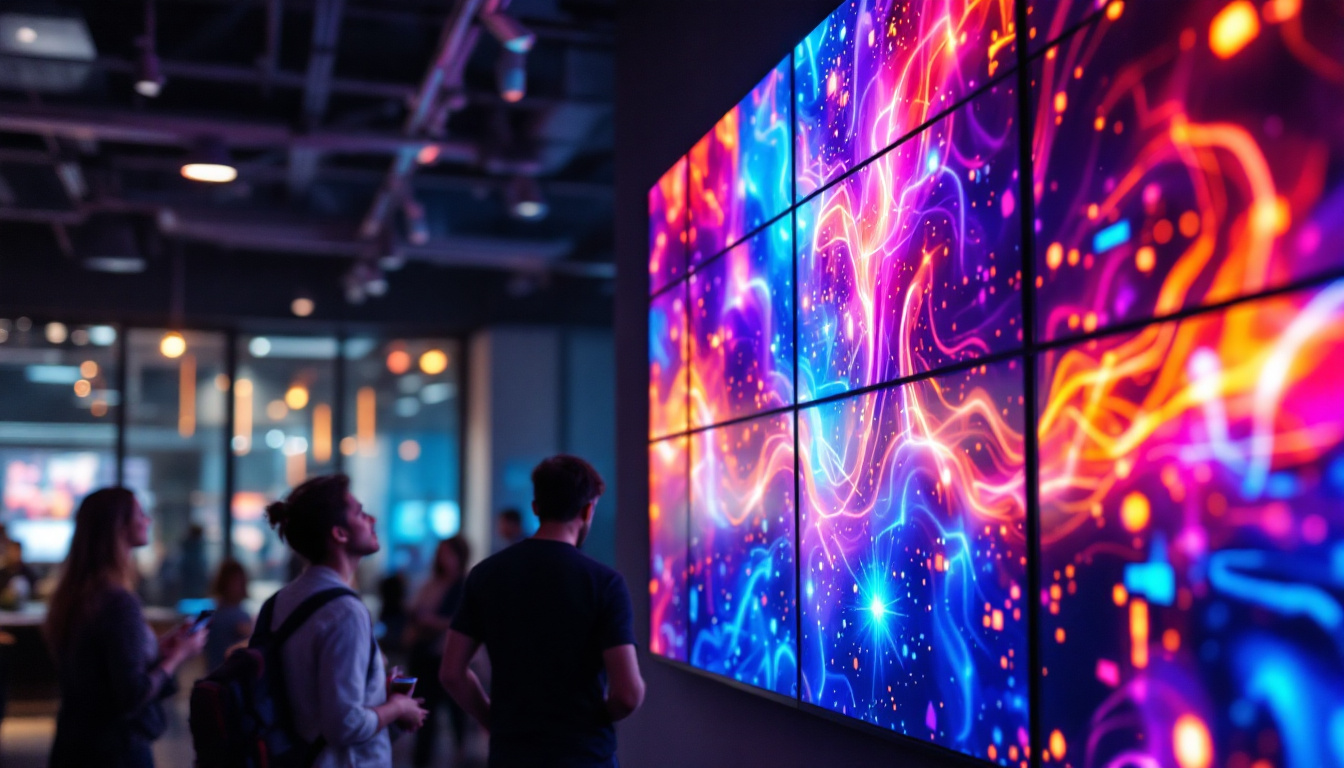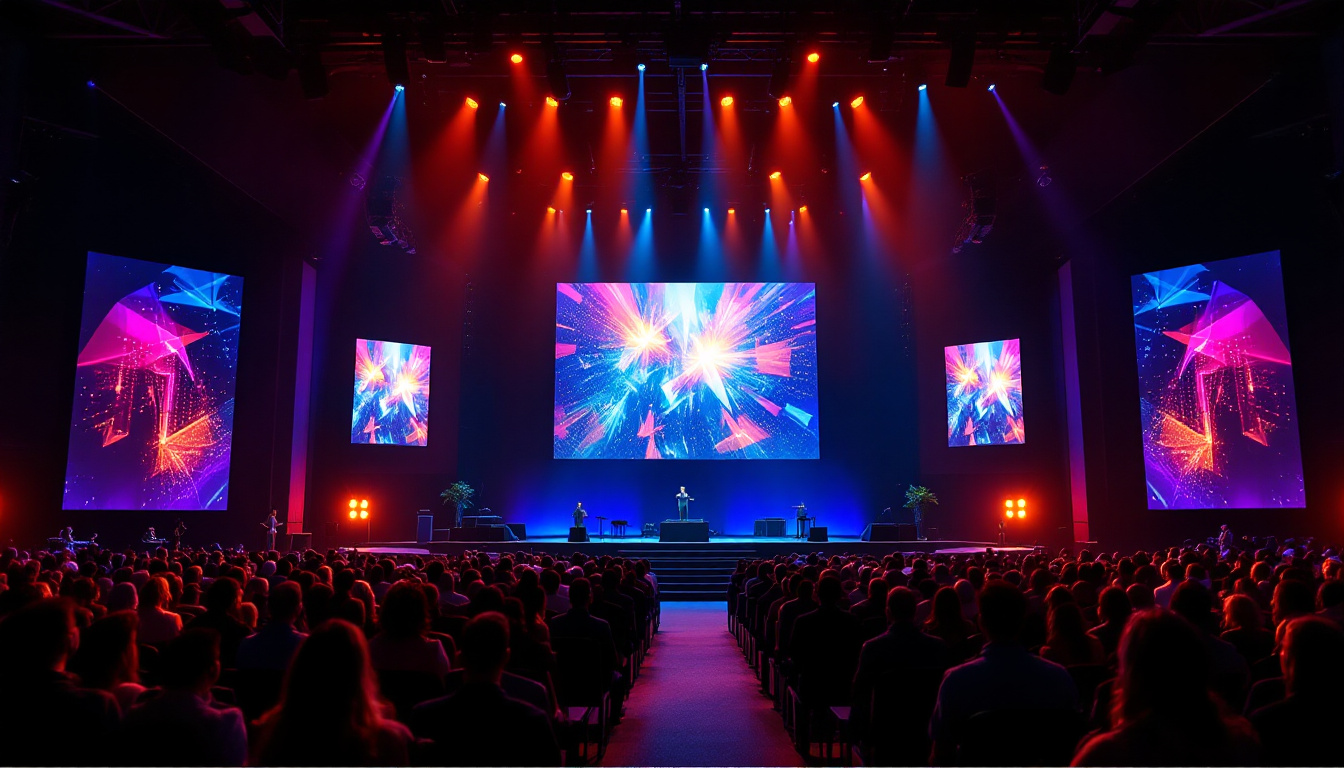
In the rapidly evolving world of display technology, LED displays have become a cornerstone for advertising, entertainment, and information dissemination. Among the latest innovations, the LED crystal film screen stands out as a versatile and visually stunning solution. This article explores the technology behind LED crystal film screens, their advantages, applications, and how they compare to traditional LED displays.
Understanding LED Crystal Film Screen Technology
What Is an LED Crystal Film Screen?
An LED crystal film screen is a type of transparent LED display that integrates ultra-thin LED modules within a flexible, crystal-clear film. Unlike conventional LED screens that are bulky and opaque, these screens maintain transparency, allowing light to pass through while simultaneously displaying vibrant images and videos.
By embedding microscopic LEDs into a transparent substrate, the LED crystal film screen can be applied to glass surfaces such as windows, facades, or even vehicle windshields without obstructing the view. This innovative approach combines the benefits of LED technology with the aesthetics of glass, creating new possibilities for advertising and architectural design. The ability to project dynamic content onto surfaces that were previously static opens up a world of creativity for marketers and designers alike, allowing for eye-catching displays that can change with the time of day or season.
Moreover, the versatility of LED crystal film screens extends beyond traditional advertising. They can be utilized in various settings, from retail environments showcasing promotional videos to museums displaying interactive art installations. The transparent nature of the film allows for a seamless integration into existing structures, making it an attractive option for businesses looking to enhance their visual appeal without compromising the integrity of their space.
How Does It Work?
The core principle behind LED crystal film screens lies in the use of miniaturized LEDs arranged in a grid on a transparent film. Each LED acts as a pixel, illuminating in various colors to form images or videos. The film is designed to be flexible and lightweight, making it easy to install on flat or curved surfaces.
Power and data signals are transmitted through thin, nearly invisible wiring embedded within the film. The transparency is maintained by spacing the LEDs strategically and using materials with high light transmittance. This design ensures that when the screen is off, it appears almost invisible, blending seamlessly with its environment. Additionally, the technology is often equipped with sensors that can adjust brightness based on ambient light conditions, ensuring optimal visibility at all times.
Furthermore, the installation process is remarkably straightforward, often requiring minimal structural modifications. This ease of installation makes LED crystal film screens an appealing choice for temporary events, such as exhibitions or pop-up shops, where flexibility and adaptability are crucial. As the technology continues to evolve, we can expect even more advanced features, such as touch interactivity and integration with augmented reality, further enhancing the user experience and functionality of these innovative displays.
Key Advantages of LED Crystal Film Screens
Transparency and Aesthetic Integration
One of the most compelling advantages of LED crystal film screens is their transparency. This feature allows businesses and designers to integrate digital content without sacrificing natural light or obstructing views. For example, retail stores can display dynamic advertisements on their storefront windows while still allowing passersby to see inside.
Architects also appreciate this technology for its ability to enhance building facades with digital art or information displays without compromising the building’s design or lighting. The screen’s near-invisibility when turned off provides a clean and modern look that traditional LED panels cannot match.
Lightweight and Flexible Installation
Traditional LED screens often require heavy frames and support structures, limiting where they can be installed. In contrast, LED crystal film screens are ultra-lightweight and flexible, enabling installation on curved surfaces, glass walls, and even vehicles. This flexibility opens up new creative avenues for advertising and interactive displays.
The ease of installation also reduces labor costs and time. Since the film can be applied similarly to a window film, it can be retrofitted onto existing surfaces without the need for extensive structural modifications.
Energy Efficiency and Brightness
LED technology is known for its energy efficiency compared to other display types like LCD or plasma. LED crystal film screens continue this trend by using low-power LEDs that provide high brightness levels suitable for both indoor and outdoor environments.
Modern LED crystal films can achieve brightness levels exceeding 1,500 nits, ensuring visibility even in direct sunlight. This makes them ideal for storefronts, transportation hubs, and outdoor advertising where ambient light conditions vary significantly.
Applications of LED Crystal Film Screens
Retail and Advertising
Retail environments benefit greatly from LED crystal film screens. Storefront windows equipped with these transparent displays can show promotional videos, product highlights, or interactive content without blocking the view inside the store. This dual functionality attracts customers and enhances brand engagement.
Moreover, LED crystal film screens can be programmed dynamically, allowing retailers to update content in real-time based on promotions, seasons, or customer demographics. This flexibility offers a significant advantage over static posters or traditional signage.
Architectural and Interior Design
Architects and interior designers use LED crystal film screens to create immersive environments. For instance, office buildings can incorporate digital art on glass walls or partitions, transforming ordinary spaces into dynamic visual experiences. Hotels and restaurants also use these screens to display ambiance-enhancing visuals or event information.
The transparency of the film ensures that natural light is preserved, maintaining a welcoming atmosphere while adding a modern technological touch. This balance between functionality and aesthetics is a key reason for the growing popularity of LED crystal film screens in design projects.
Transportation and Public Spaces
In transportation hubs such as airports, train stations, and bus terminals, LED crystal film screens serve as informative displays without obstructing architectural features or natural light. They can be installed on glass partitions or windows to provide real-time schedules, wayfinding information, or advertising.
Public spaces like museums and exhibition centers also utilize these screens for interactive exhibits and digital signage. The ability to blend digital content with transparent surfaces offers a futuristic and engaging visitor experience.
Comparing LED Crystal Film Screens to Traditional LED Displays
Transparency and Visual Impact
Traditional LED displays are typically opaque and require dedicated mounting structures, which can be visually intrusive. LED crystal film screens, by contrast, provide a transparent display that integrates smoothly with glass surfaces. This transparency allows for a more subtle and elegant visual impact, especially in environments where preserving natural light and views is important.
Installation and Maintenance
Installing traditional LED screens often involves heavy equipment and structural reinforcements. Maintenance can be cumbersome due to the size and weight of the panels. LED crystal film screens are easier to install and maintain due to their lightweight and flexible nature. They can be applied similarly to window films and replaced or repaired in sections without dismantling large structures.
Cost Considerations
While LED crystal film screens offer many advantages, they tend to be more expensive per square meter than traditional LED panels, primarily due to the advanced materials and manufacturing processes involved. However, the savings in installation, structural modifications, and energy consumption can offset the initial investment over time.
For projects where aesthetics, transparency, and flexibility are priorities, the higher upfront cost may be justified by the enhanced visual appeal and functional benefits.
Future Trends and Innovations in LED Crystal Film Screens
Advancements in Miniaturization and Resolution
As LED technology continues to advance, the miniaturization of LEDs allows for higher pixel densities on crystal film screens. This results in sharper images and more detailed content, making the displays suitable for a wider range of applications, including high-resolution video and interactive content.
Emerging technologies such as micro-LEDs promise even greater brightness, energy efficiency, and lifespan, which will further enhance the performance of LED crystal film screens.
Integration with Smart Building Systems
The integration of LED crystal film screens with smart building technologies is an exciting development. These screens can be connected to building management systems to display real-time data such as energy usage, air quality, or occupancy levels. This not only improves information accessibility but also contributes to sustainability goals.
Interactive capabilities, enabled through touch or gesture recognition, are also being explored, allowing users to engage directly with the displayed content for a more personalized experience.
Environmental Impact and Sustainability
Manufacturers are increasingly focusing on the environmental impact of LED crystal film screens. The use of recyclable materials, energy-efficient LEDs, and low-power operation aligns with global sustainability initiatives. Additionally, the ability to retrofit existing glass surfaces reduces waste and the need for new construction materials.
As awareness of environmental responsibility grows, the demand for sustainable digital display solutions like LED crystal film screens is expected to rise.
Conclusion
LED crystal film screens represent a significant leap forward in display technology, combining transparency, flexibility, and high visual impact. Their unique ability to integrate seamlessly with glass surfaces makes them ideal for a variety of applications, from retail advertising and architectural design to public information systems.
While they come with a higher initial cost compared to traditional LED displays, the benefits in aesthetics, installation ease, and energy efficiency make them a compelling choice for forward-thinking businesses and designers. As technological advancements continue, LED crystal film screens are poised to become an integral part of the digital display landscape, offering innovative ways to communicate and captivate audiences.
Discover the Future of LED Displays with LumenMatrix
Ready to elevate your space with the cutting-edge transparency and dynamic capabilities of LED crystal film screens? LumenMatrix is at the forefront of this transformative technology, offering a wide array of LED display solutions that promise to revolutionize your visual communication. From captivating Indoor and Outdoor LED Wall Displays to innovative Vehicle and Floor LED Displays, our products are designed to make your brand stand out. Embrace the future of digital signage with LumenMatrix and create experiences that resonate with your audience. Check out LumenMatrix LED Display Solutions today and see the difference for yourself.