In today’s fast-paced world of sports and events, the importance of clear, dynamic, and reliable scoreboards cannot be overstated. LED display scoreboards have revolutionized the way scores, statistics, and other vital information are presented to audiences both in stadiums and arenas. This article delves deep into the technology behind LED display scoreboards, exploring their components, advantages, applications, and future trends. Whether you are a sports facility manager, event organizer, or technology enthusiast, understanding LED display scoreboards will help you appreciate why they have become the standard in modern scorekeeping.
What Is an LED Display Scoreboard?
An LED display scoreboard is an electronic scoreboard that uses light-emitting diodes (LEDs) to visually display scores, time, player statistics, and other relevant information during sports events or competitions. Unlike traditional scoreboards that relied on mechanical or incandescent bulbs, LED scoreboards utilize thousands of tiny LEDs arranged in a matrix to form numbers, letters, and graphics.
The core advantage of LED technology lies in its brightness, energy efficiency, and versatility. LED scoreboards can be seen clearly from great distances and under various lighting conditions, including direct sunlight. This makes them ideal for both indoor arenas and outdoor stadiums. Additionally, the durability of LED technology means that these scoreboards can withstand the rigors of outdoor environments, such as rain and extreme temperatures, making them a long-lasting investment for sports facilities.
Furthermore, LED scoreboards can be customized to fit the specific needs of different sports. For instance, a basketball scoreboard might include a shot clock and fouls, while a football scoreboard would display down and distance. This adaptability ensures that fans receive the most relevant information in real-time, enhancing their overall experience at the event.
How LED Displays Work
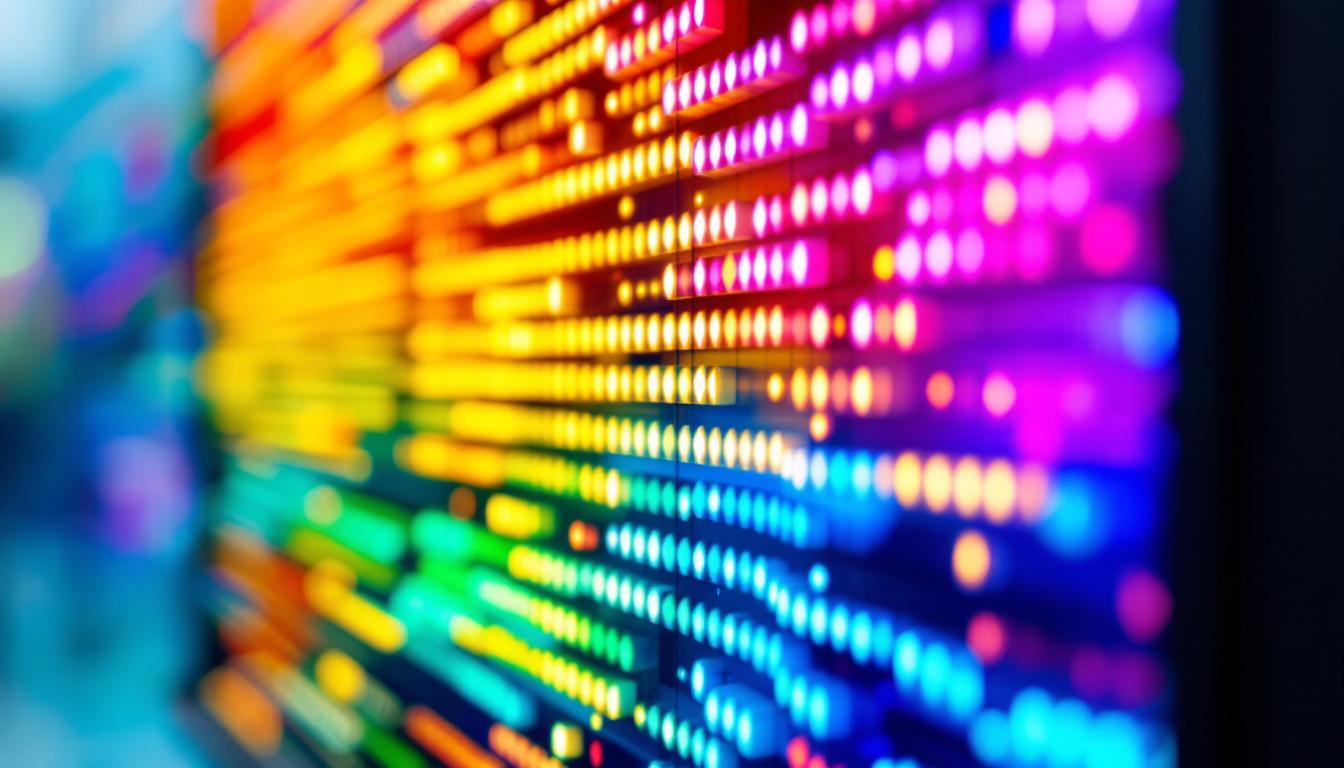
LEDs are semiconductor devices that emit light when an electric current passes through them. In a scoreboard, multiple LEDs are grouped into pixels, which collectively form the display screen. The intensity and color of each pixel can be controlled to create dynamic images and text.
Modern LED scoreboards often use full-color RGB (Red, Green, Blue) LEDs, enabling them to display a wide range of colors and even animations. This capability allows scoreboards not only to show scores and times but also to broadcast advertisements, player profiles, and instant replays. The integration of advanced software allows operators to easily manage the content displayed, providing real-time updates and interactive elements that engage the audience. For example, during a timeout, the scoreboard can switch to highlight player statistics or showcase fan interactions, creating a more immersive atmosphere.
Moreover, many LED scoreboards are equipped with connectivity options that allow for integration with other technologies, such as mobile apps and social media platforms. This feature enables fans to receive live updates on their devices, further enhancing the spectator experience. The ability to sync with various data sources means that scoreboards can also display live statistics and analytics, giving audiences deeper insights into the game as it unfolds. This technological synergy not only enriches the viewing experience but also opens up new avenues for marketing and sponsorship opportunities, making LED scoreboards a valuable asset for sports organizations.
Key Components of LED Display Scoreboards
Understanding the components of an LED display scoreboard provides insight into how these systems achieve their impressive performance. The major parts include the LED modules, control system, power supply, and enclosure.
LED Modules
LED modules are the fundamental building blocks of the display. Each module contains a grid of LEDs arranged in rows and columns. The resolution of the scoreboard depends on the pixel pitch — the distance between the centers of two adjacent LEDs. A smaller pixel pitch means higher resolution and finer image quality.
For example, a scoreboard with a 10mm pixel pitch will have LEDs spaced 10 millimeters apart, suitable for viewing distances of 30 meters or more. For closer viewing, such as in indoor arenas, pixel pitches can be as low as 3mm for crisp visuals.
Control System
The control system is the brain of the scoreboard. It receives input data — such as scores, timer updates, and graphics — from operators or automated sources and translates them into signals that control the LED modules. Modern control systems often feature user-friendly software interfaces, enabling real-time updates and customization.
Many control systems support wireless connectivity, allowing operators to update the scoreboard remotely via tablets or smartphones. Integration with game management systems and data feeds is also common, ensuring seamless synchronization of information.
Power Supply
LED scoreboards require a stable and efficient power supply to maintain consistent brightness and performance. Power supplies convert alternating current (AC) from the mains into the direct current (DC) needed by the LEDs. High-quality power supplies also incorporate surge protection and voltage regulation to safeguard the display components.
Enclosure and Mounting
The enclosure protects the delicate LED modules and electronics from environmental factors such as rain, dust, and extreme temperatures. Outdoor LED scoreboards are typically housed in weatherproof, ruggedized enclosures made from aluminum or steel.
Mounting options vary depending on the venue and application. Scoreboards can be wall-mounted, hung from trusses, or installed on dedicated structures. Proper mounting ensures optimal viewing angles and stability.
Advantages of LED Display Scoreboards Over Traditional Scoreboards
LED display scoreboards have become the preferred choice for sports venues worldwide due to their numerous advantages over older technologies such as incandescent bulb scoreboards or manual flip boards.
Superior Visibility and Brightness
One of the most significant benefits of LED scoreboards is their exceptional brightness. LEDs can produce intense light that remains visible even in direct sunlight, which is crucial for outdoor sports arenas. Traditional incandescent bulbs often struggle with visibility in bright conditions, limiting their effectiveness.
Energy Efficiency and Longevity
LEDs consume significantly less power compared to incandescent or neon bulbs. This efficiency translates to lower operating costs and reduced environmental impact. Additionally, LEDs have longer lifespans, often exceeding 50,000 hours, minimizing maintenance and replacement expenses.
Dynamic Content and Flexibility
Unlike static or mechanical scoreboards, LED displays can show a wide variety of content beyond just scores. They can display animations, advertisements, player stats, countdown timers, and even live video feeds. This flexibility enhances the spectator experience and opens new revenue streams through advertising.
Durability and Weather Resistance
LED scoreboards are designed to withstand harsh environmental conditions, including rain, wind, and temperature fluctuations. Their solid-state nature makes them less prone to damage from vibration or impact compared to mechanical systems.
Applications of LED Display Scoreboards
LED display scoreboards are used across various sports and event types, adapting to the unique requirements of each setting.
Sports Venues
From professional football stadiums to community basketball courts, LED scoreboards are integral to modern sports facilities. They provide real-time updates on scores, fouls, time remaining, and player statistics, enhancing both the players’ and fans’ experience.
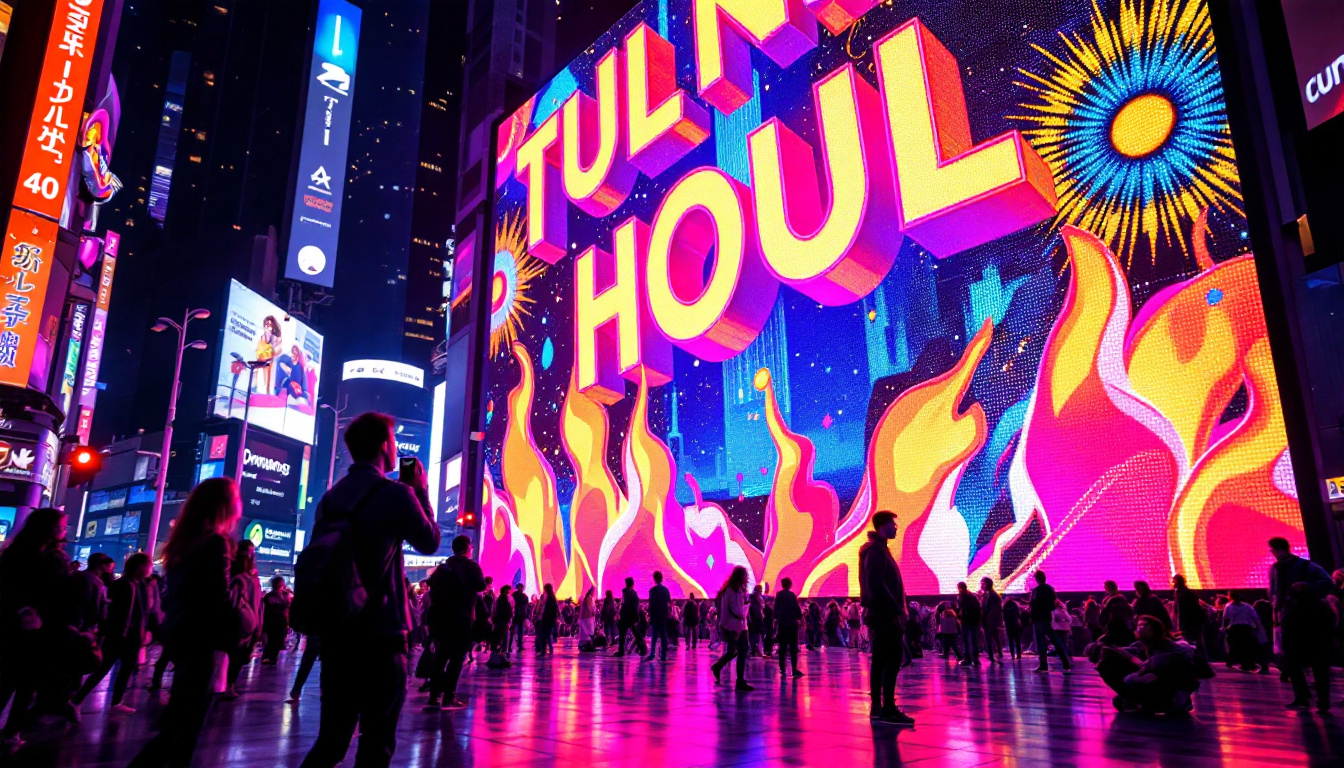
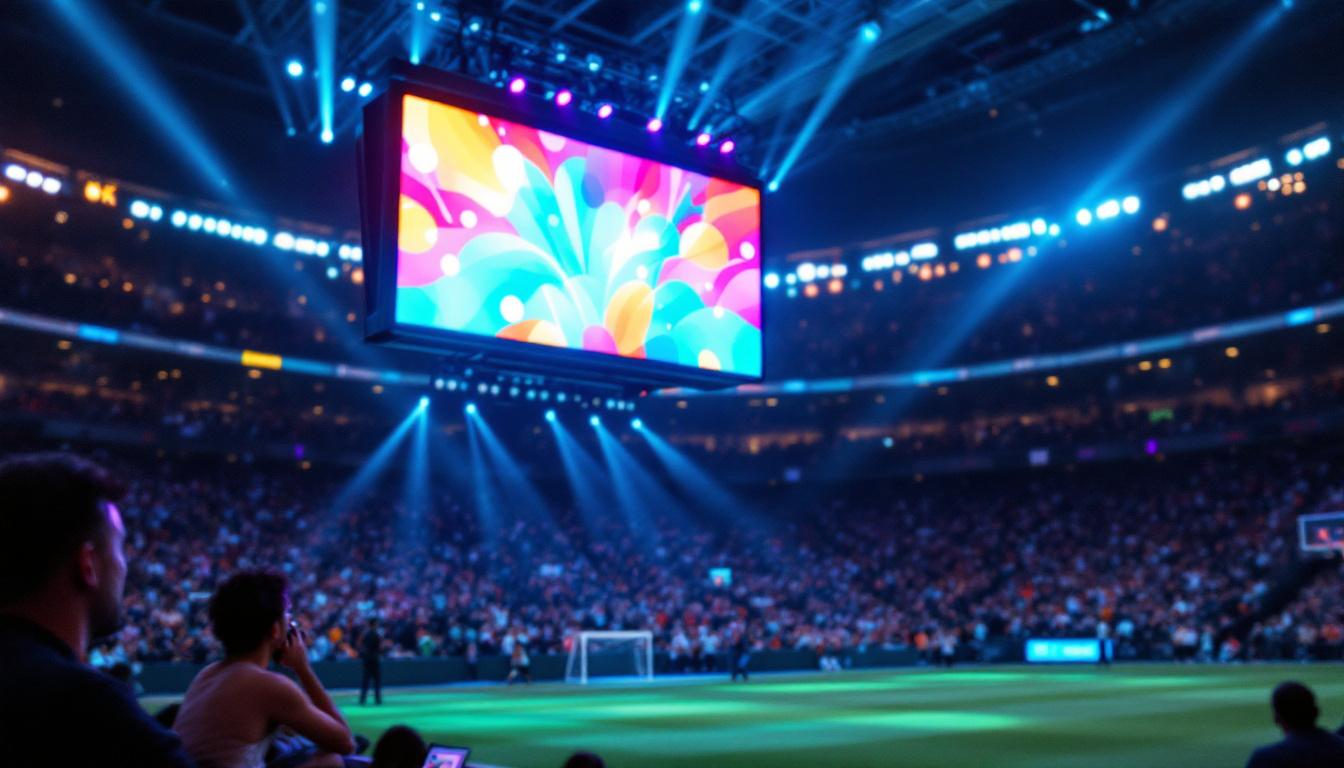
Major leagues such as the NFL, NBA, and FIFA have widely adopted LED scoreboards, often incorporating massive LED video walls that combine scoreboard functions with entertainment displays.
Multi-Purpose Arenas and Event Centers
In venues hosting concerts, conferences, and exhibitions, LED scoreboards serve as versatile information hubs. They can be programmed to display event schedules, sponsor messages, or interactive content, making them valuable beyond sports.
Educational Institutions
Schools and universities use LED scoreboards in gymnasiums and outdoor fields to support athletic programs and community events. The affordability and ease of use of modern LED systems make them accessible to institutions of all sizes.
Choosing the Right LED Display Scoreboard
Selecting an LED scoreboard involves considering several factors to ensure it meets the specific needs of the venue and audience.
Resolution and Pixel Pitch
The resolution determines the clarity of the displayed content. For large outdoor stadiums where viewers are far from the screen, a larger pixel pitch (e.g., 10-20mm) is sufficient. For indoor venues or closer viewing distances, smaller pixel pitches (3-6mm) provide sharper images.
Size and Viewing Distance
The physical size of the scoreboard should correspond to the typical viewing distance of the audience. A scoreboard that is too small may be difficult to read, while an excessively large one can be unnecessarily costly and challenging to install.
Brightness and Contrast Ratio
Brightness is measured in nits (candelas per square meter). For outdoor use, brightness levels of 5,000 nits or higher are recommended to ensure visibility in daylight. Contrast ratio affects how well the display can distinguish between colors and shades, impacting readability.
Control and Integration Features
Modern scoreboards offer software that allows easy updates and integration with other systems such as game clocks, timers, and statistics databases. Wireless control and remote access capabilities add convenience for operators.
Budget and Maintenance
While LED scoreboards have higher upfront costs than traditional systems, their lower maintenance and operational expenses often justify the investment. It is important to factor in warranty terms, service agreements, and potential upgrade paths when making a purchase decision.
Future Trends in LED Display Scoreboards
The evolution of LED technology continues to enhance the capabilities and applications of scoreboards.
Higher Resolution and Mini-LED Technology
Advancements in mini-LED and micro-LED technologies allow for even smaller pixel pitches and higher resolutions. This means scoreboards will soon offer near-retina quality visuals, making text and graphics incredibly sharp even at close range.
Interactive and Smart Scoreboards
Integration with artificial intelligence (AI) and augmented reality (AR) is on the horizon. Future scoreboards may provide interactive features, such as personalized stats for fans, real-time analytics, and immersive AR experiences that overlay digital content onto the physical environment.
Energy Harvesting and Sustainability
With growing emphasis on sustainability, LED scoreboards are being designed to incorporate energy-harvesting technologies like solar panels. This reduces reliance on grid power and aligns with green building initiatives.
Conclusion
LED display scoreboards have transformed the way information is communicated in sports and event environments. Their superior brightness, energy efficiency, flexibility, and durability make them indispensable tools for modern venues. By understanding the technology, components, and factors involved in selecting and operating LED scoreboards, stakeholders can make informed decisions that enhance the spectator experience and operational efficiency.
As LED technology continues to advance, the future promises even more innovative and interactive scoreboard solutions that will further enrich live events and sports entertainment worldwide.
Discover the Future of LED Scoreboards with LumenMatrix
Ready to elevate your venue’s spectator experience with the latest in LED display technology? Look no further than LumenMatrix, a pioneer in crafting visually stunning and technologically advanced LED display solutions. From vibrant Indoor LED Wall Displays to robust Outdoor LED Wall Displays, and from dynamic LED Sports Displays to innovative Custom LED Displays, LumenMatrix offers a range of products designed to captivate your audience and amplify your message. Embrace the future of visual communication and check out LumenMatrix LED Display Solutions today to see how we can transform your space into a hub of engagement and excitement.