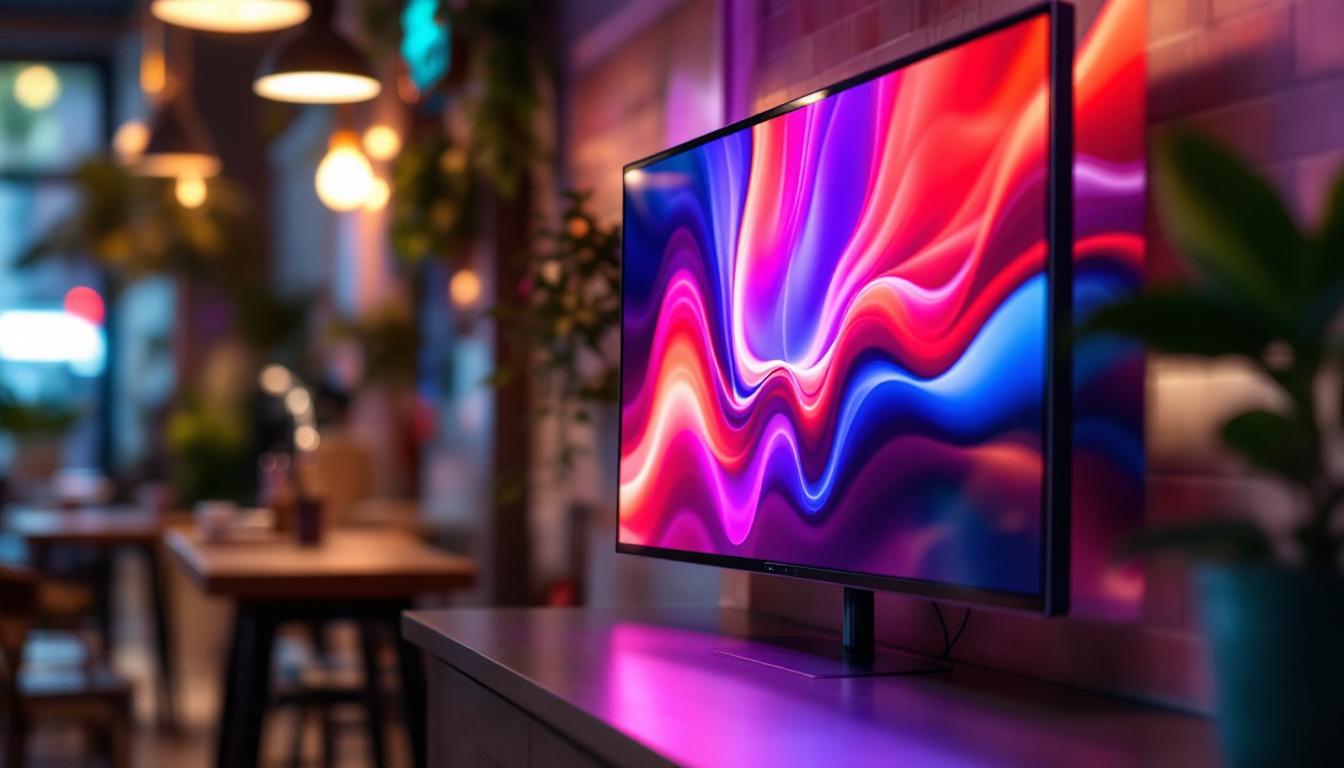
In today’s fast-evolving digital landscape, display technology plays a pivotal role in how information is presented and consumed. Among the many display options available, LED displays have emerged as a dominant force, prized for their brightness, energy efficiency, and versatility. This article delves into the world of thin screen LED displays, exploring their technology, applications, advantages, and future trends. Whether you are a tech enthusiast, a business owner considering digital signage, or simply curious about how these vibrant screens work, this comprehensive guide will illuminate the subject.
Understanding LED Display Technology
What Is an LED Display?
LED stands for Light Emitting Diode, a semiconductor device that emits light when an electric current passes through it. An LED display is a flat panel display that uses an array of these tiny diodes to create images, videos, and text. Unlike traditional LCD screens that rely on backlighting, LED displays produce their own light, which results in higher brightness and contrast levels.
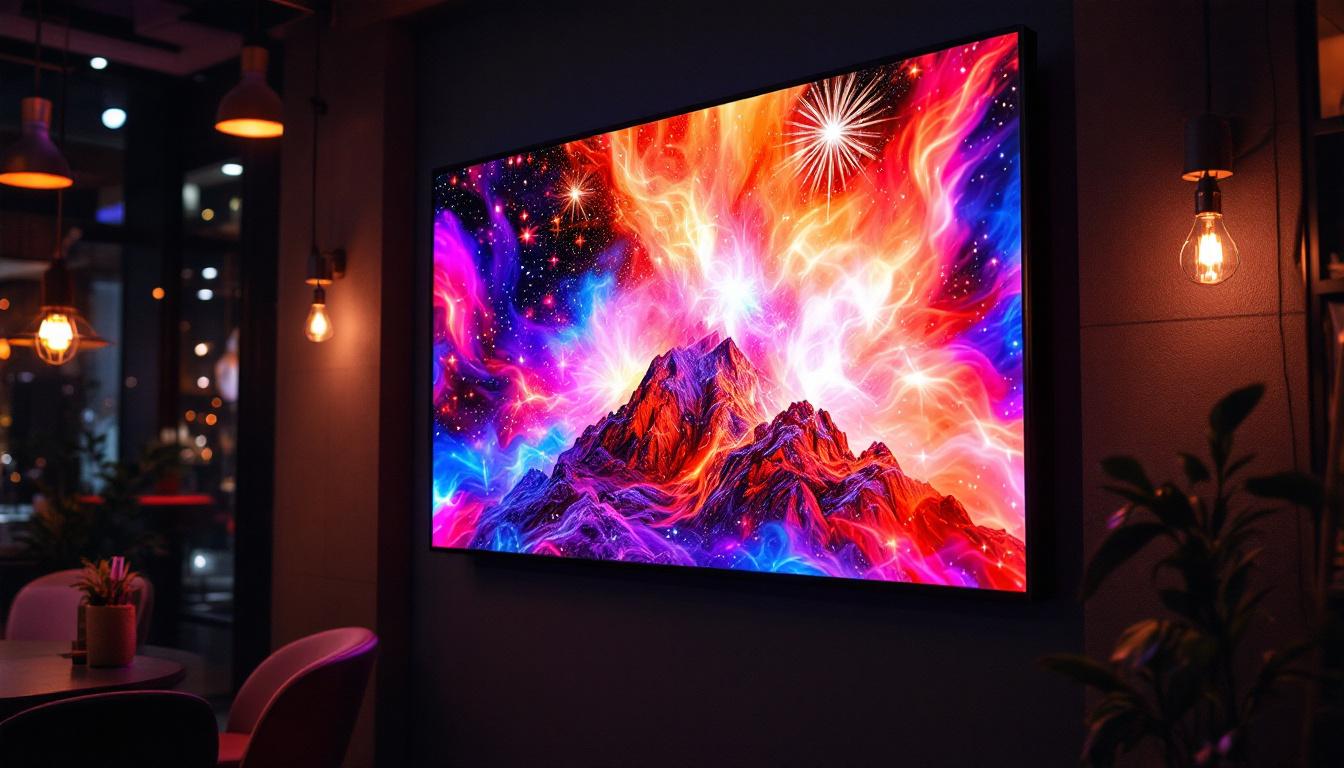
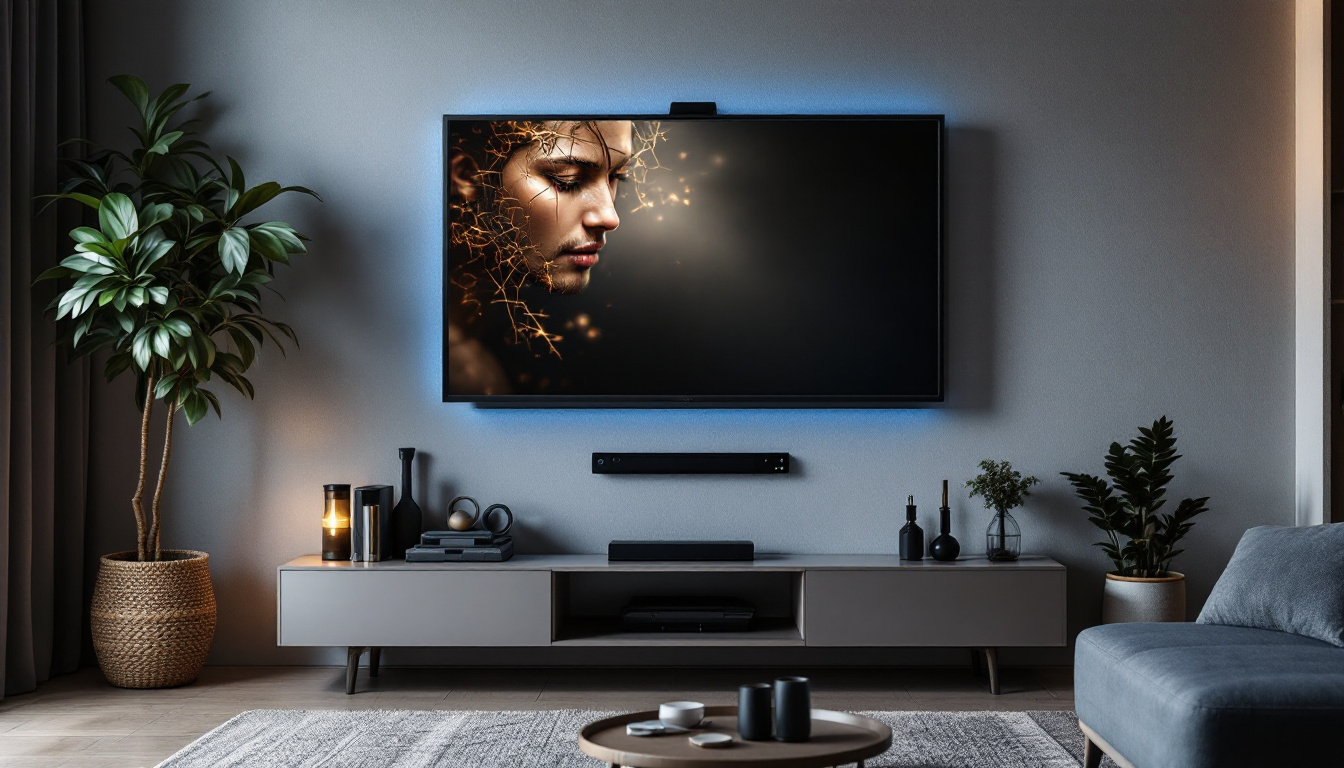
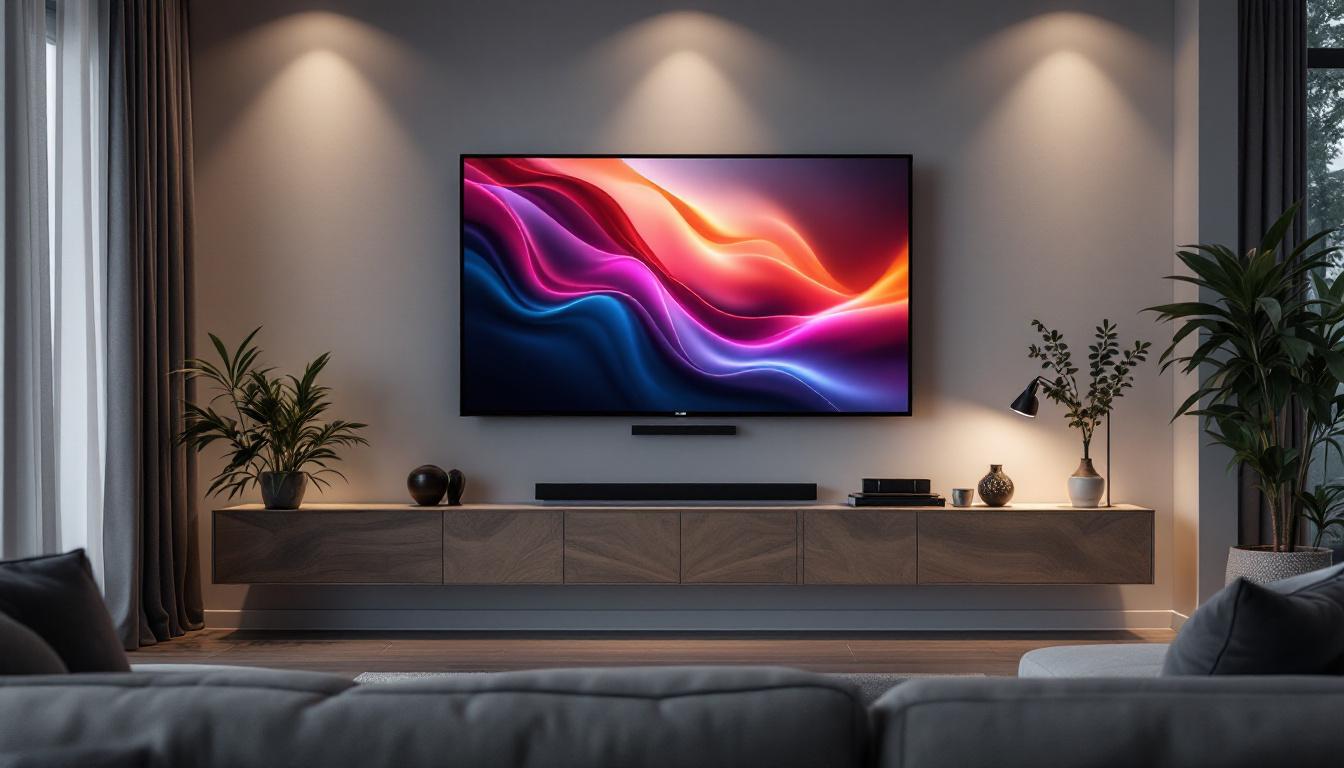
Thin screen LED displays are designed to be ultra-slim, often just a few millimeters thick, making them ideal for modern architectural and consumer applications. The thinness is achieved by using advanced manufacturing techniques and materials that reduce the bulk of traditional LED modules. This sleek design not only enhances aesthetic appeal but also allows for versatile installation options, such as wall mounting or integration into furniture, making them a popular choice in both residential and commercial settings.
How Do Thin Screen LED Displays Work?
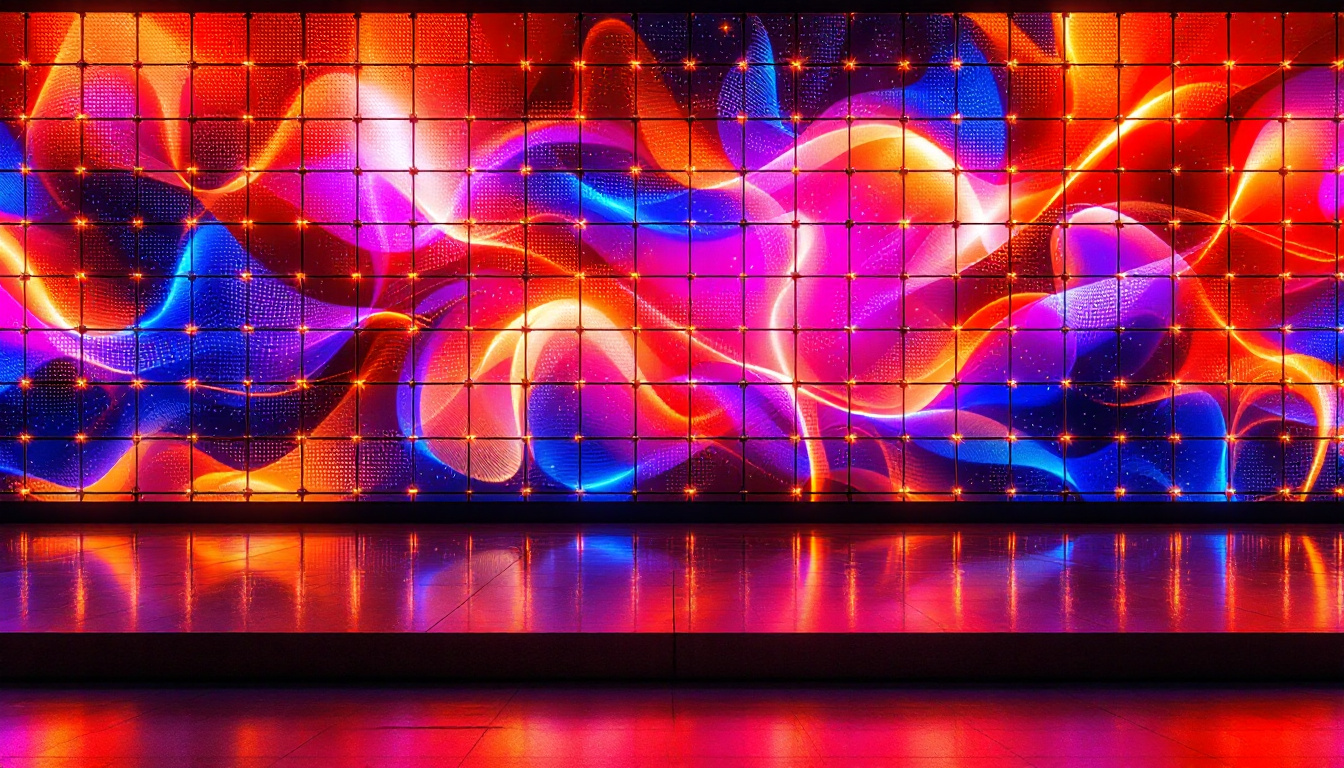
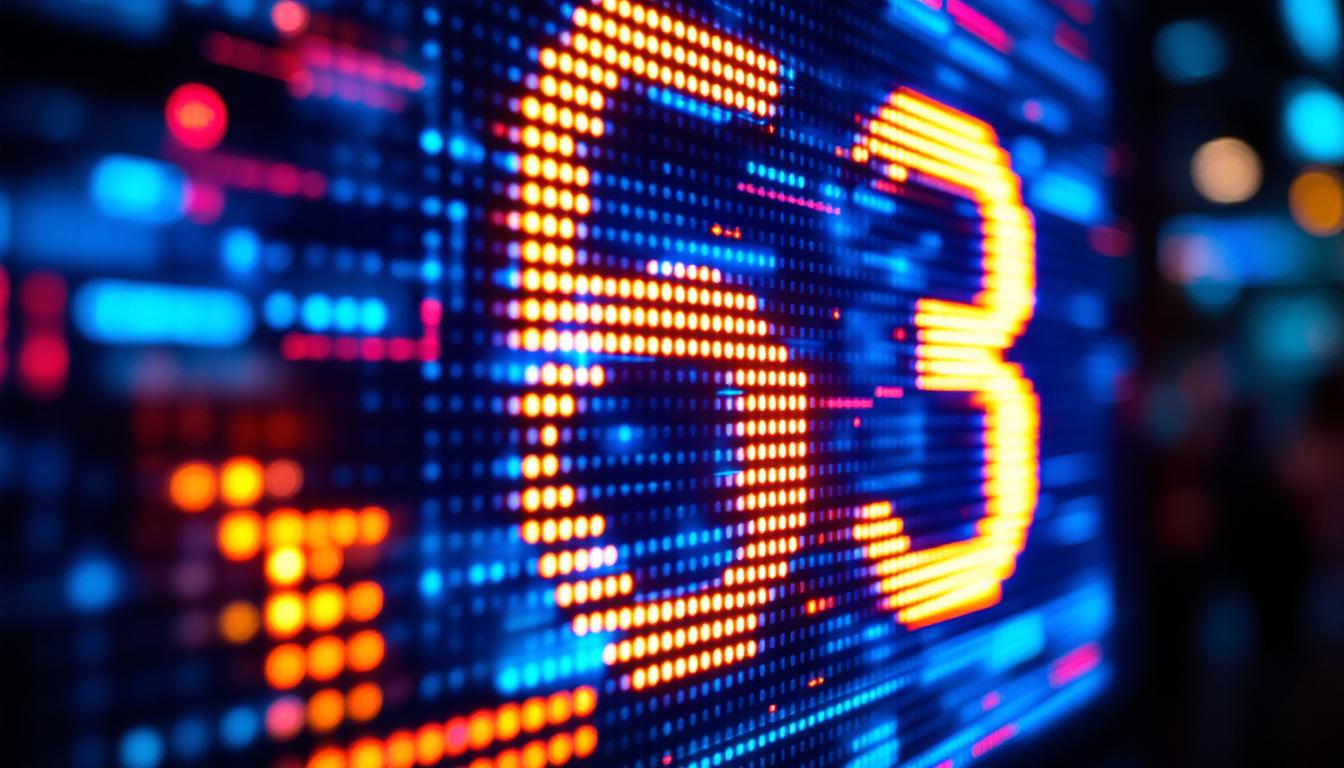
At the core, thin screen LED displays consist of millions of microscopic LEDs arranged in a grid. Each LED can be individually controlled to emit different colors and intensities, combining to form the desired image. The primary colors—red, green, and blue—are mixed in varying intensities to create a full spectrum of colors, a process known as RGB color mixing.
The thin screen design incorporates flexible circuit boards and compact LED chips, allowing the display to maintain excellent image quality while minimizing thickness. Additionally, advanced driver ICs (integrated circuits) manage the electrical signals that control each LED’s brightness and color, ensuring smooth and accurate image reproduction. This precision is critical for applications such as digital signage, where clarity and vibrancy are essential for capturing viewer attention and conveying messages effectively.
Types of LED Displays
LED displays come in several varieties, each suited to specific use cases:
- Direct View LED (DVLED): These displays use LEDs directly as pixels, offering exceptional brightness and color accuracy. They are commonly used in large outdoor billboards and stadium screens.
- Mini-LED: Featuring thousands of tiny LEDs as backlighting for LCD panels, mini-LEDs enhance contrast and brightness while allowing thinner screens. This technology is particularly beneficial for high-end televisions, providing deeper blacks and more vibrant colors.
- Micro-LED: An emerging technology with even smaller LEDs than mini-LEDs, micro-LEDs promise superior image quality and energy efficiency, often considered the future of display technology. Micro-LEDs can be modular, allowing for customizable screen sizes and shapes, which opens up exciting possibilities for creative installations.
In addition to these types, LED displays are also categorized based on their application. For instance, indoor LED displays are optimized for viewing at close distances, making them ideal for retail environments and corporate settings, while outdoor displays are engineered to withstand harsh weather conditions and provide visibility in bright sunlight. Furthermore, advancements in LED technology have led to the development of transparent and flexible displays, which are paving the way for innovative applications in advertising and design, allowing for immersive experiences that blend seamlessly with their surroundings.
Advantages of Thin Screen LED Displays
Superior Brightness and Contrast
One of the most significant benefits of LED displays is their ability to deliver high brightness levels, often exceeding 1,000 nits, which makes them easily visible even in direct sunlight. This feature is particularly important for outdoor digital signage and public information displays.
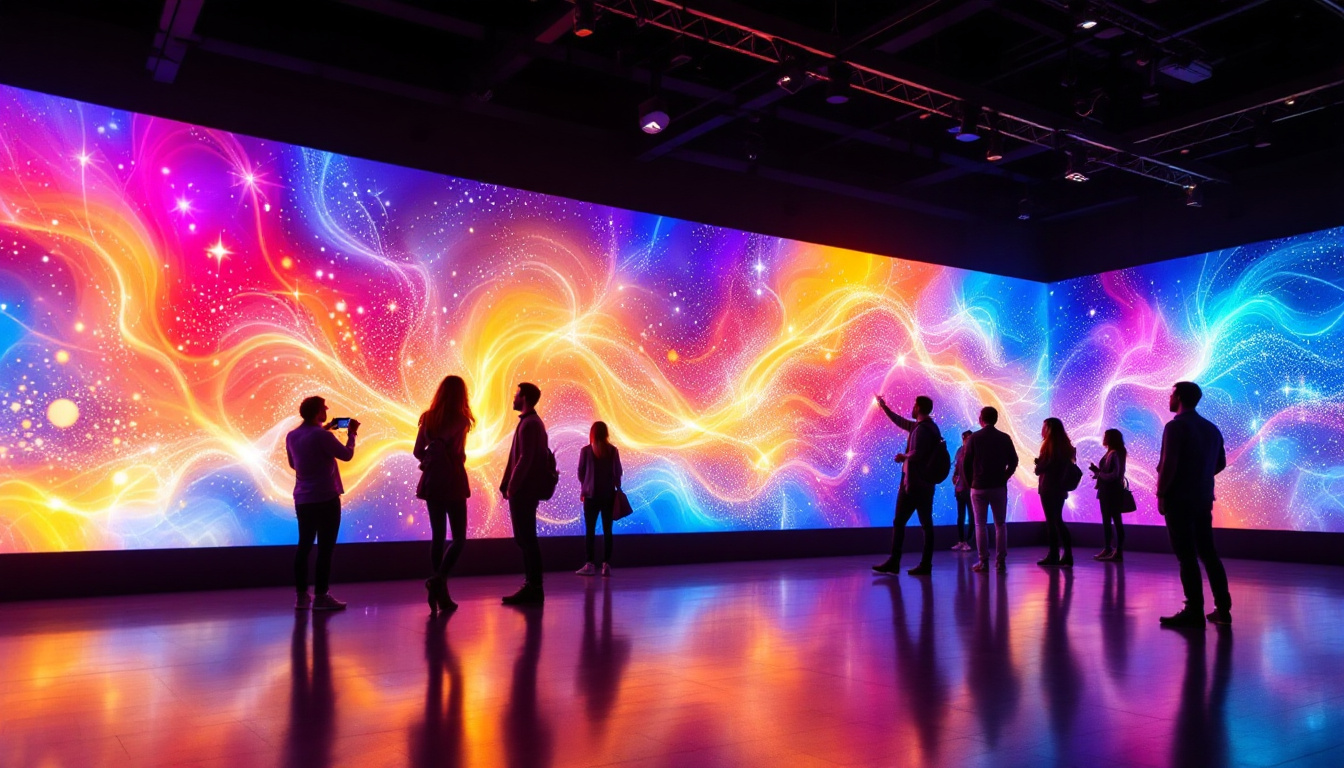
Moreover, because LEDs emit light directly, they achieve true blacks by turning off individual diodes, resulting in outstanding contrast ratios. This capability enhances image depth and realism, making LED displays ideal for high-end retail, entertainment, and broadcast environments. The vibrant colors and sharp details provided by these displays can captivate audiences, drawing them in and enhancing their overall experience. This is especially crucial in environments like museums or art galleries, where the visual presentation can significantly impact the viewer’s engagement with the content.
Energy Efficiency and Longevity
Compared to traditional display technologies like LCDs with CCFL backlighting, LED displays consume significantly less power. This efficiency translates into lower operational costs and reduced environmental impact, which is increasingly important for businesses aiming to meet sustainability goals.
Additionally, LEDs have a longer lifespan, often rated between 50,000 to 100,000 hours of operation. This durability reduces maintenance requirements and replacement costs, making LED displays a cost-effective solution over time. The reduced need for frequent replacements not only saves money but also minimizes waste, aligning with the growing trend towards eco-friendly practices in various industries. Furthermore, many LED displays are designed with recyclable materials, further enhancing their appeal to environmentally conscious consumers and businesses alike.
Thin and Lightweight Design
The ultra-thin profile of modern LED displays allows for sleek, minimalist installations that blend seamlessly into contemporary architecture. Their lightweight nature also simplifies transportation and installation, reducing labor costs and enabling creative display configurations such as curved or flexible screens.
This design flexibility opens up a world of possibilities for innovative advertising and artistic installations. For instance, venues can utilize LED displays to create immersive environments that transform spaces with dynamic visuals, enhancing the overall atmosphere. Additionally, the ability to mount these displays in unconventional orientations or integrate them into furniture and fixtures allows businesses to maximize their advertising potential without compromising on aesthetics. As a result, thin screen LED displays are not just functional; they also serve as a canvas for creativity and brand storytelling, making them a popular choice in modern marketing strategies.
Applications of Thin Screen LED Displays
Retail and Advertising
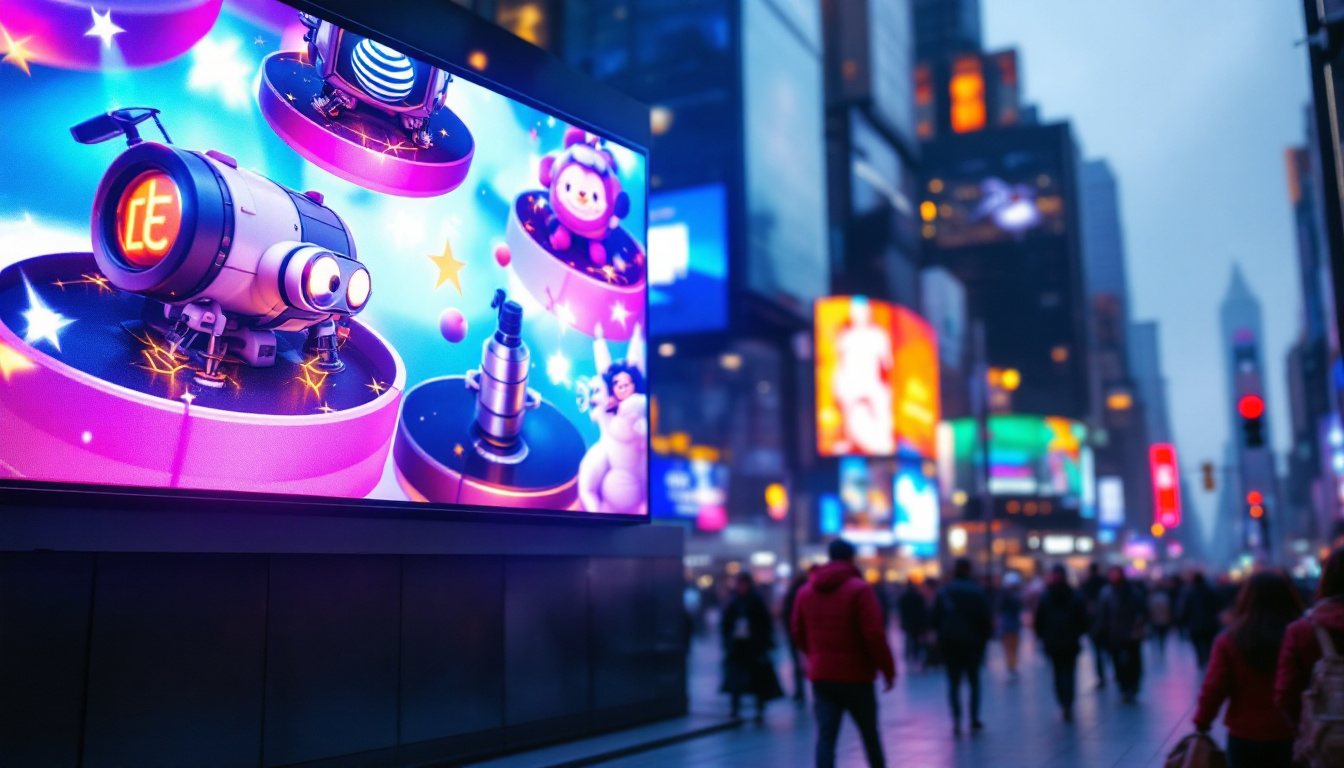
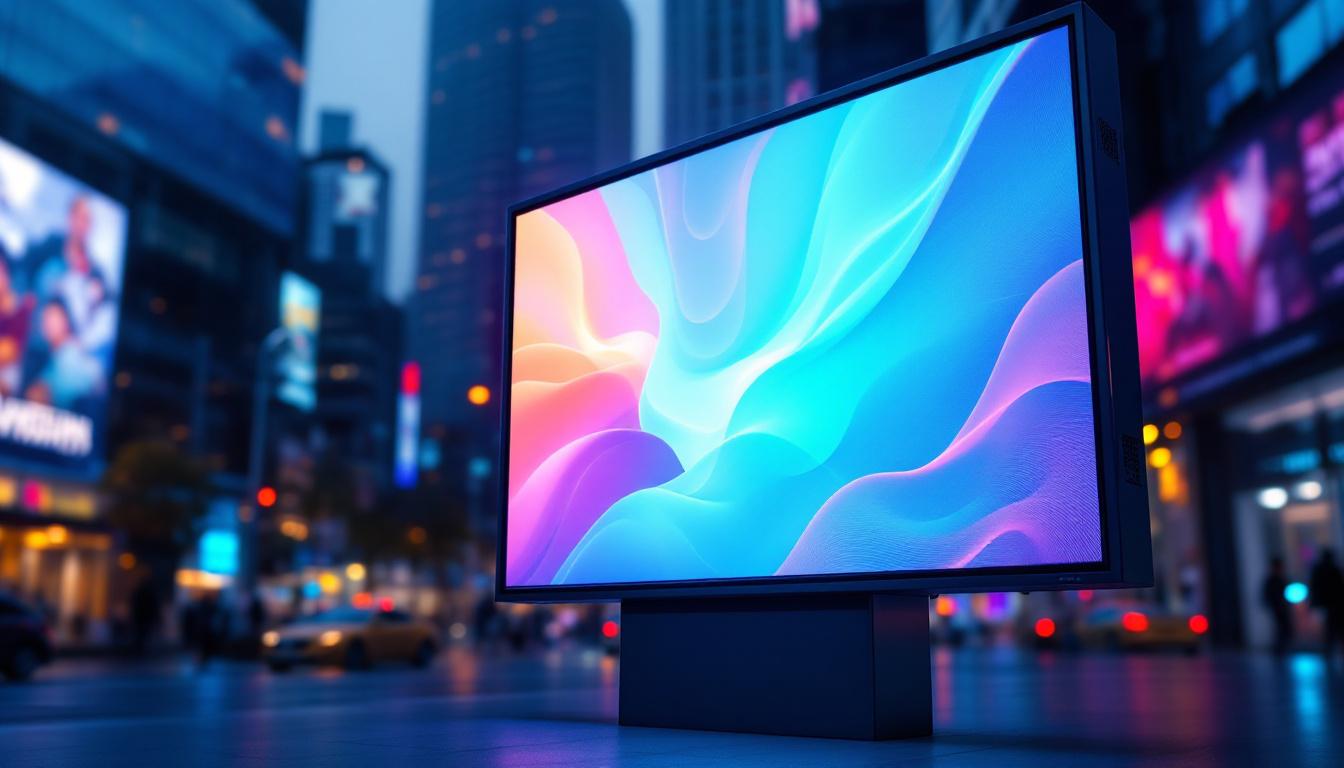
Retailers leverage thin screen LED displays to create eye-catching digital signage that attracts customers and enhances brand messaging. The high brightness and vibrant colors make promotional content stand out, even in brightly lit environments.
According to a 2023 report by Digital Signage Today, digital signage using LED technology can increase customer engagement by up to 30%, highlighting the effectiveness of these displays in driving sales and brand awareness.
Corporate and Educational Environments
In corporate settings, thin screen LED displays are used for video conferencing, presentations, and information boards. Their clarity and brightness ensure that content is visible to all participants, improving communication and collaboration.
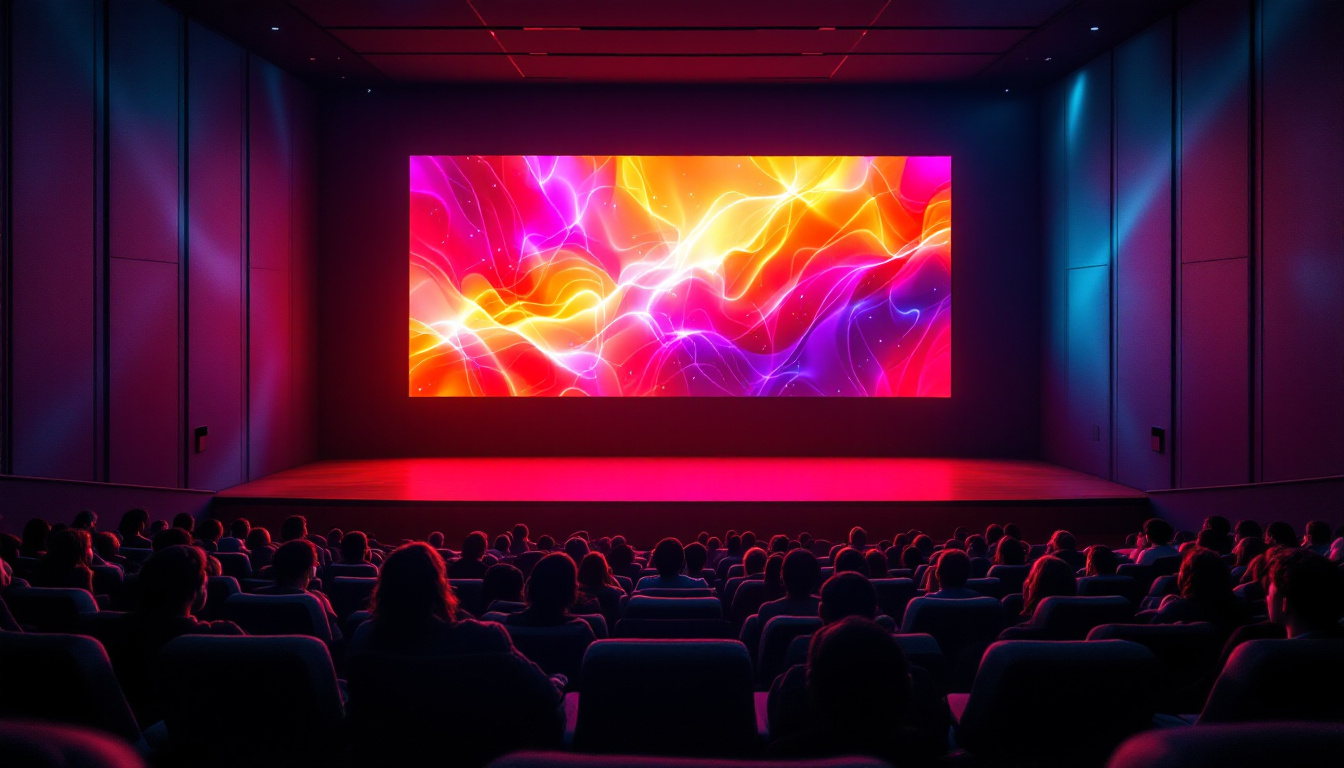
Educational institutions also benefit from LED displays in lecture halls and auditoriums, where large, clear visuals support interactive learning and engagement.
Entertainment and Sports Venues
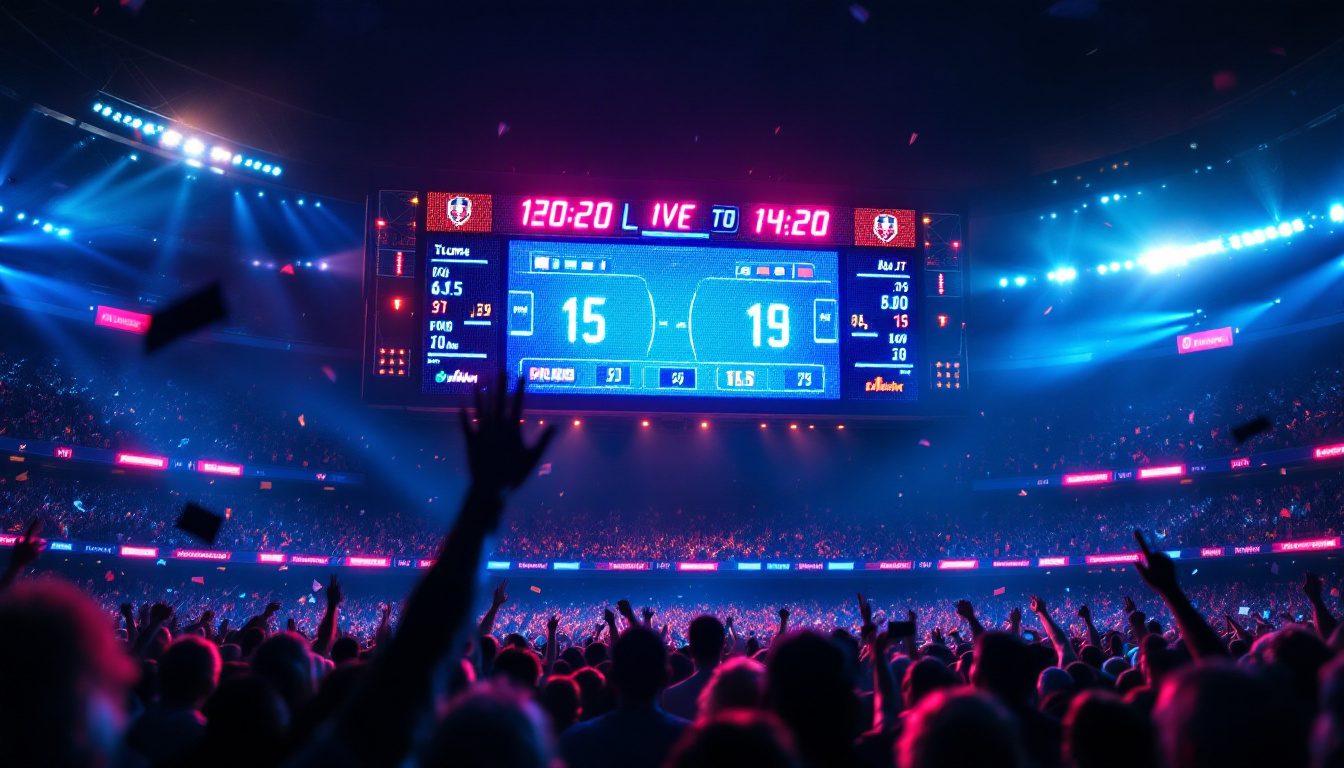
Stadiums, concert halls, and theaters utilize large-scale thin screen LED displays for live event broadcasting, scoreboards, and immersive visual effects. The ability to produce seamless, high-resolution images on massive screens enhances the spectator experience.
Transportation and Public Spaces
Thin screen LED displays are increasingly common in airports, train stations, and bus terminals, where they provide real-time information such as schedules, alerts, and advertisements. Their durability and visibility under various lighting conditions make them ideal for these high-traffic environments.
Challenges and Considerations
Cost Factors
While prices for LED displays have decreased over the years, high-resolution thin screen LED panels can still represent a significant investment, especially for large-scale installations. Businesses must weigh the upfront costs against long-term benefits such as energy savings and reduced maintenance.
Pixel Pitch and Viewing Distance
Pixel pitch—the distance between individual LEDs—affects image resolution and clarity. Smaller pixel pitches provide higher resolution but increase cost. Selecting the appropriate pixel pitch depends on the typical viewing distance; for example, a pixel pitch of 1.5mm or less is suitable for close-up indoor viewing, while larger pitches are acceptable for outdoor displays viewed from afar.
Environmental and Installation Factors
Outdoor LED displays must be weatherproof and able to withstand temperature fluctuations, humidity, and exposure to sunlight. Proper installation and maintenance are critical to ensure longevity and consistent performance.
The Future of Thin Screen LED Displays
Advancements in Micro-LED Technology
Micro-LED technology is poised to revolutionize the display industry by combining the best attributes of OLED and traditional LED displays. With even smaller diodes, micro-LEDs offer higher brightness, better energy efficiency, and longer lifespans without the burn-in issues associated with OLEDs.
Major manufacturers are investing heavily in micro-LED research, with commercial products expected to enter the market in the next few years, particularly in premium TVs, smartphones, and augmented reality devices.
Integration with Smart Technologies
Thin screen LED displays are increasingly integrated with smart sensors and IoT (Internet of Things) technologies. This integration allows for dynamic content adjustment based on environmental factors like ambient light or audience demographics, enhancing user engagement and operational efficiency.
Sustainability and Recycling Innovations
As environmental concerns grow, manufacturers are developing more sustainable LED display components, including recyclable materials and energy-efficient production processes. These efforts aim to reduce the ecological footprint of LED displays throughout their lifecycle.
Conclusion
Thin screen LED displays represent a significant advancement in visual technology, offering unparalleled brightness, energy efficiency, and design flexibility. Their applications span from retail and corporate environments to large-scale entertainment venues and public spaces, making them a versatile choice for modern digital communication.
Despite some challenges related to cost and installation, ongoing innovations in micro-LED technology and smart integration promise to enhance the capabilities and accessibility of thin screen LED displays further. For businesses and consumers alike, understanding the nuances of LED display technology is essential to making informed decisions in an increasingly digital world.
Explore Cutting-Edge LED Displays with LumenMatrix
Ready to elevate your visual communication with the latest in LED technology? LumenMatrix is at the forefront of creating immersive and dynamic visual experiences tailored to your needs. From vibrant Indoor and Outdoor LED Wall Displays to innovative solutions like Vehicle LED Displays, LED Posters, and even Custom LED Displays, we have the tools to bring your brand to life. Embrace the future of digital signage with our All-in-One LED Displays, LED Sports Displays, Floor LED Displays, and LED Transparent Displays. Discover how LumenMatrix can transform your space and captivate your audience. Check out LumenMatrix LED Display Solutions today and step into a world of unparalleled brightness, energy efficiency, and design flexibility.