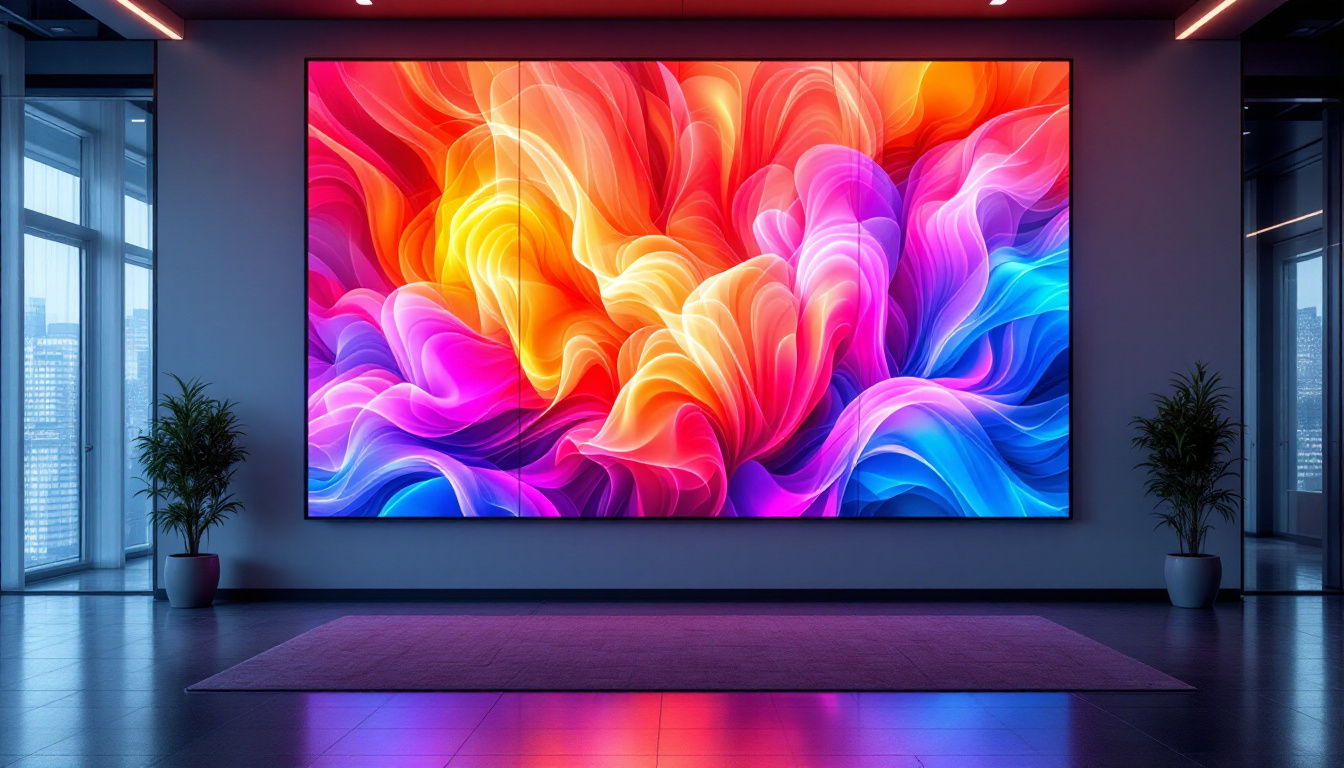
In the rapidly evolving world of digital displays, LED technology stands out as a dominant force, transforming how we experience visual content. Among the many sizes available, a 136-inch LED display offers a compelling blend of scale and clarity, making it an increasingly popular choice for various applications. This article delves into the specifics of 136-inch LED displays, exploring their technology, advantages, use cases, and what makes them a smart investment for both commercial and residential environments.
Understanding LED Display Technology
What is an LED Display?
LED, or Light Emitting Diode, displays use tiny diodes that emit light when an electric current passes through them. Unlike traditional LCD screens that rely on backlighting, LED displays produce their own light, resulting in brighter images and deeper contrasts. This self-illumination feature enables LED displays to deliver vibrant colors and sharp visuals even in well-lit environments. Additionally, the energy efficiency of LED technology contributes to lower operational costs, making them a popular choice for both commercial and residential applications.
LED displays come in various forms, including direct-view LED panels and LED-backlit LCDs. The 136-inch displays typically refer to direct-view LED screens, where each pixel is an individual LED cluster. This structure allows for scalable sizes without losing image quality, making it ideal for large-format displays. Furthermore, advancements in LED technology have led to the development of flexible LED screens, which can be curved or shaped to fit unique installations, providing even more creative possibilities for designers and advertisers alike.
Pixel Pitch and Resolution
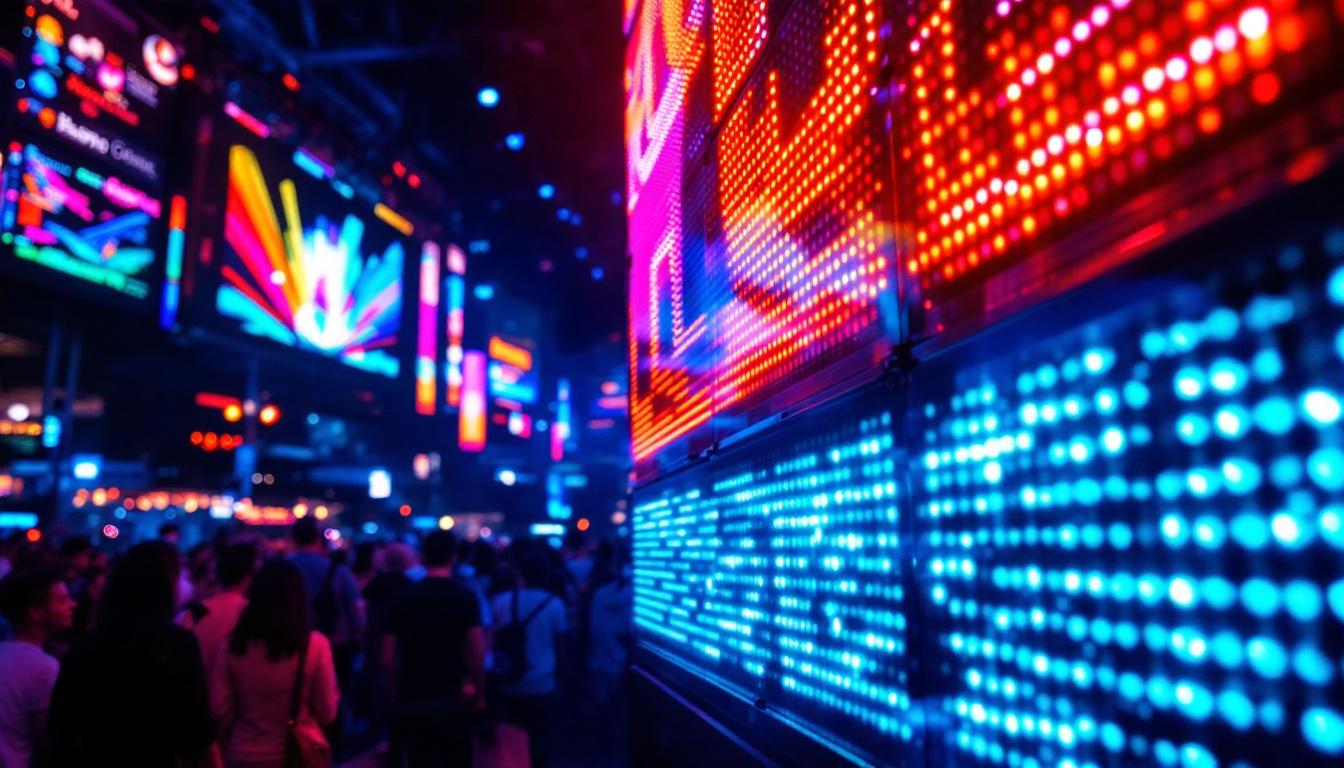
One of the key technical aspects of LED displays is the pixel pitch—the distance between the centers of two adjacent pixels. A smaller pixel pitch means higher pixel density, resulting in sharper images. For a 136-inch LED display, pixel pitch can vary depending on the intended viewing distance and application. The choice of pixel pitch is crucial, as it directly influences the visual experience; a well-calibrated pixel pitch ensures that viewers can appreciate the full detail and vibrancy of the content being displayed.
For example, a pixel pitch of 1.5mm to 2.5mm is common for indoor 136-inch LED displays, offering high resolution suitable for close viewing. Outdoor versions might have larger pixel pitches (4mm to 10mm) to accommodate longer viewing distances and environmental durability. Additionally, the resolution of an LED display is often measured in terms of pixels per square meter, with higher resolutions providing more detail and clarity. This is particularly important for applications such as digital signage, where the quality of the visuals can significantly impact audience engagement and retention. As technology continues to evolve, we can expect even more innovations in pixel density and display capabilities, further enhancing the versatility of LED displays in various settings.
Advantages of a 136-Inch LED Display
Immersive Visual Experience
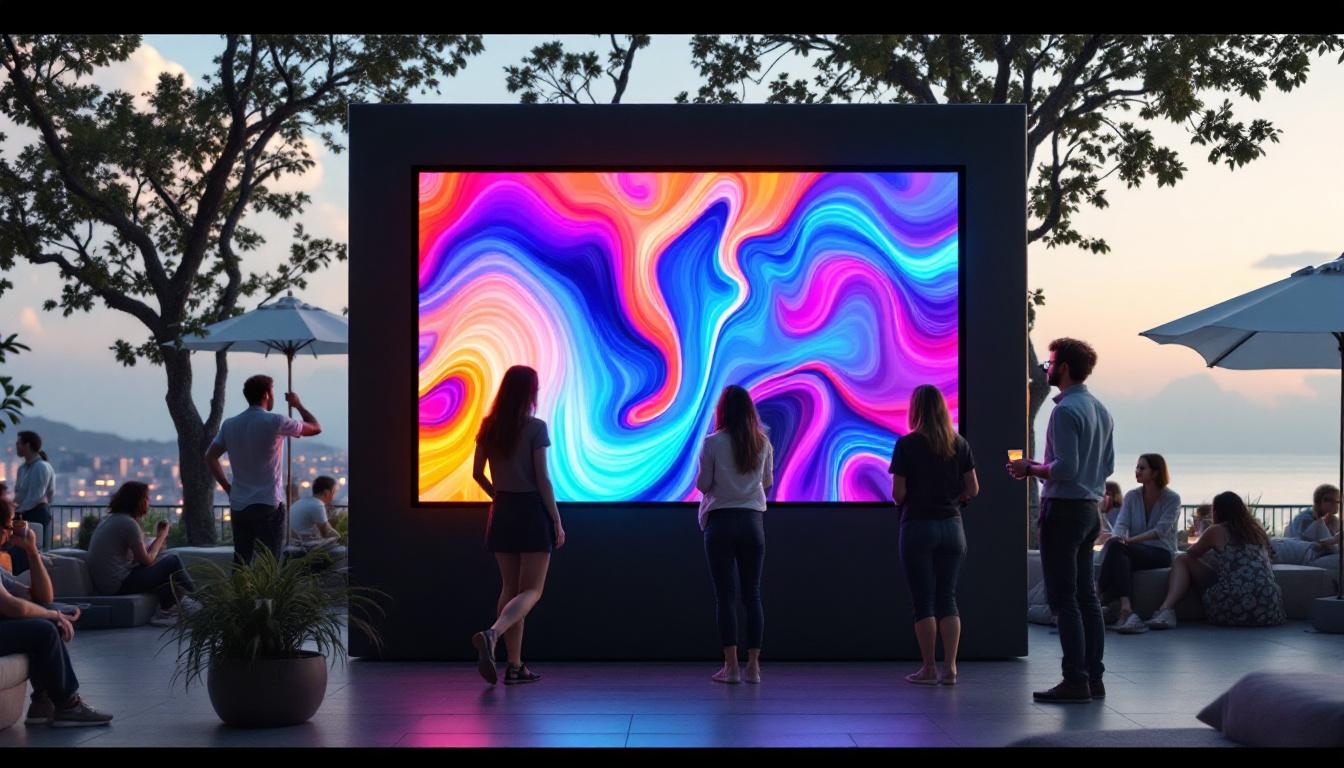
The sheer size of a 136-inch LED display creates an immersive viewing experience that smaller screens cannot match. Whether used for presentations, digital signage, or entertainment, the expansive screen real estate allows for detailed and engaging content delivery. This size is particularly effective in environments like conference rooms, auditoriums, and retail spaces where visibility and impact are crucial. The large format not only captures attention but also facilitates collaborative viewing, allowing multiple viewers to engage with the content simultaneously without straining to see details. In educational settings, for instance, a 136-inch display can enhance learning by providing a dynamic platform for interactive lessons, multimedia presentations, and group discussions.
Superior Brightness and Contrast
LED displays are known for their exceptional brightness levels, often exceeding 1,000 nits for indoor models and going much higher for outdoor variants. This brightness ensures clear visibility even in brightly lit rooms or direct sunlight. Additionally, the ability of LEDs to turn off individual pixels completely results in true blacks and high contrast ratios, enhancing image depth and realism. This capability is particularly beneficial for displaying high-definition video content, where the nuances of color and shadow can significantly impact the viewer’s experience. Furthermore, the advanced technology behind LED displays often includes features like HDR (High Dynamic Range), which further elevates the visual quality by expanding the range of colors and brightness levels, allowing for a more lifelike representation of images and videos.
Energy Efficiency and Longevity
Compared to traditional display technologies such as plasma or older LCDs, LED displays are more energy-efficient. The use of LEDs reduces power consumption, which can translate into significant cost savings over time, especially for large screens like the 136-inch models. Moreover, LEDs have a longer lifespan, often rated at 50,000 to 100,000 hours, which means less frequent replacements and maintenance. This longevity not only contributes to lower operational costs but also aligns with sustainability efforts, as fewer displays need to be manufactured and disposed of over time. Additionally, many modern LED displays come equipped with smart technology that allows for automatic brightness adjustments based on ambient light conditions, further optimizing energy use while maintaining visual quality.
Applications of 136-Inch LED Displays
Corporate and Educational Settings
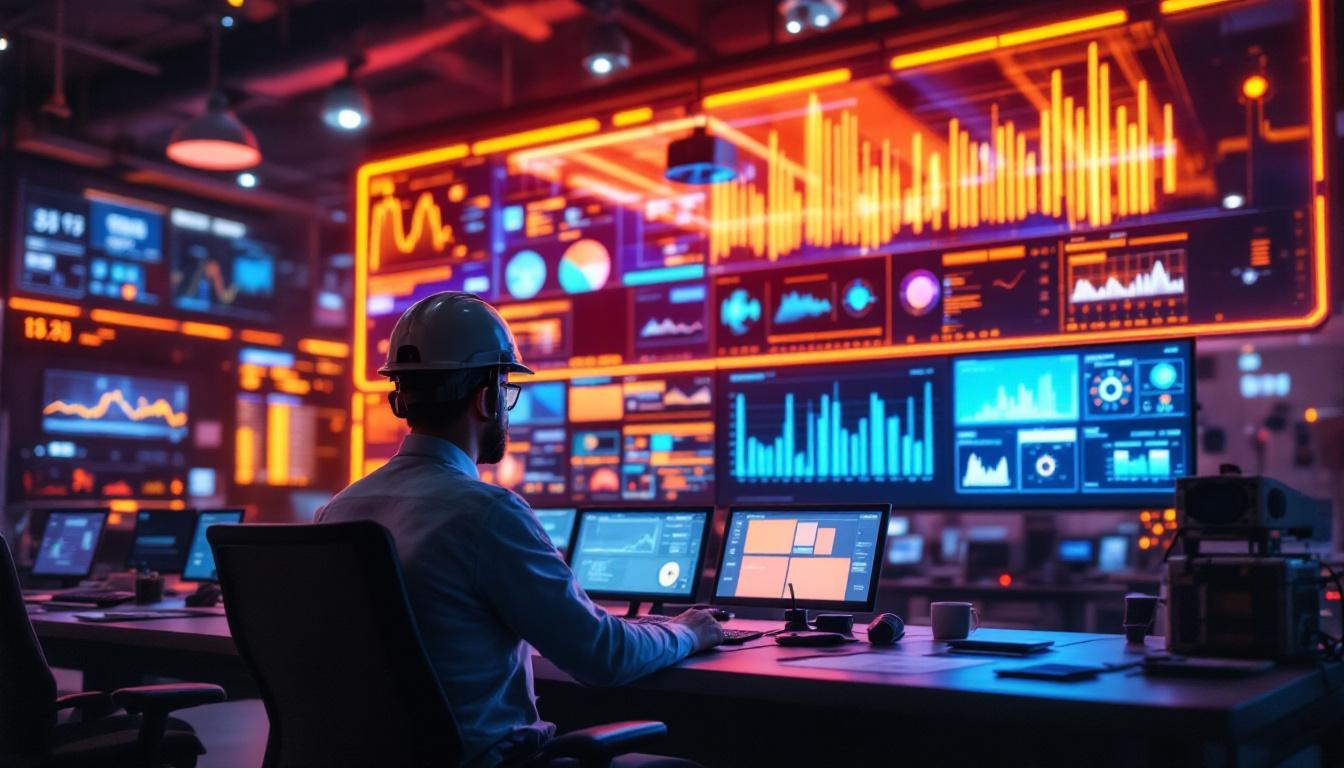
In corporate environments, 136-inch LED displays serve as powerful tools for presentations, video conferencing, and digital collaboration. Their size and clarity allow large groups to view content simultaneously without straining their eyes. Educational institutions also benefit from these displays by enhancing lecture delivery, interactive learning, and campus-wide communication.
For example, universities have started integrating large LED walls in auditoriums and lecture halls, enabling professors to display detailed graphics, videos, and live feeds, thereby enriching the learning experience. Additionally, these displays can facilitate real-time polling and feedback during lectures, allowing students to engage more actively with the material. This interactivity not only fosters a more dynamic classroom environment but also helps educators gauge student understanding and adapt their teaching methods accordingly.
Retail and Advertising
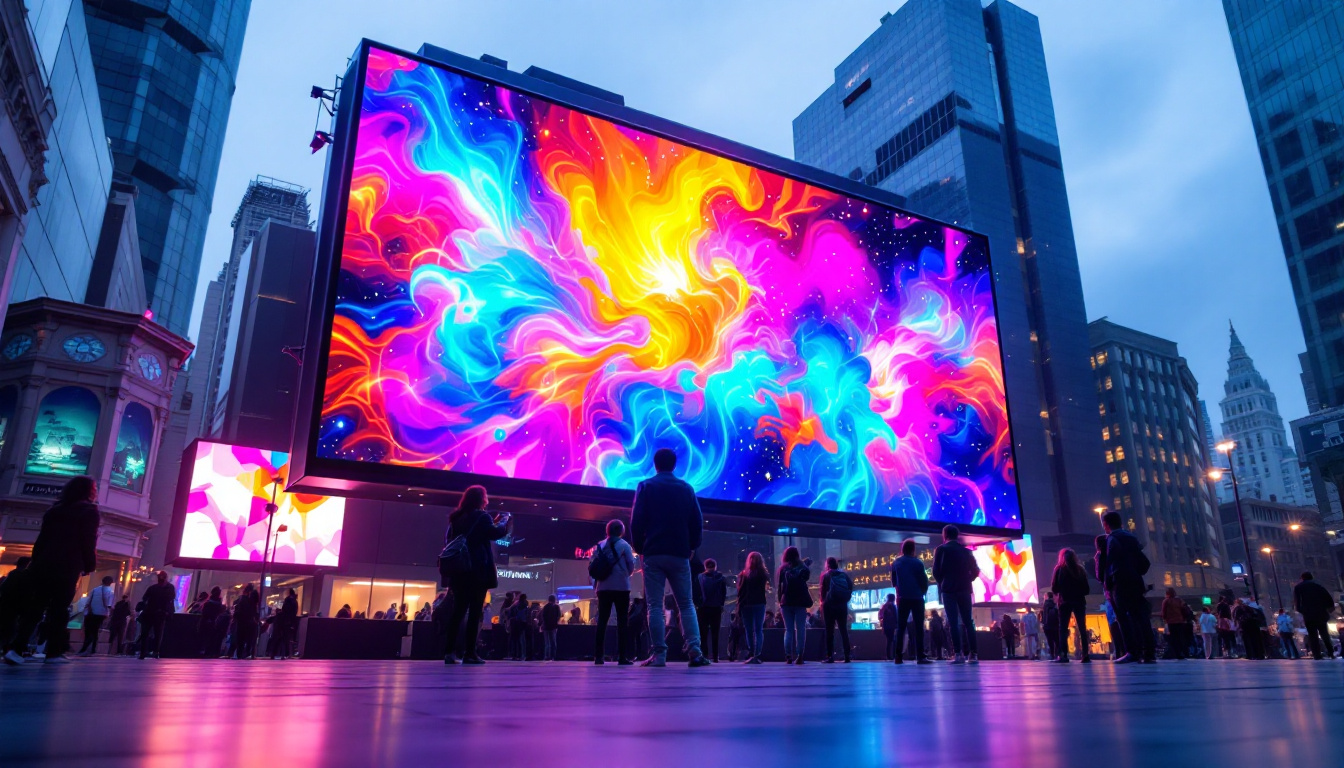
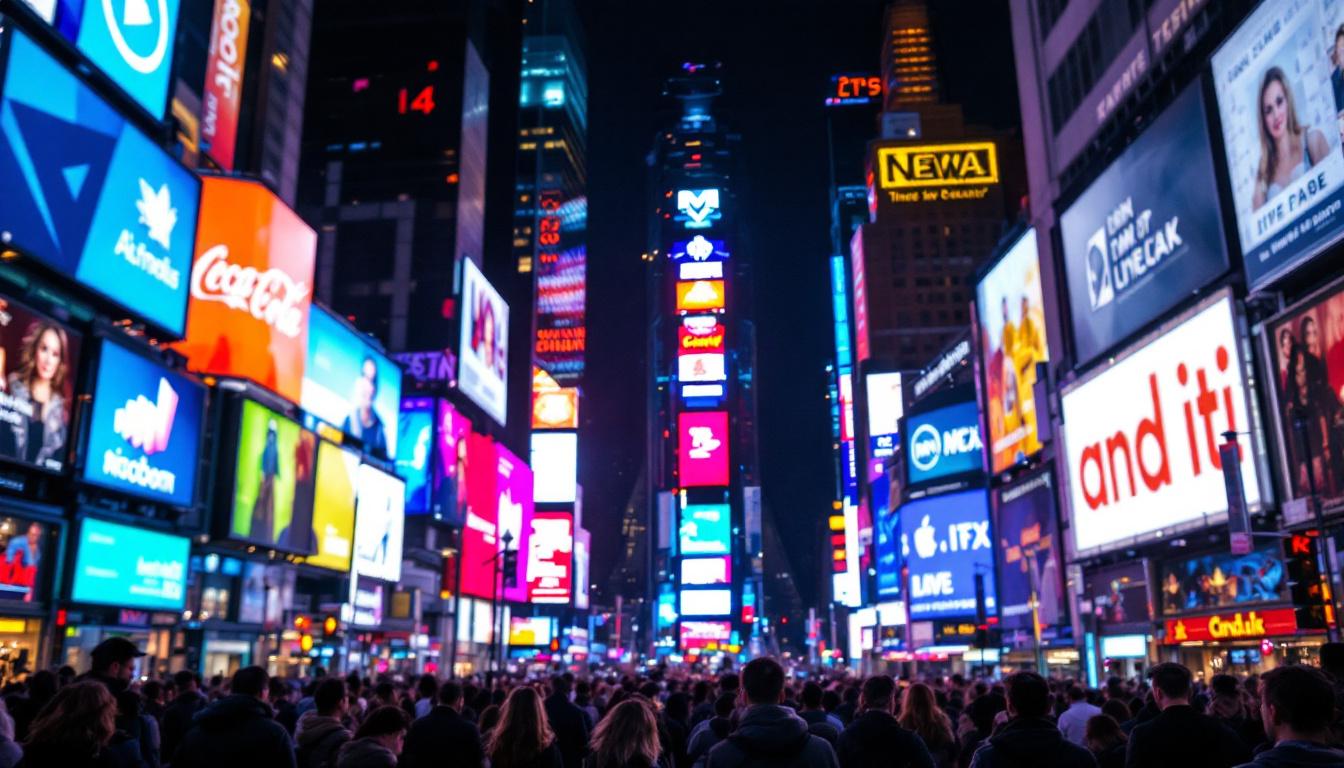
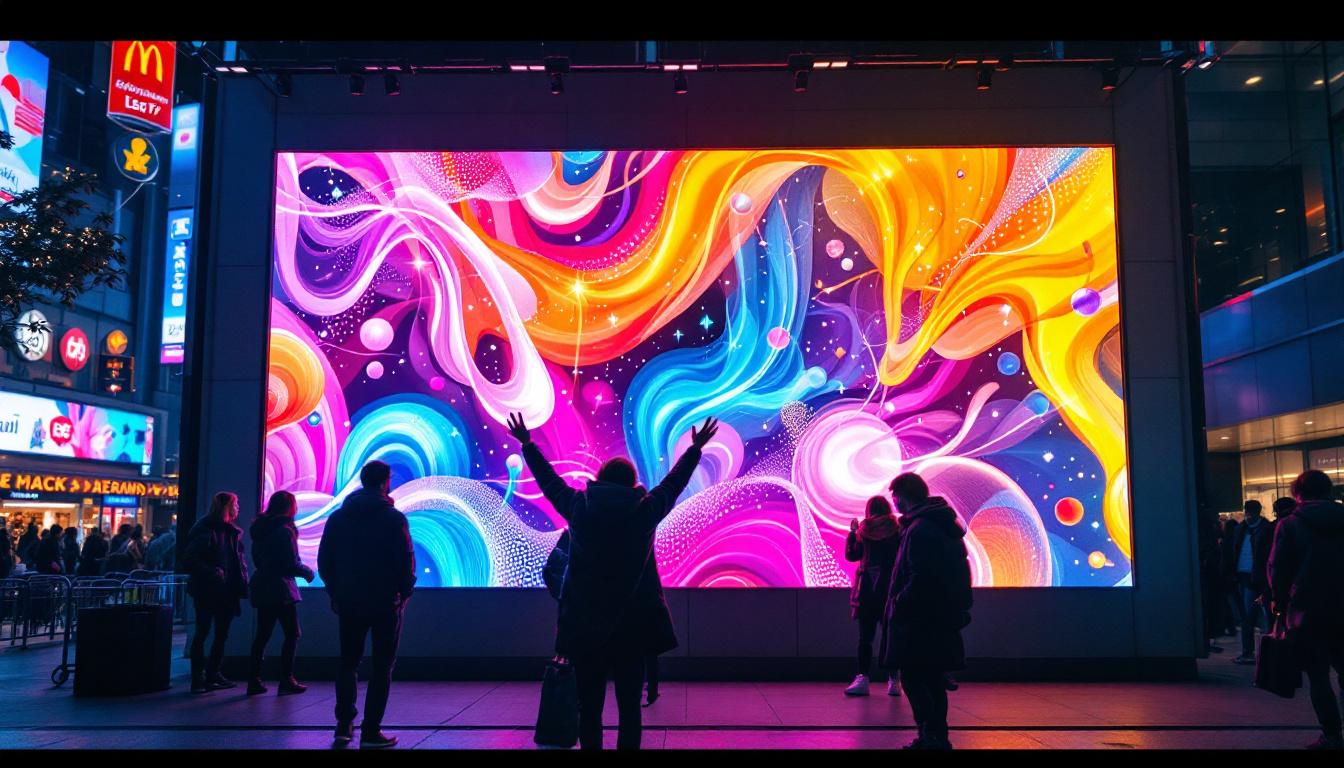
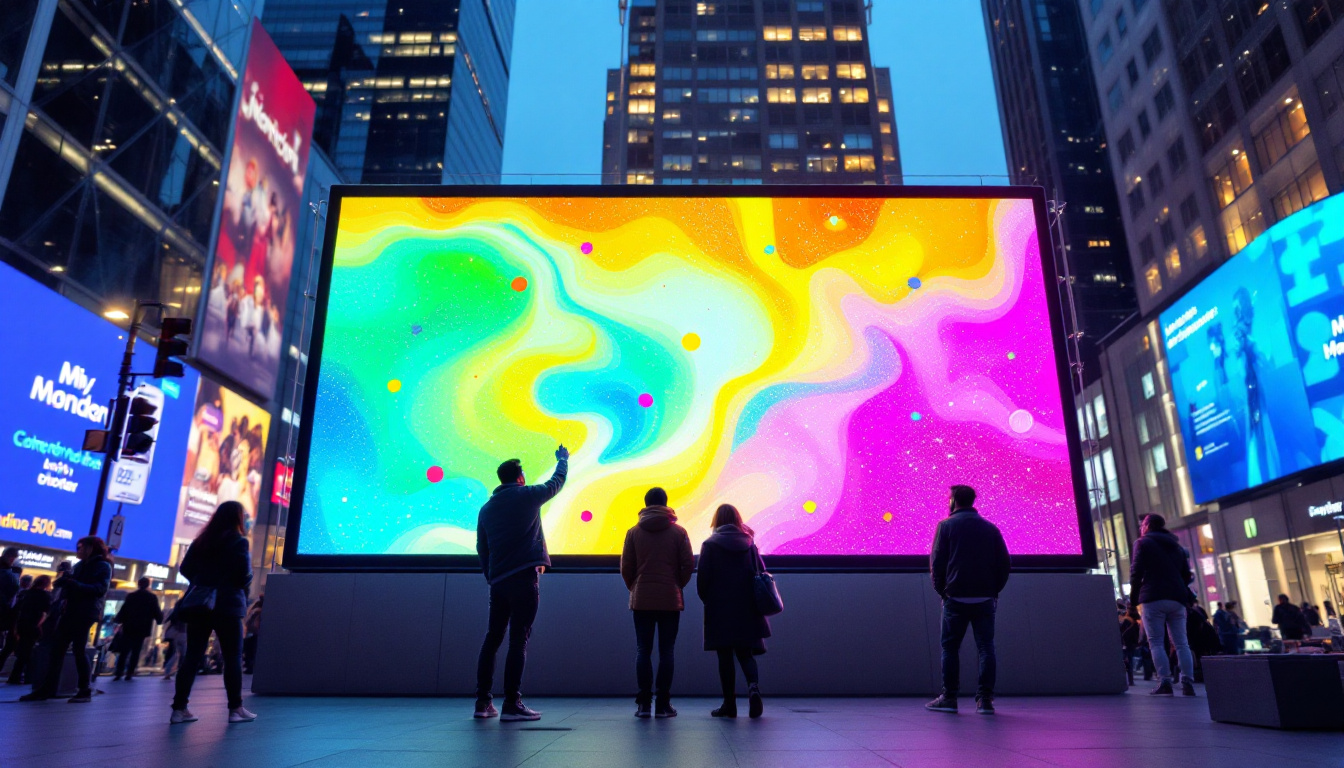
Retailers leverage 136-inch LED displays to attract customers and promote products with dynamic, eye-catching visuals. These displays can be installed in storefront windows, shopping malls, or trade shows, delivering high-impact advertising that stands out from traditional static signs.
According to recent market research, digital signage incorporating LED technology can increase customer engagement by up to 30%, underscoring the effectiveness of large LED displays in retail marketing strategies. Furthermore, these displays can be programmed to showcase targeted advertisements based on time of day or customer demographics, allowing retailers to tailor their messaging for maximum impact. This level of customization not only enhances the shopping experience but also drives sales by presenting customers with relevant promotions and product information at the right moment.
Entertainment and Events
Large LED displays have become staples in the entertainment industry, from concert backdrops to sports arenas and theaters. The 136-inch size strikes a balance between portability and visibility, making it suitable for both permanent installations and temporary event setups.
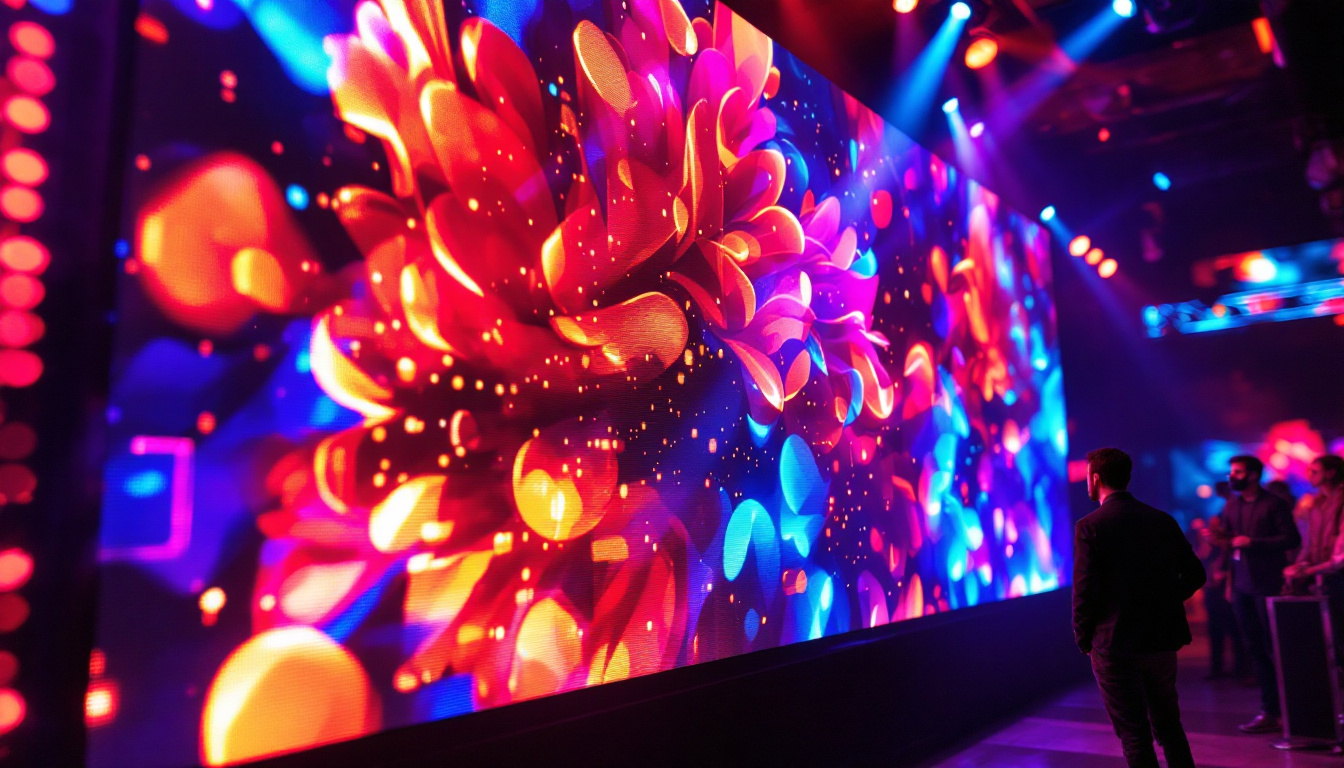
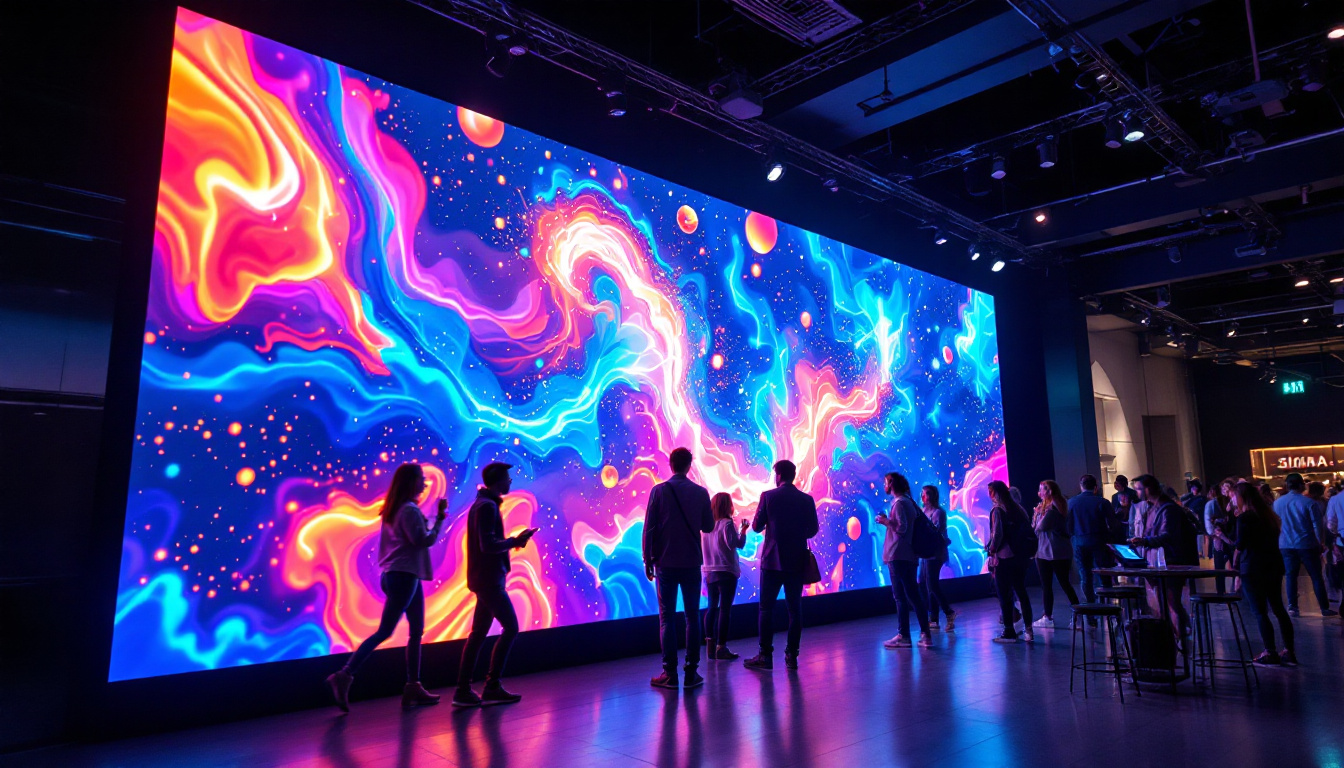
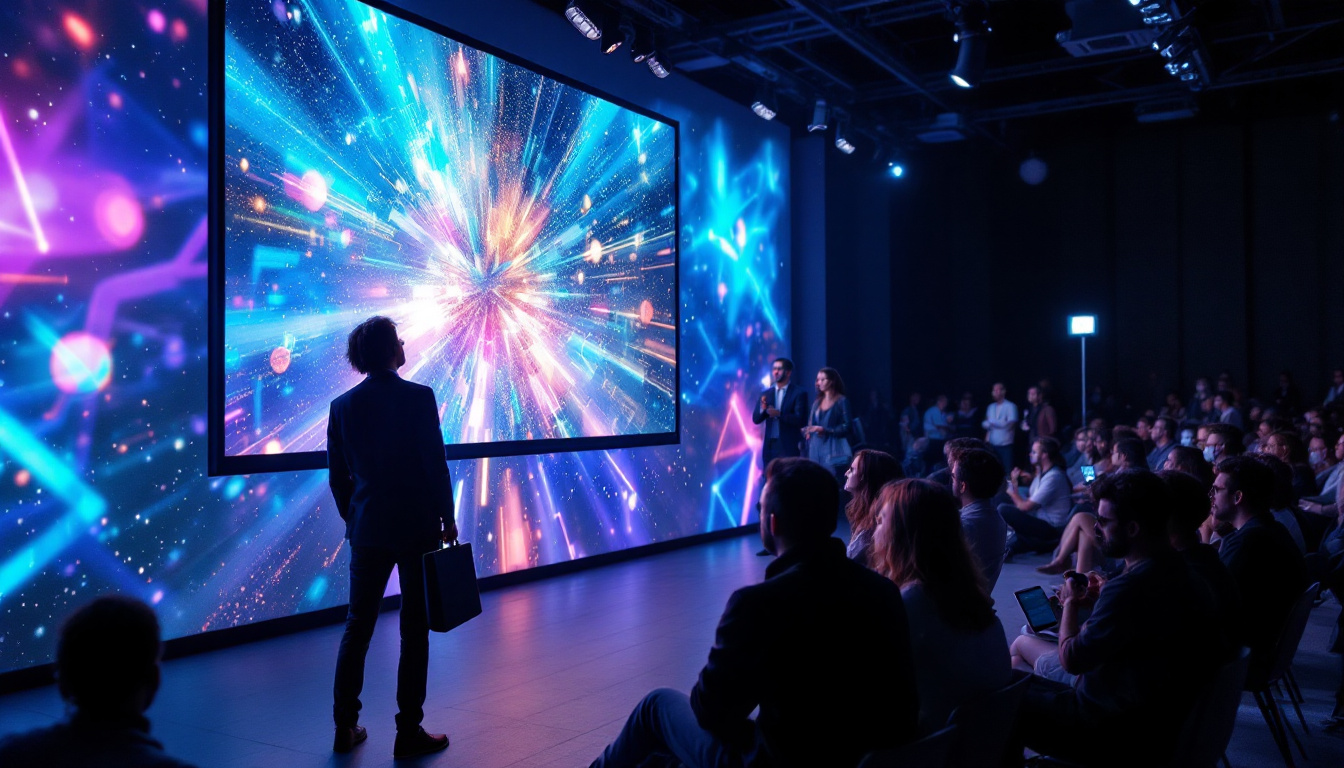
Event organizers appreciate LED displays for their quick setup, modular design, and ability to produce vivid visuals that captivate audiences. This versatility has made LED technology a preferred choice for live performances, conferences, and exhibitions worldwide. In addition to their visual appeal, these displays can also be synchronized with sound systems to create immersive experiences that engage multiple senses. For instance, during a concert, the LED screens can display synchronized light shows or visual effects that complement the music, enhancing the overall atmosphere and leaving a lasting impression on attendees. Moreover, the ability to stream live content or social media feeds during events encourages audience interaction and creates a sense of community among participants, further elevating the entertainment experience.
Choosing the Right 136-Inch LED Display
Indoor vs. Outdoor Models
When selecting a 136-inch LED display, it is essential to consider the environment where it will be installed. Indoor LED displays prioritize higher resolution and finer pixel pitch to accommodate close viewing distances. They also tend to have lower brightness levels suitable for controlled lighting conditions.
Outdoor LED displays, on the other hand, require higher brightness to combat sunlight glare and are built with weather-resistant materials to withstand rain, dust, and temperature fluctuations. The pixel pitch is generally larger, as viewers are typically farther away.
Installation and Maintenance
Due to their size and weight, 136-inch LED displays require professional installation to ensure safety and optimal performance. Wall mounting, ceiling suspension, or custom stands are common mounting options, depending on the venue.
Maintenance considerations include regular cleaning, software updates, and periodic calibration to maintain color accuracy. Choosing a display with modular panels can simplify repairs, as individual sections can be replaced without disassembling the entire screen.
Budget and Total Cost of Ownership
While the initial investment for a 136-inch LED display can be substantial, it is important to evaluate the total cost of ownership. Factors such as energy consumption, maintenance expenses, and potential revenue gains from enhanced advertising or improved communication should be considered.
Many businesses find that the long-term benefits and durability of LED displays justify the upfront costs, especially when compared to alternative large-format display technologies.
Future Trends in LED Display Technology
Advancements in Pixel Density and Resolution
As LED technology progresses, manufacturers are pushing the boundaries of pixel density, enabling ultra-high-definition displays even at large sizes like 136 inches. MicroLED technology, which uses microscopic LEDs, promises even greater brightness, color accuracy, and energy efficiency.
Integration with Smart Technologies
Modern LED displays increasingly incorporate smart features such as AI-driven content management, real-time data integration, and interactive touch capabilities. These innovations enhance user engagement and provide more dynamic and personalized display experiences.
Sustainability and Eco-Friendly Designs
Environmental concerns are driving the development of more sustainable LED displays. Innovations include the use of recyclable materials, reduced power consumption, and manufacturing processes that minimize carbon footprints. These eco-friendly approaches align with corporate social responsibility goals and regulatory requirements.
Conclusion
The 136-inch LED display represents a powerful convergence of size, clarity, and versatility. Whether for corporate communication, retail advertising, or entertainment, these displays offer an immersive visual experience that captivates audiences and enhances messaging. Understanding the technical nuances, advantages, and appropriate applications of 136-inch LED displays enables businesses and institutions to make informed decisions that maximize their investment.
As LED technology continues to advance, the potential uses and benefits of large-format displays like the 136-inch model will only expand, making them an essential component of modern visual communication strategies.
Discover LumenMatrix’s LED Display Innovations
Ready to elevate your visual communication with a 136-inch LED display that offers unparalleled clarity and impact? LumenMatrix is at the forefront of LED display technology, providing a wide array of solutions tailored to your needs. From immersive indoor and outdoor LED walls to specialized displays for vehicles, sports, and custom installations, our products are designed to captivate your audience and amplify your message. Experience the future of digital signage with LumenMatrix and transform your space into a dynamic visual experience. Check out LumenMatrix LED Display Solutions today and see the difference innovation can make.